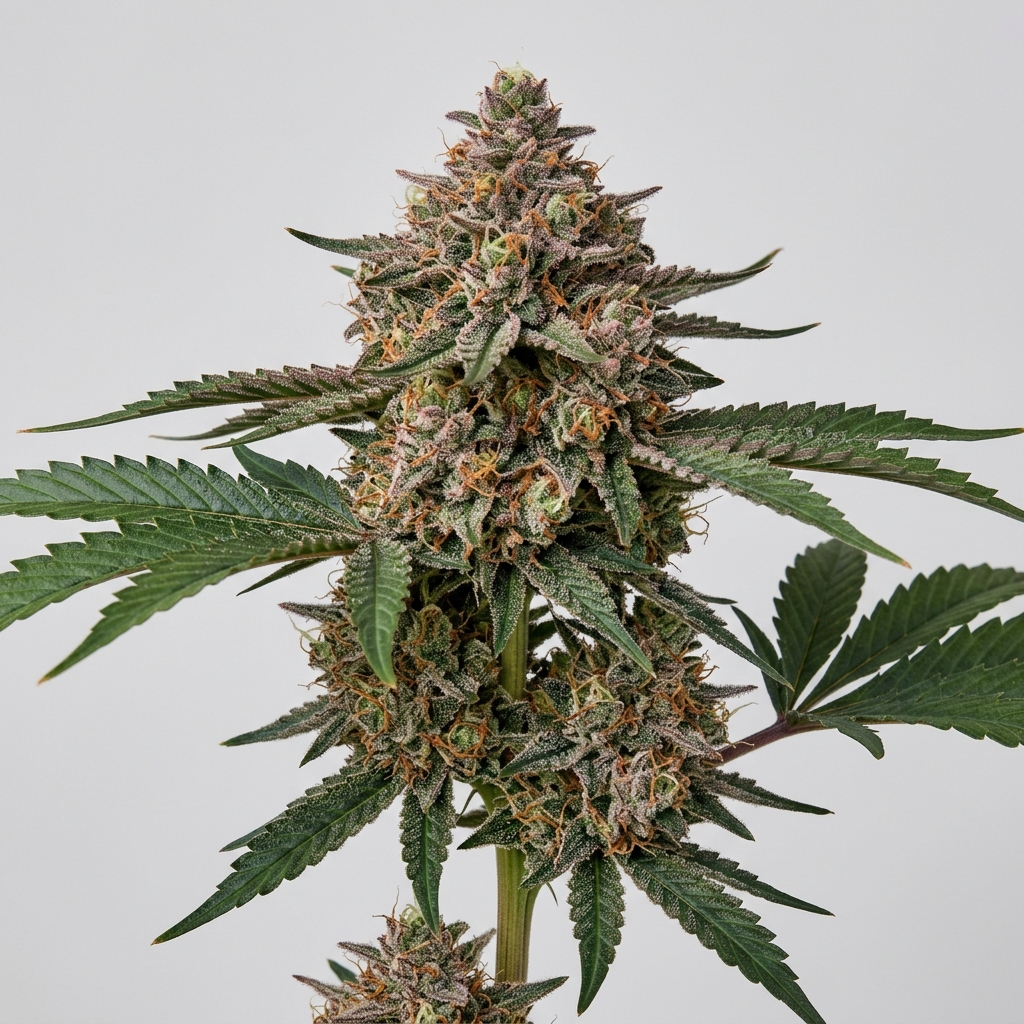
Dynamite (Cannabis Strain)
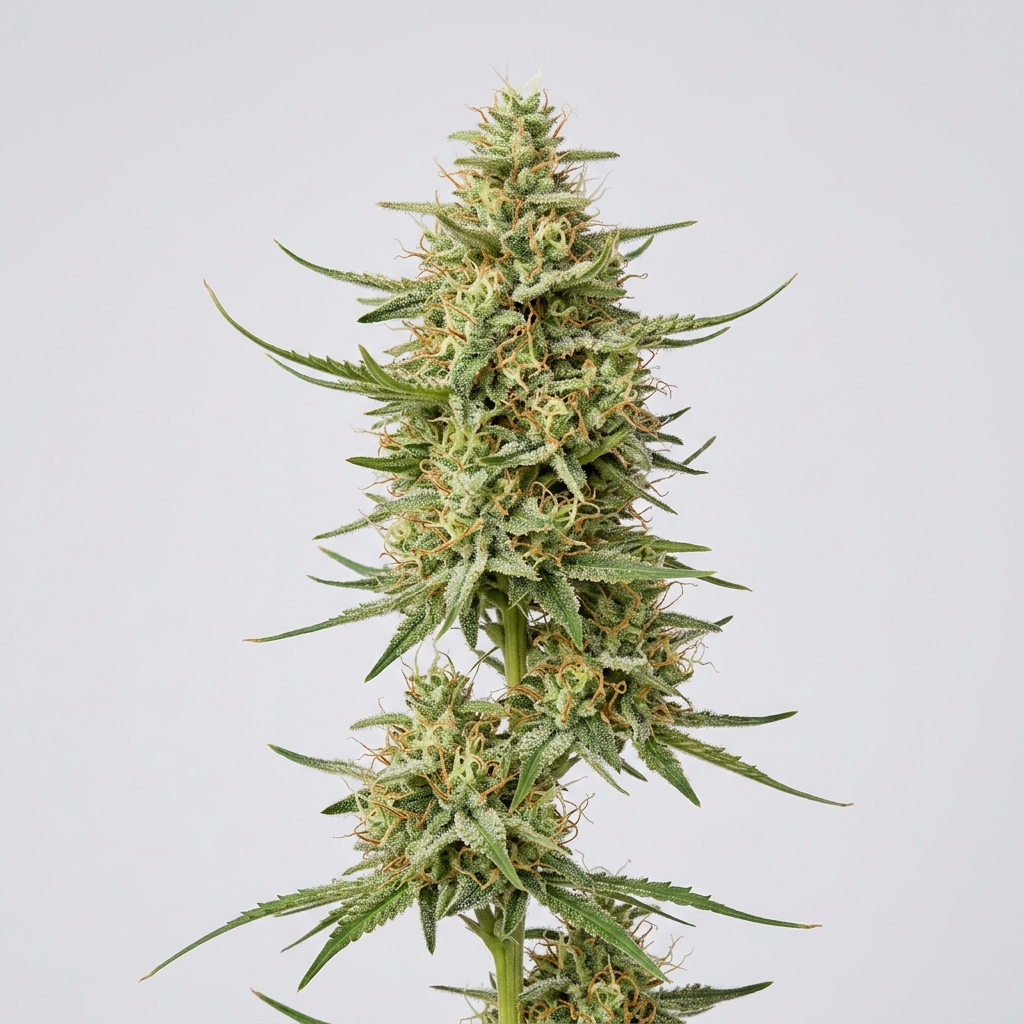
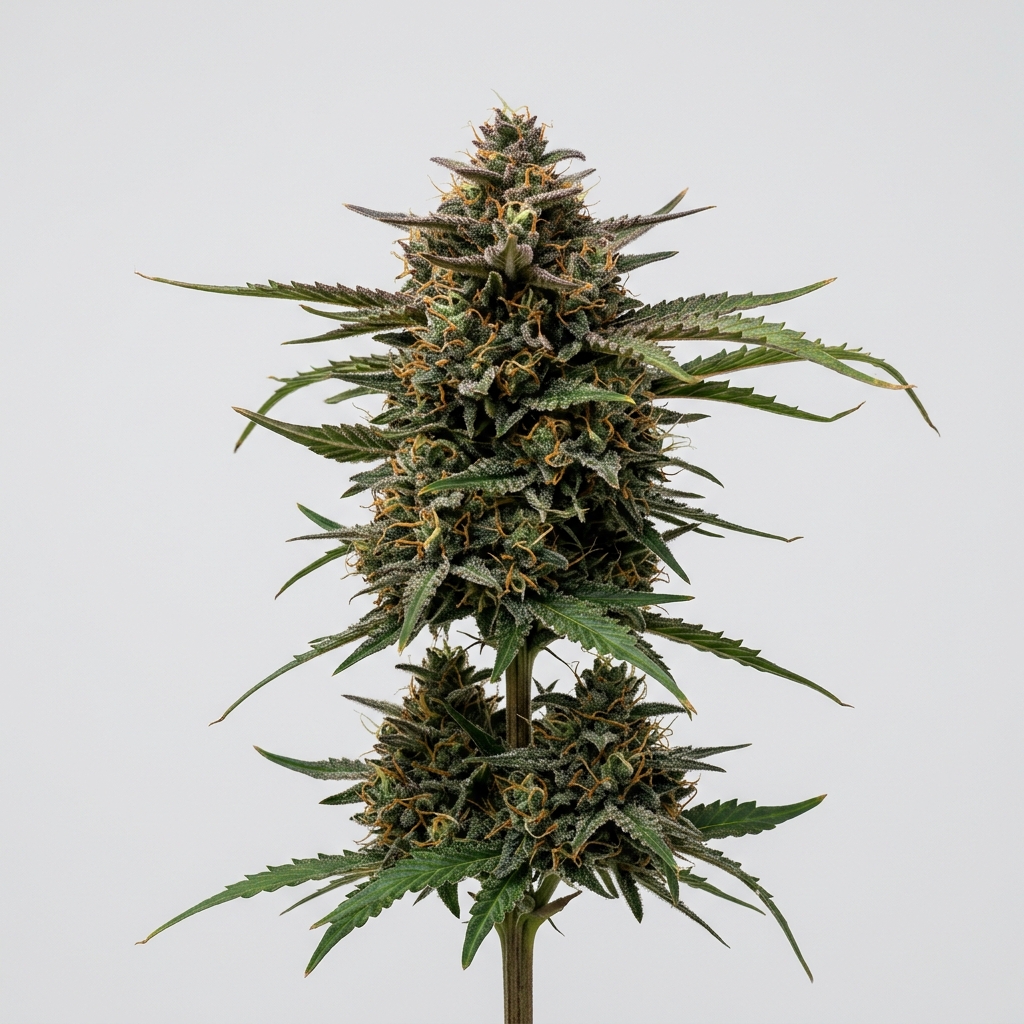
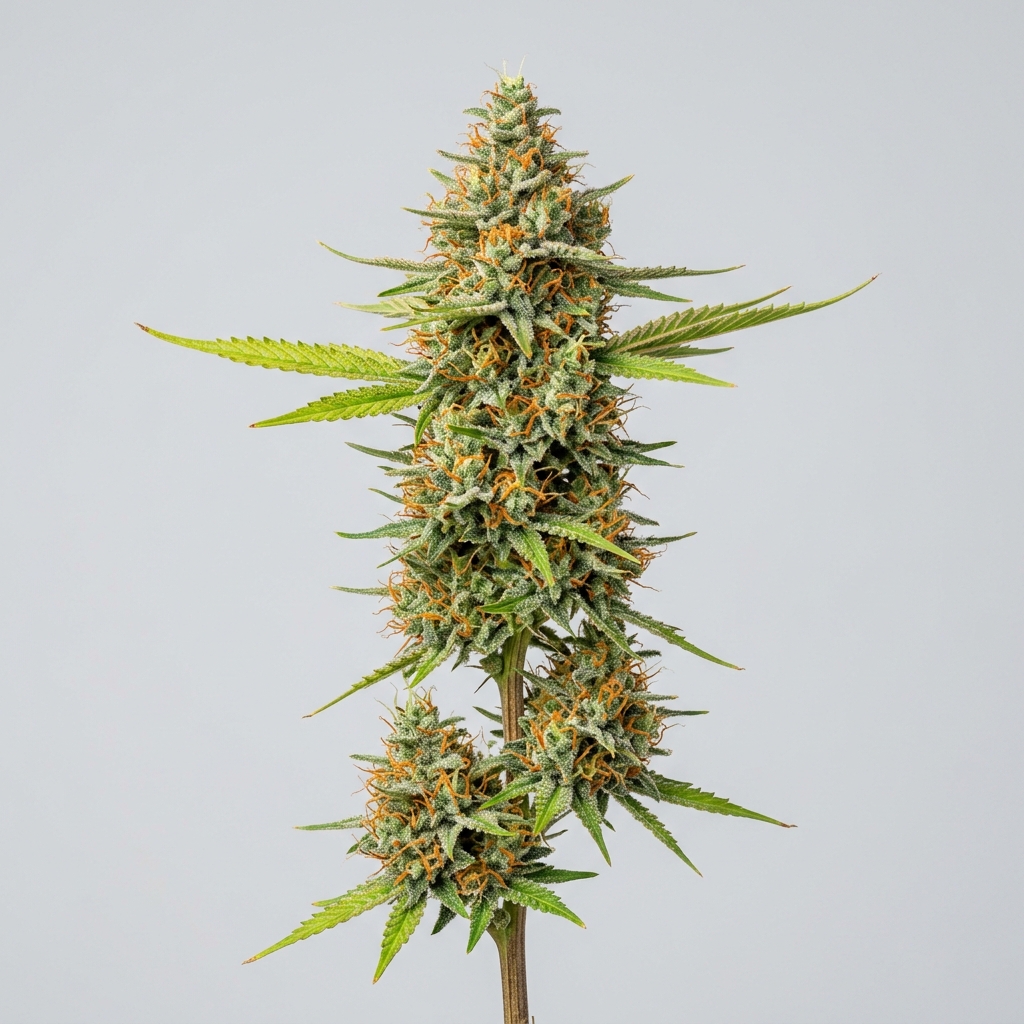
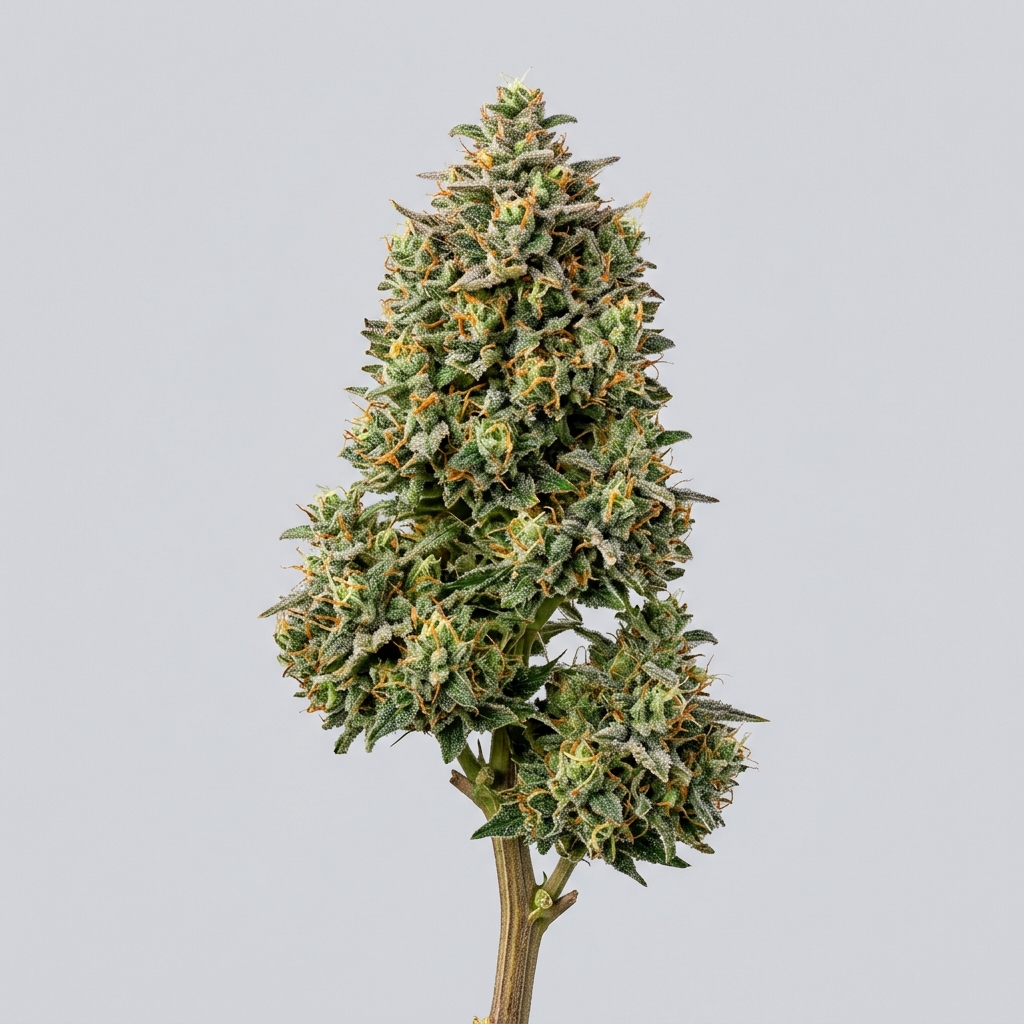
Dynamite is an indica-dominant cultivar renowned for its reliable growth, thick resin production, and distinctively sweet, fruit-forward profile. Typically testing between 17% and 23% THC, this strain is a selected backcross of the classic Grapefruit lineage, bred to lock in a pungent aroma of tart citrus, sugary berry, and earthy undertones. The plant is characterized by its compact, bushy structure, tight internodal spacing, and a massive central spear cola that packs on dense, greasy resin during its brief flowering cycle. Growers favor this cultivar for its high yield potential and its tendency to display vibrant pink and purple hues in its swollen calyxes when exposed to cooler night temperatures.
Developed by Next Generation Seed Company in the Pacific Northwest, this strain has maintained a loyal following among cultivators who appreciate old-school BC genetics. Its physical resilience and predictable growth patterns make it a staple for both sea-of-green setups and boutique indoor gardens. The finished flower offers a classic heavy-evening experience, balancing its intense sweetness with a deeply relaxing, physical finish.
Quick Facts
| Trait | Details |
|---|---|
| Genetics | Grapefruit × Unknown Indica (BC Grapefruit Backcross) |
| Variety | Indica-dominant Hybrid |
| THC Range | 17% – 23% |
| Flowering Time | 7 – 8 weeks (approx. 50 days) |
| Yield Potential | High (dense, heavy colas) |
| Plant Height | Short to Medium (compact, low stretch) |
| Climate Preference | Temperate, controlled indoor, or warm/dry outdoor |
| Difficulty | Easy to Moderate |
Scientific & Botanical Overview
Botanically, the cultivar displays classic indica morphology, characterized by broad fan leaves, thick stems, and a short, stocky stature. The plant concentrates its energy into a dominant main cola, though lower lateral branches will produce dense, spherical secondary buds if given proper light penetration. This structure is highly efficient for indoor growers utilizing space-restricted setups or high-density planting techniques.
The bracts and calyxes of this cultivar are exceptionally tight, forming hard, golf-ball-sized clusters that resist wind damage but require strict environmental management. As the plant matures, the resin glands transition from clear, glassy bulbs to a milky, greasy layer that blankets the entire flower structure. Under cooler night conditions during the final two weeks of flowering, anthocyanin accumulation frequently turns the green foliage into shades of deep violet and soft pink.
Horticultural observations indicate a highly efficient nutrient uptake system, allowing the plant to handle moderate to heavy feeding during its vegetative and early flowering stages. The root system develops rapidly and densely, providing solid structural support for the heavy flower clusters that develop later. Because of its dense canopy and compact node structure, maintaining proper airflow through the lower third of the plant is critical to prevent moisture retention.
Effects & Use-Cases (Reported)
Commonly reported effects: Users frequently note a rapid onset of physical relaxation that spreads from the neck down, accompanied by a calm, meditative mental state. The initial experience is often described as soothing rather than overwhelming, gradually settling into a heavy, couch-locked sensation ideal for evening use.
Use-case context: This cultivar is highly suited for late-night wind-down routines, quiet listening sessions, or preparing for sleep. Its physical heaviness makes it less practical for daytime activities or tasks requiring high physical mobility, but highly favored for quiet, stationary comfort.
Note: Individual experiences can vary significantly based on tolerance, dosage, and specific phenotype variation.
Aroma & Flavors
Aroma: The primary scent is a sharp, tart grapefruit peel mixed with sweet, overripe berries and a subtle, damp earthiness. Breaking the dense buds apart releases a deeper, skunky fuel undertone that balances the intense fruit sweetness.
Flavor: On the palate, the smoke or vapor delivers a thick, sugary citrus flavor reminiscent of pink grapefruit candy, followed by a smooth, herbal, and slightly spicy finish. The citrus sweetness lingers on the tongue long after the exhale.
Terpene associations: Analytical testing of this lineage typically shows a high concentration of myrcene, which contributes to the earthy, relaxing foundation, alongside significant levels of limonene and caryophyllene that drive the sharp citrus lift and spicy undertones.
Tested Cannabinoid & Terpene Ranges
| Compound | Typical Range |
|---|---|
| Δ9-THC | 17.0% – 23.0% |
| CBD | < 1.0% |
| Myrcene | 0.4% – 1.1% |
| Limonene | 0.2% – 0.6% |
| Caryophyllene | 0.15% – 0.45% |
| Pinene | 0.05% – 0.2% |
Note: Cannabinoid and terpene profiles are highly variable and depend heavily on cultivation methods, curing practices, and specific phenotype selections.
Cultivation Notes
- Humidity Control: Keep late-flower relative humidity strictly below 45% to prevent mold in the dense, tightly packed colas.
- Nutrient Regimen: Responds well to standard nitrogen levels in veg, with a strong demand for phosphorus and potassium as soon as flowers begin to stack.
- Training Techniques: While it performs exceptionally well in a Sea of Green (SOG) setup as a single-cola plant, light topping early in veg can encourage productive lateral branching.
- Defoliation: Regular removal of broad fan leaves blocking lower bud sites is recommended during weeks two and four of flower to improve light penetration and airflow.
- Phenotype Management: Look for phenotypes that exhibit a purple flush and a sharp grapefruit aroma early in flower, as these typically yield the most resin-rich flowers.
Grower Notes (Week-by-Week Snapshot)
- Weeks 1–3 (Transition & Early Stretch): Expect a very controlled stretch, with the plant typically increasing in height by only 50% to 80%. Focus on clearing out the lowest third of the canopy (lollipoping) to direct energy toward the upper canopy.
- Weeks 4–6 (Flower Stacking & Resin Production): Bud sites will rapidly merge into thick, solid spear colas. Greasy resin glands will begin coating the sugar leaves, and the sweet, fruity aroma will become increasingly prominent.
- Weeks 7–8 (Late Flower & Senescence): Drop night temperatures by 10 to 15 degrees Fahrenheit to stimulate the production of deep pink and purple hues. Flush with plain, pH-balanced water to allow the plant to consume its remaining nutrient reserves, resulting in a cleaner burn and better terpene clarity.
- Post-Harvest (Dry & Cure): A slow, 10-to-14-day dry at 60 degrees Fahrenheit and 60% humidity is essential to lock in the delicate grapefruit and berry terpenes before a minimum three-week jar cure.
Genetic Lineage
The genetic foundation of this cultivar is rooted in the legendary Grapefruit strain, an old-school clone-only variety famous in British Columbia for its intense tropical citrus nose and rapid flowering time. To stabilize these desirable traits and add structural density, breeders crossed this selection back to a hard-hitting, resilient indica parent, creating a highly stable backcross.
This deliberate breeding process locked in the fast-flowering nature and sweet flavor profile of the Grapefruit parent while drastically improving the flower density and cold resistance of the offspring. The resulting lineage has served as reliable breeding stock for northern outdoor growers and indoor cultivators seeking a predictable, high-yielding indica.
Research Insights
From a phytochemical perspective, the synergy between high concentrations of myrcene and moderate levels of limonene in this cultivar presents an intriguing study in terpene modulation. While limonene is typically associated with uplifting sensory experiences, its co-presence with dominant concentrations of myrcene appears to temper the energetic lift, steering the overall experience toward deep physical relaxation with high mental clarity.
Agronomic observations highlight the cultivar’s exceptional resin density, which is characterized by short-stalked capitate-sessile and capitate-stalked trichomes. This specific gland structure protects the volatile monoterpenes during the drying process, ensuring the finished flower retains its signature sweet citrus aroma even after a prolonged cure.
Frequently Asked Questions
Is Dynamite easy to grow for beginners?
Yes, this cultivar is highly recommended for beginners due to its compact structure, short flowering time, and strong resistance to common pests. Its predictable, low-stretch growth habit makes it easy to manage in small indoor spaces.
How long does it take for this strain to flower?
This fast-flowering strain typically finishes its indoor bloom cycle in 7 to 8 weeks (approximately 50 to 55 days). Outdoor crops are usually ready for harvest by late September or early October in the Northern Hemisphere.
What does this strain smell like?
It features a dominant aroma of sweet, tart grapefruit peel and ripe berries, supported by an earthy, slightly skunky fuel undertone that becomes more pronounced when the buds are broken open.
Does this strain turn purple?
Yes, many phenotypes will develop striking pink and deep purple hues in the calyxes and sugar leaves during the final two weeks of flowering, especially when exposed to cooler night temperatures.
Educational Disclaimer
This content is provided strictly for educational and informational purposes. Cultivation and consumption of cannabis are subject to local laws and regulations, and readers are advised to consult local guidelines prior to undertaking any horticultural activities.
Rate and review this strain
Ratings and reviews are accepted only from signed-in Google accounts.
Sign in with Google to leave a rating and written review.
Latest Reviews
0 reviewsNo reviews yet. Be the first Google user to rate and review this strain.