Double Dutch (Cannabis Strain)
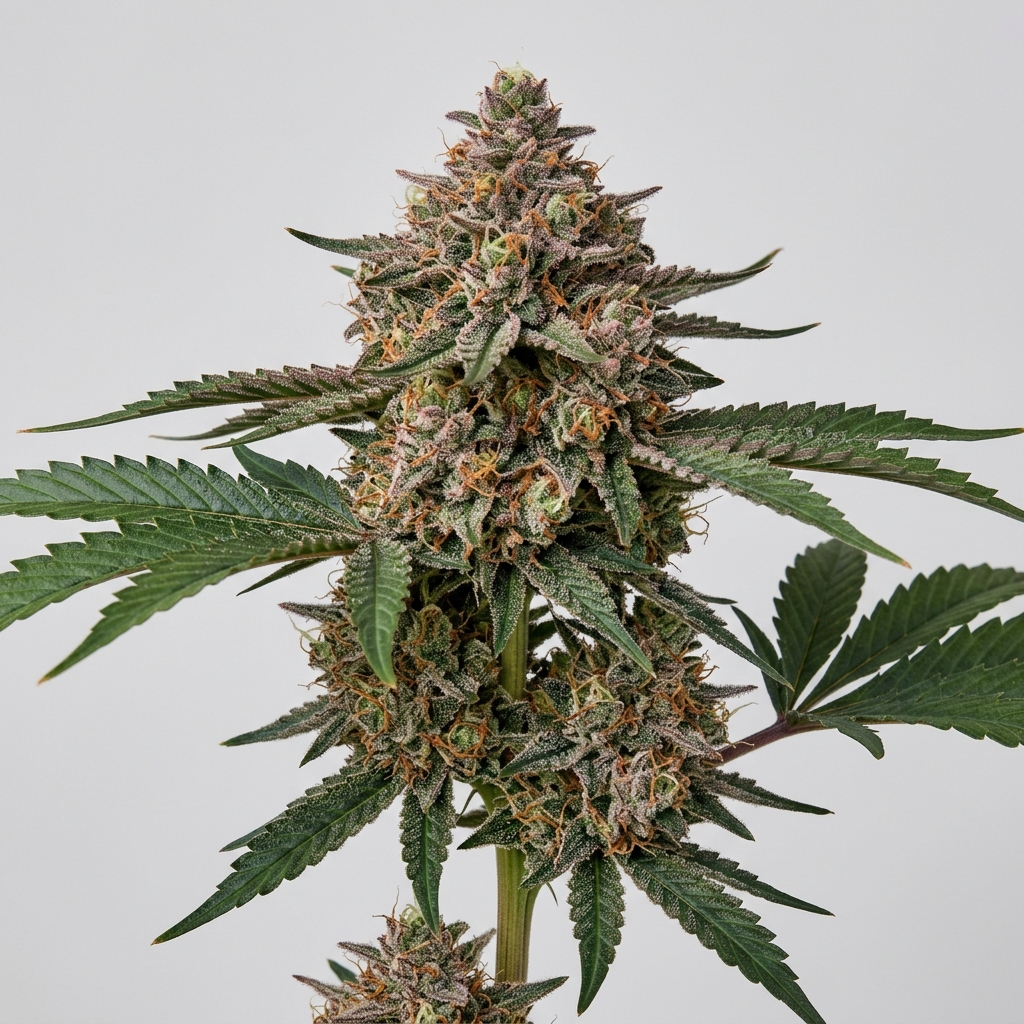
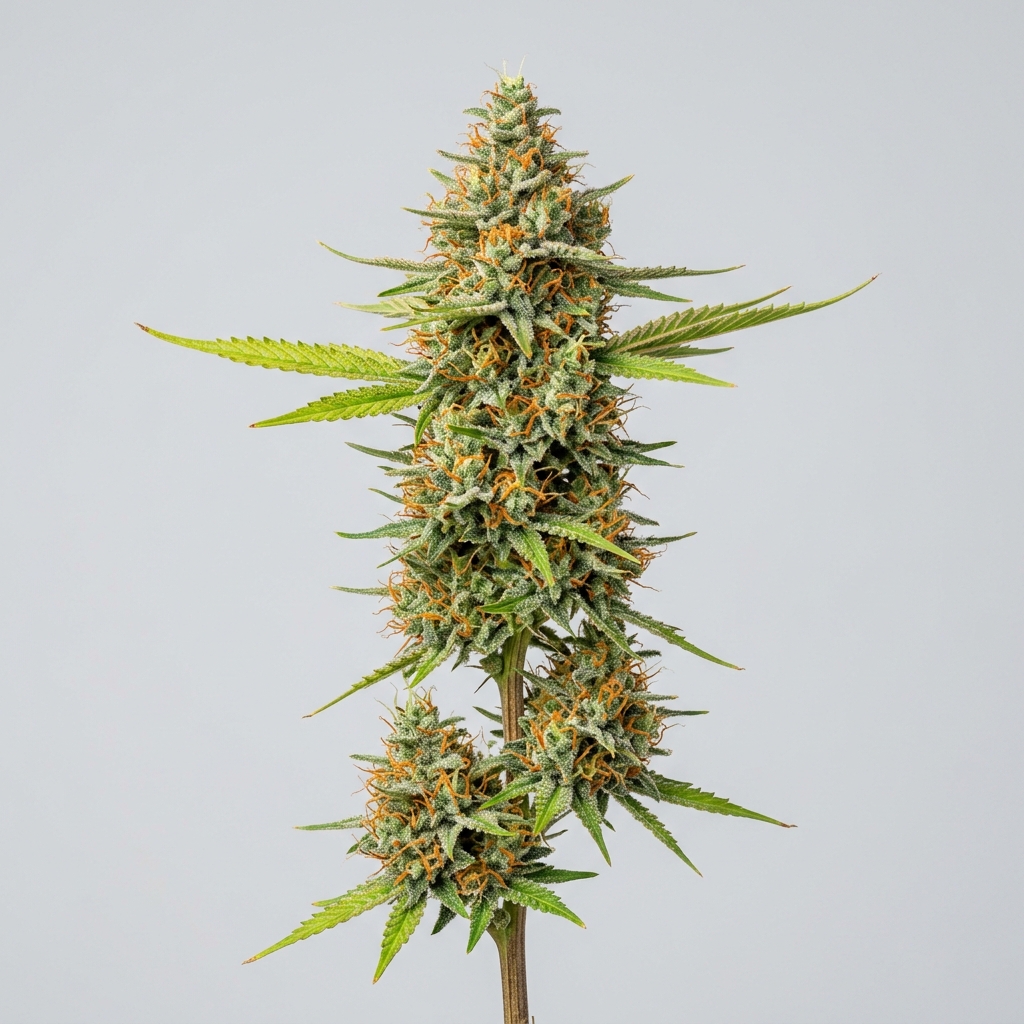
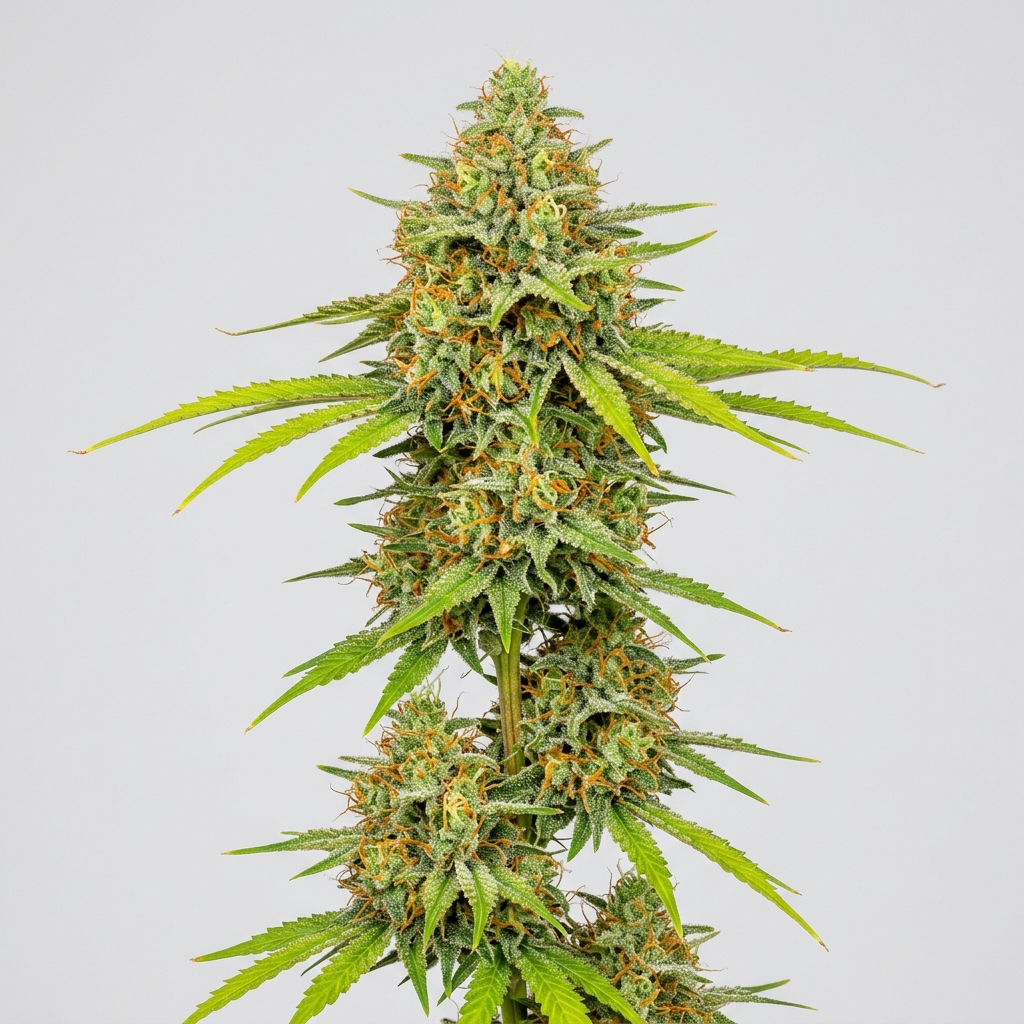
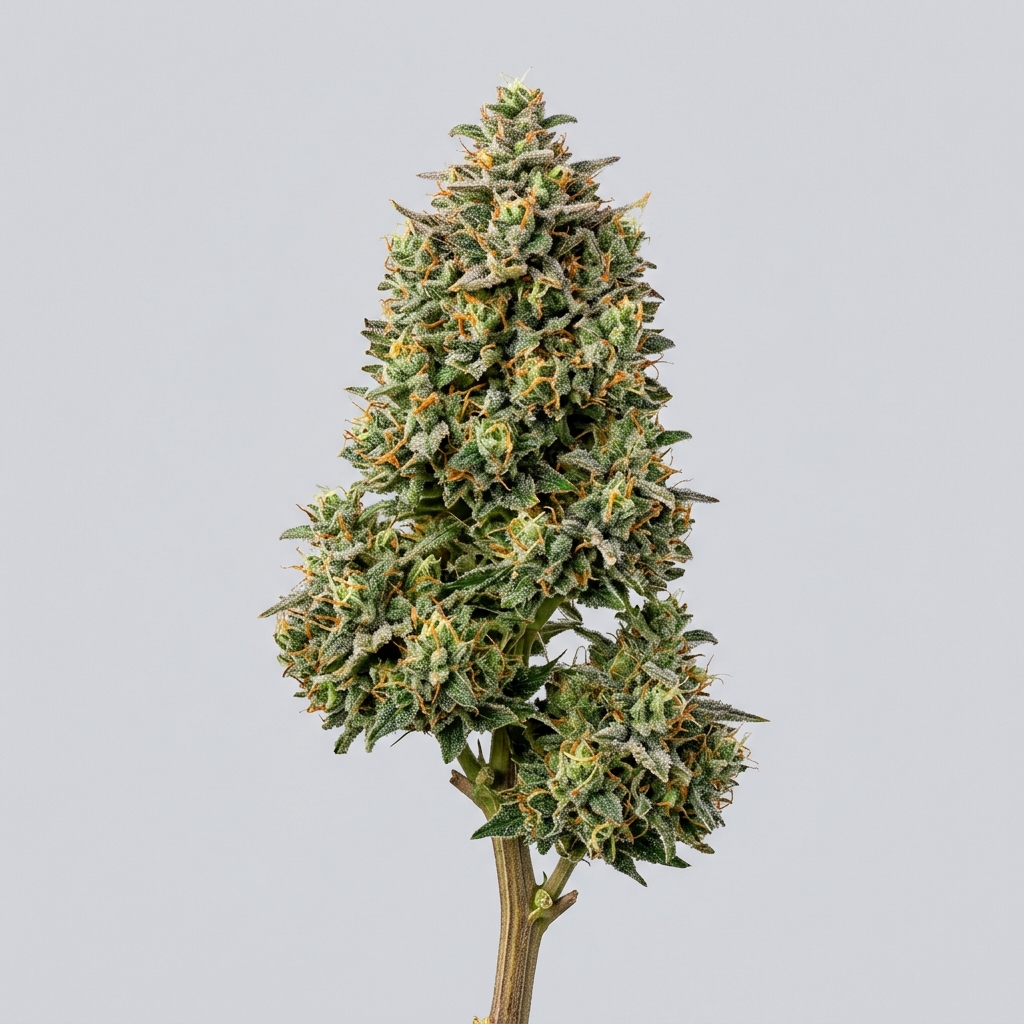
Double Dutch is an indica-dominant hybrid typically testing between 15% and 22% THC, created by crossing the highly aromatic Warlock with the heavy-yielding Chronic. This cultivar is recognized for producing massive, dense spear colas coated in a layer of greasy resin, accompanied by a complex aroma of sweet wildflower, dark berry, and spicy earth. Its growth habit features tight internodes and thick, sturdy stems that support its substantial flower weight during late bloom.
Originally developed by Magus Genetics and later preserved by Serious Seeds, this variety has earned a reputation among growers for its exceptional biomass production and structural reliability. It combines the sweet, complex terpene profile of its maternal parent with the robust, high-yielding frame of its paternal heritage, making it a staple for traditional indoor setups.
Quick Facts
| Attribute | Details |
|---|---|
| Genetics | Warlock × Chronic |
| Variety | Indica-dominant Hybrid |
| THC Range | 15% – 22% |
| Flowering Time | 8 – 9 weeks (55 – 65 days) |
| Yield Potential | High (typically 500g/m² indoors) |
| Plant Height | Medium, controlled stretch |
| Climate Preference | Temperate, low late-flower humidity |
| Difficulty | Moderate |
Scientific & Botanical Overview
During the vegetative stage, this cultivar displays broad fan leaves and a bushy structure that hints at its indica dominance. The stems develop a thick, fibrous core early on, which is essential for carrying the heavy flower clusters that form later. It shows a controlled stretch when transitioned to a 12/12 light cycle, usually doubling in height before focusing its energy on lateral bud sites.
The flower structure is characterized by swollen calyxes and dense bracts that stack tightly along the branches, forming long, continuous spear colas. The resin glands are predominantly capitate-stalked trichomes that produce a wet frost appearance, giving the mature buds a glassy, silver sheen. Under cooler night temperatures, some phenotypes may develop subtle violet hues in the sugar leaves, though deep green remains the dominant coloration.
Because the colas grow exceptionally thick, maintaining strict control over environmental parameters is crucial. High airflow and low relative humidity during the final three weeks of flowering are necessary to protect the dense interior of the buds. Staking or using trellis netting is highly recommended to prevent the heavy lateral branches from bending or snapping under their own weight.
Effects & Use-Cases (Reported)
Commonly reported effects: Users frequently describe a heavy, physical relaxation that settles in quickly, accompanied by a calm, clear-headed mental state. The initial sensation is often noted as a warm, soothing physical weight, which transitions into a long-lasting, tranquilizing body high. Unlike some heavy indica varieties, it rarely induces immediate sedation, allowing for a functional but deeply relaxed state.
Use-case context: This profile makes it well-suited for late afternoon or evening use when winding down from physical activity. It is often chosen by those seeking relief from muscle tension, physical fatigue, or daily stress without experiencing a sudden drop in cognitive focus. The slow, smooth comedown makes it a natural transition into nighttime rest.
Note: High-THC cultivars can occasionally induce mild dry mouth or temporary lethargy, particularly in sensitive individuals or when consumed in larger amounts.
Aroma & Flavors
Aroma: The initial scent is sweet and floral, reminiscent of wildflowers and ripe fruit, with a dark berry edge. Breaking the buds releases a deeper, earthy kush base mixed with sharp herbal spice and a faint hint of cedar wood.
Flavor: On the palate, it delivers a smooth blend of sweet berry and herbal spice, followed by a dry, earthy finish. The smoke is dense and expansive, leaving a lingering taste of dark fruit and black pepper.
Terpene associations: Analytical testing frequently highlights myrcene as the primary terpene, which drives the deep physical relaxation and earthy base. Secondary terpenes include caryophyllene, contributing a spicy, peppery undertone, and pinene, which adds a fresh, herbal clarity to the overall profile.
Tested Cannabinoid & Terpene Ranges
| Compound | Typical Range |
|---|---|
| Δ9-THC | 15% – 22% |
| CBD | < 1% |
| β-Myrcene | 0.4% – 0.9% |
| β-Caryophyllene | 0.2% – 0.5% |
| α-Pinene | 0.1% – 0.3% |
Note: Cannabinoid and terpene levels are highly variable and depend on specific phenotype, cultivation practices, and curing methods.
Cultivation Notes
- Humidity management: Keep relative humidity below 45% during the final four weeks of flowering to protect the dense, thick colas from moisture retention.
- Structural support: Install double trellis netting or bamboo stakes early in flower to support the heavy lateral branches.
- Pruning: Apply moderate lollipop pruning to the lower third of the canopy before transitioning to flower to improve airflow and direct energy to the upper colas.
- Nutrient requirements: This cultivar responds well to a steady, moderate feeding schedule; avoid excessive nitrogen in early flower to prevent leafy bud structures.
- Phenotype selection: Look for mother plants that exhibit the stout, thick-stemmed growth of Chronic combined with the sweet, berry-forward aroma of Warlock.
Grower Notes (Week-by-Week Snapshot)
- Weeks 1–3 (Transition & Stretch): Plants exhibit moderate stretch and begin forming tight clusters of white pistils. Ensure early support structures are in place as lateral branches begin to extend.
- Weeks 4–6 (Mid-Flower & Resin Development): Calyxes swell rapidly and a layer of greasy resin begins to coat the surrounding sugar leaves. Maintain stable daytime temperatures around 74°F (23°C) and reduce humidity to 50%.
- Weeks 7–9 (Late Flower & Ripening): Colas become exceptionally heavy and dense. Lower relative humidity to 40%–45% and monitor the interior of the largest buds closely. Flush with plain water during the final 10 days as pistils turn amber.
- Post-Harvest (Dry & Cure): Perform a slow dry at 60°F (15°C) and 60% humidity for 11 to 14 days. A minimum 4-week cure in sealed glass jars is recommended to fully bring out the sweet, wildflower and spicy earth terpenes.
Genetic Lineage
The maternal parent, Warlock, is a legendary hybrid known for its sour, sweet berry aroma and strong, clear-headed physical effects. It contributes a complex terpene profile and a high concentration of resin-rich trichomes to the offspring. This genetic influence ensures that the flowers maintain a refined, connoisseur-quality aroma despite their commercial-scale size.
The paternal parent, Chronic, is a classic high-yielding cultivar bred by Serious Seeds, renowned for its massive spear colas and robust structural integrity. Chronic was specifically selected to improve the yield potential and stem strength of the cross, grounding the wild, sweet traits of Warlock into a reliable, commercially viable framework. The resulting hybrid successfully retains the best qualities of both parents.
Research Insights
Horticultural interest in this cultivar often focuses on its unique balance of high biomass production and complex terpene expression. While many high-yielding commercial varieties tend to lose terpene intensity, this hybrid retains a high concentration of monoterpenes like myrcene and pinene. This makes it a valuable subject for studying how specific genetic crosses can preserve volatile aromatic compounds while maximizing physical flower weight.
Additionally, the physical structure of its trichomes—characterized by large, resin-rich heads on thick stalks—makes it an interesting option for solventless extraction research. The greasy texture of the resin suggests a high concentration of essential oils, which helps protect the plant from environmental stress while providing a distinct physical profile during the curing process.
Frequently Asked Questions
What is the genetic lineage of Double Dutch?
It is an indica-dominant hybrid created by crossing the sweet, aromatic Warlock with the heavy-yielding, structurally robust Chronic.
How long does Double Dutch take to flower?
This cultivar typically finishes flowering in 8 to 9 weeks (55 to 65 days) when grown indoors under a standard 12/12 light cycle.
Does this strain require plant support?
Yes. Because it produces exceptionally heavy, dense spear colas, growers should use trellis netting or stakes to prevent branches from bending or breaking.
What does Double Dutch smell like?
It features a complex aroma of sweet wildflower and dark berry, balanced by a deep, earthy base of herbal spice and subtle pine.
Educational Disclaimer
This content is intended solely for educational, scientific, and informational purposes. Cultivation of cannabis is subject to varying local, state, and federal laws. Always consult local regulations before germinating seeds or cultivating any cannabis varieties.
Rate and review this strain
Ratings and reviews are accepted only from signed-in Google accounts.
Sign in with Google to leave a rating and written review.
Latest Reviews
0 reviewsNo reviews yet. Be the first Google user to rate and review this strain.