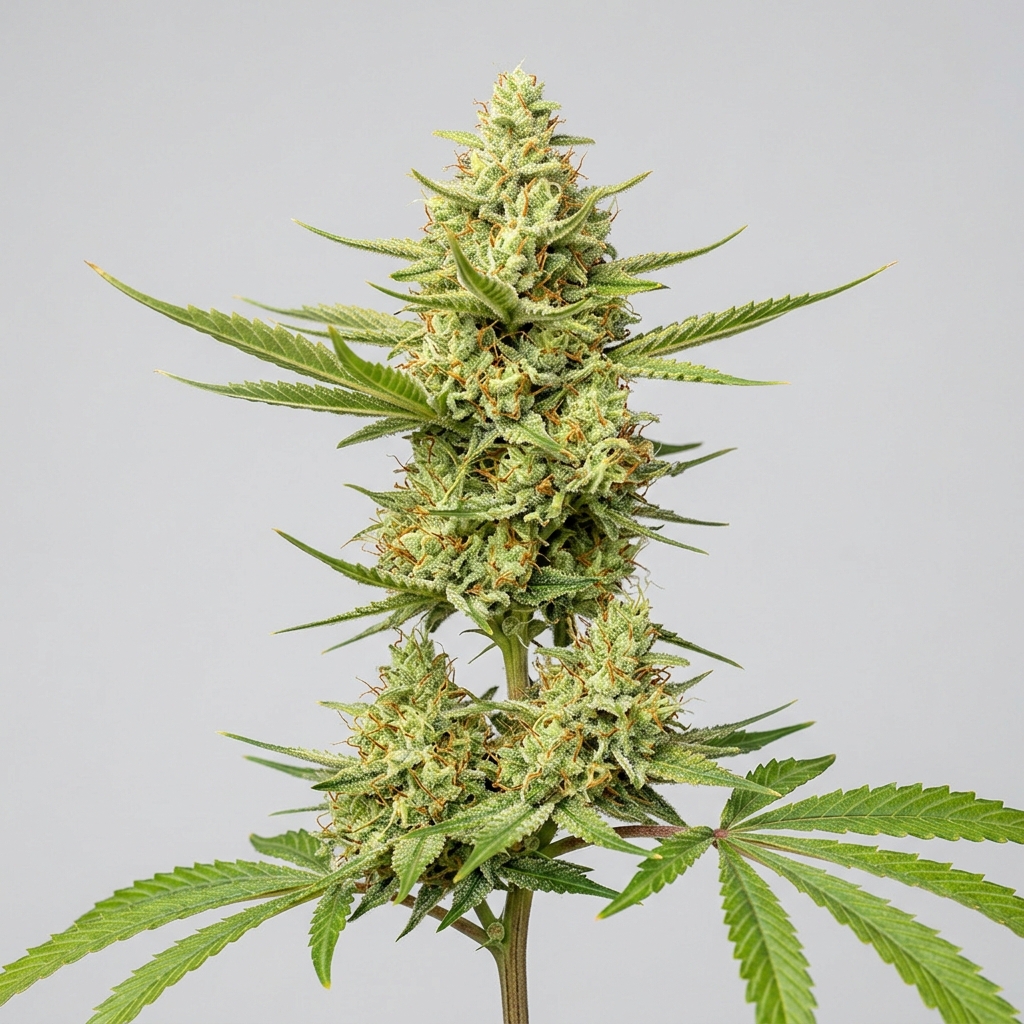
Exodus Cheese (Cannabis Strain)
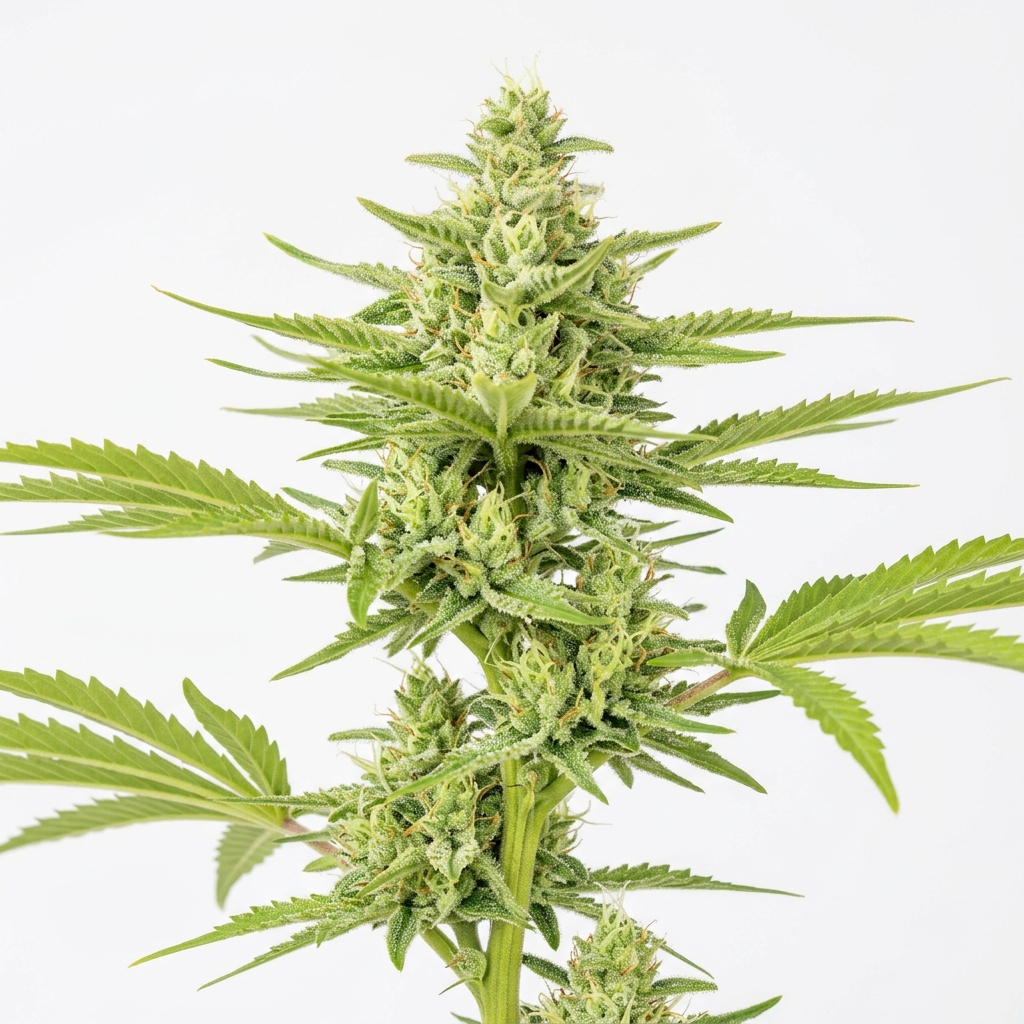
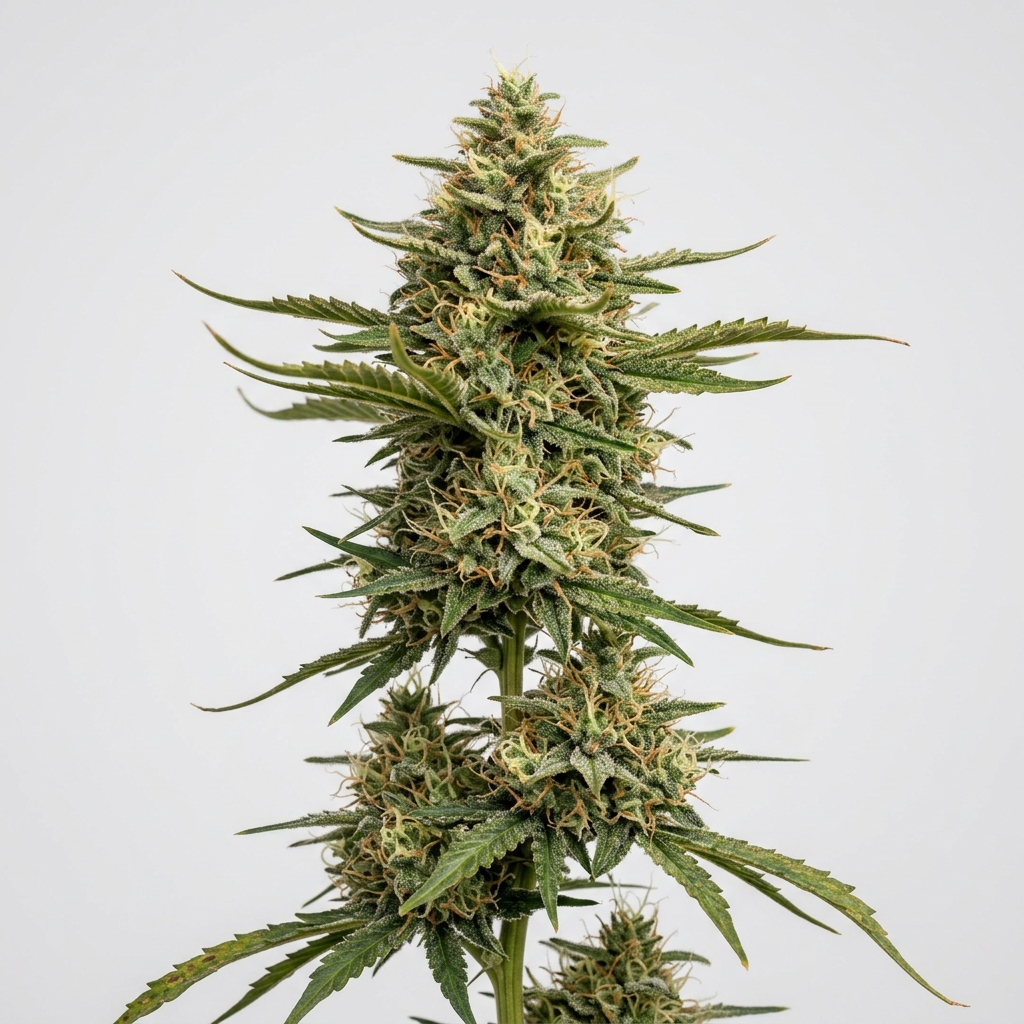
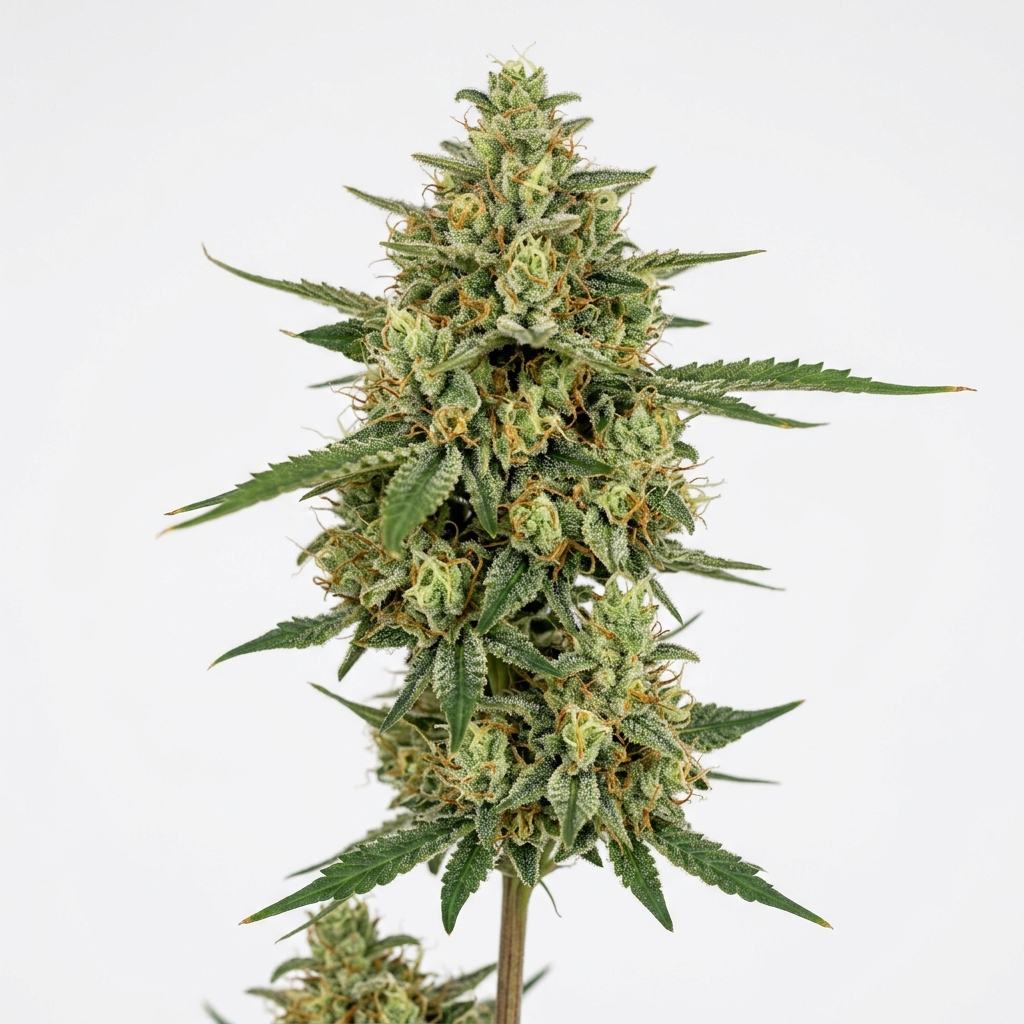
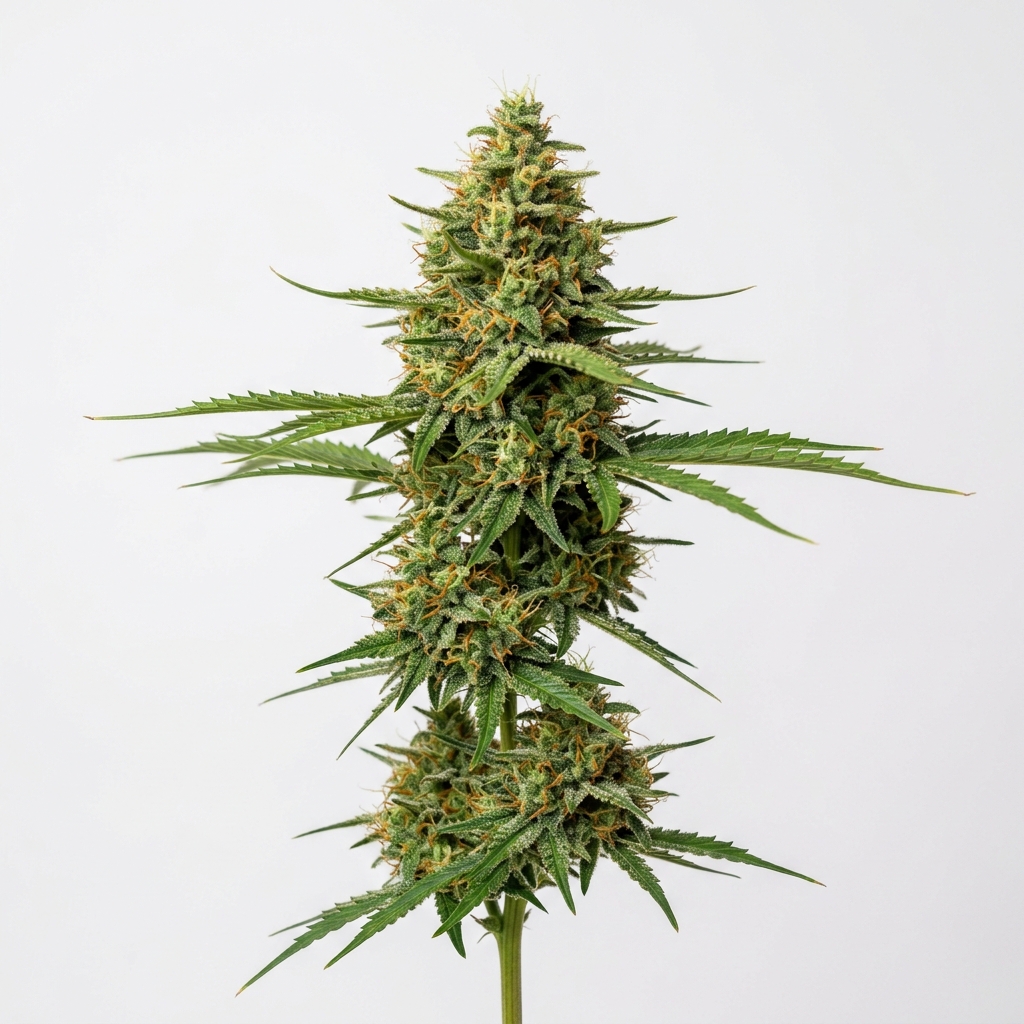
Exodus Cheese, also known simply as UK Cheese, is a legendary sativa-dominant hybrid clone-only cultivar originating from a distinct 1980s phenotype of Skunk #1. Testing between 18% and 22% THC, this strain is globally recognized for its intensely pungent, savory dairy aroma, sharp funk, and greasy resin coverage. Structurally, it produces slender, vine-like branches that support spear-shaped colas with highly swollen calyxes and a dense coat of sticky trichomes. It remains a cornerstone of British cannabis culture, prized for delivering a balanced, long-lasting physical relaxation paired with a clear, creative mental lift.
Cultivators prize this selection for its reliable performance in moderate climates, though its vigorous stretch and intense odor require active management. The flower cures to a distinct pale green color accented by dark orange pistils and a heavy, oily sheen. For growers and extractors alike, it offers a reliable return of classic, old-school terpenes that are increasingly rare in modern, candy-dominant market profiles.
Quick Facts
| Key Metric | Details |
|---|---|
| Genetics | Skunk #1 phenotype (Sacred Seeds selection) |
| Variety | Sativa-dominant hybrid |
| THC Range | 18% – 22% |
| Flowering Time | 8 – 9 Weeks |
| Yield Potential | Moderate to High |
| Plant Height | Medium to Tall (high stretch) |
| Climate Preference | Mild, temperate indoor or greenhouse |
| Difficulty | Moderate |
Scientific & Botanical Overview
Botanically, this cultivar shows classic hybrid vigor with a notable lean toward its sativa heritage during the vegetative stage. The nodal spacing is moderately wide, producing thin, flexible branches that require external support to prevent collapse under the weight of developing flowers. Broad fan leaves dominate early growth, transitioning to thinner, serrated leaflets as the plant enters the flowering cycle.
As the flowering phase progresses, the plant develops elongated spear colas characterized by highly stacked, swollen calyxes. The resin production is highly localized on the bracts and sugar leaves, producing a greasy, wet-frost texture rather than a dry, sandy trichome coverage. This resin is rich in volatile monoterpenes, which begin venting a sharp, sour aroma as early as week three of bloom.
The plant’s vascular structure is highly efficient at nutrient uptake, though it shows a sensitivity to over-fertilization, particularly with nitrogen during mid-flower. Maintaining a steady, moderate nutrient feed helps preserve the delicate balance of its terpene production. Proper airflow through the lower canopy is essential, as the dense upper foliage can trap humidity.
Effects & Use-Cases (Reported)
Commonly reported effects: Users frequently describe an immediate, warming physical relaxation that settles into the limbs without causing heavy sedation. This is accompanied by an uplifting, clear-headed cerebral stimulation that encourages conversation, artistic focus, and light physical activity. The balance makes it suitable for daytime or early evening use.
Use-case context: This cultivar is often selected by those seeking relief from chronic tension, mild physical discomfort, and low mood while maintaining mental clarity. Its stimulating yet grounding nature fits well into social settings, creative workshops, or wind-down routines after physical exertion.
Please note: Individual experiences may vary depending on dosage, tolerance, and specific phenotype variations. Higher doses may induce a more pronounced physical heaviness and temporary dry mouth.
Aroma & Flavors
Aroma: The primary olfactory profile is intensely pungent, dominated by sour dairy, aged cheddar, and a sharp, musky skunk base. Underneath the heavy savory notes, subtle undertones of damp earth and spicy herbs emerge as the buds are broken apart.
Flavor: On the palate, it delivers a thick, savory smoke that tastes of sharp cheese, garlic, and a lingering peppery spice. The finish is clean but persistent, leaving a distinct, buttery coating and a mild, tart gas edge.
Terpene associations: Laboratory analyses frequently highlight high concentrations of caryophyllene, myrcene, and limonene, which drive its complex savory, herbal, and citrus-tinged profile.
Tested Cannabinoid & Terpene Ranges
| Compound | Typical Range |
|---|---|
| Δ9-THC | 18.0% – 22.0% |
| CBD | < 0.5% |
| CBG | 0.5% – 1.2% |
| beta-Caryophyllene | 0.4% – 0.9% |
| beta-Myrcene | 0.3% – 0.7% |
| d-Limonene | 0.2% – 0.5% |
Note: Cannabinoid and terpene levels are highly variable and depend on specific cultivation methods, environmental conditions, and curing protocols.
Cultivation Notes
- Humidity control: Keep relative humidity (RH) at 50-55% during early flower, reducing to 40-45% in the final three weeks to prevent bud rot within the dense colas.
- Canopy management: Implement low-stress training (LST) and scrog netting early to support the thin, vine-like branches and manage the significant vertical stretch.
- Odor mitigation: High-output carbon filtration is mandatory from the vegetative stage onward, as this cultivar emits an exceptionally strong, recognizable odor.
- Nutrient sensitivity: Keep nitrogen levels moderate during the transition to flower; excess nitrogen can lead to leaf clawing and delayed bud development.
- Harvest window: Look for amber trichome development around day 56 to 63; harvesting slightly earlier preserves the sharp, sour terpene profile, while waiting longer deepens the physical stone.
Grower Notes (Week-by-Week Snapshot)
- Weeks 1–3 (Transition & Stretch): The plant shows a rapid vertical stretch, often doubling in height. Secure primary branches to trellis netting and perform light defoliation at the base to improve airflow.
- Weeks 4–6 (Mid-Flower): Calyxes begin to swell rapidly, forming long spear-shaped clusters. Resin production increases significantly, coating the surrounding sugar leaves in a greasy layer of wet frost.
- Weeks 7–9 (Late-Flower & Ripening): Pistils shift from white to a deep orange-red. Reduce humidity, flush with pure water to clear residual nutrients, and monitor trichome heads under magnification for a milky-to-amber transition.
- Post-Harvest (Dry & Cure): Hang whole plants to dry at 60°F (15°C) and 60% RH for 10 to 14 days. A slow, controlled cure in glass jars for at least three weeks is essential to fully unlock the signature sour dairy aroma.
Genetic Lineage
The genetic origin of this cultivar is rooted in the early days of modern hybrid breeding, tracing directly back to a specific phenotype of Skunk #1. This parent strain, originally developed by Sacred Seeds, combined genetics from Afghani, Acapulco Gold, and Colombian Gold. In the late 1980s, a batch of these seeds grown in the United Kingdom produced an outlier plant with an unusually pungent, cheese-like aroma and exceptional potency.
This unique phenotype was preserved and widely distributed as a clone-only variety by the Exodus Collective, an underground community based in Luton, England. Through their efforts, the clone became a staple of the UK underground music and cannabis scenes, eventually gaining global recognition under the name Exodus Cheese.
Research Insights
Scientific interest in this cultivar often focuses on its unique volatile profile, which differs markedly from modern sweet and gassy hybrids. The distinctive savory aroma is believed to be influenced by a complex interaction of monoterpenes and trace volatile sulfur compounds, which work alongside major terpenes like caryophyllene and myrcene. This interaction contributes to the deeply aromatic, lingering quality of the smoke.
Additionally, researchers note that the strain’s balanced cannabinoid profile, featuring moderate THC levels alongside minor amounts of CBG, provides a consistent, functional effect. This stability makes it a valuable subject for studying how older, non-hybridized selections interact with human cannabinoid receptors compared to modern, ultra-high-THC cultivars.
Frequently Asked Questions
Is Exodus Cheese a sativa or an indica?
Exodus Cheese is a sativa-dominant hybrid, though its physical effects are highly balanced. It delivers a relaxing body sensation alongside a clear, creative mental lift, making it suitable for both active and relaxed settings.
What does Exodus Cheese smell like?
The strain is famous for its pungent, savory aroma of aged cheddar cheese, sour dairy, and musky skunk. Breaking the buds releases deeper undertones of damp earth and herbal spice.
How long does Exodus Cheese take to flower?
Indoors, the strain typically completes its flowering cycle in 8 to 9 weeks. Outdoor harvest usually occurs in late September to early October in the Northern Hemisphere.
Is Exodus Cheese difficult to grow?
It is of moderate difficulty. While it is vigorous and resilient, growers must manage its significant vertical stretch during early flower, support its thin branches, and use robust carbon filters to control its intense odor.
Educational Disclaimer
This material is provided for educational and informational purposes only. It is not intended as medical advice or as encouragement to violate local laws regarding the cultivation or consumption of cannabis.
Rate and review this strain
Ratings and reviews are accepted only from signed-in Google accounts.
Sign in with Google to leave a rating and written review.
Latest Reviews
0 reviewsNo reviews yet. Be the first Google user to rate and review this strain.