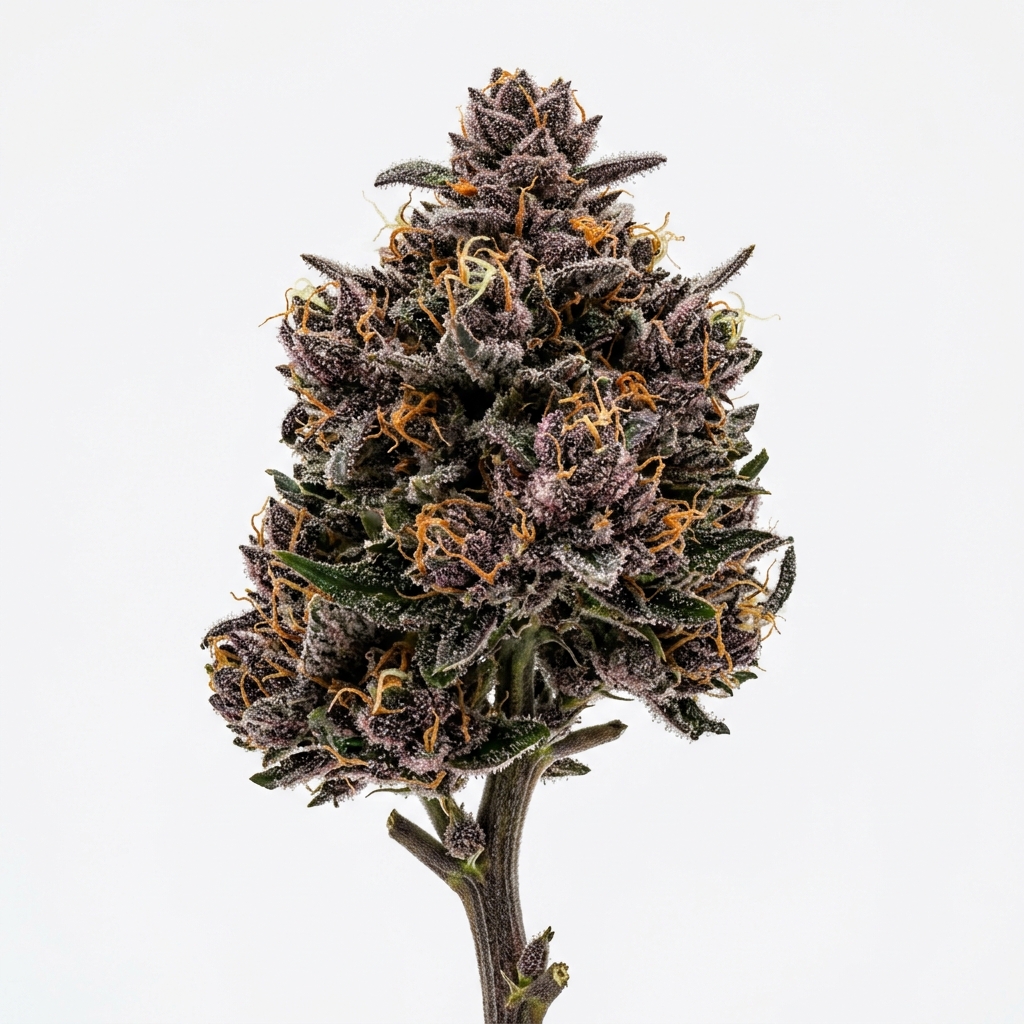
Purple Gelato (Cannabis Strain)
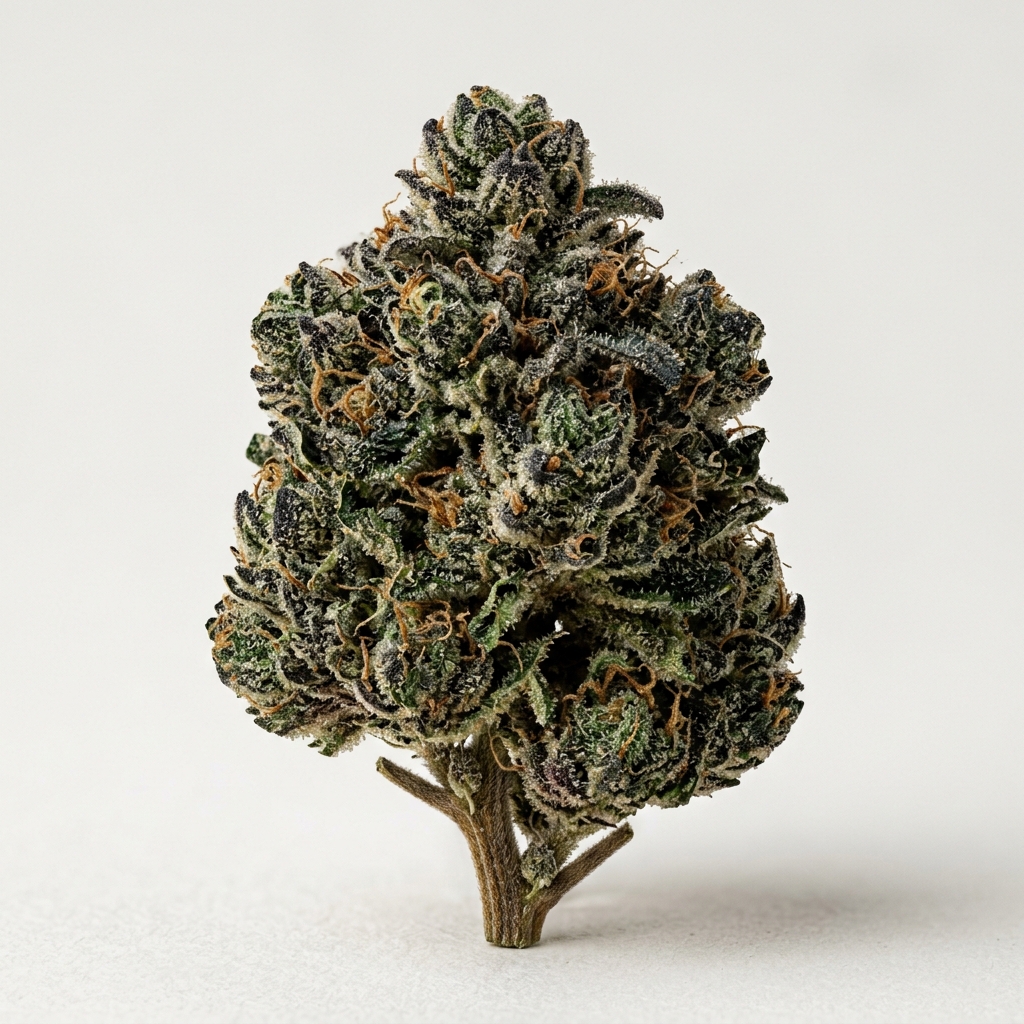
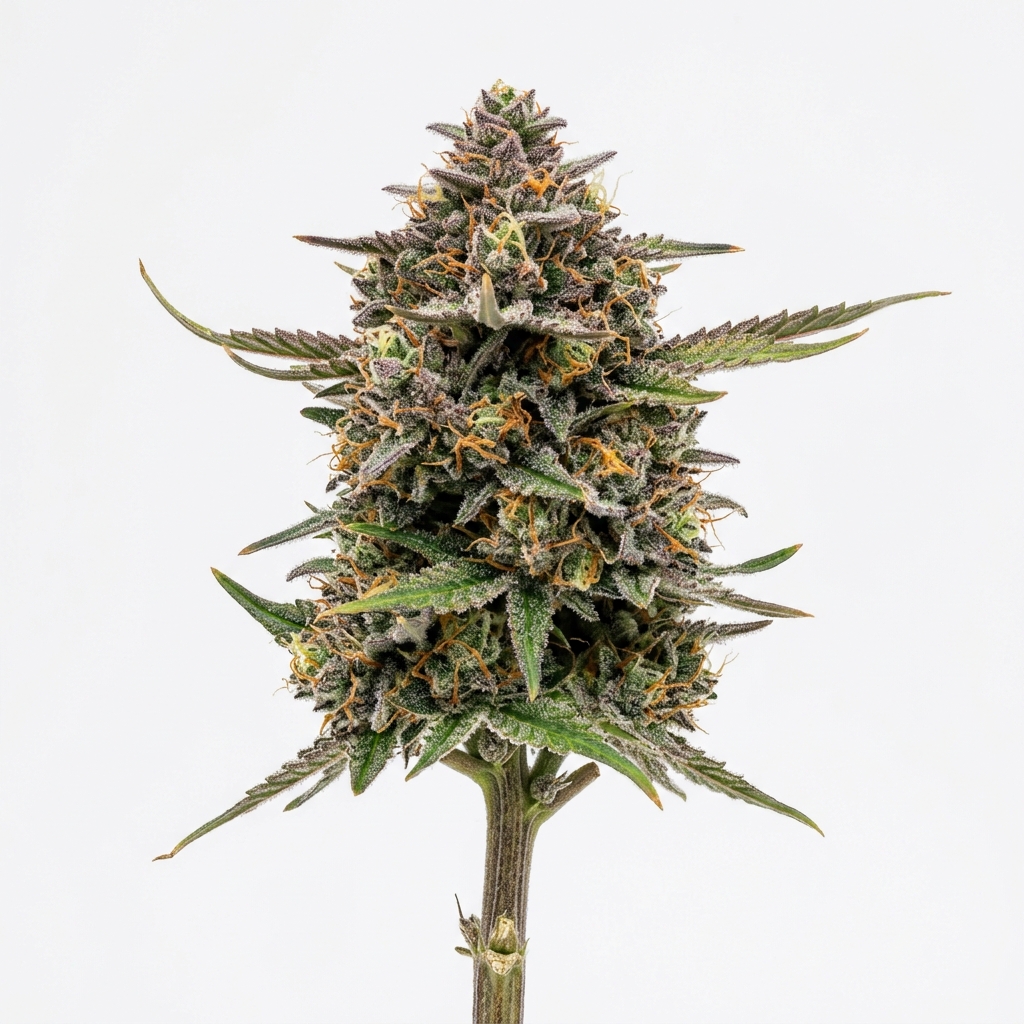
Purple Gelato is an indica-dominant hybrid cultivar, typically testing between 20% and 25% THC, bred by crossing the famous Gelato #33 with the resin-heavy Purple Punch. This cultivar is highly regarded for its deep violet coloration, dense bracts coated in wet frost, and a complex aroma profile that blends sweet grape and creamy dough with a sharp gas finish. Structurally, the plant shows a controlled stretch during early flower, developing tight internodes and thick, resin-rich spear colas that require attentive humidity management in late bloom. It has established a strong presence among growers seeking high-end bag appeal and extraction-grade resin.
Beyond its striking visual appeal, the strain is favored for its heavy evening-oriented properties and smooth, dessert-like smoke. Cultivators appreciate its predictable growth patterns, though its dense bud structure demands careful airflow to prevent moisture retention.
Quick Facts
| Attribute | Detail |
|---|---|
| Genetics | Gelato #33 × Purple Punch |
| Variety | Indica-dominant Hybrid |
| THC Range | 20% – 25% |
| Flowering Time | 8 – 9 Weeks |
| Yield Potential | Moderate to High |
| Plant Height | Medium |
| Climate Preference | Temperate, low humidity in late flower |
| Difficulty | Moderate |
Scientific & Botanical Overview
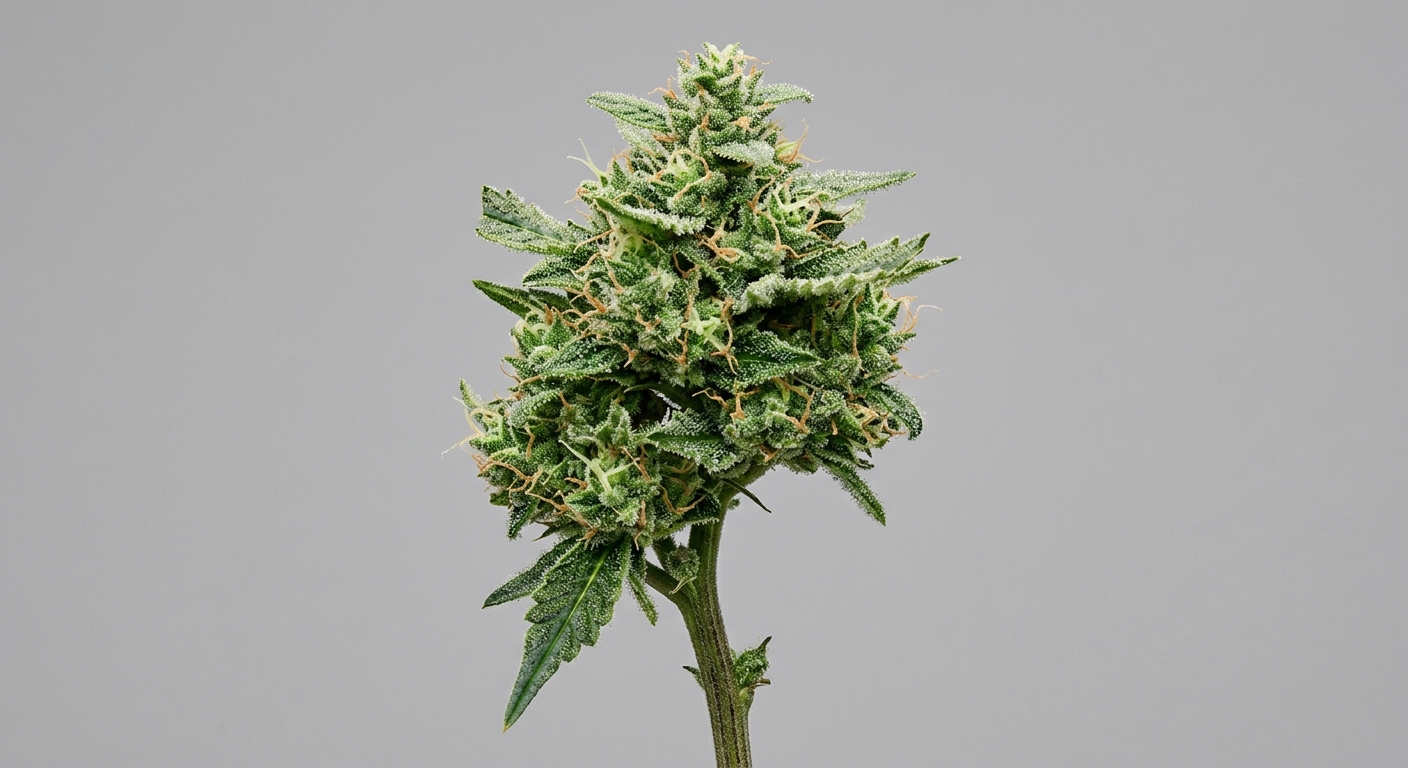
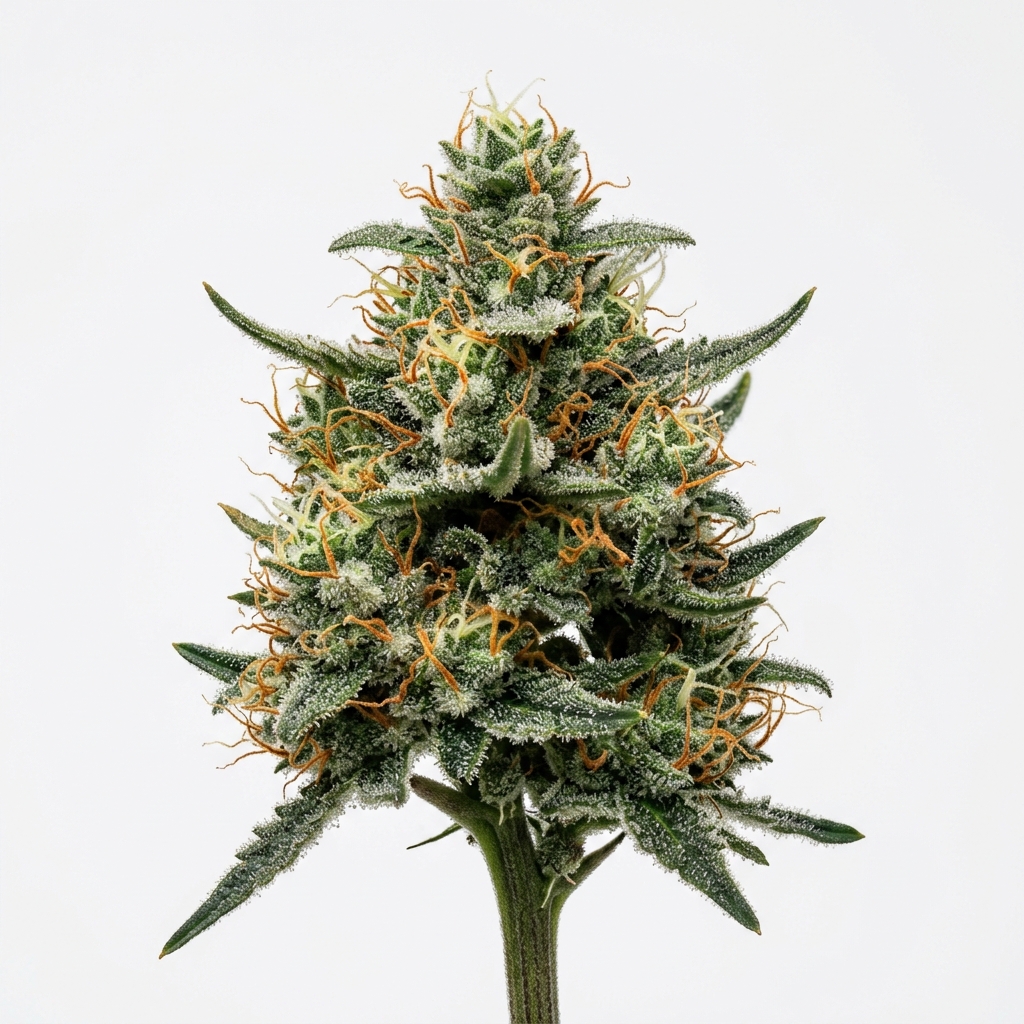
Purple Gelato displays classic hybrid morphology with broad fan leaves and dense, compact nodal spacing inherited from its Cookie and Grandaddy Purple ancestry. The plant typically produces medium-sized, tightly packed flowers characterized by swollen calyxes that transition from forest green to deep purple as night temperatures drop.
Anthocyanin accumulation is highly pronounced in this cultivar, driven by both genetics and environmental cues during the mid-to-late flowering stage. The trichome heads are predominantly capitate-stalked, creating a thick, greasy resin layer that covers both the buds and the surrounding sugar leaves.
The plant’s structural rigidity supports its heavy colas well, though strategic pruning of the lower canopy is recommended to maximize airflow. This lateral development ensures that light penetrates evenly to the lower floral sites, maximizing overall yield quality.
Effects & Use-Cases (Reported)
Commonly reported effects: Users frequently describe a heavy, physical relaxation that settles in quickly, accompanied by a calm, meditative mental state. The initial experience often begins with a subtle pressure behind the eyes before expanding into a soothing, full-body warmth.
Use-case context: This cultivar is best suited for late-evening use or quiet, sedentary activities due to its deeply relaxing nature. It is commonly selected by those looking to unwind after physical exertion or to assist in transitioning into a restful night.
Note: Individual tolerance and chemistry vary; higher doses may lead to pronounced drowsiness or a heavy couch-lock effect.
Aroma & Flavors
Aroma: The olfactory profile is dominated by a rich, sweet berry and dark grape top note, underpinned by a creamy, doughy undertone reminiscent of fresh pastries. As the buds are broken apart, a sharper, tart gas and earthy kush base becomes apparent, cutting through the sweetness.
Flavor: On the palate, the smoke is dense and smooth, delivering a distinct blueberry and grape flavor on the inhale. The exhale leaves a lingering mint finish mixed with a subtle, spicy herbal complexity.
Terpene associations: The primary terpenes driving this profile are caryophyllene, which provides the spicy background, limonene for the subtle citrus lift, and myrcene, contributing to the deep, earthy undertones.
Tested Cannabinoid & Terpene Ranges
| Compound | Typical Range |
|---|---|
| Δ9-THC | 20.0% – 25.0% |
| CBD | < 1.0% |
| Beta-Caryophyllene | 0.4% – 0.8% |
| Limonene | 0.3% – 0.6% |
| Myrcene | 0.2% – 0.5% |
| Linalool | 0.1% – 0.3% |
Note: Cannabinoid and terpene levels are highly variable and depend heavily on environmental conditions, cultivation methods, and the specific phenotype grown.
Cultivation Notes
- Humidity Control: Keep relative humidity (RH) below 45% during the final three weeks of flowering to protect the dense, compact colas from moisture-related issues.
- Temperature Drop: Introducing a 10°F to 15°F drop in nighttime temperatures during weeks 6 and 7 helps stimulate the production of anthocyanins, locking in the signature deep purple coloration.
- Nutrient Regimen: This cultivar responds well to moderate nitrogen levels during vegetative growth, but requires an increased phosphorus and potassium feed as it transitions into flower.
- Defoliation: Perform a thorough defoliation of the lower third of the plant before entering the flowering cycle to optimize light penetration and lower-canopy airflow.
- Drying and Curing: A slow dry at 60°F and 60% RH for 10 to 14 days is critical to preserving the volatile terpene profile and preventing the loss of the creamy dough notes.
Grower Notes (Week-by-Week Snapshot)
- Weeks 1–3 (Transition and Stretch): Expect a moderate stretch of about 50% to 80% once the light cycle is flipped. Tuck broad fan leaves to encourage light penetration to emerging bud sites.
- Weeks 4–6 (Flower Development & Frost): Small, glassy buds begin to form clusters. Resin production accelerates rapidly, and the sweet, doughy aroma becomes noticeable in the garden.
- Weeks 7–9 (Coloration & Ripening): The bracts swell significantly, and deep purple hues begin to spread across the calyxes and sugar leaves. Monitor trichomes closely for a mix of milky and amber heads before harvest.
Genetic Lineage
The genetic foundation of Purple Gelato is rooted in the modern Bay Area dessert family. Its maternal parent, Gelato #33 (also known as Larry Bird), is a celebrated cross of Sunset Sherbet and Thin Mint GSC, which contributes the creamy, cookie-dough base and structural density.
By crossing this with Purple Punch (Grandaddy Purple × Larry OG), breeders introduced a heavy dose of dark berry terpenes and a genetic predisposition for intense purple coloration. This combination successfully preserves the potency and structure of the Gelato line while enhancing the visual appeal and fruit-forward aroma.
Research Insights
Scientific interest in cultivars like Purple Gelato often focuses on the interaction between anthocyanin pigments and terpene synthesis. The deep purple coloration is caused by high concentrations of water-soluble vacuolar pigments, which appear to develop in tandem with heavy sesquiterpene production under specific environmental stressors, such as cooler night temperatures.
Additionally, the coexistence of high levels of caryophyllene and limonene alongside moderate myrcene suggests a balanced interaction with the endocannabinoid system. This specific terpene ratio is frequently researched for its potential to modulate the psychoactive intensity of THC, providing a smoother physiological transition compared to pure, high-THC cultivars lacking these aromatic compounds.
Frequently Asked Questions
Is Purple Gelato an indica or a sativa?
Purple Gelato is an indica-dominant hybrid cultivar, typically showing a 60:40 or 70:30 indica-to-sativa ratio, resulting in physically relaxing effects balanced by mild mental clarity.
How does Purple Gelato get its purple color?
The purple hues are genetic, inherited from its Purple Punch and Grandaddy Purple lineage. This coloration is enhanced during late flower by dropping nighttime temperatures in the grow room by 10 to 15 degrees Fahrenheit.
What does Purple Gelato smell like?
It features a complex aroma of sweet grape, fresh berry, and creamy cookie dough, rounded out by a sharp, gassy, and earthy undertone when the buds are broken open.
Is Purple Gelato easy to grow?
It is considered moderately difficult to grow. While it has a manageable, controlled stretch, its dense bud structure requires strict humidity control and strategic defoliation to prevent mold and bud rot.
Educational Disclaimer
This article is for educational and informational purposes only. Cannabis laws and regulations vary by jurisdiction. Cultivation and consumption should only be undertaken in accordance with local laws.
Rate and review this strain
Ratings and reviews are accepted only from signed-in Google accounts.
Sign in with Google to leave a rating and written review.
Latest Reviews
0 reviewsNo reviews yet. Be the first Google user to rate and review this strain.