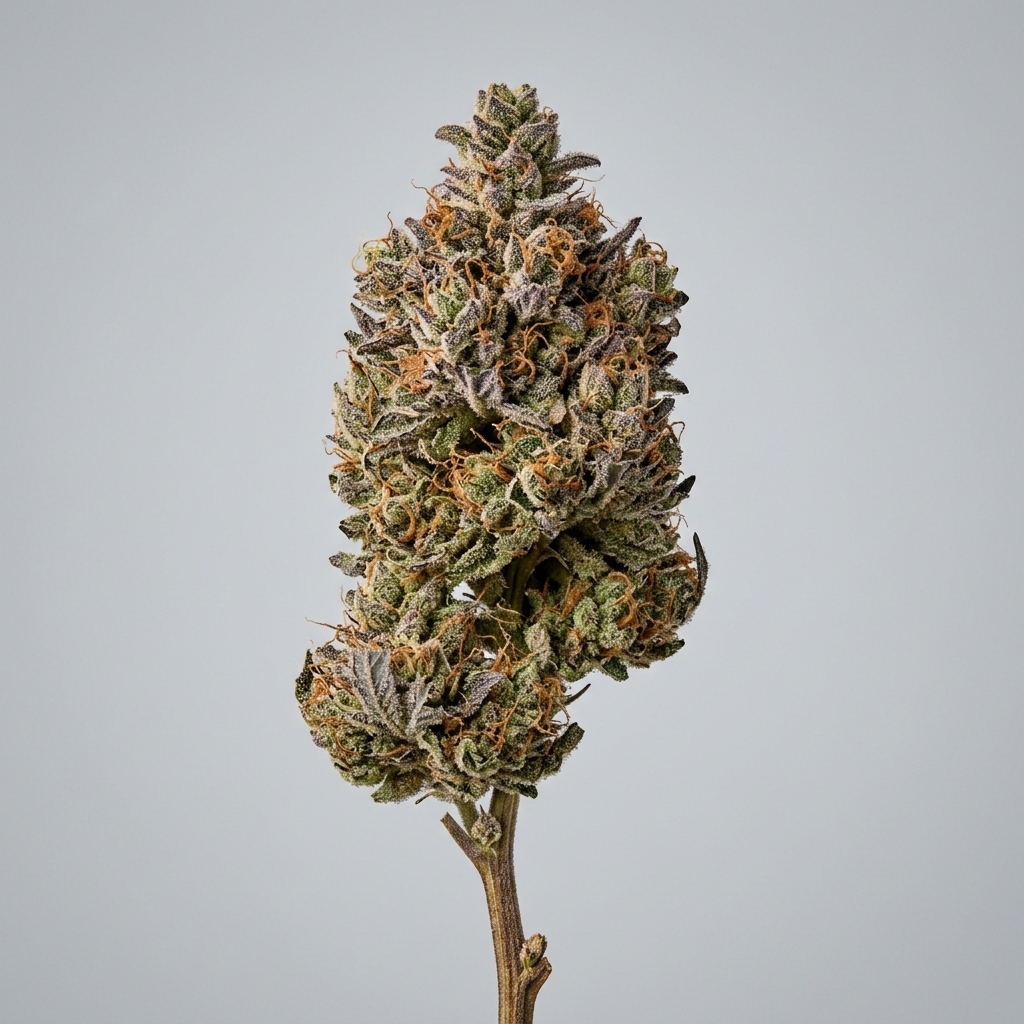
Pink Cookies (Cannabis Strain)
Pink Cookies is an indica-dominant hybrid cultivar, typically testing between 20% and 26% THC, bred by crossing Cherry Pie and Girl Scout Cookies. Noted for its dense, resin-rich flowers and a complex profile of sweet dough, tart cherry, and peppery gas, this strain shows a moderately compact growth habit with sturdy lateral branching. It is highly valued by growers for its heavy resin production and consistent performance under controlled indoor conditions.
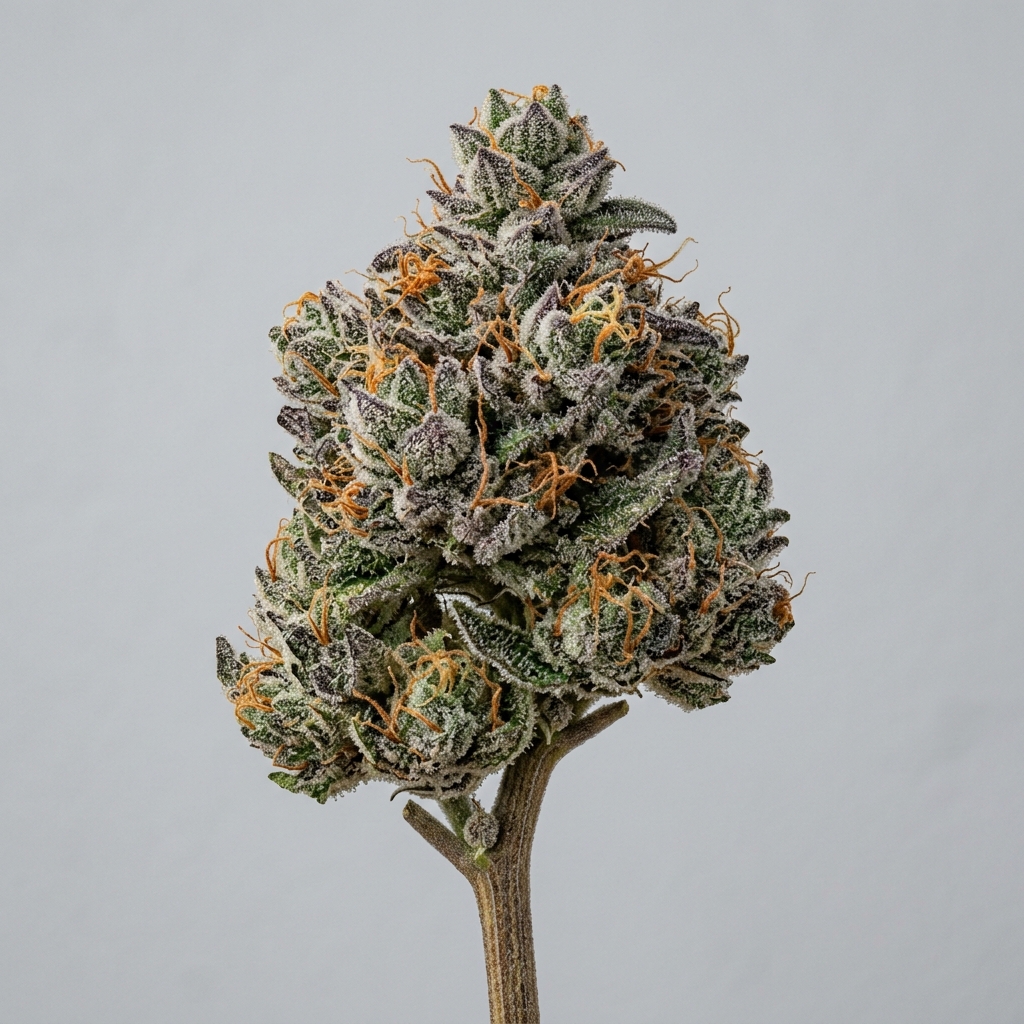
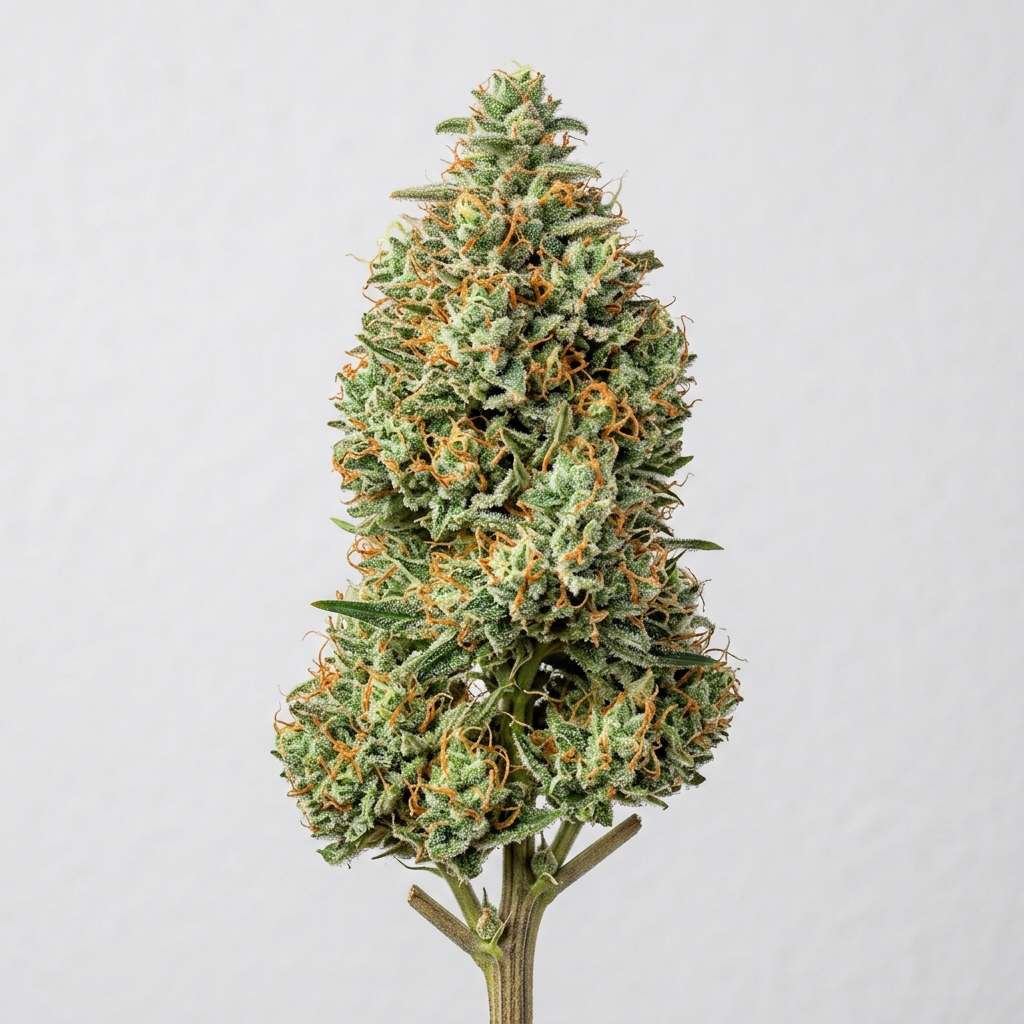
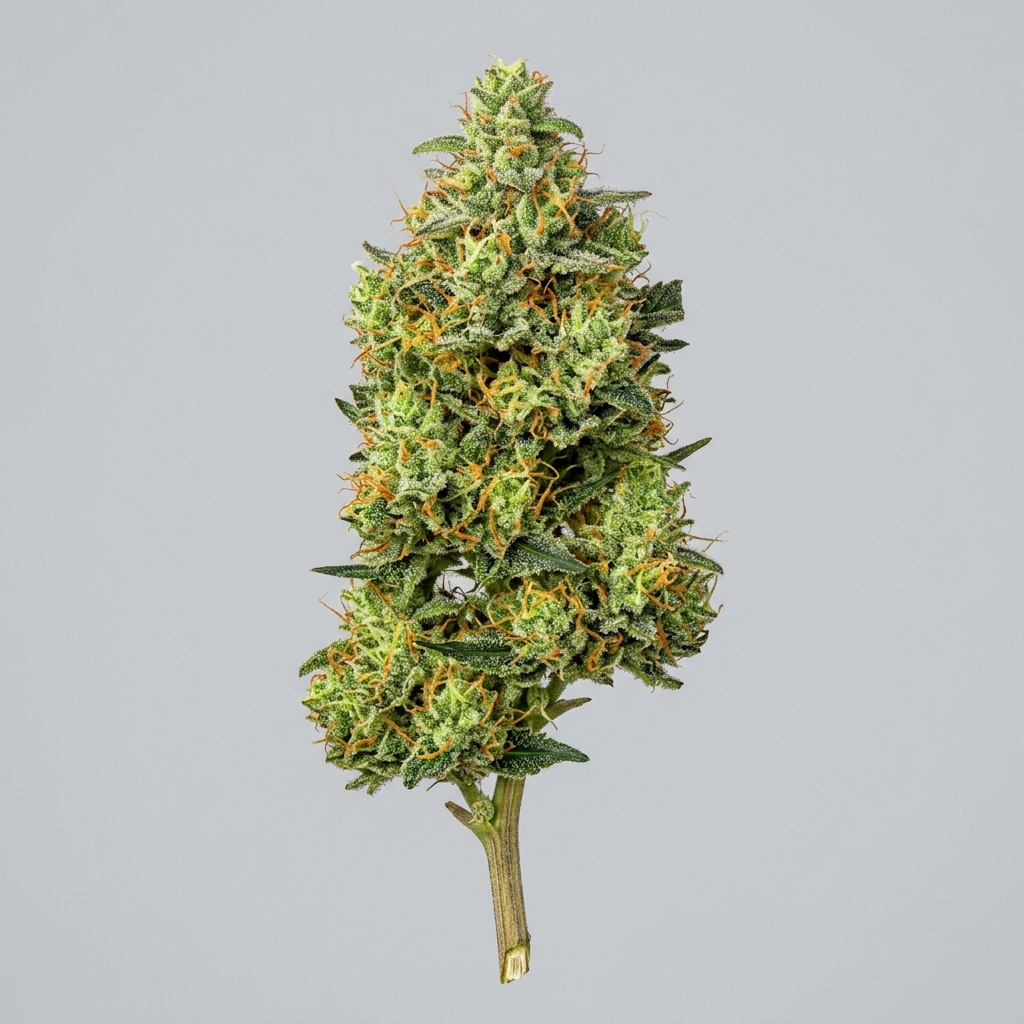
Often compared to its genetic sibling Wedding Cake, Pink Cookies distinguishes itself with a sharper, fruit-forward undertone and a deeply relaxing physical profile. The cultivar produces tight, golf-ball-sized buds wrapped in a thick layer of sticky trichomes, making it a favorite for solventless extraction.
Quick Facts
| Metric | Details |
|---|---|
| Genetics | Cherry Pie × Girl Scout Cookies (GSC) |
| Variety | Indica-dominant hybrid |
| THC Range | 20% – 26% |
| Flowering Time | 8 – 9 weeks |
| Yield Potential | Moderate to High |
| Plant Height | Medium (controlled stretch) |
| Climate Preference | Temperate, low humidity late-flower |
| Difficulty | Moderate |
Scientific & Botanical Overview
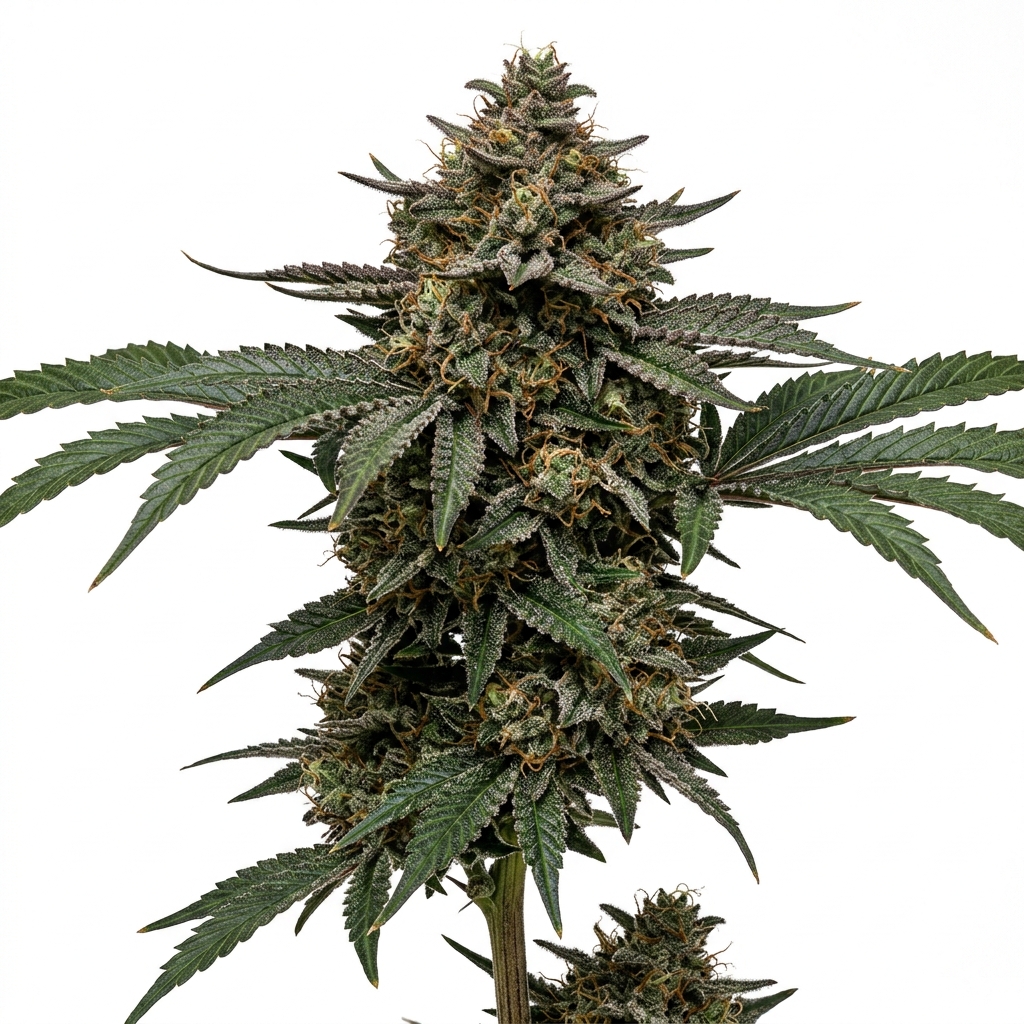
Pink Cookies shows classic indica morphology, characterized by broad fan leaves, tight internodal spacing, and a stocky frame. The plant develops dense, heavy colas that require adequate structural support as they mature. Its strong stem structure allows it to carry the weight of its resin-rich flowers without excessive bending.
The bract-to-leaf ratio is highly favorable, allowing for efficient airflow through the canopy when proper defoliation techniques are applied. Anthocyanin accumulation is common during the late flowering stage, bringing out subtle purple and violet hues in the foliage and calyxes when night temperatures drop. This cold-induced color shift contrasts sharply with its bright orange pistils.
Resin production begins early in the flowering cycle, with capitate-stalked trichomes quickly covering the swollen calyxes and surrounding sugar leaves. This dense resin coverage demands strict environmental controls to prevent moisture retention within the tight flower clusters. Proper canopy management is essential to mitigate microclimates within the growing space.
Effects & Use-Cases (Reported)
Commonly reported effects: Users frequently describe a heavy, warming physical sensation paired with a calm, meditative mental state. The onset is typically gradual, settling into a deep physical relaxation that makes it well-suited for late-afternoon or evening use. It rarely induces soaring cerebral energy, leaning instead toward physical comfort and tranquility.
Use-case context: This cultivar is often selected by those seeking relief from physical tension or looking to unwind after demanding activities. Its sedative properties make it a popular choice for nighttime routines, quiet stationary activities, or preparing for restful sleep. It is best enjoyed when there are no demanding tasks remaining on the schedule.
Note: Individual experiences may vary based on tolerance, consumption method, and specific phenotype chemistry.
Aroma & Flavors
Aroma: The initial scent is dominated by a rich, doughy sweetness, layered with sour cherry notes and a sharp, peppery gas undertone. Breaking the buds releases a deeper, earthy kush base that balances the sweet top notes.
Flavor: On the palate, it delivers a smooth blend of sweet vanilla and baked dough, followed by a tart berry edge and a lingering herbal spice on the exhale. The smoke is dense and expansive, leaving a clean, sweet-gas finish.
Terpene associations: Analytical testing frequently identifies caryophyllene, limonene, and myrcene as the dominant terpenes driving this complex profile.
Tested Cannabinoid & Terpene Ranges
| Compound | Typical Range |
|---|---|
| Δ9-THC | 20.0% – 26.0% |
| CBD | < 1.0% |
| CBG | 0.5% – 1.5% |
| β-Caryophyllene | 0.4% – 0.9% |
| d-Limonene | 0.3% – 0.7% |
| β-Myrcene | 0.2% – 0.6% |
Note: Cannabinoid and terpene profiles are highly variable and depend on cultivation practices, curing methods, and environmental factors.
Cultivation Notes
- Humidity management: Maintain relative humidity below 45% during the final three weeks of flower to protect the dense, resinous buds from mold.
- Canopy training: Apply low-stress training (LST) or topping early in the vegetative phase to promote lateral branching and create an even canopy.
- Nutrient requirements: This cultivar responds well to a moderate feeding schedule, showing a preference for higher calcium and magnesium inputs during mid-flower.
- Defoliation: Perform a thorough strip of the lower third of the plant before switching to flower to improve light penetration and air circulation.
- Phenotype variation: Keep an eye out for phenotypes that stretch slightly more in early flower, as these often yield the most resinous, purple-tinged colas.
Grower Notes (Week-by-Week Snapshot)
- Weeks 1–3 (Transition & Stretch): The plants undergo a moderate stretch, typically doubling in height. Ensure trellis netting is in place to support the emerging lateral branches and open up the inner canopy.
- Weeks 4–6 (Bud Development & Resin): Flowers begin to stack rapidly, forming tight clusters. Resin production becomes highly visible on the calyxes, and a sweet, doughy aroma begins to develop. Keep nitrogen levels moderate.
- Weeks 7–9 (Ripening & Flush): Flush the medium to encourage the fade, allowing the fan leaves to transition to deep purple and yellow. Keep humidity low and monitor buds closely for density and trichome maturity.
- Post-Harvest (Dry & Cure): Hang-dry the whole plant at 60°F (15°C) and 60% relative humidity for 10 to 14 days. A slow cure in glass jars for at least three weeks preserves the delicate dough and cherry terpenes.
Genetic Lineage
Pink Cookies shares its genetic foundation with some of the most influential cultivars of the modern era. By crossing the sweet, berry-forward Cherry Pie with the legendary, doughy Girl Scout Cookies, breeders created a robust hybrid that captures the best attributes of both parents. This combination delivers both physical resilience in the grow room and a complex, multi-layered terpene profile.
While often considered synonymous with Wedding Cake in certain markets, many growers treat Pink Cookies as a distinct selection that leans slightly more toward the cherry and fuel-forward side of its lineage. This genetic backing ensures high resin viability, making it a highly sought-after strain for extractors looking for high-yielding solventless returns.
Research Insights
Phytochemical analysis of Pink Cookies highlights a robust concentration of sesquiterpenes, particularly caryophyllene, which interacts directly with peripheral receptors. This terpene profile, combined with a high concentration of monoterpenes like limonene, contributes to the cultivar’s distinct balance of physical relaxation and sensory clarity. The presence of these compounds supports the entourage effect often noted in indica-dominant hybrids.
The high density of capitate-stalked trichomes observed on this strain makes it a valuable subject for studies focusing on glandular trichome development and secondary metabolite extraction. Its stable genetic heritage provides a reliable baseline for researchers analyzing the inheritance of sweet and gassy terpene profiles in hybrid descendants.
Frequently Asked Questions
Is Pink Cookies the same strain as Wedding Cake?
While they share the same genetic parents (Cherry Pie × Girl Scout Cookies), Pink Cookies is often selected as a specific phenotype or line that highlights a sweeter, fruit-forward cherry profile rather than the vanilla-dominant dough of classic Wedding Cake.
What is the average flowering time for Pink Cookies?
Indoors, this cultivar typically completes its flowering cycle in 8 to 9 weeks. Outdoor plants are usually ready for harvest by late September or early October, depending on regional climate conditions.
Does Pink Cookies turn purple during flower?
Yes, this strain can develop deep purple and lavender hues in late flower, especially when night temperatures are lowered during the final two weeks of cultivation.
What are the best growing conditions for this strain?
Pink Cookies thrives in a controlled indoor environment with warm daytime temperatures, moderate feeding, and low relative humidity during the late flowering stage to protect its dense buds from moisture-related issues.
Educational Disclaimer
This information is for educational and informational purposes only. Cannabis laws and regulations vary by jurisdiction. Consult with a qualified professional before cultivating or consuming cannabis.
Rate and review this strain
Ratings and reviews are accepted only from signed-in Google accounts.
Sign in with Google to leave a rating and written review.
Latest Reviews
0 reviewsNo reviews yet. Be the first Google user to rate and review this strain.