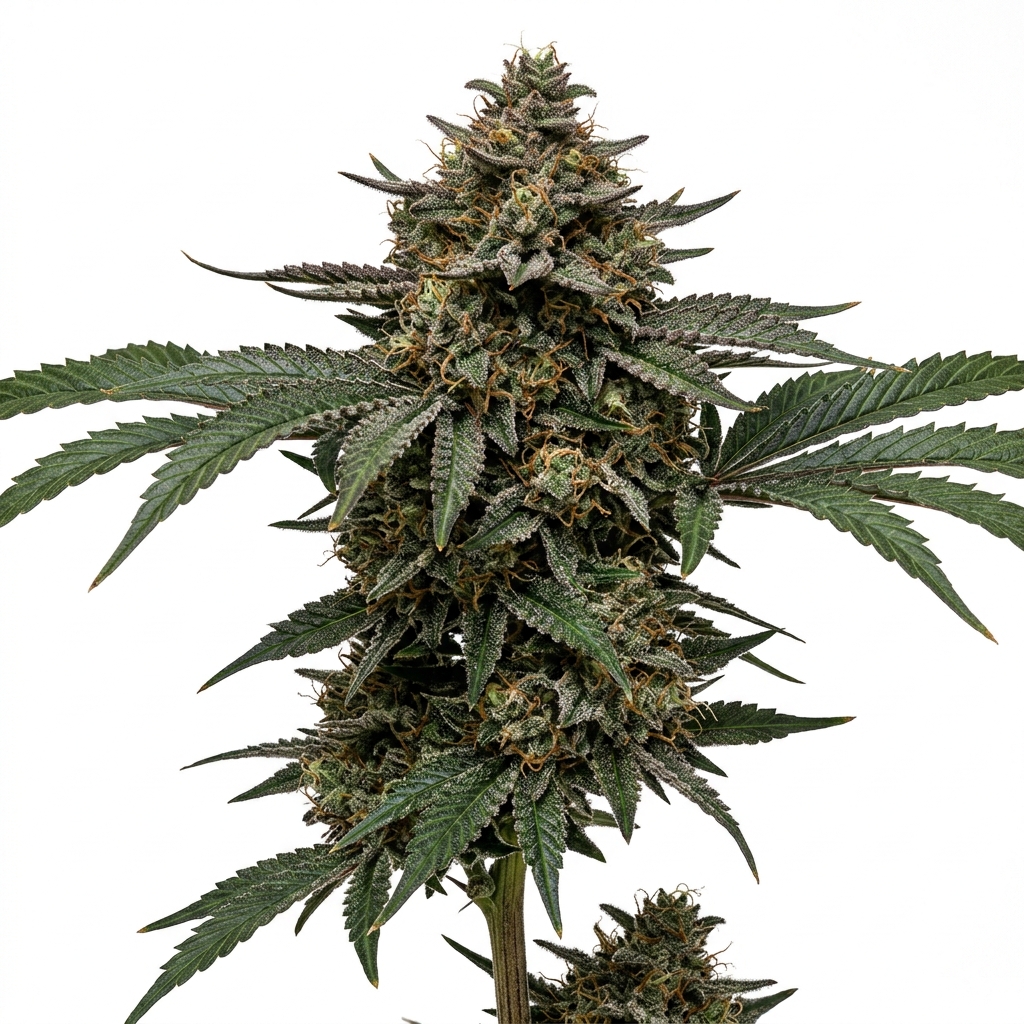
Master Kush (Cannabis Strain)
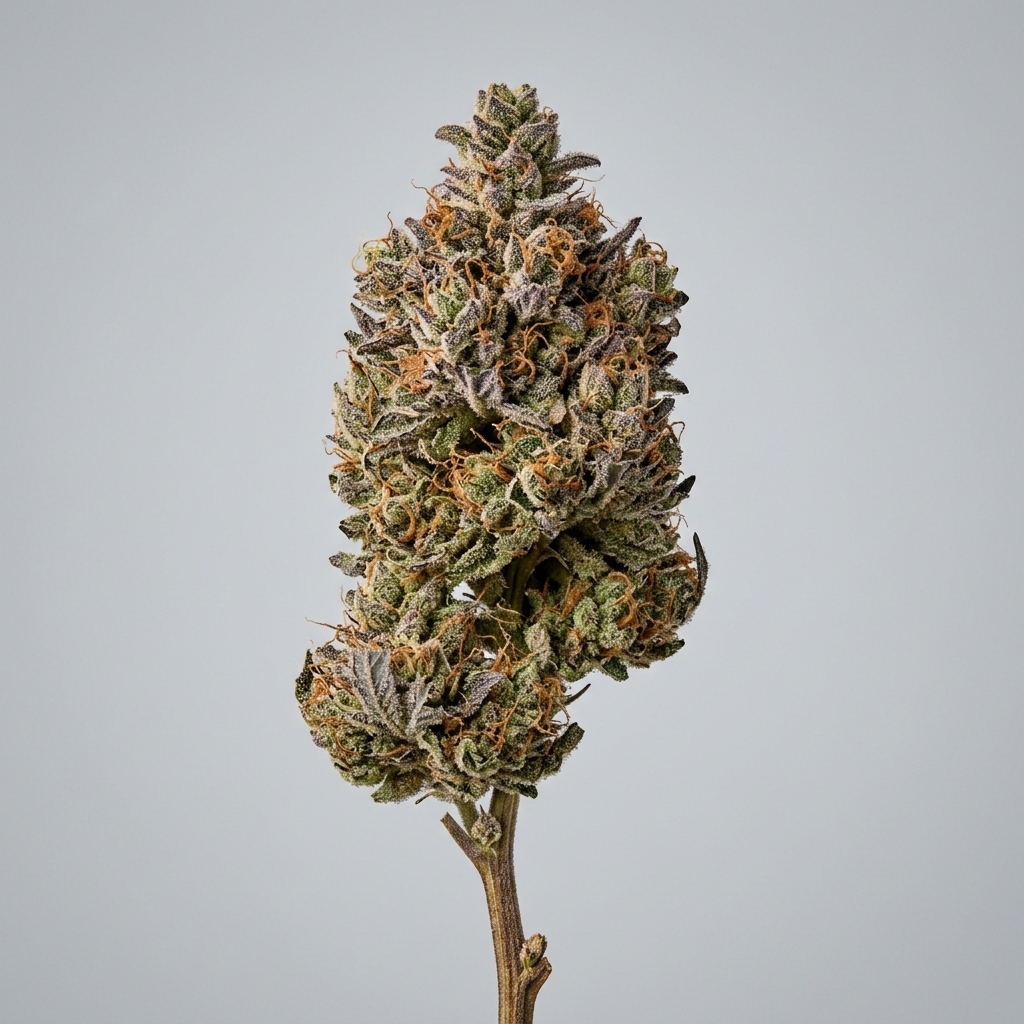
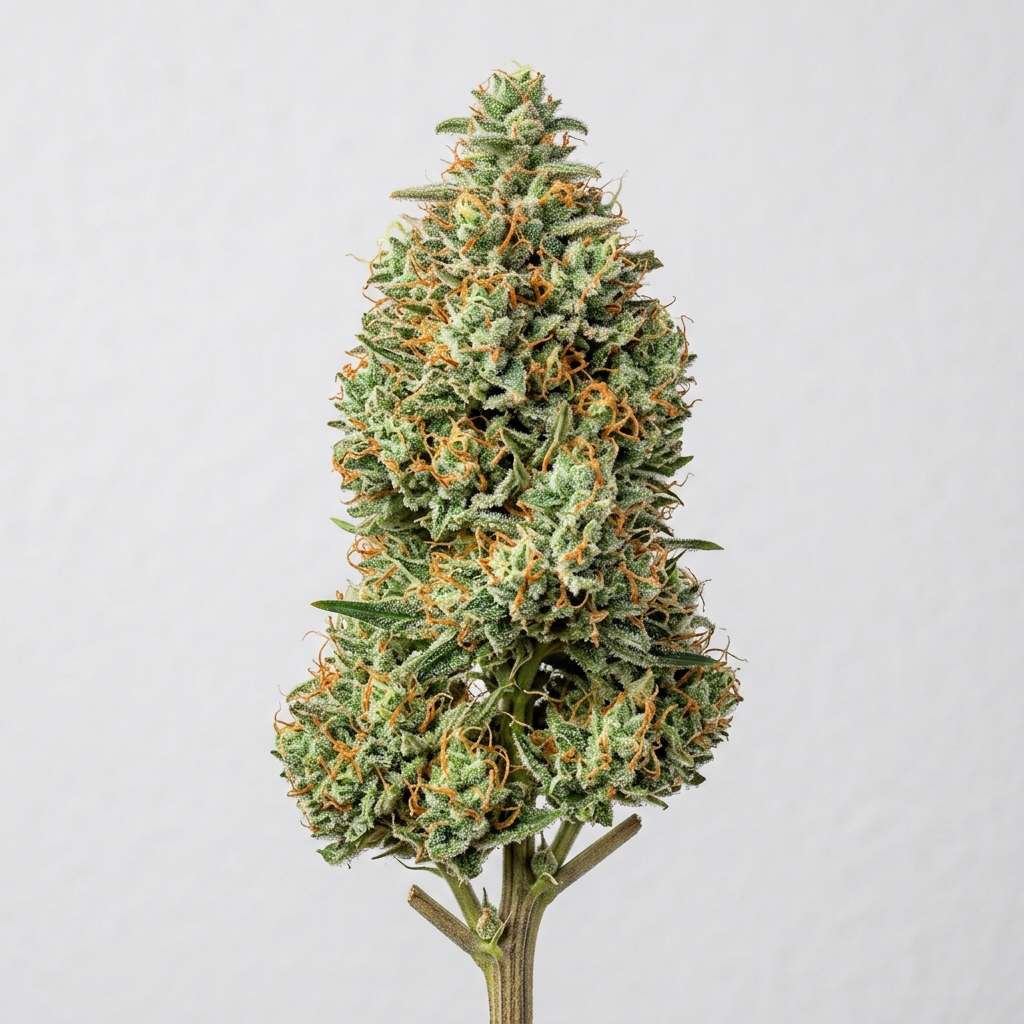
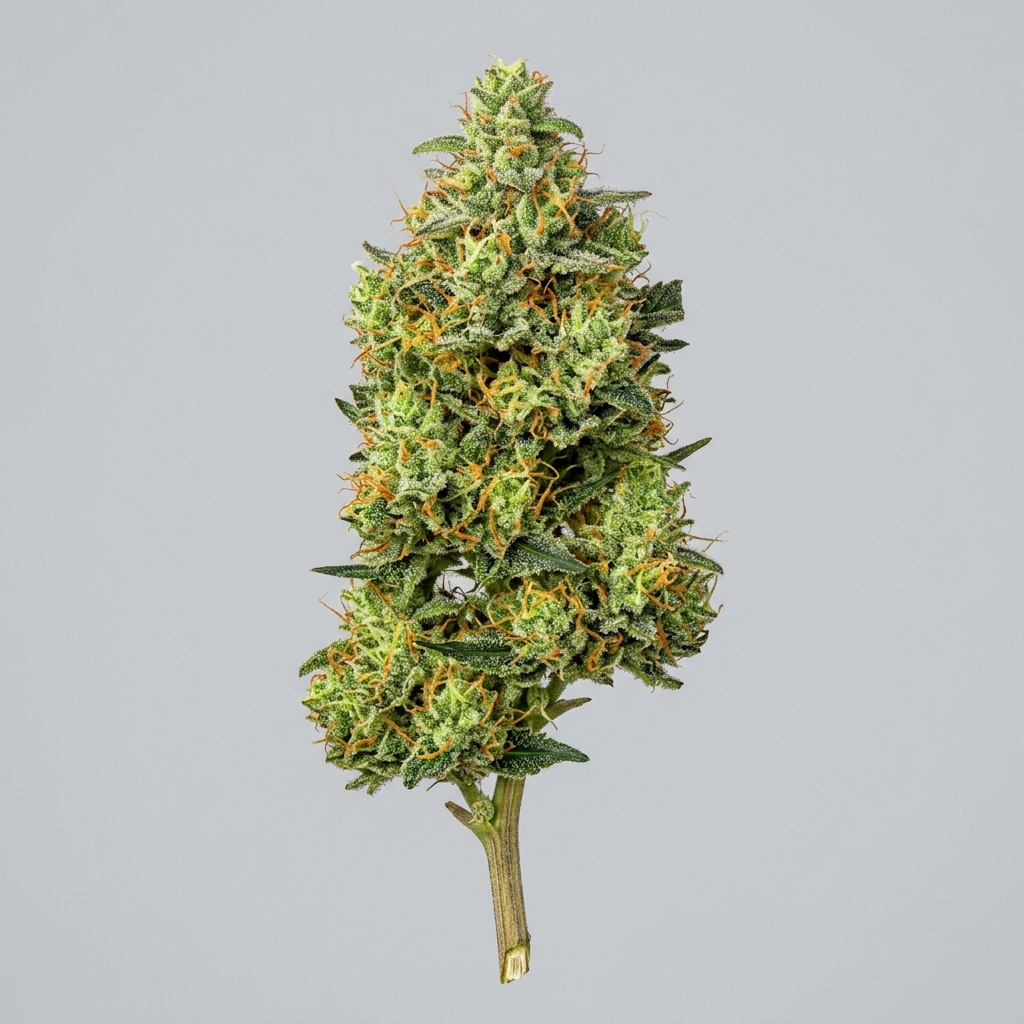
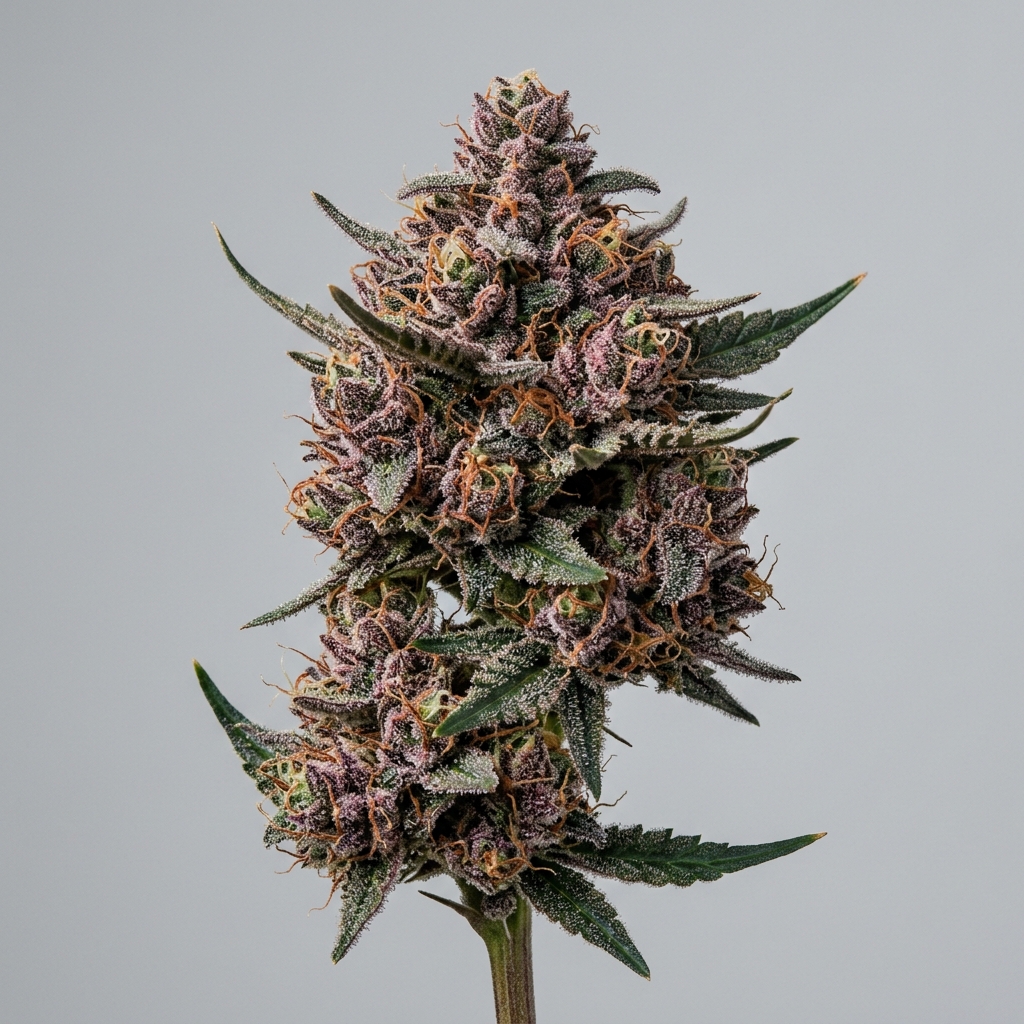
Master Kush is a classic indica-dominant hybrid typically testing between 15% and 20% THC, bred through the selection of two distinct Hindu Kush landrace strains. Known for its earthy, pungent aroma with a sharp citrus lift, this cultivar produces dense, greasy resin on tight, compact flowers. The plant shows a short, sturdy growth habit with minimal stretch, making it a reliable choice for cultivators seeking an authentic, evening-oriented Kush profile.
Originally developed in Amsterdam, this strain has served as a cornerstone of modern cannabis breeding. Its exceptional stability and classic hashish flavor have earned it a permanent place in the heritage of old-school indica varieties, prized by both home growers and commercial facilities for its predictable growth patterns.
Quick Facts
| Attribute | Details |
|---|---|
| Genetics | Hindu Kush × Hindu Kush (Landrace selections) |
| Variety | Indica-dominant Hybrid |
| THC Range | 15% – 20% |
| Flowering Time | 7 – 9 weeks (50 – 63 days) |
| Yield Potential | Moderate to High |
| Plant Height | Short to Medium (compact) |
| Climate Preference | Temperate, dry, warm |
| Difficulty | Easy to Moderate |
Scientific & Botanical Overview
Master Kush displays classic indica morphology, characterized by broad fan leaves, thick woody stems, and short internodal spacing. The vegetative stage requires adequate time to build structure, as the plant does not stretch significantly once flowering is induced. This compact frame makes it highly efficient for indoor spaces with vertical height limitations.
The flowers develop into dense, rounded bracts covered in a thick layer of sticky, resin-rich trichomes. This greasy resin layer protects the tightly packed calyxes, which mature into pale green buds with deep orange pistils. The cultivar is particularly efficient at nutrient uptake, showing a high tolerance for standard feeding regimens.
Due to the compact nature of the colas, managing late-flower humidity is critical to preventing moisture retention within the dense flower clusters. The sturdy stems easily support the weight of the flowers without requiring extensive external support, though light training can improve light penetration to lower bud sites.
Effects & Use-Cases (Reported)
Commonly reported effects: A heavy physical relaxation that settles quickly behind the eyes, progressing into a calm, tranquil state. Users frequently note a gentle mental ease that accompanies the physical release, avoiding the sharp cerebral rush associated with sativa-dominant varieties.
Use-case context: This cultivar is best suited for evening use, quiet reflection, or winding down after physical exertion. Its grounding properties make it a popular choice for late-night routines and relaxation rituals.
Please note: Individual experiences may vary, and high doses may lead to a heavy, sedative physical state. Novice users should approach this strain with caution due to its rapid physical onset.
Aroma & Flavors
Aroma: Deeply earthy and musky, reminiscent of damp soil, black pepper, and fresh pine needles. A subtle sweetness emerges as the buds are broken apart, accompanied by a faint, chemical-like fuel undertone.
Flavor: Rich, spicy hashish on the inhale, leaving a subtle, sweet lemon finish on the palate. The smoke is dense and expansive, carrying a traditional, old-school flavor profile that lacks the modern candy sweetness of contemporary hybrids.
Terpene associations: High concentrations of myrcene, caryophyllene, and limonene drive the classic profile, contributing to the earthy base and sharp citrus lift.
Tested Cannabinoid & Terpene Ranges
| Compound | Typical Range |
|---|---|
| Δ9-THC | 15.0% – 20.0% |
| CBD | < 1.0% |
| beta-Caryophyllene | 0.3% – 0.8% |
| Myrcene | 0.4% – 1.0% |
| Limonene | 0.2% – 0.6% |
Note: Cannabinoid and terpene levels are highly variable and depend on specific cultivation practices, curing methods, and environmental factors.
Cultivation Notes
- Humidity Management: Keep relative humidity below 45% during late flower to protect the dense, compact colas from moisture buildup.
- Nutrition: Responds well to a standard feeding regimen; can tolerate moderate to heavy nutrients without immediate tip burn.
- Training: use light defoliation of the lower canopy to improve airflow and allow light to reach lower bud sites.
- Harvest Window: Look for amber trichomes to reach about 15% to 20% for the most relaxing and physically heavy expression.
- Phenotype Uniformity: This cultivar is highly stable, showing minimal variation between individual plants grown from seed.
Grower Notes (Week-by-Week Snapshot)
- Weeks 1–3 (Vegetative & Early Flower): The plant focuses on lateral branching and leaf production. Stretch is minimal, usually doubling in size at most after the flip to 12/12.
- Weeks 4–6 (Mid-Flower): Dense flower clusters begin to stack along the main stem. Greasy resin glands appear early, accompanied by a damp, earthy aroma.
- Weeks 7–9 (Late Flower & Flush): Colas swell and harden significantly. Lower the humidity to its lowest point and initiate a thorough flush with clean water to preserve the clean, spicy terpene profile.
- Post-Harvest (Dry & Cure): A slow, 10-to-14-day dry at 60°F and 60% relative humidity is essential to lock in the deep, earthy pine notes.
Genetic Lineage
The lineage of Master Kush is rooted in the rugged Hindu Kush mountain region, utilizing two distinct landrace selections. This pure geographic origin gives the cultivar its robust resilience, thick resin production, and classic physical traits.
Breeders have preserved these landrace genetics through generations of careful selection, ensuring the strain remains a stable, non-hybridized representation of traditional indica varieties. This stability has made it a valuable breeding tool for creating modern Kush descendants.
Research Insights
Analytical testing shows a high concentration of myrcene and caryophyllene, which work in tandem to produce the characteristic earthy aroma and physical sensation. The presence of these terpenes is consistent with traditional mountain-grown indica landraces.
The presence of limonene adds a subtle citrus complexity, which distinguishes Master Kush from other pure landrace descendants. This terpene combination contributes to the balanced, non-racy nature of its physical effects.
Frequently Asked Questions
Is Master Kush easy to grow for beginners?
Yes, its short stature, sturdy stems, and high resistance to common pests make it an excellent choice for novice growers. However, close attention must be paid to late-flower humidity to prevent bud rot in its dense colas.
What does Master Kush smell like?
It has a traditional earthy, spicy, and woody aroma, reminiscent of black pepper, damp forest soil, and pine, with a faint citrus undertone on the finish.
How much does Master Kush stretch during flowering?
This cultivar stretches very little, typically only increasing its height by 50% to 100% after transitioning to the flowering stage, making it ideal for low-clearance grows.
What are the parent strains of Master Kush?
It is a cross between two distinct landrace indica strains originating from the Hindu Kush mountain region, preserved and stabilized by Dutch breeders.
Educational Disclaimer
This content is intended solely for educational and informational purposes. Cannabis laws and regulations vary by jurisdiction, and readers should consult their local guidelines regarding cultivation and use.
Rate and review this strain
Ratings and reviews are accepted only from signed-in Google accounts.
Sign in with Google to leave a rating and written review.
Latest Reviews
0 reviewsNo reviews yet. Be the first Google user to rate and review this strain.