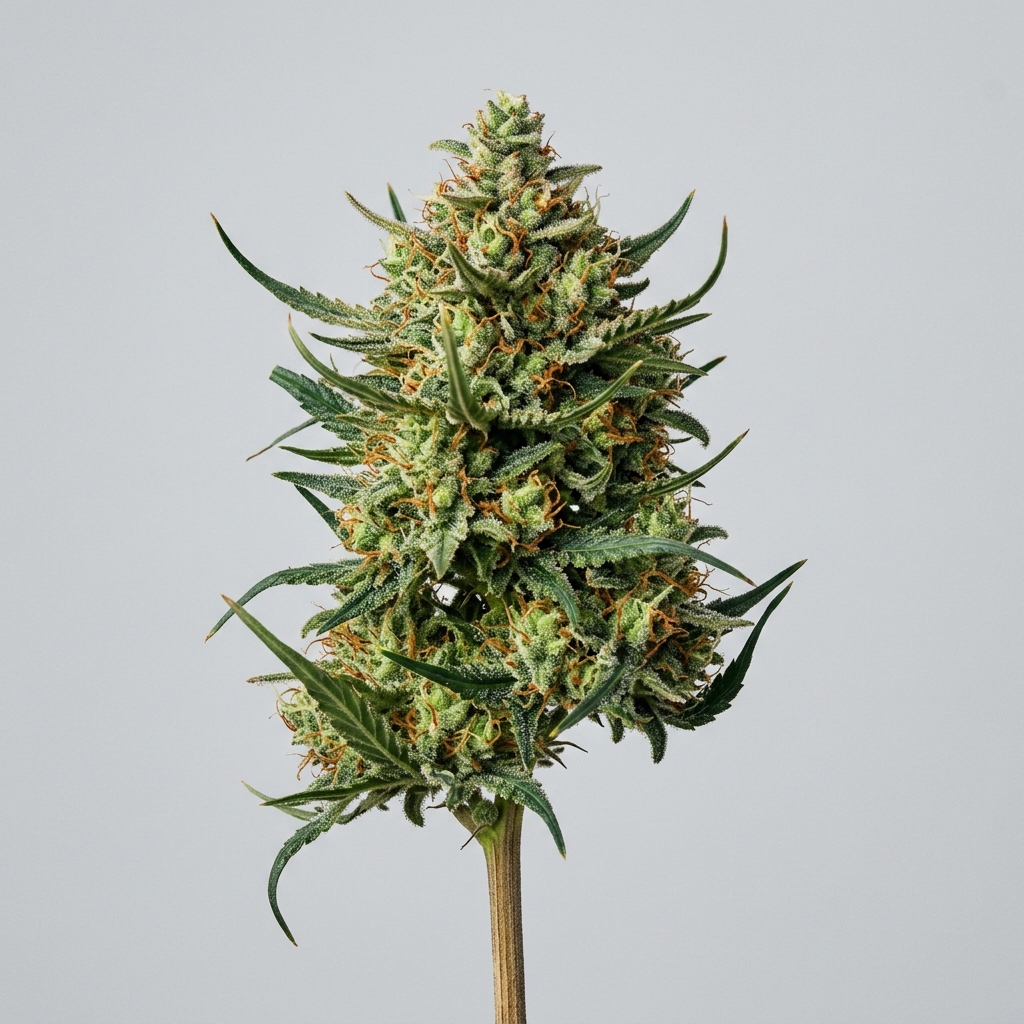
Original Glue (Cannabis Strain)
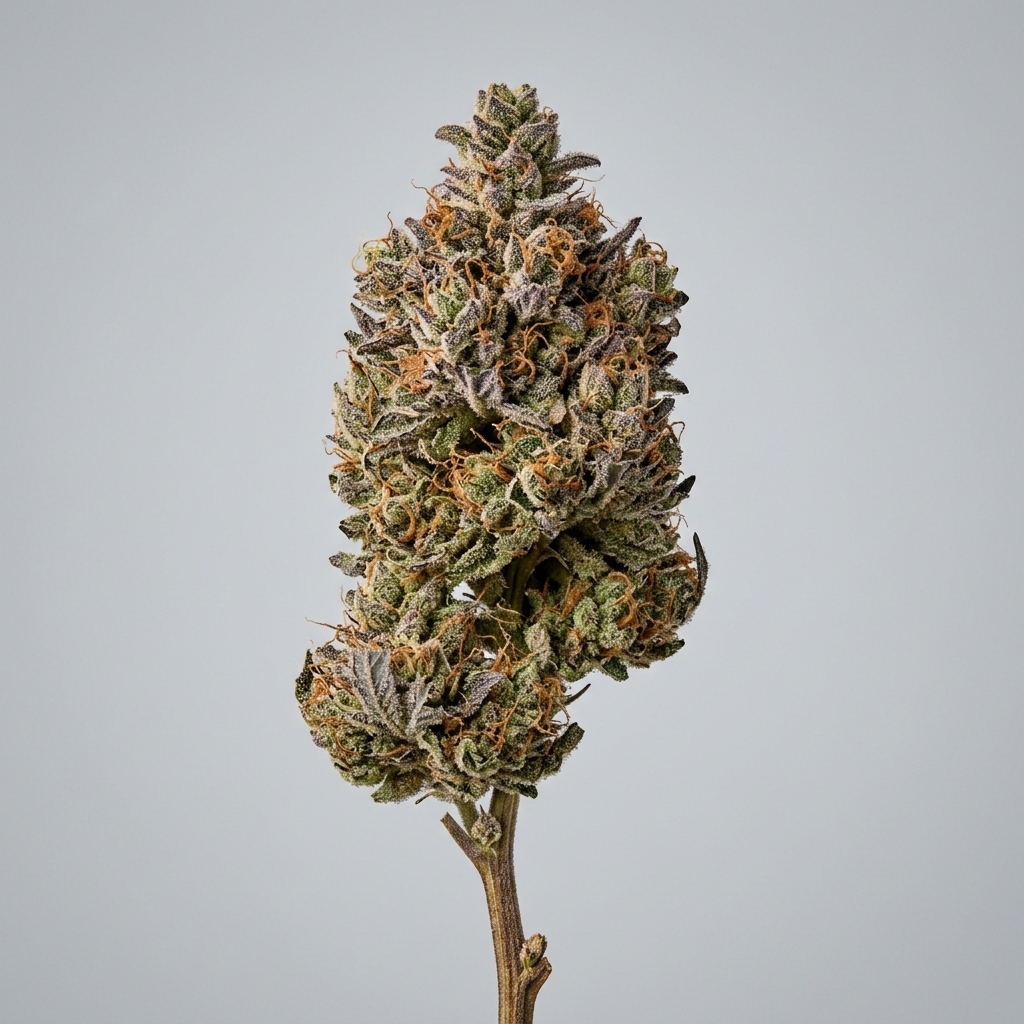
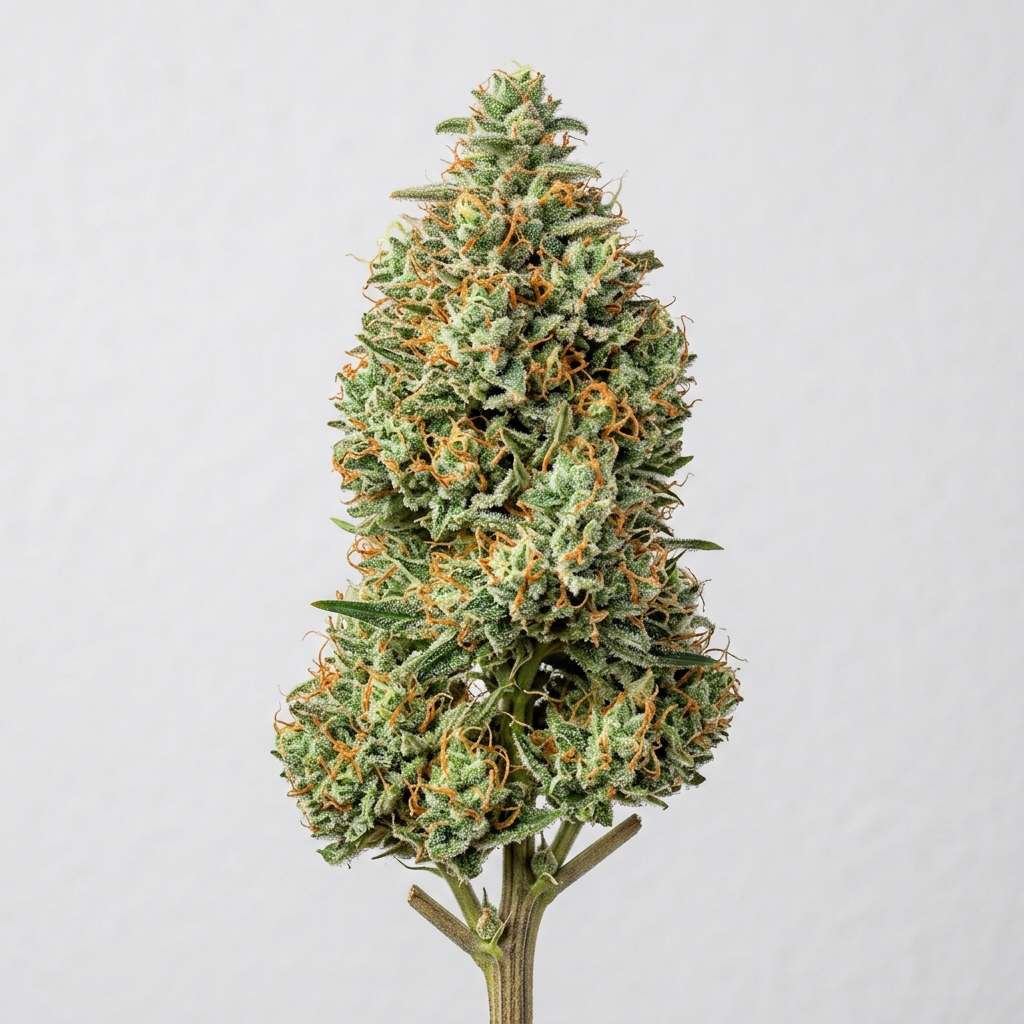
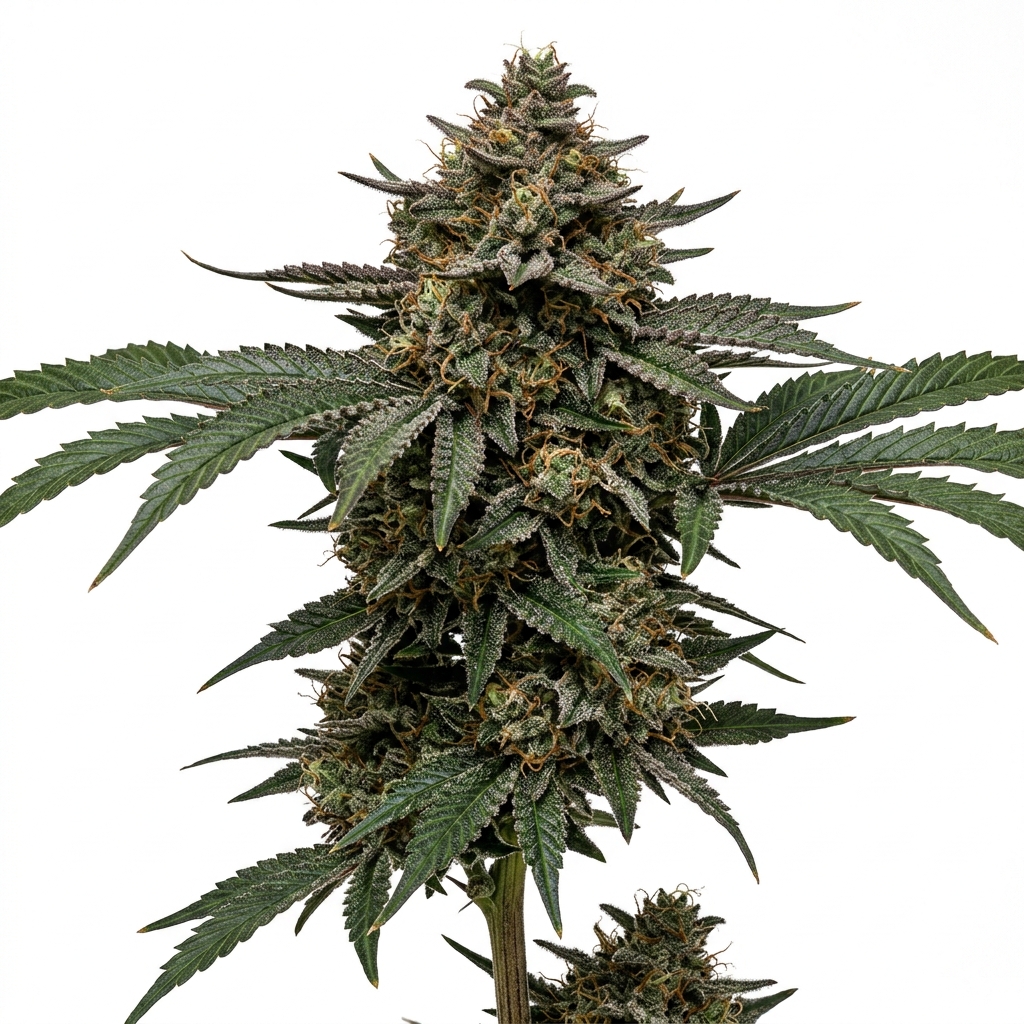
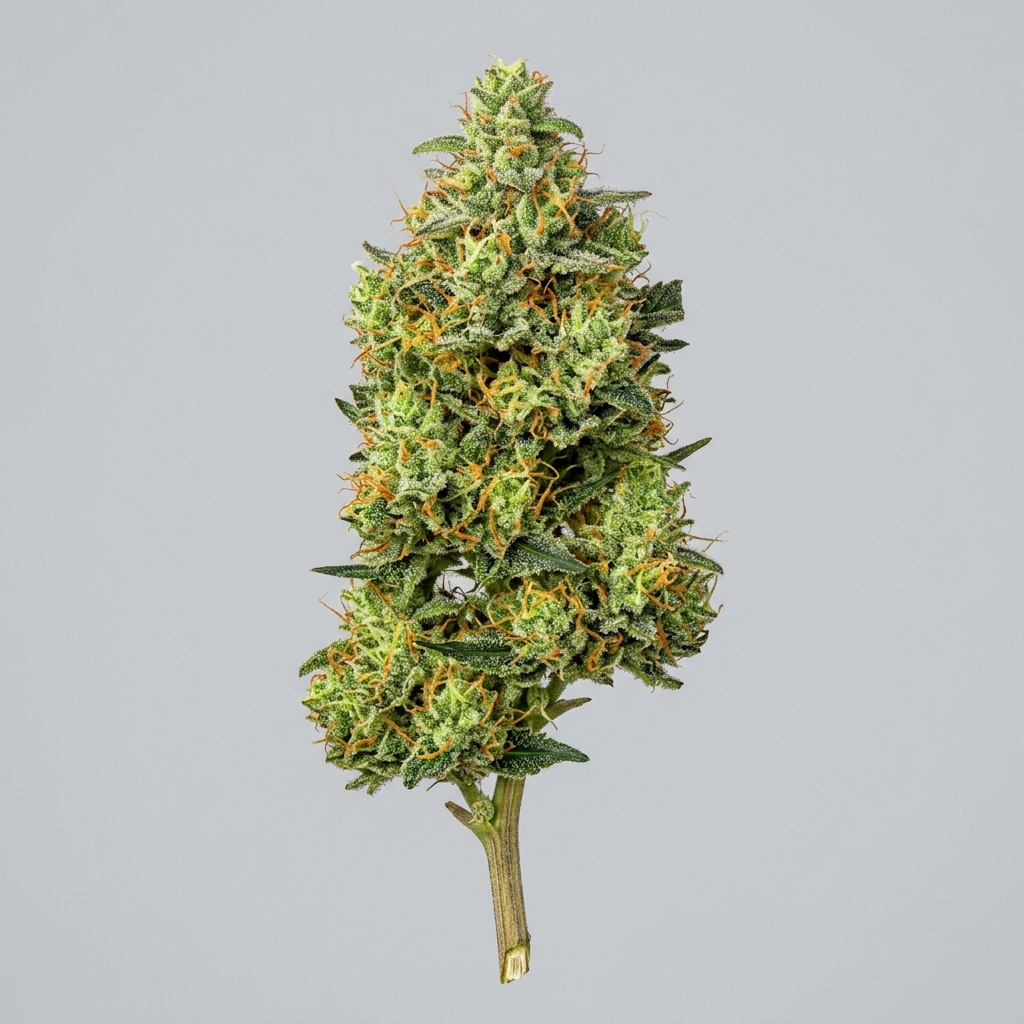
Original Glue (formerly known as Gorilla Glue #4 or GG4) is an iconic indica-dominant hybrid testing between 24% and 30% THC, bred from a three-way cross of Chem’s Sister, Sour Dubb, and Chocolate Diesel. This extraction-grade resin cultivar is globally recognized for its greasy resin, swollen calyxes, and a pungent aroma of sour gas, earthy pine, and dark chocolate. It displays a vigorous, stretchy growth habit in early flower, producing dense, lime-green spear colas that are heavily coated in wet frost, making it a legendary choice for both concentrates and deep physical relaxation.
Accidental breeding sometimes yields the industry’s most enduring legends, and this cultivar is the premier example. Its name stems from the adhesive quality of its trichomes, which routinely gum up trimming scissors during harvest. Today, it remains a benchmark for resin production and heavy-hitting potency in both commercial facilities and boutique gardens.
Quick Facts
| Attribute | Details |
|---|---|
| Genetics | Chem’s Sister × Sour Dubb × Chocolate Diesel |
| Variety | Indica-dominant hybrid |
| THC Range | 24% – 30% |
| Flowering Time | 8 – 9 weeks |
| Yield Potential | Moderate to High |
| Plant Height | Medium to Tall (substantial stretch) |
| Climate Preference | Temperate, low humidity in late flower |
| Difficulty | Moderate |
Scientific & Botanical Overview
Botanically, Original Glue shows a hybrid structure that leans physically toward its sativa heritage during vegetative growth before packing on heavy, indica-style floral mass. The plants develop broad fan leaves with deep green coloration, which eventually give way to dense, highly irregular spear colas. Tight internodes are common on the lower branches, but the main stems stretch significantly once flipped to flower.
The cultivar is characterized by its exceptional trichome density, where capitate-stalked resin glands cover not just the bracts but also the surrounding sugar leaves. The calyxes are heavily swollen and tightly packed, creating a chunky, textured bud structure. This heavy resin coverage acts as a natural barrier, though it requires strict environmental controls to prevent moisture retention within the dense flowers.
Growers often note that the plant’s branches can become brittle under the weight of its wet frost. Early structural support is crucial, as the heavy colas can easily snap lateral stems during the final three weeks of bloom. Proper airflow through the canopy is essential to keep the interior microclimate dry.
Effects & Use-Cases (Reported)
Commonly reported effects: Users frequently report an immediate, heavy physical relaxation that settles deep into the limbs, often accompanied by a calm, cerebral haze. The onset is rapid and physically grounding, frequently leading to a prolonged state of couch-lock.
Use-case context: Due to its heavy physical pull, this cultivar is best suited for evening or nighttime use. It is commonly selected by those seeking relief from physical tension, deep muscle soreness, or sleeplessness.
Note: High-potency cultivars can easily overwhelm novice consumers; starting with low doses is highly recommended to assess individual tolerance.
Aroma & Flavors
Aroma: A pungent mix of industrial fuel, sour chemical cleaner, and wet earth, rounded out by a subtle undertone of dark, bitter chocolate.
Flavor: The smoke or vapor delivers a heavy, earthy kush base with a sharp diesel bite on the exhale, leaving a lingering pine and sour chemical finish on the palate.
Terpene associations: The dominant terpenes typically associated with this profile are beta-caryophyllene, myrcene, and limonene, which drive its spicy, earthy, and fuel-forward character.
Tested Cannabinoid & Terpene Ranges
| Compound | Tested Range |
|---|---|
| Δ9-THC | 24.0% – 30.0% |
| CBD | 0.1% – 0.5% |
| Beta-Caryophyllene | 0.5% – 1.2% |
| Myrcene | 0.3% – 0.8% |
| Limonene | 0.2% – 0.6% |
Note: Cannabinoid and terpene levels are highly variable and depend heavily on environmental factors, cultivation methods, and the specific phenotype grown.
Cultivation Notes
- Humidity: Keep relative humidity (RH) below 45% during the final four weeks of flowering to protect the dense, resin-choked colas from mold and bud rot.
- Nutrition: This cultivar is a heavy feeder, particularly requiring robust nitrogen levels during veg and high potassium and phosphorus during mid-to-late bloom.
- Training: use low-stress training (LST) or a Scrog (Screen of Green) mesh to manage the vigorous vertical stretch and distribute light evenly across the canopy.
- Harvest: Monitor the trichomes closely; harvest when the glassy buds transition to about 10% amber for the optimal balance of physical relaxation and terpene clarity.
- Phenotype management: Keep a close eye on early-stage flowering sites, as certain phenotypes can occasionally show minor hermaphroditic tendencies under high-stress conditions.
Grower Notes (Week-by-Week Snapshot)
- Weeks 1–3 (Transition & Stretch): Expect a substantial vertical stretch of up to 150% once the light cycle is flipped. Apply early trellis netting to support the rapidly growing branches and prune the lower third of the canopy to improve airflow.
- Weeks 4–6 (Flower Development): The plant begins producing small, glassy buds that quickly merge into dense spear colas. Resin production starts early and rapidly covers the sugar leaves; maintain strict temperature controls to preserve the volatile terpenes.
- Weeks 7–9 (Ripening & Flush): Calyxes swell significantly and the buds become incredibly sticky to the touch. Reduce nutrients and initiate a clean water flush during the final 10 to 14 days, keeping late-flower humidity as low as possible.
- Post-Harvest (Cure): A slow dry at 60°F (15°C) and 60% relative humidity for 11 to 14 days is essential to lock in the greasy resin and prevent the volatile fuel aromas from degrading during the cure.
Genetic Lineage
The genetic heritage of Original Glue is a fascinating story of accidental pollination. It was originally created when a hermaphroditic Chem’s Sister plant pollinated a Sour Dubb, which was then crossed with Chocolate Diesel. This unique genetic combination brought together some of the most pungent, resin-heavy lines in modern cannabis history.
The resulting offspring inherited the sharp, sour fuel traits of its diesel ancestors along with the extreme trichome density of the Chem line. This lineage has secured its place as a foundational parent strain, used in countless modern breeding projects to inject resin production and gassy terps into newer hybrids.
Research Insights
From a chemical perspective, research into Original Glue centers on its high concentration of sesquiterpenes, particularly beta-caryophyllene. This terpene is unique because it directly interacts with cannabinoid receptors, potentially modulating the physical, grounding effects commonly associated with high-THC cultivars.
The cultivar’s elite resin production is also of significant interest to extraction laboratories. The trichomes feature thick, sturdy stalks and large glandular heads that detach easily during ice water washing, making this strain an industry favorite for solventless concentrate production.
Frequently Asked Questions
Why is it called Original Glue?
The strain was originally named Gorilla Glue #4 because its extreme resin production makes the buds incredibly sticky, causing trimming scissors and fingers to glue together during harvest. The name was later changed to Original Glue due to trademark considerations.
Is Original Glue easy to grow?
It is considered a moderate difficulty strain. While it is highly vigorous and clones easily, its significant stretch during early flower and susceptibility to mold in high humidity require active canopy management and environmental control.
What does Original Glue smell like?
It features a highly pungent, industrial aroma dominated by sour chemical fuel, pine, and rich earth, with a faint undertone of dark chocolate.
What are the best training methods for this strain?
Because of its vigorous stretch, using a Screen of Green (ScrOG) setup or heavy topping and low-stress training (LST) works best to create an even canopy and support the heavy, resinous colas.
Educational Disclaimer
Educational Disclaimer: This information is intended solely for educational and informational purposes. Cultivation of cannabis is subject to varying legal regulations globally. Always consult local laws before germinating or cultivating any cannabis genetics.
Rate and review this strain
Ratings and reviews are accepted only from signed-in Google accounts.
Sign in with Google to leave a rating and written review.
Latest Reviews
0 reviewsNo reviews yet. Be the first Google user to rate and review this strain.