Sour Patch Kids (Cannabis Strain)
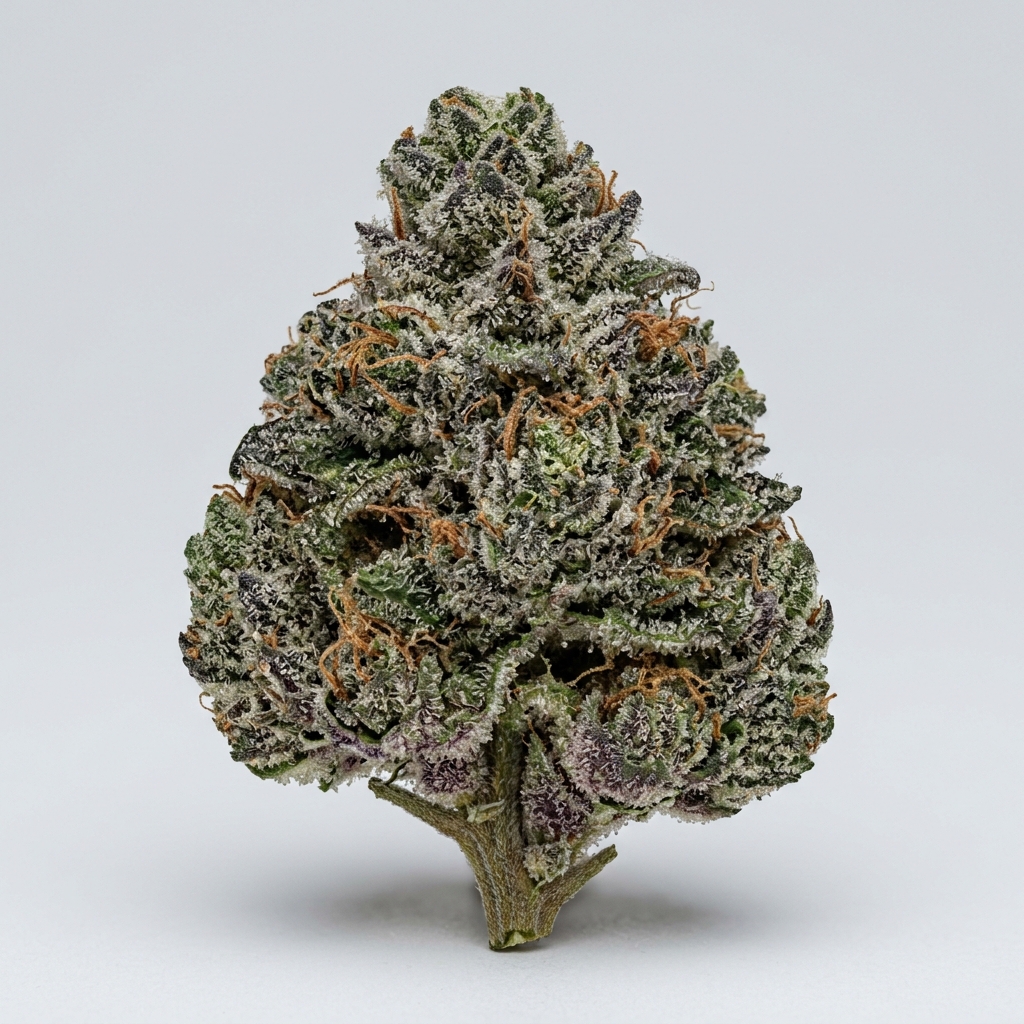
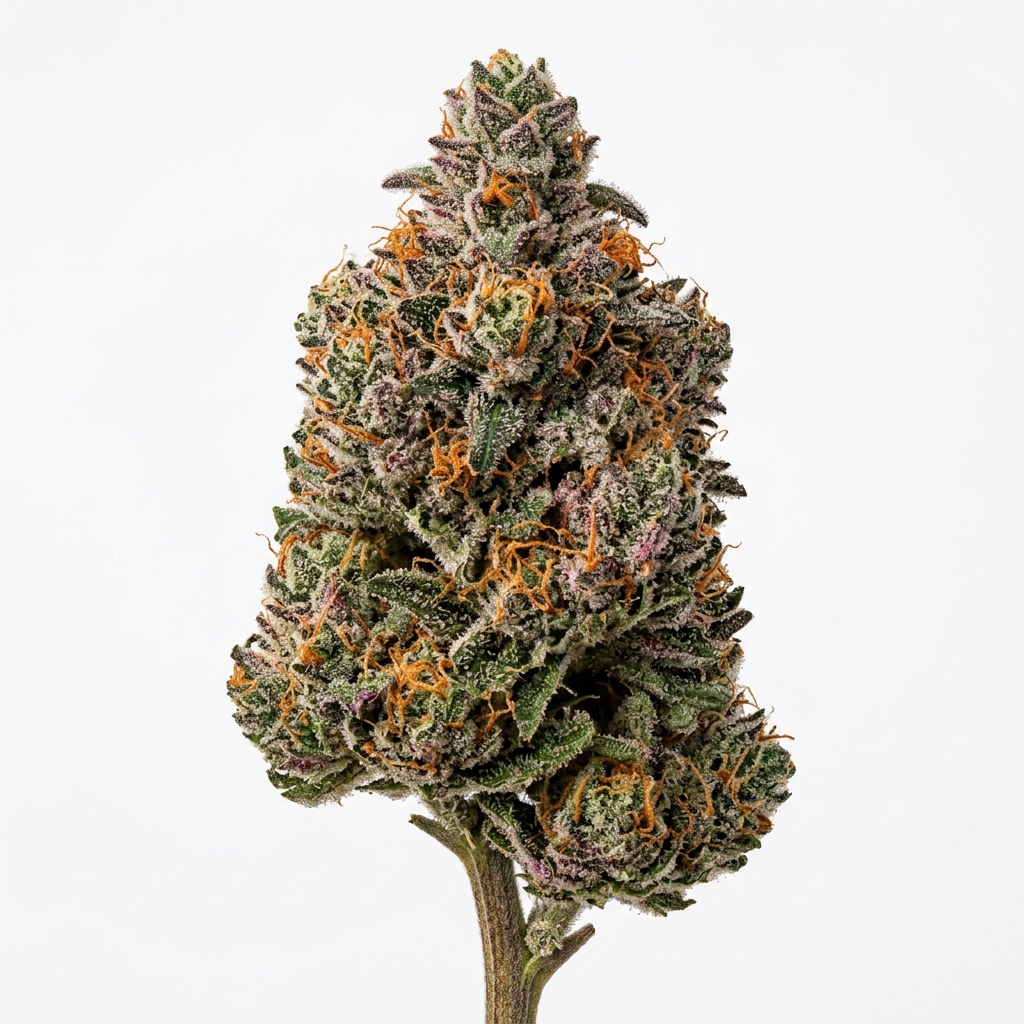
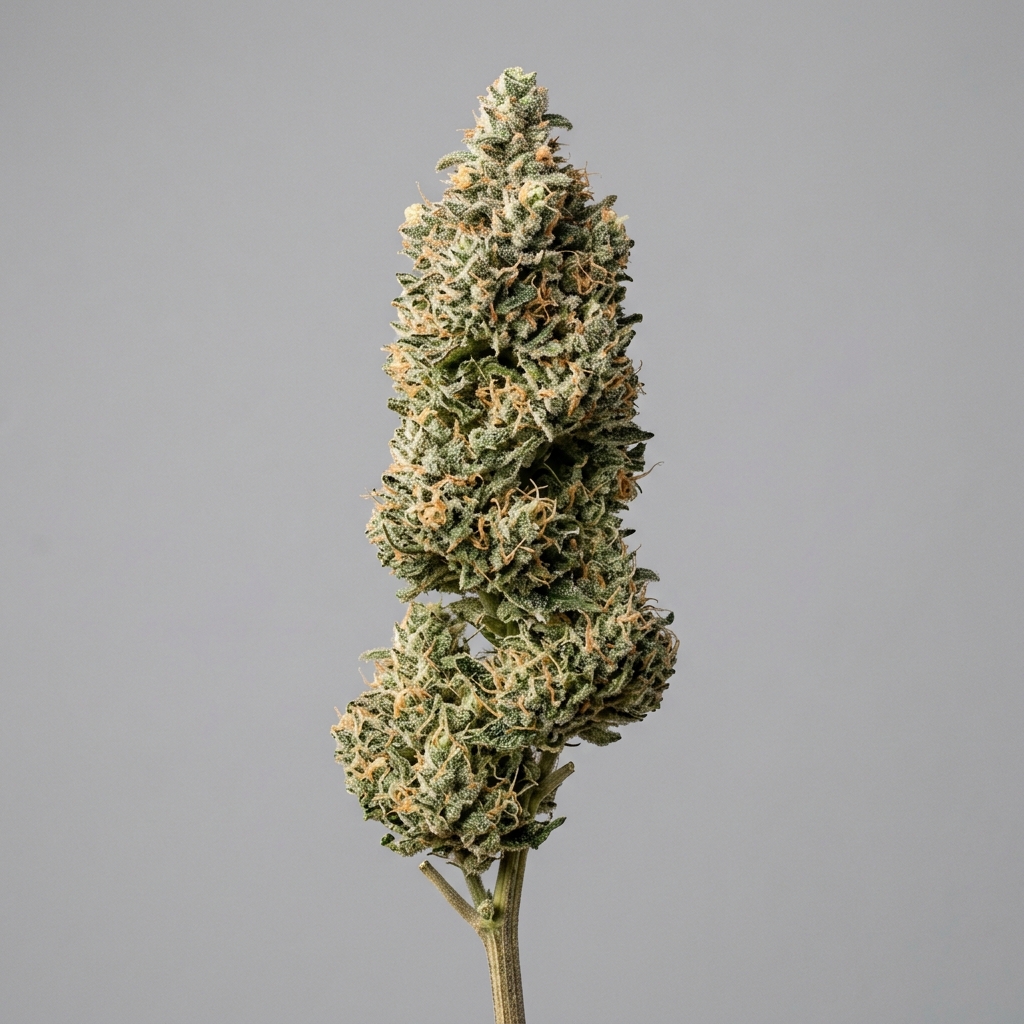
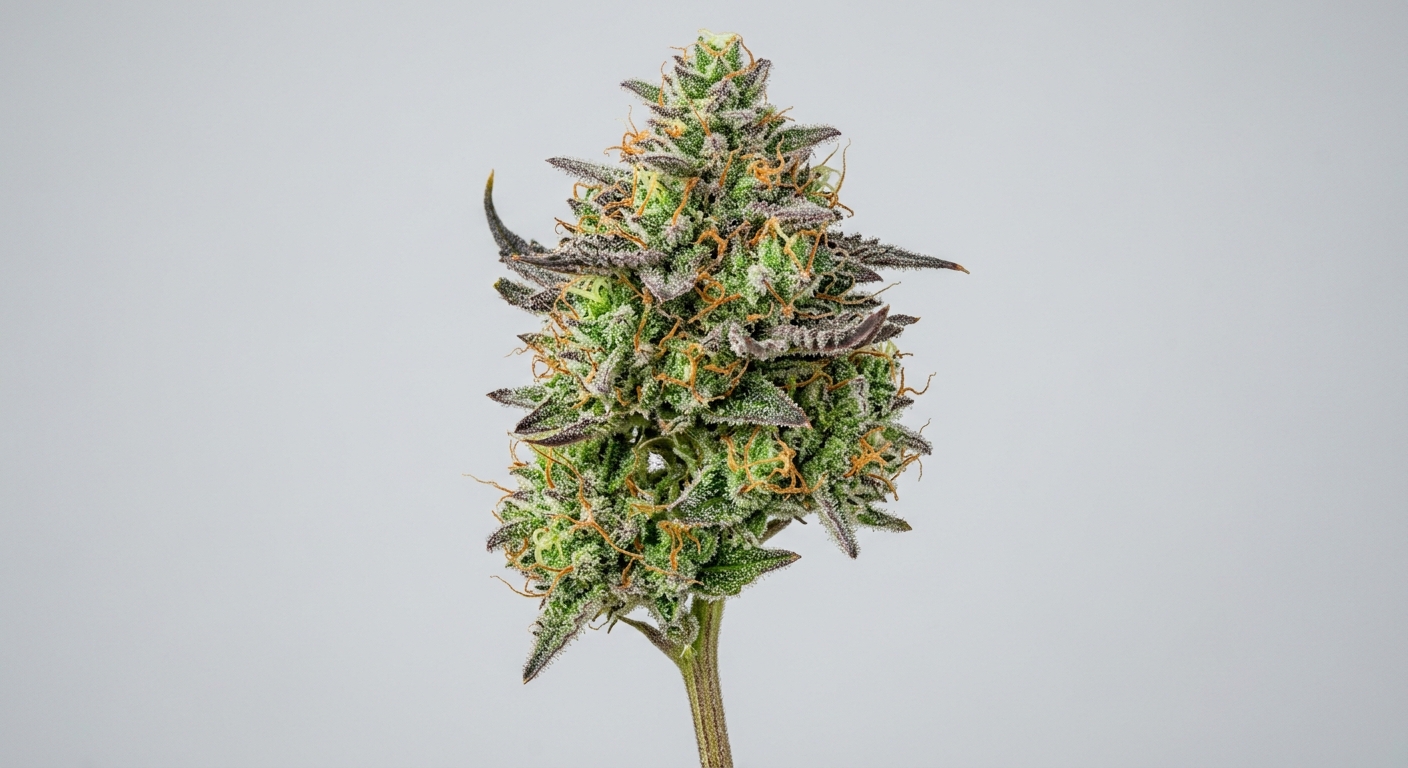
Sour Patch Kids is a sativa-dominant hybrid cultivar typically testing between 18% and 24% THC, created by crossing the legendary Sour Diesel with the sweet, resin-heavy Candyland. Known for its glassy buds and an unmistakable profile of tart gas and sour citrus, this strain bridges old-school fuel with modern exotic candy sweetness. The plants exhibit a moderate stretch during early flower, producing dense, spear-shaped colas coated in a thick layer of wet frost. Cultivators prize this variety for its reliable resin production and a sharp terpene clarity that translates directly from late flower to the final cure.
Beyond its striking visual appeal, the cultivar has earned a solid reputation among both boutique growers and extraction artists. The greasy resin profile makes it a popular choice for solventless concentrates, where its sharp chemical and sweet candy notes remain highly pronounced. While it demands careful humidity management during its final weeks, its resilient growth pattern makes it a rewarding project for experienced gardens.
Quick Facts
| Metric | Details |
|---|---|
| Genetics | Sour Diesel × Candyland |
| Variety | Sativa-dominant Hybrid (approx. 60/40) |
| THC Range | 18% – 24% |
| Flowering Time | 8 – 9 Weeks |
| Yield Potential | Moderate to High |
| Plant Height | Medium to Tall |
| Climate Preference | Temperate, low late-flower humidity |
| Difficulty | Moderate |
Scientific & Botanical Overview
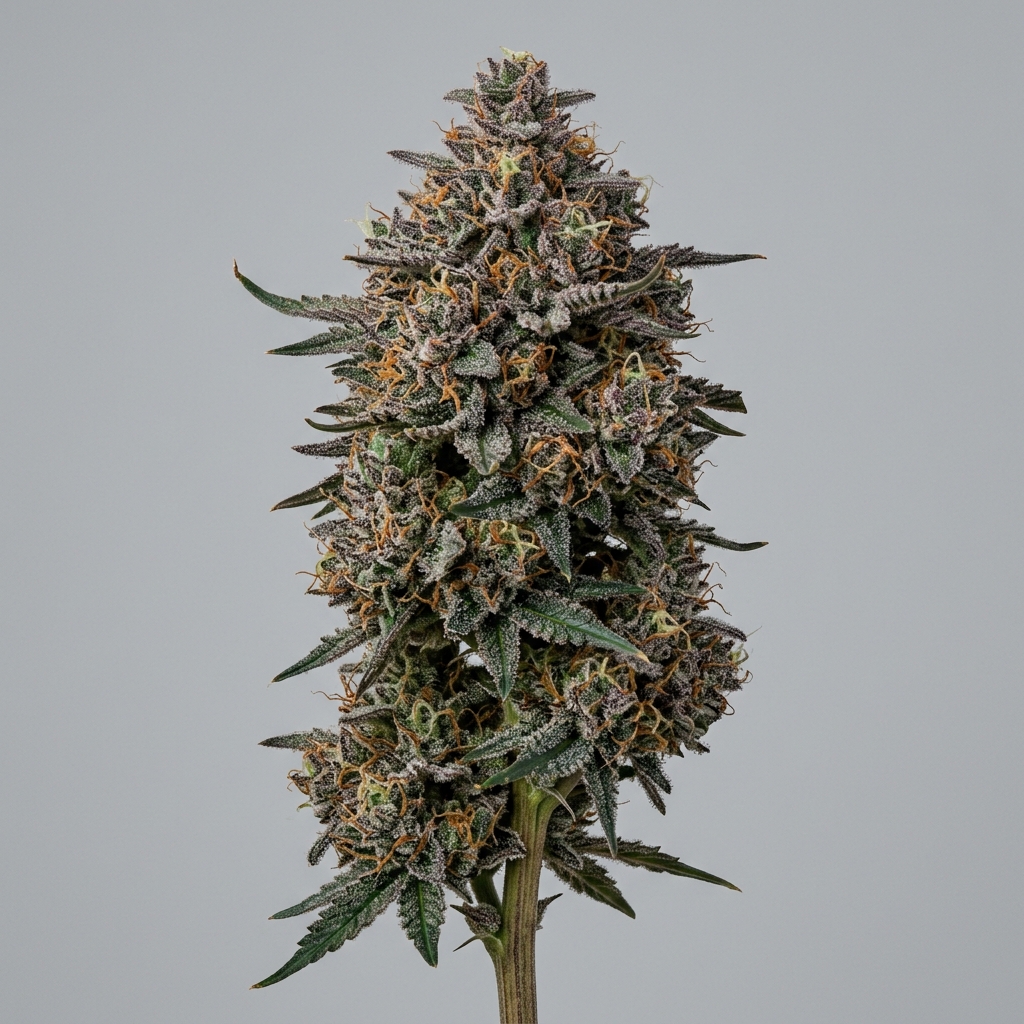
Botanically, Sour Patch Kids displays classic hybrid morphology with a noticeable sativa lean in its leaf structure and nodal spacing. The vegetative stage produces broad fan leaves that gradually narrow as the plant transitions to flower, revealing tight internodes along the primary lateral branches. Strong apical dominance is common, though the plant responds exceptionally well to early canopy training and low-stress techniques.
As flowering progresses, the calyx-to-leaf ratio becomes highly favorable, making the post-harvest trim straightforward. The buds form dense, conical clusters with swollen calyxes that stack tightly along the main stems. Under cooler night temperatures in late flower, the deep green foliage often develops subtle purple hues beneath a dense blanket of capitate-stalked trichomes.
The resin glands on this cultivar are particularly notable for their structural integrity, maintaining clear heads until the final days of the cycle. This stable trichome development preserves the volatile monoterpenes, preventing premature degradation under standard environmental fluctuations. Proper airflow is essential during the final weeks to prevent moisture retention within the dense bracts.
Effects & Use-Cases (Reported)
Commonly reported effects: Users frequently describe an immediate, uplifting cerebral clarity accompanied by a subtle, warm physical relaxation. It is often noted for promoting focus and creative energy without the racing thoughts sometimes associated with pure sativas.
Use-case context: Well-suited for daytime activities, social gatherings, or creative sessions where mental clarity is preferred. The gentle physical comedown makes it versatile enough for late afternoon use without causing heavy sedation.
Note: Individual experiences may vary, and high-THC cultivars should be approached with caution by novice consumers.
Aroma & Flavors
Aroma: A sharp, nose-opening combination of sour citrus lift and pungent diesel fuel, backed by a subtle, sweet herbal undertone.
Flavor: The palate mimics the aroma closely, delivering an initial burst of tart candy sweetness followed immediately by a heavy, chemical-gas finish.
Terpene associations: High concentrations of caryophyllene, limonene, and myrcene drive its complex sour-gas profile.
Tested Cannabinoid & Terpene Ranges
| Compound | Typical Range |
|---|---|
| Δ9-THC | 18.0% – 24.0% |
| CBG | 0.5% – 1.2% |
| β-Caryophyllene | 0.4% – 0.9% |
| d-Limonene | 0.3% – 0.7% |
| β-Myrcene | 0.2% – 0.5% |
Range note: Cannabinoid and terpene levels are highly variable and depend on specific phenotype selection, environmental conditions, and cultivation practices.
Cultivation Notes
- Keep late-flower humidity strictly below 45% to protect the dense, resin-rich colas from moisture-related issues.
- Respond well to topped or trained canopies; use low-stress training (LST) or screen of green (ScrOG) setups to maximize light penetration to lower nodes.
- Maintain a balanced, moderate nutrient regimen, avoiding heavy nitrogen feeding during the mid-to-late flowering phase.
- Ensure excellent airflow throughout the canopy to support the dense bract development and maintain terpene clarity.
- Monitor trichome maturity closely; harvesting when heads are mostly milky with a small percentage of amber preserves the sharpest sour notes.
Grower Notes (Week-by-Week Snapshot)
- Weeks 1–3 (Vegetative & Early Stretch): Plants show a vigorous vegetative growth rate. Expect a moderate stretch of about 50-80% once the light cycle is flipped, requiring early canopy management and strategic defoliation.
- Weeks 4–6 (Mid-Flower & Bud Formation): White pistils stack rapidly, forming the foundation of spear-shaped colas. Resin production begins early on the sugar leaves, accompanied by a faint, sweet gas aroma.
- Weeks 7–9 (Late Flower & Ripening): Calyxes swell significantly, and the wet frost layer becomes highly pronounced. Lower night temperatures during these final weeks can coax out dark violet tones in the bracts.
- Post-Harvest (Dry & Cure): A slow, 10-to-14-day dry at 60°F (15°C) and 60% relative humidity is crucial to lock in the delicate sour candy and fuel terpenes before a minimum three-week cure.
Genetic Lineage
The genetic foundation of Sour Patch Kids lies in the strategic pairing of Sour Diesel and Candyland. Sour Diesel contributes its legendary fuel-forward aroma, robust physical structure, and soaring, cerebral character. This classic backbone ensures the lineage retains its pungent chemical edge and resilient growth habits.
To soften the sharp diesel notes and enhance resin density, breeders introduced Candyland, a cross of Granddaddy Purple and Bay Platinum Cookies. This infusion brings a tight, cookie-style bud structure, deep purple color potential, and a distinct sugary sweetness. The resulting hybrid balances these contrasting profiles, offering a unique blend of old-school gas and modern dessert genetics.
Research Insights
Analytical testing of Sour Patch Kids highlights a complex terpene matrix dominated by caryophyllene and limonene, which work alongside the primary cannabinoid fraction to shape its overall character. The presence of secondary terpenes like humulene and linalool adds a subtle herbal and floral depth, rounding out the sharp citrus and gas elements. This specific distribution of volatile compounds is highly valued for its aromatic stability during the curing process.
From a breeding perspective, the cultivar serves as an excellent example of hybrid vigor, retaining the high resin-producing capabilities of its Cookie heritage while preserving the distinct flavor profile of its Diesel parentage. This balance of traits makes it a highly stable subject for further genetic exploration, particularly for breeders looking to isolate sweet-and-sour chemical profiles.
Frequently Asked Questions
Is Sour Patch Kids hard to grow?
No, it is generally considered a moderate-difficulty strain. It requires standard canopy training and careful attention to late-flower humidity to prevent bud rot, but its vigorous growth makes it highly forgiving.
What does Sour Patch Kids smell like?
The strain features a pungent aroma of sharp, sour citrus and chemical diesel fuel, balanced by a subtle, sugary candy sweetness on the backend.
How long does Sour Patch Kids take to flower?
This cultivar typically completes its flowering cycle in 8 to 9 weeks when grown indoors.
Is Sour Patch Kids better for daytime or nighttime?
Due to its balanced hybrid nature and reported cerebral clarity, it is most commonly recommended for daytime or late afternoon use.
Educational Disclaimer
This content is for educational and informational purposes only. Cannabis laws and regulations vary by jurisdiction. Always consult with a qualified professional before undertaking cultivation or consumption.
Rate and review this strain
Ratings and reviews are accepted only from signed-in Google accounts.
Sign in with Google to leave a rating and written review.
Latest Reviews
0 reviewsNo reviews yet. Be the first Google user to rate and review this strain.