Snowcap / Snocap (Cannabis Strain)
Snowcap is an elite, high-velocity sativa-hybrid cannabis cultivar engineered for an aggressive menthol-citrus profile and robust structural resilience. A legendary West Coast staple derived from crossing a classic, high-performance Haze with the resin-heavy Oregon Snow, this strain has earned a timeless reputation for combining extreme trichome saturation with a sharp, “glacial-citrus” aromatic identity.
Recognized for its high-performance legacy genetics, Snowcap combines the soaring, electric cerebral engagement of its Haze ancestry with the dense resin output and crisp, snowy visual presentation of Oregon Snow. It is widely associated with elongated, incredibly frosted colas, strong boutique shelf appeal, and a bright euphoric effect profile that feels mentally sparking and physically smooth. The information below is provided strictly for scientific and botanical reference.
Quick Facts
| Feature | Details |
|---|---|
| Genetics | Haze × Oregon Snow |
| Variety | Sativa-dominant hybrid |
| THC Range | 22%–25% |
| Flowering Time | 9–10 weeks (63–70 days) |
| Yield Potential | 500–600 g/m² (High) |
| Plant Height | Tall; elegant vertical stretch with large, spear-like terminal colas |
| Climate Preference | Warm, dry Mediterranean / Controlled Indoor (Optimizes vertical management) |
| Difficulty | Intermediate to Advanced (Requires height control and training) |
Scientific & Botanical Overview
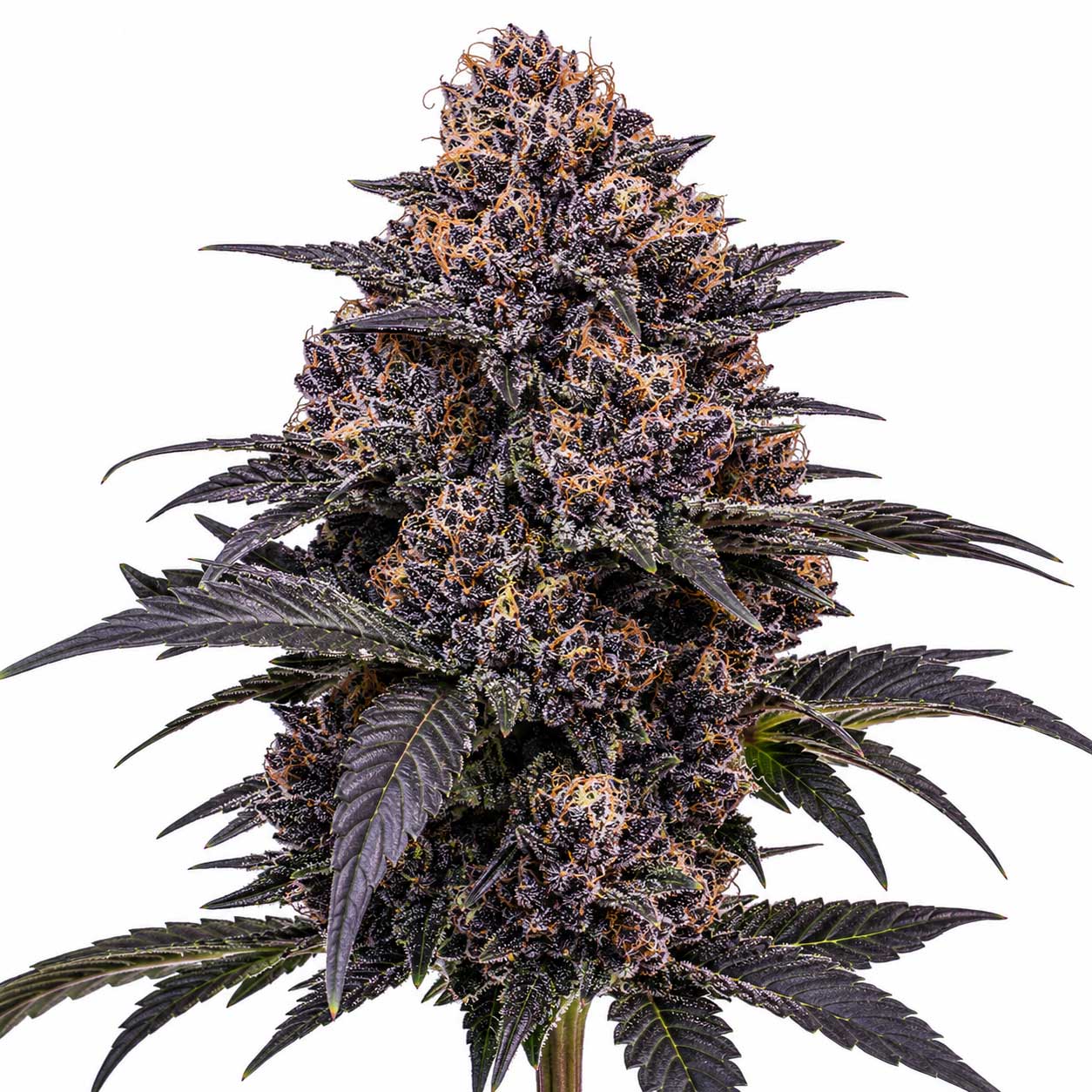
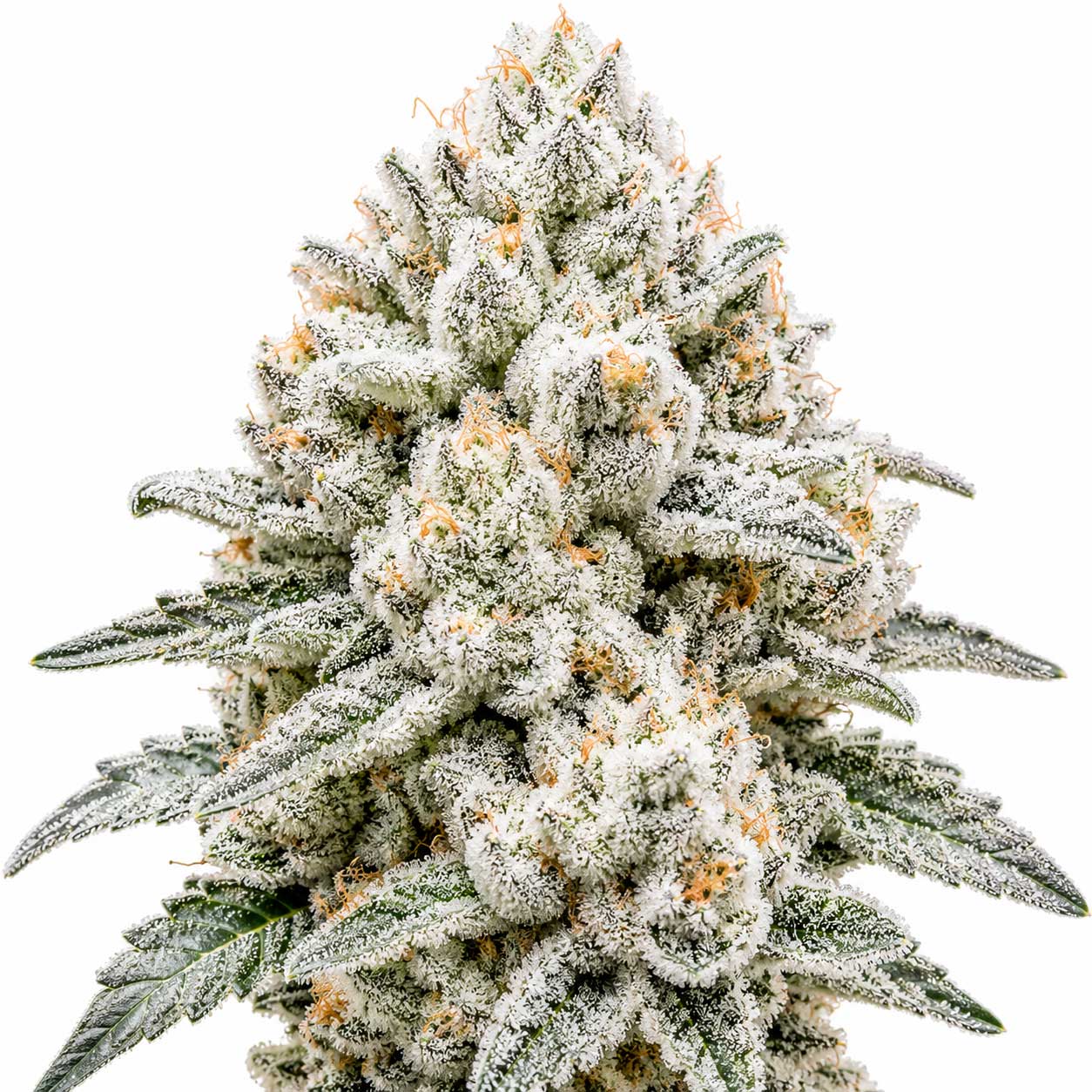
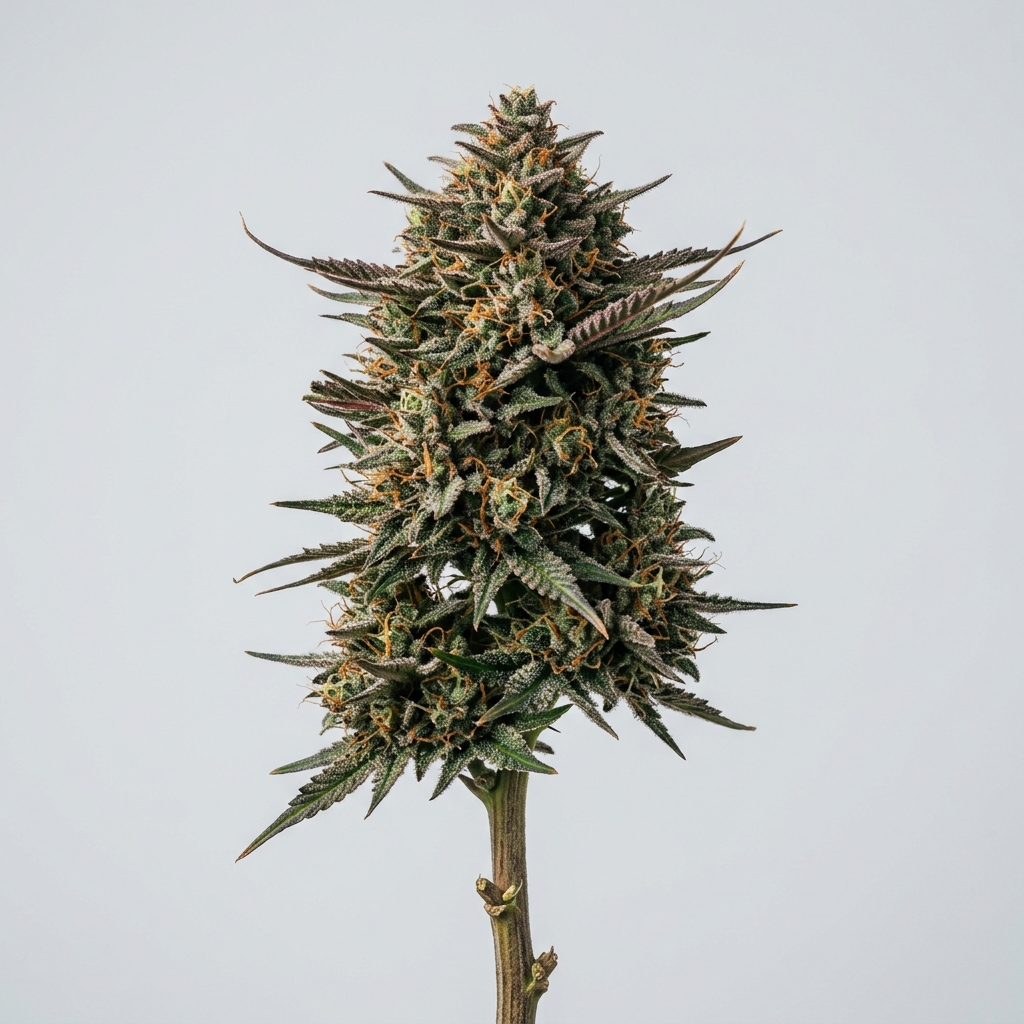
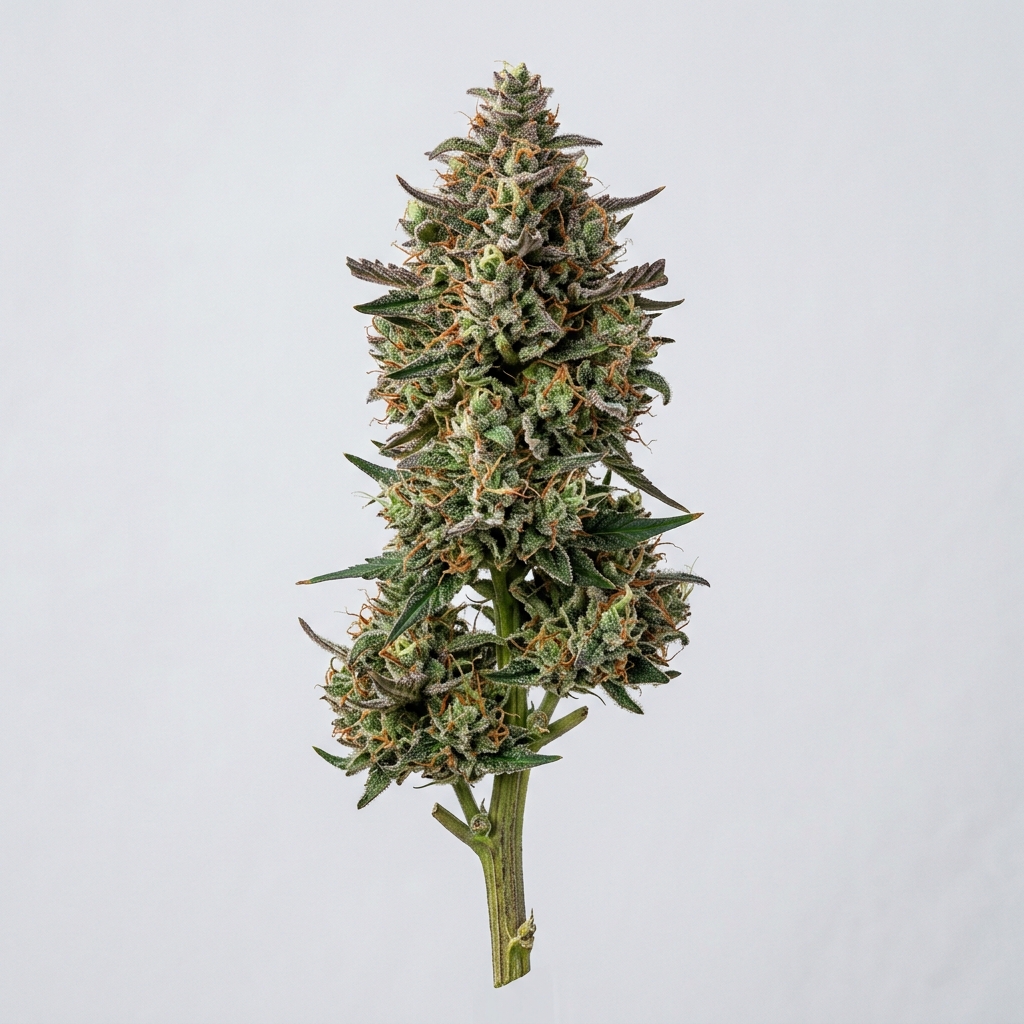
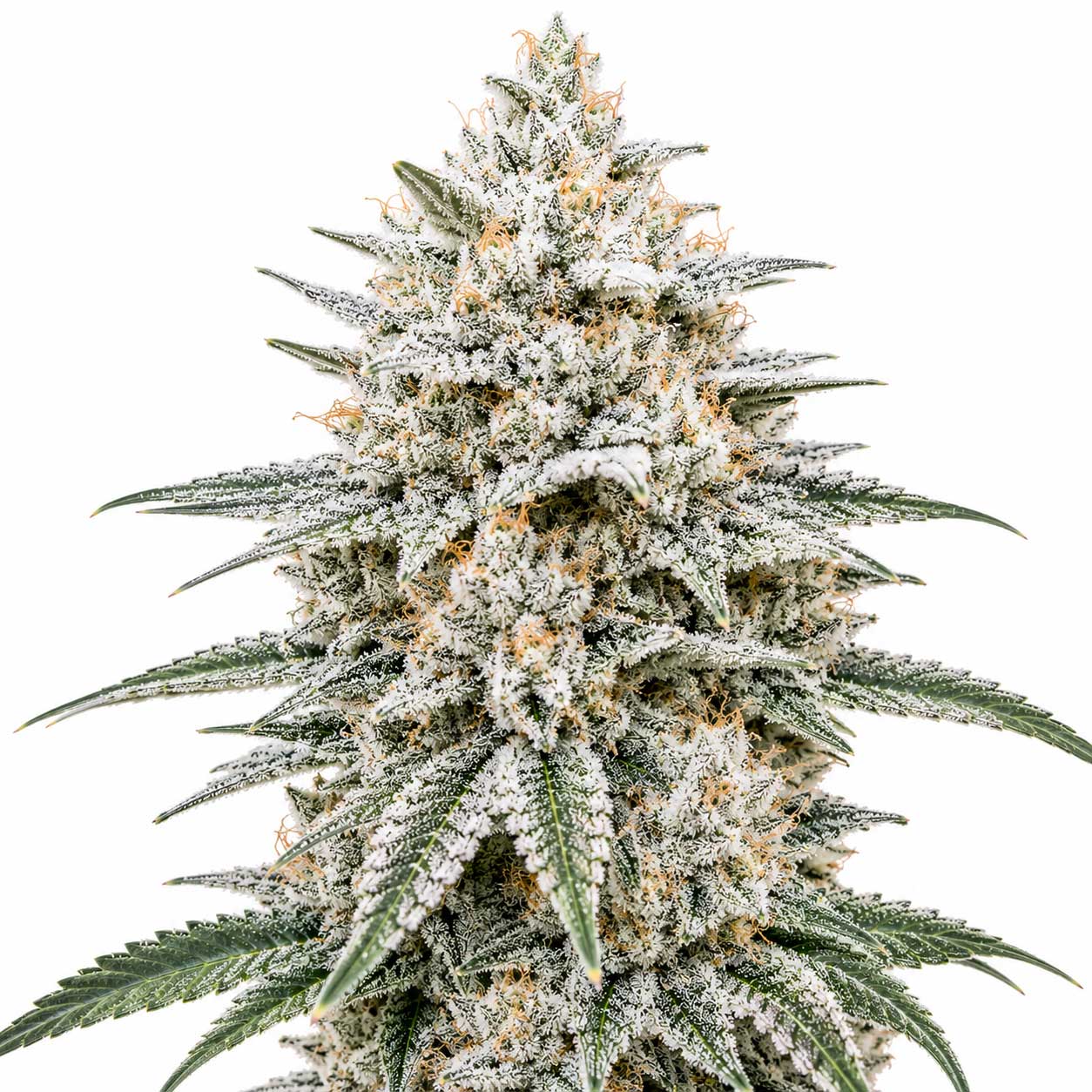
Snowcap exhibits a striking morphology, producing oversized, structural flowers that develop into massive, resin-swollen spear formations. True to its name, the cultivar showcases an intense density of capitate-stalked trichomes that aggregate heavily across the calyxes, forming a stark, frost-like shell over light neon-green bracts and pale copper pistils. This premium visual presentation makes it a standout choice for cultivators demanding classic sativa architecture with modern resin yields.
Botanically, the cultivar stands out for its high concentration of Terpinolene and Limonene, backed by an uncommonly high expression of Beta-Caryophyllene. This exact terpene combination drives its signature crisp, eye-opening menthol and sharp chemical-citrus profile, isolating Snowcap from more conventional sweet or pastry-forward dessert crosses.
Effects & Use-Cases (Reported)
Commonly reported effects: a rapid, electric cerebral onset, enhanced sensory perception, an immediate shift into elevated mood, and a smoothing full-body tingle often described as high-definition euphoria.
Use-case context: Snowcap is highly versatile and excels uniquely as a daytime, morning, or early afternoon selection. Many users describe it as mentally sparking, creatively motivating, and physically cushioned, making it a strong option for social settings, artistic endeavors, or daytime tasks where clarity and focus are required without a racy, anxious finish or a sudden heavy downshift.
Note: These observations are anecdotal reports and should not be interpreted as medical claims.
Aroma & Flavors
- Aroma: A loud bouquet of cold menthol, wintergreen pine, freshly zested lemons, sharp chemical gas, and subtle wood spice.
- Flavor: The inhale is bright, crisp, and intensely citrus fruit-forward with clear cooling menthol undertones, while the exhale reveals a smoother, herbal, peppery, and woody incense finish.
- Terpene associations: Terpinolene, Limonene, and Caryophyllene.
Tested Cannabinoid & Terpene Ranges
| Compound | Typical Range* | Notes |
|---|---|---|
| Δ9-THC | 22.0%–25.0% | Potent, traditional sativa range associated with a clean-feeling, conversational, and energetic clarity. |
| Terpinolene | 0.8%–1.4% | Dominant terpene driving the piney wood complexity and fueling the energetic cerebral rush. |
| Limonene | 0.6%–1.1% | Supports the tart citrus top notes and enhances the bright, focused mental onset. |
*Ranges are literature-informed references and may vary by phenotype, cultivation environment, and analytical method.
Cultivation Notes
- Nutrition: Thrives on a steady, balanced feeding regimen; requires steady Nitrogen and moderate Calcium-Magnesium inputs during its vigorous early flowering stretch to maintain canopy health.
- Training: High vertical growth should be expected. Topping, Screen of Green (ScrOG), or precise trellising networks are highly recommended to restrain the stretch and maximize light efficiency across all lower node sites.
- Humidity Targets: Maintain relative humidity between 40% and 45% during the final three weeks of bloom. While structurally elegant, the density of the mature spear colas requires consistent, rapid air circulation.
Grower Notes (Week-by-Week Snapshot)
- Weeks 1–3 (The Stretch): Significant vertical elongation occurs immediately upon switching the light cycle; early canopy pinning and training are vital to manage space.
- Weeks 4–6: Elongated, spiked floral structures form rapidly; trichome frosting spreads aggressively across leaf surfaces as a cool, piney-lemon aroma fills the space.
- Weeks 7–10: Final swelling phase; colas pack on heavy mass, resin glands turn milky white and completely blanket the buds in a snowy finish, while copper pistils recede fully.
Genetic Lineage
Snowcap is a power-house sativa cross between a selected Haze phenotype and Oregon Snow. Haze contributes the soaring energetic potency, intense vertical architecture, and classic chemical-pine expression, while Oregon Snow infuses enhanced structural flower density, an absolute abundance of frosty trichome production, and a smooth hybrid finish.
Frequently Asked Questions
Is Snowcap an indica or a sativa?
Snowcap is a sativa-dominant hybrid strain, globally celebrated for its uplifting, focusing mental properties and vibrant daytime energy.
What does Snowcap taste like?
It features a highly refreshing flavor profile dominated by sharp, frosty menthol and wintergreen pine on the inhale, rounded out by a zesty lemon and clean woody finish on the exhale.
Why is it called Snowcap?
The name directly mirrors its appearance late in the flower cycle: the elongated colas develop an incredibly dense, thick sheet of glittering white trichomes, making the flowers look like a snow-capped mountain peak.
Educational Disclaimer
This page is provided for scientific and horticultural reference only. Cannabis laws vary by jurisdiction; always ensure compliance with local regulations.
Rate and review this strain
Ratings and reviews are accepted only from signed-in Google accounts.
Sign in with Google to leave a rating and written review.
Latest Reviews
0 reviewsNo reviews yet. Be the first Google user to rate and review this strain.