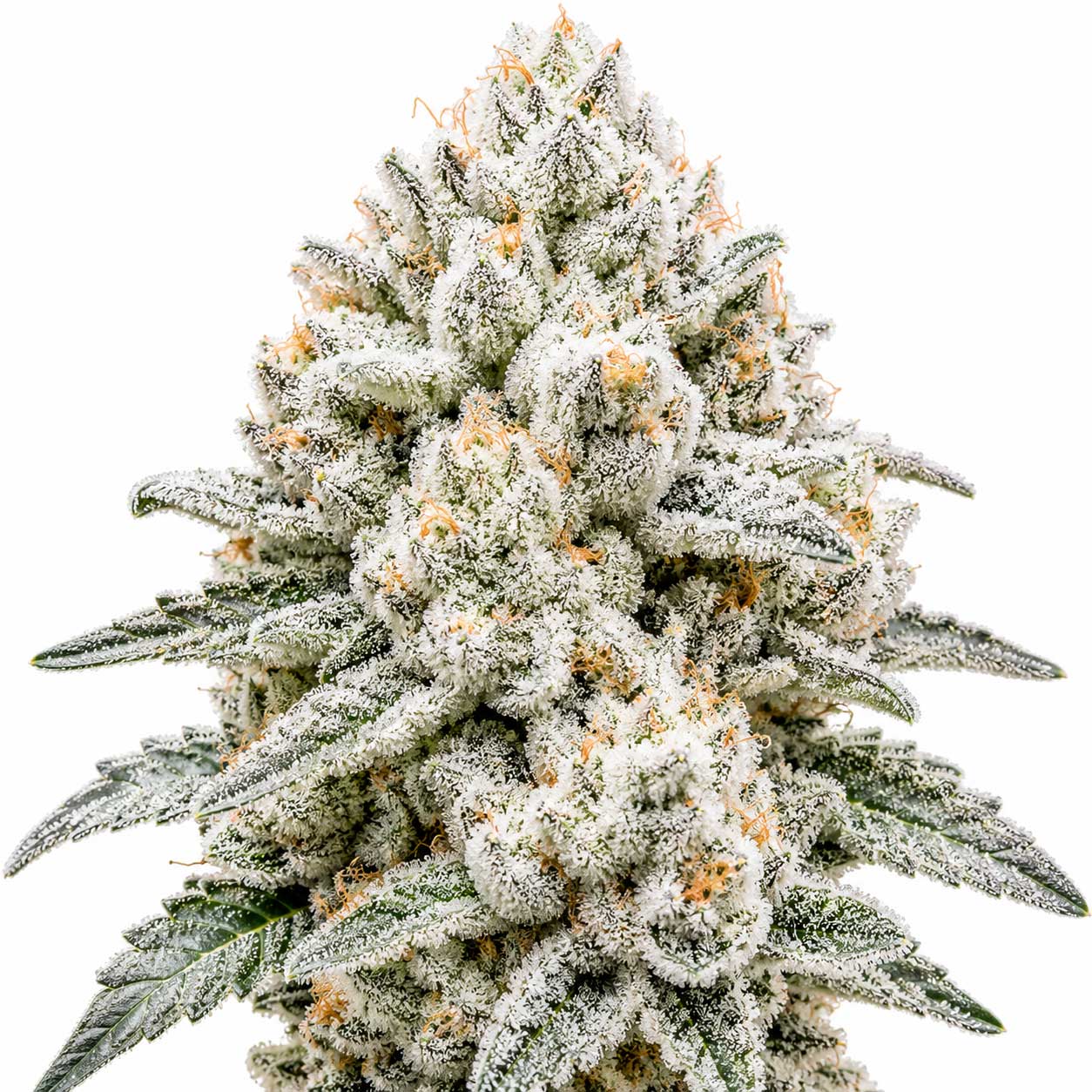
Snowball (Cannabis Strain)
Snowball is an elite, high-velocity hybrid cannabis cultivar engineered for an extreme crystalline-resin profile and robust structural resilience. Originally bred by Ethos Genetics from a powerful cross between the ultra-frosty The White and the hyper-potent Chem 4 OG, this strain has emerged as a global benchmark for combining extreme trichome density with a sharp, “chemical-diesel” aromatic identity.
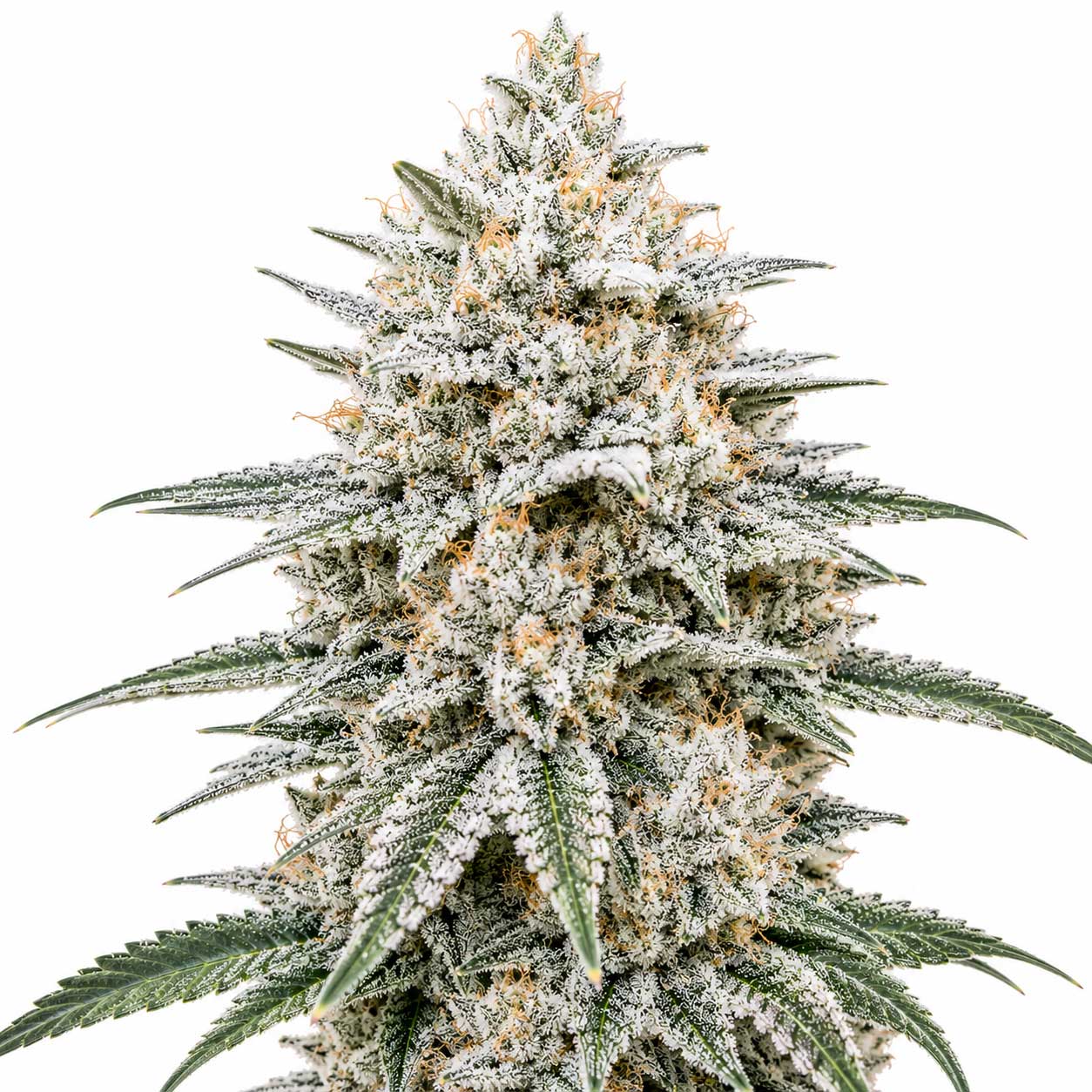
Recognized for its high-performance genetics, Snowball combines the legendary, blanket-like resin coverage of The White with the heavy-hitting petroleum, citrus, and sour funk of the Chem/OG lineage. It is widely associated with exceptionally dense, spherical buds that appear completely white due to a thick layer of oversized trichomes, offering premium boutique shelf appeal and unmatched utility for extraction artists. The information below is provided strictly for scientific and botanical reference.
Quick Facts
| Feature | Details |
|---|---|
| Genetics | The White × Chem 4 OG |
| Variety | Indica-leaning hybrid |
| THC Range | 26%–30% |
| Flowering Time | 8–9 weeks (56–63 days) |
| Yield Potential | 450–550 g/m² (High) |
| Plant Height | Medium; stocky and highly robust architecture with strong lateral branching and dense, clustered colas |
| Climate Preference | Mediterranean / Controlled Indoor (Highly recommended to safeguard resin quality) |
| Difficulty | Intermediate (Requires careful mid-to-late flower humidity management) |
Scientific & Botanical Overview
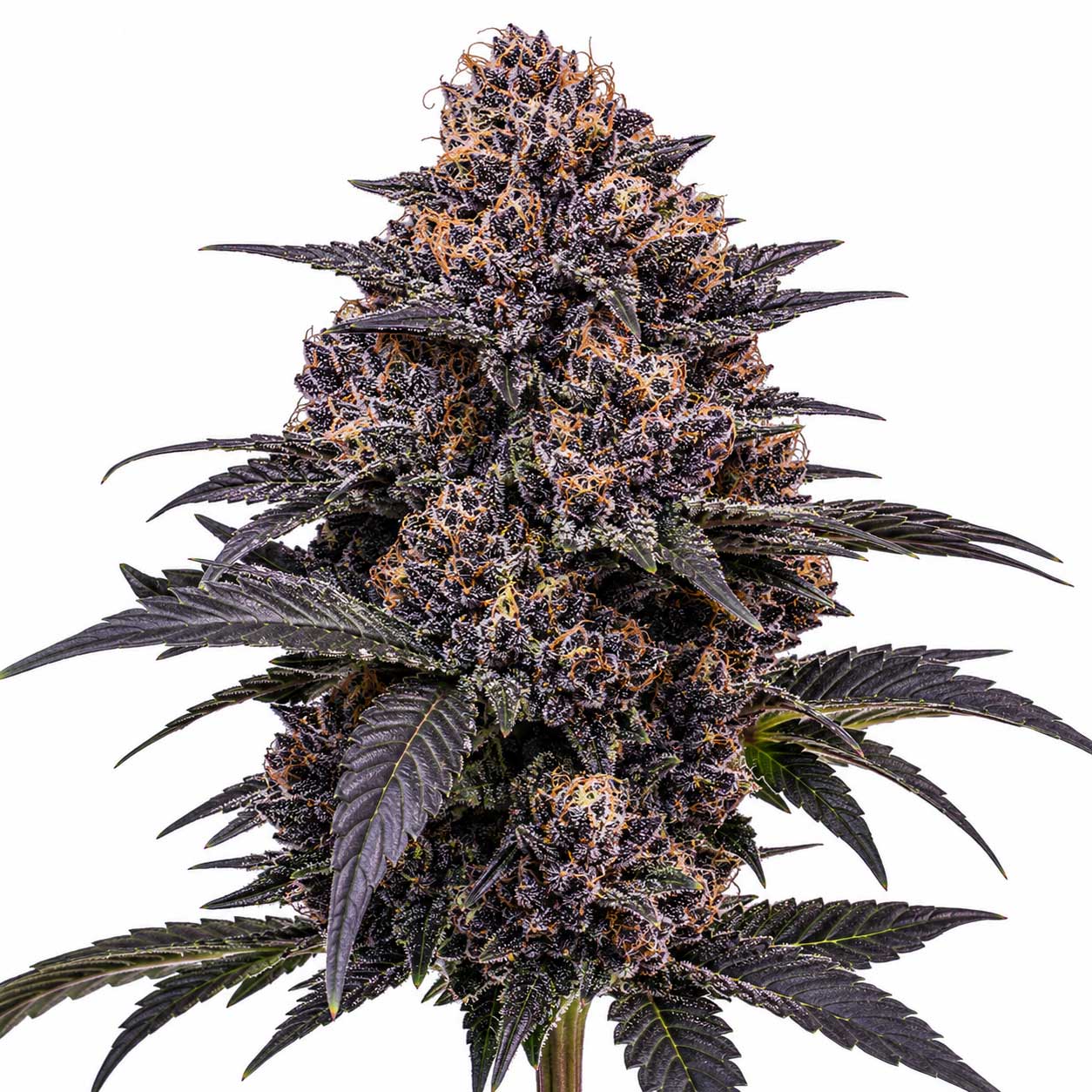
Snowball exhibits an extraordinary morphology, producing ultra-compact, tight flowers that perfectly emulate its namesake. The calyxes and structural sugar leaves are utterly buried under an uncommonly dense, multi-layered blanket of capitate-stalked trichomes, making the mature buds look entirely white, opaque, and frozen. Underneath this heavy resin shield, light-green hues and subtle violet shades can be observed during late senescence. This elite resin coverage has made Snowball a top-tier cultivar for premium solventless hash washing and live rosin pressing.
Botanically, the cultivar stands out for its high concentration of Beta-Caryophyllene and Myrcene, balanced by a sharp expression of Limonene. This exact pairing drives a highly pungent, aggressive aromatic profile that infuses deep chemical diesel with a sour, peppery citrus edge, completely overriding the softer traits of typical dessert varieties.
Effects & Use-Cases (Reported)
Commonly reported effects: a heavy, rapid physical onset, intense full-body relaxation, enhanced sensory calmness, and a grounding, peaceful mental state often described as high-potency tranquility.
Use-case context: Snowball is highly versatile but excels uniquely as a late-afternoon or late-evening option. Many users describe it as deeply soothing and physically smoothing, making it a stellar selection for shifting into a relaxed evening frame, unwinding after intense physical exertion, or setting up for deep rest without an uncomfortably racy or paranoid headspace.
Note: These observations are anecdotal reports and should not be interpreted as medical claims.
Aroma & Flavors
- Aroma: A loud, chemical-forward bouquet of industrial fuel, pungent sour diesel, damp earth, and sharp, gassy citrus.
- Flavor: The inhale is heavily dominated by a sour, peppery gas and fuel taste, while the exhale reveals a remarkably smooth, earthy, and lightly doughy cream finish.
- Terpene associations: Caryophyllene, Myrcene, and Limonene.
Tested Cannabinoid & Terpene Ranges
| Compound | Typical Range* | Notes |
|---|---|---|
| Δ9-THC | 26.0%–30.0% | Heavy, elite tier potency associated with a grounding and long-lasting body melt. |
| Caryophyllene | 0.9%–1.4% | Primary terpene responsible for the underlying spicy fuel depth and profound physical comfort. |
| Myrcene | 0.7%–1.1% | Supports the deep earthy tones and reinforces the heavy relaxing finish. |
*Ranges are literature-informed references and may vary by phenotype, cultivation environment, and analytical method.
Cultivation Notes
- Nutrition: Heavy feeder that thrives with strong organic soil amendments, demanding robust Phosphorus and Potassium inputs during mid-flower and steady Calcium-Magnesium throughout.
- Training: Low-Stress Training (LST) and strategic defoliation are highly effective to maximize airflow through its compact branching and open up the lower canopy sites to uniform light.
- Humidity Targets: Keep relative humidity strictly between 38% and 43% during the final three weeks of bloom. The extreme density and rock-hard structure of these flowers increase moisture-retention risks.
Grower Notes (Week-by-Week Snapshot)
- Weeks 1–3 (The Stretch): Predictable, highly manageable vertical expansion; stocky and sturdy stems easily structure into a flat lateral layout.
- Weeks 4–6: Resin production explodes early and aggressively, moving quickly across sugar leaves; a strong, chemical-diesel aroma completely fills the cultivation room.
- Weeks 7–9: Final ripening phase; buds pack on maximum weight and compress into rock-solid spherical shapes, while the trichomes turn milky white and completely eclipse the underlying greens.
Genetic Lineage
Snowball is an elite power-potency cross between The White and Chem 4 OG. The White infuses its legendary, unmatched trichome density and frosted visual presentation, while Chem 4 OG contributes the massive commercial yield potential, heavy structural strength, and pungent industrial gas-sour aroma.
Frequently Asked Questions
Is Snowball an indica or a sativa?
Snowball is an indica-leaning hybrid strain, heavily favored for its deeply grounding, calming physical properties and smooth mental relaxation.
Why is it called Snowball?
The name reflects its striking appearance at harvest: the buds are exceptionally dense, tight, round, and completely blanketed in white trichomes, closely resembling a snowball.
What does Snowball smell like?
It displays a highly pungent aroma profile consisting of industrial diesel fuel, sour chemical funk, damp earth, and a sharp peppery citrus twist.
Educational Disclaimer
This page is provided for scientific and horticultural reference only. Cannabis laws vary by jurisdiction; always ensure compliance with local regulations.
Rate and review this strain
Ratings and reviews are accepted only from signed-in Google accounts.
Sign in with Google to leave a rating and written review.
Latest Reviews
0 reviewsNo reviews yet. Be the first Google user to rate and review this strain.