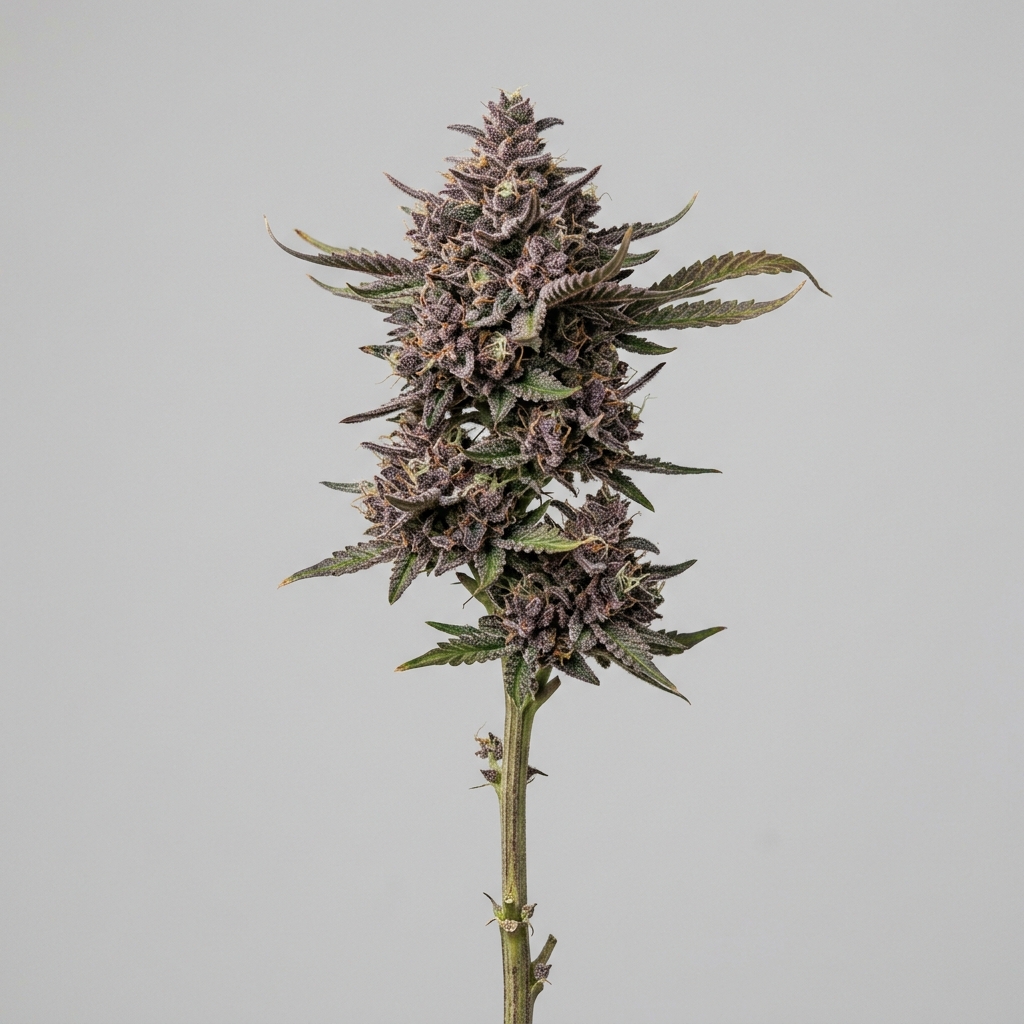
Plum Wine (Cannabis Strain)
Plum Wine is an intriguing indica-dominant hybrid that traces its genetic roots to Blackberry and an unknown cultivar. Known for its deep, complex aromatic profile and moderate-to-high potency, this strain typically tests between 20% and 25% THC. Enthusiasts often seek out Plum Wine for its balanced physical relaxation and potential to provide a soothing, contemplative experience, making it a standout choice for those who appreciate classic fruit-forward genetics.
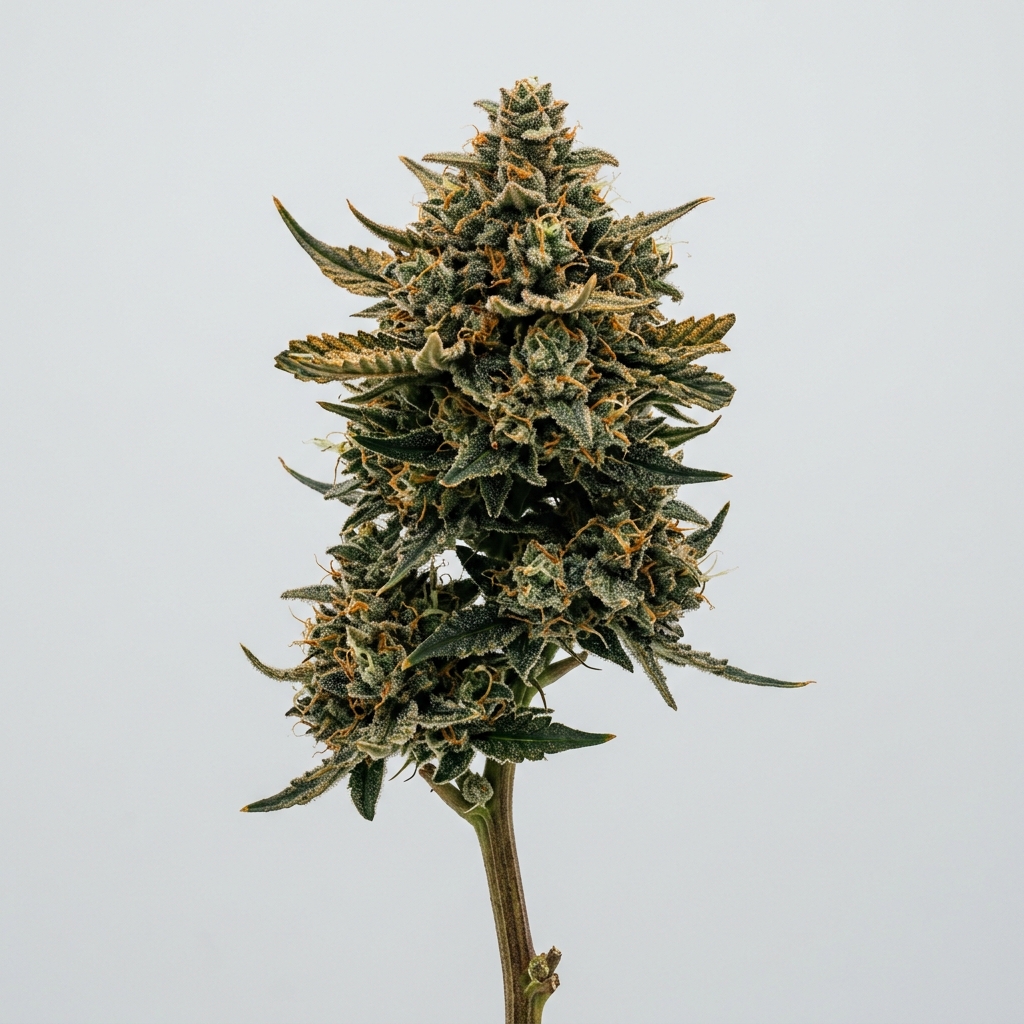
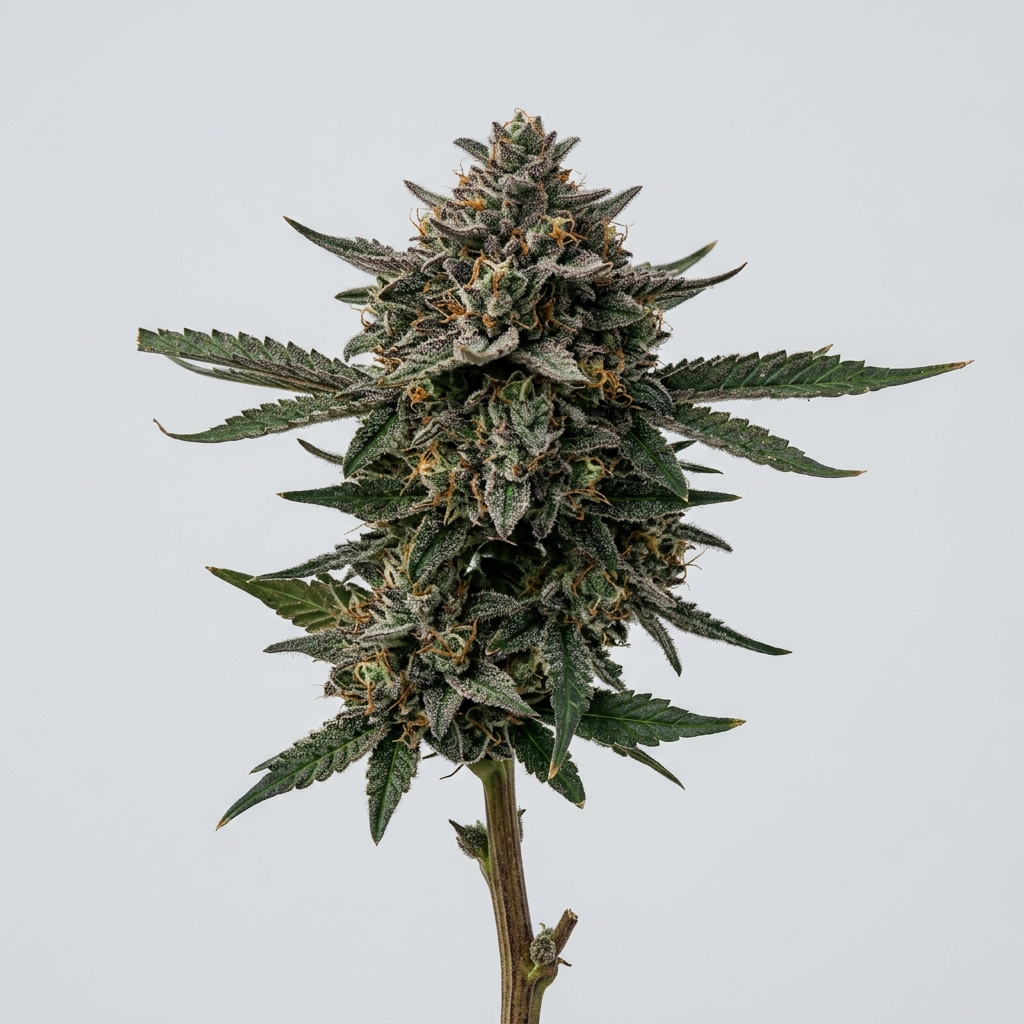
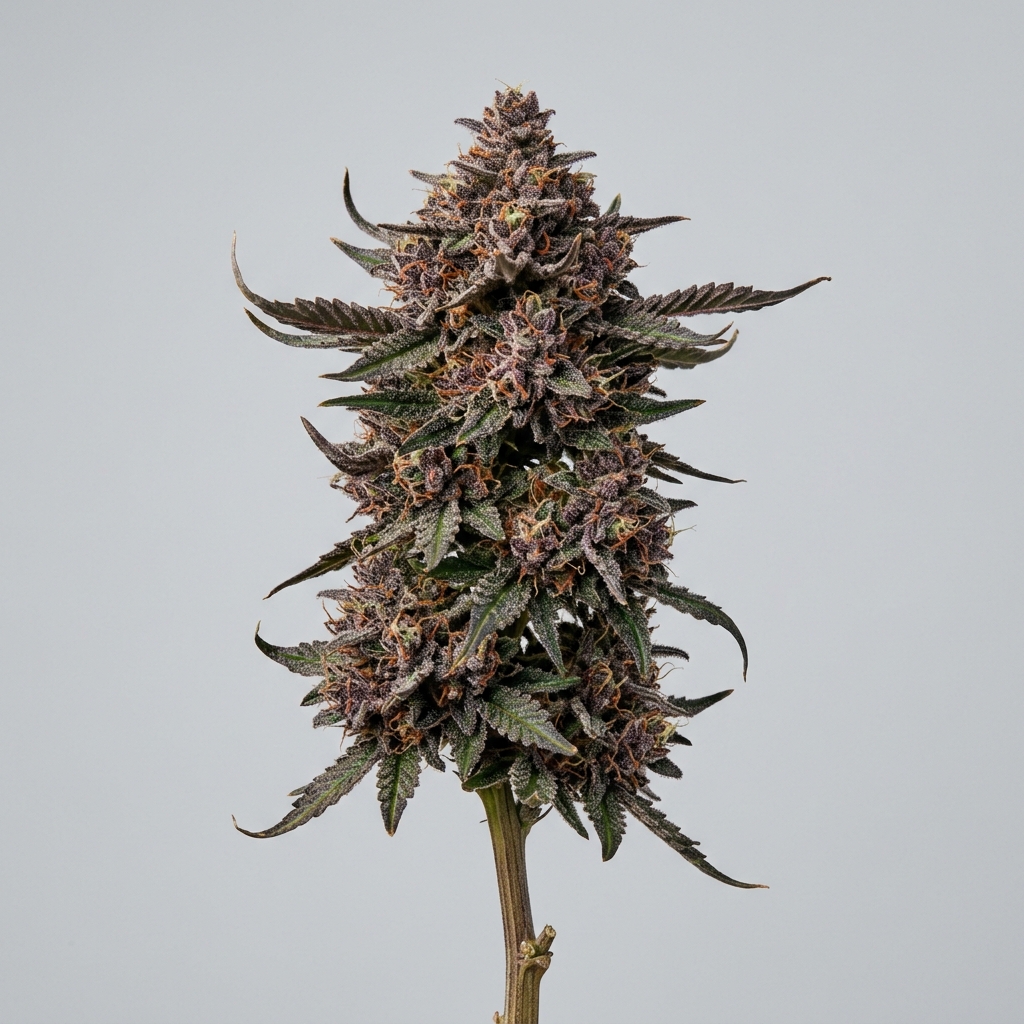
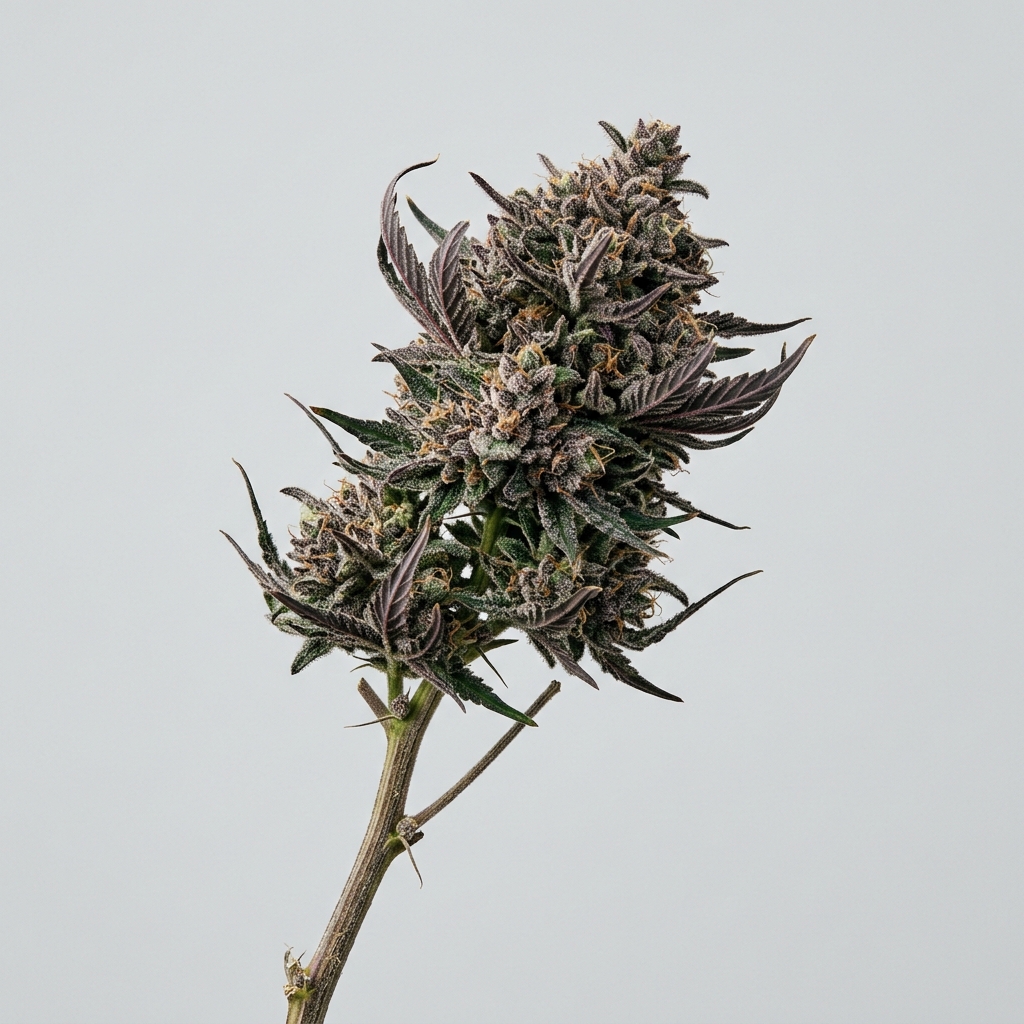
From a scientific and botanical reference perspective, the cultivar exhibits dense, trichome-rich flower structures that often display deep purple or dark magenta hues. These visual characteristics are frequently inherited from its Blackberry lineage, which is well-regarded for its anthocyanin production in cooler climates. The plant architecture tends to favor a shorter, bushier growth pattern typical of indica-heavy varieties, requiring consistent airflow to manage its dense foliage.
Quick Facts
| Property | Details |
|---|---|
| Genetics | Blackberry × Unknown |
| Variety | Indica-dominant hybrid (~70% indica / 30% sativa) |
| THC Range | 20% – 25% |
| Flowering Time | 8 – 10 weeks |
| Yield Potential | Moderate to High |
| Plant Height | Medium |
| Difficulty | Intermediate |
Scientific & Botanical Overview
Botanically, Plum Wine is categorized by its stable phenotype and high resin output. The plant develops a robust root system and thick stalks, supporting heavy, resinous colas as the flowering cycle progresses. Its growth cycle is characterized by a significant transition during the mid-flower phase, where the plant shifts energy toward calyx development and terpene synthesis.
The chemical profile of this strain is defined by a diverse array of secondary metabolites. Growers often note that the specific environmental conditions—particularly the diurnal temperature swing during late flowering—can significantly influence the final expression of its purple pigmentation and the concentration of aromatic compounds, providing a fascinating case study in phenotype expression.
Effects & Use-Cases (Reported)
Commonly reported effects for Plum Wine include a gentle onset of physical relaxation that eventually transitions into a mellow, cerebral stillness. Many users describe it as a “slow-burn” strain that gradually eases tension throughout the body without inducing immediate sedation.
In terms of use-case context, this cultivar is frequently chosen for evening or late-afternoon sessions. Anecdotally, it is favored by those looking to unwind after a demanding day or to facilitate a quiet, creative environment, as it tends to keep the mind engaged while the body rests.
Aroma & Flavors
Aroma: Deep notes of fermented dark berries, earthy undertones, and a subtle, sweet floral finish.
Flavor: The taste profile mirrors the scent, offering a rich, jam-like sweetness with hints of spiced fruit and a smooth, woody exhale.
Terpene associations: Likely high in Myrcene, Caryophyllene, and Linalool, contributing to its sedative and earthy profile.
Tested Cannabinoid & Terpene Ranges
| Compound | Typical Range* | Notes |
|---|---|---|
| Δ9-THC | 20% – 25% | Primary psychoactive |
| Myrcene | 0.5% – 1.2% | Earthy, sedative |
| Caryophyllene | 0.3% – 0.8% | Spicy, anti-inflammatory |
*Ranges may vary by phenotype, cultivation environment, harvest timing, and analytical method.
Cultivation Notes
- Training: Responds well to LST (Low Stress Training) and topping to encourage an even canopy.
- Nutrients: Prefers a steady feeding schedule with increased Phosphorus during the bloom phase.
- Harvest Timing: Monitor trichomes for a milky-white to amber transition to maximize the heavy, relaxing profile.
- Environment: Thrives in controlled indoor environments; ensure humidity levels are lowered during late flowering to prevent mold in dense buds.
Grower Notes (Week-by-Week Snapshot)
- Weeks 1–3: Rapid vegetative growth; focus on establishing a strong root system and initial training.
- Weeks 4–6: Transition to flower; buds begin to form, and the plant may show slight stretching.
- Weeks 7–9: Bud swelling and intense resin production; watch for color changes in leaves and flowers.
- Post-Harvest: Requires a slow, controlled dry and cure to preserve the delicate fruity terpenes.
Genetic Lineage
The lineage of Plum Wine is anchored by the classic Blackberry, a strain renowned for its dark coloration and sweet, berry-forward profile. While the second parent remains unknown, the resulting cross displays consistent phenotypic traits that suggest a refined selection process, emphasizing the preservation of its deep, wine-like aroma and indica-dominant structure.
Research Insights
Modern studies into cannabis cultivars suggest that the synergy between cannabinoids like THC and terpenes such as Myrcene and Caryophyllene may modulate the user experience. By focusing on these specific chemical markers, enthusiasts can better predict the potential effects of a strain like Plum Wine, which leans into the relaxing properties often associated with these compounds.
Frequently Asked Questions
Is Plum Wine a strong strain?
Yes, with THC levels typically ranging between 20% and 25%, it is considered potent and is generally recommended for those with some experience.
What does Plum Wine taste like?
It features a distinct flavor profile of dark berries, earthiness, and a subtle, jam-like sweetness that resembles its namesake.
Is Plum Wine easy to grow?
It is generally classified as an intermediate strain, requiring some knowledge of canopy management and humidity control due to its dense flower structure.
Educational Disclaimer
This page is provided for scientific and horticultural reference only. Cannabis laws vary by jurisdiction; always ensure compliance with local regulations.
Rate and review this strain
Ratings and reviews are accepted only from signed-in Google accounts.
Sign in with Google to leave a rating and written review.
Latest Reviews
0 reviewsNo reviews yet. Be the first Google user to rate and review this strain.