Lemon Cane (Cannabis Strain)
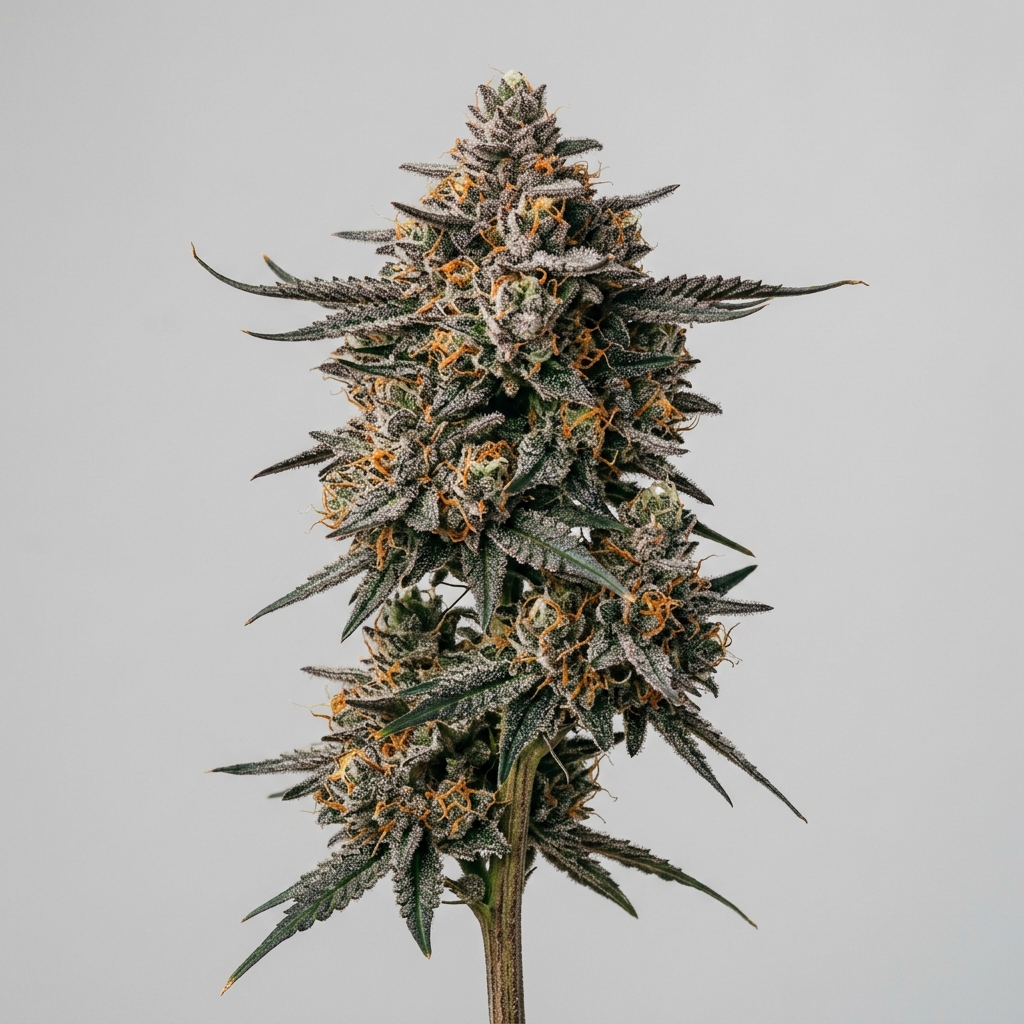
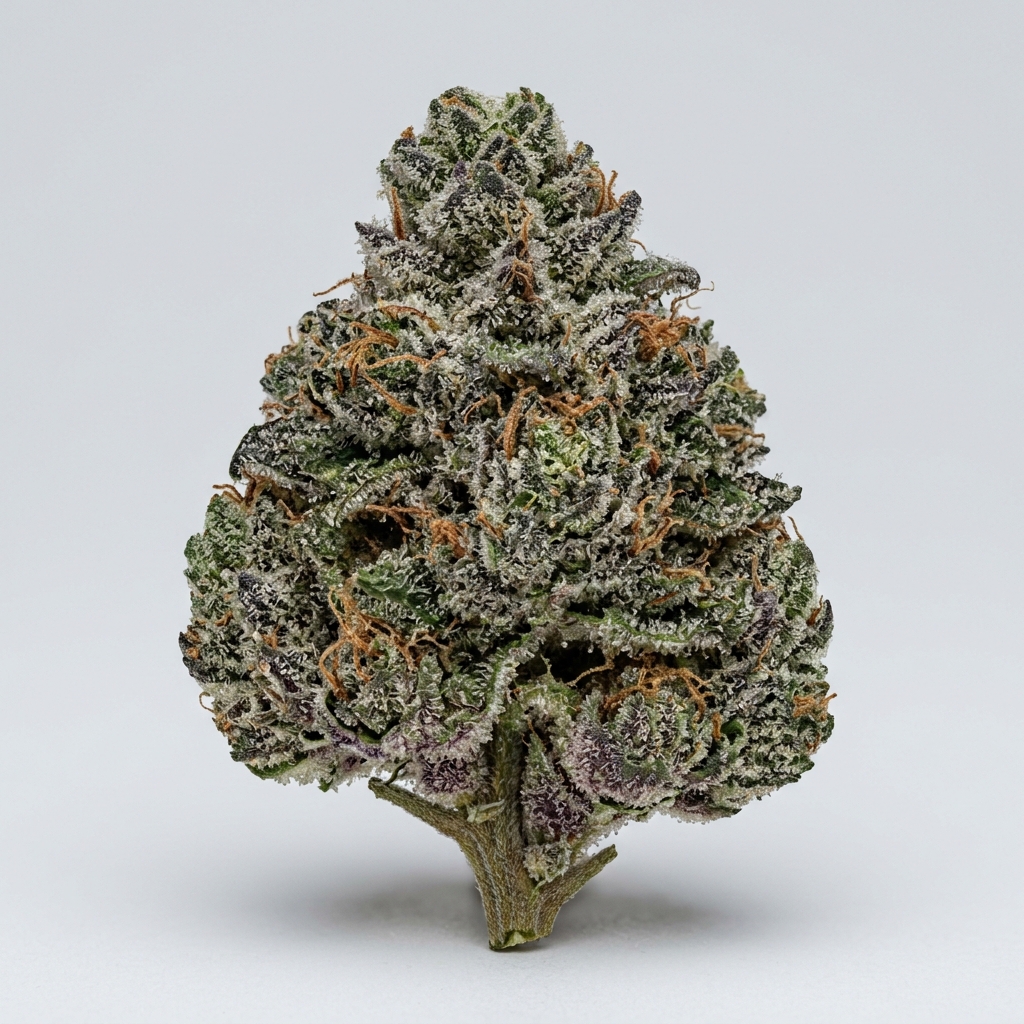
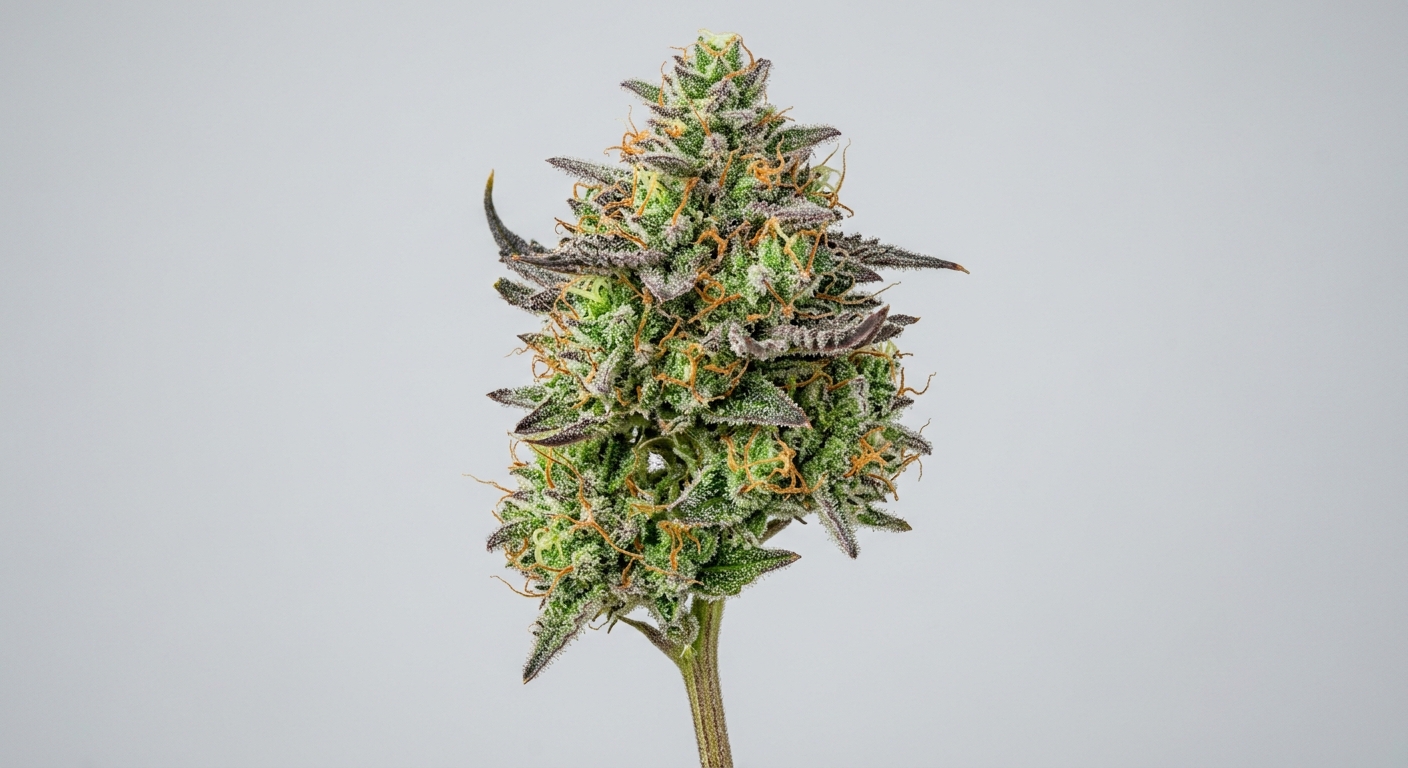
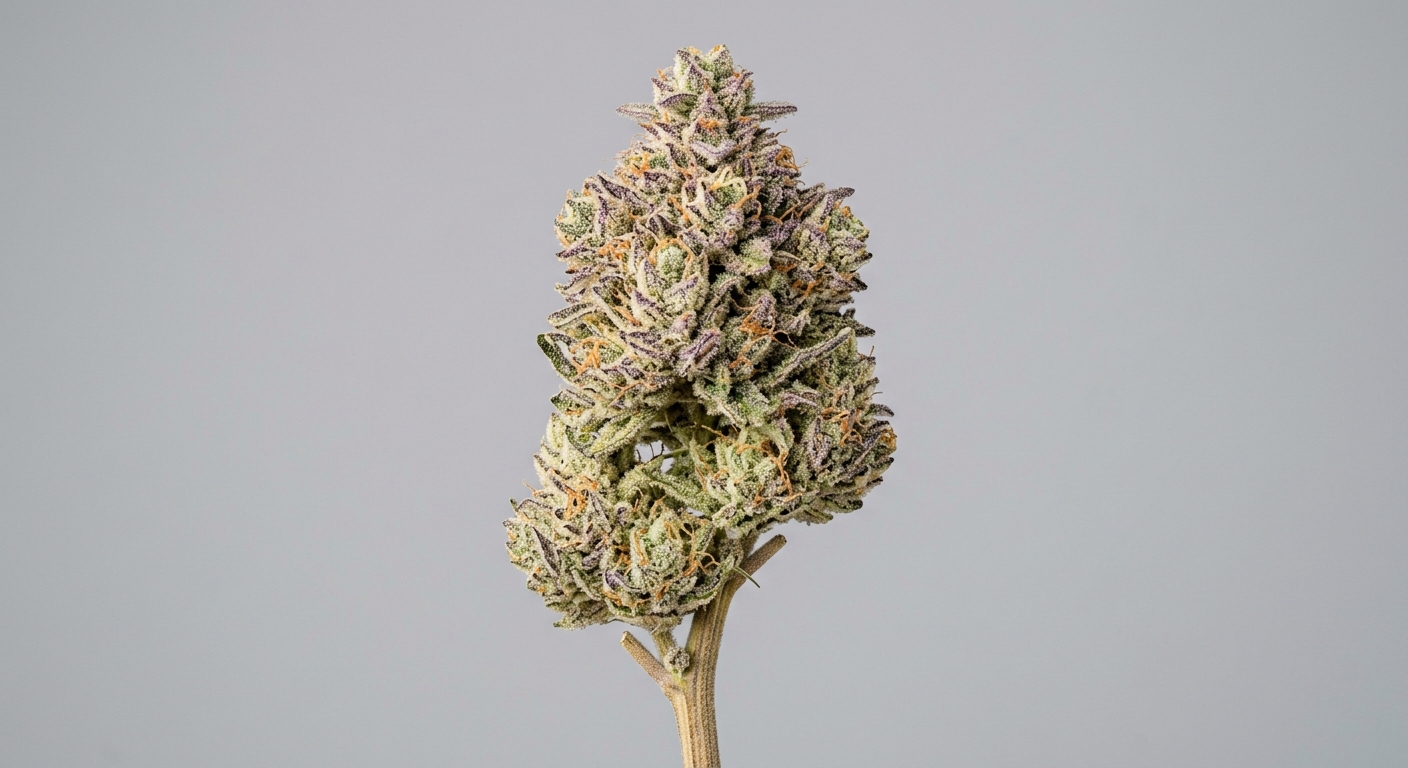
Lemon Cane is a premium hybrid cultivar, bred by crossing Lemon Tree with Slurricane, that typically tests between 20% and 26% THC. Known for its sharp citrus lift and sweet, tart gas aroma, this selection stands out for its exceptional resin coverage, producing glassy buds coated in wet frost. The plant shows a controlled stretch during early flower, developing dense, spear-shaped colas with swollen calyxes that appeal directly to extraction artists and flower connoisseurs alike.
Cultivators favor this variety for its reliable structural integrity and predictable growth patterns. While it performs well in traditional setups, its heavy trichome density makes it a popular choice for solventless extraction. The finished flower cures to a vibrant pale green with subtle purple highlights inherited from its parentage.
Quick Facts
| Fact | Details |
|---|---|
| Genetics | Lemon Tree × Slurricane |
| Variety | Indica-dominant Hybrid |
| THC Range | 20% – 26% |
| Flowering Time | 60 – 65 Days |
| Yield Potential | Moderate to High |
| Plant Height | Medium to Tall |
| Climate Preference | Temperate, low late-flower humidity |
| Difficulty | Moderate |
Scientific & Botanical Overview
Botanical development of Lemon Cane shows a robust vegetative phase characterized by broad fan leaves and tight internodal spacing. As the plant transitions to flower, it displays a moderate, manageable stretch that responds well to early canopy training. This growth behavior makes it highly adaptable to both multi-tier indoor facilities and greenhouse environments.
The calyx-to-leaf ratio is remarkably high, allowing for excellent airflow through the canopy and a relatively easy post-harvest trim. Its dense bracts are heavily coated in capitate-stalked trichomes that mature to a milky, amber-flecked finish. The resin on these flowers maintains a greasy, tactile texture even after the curing process is complete.
Anthocyanin expression is common in cooler night temperatures, coaxing out deep violet hues beneath a thick layer of greasy resin. This structural density requires careful environmental monitoring during the final weeks of bloom. Keeping the root zone balanced and avoiding over-watering helps preserve the delicate terpene profile during the ripening phase.
Effects & Use-Cases (Reported)
Commonly reported effects: Users frequently describe a clear, uplifting cerebral shift that settles into a relaxing, physical ease without heavy sedation.
Use-case context: This balanced profile makes Lemon Cane suitable for afternoon use, creative tasks, or social gatherings where mental clarity and physical comfort are both desired.
Note: Individual experiences may vary, and high-potency cultivars should be approached with caution by those sensitive to rapid-onset THC effects.
Aroma & Flavors
Aroma: A dominant blast of fresh lemon peel and tart gas, backed by a subtle, sweet berry undertone.
Flavor: Bright citrus candy on the inhale, followed by a smooth, doughy finish with a light mint edge on the exhale.
Terpene associations: Rich in limonene, caryophyllene, and myrcene, which drive its sharp, sweet, and slightly spicy profile.
Tested Cannabinoid & Terpene Ranges
| Compound | Typical Range |
|---|---|
| Δ9-THC | 20% – 26% |
| CBD | < 1.0% |
| Limonene | 0.4% – 0.9% |
| Beta-Caryophyllene | 0.3% – 0.7% |
| Myrcene | 0.2% – 0.5% |
Note: Terpene and cannabinoid levels are highly variable and depend heavily on cultivation practices, curing methods, and environmental conditions.
Cultivation Notes
- Humidity control: Maintain relative humidity below 45% during the final three weeks of flowering to protect the dense, resin-rich colas from moisture retention.
- Canopy management: Implement topping and low-stress training (LST) early in the vegetative cycle to promote even light penetration across the lower bud sites.
- Nutrient regimen: Responds well to moderate feeding, showing a preference for steady calcium and magnesium supplementation during the transition phase.
- Defoliation: Prune lower fan leaves and non-viable bud sites before the second week of flower to maximize energy distribution to the upper canopy.
- Harvest window: Look for milky trichome heads with roughly 10% to 15% amber transition for the most balanced cannabinoid and terpene expression.
Grower Notes (Week-by-Week Snapshot)
- Weeks 1–3 (Transition & Stretch): The plants show a controlled stretch, usually doubling in height. Secure branches to a trellis net early to support the upcoming flower weight.
- Weeks 4–6 (Bud Development & Frost): Resin production begins early, with wet frost appearing along the leaf margins. Ensure steady airflow through the middle of the canopy.
- Weeks 7–9 (Ripening & Flush): The citrus aroma intensifies significantly. Reduce ambient temperatures slightly during the final ten days to encourage purple hues and lock in volatile terpenes.
- Post-Harvest (Cure): A slow, 14-day dry at 60°F (15°C) and 60% relative humidity preserves the delicate lemon-candy top notes and greasy resin texture.
Genetic Lineage
Lemon Cane is a carefully selected hybrid crossing the legendary Lemon Tree with the resin-heavy Slurricane. This pairing unites the sharp, sour-citrus terpene profile of Lemon Tree with the complex berry, dough, and heavy frost traits of Slurricane.
The resulting offspring inherits the best of both parents, offering the intense flavor clarity of the citrus line alongside the dense, resin-rich structure typical of contemporary exotic hybrids. It stands out as a stable representative of modern candy-gas breeding.
Research Insights
Analytical testing of Lemon Cane frequently reveals high concentrations of the monoterpene limonene, which works in tandem with sesquiterpenes like beta-caryophyllene to shape its unique aromatic profile. These compounds are of interest for their potential influence on the overall sensory experience.
The high density of trichome glands on this cultivar suggests a genetic predisposition for elevated resin yield, making it a valuable subject for studies focusing on secondary metabolite extraction and solventless processing efficiency.
Frequently Asked Questions
What are the primary aromas of the Lemon Cane strain?
Lemon Cane is known for its intense lemon candy and tart gas aroma, complemented by subtle undertones of sweet dough and dark berries inherited from its Slurricane parentage.
Is Lemon Cane difficult to grow?
It is considered a moderate-difficulty cultivar. It requires attentive humidity control in late flower due to its dense bud structure, but its predictable stretch and strong stems make it manageable for growers with basic training experience.
What is the typical flowering time for Lemon Cane?
This cultivar generally finishes its flowering cycle in 60 to 65 days when grown indoors, showing rapid resin development in the final weeks.
Does Lemon Cane work well for concentrates?
Yes, its heavy, greasy resin production and high trichome density make it an useful selection for solventless extraction, such as ice water hash and live rosin.
Educational Disclaimer
This content is for educational and informational purposes only. Cannabis laws and regulations vary by jurisdiction. Consult a healthcare professional before making any decisions regarding cannabis use.
Rate and review this strain
Ratings and reviews are accepted only from signed-in Google accounts.
Sign in with Google to leave a rating and written review.
Latest Reviews
0 reviewsNo reviews yet. Be the first Google user to rate and review this strain.