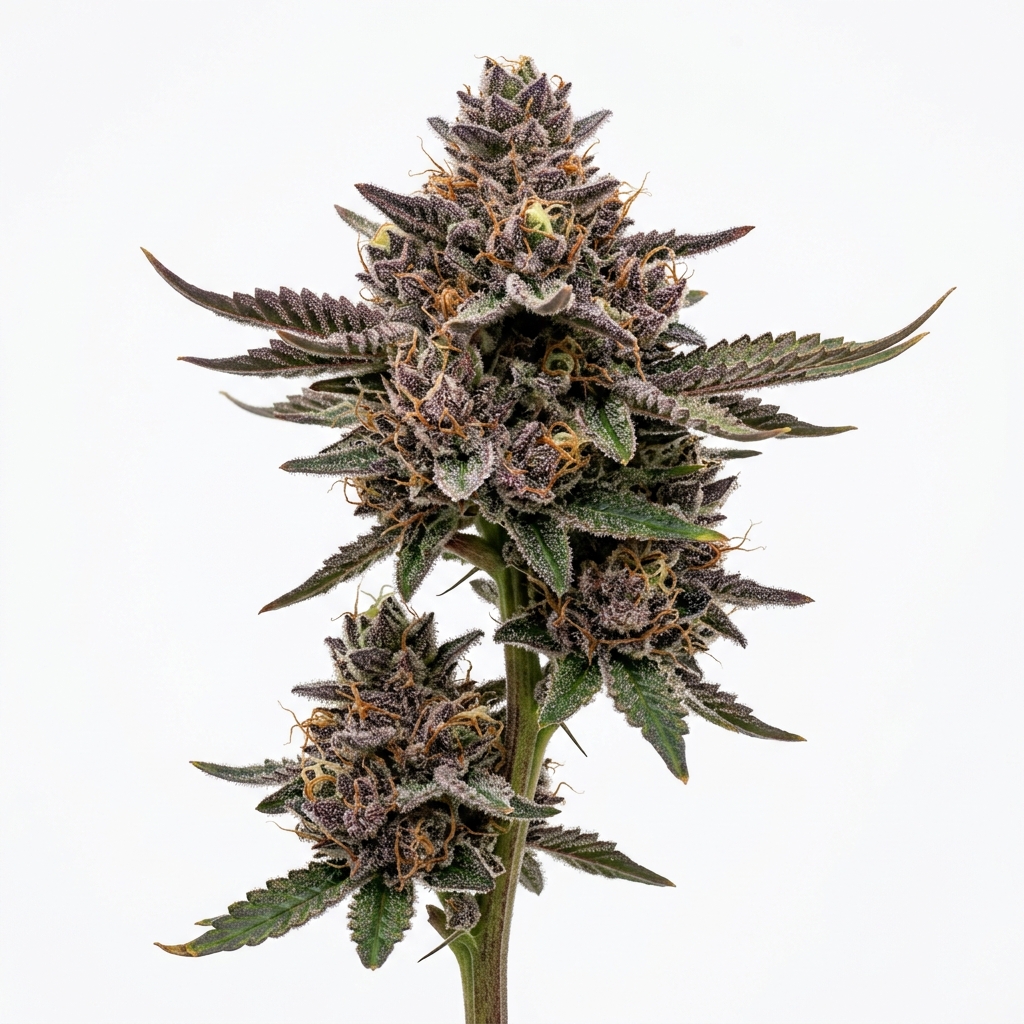
Zoda (Cannabis Strain)
Zoda is an indica-dominant hybrid cultivar bred by Umami Seed Co, developed by crossing Seattle Soda with London Pound Mints (with select lineages tracing through Tigglez and Zkittlez stock). Dried flower batches regularly test between 22% and THC not consistently reported, backed by a rich terpene profile dominated by beta-caryophyllene, limonene, and linalool. The cultivar is celebrated among craft growers and solventless extractors for its greasy glandular trichomes, swollen purple bracts, and distinctive profile of fizzy dark berry soda, tart fuel, and sweet mint dough.
In the grow room, Zoda shows disciplined hybrid vigor with strong lateral branching, moderate stretch, and high resin density across both bracts and sugar leaves. The sensory profile pairs candied berry sweetness with an earthy, petrol-heavy finish inherited from its Cookies and Kush heritage. Consumers commonly report a grounded, full-body physical ease coupled with a gentle, tranquil mental shift suited for quiet evenings.
Quick Facts
| Field | Details |
|---|---|
| Breeder | Umami Seed Co |
| Genetics | Seattle Soda × London Pound Mints |
| Variety | Indica-dominant hybrid |
| THC Range | 22% – 28% |
| Flowering Time | 8 – 9 weeks (56 – 63 days) |
| Yield Potential | Moderate to high |
| Plant Height | Medium |
| Climate Preference | Controlled indoor or dry temperate greenhouse |
| Difficulty | Moderate |
Scientific & Botanical Overview
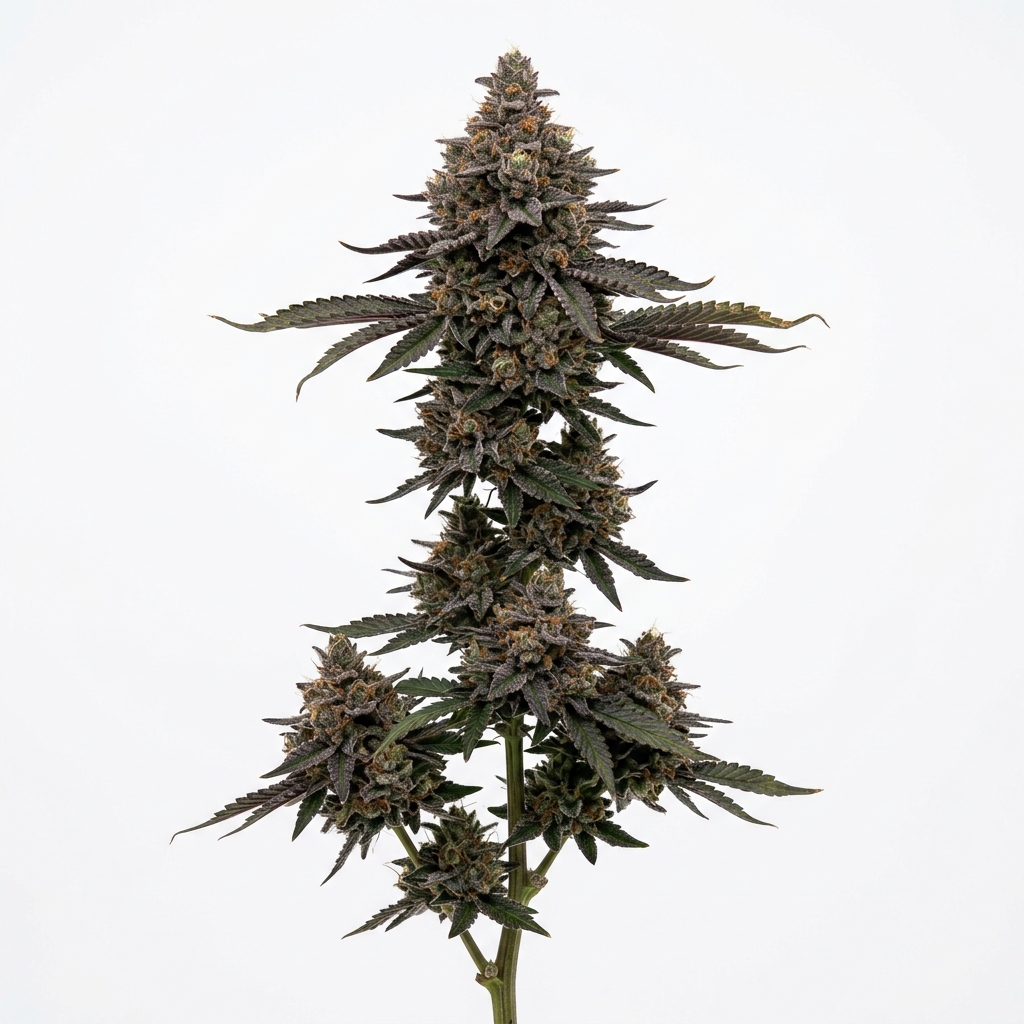
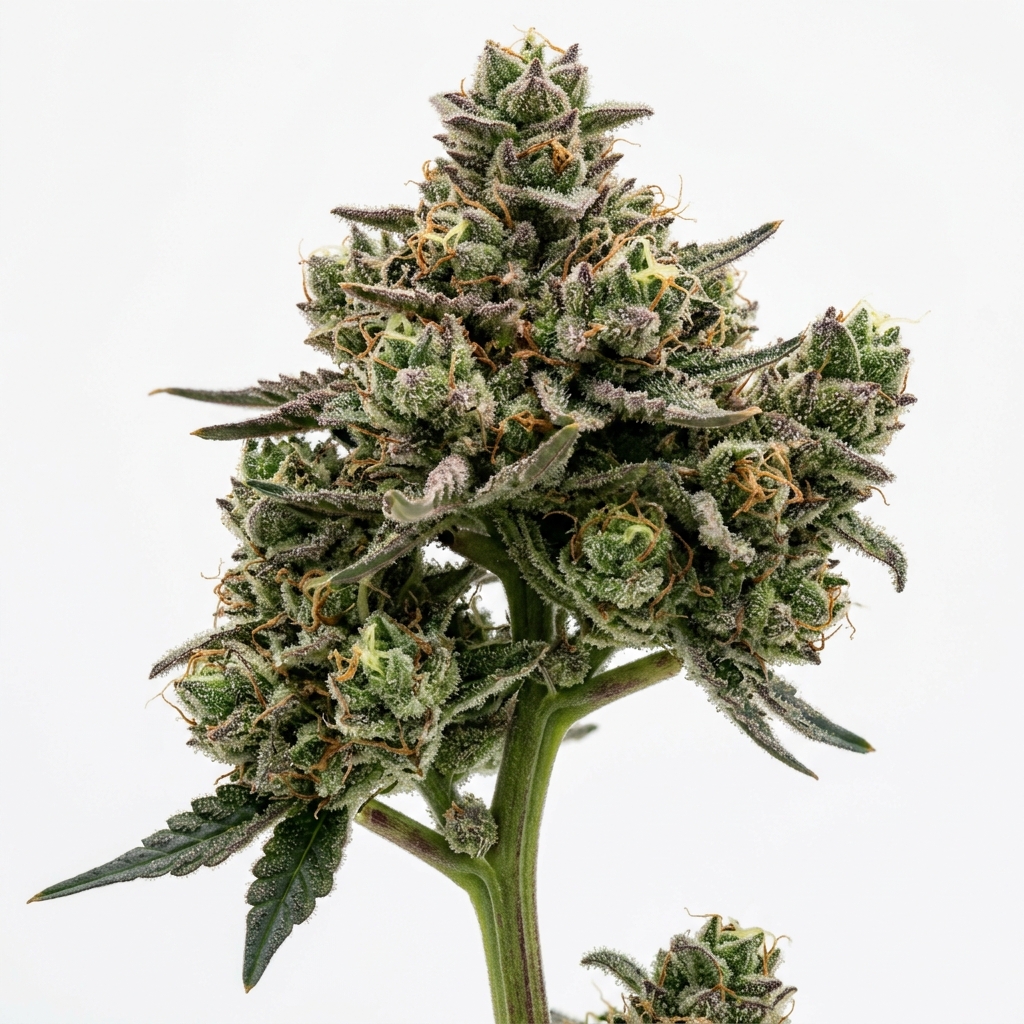
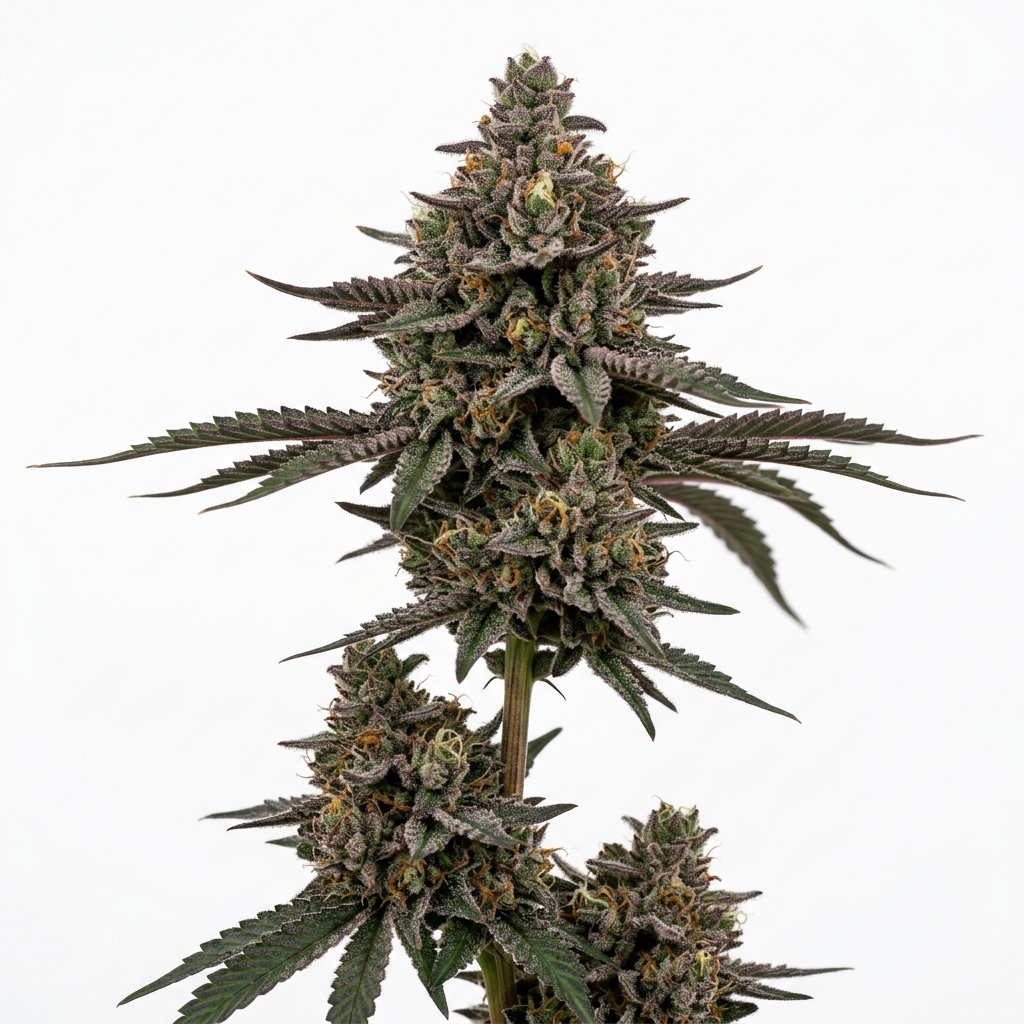
Botanically, Zoda develops stout, sturdy stalks capable of supporting dense terminal colas. The canopy shows broad, deep-green fan leaves early in vegetative growth, which shift toward ink-purple and violet during late flowering as anthocyanin production increases under cooler night temperatures. Internodal spacing remains tight to moderate, allowing for uniform cluster development along secondary branches.
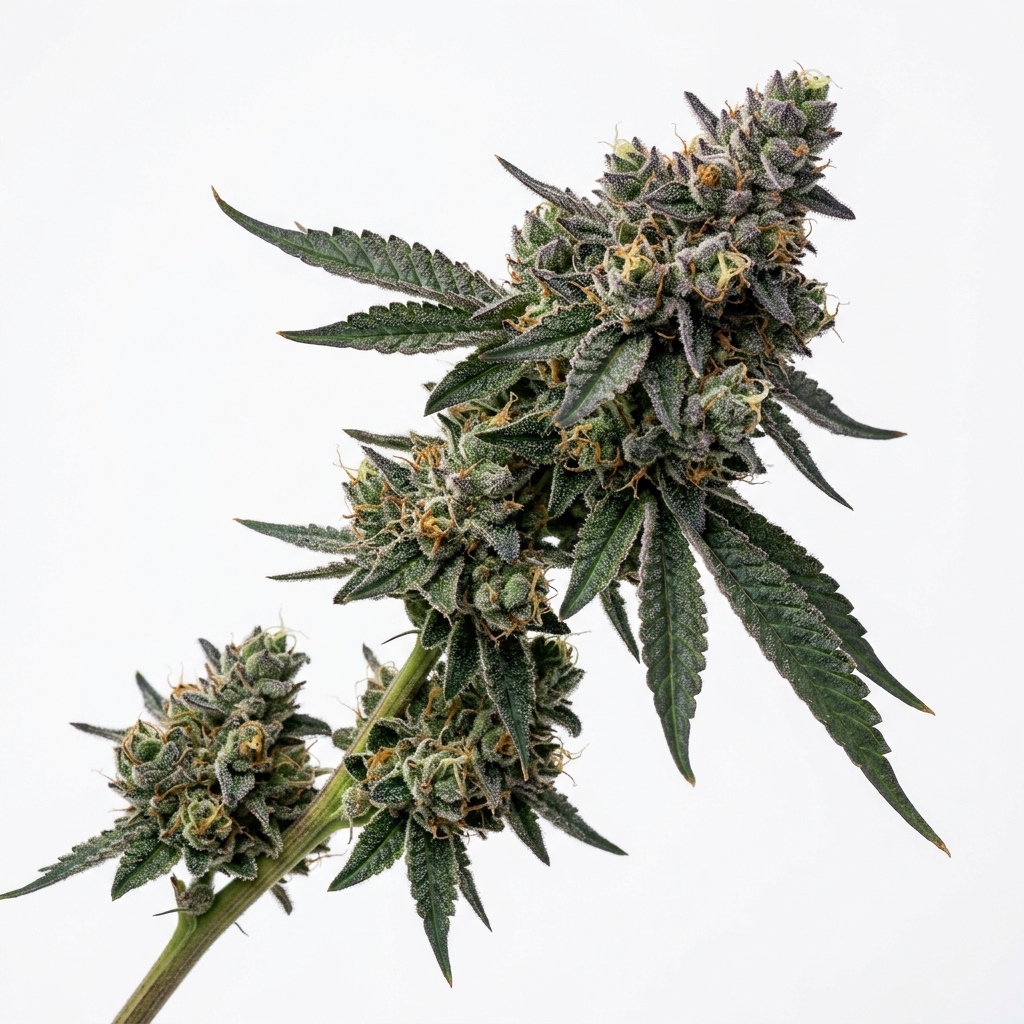
The flower morphology is defined by compact, spade-shaped buds featuring swollen calyxes and thin, copper-orange pistils. Capitate-stalked glandular trichomes form a dense, wet coat over the bract surface, retaining substantial volatile aromatic oils through harvest. The resin glands exhibit sturdy stalks and bulbous heads that separate cleanly during mechanical ice water extraction.
The plant handles standard vegetative vigor smoothly and transitions into flower with a predictable 1.5x to 2x stretch. Its structural resilience accepts canopy management techniques well, though the dense flower cluster structure requires deliberate humidity reduction in the final weeks of bloom to prevent botrytis.
Effects & Use-Cases (Reported)
Commonly reported effects: The onset typically begins with a soft, warm pressure behind the eyes followed by a gradual release of muscle tension throughout the shoulders and neck. Consumers frequently note a balanced state of calm mental clarity that transitions smoothly into heavy physical relaxation and sedation as the session progresses.
Use-case context: Given its relaxing nature and substantial potency, Zoda is most commonly selected for evening consumption, low-stimulation creative activities, or unhurried post-work routines. It suits quiet social settings or late-night unwinding rather than tasks requiring high physical output.
Note: Individual experiences vary based on dose, individual tolerance, consumption method, and specific batch terpene composition.
Aroma & Flavors
Aroma: Freshly broken buds release an assertive bouquet of sparkling dark grape soda, sweet black cherry syrup, and creamy pastry dough. Beneath the fruit forwardness lies a sharp diesel fuel edge accented by damp pine and subtle herbal spice.
Flavor: The palate receives a layered combination of fizzy grape candy, vanilla mint frosting, and tart citrus. On the exhale, the flavor turns deeper and more pungent, leaving a lingering aftertaste of gassy kush, cracked pepper, and rich earth.
Terpene associations: Analytical testing frequently identifies beta-caryophyllene as the primary terpene, imparting peppery warmth and fuel notes, supported by limonene for bright citrus sweetness, linalool for floral soft tones, and myrcene for its deep, earthy fruit base.
Tested Cannabinoid & Terpene Ranges
| Compound | Typical Range (Dried Flower) |
|---|---|
| Δ9-THC | 0.3% – 1.0% |
| THCA | 23.0% – 29.0% |
| Total THC | 22.0% – 28.0% |
| CBD / CBDA | < 0.2% (Not consistently reported in significant levels) |
| CBG / CBGA | 0.5% – 1.5% |
| Total Terpenes | 1.8% – 3.2% |
| Dominant Terpenes | Beta-Caryophyllene, Limonene, Linalool, Myrcene |
Range note: Cannabinoid and terpene concentrations vary depending on cultivation medium, light intensity, harvest maturity, and drying and curing conditions. Values reflect verified dried flower lab data rather than extracts.
Cultivation Notes
- Humidity management: Maintain relative humidity between 55% and 60% in early bloom, tapering down to 40% to 45% during the final three weeks to safeguard dense colas against mold.
- Nutrient requirements: Thrives on a steady calcium and magnesium supply during transition, responding well to moderate phosphorus and potassium feeding through mid-bloom without requiring excessive nitrogen.
- Canopy training: Responds cleanly to early topping at the fourth or fifth node followed by low-stress training (LST) or a single-layer Trellis net to spread secondary colas evenly.
- Defoliation: Perform a targeted strip at Day 21 of flower to clear inward-facing broad fan leaves, allowing light penetration down to lower flower sites and improving internal airflow.
- Harvest window: Optimal resin maturity typically occurs between Day 56 and Day 63, when trichome heads show full milkiness with roughly 10% to 15% amber coverage across the upper canopy.
Grower Notes (Week-by-Week Snapshot)
- Weeks 1–3 (Transition & Early Stretch): Plants double in height with strong vertical shoots. Lateral branches should be trained outward under the trellis. White pistils begin grouping densely by the end of Week 3.
- Weeks 4–6 (Bud Formation & Resin Production): Calyx stacking accelerates rapidly and glandular resin coats the upper leaves. A strong fizzy grape and mint aroma emerges in the room; monitor nighttime temperatures to encourage natural anthocyanin expression.
- Weeks 7–9 (Ripening, Flush & Harvest): Calyxes swell substantially, turning deep plum and forest green as pistils recede. Taper room temperatures to 18°C – 20°C (64°F – 68°F) at night during the final flush to preserve delicate monoterpenes before a 14-day whole-plant slow dry at 60°F/60% RH.
Genetic Lineage
Zoda was crafted by Umami Seed Co through combining Seattle Soda and London Pound Mints. Seattle Soda provides the iconic fizzy, grape-candy sweetness and vibrant purple pigmentation, while London Pound Mints (a cross of London Pound Cake and Kush Mints #11) contributes dense flower architecture, heavy resin gland production, and an underlying foundation of earthy fuel and sweet mint dough.
In certain breeding lines and seed drops, Zoda crosses are documented through Tigglez or Zkittlez parental selections that further intensify the fruity confection notes. Across all verified expressions, the hybrid consistently preserves the heavy resin coating and gassy-berry terpene signature that defines Umami Seed Co’s dessert-gas catalog.
Research Insights
Scientific investigations into cannabis phytochemistry highlight the synergy between beta-caryophyllene, limonene, and linalool. Caryophyllene is unique among dietary terpenes for its ability to act as a selective agonist at the peripheral CB2 cannabinoid receptor, which researchers study for potential anti-inflammatory pathways without central psychoactive activity.
While peer-reviewed research continues to explore how complex terpene mixtures interact with delta-9-THC at human receptor sites, published strain-specific findings on Zoda remain primarily limited to commercial analytical lab testing. General pharmacological literature provides useful context for terpene mechanisms, but direct physiological outcomes depend on individual biology and consumption parameters.
Frequently Asked Questions
Who bred the Zoda strain?
Zoda was bred by Umami Seed Co, a boutique seed company recognized for developing dessert, candy, and gas hybrid profiles with high solventless extraction potential.
Is Zoda an indica or sativa?
Zoda is an indica-dominant hybrid cultivar that typically shows compact growth habits, dense bud development, and calming, physically grounded reported effects.
What does Zoda smell and taste like?
Zoda features a distinct profile of fizzy grape soda, sweet berry candy, and vanilla mint pastry, grounded by a pungent base of tart diesel fuel, wet earth, and cracked pepper.
How long does Zoda take to flower?
Under standard indoor 12/12 photoperiod conditions, Zoda flowers in approximately 8 to 9 weeks (56 to 63 days) before reaching peak trichome maturity.
Educational Disclaimer
This content is for educational and informational purposes only. Cannabis laws and regulations vary by jurisdiction. Always consult with a qualified professional before beginning any cultivation project or consuming cannabis products.
Rate and review this strain
Ratings and reviews are accepted only from signed-in Google accounts.
Sign in with Google to leave a rating and written review.
Latest Reviews
0 reviewsNo reviews yet. Be the first Google user to rate and review this strain.
Follow New Cultivar Records
Get newly documented genetics, breeder history, research highlights, and important Strainpedia discoveries by email.