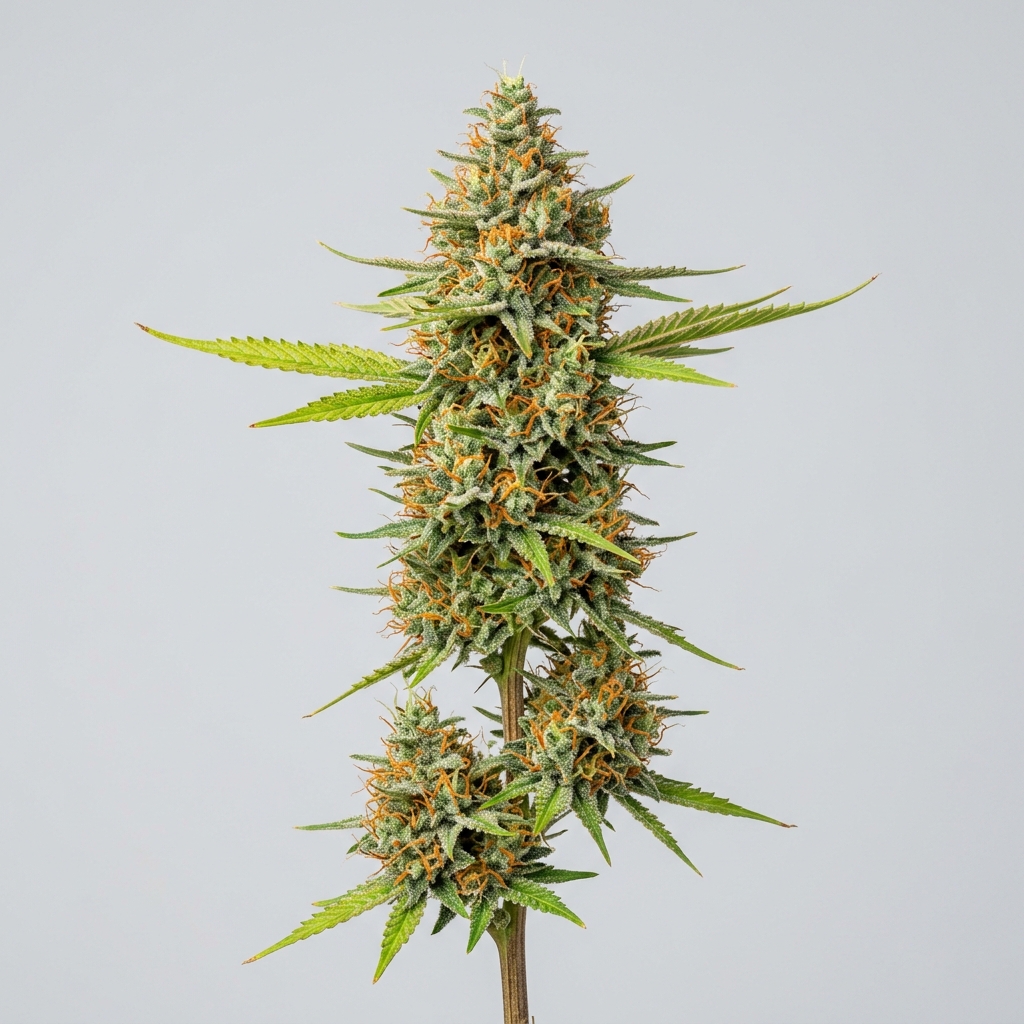
Dragon’s Breath (Cannabis Strain)
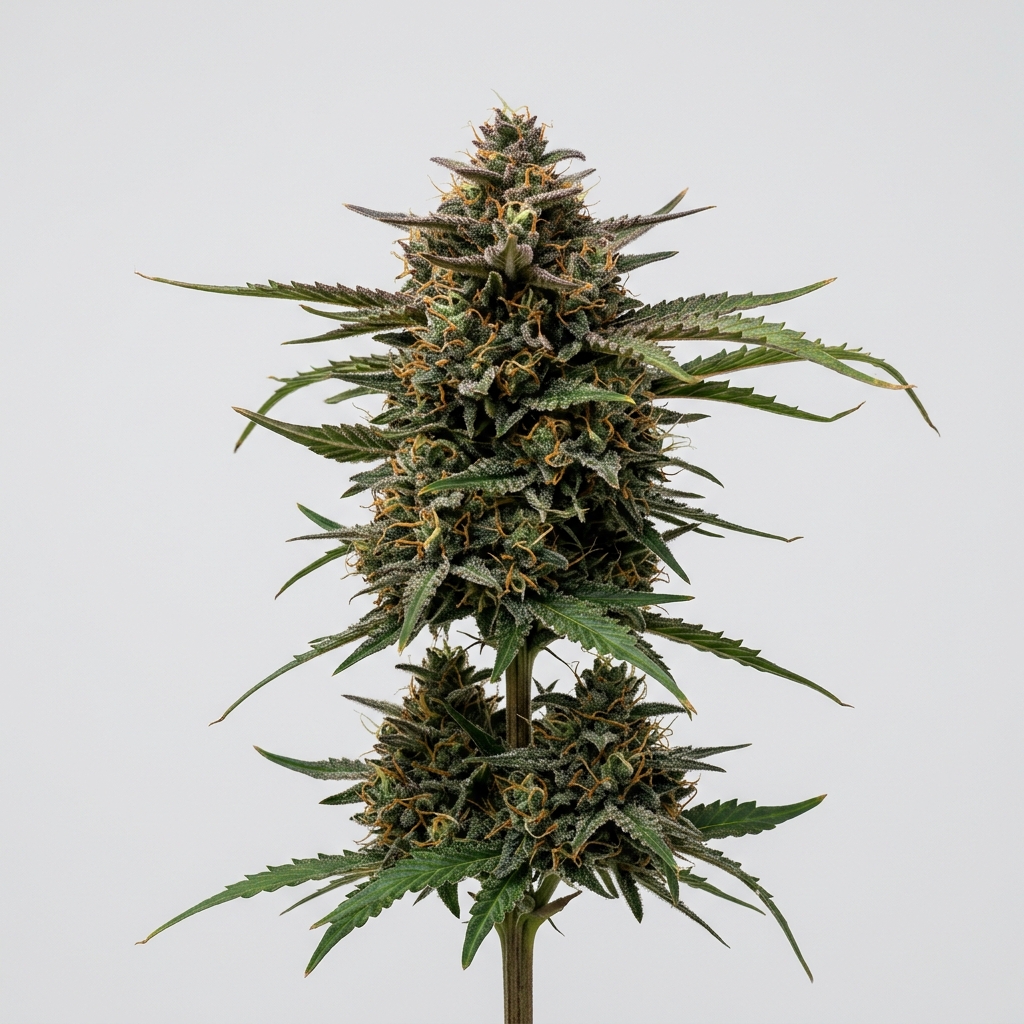
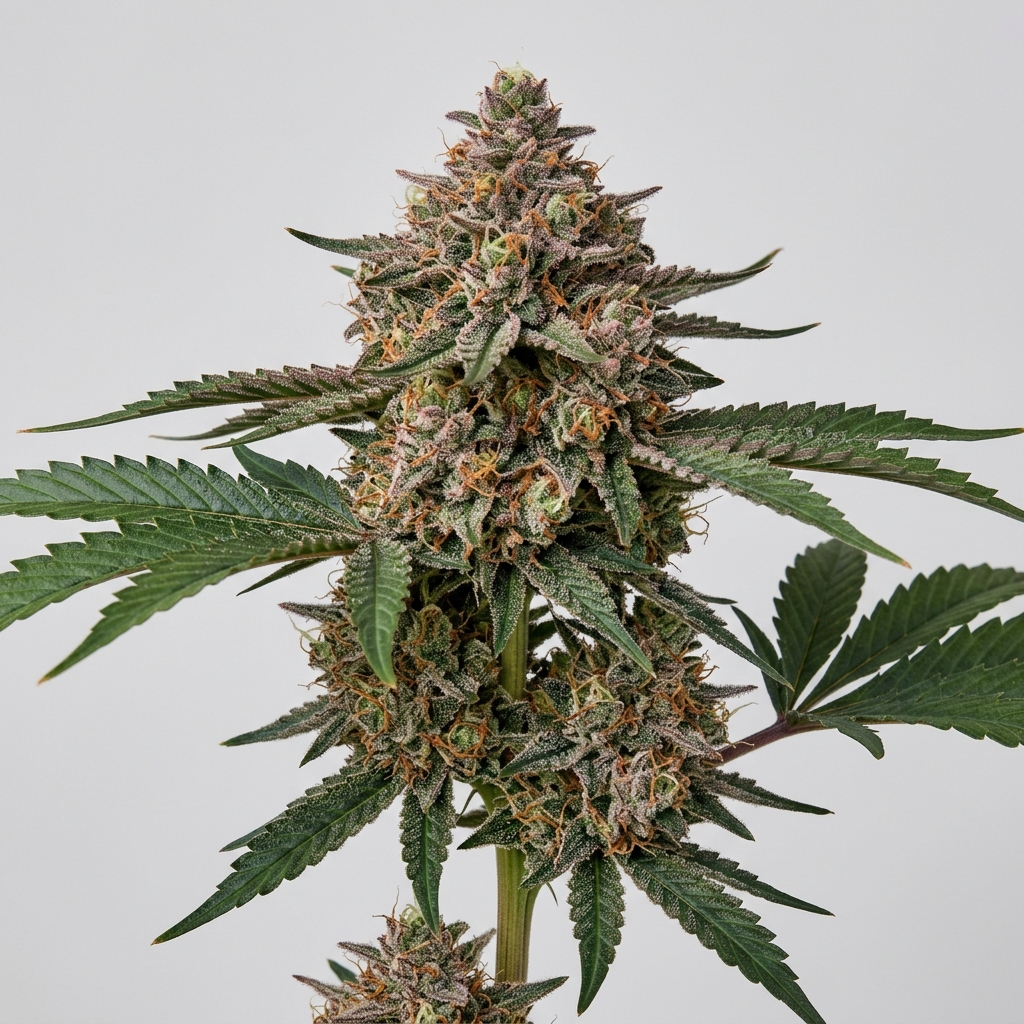
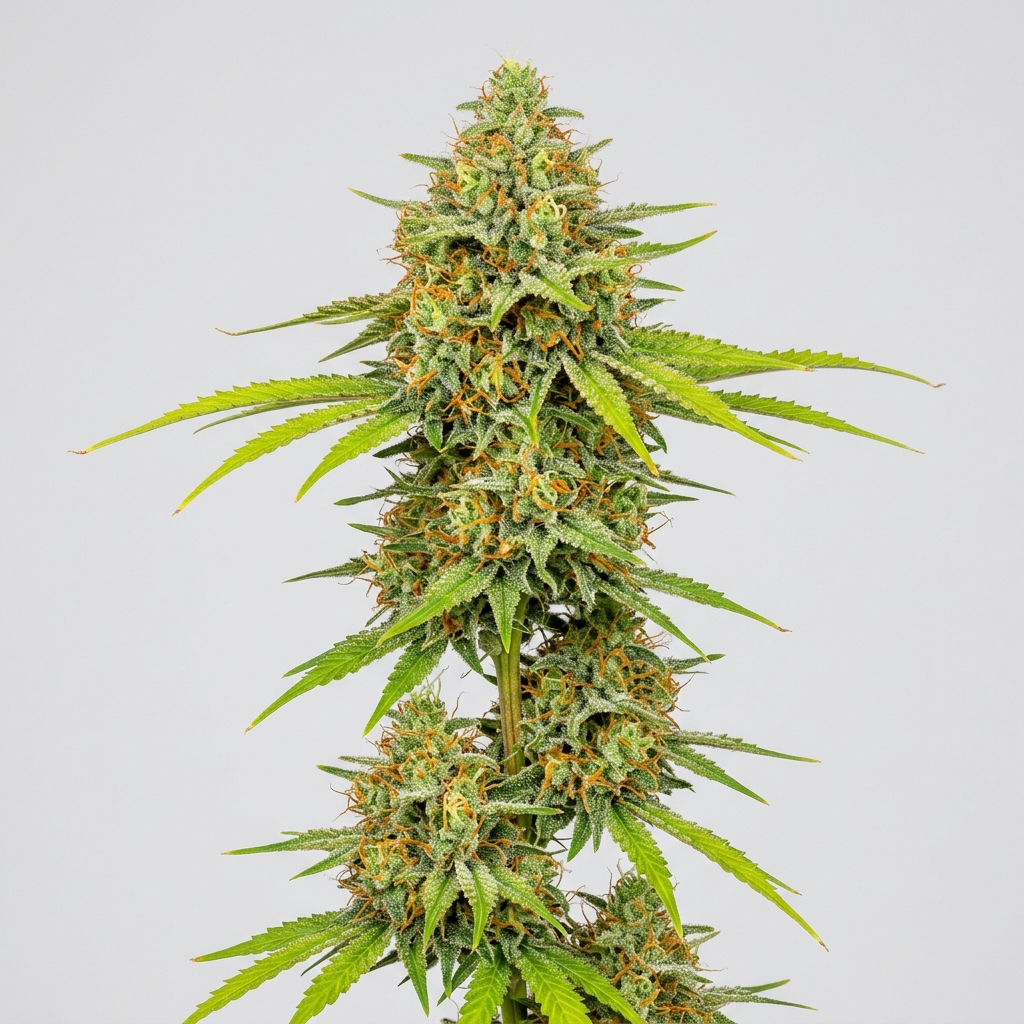
Dragon’s Breath is a sativa-dominant hybrid, typically testing between 19% and 24% THC, created by crossing the legendary Jack Herer with Northern Lights. Known for its striking spear-shaped colas and a thick coat of silver-white resin, this cultivar delivers a complex profile of sweet incense, sharp pine, and spicy black pepper. It shows a vigorous, upright growth habit with moderate stretch during early flower, making it a favorite among growers seeking old-school sativa qualities without unmanageable flowering times.
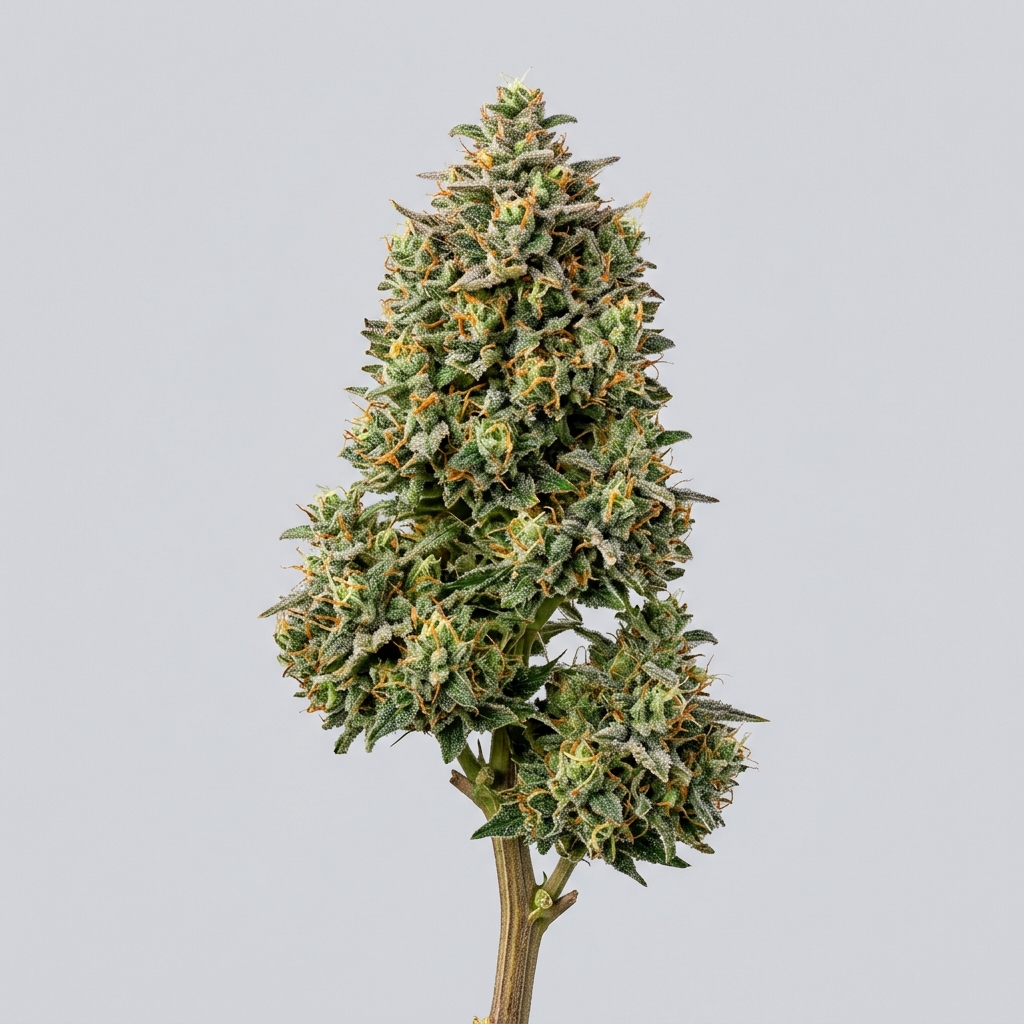
The strain has earned a dedicated following for its bright, functional daytime appeal and reliable resin production. Its physically striking buds feature swollen calyxes wrapped in fiery orange pistils, giving the finished flower a distinct, glowing appearance that matches its name.
Quick Facts
| Metric | Details |
|---|---|
| Genetics | Jack Herer × Northern Lights |
| Variety | Sativa-dominant Hybrid |
| THC Range | 19% – 24% |
| Flowering Time | 8 – 9 Weeks |
| Yield Potential | Moderate to High |
| Plant Height | Medium to Tall |
| Climate Preference | Warm, semi-arid |
| Difficulty | Moderate |
Scientific & Botanical Overview
Dragon’s Breath shows strong sativa morphology inherited from its Jack Herer parentage, characterized by narrow fan leaves and elongated nodal spacing. The plants develop a robust central stem that supports long, tapered spear colas, though lateral branches may require support as the flowers gain weight.
The cultivar’s bract structure is relatively open, which helps facilitate excellent airflow through the canopy and reduces the risk of moisture retention in humid environments. During late flower, the calyxes swell significantly, pushing out a dense layer of glandular trichomes that produce a sticky, wet frost.
Anthocyanin expression is rare in this cultivar, with the foliage and flowers maintaining a vibrant lime-green to forest-green hue throughout the life cycle. The contrast between the bright green tissue and the dense, fiery orange pistils provides a classic, visually striking presentation.
Effects & Use-Cases (Reported)
Commonly reported effects: Users often describe a rapid, clear-headed cerebral lift accompanied by a gentle, warming physical relaxation that does not cause heavy sedation. The initial onset is typically marked by sharpened focus and a subtle sensory brightness, which transitions smoothly into a calm, functional state.
Use-case context: This profile makes the cultivar well-suited for daytime activities, creative projects, and social settings where mental clarity is desired. The absence of a heavy physical comedown allows it to integrate easily into active schedules.
Please note: Individual experiences may vary, and high-THC cultivars can occasionally induce mild anxiety or dry eyes in sensitive individuals.
Aroma & Flavors
Aroma: The olfactory profile is dominated by a sharp, pine-forward woodiness mixed with warm spices and a distinct undertone of sweet, musky incense. Breaking the buds releases a deeper, earthy fuel note that lingers in the room.
Flavor: On the palate, the smoke is notably spicy and herbal, offering a clean cedarwood taste on the inhale followed by a sweet, slightly citrusy mint finish.
Terpene associations: Analytical testing frequently shows high concentrations of terpinolene, beta-caryophyllene, and myrcene, which drive its complex spicy-sweet character.
Tested Cannabinoid & Terpene Ranges
| Compound | Typical Range |
|---|---|
| Delta-9-THC | 19.0% – 24.0% |
| CBG | 0.5% – 1.2% |
| Terpinolene | 0.4% – 0.8% |
| Beta-Caryophyllene | 0.3% – 0.6% |
| Myrcene | 0.2% – 0.5% |
Note: Quantitative cannabinoid and terpene levels are highly variable and depend heavily on environmental factors, lighting spectrums, and specific cultivation methodologies.
Cultivation Notes
- Humidity Control: Maintain relative humidity around 55% during early vegetative growth, tapering down to 40% in the final weeks of flower to protect the dense spear colas.
- Nutrient Regimen: This cultivar responds well to moderate nitrogen levels during veg, but requires an increased phosphorus and potassium feed once flowers begin to stack.
- Canopy Management: use low-stress training (LST) or topping early in vegetative growth to promote lateral branching and manage the natural sativa stretch.
- Airflow: Ensure consistent canopy airflow with oscillating fans, as the dense lower foliage can trap micro-climates of high humidity.
- Harvest Window: Look for trichomes to transition from clear to mostly milky with roughly 10% amber for the most balanced, active expression.
Grower Notes (Week-by-Week Snapshot)
- Weeks 1–3 (Transition & Stretch): Expect a significant vertical stretch immediately after switching to a 12/12 light cycle. Secure trellis netting early to support the rapidly extending branches.
- Weeks 4–6 (Flower Development): Small, resinous button-like flowers form along the nodes. The characteristic spicy pine aroma begins to emerge, and the plant’s demand for water increases.
- Weeks 7–9 (Ripening & Flush): Calyxes swell and the orange pistils begin to curl inward. Reduce ambient temperatures slightly during the final week to encourage maximum resin density, and execute a thorough flush.
Genetic Lineage
Dragon’s Breath draws its foundational traits from two of the most influential cultivars in modern cannabis history. Its maternal parent, Jack Herer, contributes a complex, terpinolene-rich terpene profile and a vibrant, energetic growth structure. This sativa influence is tempered and stabilized by the paternal lineage of Northern Lights, a legendary indica known for its robust physical resilience, compact flowering time, and resin-heavy bud structure.
The combination of these genetics yields a highly stable hybrid that preserves the uplifting cerebral qualities of a classic sativa while inheriting the manageable cultivation traits and high resin yields of an indica. This balance makes it a reliable choice for both commercial facilities and boutique growers looking to capture classic Dutch genetics.
Research Insights
Scientific interest in cultivars like Dragon’s Breath often centers on the high prevalence of terpinolene in combination with beta-caryophyllene. While myrcene is the most common terpene in modern hybrids, the terpinolene-dominant profile of this lineage is associated with a more stimulating, clear-headed sensory effect. This specific chemical arrangement is believed to modulate the psychoactive action of THC, mitigating some of the heavier, sedative qualities typically associated with high-potency cannabis.
Additionally, the presence of minor cannabinoids like cannabigerol (CBG) in this genetic line suggests a complex interaction within the plant’s overall resin profile. Researchers studying these secondary metabolites note that the structural stability inherited from Northern Lights allows the plant to sustain high levels of resin production without sacrificing terpene volatility under standard indoor growing conditions.
Frequently Asked Questions
Is Dragon’s Breath a sativa or an indica?
Dragon’s Breath is a sativa-dominant hybrid, showcasing the upright growth and clear-headed effects of its Jack Herer parent, balanced by the structural density of Northern Lights.
How long does Dragon’s Breath take to flower?
This cultivar typically completes its flowering cycle in 8 to 9 weeks when grown indoors, which is relatively fast for a sativa-dominant hybrid.
What does Dragon’s Breath smell like?
It features a complex aroma of sharp pine, warm cedarwood, and sweet, musky incense, accented by a subtle earthy fuel undertone when the buds are broken apart.
Is this strain difficult to grow?
Dragon’s Breath is moderately easy to cultivate. While it requires some canopy management to control its early flowering stretch, its strong resistance to common pests and open bud structure make it highly manageable.
Educational Disclaimer
This profile is for informational and educational purposes only. Cultivation of cannabis is subject to varying local, state, and federal laws. Always consult local regulations before germinating or cultivating any cannabis genetics.
Rate and review this strain
Ratings and reviews are accepted only from signed-in Google accounts.
Sign in with Google to leave a rating and written review.
Latest Reviews
0 reviewsNo reviews yet. Be the first Google user to rate and review this strain.