Coconut Pie (Cannabis Strain)
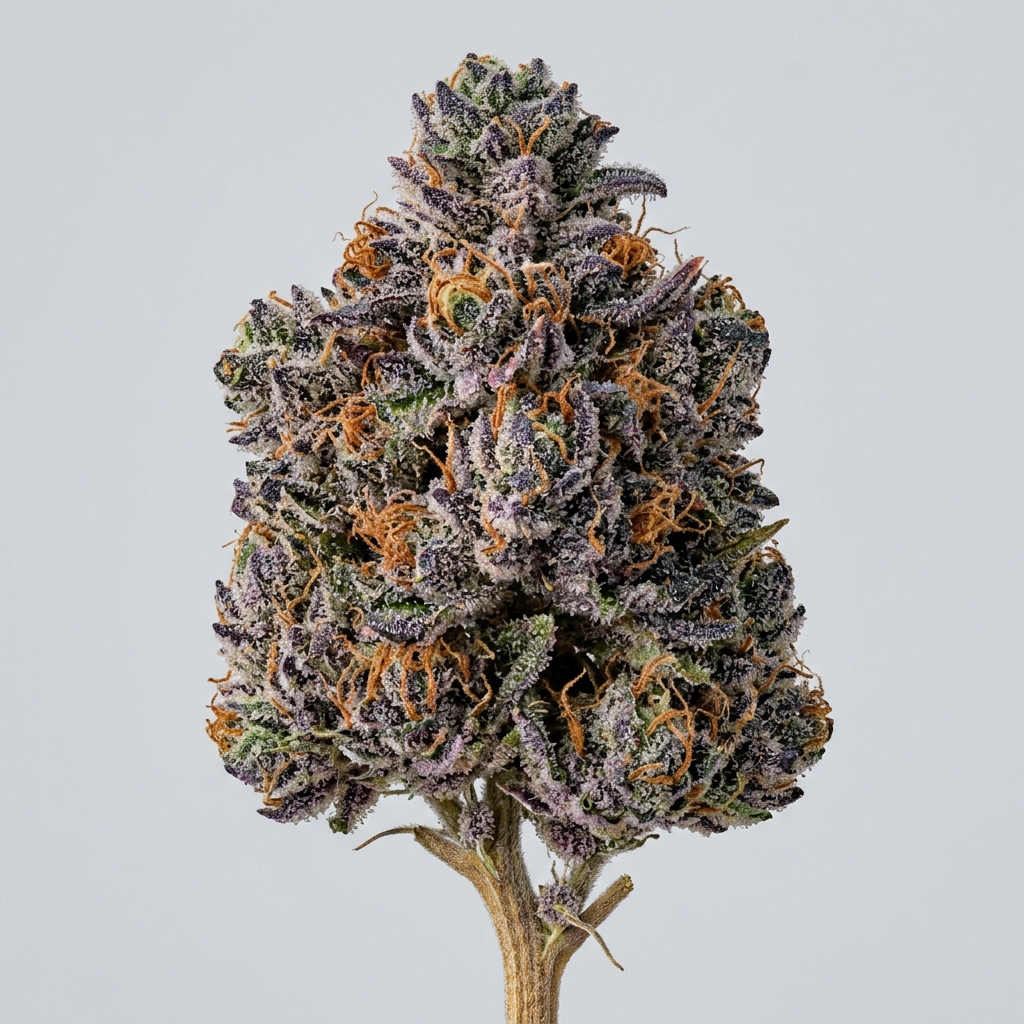
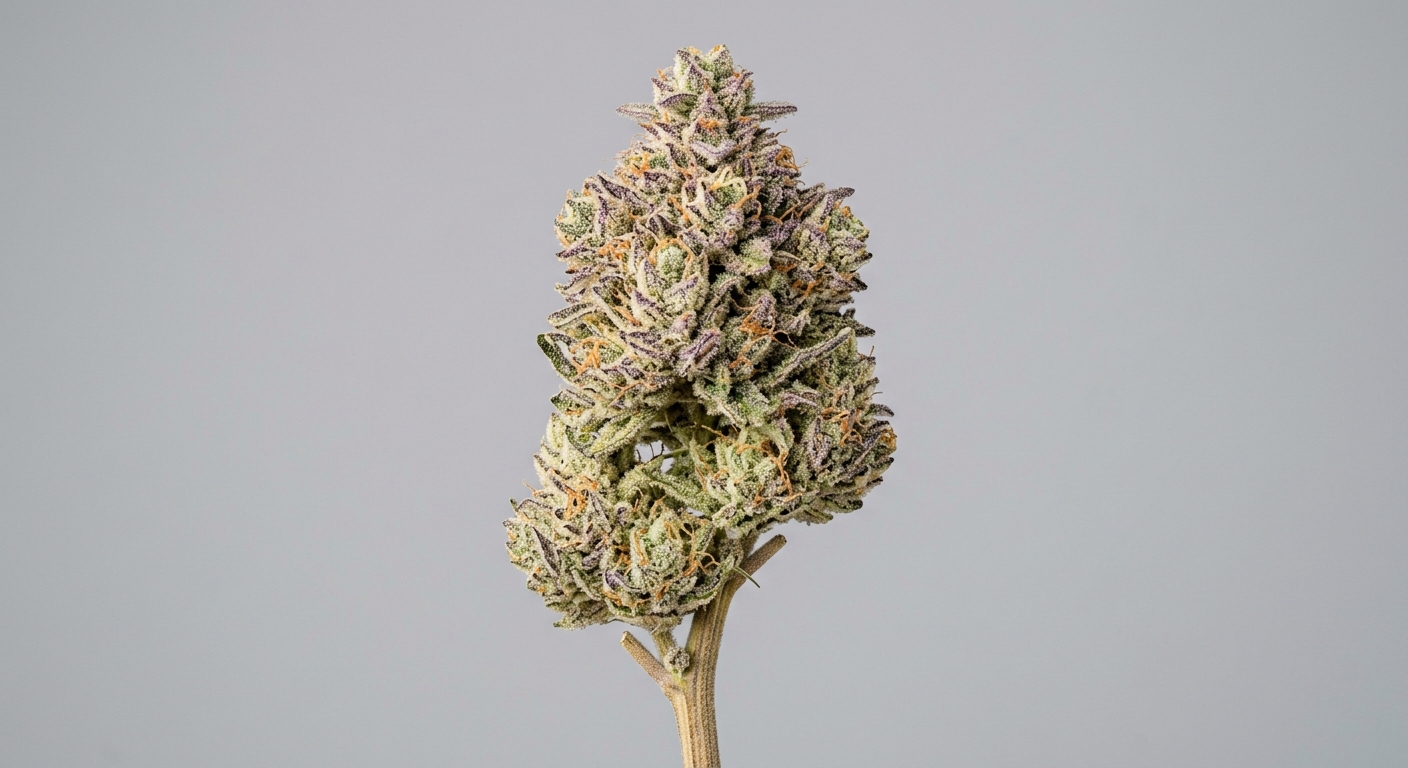
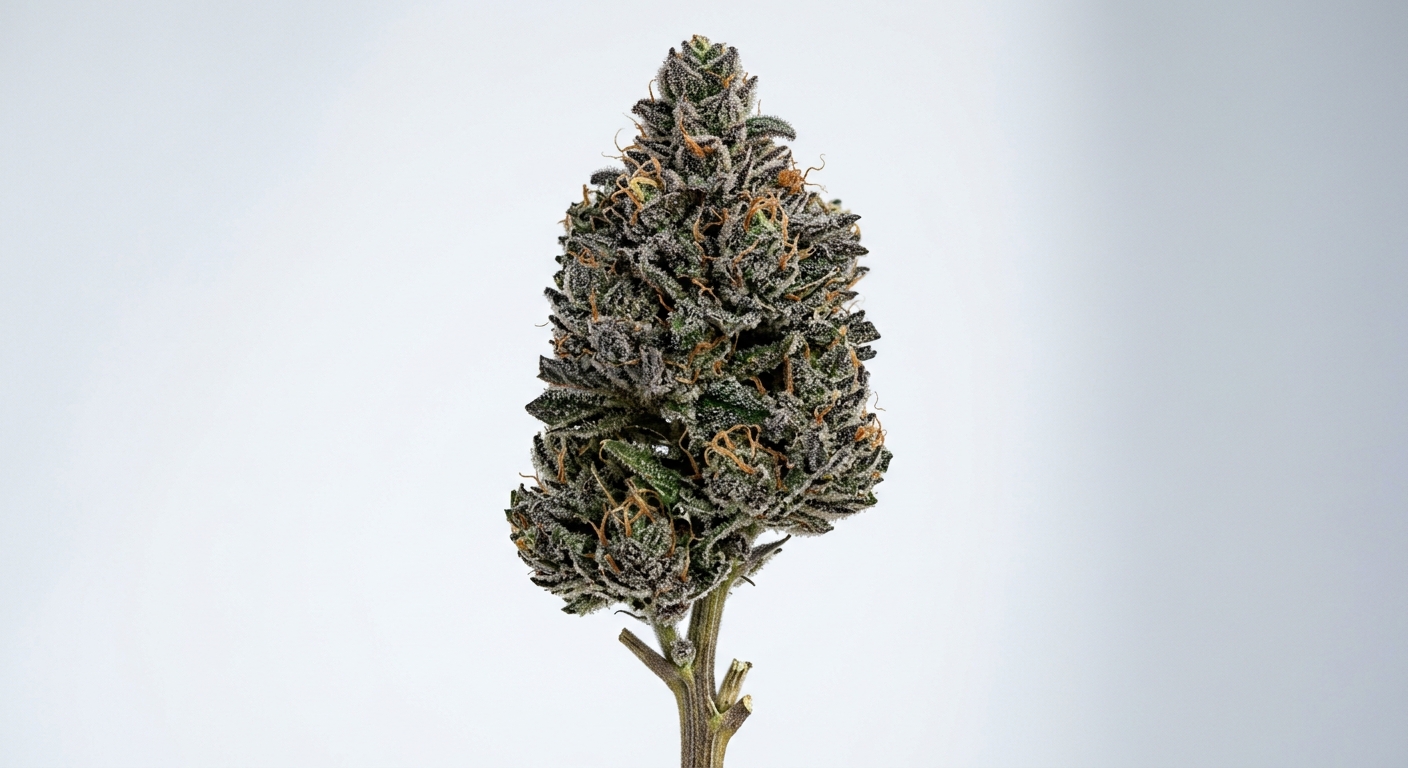
Coconut Pie is a creamy, resin-heavy hybrid commonly reported to yield between 22% and 26% THC, originating from a cross of Georgia Pie and Cocoa Bomba. This cultivar is distinguished by its dense, doughy buds covered in wet frost, carrying a rich profile of toasted coconut, warm pastry, and a clean gas finish. It shows a controlled stretch in the grow room, making it a favorite for cultivators seeking high terpene clarity and extraction-grade resin.
The cultivar typically develops tight internodal spacing and heavy lateral branching that supports swollen calyxes. Its physical appeal is matched by a steady, relaxing physical weight that settles in slowly without immediate sedation.
Quick Facts
| Attribute | Details |
|---|---|
| Genetics | Georgia Pie × Cocoa Bomba (commonly reported) |
| Variety | Indica-dominant Hybrid |
| THC Range | 22% – 26% |
| Flowering Time | 8 – 9 Weeks |
| Yield Potential | Moderate to High |
| Plant Height | Medium |
| Climate Preference | Temperate, low late-flower humidity |
| Difficulty | Moderate |
Scientific & Botanical Overview
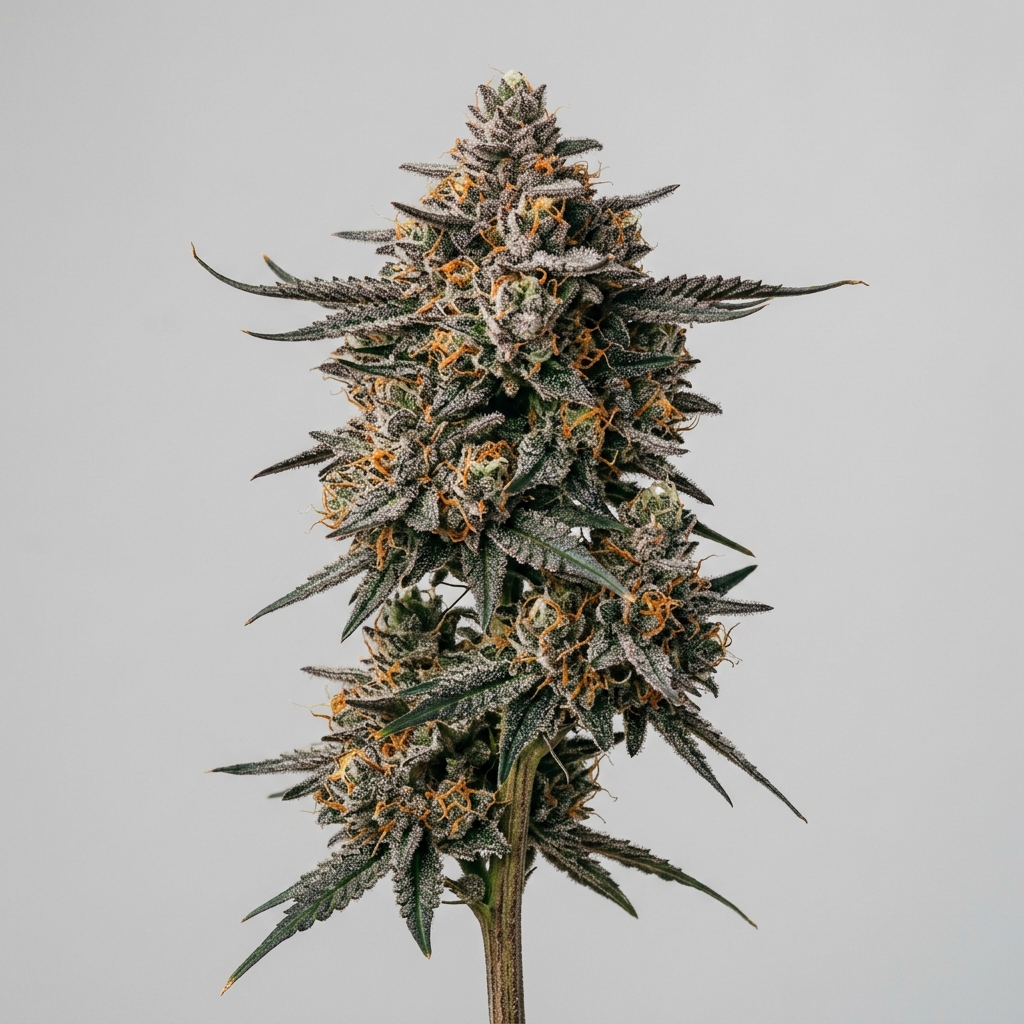
Botanically, Coconut Pie shows classic hybrid morphology with broad fan leaves and thick, sturdy stems capable of holding dense upper colas. The bracts are tightly packed, showing a high ratio of calyx to leaf, which simplifies the post-harvest trim. This structure allows for efficient light penetration when lower fan leaves are selectively managed.
Anthocyanin expression is common during the late flowering stage, especially when night temperatures drop, turning the deep green foliage into shades of violet and plum. The trichome heads are predominantly capitate-stalked, producing a greasy resin layer that remains stable during handling.
The plant requires consistent micro-climate management, particularly in the final three weeks of bloom. High humidity can challenge the dense interior of its spear colas, making active airflow essential.
Effects & Use-Cases (Reported)
Commonly reported effects include a heavy physical relaxation, a calm mental ease, and a slow-building physical warmth. Users describe a gentle transition from active focus to a quiet, grounded state that does not immediately induce heavy sleep.
Use-case context suggests this strain is best suited for late afternoon or evening use, providing a smooth transition into rest without abrupt mental fog. It is frequently chosen by those looking to unwind after physical exertion or to support a quiet evening routine.
Note: Due to the high resin density and cannabinoid concentration, newer consumers should approach this cultivar with caution to avoid early onset sleepiness.
Aroma & Flavors
Aroma: Dominated by toasted coconut, sweet pastry dough, and a subtle earthy musk that sharpens when the buds are broken apart.
Flavor: Delivers a smooth, creamy vanilla inhale with a lingering nutty, toasted-pastry finish and a very faint touch of herbal spice on the exhale.
Terpene associations: Typically highlight high concentrations of caryophyllene, limonene, and myrcene, which drive its complex dessert-like profile.
Tested Cannabinoid & Terpene Ranges
| Compound | Typical Range |
|---|---|
| Δ9-THC | 22.0% – 26.0% |
| CBD | 0.1% – 0.5% |
| β-Caryophyllene | 0.4% – 0.8% |
| d-Limonene | 0.3% – 0.6% |
| β-Myrcene | 0.2% – 0.5% |
Note: Cannabinoid and terpene levels are highly phenotype-dependent and subject to specific cultivation and curing practices.
Cultivation Notes
- Humidity Control: Keep relative humidity below 45% during the final three weeks of flowering to protect the dense, resin-heavy spear colas from moisture retention.
- Nutrition: Responds well to moderate feeding, showing a preference for steady calcium and magnesium inputs during the transition to bloom.
- Training: use low-stress training (LST) or a scrog net to open up the canopy, ensuring equal light distribution to the lower node sites.
- Phenotype Management: Watch for variations in stretch; some phenotypes show a stronger indica lean with minimal height increase after flip.
Grower Notes (Week-by-Week Snapshot)
- Weeks 1–3 (Transition & Stretch): The plant displays a controlled stretch, usually doubling in height. Early leaf tucking helps expose developing lateral branches.
- Weeks 4–6 (Mid-Flower): Resin production begins early, with wet frost appearing on the fan leaves. Ensure air circulation remains high around the main stem.
- Weeks 7–9 (Late Flower & Ripening): Calyxes swell significantly and the aroma intensifies into a rich, doughy profile. Introduce cooler night temperatures to encourage purple coloration.
- Post-Harvest (Slow Dry): A slow 10-to-14-day dry at 60°F and 60% relative humidity preserves the delicate, creamy volatile terpenes before curing.
Genetic Lineage
The lineage of Coconut Pie brings together two highly regarded dessert-forward cultivars. Its maternal parent, Georgia Pie, contributes a dense, doughy structure and a distinct baked-fruit sweetness that forms the foundation of the hybrid’s flavor profile.
The paternal influence of Cocoa Bomba infuses the cross with a deeper, musky nuttiness and a robust resin profile. This combination results in a stable phenotype that preserves the best physical and aromatic traits of both parents while enhancing trichome density.
Research Insights
Analytical testing of Coconut Pie reveals a terpene profile dominated by sesquiterpenes like caryophyllene, which may influence the strain’s warm, physical effects. The presence of limonene adds a bright, clean note to the otherwise heavy, doughy aromatic base, balancing the overall olfactory profile.
Breeders value this cultivar for its high trichome density and resin stability, making it highly suitable for solventless extraction processes. The oil production remains consistent across multiple phenotypes, displaying excellent clarity and terpene preservation during wash cycles.
Frequently Asked Questions
Is Coconut Pie an indica or sativa?
Coconut Pie is an indica-dominant hybrid. It displays typical hybrid growth characteristics with broad leaves, sturdy stems, and a physically relaxing effect profile.
What does Coconut Pie smell like?
The strain has a distinct aroma of toasted coconut, sweet pastry dough, and warm vanilla, backed by a subtle earthy gas undertone.
How long does Coconut Pie take to flower?
This cultivar typically completes its flowering cycle in 8 to 9 weeks when grown indoors under standard light schedules.
Is this strain suitable for beginners?
While the plant is relatively straightforward to grow, its high potency and dense bud structure require careful humidity monitoring, making it best suited for growers with some experience.
Educational Disclaimer
This article is intended solely for educational, scientific, and botanical reference. It does not provide medical advice or encourage the illegal cultivation or consumption of controlled substances. Individual experiences with cannabis cultivars can vary based on personal chemistry, growing conditions, and curing methods.
Rate and review this strain
Ratings and reviews are accepted only from signed-in Google accounts.
Sign in with Google to leave a rating and written review.
Latest Reviews
0 reviewsNo reviews yet. Be the first Google user to rate and review this strain.