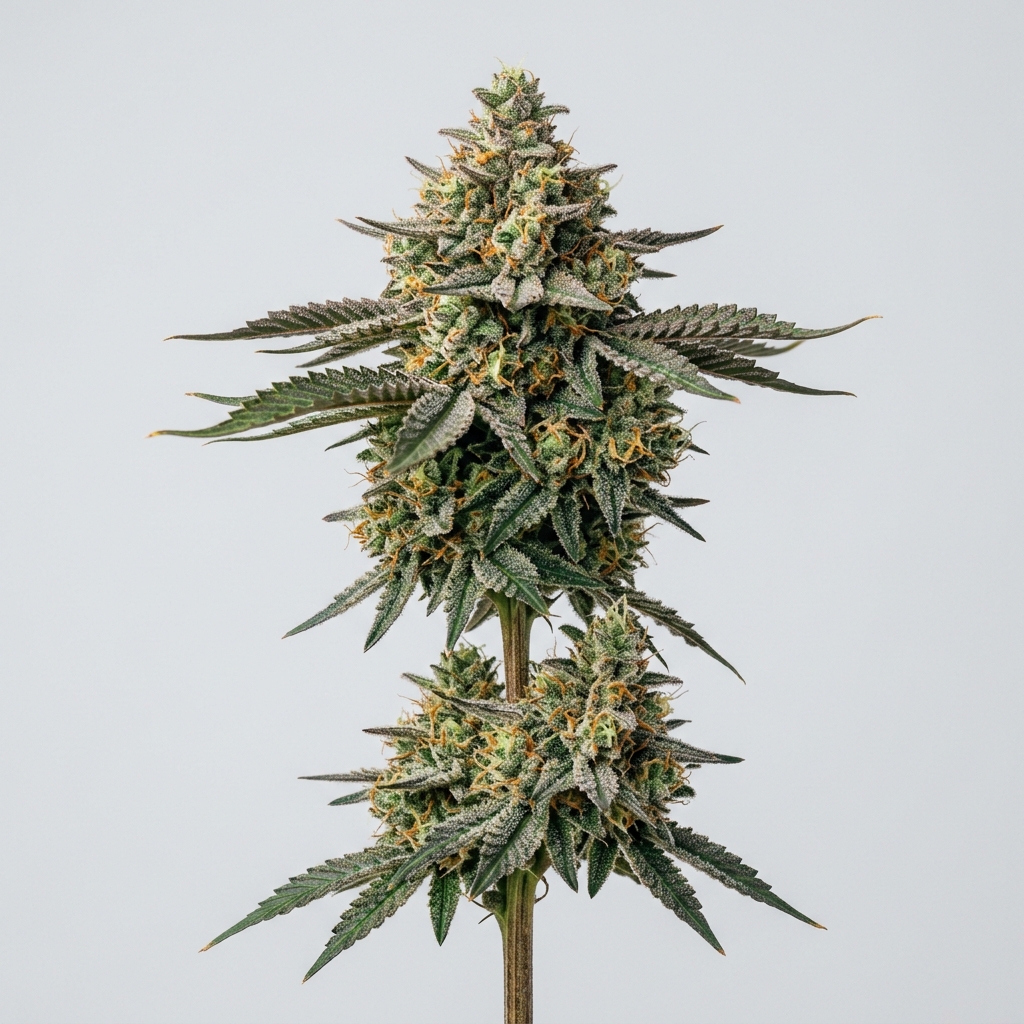
Papaya Cake (Cannabis Strain)
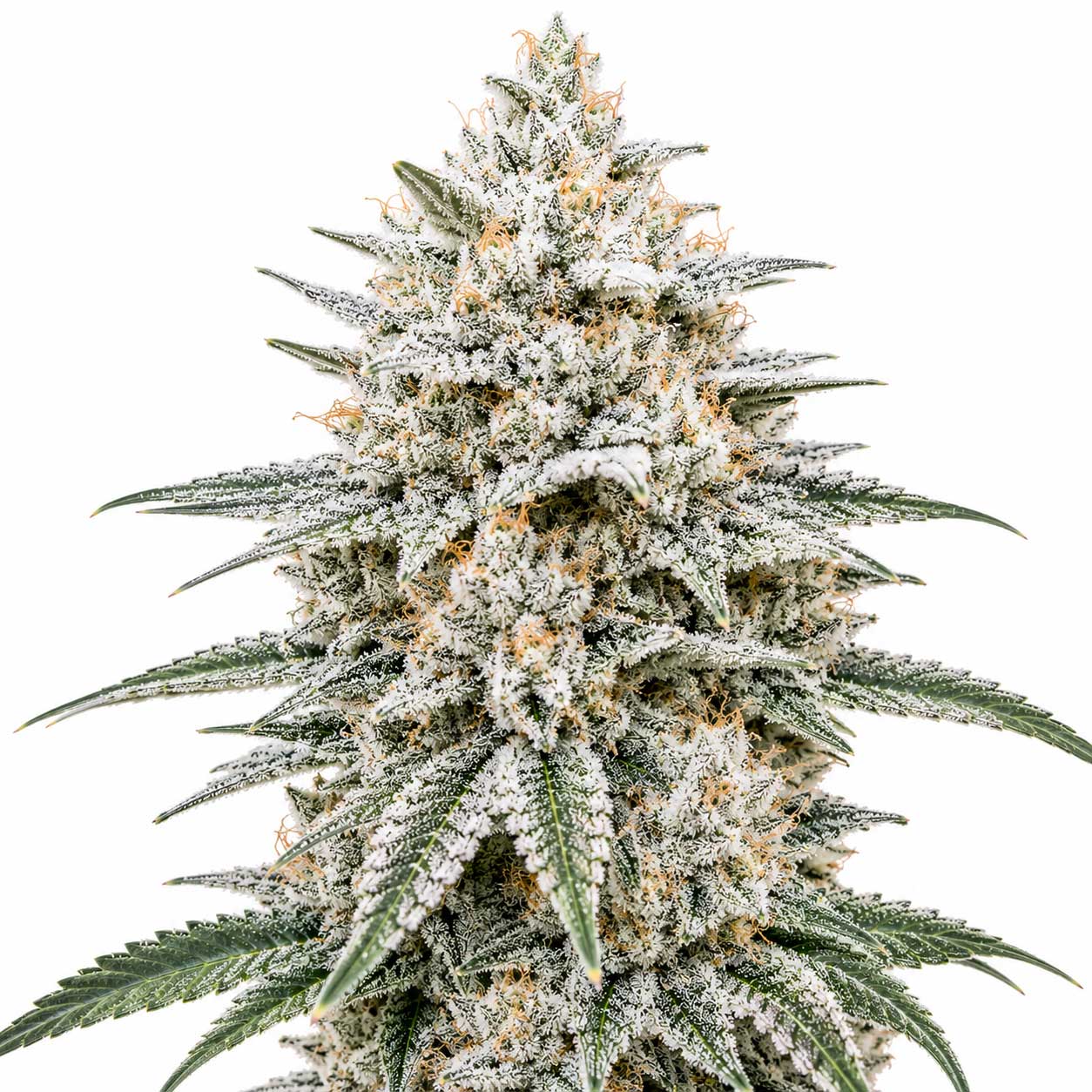
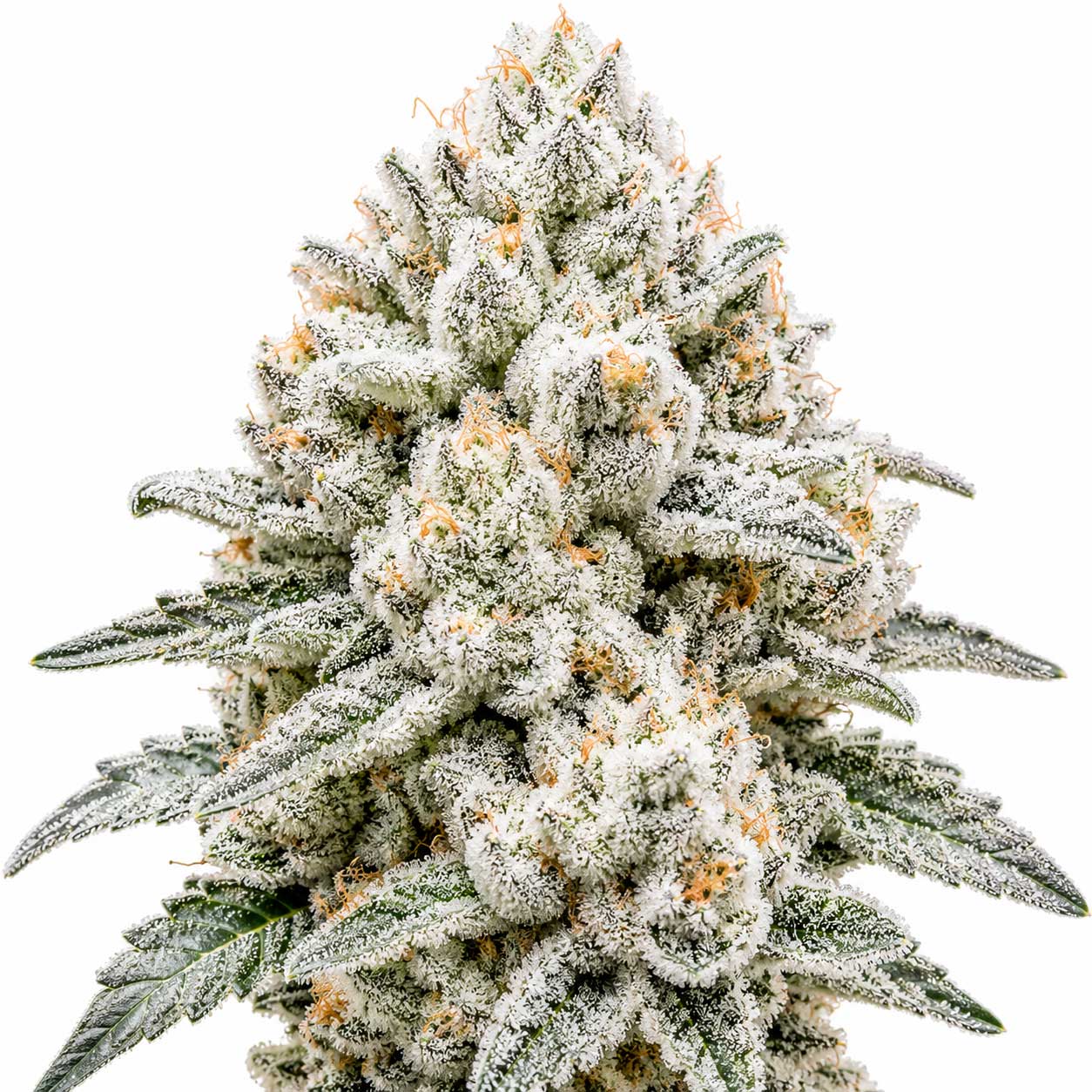
Papaya Cake is a balanced hybrid cultivar known for its complex profile derived from its elite lineage: Papaya and Wedding Cake. With THC levels typically ranging between 20% and 26%, this strain is recognized by enthusiasts for its heavy resin production and dense, trichome-coated buds. It represents a quintessential modern dessert strain, blending the tropical, fermenting fruit notes of its landrace-influenced parent with the robust, sugary structure of the Cookie family.
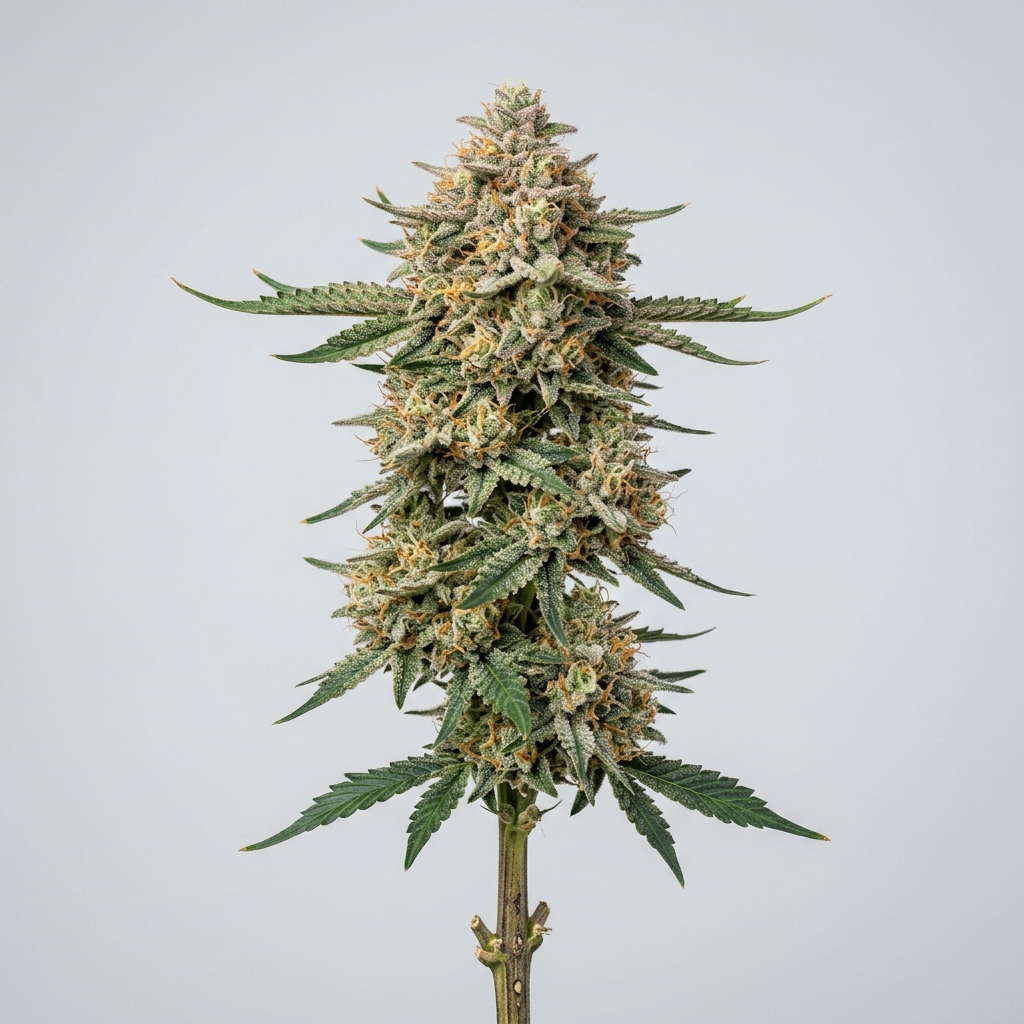
When observing the plant in a scientific and botanical reference, one notes the aggressive vegetative growth and tight internodal spacing characteristic of its indica-dominant heritage. The terpene profile often exhibits a sharp, fruity intensity that balances the earthy, vanilla-like undertones of the Wedding Cake genetics, making it a standout in both cultivation and sensory evaluation.
Quick Facts
| Attribute | Details |
|---|---|
| Genetics | Papaya × Wedding Cake |
| Variety | Indica-dominant hybrid (~70% indica / 30% sativa) |
| THC Range | 20% – 26% |
| Flowering Time | 8 – 10 weeks |
| Yield Potential | Moderate to High |
| Plant Height | Medium |
| Difficulty | Moderate |
Scientific & Botanical Overview
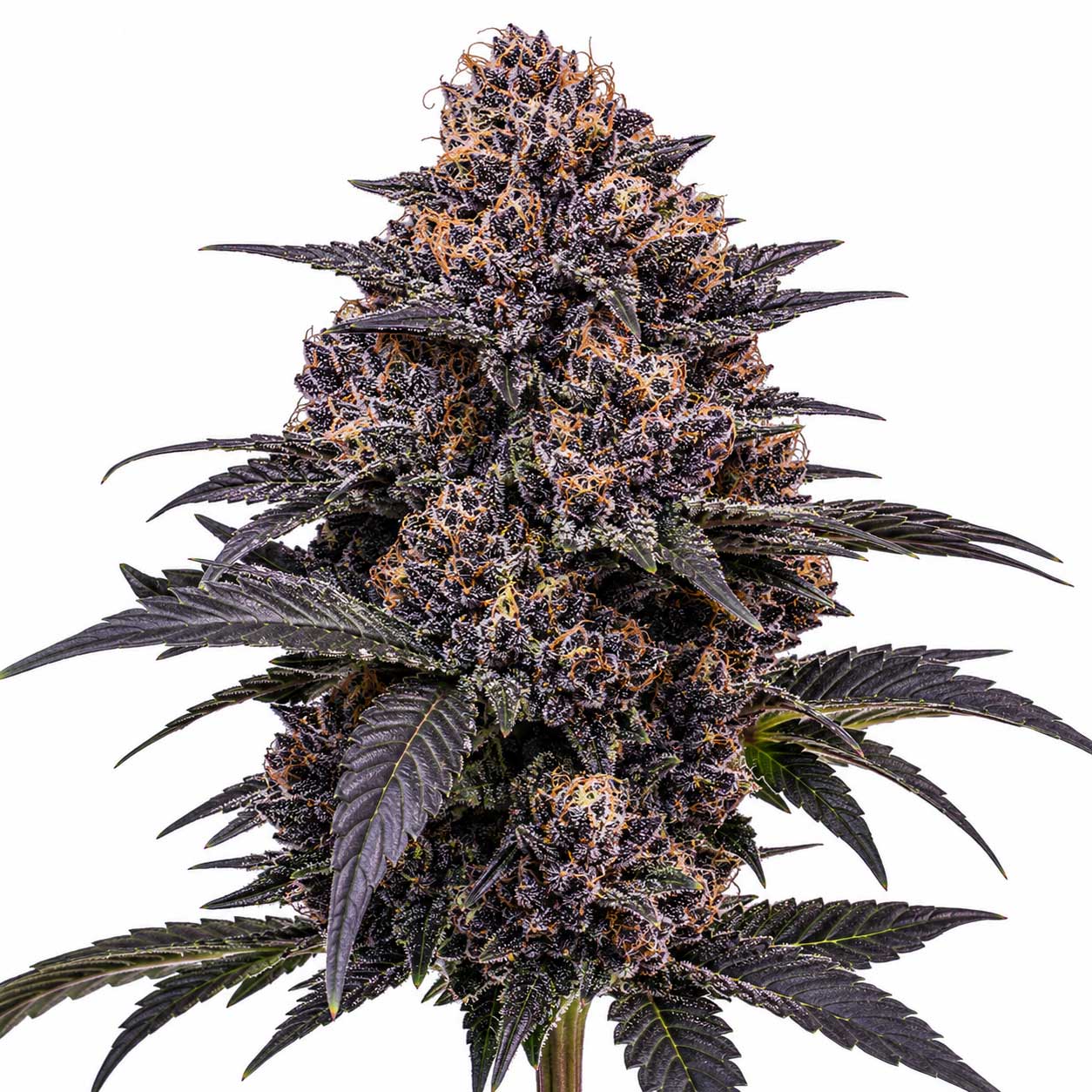
Papaya Cake displays a morphology consistent with high-performance hybrid cultivars. The plant develops broad, dark green foliage and thick stems capable of supporting heavy, resinous flower clusters. Its genetic stability allows for consistent phenotype expression, provided the environmental conditions are managed to prevent excessive humidity during the late flowering stage, where the dense buds may be prone to moisture retention.
From a phytochemical perspective, the strain is defined by a high concentration of secondary metabolites. The interaction between its primary cannabinoids and a diverse terpene profile creates an entourage effect that is highly valued by extractors. The glandular trichomes are typically large and stalked, making this cultivar an excellent candidate for solventless hash production.
Effects & Use-Cases (Reported)
Commonly reported effects often include a rapid onset of cerebral uplift followed by a deep, full-body relaxation. Users frequently describe a “creeping” sensation where the initial energetic buzz settles into a heavy, calm state, making it a popular choice for evening use.
Use-case context generally revolves around winding down after a long day or engaging in sedentary creative hobbies. Anecdotally, the strain is favored by those seeking a sense of physical tranquility without complete couch-lock, provided it is consumed in moderate doses.
Aroma & Flavors
Aroma: A pungent blend of overripe tropical papaya, sweet cream, and a slight hint of spicy pepper.
Flavor: Smooth notes of buttery vanilla cake paired with a sharp, tangy fruit finish that lingers on the palate.
Terpene associations: High concentrations of myrcene, caryophyllene, and limonene define the olfactory experience.
Tested Cannabinoid & Terpene Ranges
| Compound | Typical Range* | Notes |
|---|---|---|
| Δ9-THC | 20% – 26% | Primary psychoactive |
| Myrcene | 0.5% – 1.2% | Earthy, sedative |
| Caryophyllene | 0.3% – 0.8% | Spicy, anti-inflammatory |
*Ranges may vary by phenotype, cultivation environment, harvest timing, and analytical method.
Cultivation Notes
- Training: Responds exceptionally well to topping and SCROG (Screen of Green) methods to maximize light penetration.
- Nutrients: Requires a steady supply of calcium and magnesium during the transition to flowering.
- Harvest Timing: Monitor trichome maturity; harvest when heads are mostly milky white with a small percentage of amber for optimal effect.
- Environment: Prefers stable temperatures between 70°F and 80°F with controlled humidity levels below 50% in late flowering.
Grower Notes (Week-by-Week Snapshot)
- Weeks 1–3: Rapid vegetative expansion; ensure ample nitrogen and light intensity.
- Weeks 4–6: Flowering sites emerge; begin light defoliation to improve airflow.
- Weeks 7–9: Dense bud formation; watch for signs of humidity stress or mold in the thick clusters.
- Post-Harvest: Slow dry at 60°F/60% RH for 10-14 days followed by a gradual cure to preserve terpene integrity.
Genetic Lineage
Papaya Cake is a direct cross between the tropical, indica-dominant Papaya and the world-famous Wedding Cake. The Papaya influence provides the unique fruity, fermenting aroma and resilience, while Wedding Cake contributes its dense, trichome-heavy structure and potent cannabinoid profile.
Research Insights
Research into the terpene profiles of dessert-style cultivars suggests that the synergy between myrcene and caryophyllene may play a significant role in the reported calming effects of such strains. Continued analysis of these aromatic compounds helps botanists better understand how specific phenotypes are selected for both potency and sensory appeal.
Frequently Asked Questions
Is Papaya Cake an indica or sativa?
Papaya Cake is an indica-dominant hybrid, typically exhibiting the growth patterns and relaxing effects associated with indica varieties.
How difficult is it to grow Papaya Cake?
It is considered a moderately difficult strain, primarily due to the density of the buds which requires careful humidity management during the final flowering weeks.
What does Papaya Cake taste like?
The flavor is characterized by a creamy, sugary cake batter base with distinct tropical fruit overtones.
Educational Disclaimer
This page is provided for scientific and horticultural reference only. Cannabis laws vary by jurisdiction; always ensure compliance with local regulations.
Rate and review this strain
Ratings and reviews are accepted only from signed-in Google accounts.
Sign in with Google to leave a rating and written review.
Latest Reviews
0 reviewsNo reviews yet. Be the first Google user to rate and review this strain.