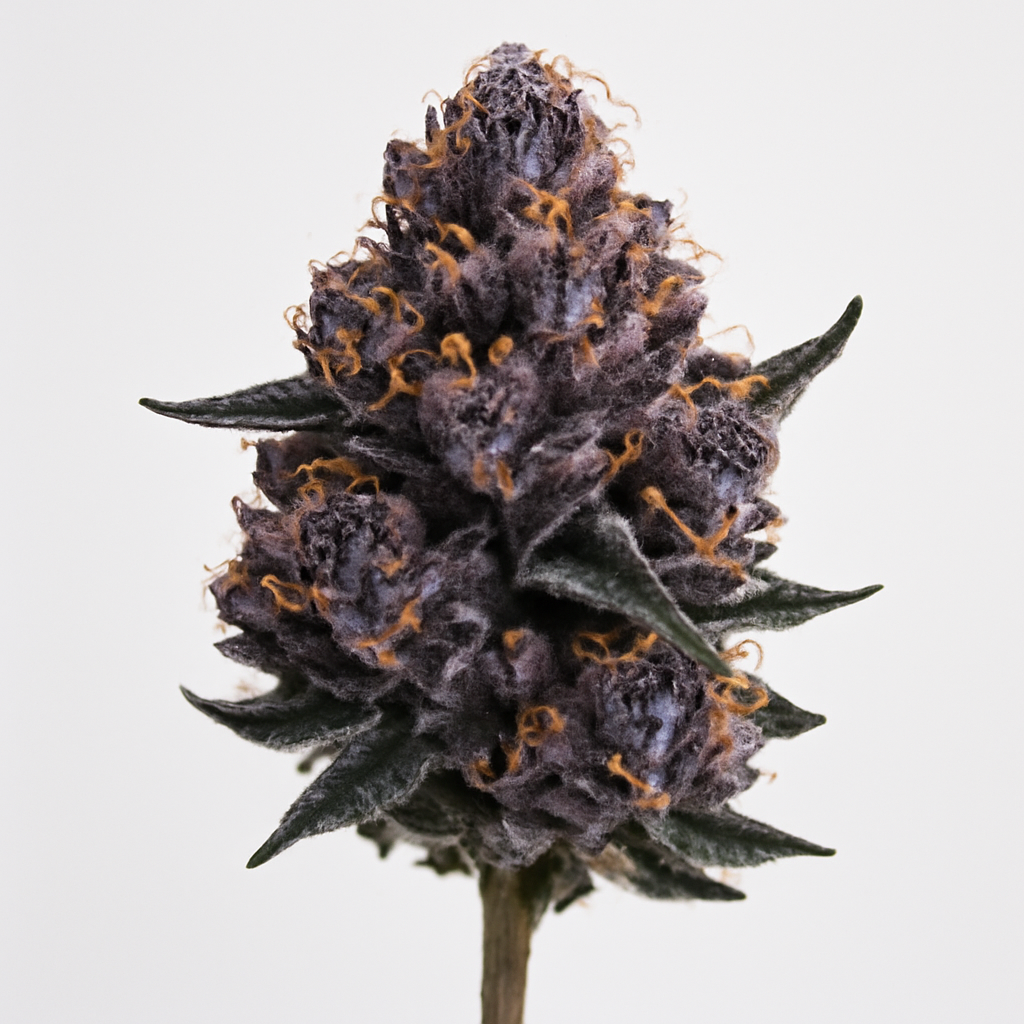
Slurricane (Cannabis Strain)
Slurricane is an indica-dominant hybrid testing between 20% and 28% THC, bred by crossing the elite Do-Si-Dos and Purple Punch lineages. This cultivar is highly regarded for its dense, grape-colored bracts, wet frost resin coverage, and a complex aroma of dark berry syrup, creamy gas, and earthy spice. In the garden, it exhibits a compact, indica-style growth habit with tight internodes and thick fan leaves, making it a favorite for extraction-grade resin production and deep evening relaxation.
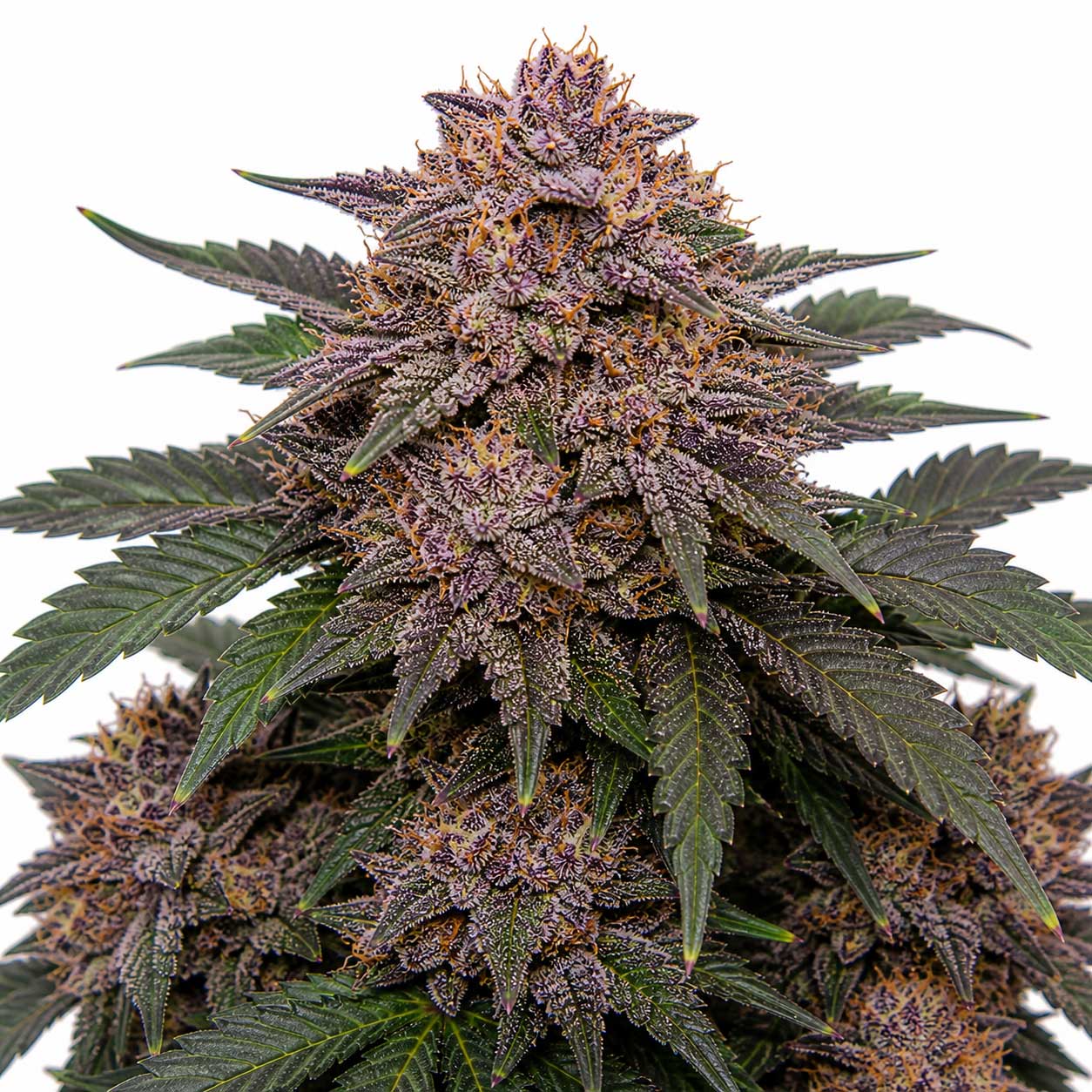
Often selected by growers who prioritize bag appeal and terpene clarity, this hybrid showcases the visual depth of its Purple Punch parentage while retaining the heavy, resinous structure of the Cookie line. The resulting flowers are exceptionally glassy, coated in a thick layer of sticky trichomes that contrast sharply against deep purple foliage.
Quick Facts
| Key Metric | Details |
|---|---|
| Genetics | Do-Si-Dos × Purple Punch |
| Variety | Indica-dominant Hybrid |
| THC Range | 20% – 28% |
| Flowering Time | 8 – 9 weeks |
| Yield Potential | Moderate to High |
| Plant Height | Short to Medium |
| Climate Preference | Warm, dry, low late-flower humidity |
| Difficulty | Moderate |
Scientific & Botanical Overview
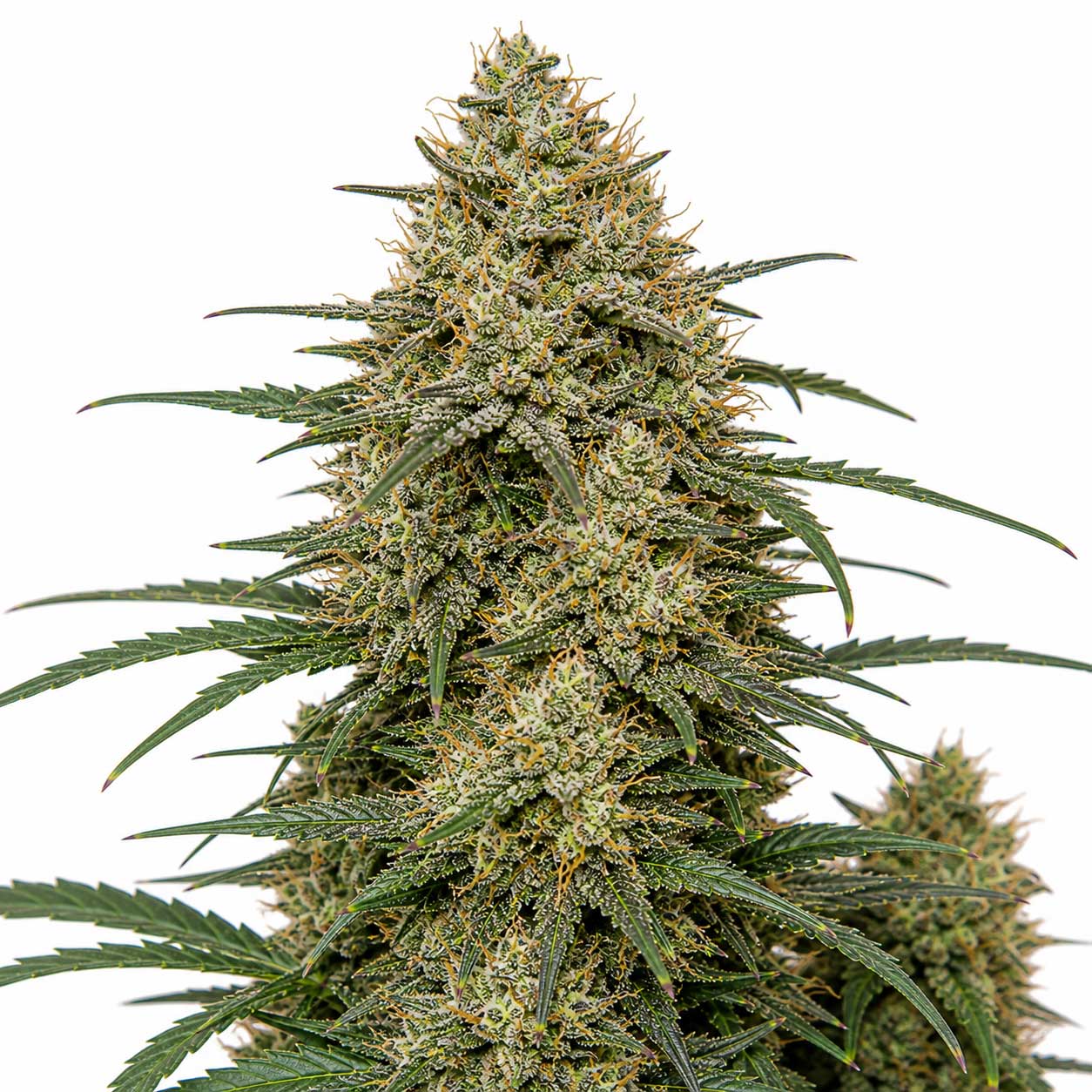
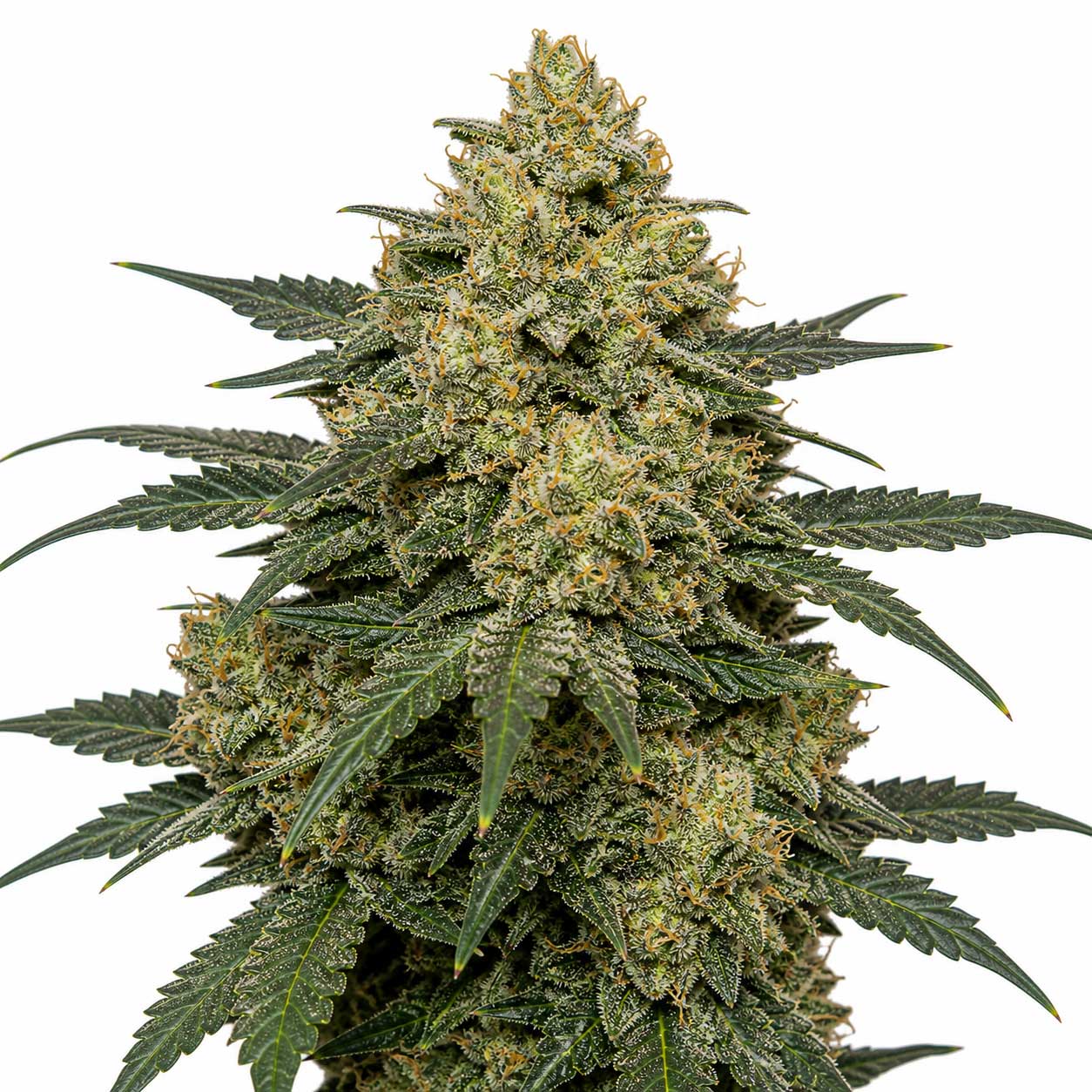
From a botanical perspective, Slurricane exhibits classic broadleaf indica morphology, characterized by tight node spacing, sturdy lateral branching, and heavy foliage development. The plant’s structural integrity allows it to support dense, heavy spear colas without excessive stretching during the early weeks of bloom.
Anthocyanin accumulation is highly pronounced in this cultivar, especially when nighttime temperatures drop during the final weeks of flowering. This genetic trait results in deep plum and violet hues across the bracts and sugar leaves, which are heavily blanketed by capitate-stalked trichomes.
The resin profile is notably greasy and dense, a characteristic inherited from its Do-Si-Dos lineage. This heavy resin production makes the dried flowers highly resilient during curing, preserving the delicate volatile terpenes within the swollen calyxes.
Effects & Use-Cases (Reported)
Commonly reported effects: Consumers typically describe a slow-building, heavy body relaxation accompanied by a soft, quiet mental state. The physical sensation is often described as warm and enveloping, gradually settling into a deep, sedating finish.
Use-case context: This cultivar is best suited for evening sessions, late-night wind-downs, or low-activity recovery. Its heavy physical character makes it less ideal for daytime productivity or tasks requiring high mental focus.
Note: These observations are based on anecdotal reports and literature-informed feedback rather than clinical studies. Individual experiences may vary depending on tolerance and phenotype.
Aroma & Flavors
Aroma: Ripe grape candy, dark berry syrup, and earthy kush, backed by a sharp, creamy gas undertone.
Flavor: The inhale delivers sweet dark fruit and grape skin, transitioning to a spicy, herbal pepper and fuel-like finish on the exhale.
Terpene associations: Typically dominated by myrcene, caryophyllene, and limonene, which drive its spicy, citrus-lifted, and earthy fruit profile.
Tested Cannabinoid & Terpene Ranges
| Compound | Typical Range | Role & Character |
|---|---|---|
| Δ9-THC | 20% – 28% | Delivers strong, long-lasting physical relaxation |
| CBD | < 0.5% | Typically present only in trace amounts |
| Myrcene | 0.25% – 0.70% | Contributes earthy, musky undertones and promotes sedation |
| Caryophyllene | 0.15% – 0.45% | Adds a sharp black pepper spice and herbal finish |
| Limonene | 0.10% – 0.35% | Provides a subtle citrus lift and balances the heavy profile |
Note: Cannabinoid and terpene levels are highly variable and depend on specific phenotypes, environmental conditions, and cultivation practices.
Cultivation Notes
- Humidity Control: Maintain relative humidity (RH) below 45% during the final three weeks of flowering to prevent moisture retention within the dense, compact colas.
- Nutrition: Responds well to moderate nutrient feeding; avoid heavy nitrogen inputs during mid-to-late bloom to preserve clean flower flavor.
- Training: Utilize low-stress training (LST) or light defoliation to improve airflow and light penetration through the thick canopy.
- Harvest Window: Look for amber trichome development, which typically peaks between days 56 and 63 of flowering.
- Phenotype Management: Green phenotypes often lean toward a gassy, cookie-dominant profile, while purple selections favor sweet berry and grape notes.
Grower Notes (Week-by-Week Snapshot)
- Weeks 1–3 (Transition & Stretch): Expect a controlled, moderate stretch. Focus on tucking large fan leaves and establishing a flat canopy using trellis netting.
- Weeks 4–6 (Mid-Bloom & Resin): Trichome production begins early. Ensure consistent air circulation as the flowers start stacking and developing their dense structure.
- Weeks 7–9 (Late Bloom & Flush): Introduce cooler night temperatures to encourage deep purple coloration. Flush with clean water to clear residual salts and enhance terpene clarity.
- Post-Harvest (Dry & Cure): A slow, 10-to-14-day dry at 60°F (15°C) and 60% RH is essential to lock in the delicate grape and gas aromatics.
Genetic Lineage
The parentage of Slurricane is a deliberate cross between Do-Si-Dos and Purple Punch, two highly influential modern cultivars. Do-Si-Dos contributes its signature OG Kush-derived structure, heavy resin output, and earthy, fuel-like undertones. This genetic foundation ensures a robust growth habit and high potency.
On the paternal side, Purple Punch infuses the cross with its distinct dark fruit aroma, sweet grape flavor, and striking violet coloration. This combination balances the sharp, gassy elements of the Cookie family with a smoother, dessert-oriented profile that appeals to contemporary palates.
Research Insights
Scientific interest in this cultivar focuses on the interplay between its primary terpenes, particularly the combination of myrcene and caryophyllene. These compounds are studied for their potential to modulate the physical, relaxing properties of high-THC cultivars, contributing to what is commonly described as a heavy, grounding body effect.
Additionally, the high density of glandular trichomes on Slurricane makes it a frequent subject of study for solventless extraction efficiency. Researchers and processors analyze the structural integrity of these resin heads, which tend to separate cleanly during ice water extraction, preserving a rich terpene profile in the final concentrate.
Frequently Asked Questions
Is Slurricane an indica or a sativa?
Slurricane is an indica-dominant hybrid, showcasing physical traits and growth habits typical of broadleaf indica varieties, alongside a deeply relaxing, evening-oriented effect profile.
How long does Slurricane take to flower?
This cultivar typically finishes its flowering cycle in 8 to 9 weeks (56 to 63 days) when grown indoors under standard light cycles.
What does Slurricane smell like?
It features a rich, dessert-like aroma dominated by sweet grape candy, ripe berries, and creamy gas, with subtle undertones of earthy spice and pepper.
Is Slurricane suitable for beginners?
While the plant is relatively sturdy and easy to manage structurally, its dense buds require careful humidity management, making it best suited for growers with moderate experience.
Educational Disclaimer
This content is provided for educational and informational purposes only. It is not intended to serve as medical advice, diagnosis, or treatment. Always consult with a qualified healthcare professional regarding any medical conditions or cannabis use. Cultivation of cannabis is subject to local laws and regulations; check your local jurisdiction before germinating seeds or propagating plants.
Rate and review this strain
Ratings and reviews are accepted only from signed-in Google accounts.
Sign in with Google to leave a rating and written review.
Latest Reviews
0 reviewsNo reviews yet. Be the first Google user to rate and review this strain.