Lavender (Cannabis Strain) — Strainpedia
Lavender stands apart in the classic DJ Short catalog for its floral terpene profile and the way it can finish with dusky purple coloration rather than loud, candy-style sweetness. Its Skunk and Afghani-influenced frame gives the flower a dense, resinous build, while the Hawaiian side is often credited with adding a brighter aromatic lift and a more expressive flavor identity.
Growers and consumers often describe Lavender as a strain that feels composed rather than flashy: compact structure, strong trichome coverage, and an aroma that moves from perfumed herbal notes into berry, spice, and earthy musk. The cultivar is especially interesting to search-driven audiences because its name matches the sensory impression so closely, yet the actual flower profile is more layered than a simple floral label suggests.
Quick Facts
| Genetics | Super Skunk x Big Skunk Korean x Afghani Hawaiian |
|---|---|
| Original Breeder | DJ Short |
| Variety | Indica-dominant Hybrid |
| Flowering Time | Approximately 8–9 weeks indoors |
| Yield Potential | Moderate, with solid resin production under stable conditions |
| Plant Height | Short to medium |
| Climate Preference | Temperate, low-humidity environments with good airflow |
| Difficulty | Moderate |
Strain Classification
| Type | Indica-dominant Hybrid |
|---|---|
| Genetic Family | Skunk, Afghani, and tropical hybrid heritage |
| Primary Terpenes | Linalool*, Myrcene*, Caryophyllene* |
| Original Breeder | DJ Short |
| Breeding Lineage | Super Skunk x Big Skunk Korean x Afghani Hawaiian |
*Exact terpene dominance may vary by phenotype and cultivation method.
Scientific & Botanical Overview
From a breeding perspective, Lavender is a multi-source hybrid assembled to combine resin density, structural reliability, and a more perfumed aromatic register than many older skunk descendants. The cultivar tends to express a compact internodal pattern, with flowers that stack tightly along the branch and finish in a way that suits controlled indoor environments.
Botanically, Lavender is often discussed as a phenotype-sensitive selection rather than a one-note standard. Some expressions lean darker and more floral, while others show stronger skunk backbone or a faint tropical edge inherited from the Hawaiian component. That variation is one reason the strain remains relevant in breeder conversations: it demonstrates how older hybrid frameworks can still produce distinctive, aromatic flower without relying on modern dessert-style crossover traits.
Appearance
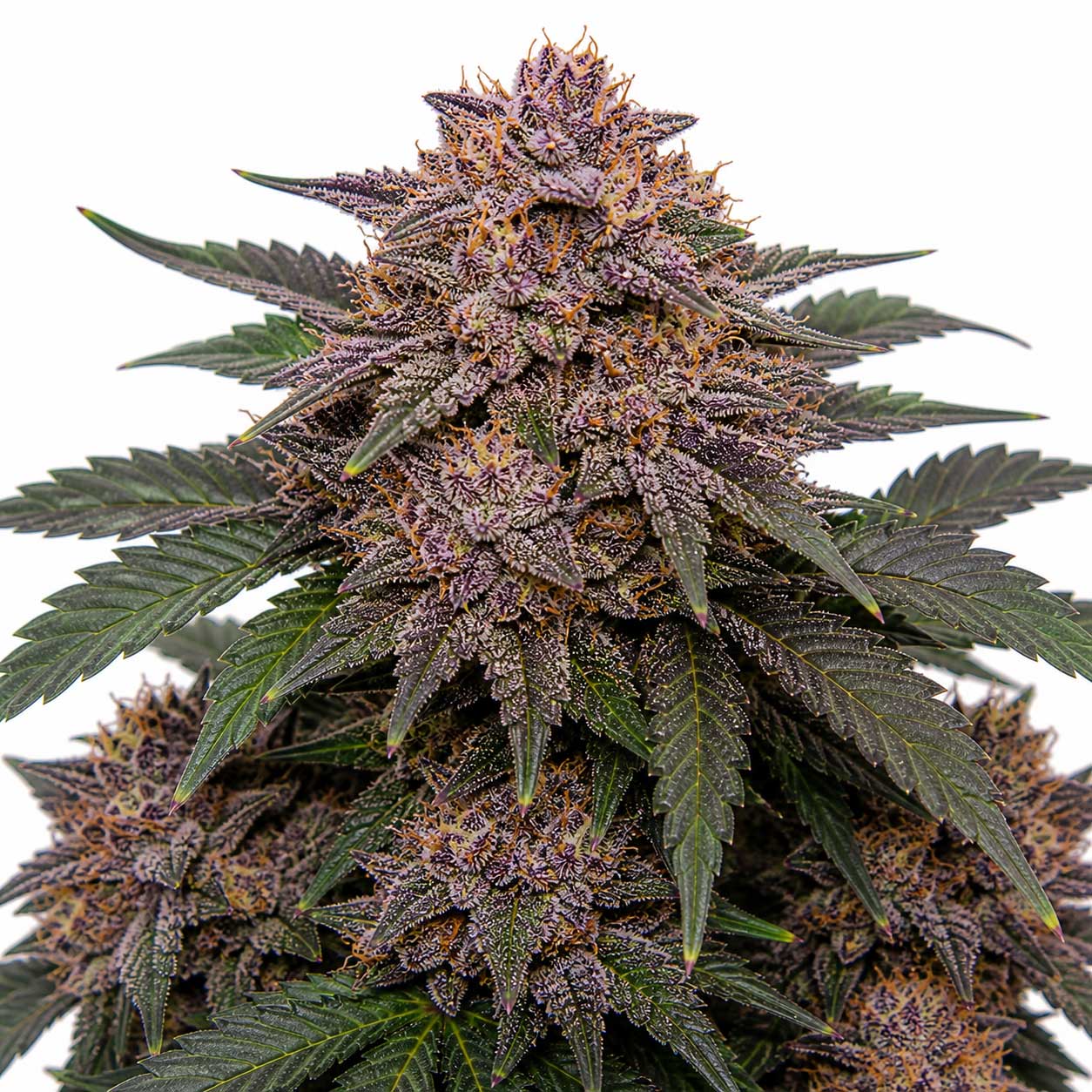
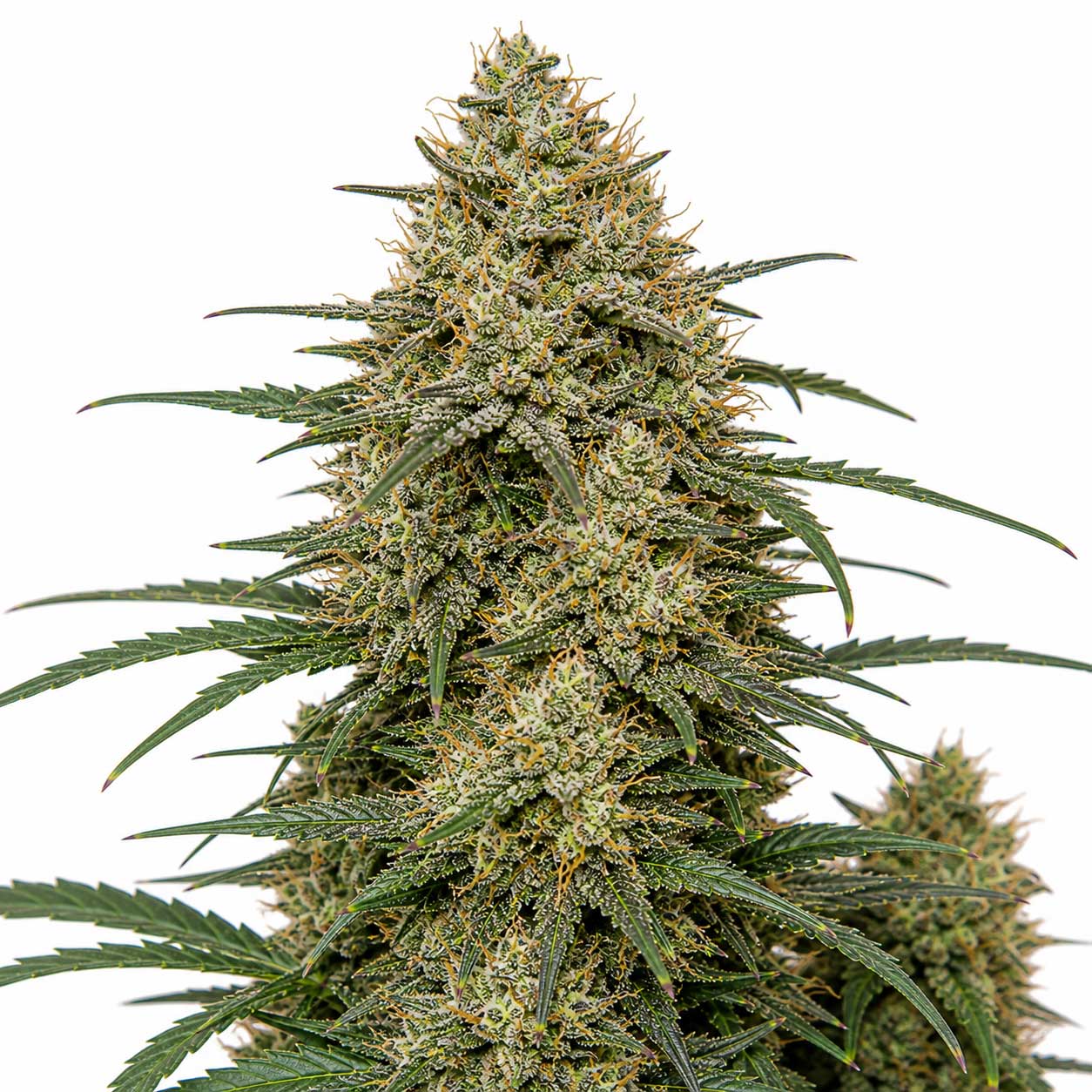
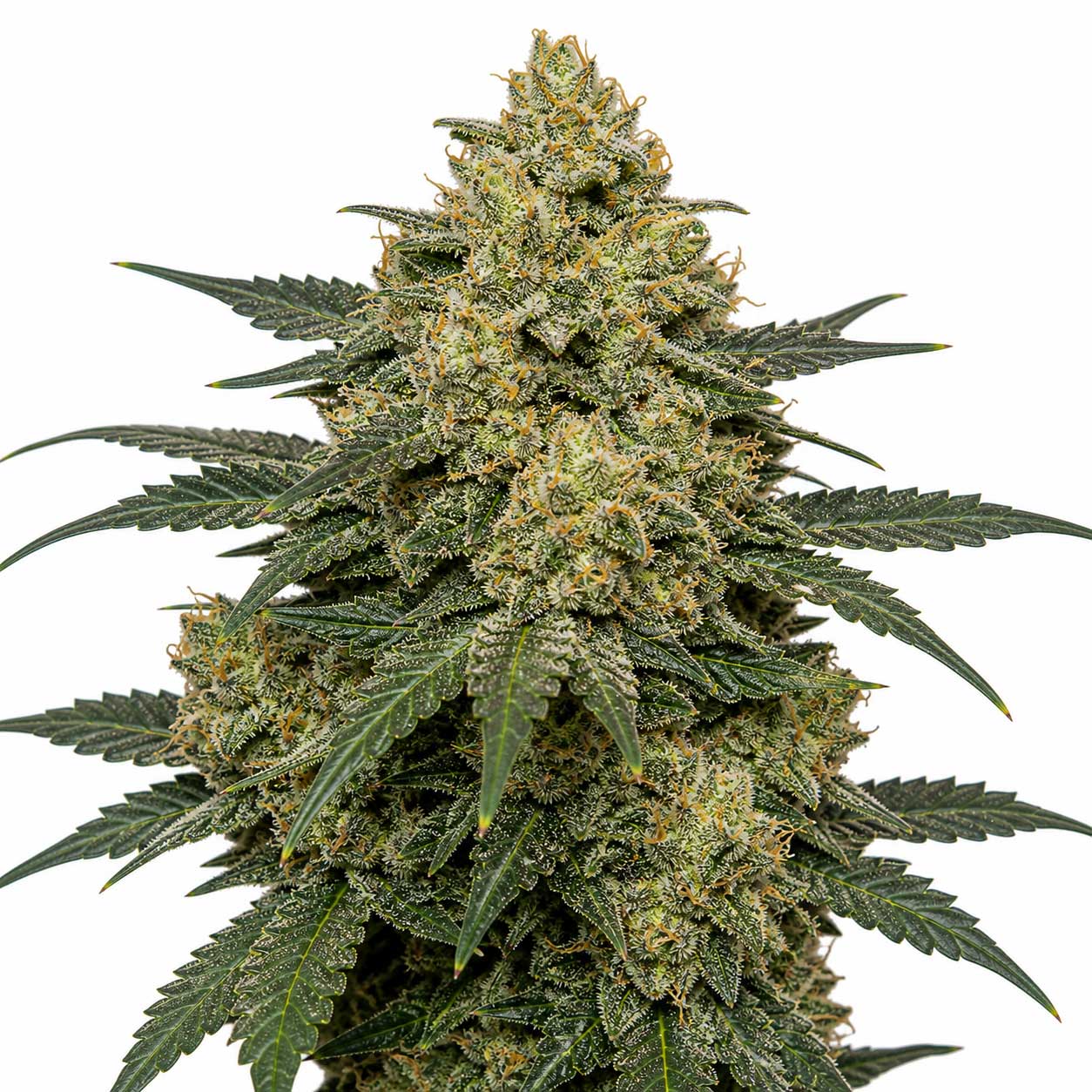
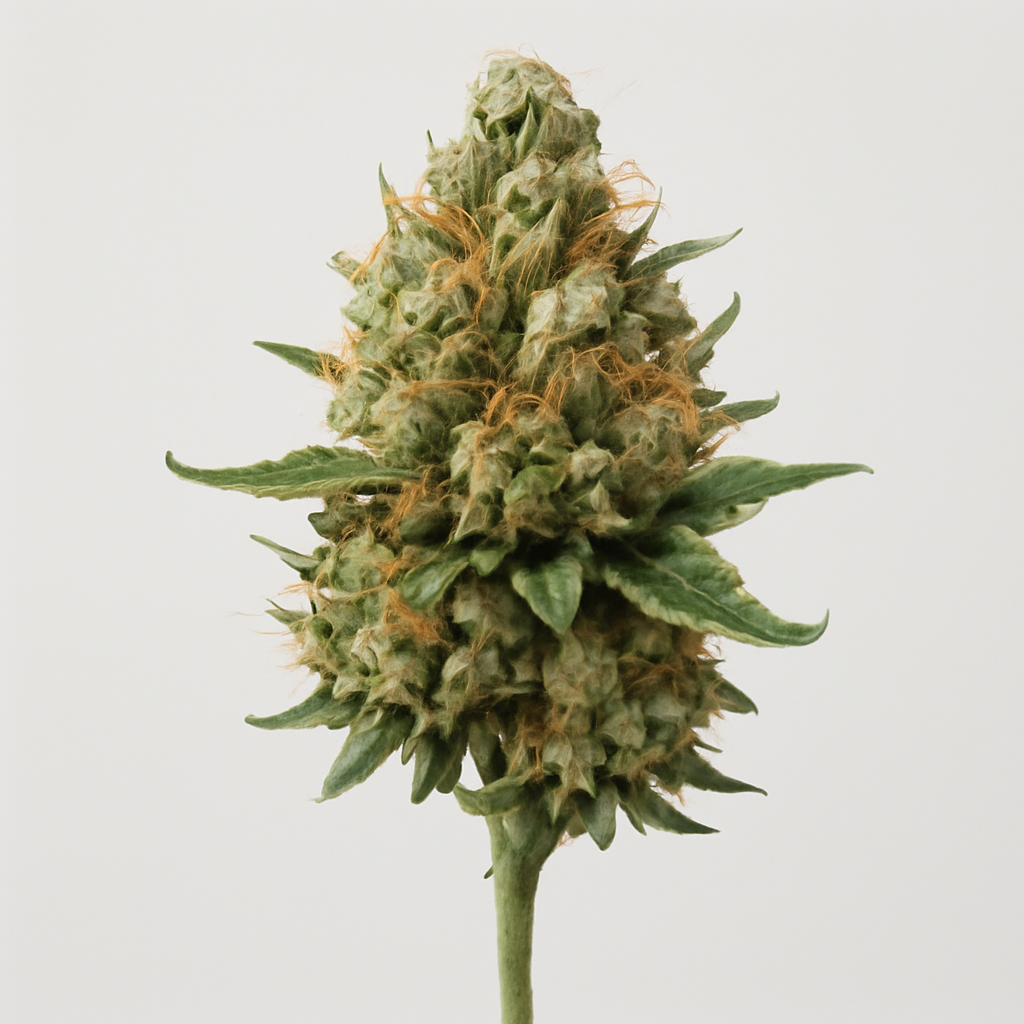
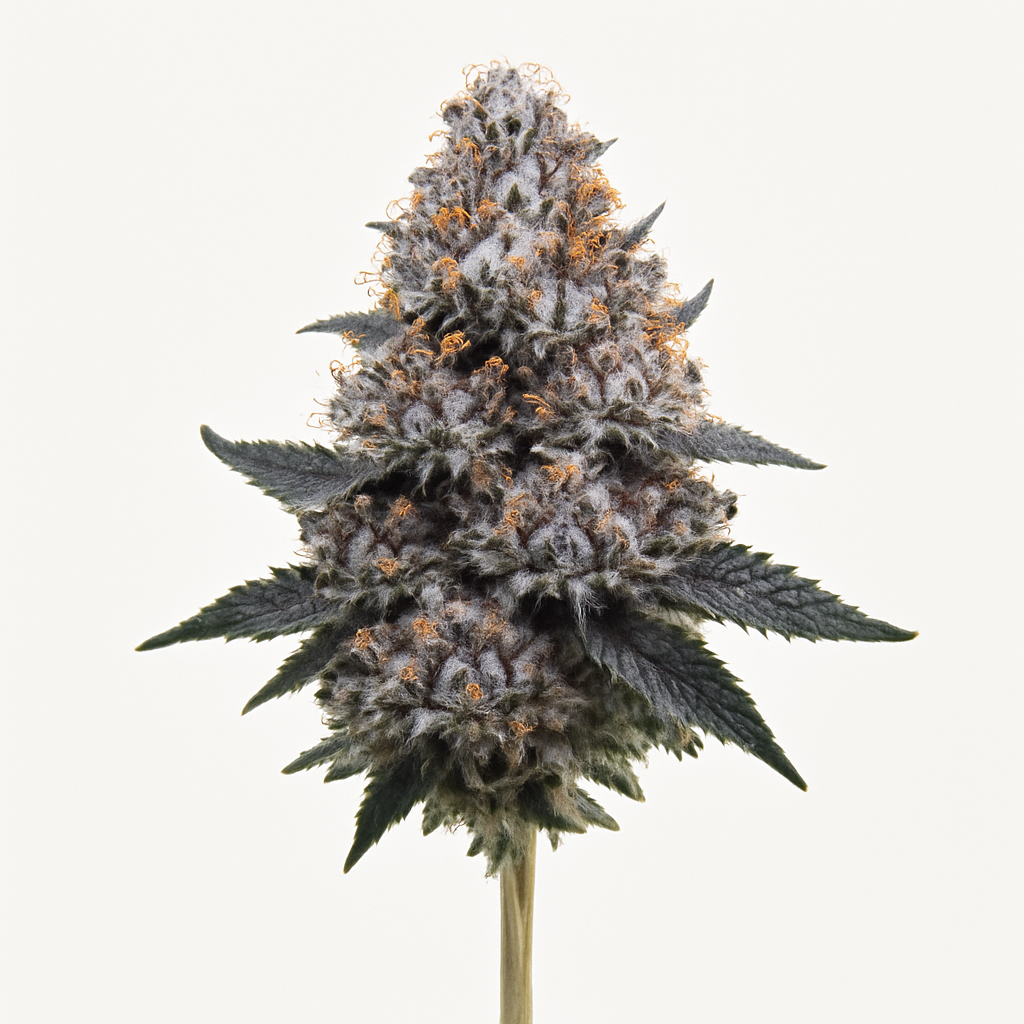
Lavender buds are usually dense and rounded to slightly spear-shaped, with a firm calyx structure and a heavy frost layer that can make the flower look almost powdered under direct light. Colors commonly range from sage and forest green to deeper violet tones, especially in cooler finishes, while the pistils often mature into burnt orange or copper threads.
Phenotype differences are noticeable in this cultivar. Some plants present a more compact, hashplant-like flower with dark, resin-rich surfaces, while others form airier tops with a little more stretch between calyxes. The trichome coverage is a defining visual cue either way, giving the buds a pale, silvery cast around the edges.
Effects & Use-Cases (Reported)
- Commonly reported effects: settled, euphoric, gently sedating, mentally softening, and unhurried
- Use-case context: often chosen for low-key evening sessions, quiet downtime, or after a long day when a calmer pace is preferred
- Body character: tends to move into the body gradually, with a warm, weighted finish rather than a sharp crash
- Note: These observations are anecdotal and do not constitute medical claims.
Observational Note: Lavender is usually described as more soothing than racy. The effect profile often begins with a slight mood lift before settling into a relaxed, low-friction state that pairs well with listening, reading, or staying in.
Potency Note: Even when the THC percentage is not extreme, the strain can feel substantial because of its resinous finish and the way the body effect builds. As with any cultivar, individual response depends on phenotype, harvest timing, and the user’s tolerance.
Aroma & Flavor Profile
- Aroma: floral lavender, earthy skunk, berry sweetness, herbal spice, and faint musk
- Flavor: perfumed lavender, sweet herbs, berry skin, black pepper, and damp earth
- Aftertaste: lingering floral-herbal notes with a mild spicy earth finish
- Terpene associations: commonly aligned with Linalool, Myrcene, and Caryophyllene.
For readers searching “Lavender strain aroma” or “Lavender weed flavor,” this cultivar usually lands in the floral-herbal lane rather than a dessert or citrus category. The profile can read soft and perfumed on the nose, then turn earthy and lightly peppery on the palate, which is part of what makes the strain memorable.
Tested Cannabinoid & Terpene Ranges
| Compound | Typical Range* | Notes |
|---|---|---|
| Δ⁹-THC | ~16–20% | Frequently moderate-to-strong, depending on cut and finish. |
| CBD | <0.5% | Usually minimal in conventional flower selections. |
| Linalool | ~0.25–0.75% | Often linked with the strain’s floral, perfumed impression. |
| Myrcene | ~0.20–0.60% | Can deepen the earthy, musky side of the aroma. |
| Caryophyllene | ~0.15–0.45% | Contributes a peppery, spice-forward finish. |
*Ranges are estimates and may vary by phenotype, harvest timing, and testing methods.
Cultivation Notes
- Light Cycle: 18/6 in vegetative growth; 12/12 to initiate flowering
- Humidity: Moderate to low humidity is preferred, with tighter control late in bloom
- Stretch: Usually modest, with a compact structure that responds well to canopy management
- Training: Tops readily to topping, low-stress training, and even canopy development
- Odor Control: Recommended, as the skunk and floral notes can become pronounced in flower
- Harvest Window: Approximately 8–9 weeks indoors
Lavender rewards steady environmental control more than aggressive intervention. Keep airflow moving through the lower canopy, avoid excess moisture in dense blooms, and use conservative feeding rather than pushing the plant into unnecessary stress. A cooler finish may help express darker coloration, though that result is phenotype-dependent.
Grower Notes (Week-by-Week Snapshot)
- Weeks 1–3: Early vertical growth is usually manageable, with compact nodes and quick establishment after transplant.
- Weeks 4–5: Flower sites begin stacking, resin production becomes noticeable, and the floral-skunk aroma starts to build.
- Weeks 6–8: Bud density increases sharply; support and airflow matter more as the tops gain weight.
- Weeks 9–10: Final ripening brings deeper scent complexity, fuller trichome coverage, and potential purple expression in cooler rooms.
Genetic Lineage
Lavender is generally documented as a DJ Short hybrid built from Super Skunk, Big Skunk Korean, and Afghani Hawaiian. In practical breeding terms, the Skunk lines are associated with dense flower structure, pungent depth, and resin output, while the Hawaiian component is often credited with lifting the aroma toward a softer, more floral register. Because historical strain records can differ across seed lines and cut-based selections, exact parent weighting is best treated as breeder-community consensus rather than laboratory-verified certainty.
Research Insights
Lavender remains important in modern strain catalogs because it represents an earlier era of aromatic breeding that prioritized layered terpenes and plant character rather than dessert naming conventions. In search results, it also fills a useful niche for consumers looking for floral cannabis profiles, purple-leaning aesthetics, and shorter indoor flowering windows. For breeders, it is a reminder that skunk-based genetics can still produce expressive, niche-forward flower when selected carefully.
Frequently Asked Questions
Who bred Lavender cannabis?
Lavender is most commonly attributed to DJ Short, whose work is closely associated with this cultivar and its older-school aromatic style.
What does Lavender strain smell like?
It is often described as floral and perfumed first, then earthy, spicy, and slightly skunky underneath.
Is Lavender more indica or sativa?
Lavender is generally classified as an indica-dominant hybrid with a compact growth habit and a calming reported effect profile.
How long does Lavender take to flower?
It typically finishes in about 8 to 9 weeks indoors, though phenotype and environment can shift the timing slightly.
Does Lavender produce purple buds?
Many phenotypes can show violet or dusky purple tones, especially when grown with cooler nighttime temperatures late in flower.
Educational Disclaimer: This page is provided strictly for scientific and horticultural reference. Cannabis cultivation, possession, and use are regulated by local laws. This content does not promote illegal activity or constitute medical advice. Always comply with applicable regulations in your jurisdiction.
Rate and review this strain
Ratings and reviews are accepted only from signed-in Google accounts.
Sign in with Google to leave a rating and written review.
Latest Reviews
0 reviewsNo reviews yet. Be the first Google user to rate and review this strain.