Shiskaberry (Cannabis Strain) — Strainpedia
Shiskaberry is an indica-dominant hybrid that leans into a dark berry profile rather than loud dessert confectionery. Its Blueberry and Afghan heritage gives the cultivar a compact, resin-heavy structure, with flavors that usually read as blueberry, plum, and earthy hash rather than bright citrus or cream.
In the garden, Shiskaberry tends to finish in a relatively short indoor window and often produces buds with deep green to purple coloration, depending on temperature and phenotype. In use, it is often described as gently euphoric at first, then increasingly physically settling, which is why it remains a familiar choice for evening-focused menus and classic indica collections.
Quick Facts
| Genetics | Blueberry x Afghan |
|---|---|
| Original Breeder | Barney’s Farm |
| Variety | Indica-dominant Hybrid |
| Flowering Time | Approximately 8–9 weeks indoors |
| Yield Potential | Moderate to above average indoors; strong when well dialed-in |
| Plant Height | Short to medium |
| Climate Preference | Warm, dry, controlled indoor environments with good airflow |
| Difficulty | Moderate |
Strain Classification
| Type | Indica-dominant Hybrid |
|---|---|
| Genetic Family | Blueberry-descended berry hybrid with Afghan indica influence |
| Primary Terpenes | Myrcene, caryophyllene, limonene* |
| Original Breeder | Barney’s Farm |
| Breeding Lineage | Blueberry crossed with Afghan heritage, selected for compact growth, resin production, and a sweet-fruit profile |
*Exact terpene dominance may vary by phenotype and cultivation method.
Scientific & Botanical Overview
From a botanical standpoint, Shiskaberry reflects a classic indica-leaning architecture: short internodal spacing, broad leaflets, and flowers that mature into dense, weighty colas. That structure is consistent with Afghan-derived material, while the Blueberry side is commonly associated with the cultivar’s fruit-forward aromatic direction and darker visual expression in some phenotypes.
Breeders and growers often value cultivars like Shiskaberry for their relatively compact morphology and predictable indoor finishing time. Its resin output and floral density make it a practical choice for flower production, while the terpene profile gives the strain a distinctive place within the broader family of berry-skewed hybrids that shaped late-1990s and early-2000s cannabis breeding.
Appearance
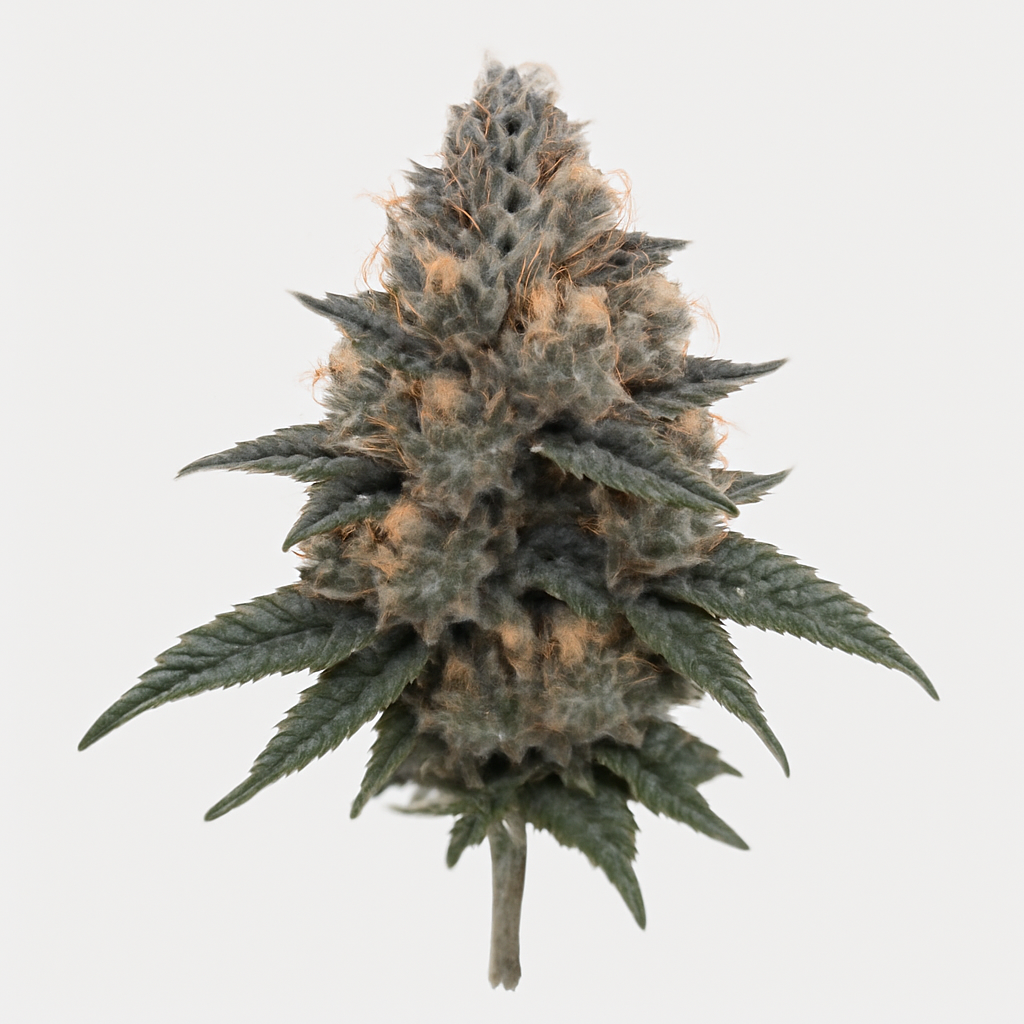
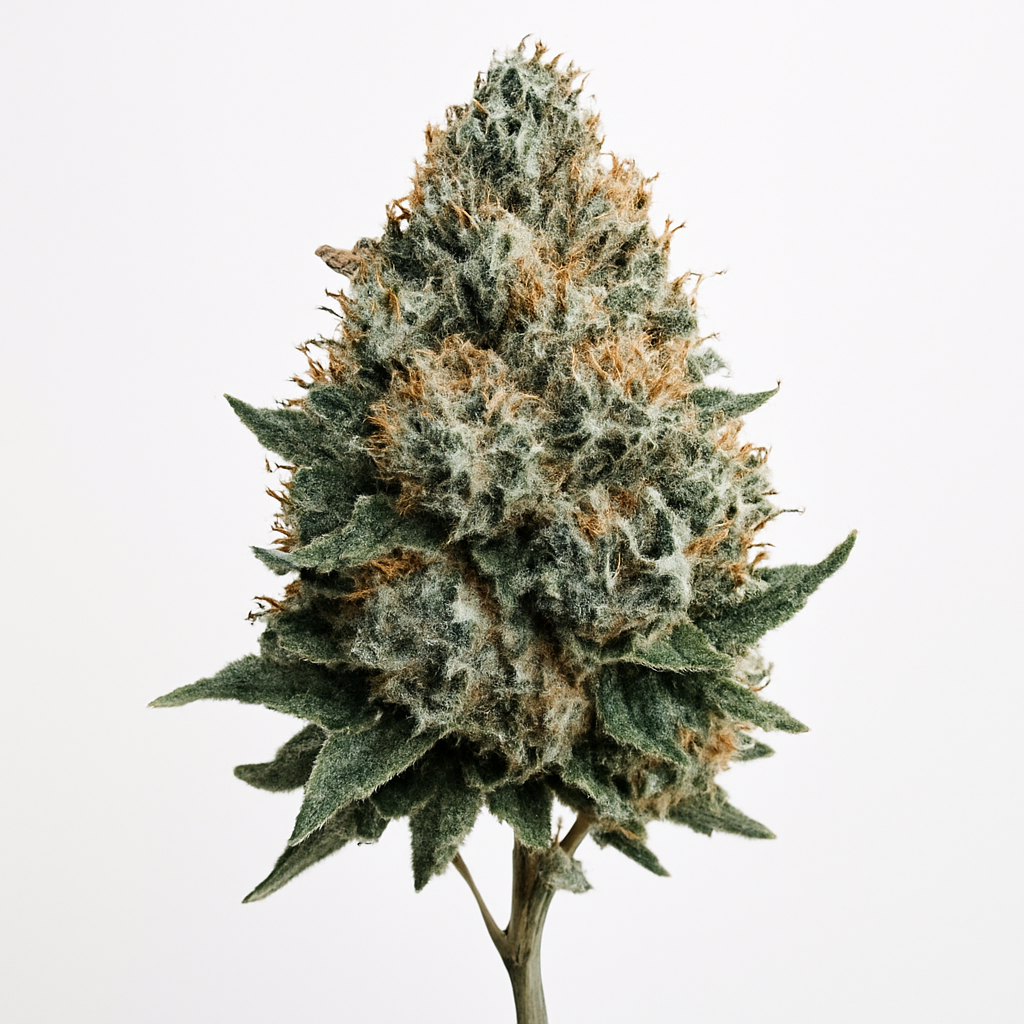
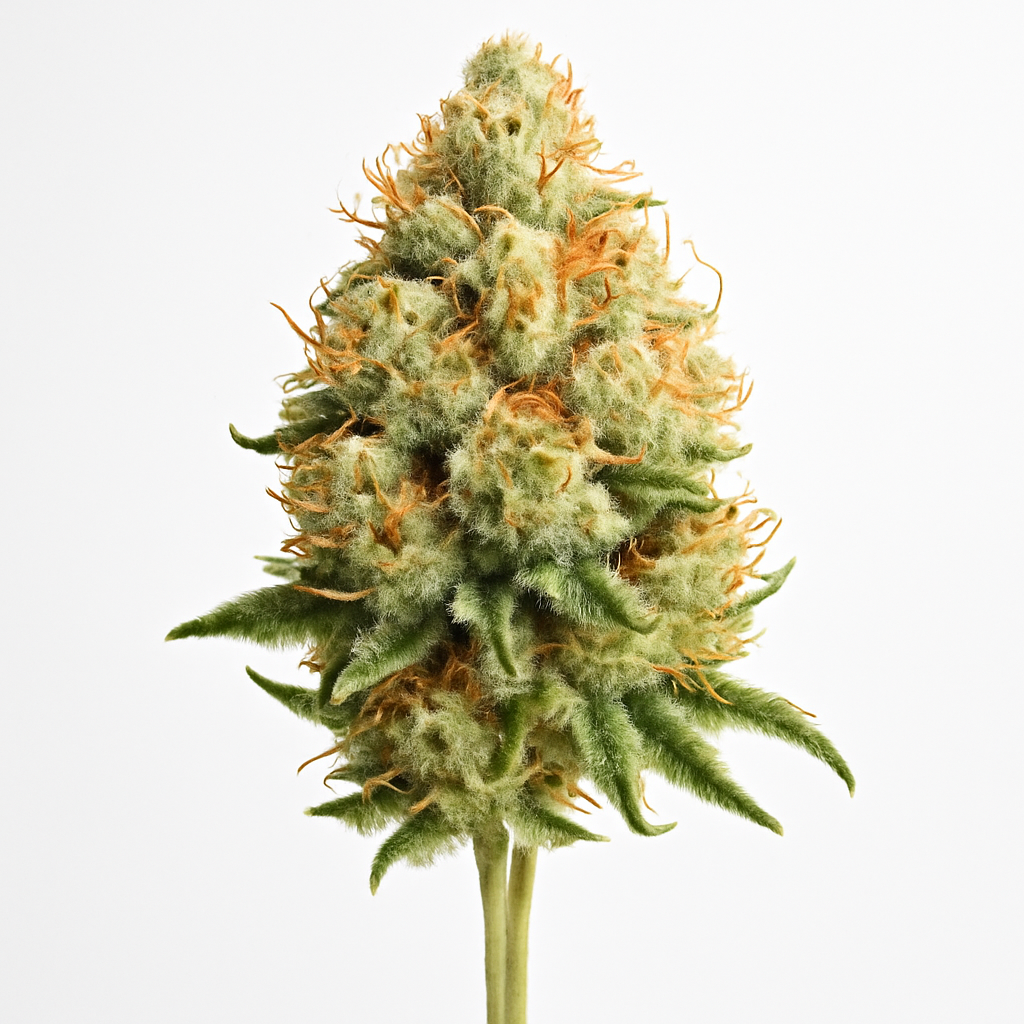
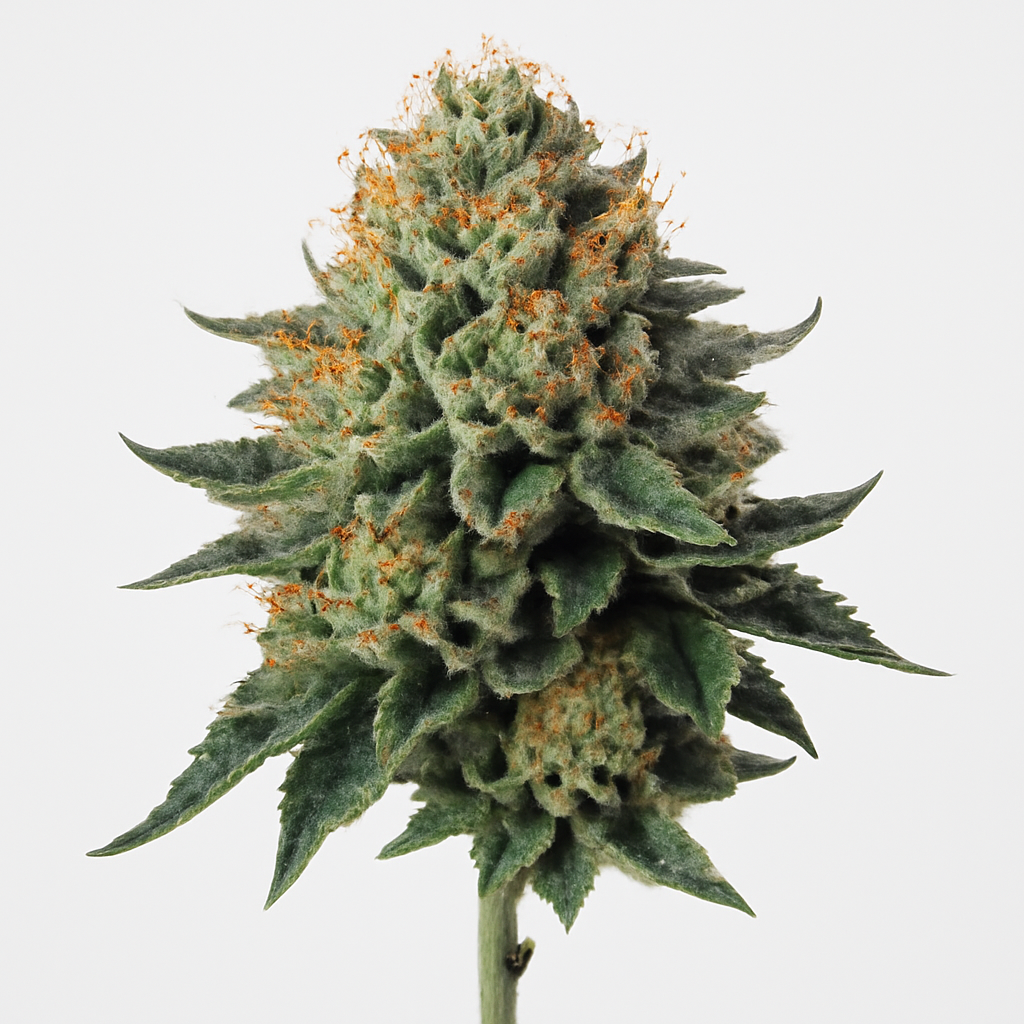
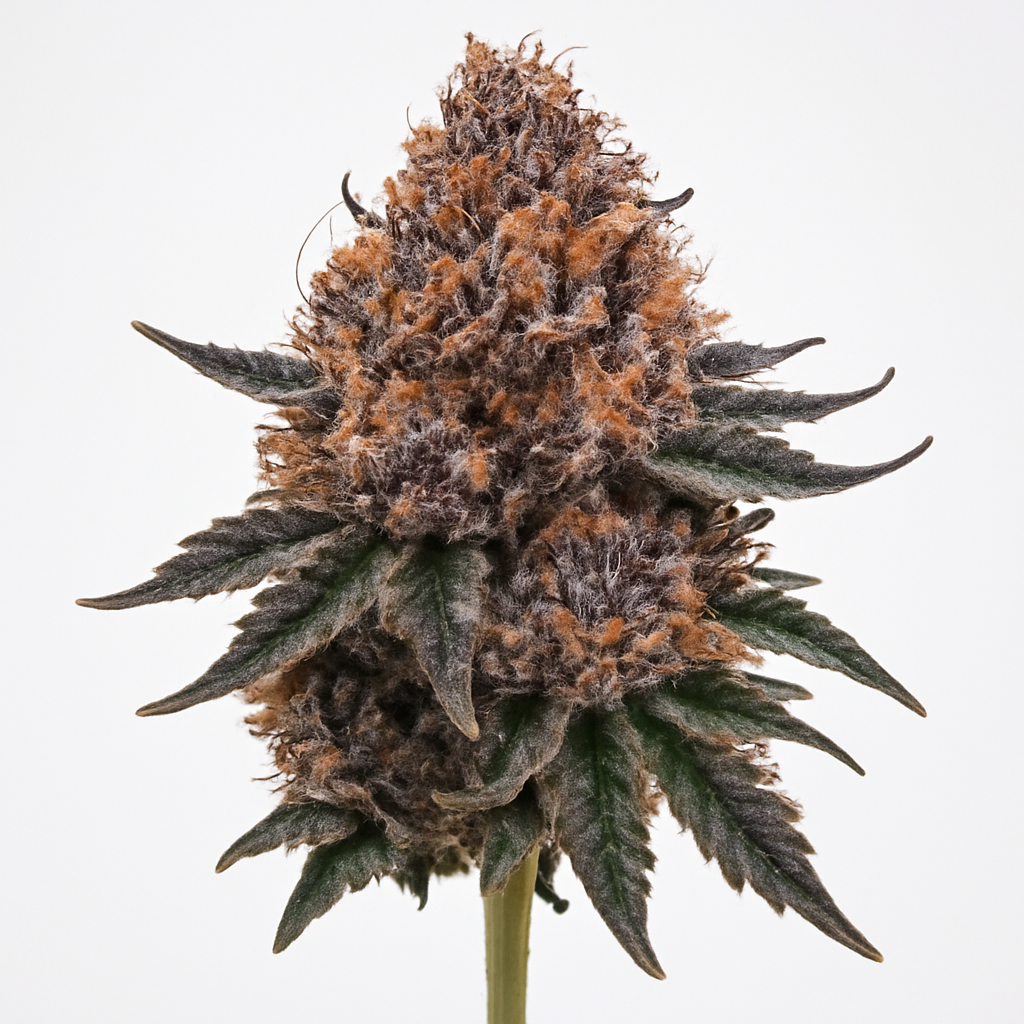
Shiskaberry buds usually present as compact, tightly formed nuggets with a heavy central core. The flowers often carry a dark green base color, with some phenotypes showing purple wash or near-plum shading in the calyxes and sugar leaves.
Orange to rust-colored pistils are common, but the trichome layer is what most often defines the finished flower: a thick frost that can make the buds appear almost silvery at a glance. Variation between cuts is real, with some expressions leaning more colorful and others staying greener and more subdued, but the overall impression is dense, mature, and resin-rich.
Effects & Use-Cases (Reported)
- Commonly reported effects: calm onset, light mood lift, body relaxation, reduced mental speed, sleepy finish at higher doses
- Use-case context: often chosen for late afternoon or evening sessions when a quieter pace and a low-key setting are preferred
- Body character: usually described as warm, settling, and progressively heavier rather than sharply buzzy
- Note: These observations are anecdotal and do not constitute medical claims.
Observational Note: Shiskaberry tends to start with a soft, friendly lift before moving into a more grounded, physically easing experience. The effect profile is not usually flashy; instead, it reads as steady and increasingly unhurried.
Potency Note: With THC often landing in the high-teens to low-20s, the strain can feel deceptively smooth at first. More seasoned users often describe the build as gradual, with the heavier side of the experience becoming more obvious over time.
Aroma & Flavor Profile
- Aroma: ripe berry, damp earth, sweet spice, dried fruit, faint hash
- Flavor: blueberry, plum skin, herbal wood, sugary earth, soft hashy exhale
- Aftertaste: lingering berry sweetness with an earthy, slightly woody close
- Terpene associations: commonly aligned with myrcene, caryophyllene, and limonene.
For searchers comparing Shiskaberry flavor, aroma, and effects, the strain usually stands out as a berry-dominant indica with a grounded finish rather than a candy-sweet profile. It fits neatly into the old-school blueberry lane, but the Afghan influence keeps the aroma darker, heavier, and more herbal than modern fruit-dessert hybrids.
Tested Cannabinoid & Terpene Ranges
| Compound | Typical Range* | Notes |
|---|---|---|
| Δ⁹-THC | ~18–22% | Often sufficient to deliver a noticeably relaxing profile without feeling extreme at moderate doses. |
| CBD | <0.5% | Typically minimal in lab-tested flower. |
| Myrcene | ~0.20–0.60% | Frequently associated with the strain’s earthy, musky depth and heavier body feel. |
| Caryophyllene | ~0.10–0.35% | Can add peppery spice and a dry, hash-like edge to the finish. |
| Limonene | ~0.05–0.20% | May contribute a faint lift that softens the darker berry base. |
*Ranges are estimates and may vary by phenotype, harvest timing, and testing methods.
Cultivation Notes
- Light Cycle: 18/6 in veg; 12/12 for flowering indoors
- Humidity: Moderate in early flower, then reduced to help preserve dense buds
- Stretch: Usually limited to moderate, with compact side branching
- Training: Responds well to low-stress training and light canopy shaping
- Odor Control: Recommended once flowering resin and berry funk begin to intensify
- Harvest Window: Approximately 8–9 weeks indoors
Shiskaberry suits growers who can keep the canopy even and manage moisture carefully in later bloom. Because the buds are compact, airflow around the inner sites matters, especially if the room runs humid or the flowers stack tightly. Cooler nights can help deepen coloration, but excessive temperature swings are not necessary for good results.
Grower Notes (Week-by-Week Snapshot)
- Weeks 1–3: Vegetative growth is generally compact, with sturdy stems and broad leaves building a short, manageable frame.
- Weeks 4–5: Flower sets begin to stack tightly, and the plant often shows early resin on sugar leaves and upper bud sites.
- Weeks 6–8: Buds swell noticeably, aromas turn sweeter and earthier, and leaf color may darken depending on environment.
- Weeks 9–10: Final maturation emphasizes density, trichome coverage, and a deeper berry-hash finish as harvest approaches.
Genetic Lineage
Shiskaberry is generally described as a Blueberry x Afghan cross, with the exact selection and naming sometimes varying slightly across references. Blueberry is typically credited with bringing the sweet fruit character and colorful expressions, while Afghan lines are valued for dense flower structure, shorter flowering, and heavy resin development.
That combination helps explain why Shiskaberry feels so distinctly old-school: the fruit note is present, but it is grounded by an earthy, hashy base that keeps the profile from drifting into dessert territory. In breeding terms, it sits comfortably among the berry hybrids that helped define a large part of modern indica-leaning cannabis aromatics.
Research Insights
Shiskaberry remains relevant because it represents a clear, documented bridge between classic Blueberry breeding and Afghan-heavy indica structure. In modern menus, it offers a recognizable alternative to louder, sweeter dessert strains, giving consumers and breeders a more traditional berry expression with shorter finishing time and a compact plant habit. That makes it useful in both search-driven strain discovery and practical cultivation discussions, especially for growers comparing legacy fruit strains to newer candy-forward hybrids.
Frequently Asked Questions
Is Shiskaberry an indica or sativa?
Shiskaberry is generally classified as an indica-dominant hybrid, with growth traits and reported effects that lean heavily toward the indica side.
What does Shiskaberry taste like?
Its flavor is usually described as blueberry, plum, earthy wood, and a mild hashy finish rather than a bright candy profile.
How long does Shiskaberry take to flower?
Most references place the flowering time at approximately 8 to 9 weeks indoors, though phenotype and environment can shift that slightly.
Is Shiskaberry hard to grow?
It is usually considered moderate in difficulty. The compact structure is manageable, but dense flowers make airflow and humidity control important.
What kind of effects are commonly reported?
Users often describe a calm, physically soothing experience with a mild lift at first and a heavier finish as the session continues.
Educational Disclaimer: This page is provided strictly for scientific and horticultural reference. Cannabis cultivation, possession, and use are regulated by local laws. This content does not promote illegal activity or constitute medical advice. Always comply with applicable regulations in your jurisdiction.
Rate and review this strain
Ratings and reviews are accepted only from signed-in Google accounts.
Sign in with Google to leave a rating and written review.
Latest Reviews
0 reviewsNo reviews yet. Be the first Google user to rate and review this strain.