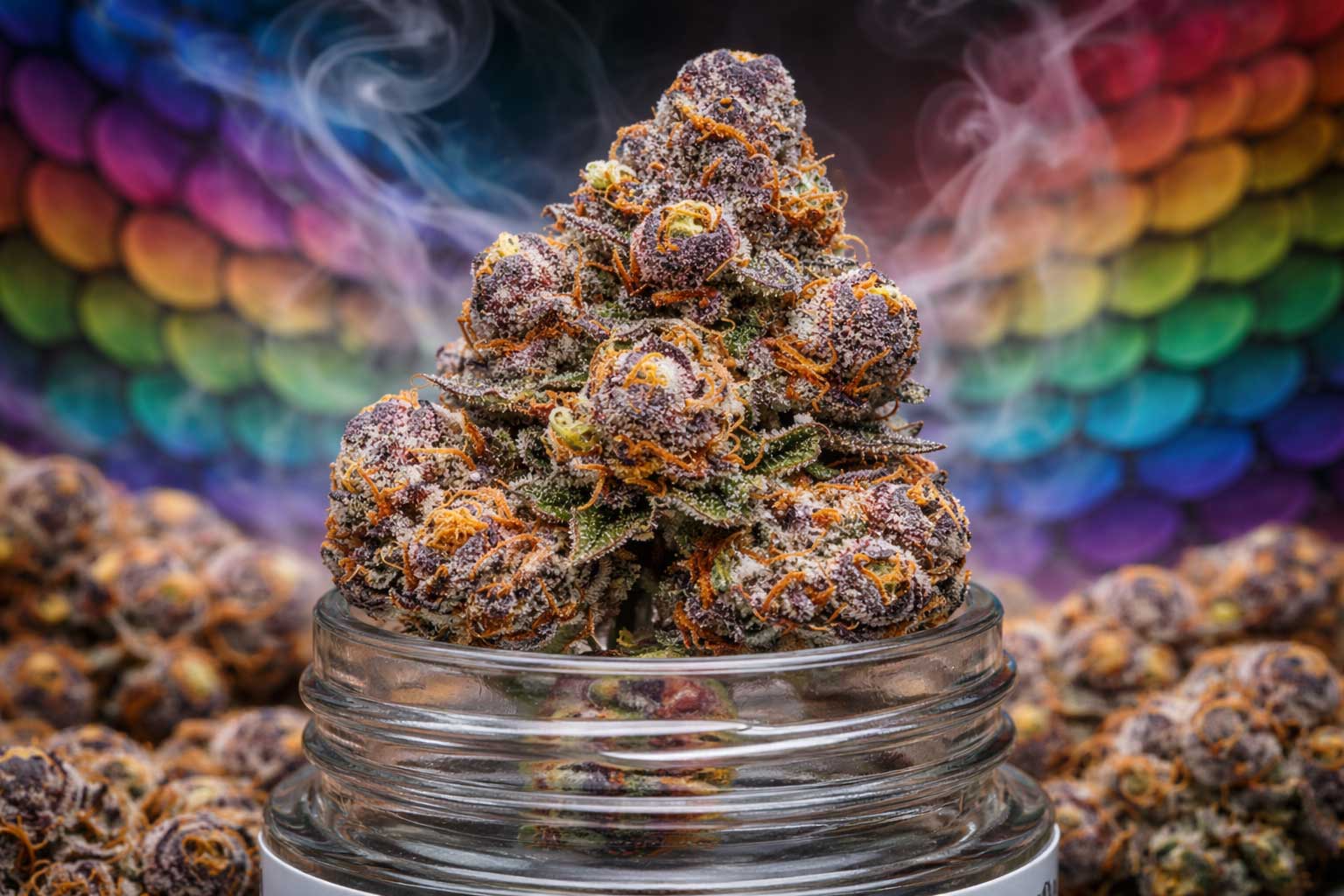
Rainbow Dragon’s Fire F1 (Cannabis Strain) — Strainpedia
Rainbow Dragon’s Fire F1 is an exotic Sativa cultivar known for its landrace-heavy genetic background and high-energy cerebral effects. Developed from elite genetics associated with Snow High Seeds and popularized in 2026 through small-format releases by boutique producers such as Smash Hits, this strain gained attention as a premium “genetic sampler” for users seeking true F1 hybrid vigor without committing to bulk flower purchases. Rainbow Dragon’s Fire F1 is frequently praised for its tropical candy haze aroma, psychedelic sativa clarity, and uniquely varied phenotype expression. The information below is intended strictly for scientific and botanical reference.
Quick Facts
| Genetics | (Angola Red x Thai x Purple Thai) x (Lemon Thai x Burmese x Purple Vietnamese) |
|---|---|
| Breeder | Snow High Seeds (Genetics) |
| Popularized By | Smash Hits (Cultivation / 2026 sampling formats) |
| Status | F1 Hybrid (First Generation Cross) |
| Variety | Sativa (commonly described as 100% Sativa) |
| Flowering Time | 63–70 days (approx. 9–10 weeks indoors) |
| Yield Potential | Moderate to High (reported; phenotype dependent) |
| Plant Height | Tall; extreme stretch and vigorous vertical growth |
| Climate Preference | Controlled Indoor or Tropical Outdoor (requires vertical space) |
| Difficulty | Advanced (requires strong canopy management and training) |
Scientific & Botanical Overview
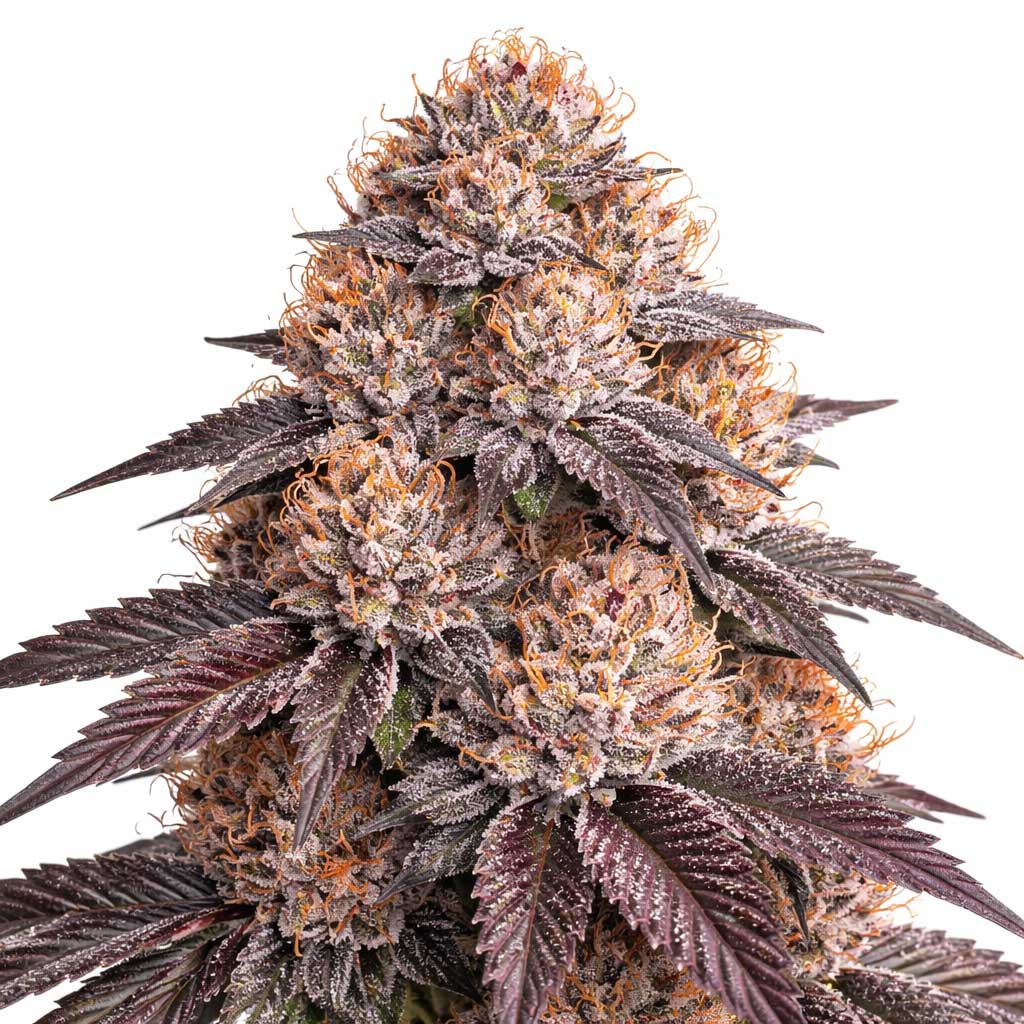
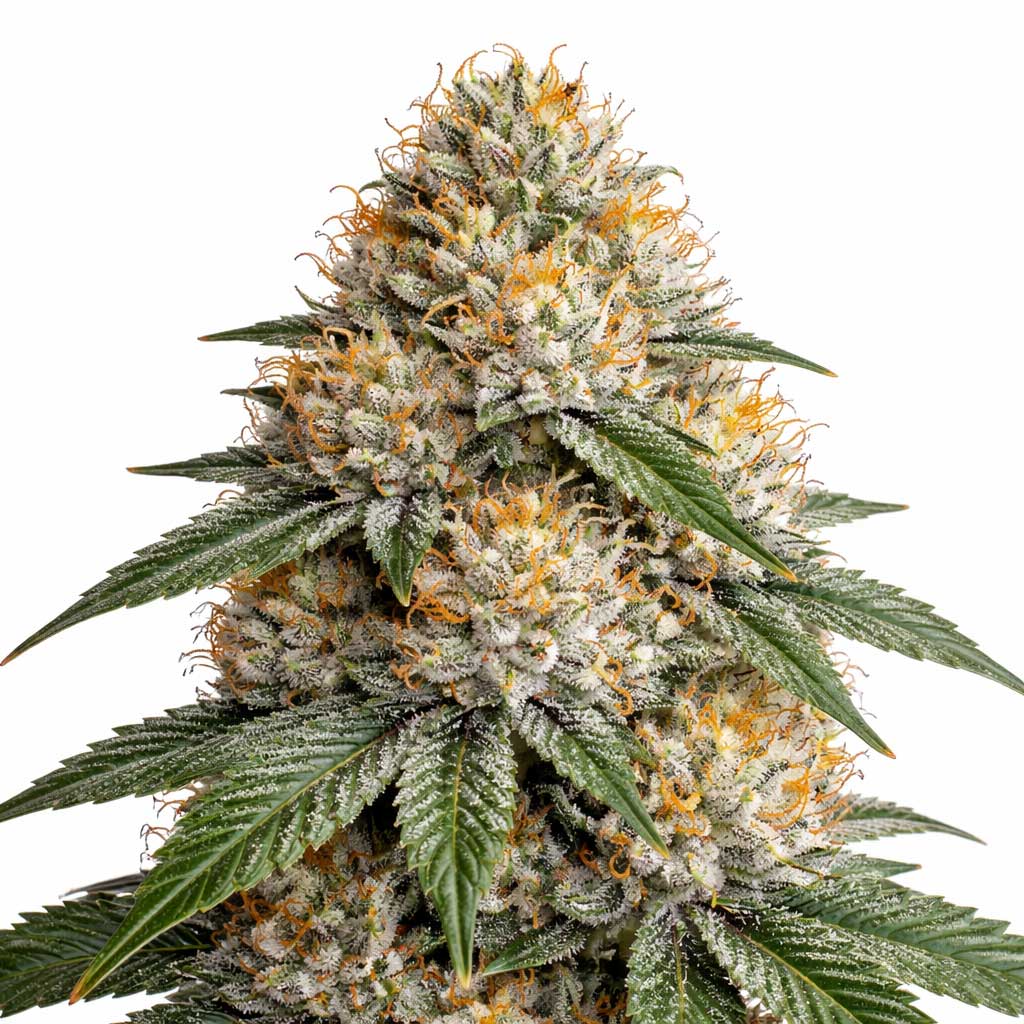
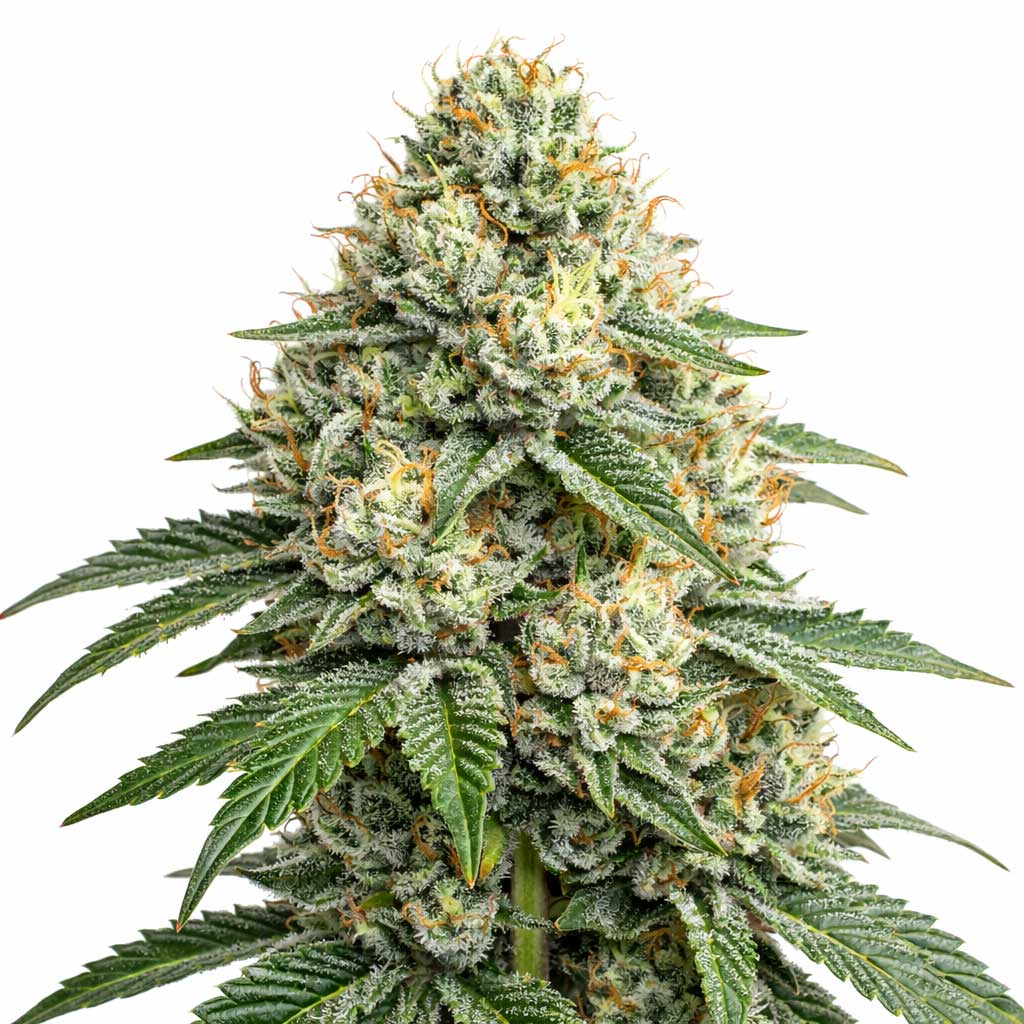
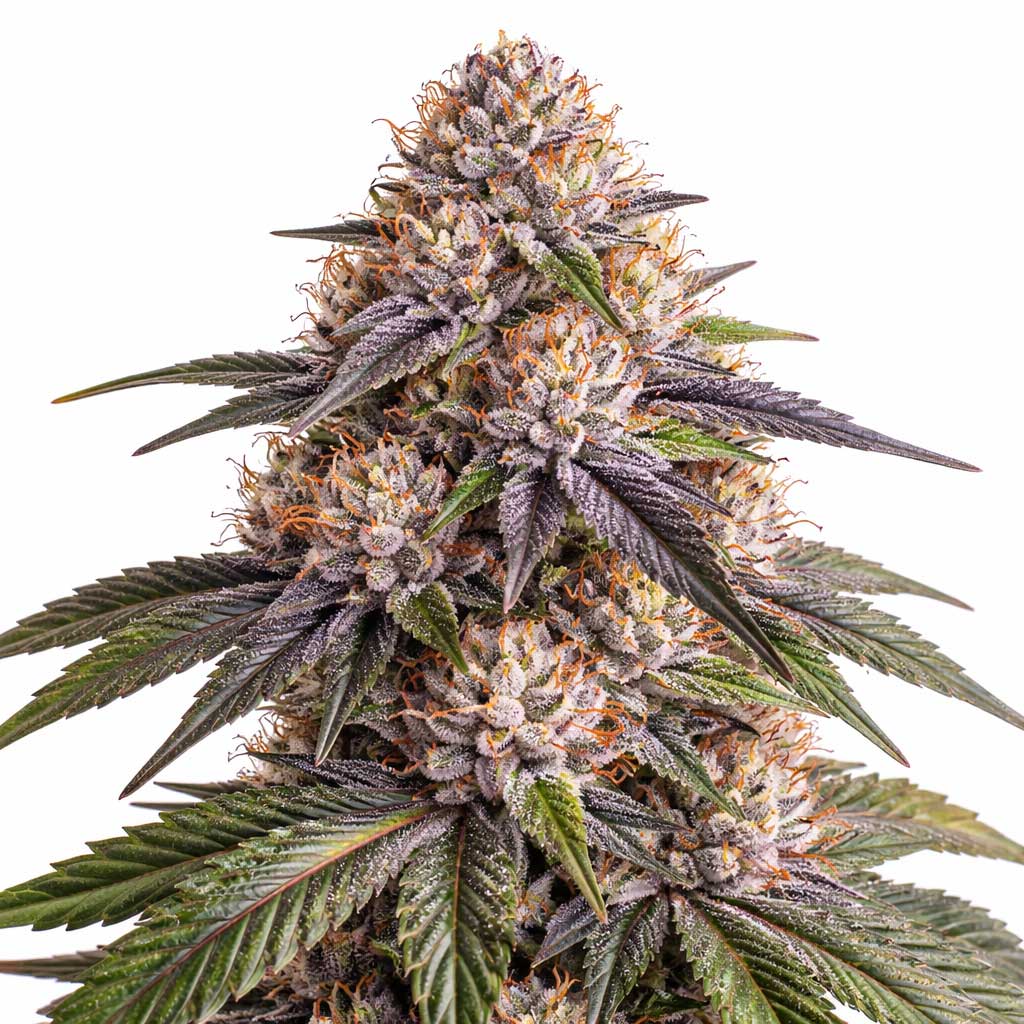
Rainbow Dragon’s Fire F1 is widely described as a high-vigor sativa cultivar with pronounced phenotype variation, consistent with first-generation F1 hybrids. Plants typically stretch aggressively during early flower and require significant vertical space or advanced training systems. Bud structure is often conical and spear-like, forming dense resinous “sativa spears” rather than compact indica-style flowers. Coloration is commonly forest green with vivid purple streaks, sometimes accompanied by tiger-striped bracts. Due to its landrace-heavy background, the strain may exhibit unique growth patterns and highly expressive aromatic development throughout the flowering cycle.

Effects & Use-Cases (Reported)
- Commonly reported effects: immediate mental launch, energetic euphoria, creative stimulation, anti-fatigue clarity, and long-lasting cerebral intensity.
- Use-case context: often selected for morning productivity, creative deep-work sessions, social jam environments, and high-energy daytime activity.
- Duration reports: effects are often described as long-lasting (commonly reported 3+ hours), consistent with intense sativa-style stimulation.
- Note: These are observational reports, not medical claims; outcomes are not guaranteed.
Aroma & Flavors
- Aroma: bright tropical candy haze featuring citrus fruit, lemon-berry sweetness, and a distinct old-school incense backbone.
- Flavor: intense lemon candy and fruity citrus on the inhale, followed by earthy spice and deep incense haze undertones on the exhale.
- Terpene associations: limonene, pinene, myrcene.
Tested Cannabinoid & Terpene Ranges
| Compound | Typical Range* | Notes |
|---|---|---|
| Δ⁹-THC | ~20–25% (reported; some phenotypes up to ~30%) | Potency varies due to F1 phenotype expression and selection differences. |
| CBD | ~0–1% | Generally present at low, trace levels. |
| Limonene | Not quantified | Associated with citrus punch, candy brightness, and mood elevation. |
| Pinene | Not quantified | Associated with mental clarity, alertness, and sharp terpene definition. |
| Myrcene | Not quantified | Associated with earthy haze undertones and aromatic depth. |
| Terpene Profile | Tropical Candy / Incense Haze | Lemon berry candy, citrus blast, earthy spice, incense finish. |
*Ranges are literature- and lab-report-informed references and can differ with environment, harvest timing, post-harvest handling, and analytical methods.
Cultivation Notes
- Light Cycle: 18/6 vegetative; 12/12 flowering
- Humidity Targets: 45–55% during flower; strong airflow recommended due to tall branching structure
- Nutrition: Moderate feeder; avoid overfeeding during stretch; stable bloom nutrition improves resin spear formation
- Training: SCROG, supercropping, topping, and trellis systems strongly recommended due to extreme stretch
- Vertical Space: requires tall tents or open ceiling environments; early training is critical for height control
- Harvest Window: Mid-to-late October outdoors (Northern Hemisphere), depending on finishing time
Grower Notes (Week-by-Week Snapshot)
- Weeks 1–2 (Transition/Stretch): aggressive stretch begins; apply topping and training early; establish trellis to prevent vertical runaway growth.
- Weeks 3–4: flower spears form; remove weak lower sites; improve airflow through strategic defoliation.
- Weeks 5–7: resin development accelerates; aroma intensifies into tropical candy haze and incense spice; maintain stable environment.
- Weeks 8–9: bud density increases; coloration may show purple streaks; continue airflow control to protect spear colas.
- Weeks 9–10: ripening phase; harvest based on trichome maturity (mostly cloudy for maximum mental energy and clarity).
- Post-Harvest: Dry 18–20 °C, 55–60% RH to preserve citrus candy terpenes and prevent aromatic loss during cure.
Timelines shift with genotype and environment; prioritize plant health markers and trichome maturity over calendar counts.
Genetic Lineage
Rainbow Dragon’s Fire F1 is a landrace-heavy cross combining ancestral genetics from multiple global sativa regions. The maternal side is described as Angola Red x Thai x Purple Thai, delivering strong cerebral drive and classic old-school sativa structure. The paternal side incorporates Lemon Thai x Burmese x Purple Vietnamese, contributing citrus brightness, focused clarity, and additional aromatic complexity. As a true F1 hybrid, the cultivar is known for strong hybrid vigor and highly variable phenotype expression, making it a popular “sampling strain” for users and growers seeking unique one-of-one expressions.
Research Insights
The long-lasting mental stimulation commonly reported with Rainbow Dragon’s Fire F1 aligns with classic high-energy sativa pharmacology and terpene synergy. Citrus-forward aromatic dominance is often associated with limonene, while the strain’s reported clarity and “focused creativity” may relate to terpene contributions such as pinene. Earthy incense haze undertones are frequently linked to myrcene and complex landrace-derived volatile compounds. The strain’s popularity in 2026 also reflects a growing interest in F1 hybrid “wildcards,” where the combination of hybrid vigor and phenotype variation can create unusually intense and distinctive entourage effect outcomes compared to stabilized backcross lines.
Frequently Asked Questions
Is Rainbow Dragon’s Fire F1 an Indica or Sativa?
Rainbow Dragon’s Fire F1 is commonly described as a 100% Sativa, known for long-lasting energy, creative stimulation, and strong cerebral effects.
What does Rainbow Dragon’s Fire F1 smell and taste like?
It features a tropical candy haze aroma with lemon-berry sweetness and a spicy incense finish, often described as a citrus explosion with old-school depth.
What are the typical effects?
Reported effects include immediate mental uplift, anti-fatigue stimulation, creative clarity, and long-lasting energetic euphoria.
How long does Rainbow Dragon’s Fire F1 take to flower?
Rainbow Dragon’s Fire F1 typically flowers in 63–70 days (about 9–10 weeks) indoors.
Is it suitable for beginners?
This cultivar is generally considered Advanced in difficulty due to extreme stretch and phenotype variation common in F1 hybrids, requiring strong training and vertical space.
Educational Disclaimer: This page is provided for scientific and horticultural reference only and does not constitute medical or promotional advice. Cannabis cultivation, possession, and use are regulated by local laws. Always comply with applicable legislation in your region.

Rate and review this strain
Ratings and reviews are accepted only from signed-in Google accounts.
Sign in with Google to leave a rating and written review.
Latest Reviews
0 reviewsNo reviews yet. Be the first Google user to rate and review this strain.