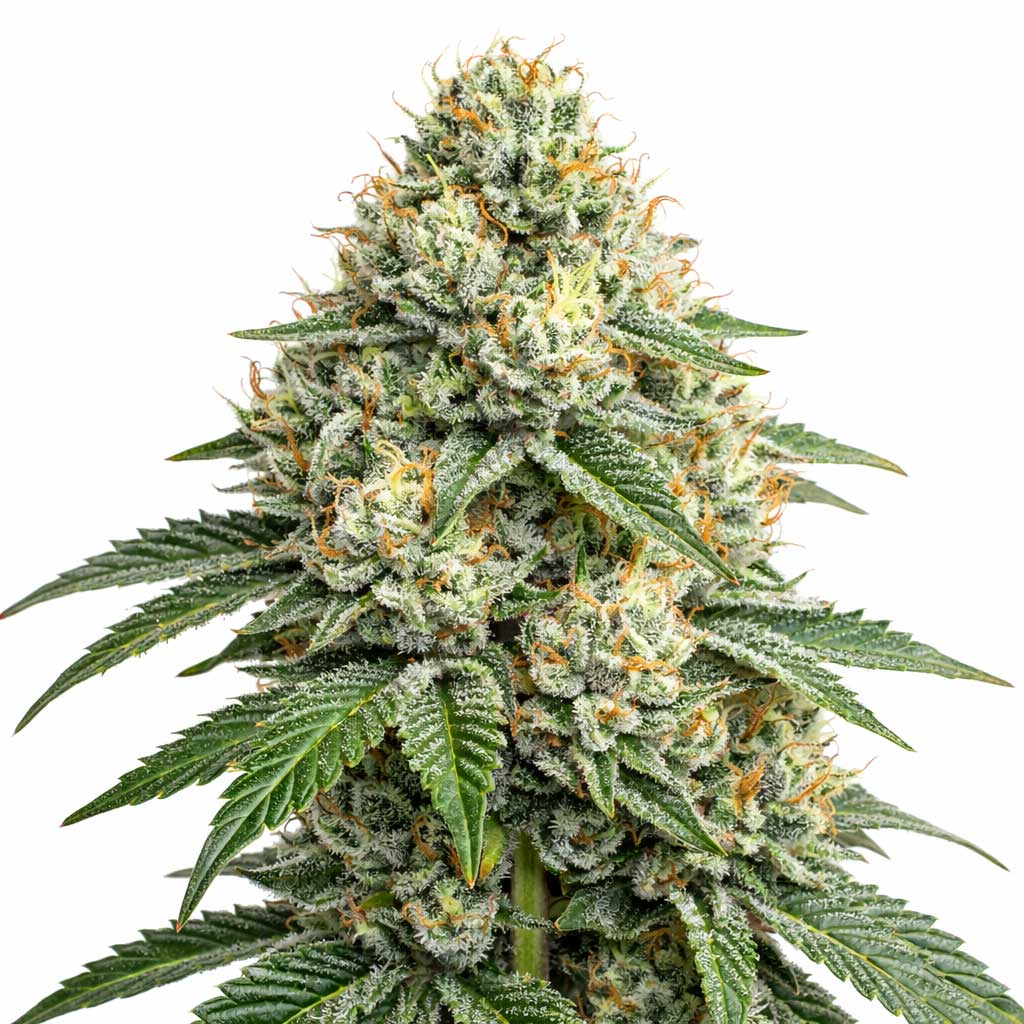
Khalifa Kush (Cannabis Strain)
Khalifa Kush (commonly referred to as KK) remains a top-tier request in dispensaries throughout 2026, maintaining its status as one of the most coveted indica-dominant hybrid cultivars in the global market. Originally bred specifically for the multi-platinum artist Wiz Khalifa, this descendant of OG Kush was engineered to provide a “tuned” experience: a hard-hitting cerebral lift paired with a heavy, yet non-sedative, physical buzz. It represents the gold standard of “designer” OG genetics, balancing high-potency lemon-gas aromatics with elite bag appeal.
While the exact lineage is a closely guarded secret of the Khalifa Kush brand, it is widely recognized as a specialized phenotype of OG Kush, potentially backcrossed with other heavy-hitting California “gas” strains. It remains a “premium-tier” staple for those who demand the classic West Coast fuel profile with a refined, modern finish. The information below is provided strictly for scientific and botanical reference.
Quick Facts
| Feature | Details |
|---|---|
| Original Breeder | RiverRock Cannabis (for Khalifa Kush) |
| Genetics | Specialized OG Kush descendant (Proprietary) |
| Variety | Indica-dominant hybrid (80/20) |
| THC Range | Commonly 24%–29%+, noted for exceptional resin potency |
| Flowering Time | 9 weeks (approx. 63 days) |
| Yield Class | Moderate; focuses on terpene purity and resin mass |
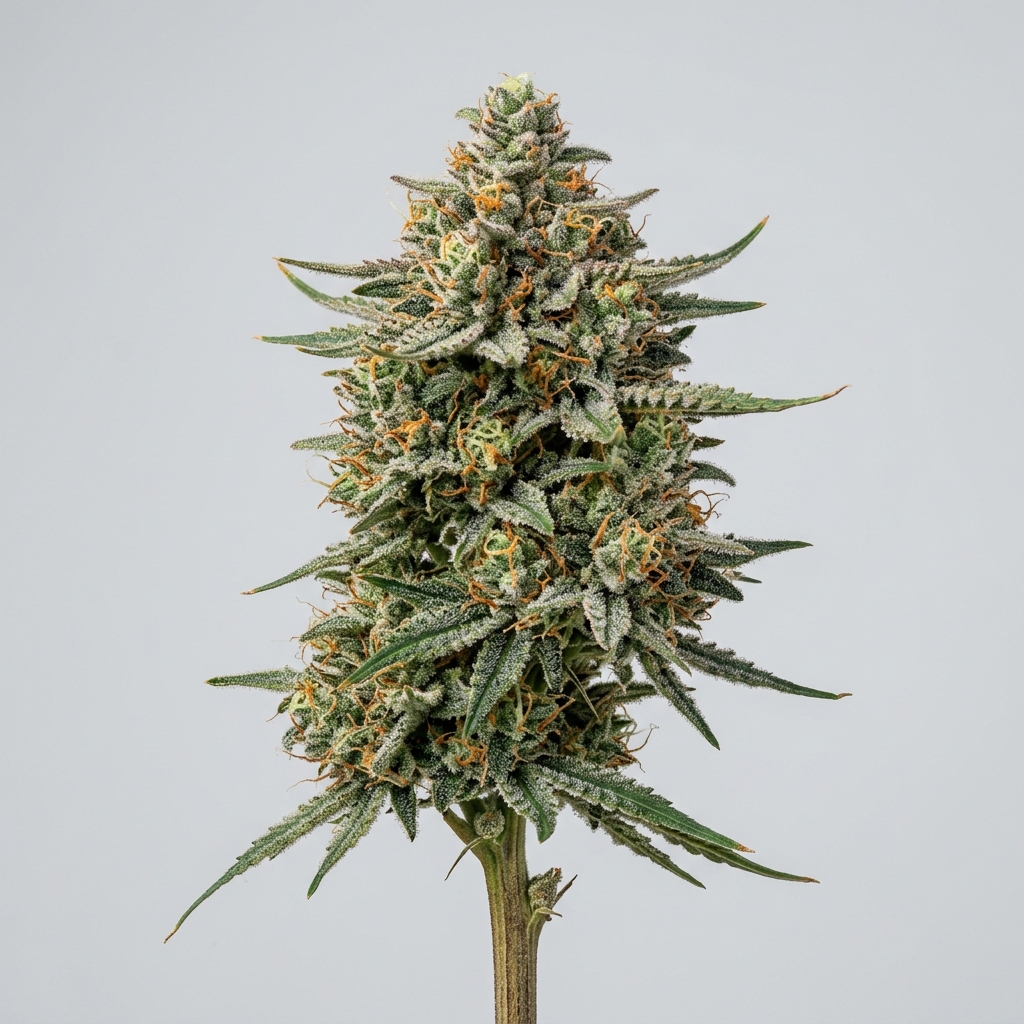
| Plant Structure | Classic OG frame: lanky, “vine-like” stems with medium-sized, rock-hard, lime-green buds |
| Canopy Behavior | Aggressive vertical stretch (2x–3x); requires multi-point structural support |
| Climate Preference | Warm, dry environments with high CO2 saturation for maximum THC expression |
| Grower Difficulty | Advanced; requires precise environmental tuning and heavy nutrient management |
Scientific & Botanical Overview
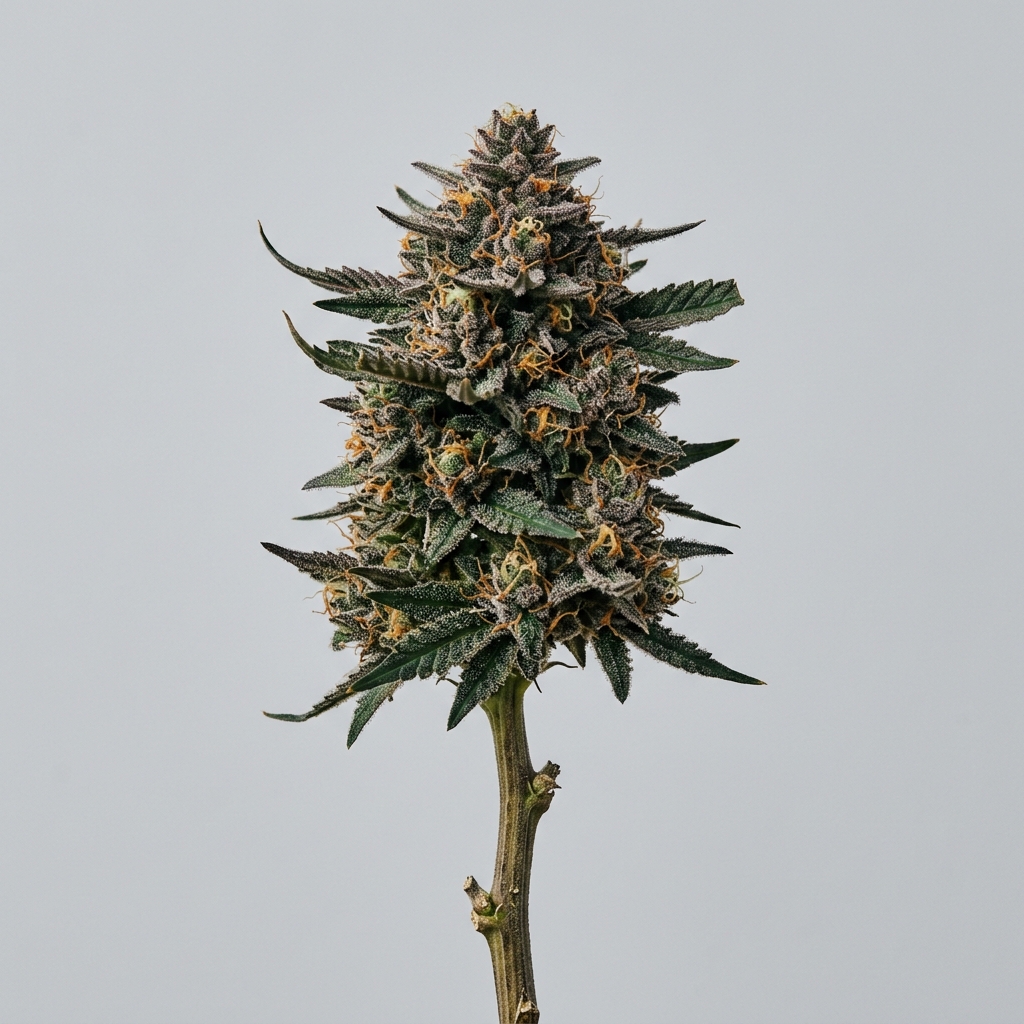
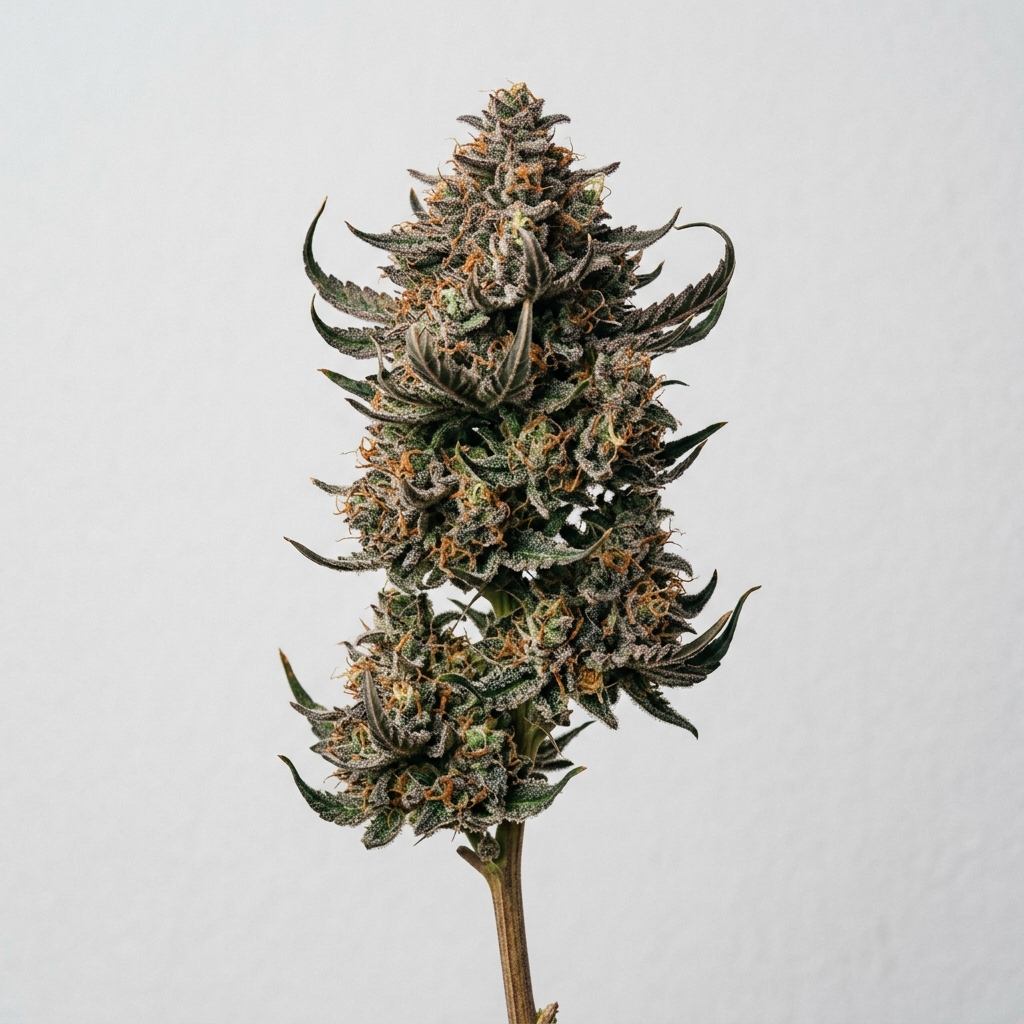
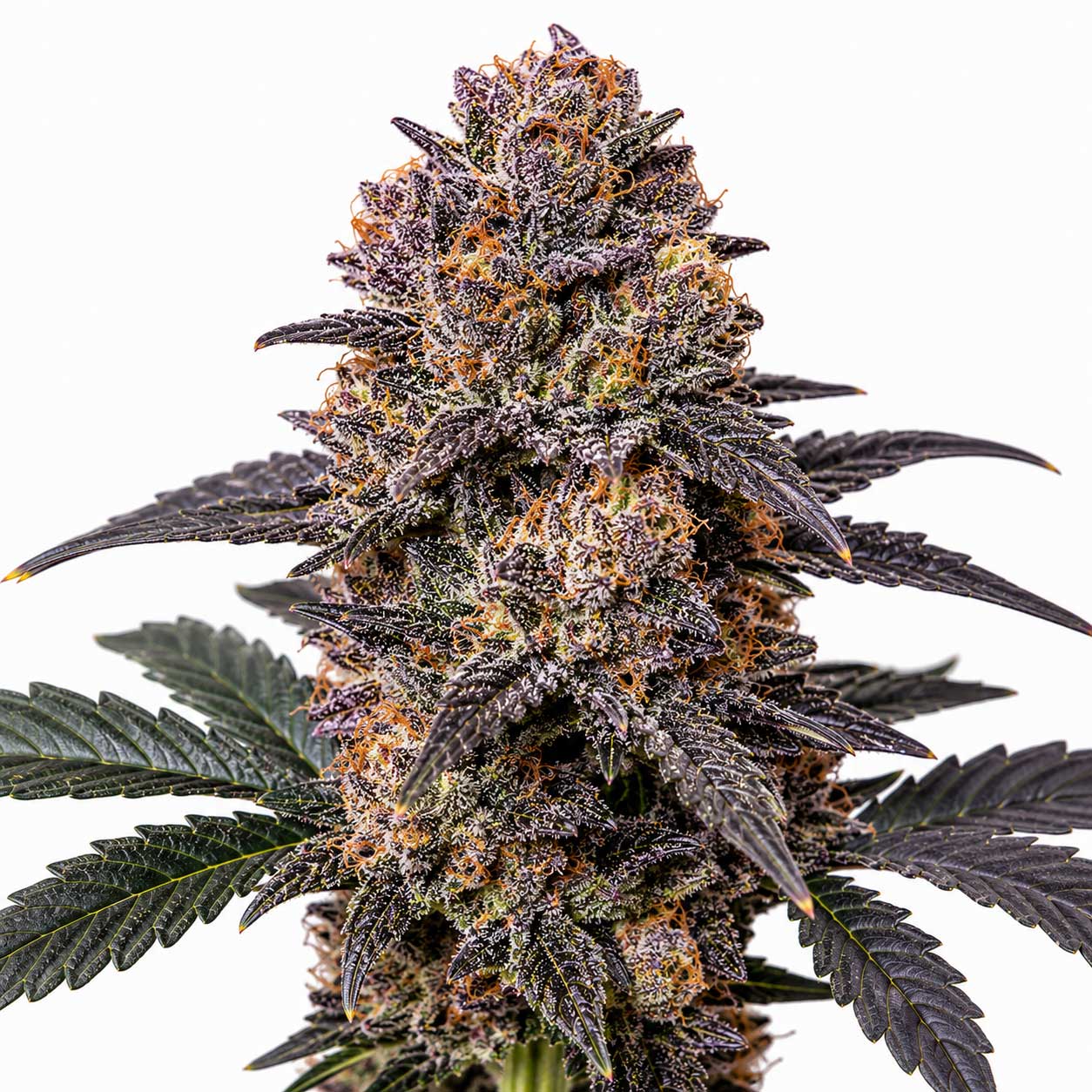
Originally selected by Wiz Khalifa and his team of master growers, Khalifa Kush expresses a high-performance Kush morphology. The plant produces relatively small but exceptionally dense floral clusters, often featuring a distinct “popcorn” structure that is entirely encased in a thick, silver-white coating of trichomes. The calyxes are typically light green, accented by bright, thin orange pistils that stand out against the resin.
Botanically, KK is a massive producer of monoterpenes, specifically Limonene and Pinene, which contribute to its “up” and “focused” effects despite its indica lineage. The resin is incredibly stable and greasy, indicating a high concentration of volatile sulfur compounds (VSCs) that give the strain its signature “loud” gas aroma. Its cellular structure is built for high nutrient uptake, particularly in the later stages of flower where it bulks up with massive resin heads.
In 2026, Khalifa Kush remains a subject for cannabinoid-ratio research. Analysts look at KK to understand how its specific Limonene-to-Myrcene ratio manages to provide a heavy body sensation while keeping the user mentally alert—a characteristic that separates it from standard “sleepy” OG cuts.
Effects & Use-Cases (Reported)
Commonly reported effects: An immediate, energizing cerebral spark followed by a deep physical relaxation, heightened sensory awareness, and a long-lasting euphoric state.
Use-case context: Khalifa Kush is favored by “wake-and-bake” enthusiasts and daytime consumers who have a high tolerance for THC. It is widely used for creative sessions, social outings, and managing high-stress environments where physical decompression is needed without losing mental acuity. It is the definitive “functional heavy” hybrid.
Note: These observations are anecdotal reports and should not be interpreted as medical claims.
Aroma & Flavors
Aroma: Sharp lemon-lime citrus, pungent diesel fuel, earthy pine, and a distinct “soapy” Kush finish.
Flavor: The inhale is dominated by sour lemon and gasoline; the exhale is smooth and earthy with a lingering, spicy pine aftertaste that is remarkably clean.
Terpene associations: Limonene-forward (citrus/uplift) with high levels of Myrcene (body/musk) and Pinene (focus/pine).
Tested Cannabinoid & Terpene Ranges
| Compound | Typical Range* | Grower-Oriented Interpretation |
|---|---|---|
| Δ9-THC | 24%–29%+ | Elite-tier potency; provides a “ceiling-less” high for high-tolerance users |
| Limonene | Dominant | Drives the sharp citrus aroma and the initial mood-uplifting cerebral energy |
| Myrcene | Significant | Responsible for the “Kush” earthiness and the deep, underlying body relaxation |
| Pinene | Significant | Contributes to the mental clarity and provides the sharp piney “lift” on the exhale |
*Ranges vary by phenotype and cultivation method. Khalifa Kush is a high-performance cultivar that reaches its full 29%+ THC potential only under optimized LED lighting and CO2 enrichment.
Cultivation Notes
- Vegetative Vigor: High; the plant is lanky and can become “stretchy” very quickly. Early topping is mandatory.
- Light Cycle: 18/6 (Veg) and 12/12 (Flower). Responds exceptionally well to high-PPFD LED arrays with optimized red-spectrum light.
- Humidity Targets: 60% in veg; strictly 40%–45% in flower. Dense buds and heavy resin require low humidity to prevent rot.
- Nutrition: A notoriously heavy feeder; specifically requires extra Calcium, Magnesium, and Phosphorus to support resin density.
- EC / Feeding Sensitivity: High; can handle high EC levels but is sensitive to late-flower nutrient burn. Clean 14-day flush is vital.
- Training: SCROG and heavy super-cropping are recommended to manage the height and increase lateral bud sites.
- Support Needs: Extreme; the lanky “vine” structure requires multiple layers of trellising or bamboo stakes.
- Mold / Moisture Risk: High; the density of the flowers makes airflow and dehumidification a top priority.
- Harvest Window: Day 63–65. Harvesting when trichomes are almost entirely milky ensures the maximum “KK” euphoric depth.
Grower Notes (Week-by-Week Snapshot)
- Weeks 1–2 (Foundation): Massive vertical stretch. Prepare to double or triple your canopy height. Begin structural training immediately.
- Weeks 3–4 (Canopy Set): The stretch slows. Perform aggressive lower-canopy cleanup (lollipopping) to ensure airflow.
- Weeks 5–6 (Resin Peak): Trichome production becomes aggressive. The room smells heavily of pungent lemon and fuel.
- Weeks 7–8 (Ripening): Buds harden significantly and take on a “frosted” silver look. The aroma becomes intensely “loud.”
- Week 9 (The Finish): Final swell; check trichomes for a mostly cloudy appearance with minimal amber to keep the high energetic.
- Post-Harvest: 14-day slow dry (15°C / 60% RH) followed by a 4-week cure to allow the complex fuel-lime profile to fully mature.
Genetic Lineage
The exact genetic makeup of Khalifa Kush is proprietary, but it is a master-cross of OG Kush with an undisclosed heavy-potency backcross. Bred specifically for Wiz Khalifa, this lineage ensures a plant that possesses the classic, indestructible “Gas” of OG Kush with a refined, energizing cerebral edge that defined the “KK” brand.
Research Insights
In 2026, Khalifa Kush is a centerpiece for Limonene-Stabilization research. Analysts have noted that the KK phenotype maintains higher Limonene concentrations through the curing process than most other OG hybrids, which is why it maintains its “fresh lemon” aroma even months after harvest.
Frequently Asked Questions
Who is the original breeder of Khalifa Kush?
Khalifa Kush was developed by RiverRock Cannabis in Colorado specifically for the artist Wiz Khalifa.
Is Khalifa Kush an indica or sativa?
It is an indica-dominant hybrid (approx. 80%), but it is famous for its energetic, creative cerebral onset.
What does KK taste like?
Expect a bold and sharp flavor of lemon-lime citrus followed by a pungent, gassy diesel and earthy pine finish.
Why is it so popular in dispensaries?
Its combination of high potency (up to 29%), “loud” fuel-citrus aroma, and its reputation as a “functional heavy” strain makes it a consistent top-seller.
Educational Disclaimer
This page is provided for scientific and horticultural reference only. Cannabis laws vary by jurisdiction; always ensure compliance with local regulations.
Rate and review this strain
Ratings and reviews are accepted only from signed-in Google accounts.
Sign in with Google to leave a rating and written review.
Latest Reviews
0 reviewsNo reviews yet. Be the first Google user to rate and review this strain.