Orange Cookies (Cannabis Strain) — Strainpedia
Orange Cookies stands out for the way its citrus-forward parentage meets the dense, resinous structure associated with Cookies genetics. The result is a balanced hybrid that often presents sweet orange peel, bakery-like depth, and a polished flower form that reads clearly at first glance.
In modern menus, this cultivar is often chosen by shoppers looking for a terpene profile that feels brighter than a typical dessert strain without losing that rich finish. Growers also value its relatively compact flowering window, while phenotype variation can shift the expression toward sharper citrus, heavier dough, or a more even blend of both.
Quick Facts
| Genetics | Orange Juice x Girl Scout Cookies |
|---|---|
| Original Breeder | California breeder circles; exact original breeder is not clearly documented |
| Variety | Balanced Hybrid |
| Flowering Time | Approximately 8–9 weeks indoors |
| Yield Potential | Moderate to above average with dialed-in indoor conditions |
| Plant Height | Medium, with moderate stretch in early flower |
| Climate Preference | Warm, dry, and well-ventilated environments |
| Difficulty | Moderate |
Strain Classification
| Type | Balanced Hybrid |
|---|---|
| Genetic Family | Citrus x Cookies dessert hybrid |
| Primary Terpenes | Limonene, caryophyllene, myrcene |
| Original Breeder | California breeder circles; exact original breeder is not clearly documented |
| Breeding Lineage | Orange Juice x Girl Scout Cookies |
*Exact terpene dominance may vary by phenotype and cultivation method.
Scientific & Botanical Overview
From a breeding perspective, Orange Cookies is a hybrid that combines a citrus-leaning parent with a Cookies-line plant selected for resin density, aroma depth, and strong bag appeal. That pairing typically produces medium-height plants with compact inflorescences, abundant glandular trichomes, and a terpene profile that can read as fruit, pastry, and light spice in the same sample.
Botanically, the cultivar often shows the kind of intermediate morphology expected from a true hybrid: not as lanky as many sativas, yet not as squat as many heavy indicas. The plant’s final expression can vary by cut, but the more desirable phenotypes usually keep their floral structure tight while preserving enough outer calyx spacing to allow light penetration and resin development late in bloom.
Appearance
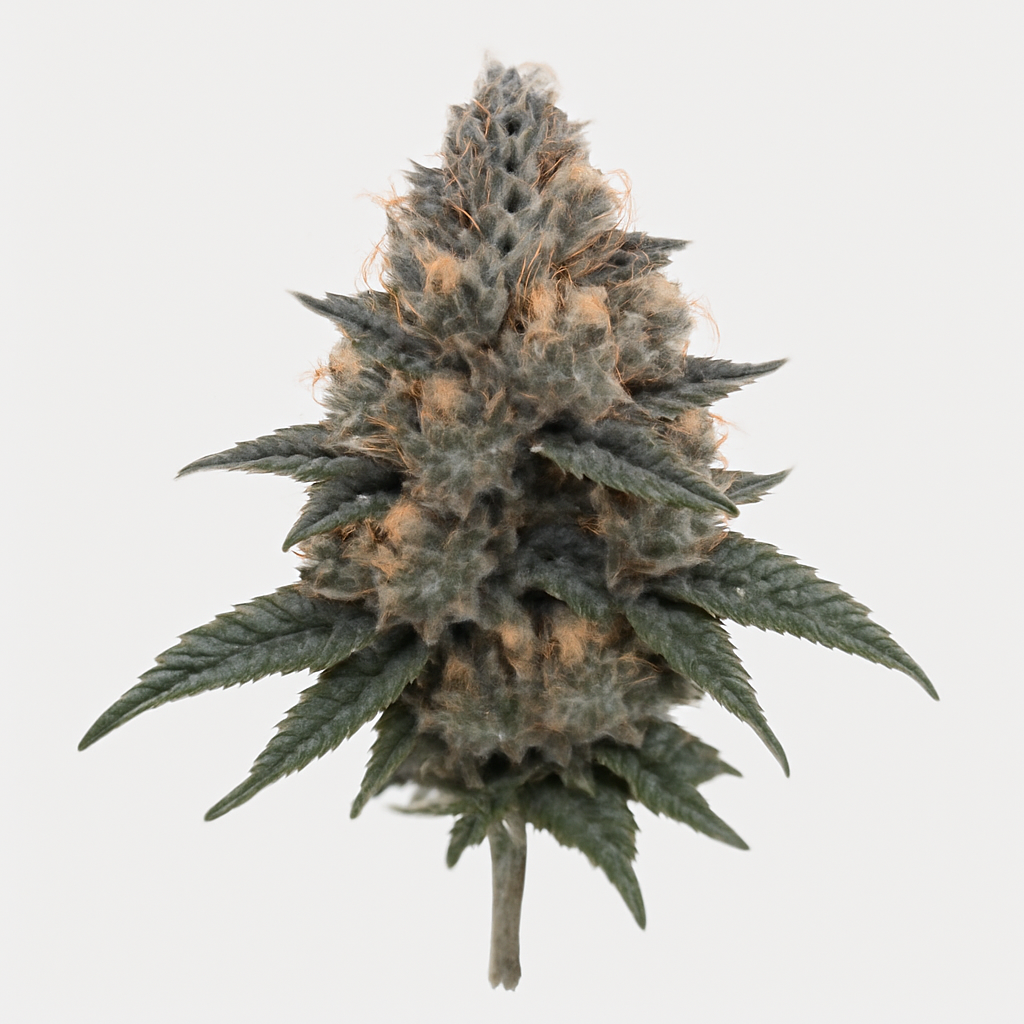
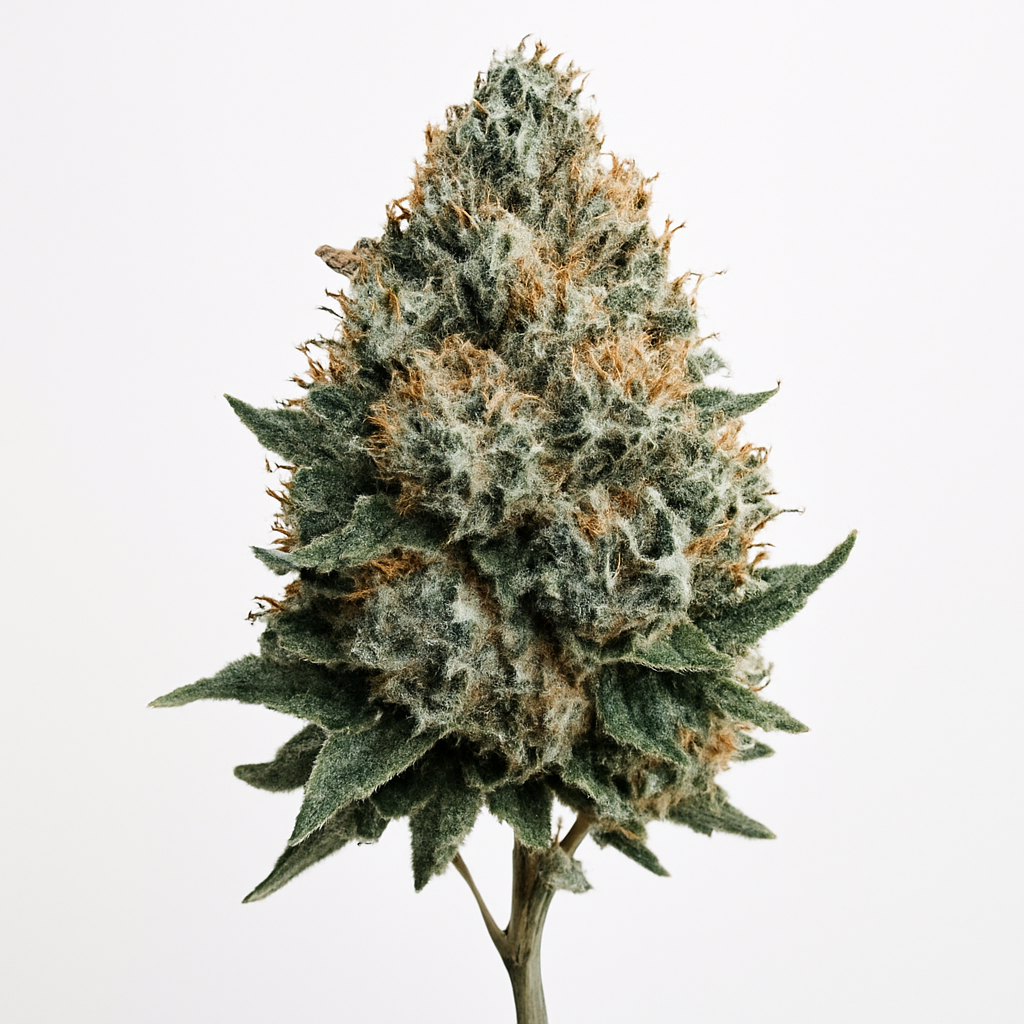
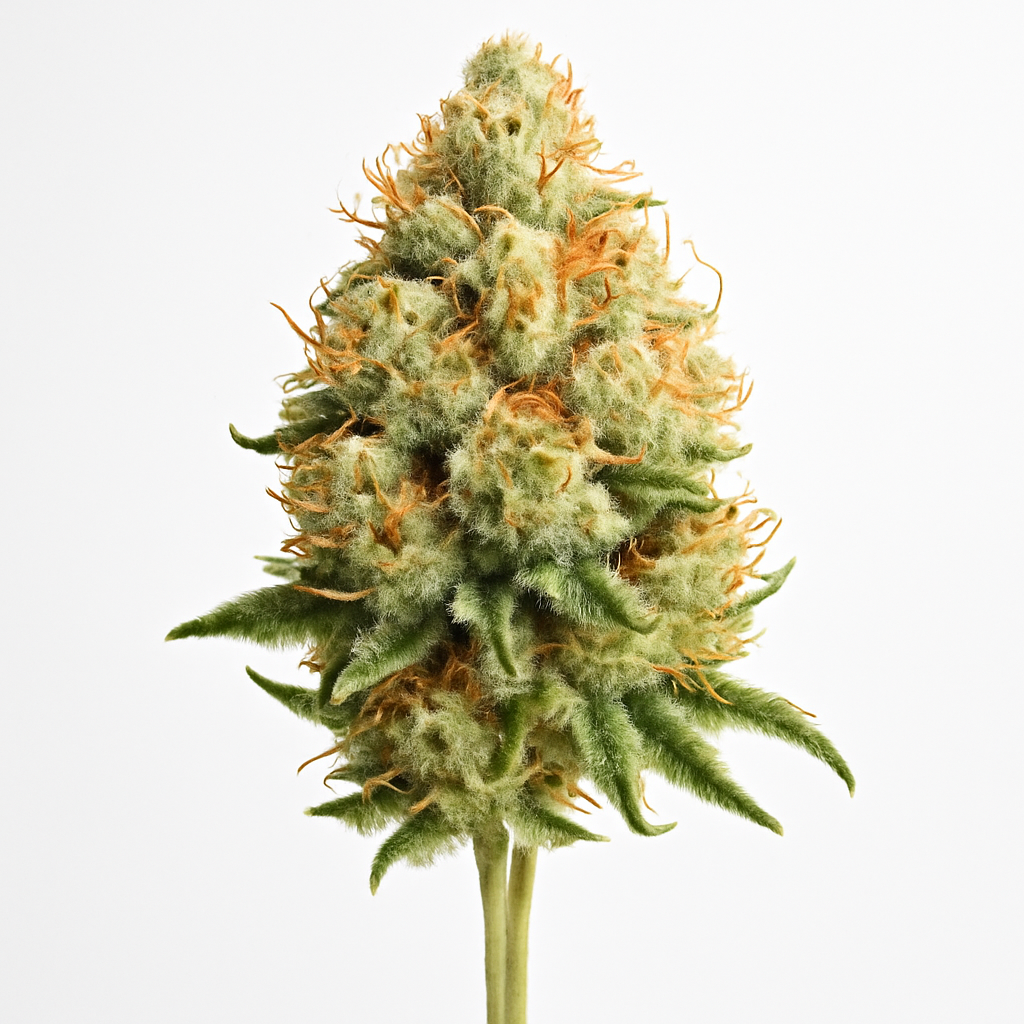
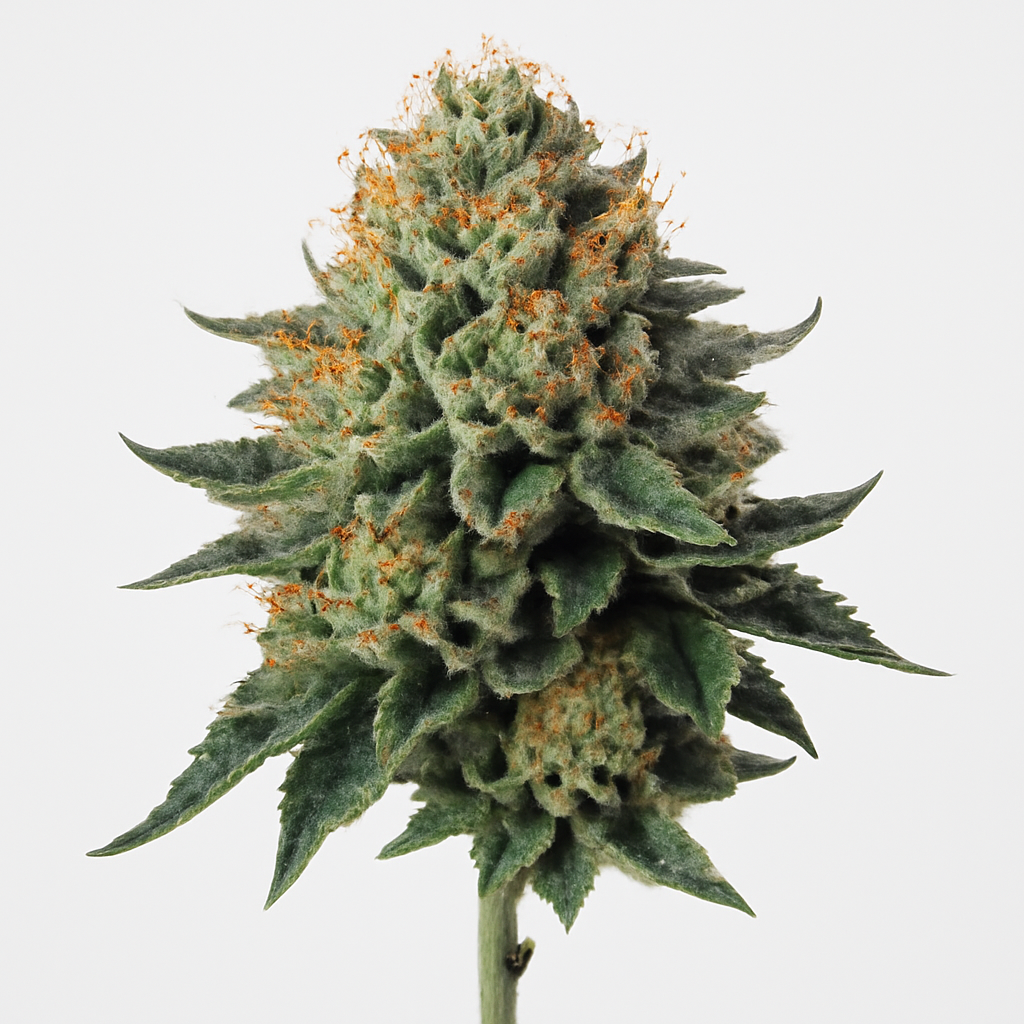
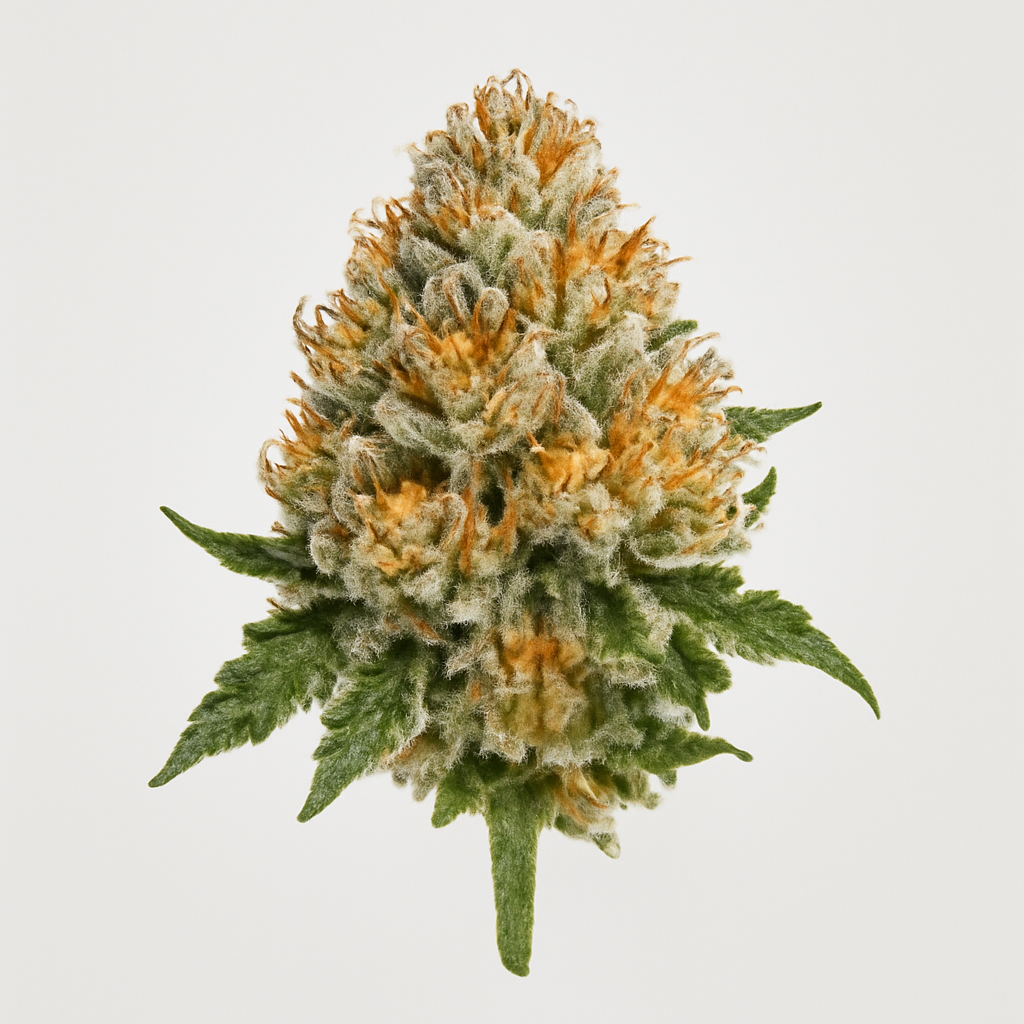
Orange Cookies buds are usually dense and rounded, with a layered structure that can stack into chunky colas under good light. Color commonly ranges from bright green to deeper forest tones, and many flowers carry vivid orange pistils that contrast strongly against the resin frost.
Trichome coverage is often a defining visual feature, especially on well-cured flower where the surface can look almost sugar-dusted. Some phenotypes lean more citrus-bright in color and shape, while others show a darker, more cookie-like body with a heavier sheen of amber-leaning resin at maturity.
Effects & Use-Cases (Reported)
- Commonly reported effects: uplift, calm concentration, mild euphoria, steady body relaxation, and a soft wind-down.
- Use-case context: Often selected for late-afternoon sessions, social settings, or quiet downtime when a clear but unhurried headspace is preferred.
- Body character: Usually described as smooth and easing rather than heavily sedating, with a gradual shift from mental brightness to physical ease.
- Note: These observations are anecdotal and do not constitute medical claims.
Observational Note: Orange Cookies tends to sit in the middle ground between energetic citrus hybrids and richer dessert-leaning flower. That makes it useful for buyers who want flavor complexity without a sharply stimulating profile.
Potency Note: Potency can land firmly in the strong range, especially in well-grown examples, so the experience may feel more layered than the name suggests. Individual tolerance and phenotype selection can noticeably change the tone of the effect.
Aroma & Flavor Profile
- Aroma: sweet orange zest, cookie dough, citrus peel, vanilla cream, light earth
- Flavor: orange candy, baked sugar, creamy citrus, soft spice, herbal finish
- Aftertaste: lingering orange peel with a mellow, doughy finish
- Terpene associations: commonly aligned with limonene, caryophyllene, and myrcene.
For readers searching for an orange cookie strain profile, the defining impression is a bright citrus opening that settles into a sweeter, bakery-style finish. The flavor is usually smoother than sharp lemon cultivars and less heavy than many gas-forward Cookies crosses, which is why it remains a favorite among dessert-strain shoppers.
Tested Cannabinoid & Terpene Ranges
| Compound | Typical Range* | Notes |
|---|---|---|
| Δ⁹-THC | ~18–25% | Commonly tested in the strong range; phenotype and cultivation quality can shift results. |
| CBD | <1% | Usually present at trace levels rather than as a defining cannabinoid. |
| Limonene | ~0.30–0.80% | Supports the orange peel, citrus candy, and bright top-note character. |
| Caryophyllene | ~0.20–0.60% | Adds peppery warmth and a slightly fuller finish to the flavor profile. |
| Myrcene | ~0.10–0.50% | Often contributes softness, fruit depth, and a rounder aromatic base. |
*Ranges are estimates and may vary by phenotype, harvest timing, and testing methods.
Cultivation Notes
- Light Cycle: 18/6 during vegetative growth; 12/12 for flowering
- Humidity: Moderate humidity early, reduced in late flower to protect dense buds
- Stretch: Moderate stretch in the first two to three weeks of bloom
- Training: Responds well to topping, low-stress training, and canopy management
- Odor Control: Strong citrus-sweet aroma can become pronounced in mid to late flower
- Harvest Window: Approximately 8–9 weeks indoors
Orange Cookies performs best when the canopy is kept even and airflow is not restricted around the lower branches. Because the flowers can pack tightly, careful humidity management in the back half of flower helps protect terpene quality and reduce the risk of moisture-related issues.
Grower Notes (Week-by-Week Snapshot)
- Weeks 1–3: Plants establish quickly and begin showing the early stretch typical of a balanced hybrid.
- Weeks 4–5: Bud sites stack across the canopy, and citrus scent starts to build as resin production increases.
- Weeks 6–8: Flowers thicken, pistils multiply, and the aroma shifts toward sweeter orange cream and cookie dough notes.
- Weeks 9–10: Final ripening focuses on density, trichome maturity, and post-harvest flavor clarity; some cuts finish earlier around week 8–9.
Genetic Lineage
Orange Cookies is generally traced to Orange Juice and Girl Scout Cookies. Orange Juice is typically associated with citrus brightness, fruit-driven aromatics, and a more vivid top-note profile, while Girl Scout Cookies contributes dense flower structure, resin production, and a richer dessert-like backbone. Together, those traits help explain why Orange Cookies can feel both zesty and decadent in the same jar.
Research Insights
Orange Cookies remains relevant in today’s market because it sits at the intersection of two enduring consumer preferences: fruit-forward flavor and dessert-style flower. In search behavior, it often appears in queries related to orange weed, cookie strains, and citrus terpene profiles, which makes it useful both as a retail cultivar and as a reference point for hybrid breeding trends. For breeders and collectors, it also represents a clear example of how citrus genetics can be layered onto Cookies architecture without erasing the dessert character that made the line famous.
Frequently Asked Questions
Is Orange Cookies an indica or sativa?
Orange Cookies is generally classified as a balanced hybrid, though individual phenotypes may lean slightly one direction depending on the cut and cultivation style.
What does Orange Cookies taste like?
It is often described as orange zest, sweet citrus candy, and soft cookie dough, with a creamy finish that lingers after the inhale.
How long does Orange Cookies take to flower?
Most indoor gardens finish in about 8 to 9 weeks, though some phenotypes may need a little longer to fully ripen.
What kind of aroma does Orange Cookies have?
The aroma usually blends sweet orange peel, bakery notes, light vanilla, and a mild earthy spice underneath.
Is Orange Cookies difficult to grow?
It is usually considered moderate in difficulty. The plant benefits from good airflow, canopy management, and careful humidity control during dense late-flower stages.
Educational Disclaimer: This page is provided strictly for scientific and horticultural reference. Cannabis cultivation, possession, and use are regulated by local laws. This content does not promote illegal activity or constitute medical advice. Always comply with applicable regulations in your jurisdiction.
Rate and review this strain
Ratings and reviews are accepted only from signed-in Google accounts.
Sign in with Google to leave a rating and written review.
Latest Reviews
0 reviewsNo reviews yet. Be the first Google user to rate and review this strain.