Mango Haze (Cannabis Strain) — Strainpedia
Mango Haze is a haze-forward hybrid that stands apart for its tropical fruit profile and elongated flower structure. The strain is commonly linked to Mr. Nice Seedbank’s old-school Haze, Skunk, and Northern Lights breeding work, giving it a layered aroma that moves from ripe mango into citrus peel, sweet spice, and faint incense.
Rather than delivering a heavy, compressed bud form, Mango Haze usually expresses a more open sativa silhouette with resin-rich tops and noticeable stretch during bloom. Its flavor identity is especially useful for searchers looking for a mango cannabis strain that still carries the sharper herbal character of classic haze genetics, not just a candy-fruit terpene profile.
Quick Facts
| Genetics | Haze x Skunk x Northern Lights |
|---|---|
| Original Breeder | Mr. Nice Seedbank |
| Variety | Sativa-leaning Hybrid |
| Flowering Time | Approximately 10–12 weeks indoors |
| Yield Potential | Moderate to high with a long enough finish |
| Plant Height | Tall; can stretch notably in early flowering |
| Climate Preference | Warm, stable indoor or dry outdoor conditions |
| Difficulty | Moderate |
Strain Classification
| Type | Sativa-leaning Hybrid |
|---|---|
| Genetic Family | Classic Haze hybrid with Skunk and Northern Lights influence |
| Primary Terpenes | Myrcene, limonene, caryophyllene* |
| Original Breeder | Mr. Nice Seedbank |
| Breeding Lineage | Haze x Skunk x Northern Lights |
*Exact terpene dominance may vary by phenotype and cultivation method.
Scientific & Botanical Overview
From a botanical standpoint, Mango Haze reflects a breeding direction that aimed to preserve the expressive, high-reaching architecture of Haze while improving resin production and finish quality through older indica-leaning support genetics. The result is a cultivar that often presents with narrower leaflets, longer internodes, and a flowering pattern that benefits from patience and stable environmental control.
In breeding terms, the strain is notable because it sits at the intersection of fruit-forward aroma and traditional haze structure. That makes Mango Haze a useful reference point for modern cultivars that seek tropical sweetness without losing the incense-like, herbal complexity that defines many legacy sativa lines.
Appearance
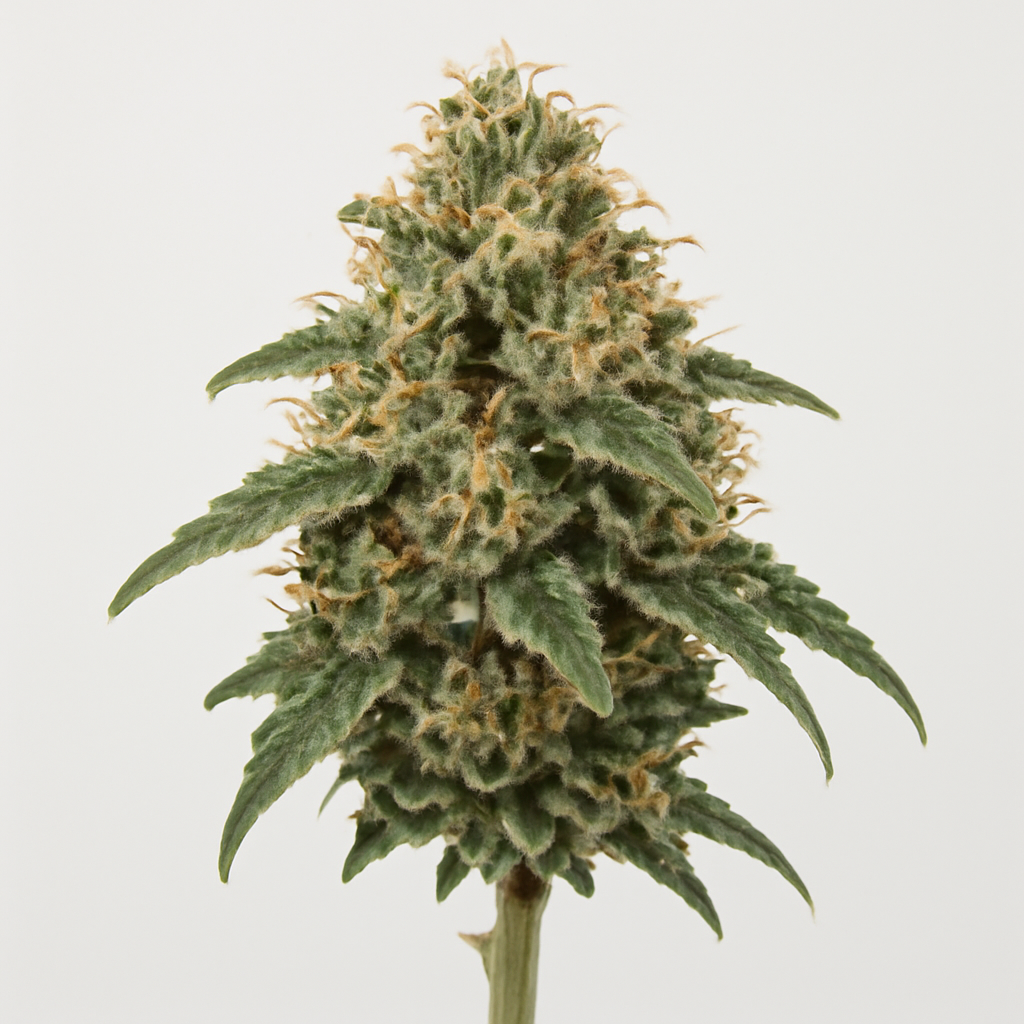
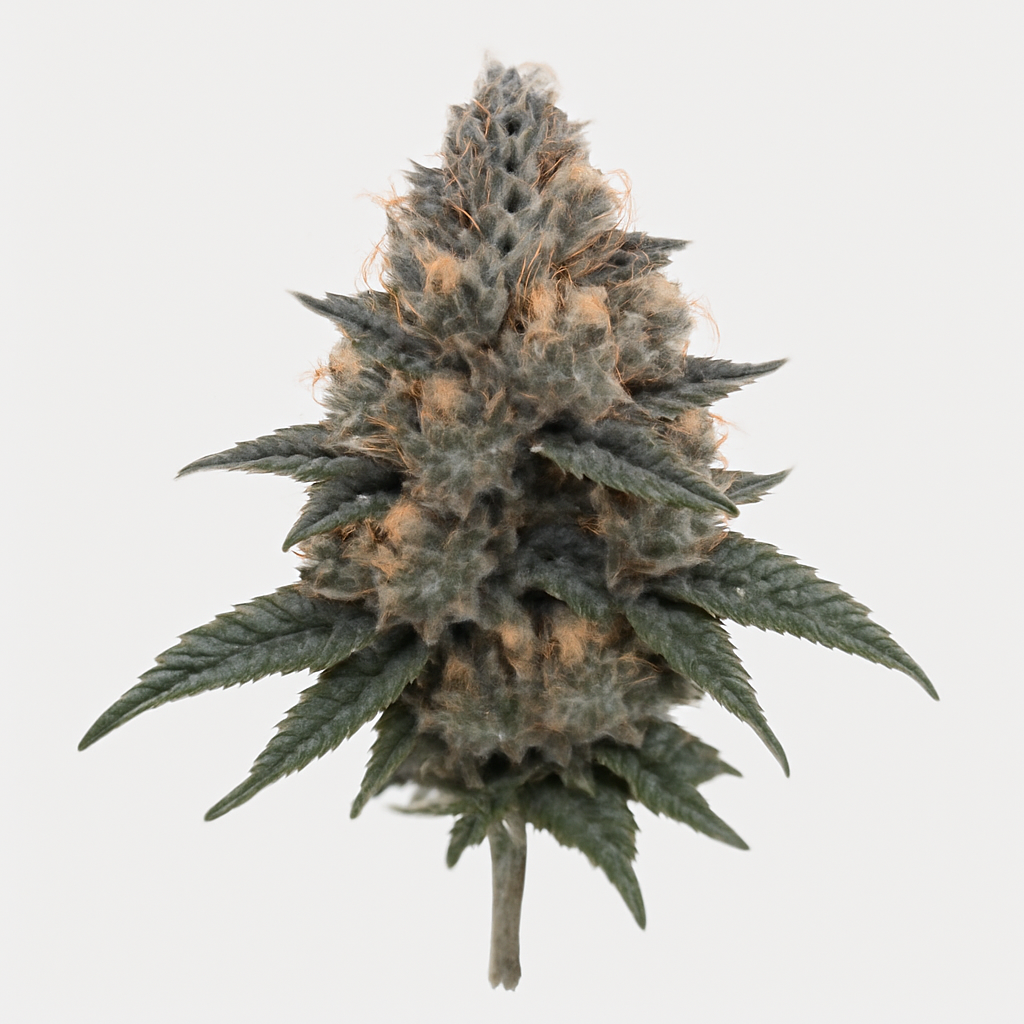
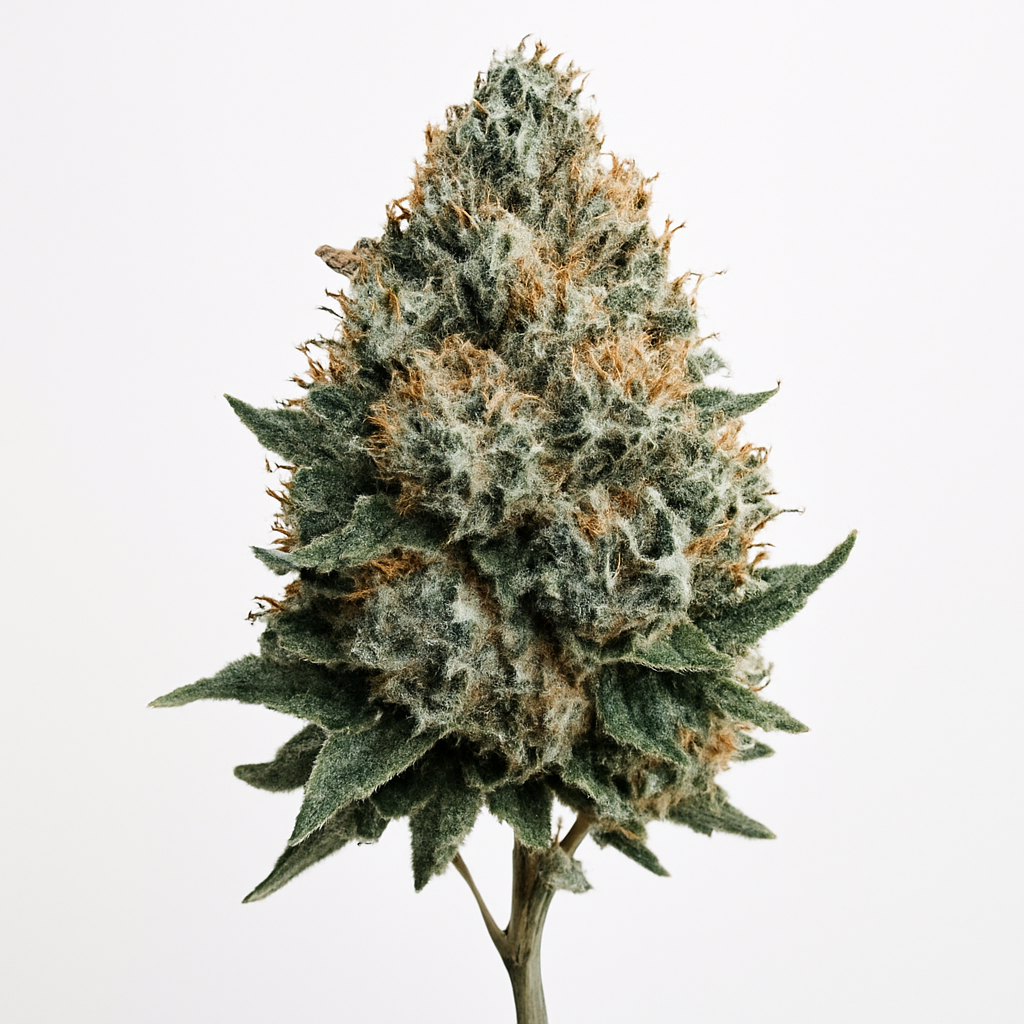
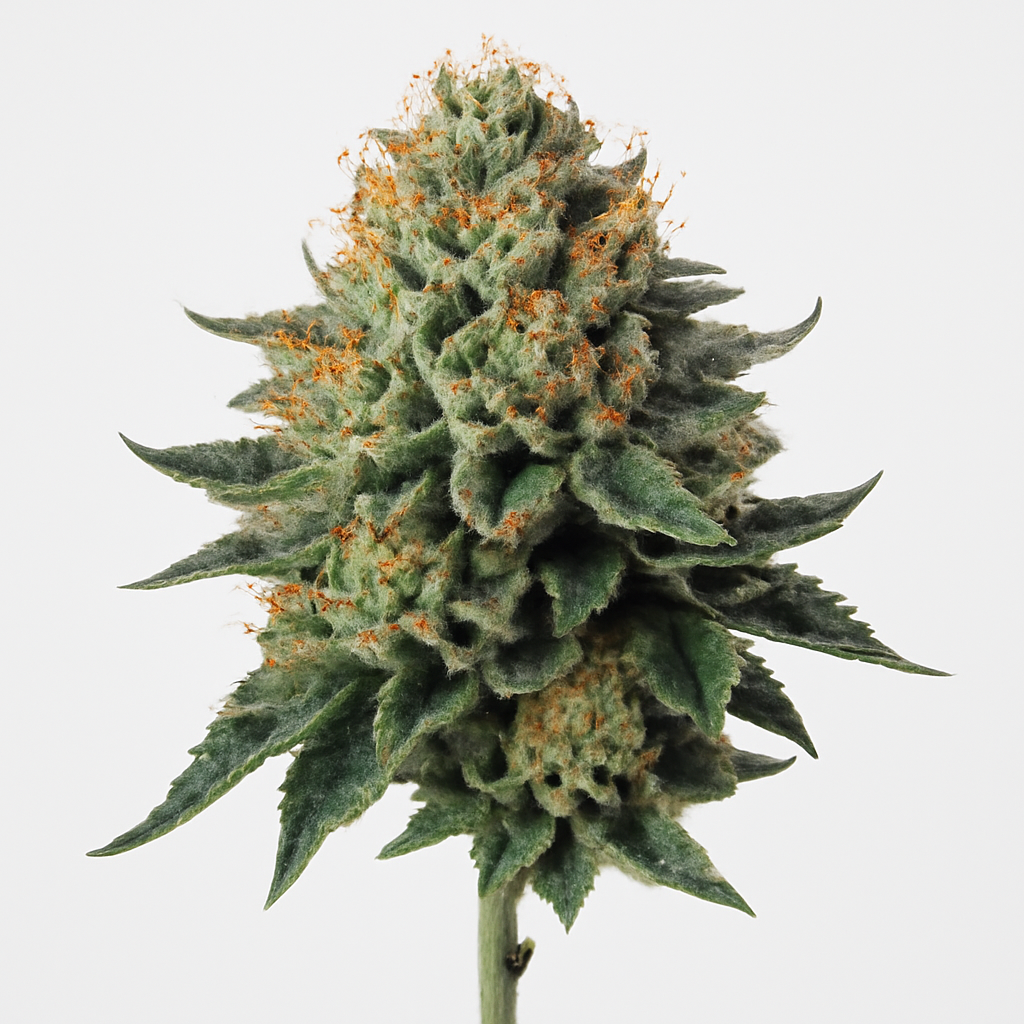
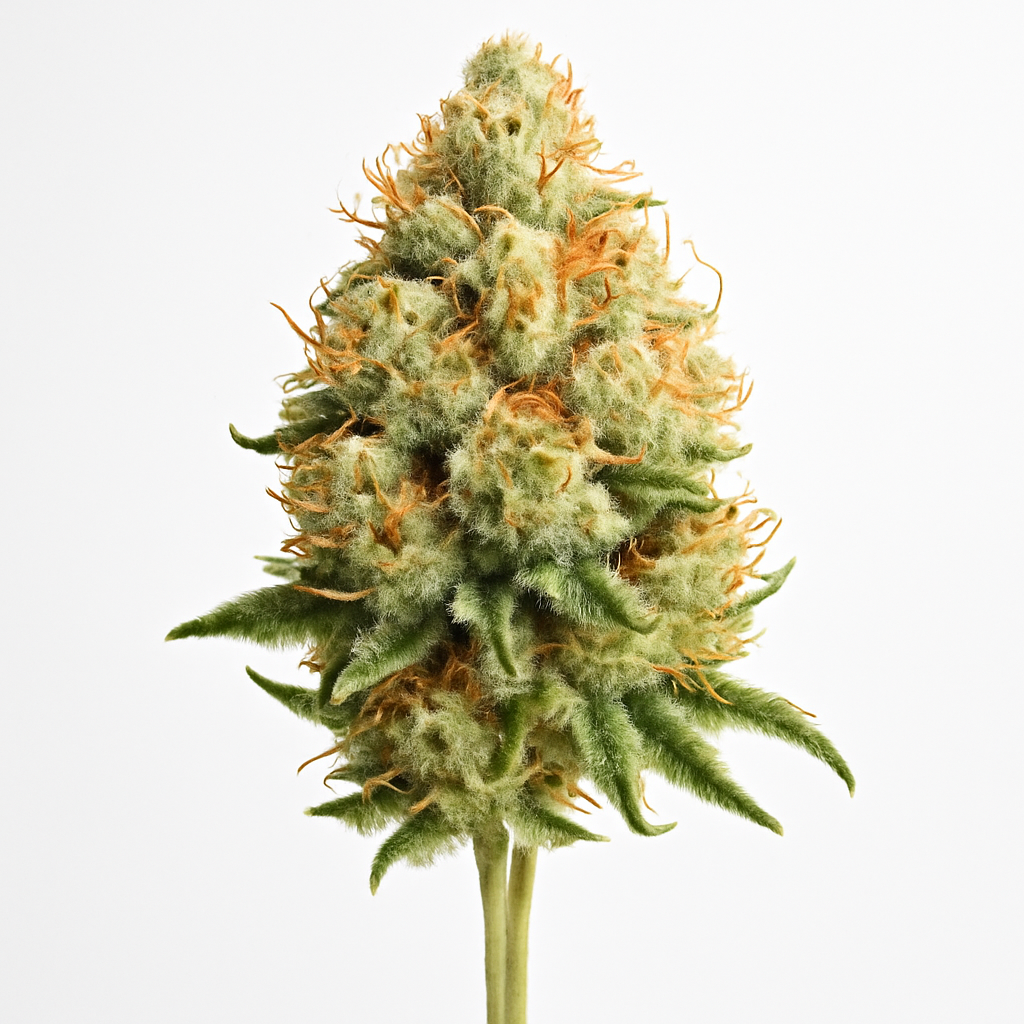
Mango Haze usually produces elongated, somewhat spear-shaped buds with a leaner sativa structure. The flowers may appear light to medium green, often accented by bright orange pistils and a thin but persistent coat of trichomes that builds well across the outer calyxes.
Phenotype variation can be noticeable, with some plants finishing as airy, foxtailing haze-style tops and others forming slightly denser colas with stronger resin coverage. When grown well, the flower tends to look elegant rather than bulky, with a refined texture that matches its old-school hybrid background.
Effects & Use-Cases (Reported)
- Commonly reported effects: uplifting, clear-headed, social, creative, and energetically focused
- Use-case context: often chosen for daytime sessions, music, brainstorming, or conversation-heavy settings
- Body character: typically light to moderate, with a head-led experience that does not usually read as heavy or sedating
- Note: These observations are anecdotal and do not constitute medical claims.
Observational Note: Mango Haze is generally described as a strain that comes on with brightness first, then settles into a steady mental lift. Its effect profile tends to feel more cerebral than physical, which helps explain its appeal among haze enthusiasts.
Potency Note: Potency can range into the upper-teens and low-twenties THC-wise, but the experience is often shaped as much by terpene expression as by raw cannabinoid concentration. A properly matured harvest may show a smoother, more aromatic profile than an early-picked crop.
Aroma & Flavor Profile
- Aroma: ripe mango, citrus peel, sweet spice, earthy incense, tropical musk
- Flavor: mango nectar, orange zest, herbal haze, peppery spice, soft skunk
- Aftertaste: lingering tropical sweetness with a dry herbal finish and faint incense bite
- Terpene associations: commonly aligned with myrcene, limonene, and caryophyllene.
For readers comparing mango weed flavors or searching for a hazy tropical strain, Mango Haze fits squarely into the fruit-and-incense category. The profile is less dessert-like than many modern hybrids and more in line with a bright, resinous classic that finishes with spice and skunk.
Tested Cannabinoid & Terpene Ranges
| Compound | Typical Range* | Notes |
|---|---|---|
| Δ⁹-THC | ~18–22% | Often tested in the medium-to-strong range for a haze-influenced hybrid. |
| CBD | <1% | Usually present only in trace amounts. |
| Myrcene | ~0.20–0.60% | May support the mango, herbal, and slightly musky aroma layers. |
| Limonene | ~0.15–0.45% | Frequently linked to the citrus peel and brighter top notes. |
| Caryophyllene | ~0.10–0.35% | Can contribute a peppery, warm finish in the aroma and flavor. |
*Ranges are estimates and may vary by phenotype, harvest timing, and testing methods.
Cultivation Notes
- Light Cycle: 12/12 for flowering; veg under 18/6 or similar
- Humidity: Moderate humidity early, then lower humidity in late bloom to protect resinous tops
- Stretch: Moderate to strong stretch, especially in the first 2–3 weeks of bloom
- Training: Responds well to topping, tying, and canopy control
- Odor Control: Recommended; the fruit-skunk haze aroma can become pronounced in mid to late flower
- Harvest Window: Approximately 10–12 weeks indoors
Mango Haze is best approached with a grow plan that accounts for vertical movement and a longer bloom cycle. It generally performs well when the canopy is kept even and the plant is allowed to fully ripen, as the aromatic payoff often sharpens near the end of flowering rather than early on.
Grower Notes (Week-by-Week Snapshot)
- Weeks 1–3: Expect vigorous vertical stretch, fast node spacing, and early signs of aromatic lift as the plant transitions into bloom.
- Weeks 4–5: Bud sites begin stacking along the branches, and the mango-citrus note usually becomes more obvious in the room.
- Weeks 6–8: Resin production increases noticeably, pistils thicken, and the plant may need support if the tops gain weight unevenly.
- Weeks 9–10: Final maturation deepens the haze spice and tropical sweetness; some phenotypes may continue to refine through week 12.
Genetic Lineage
Mango Haze is generally traced to a Haze x Skunk x Northern Lights framework, with Mr. Nice Seedbank most often credited for the line. The Haze side is associated with tall structure, expansive aroma, and a more cerebral profile, while Skunk contributes vigor, pungency, and a practical boost in flower formation. Northern Lights is commonly thought to add structure, resin output, and a degree of finishing reliability that pure Haze expressions often lack.
Because older cannabis lineages were not always documented with modern precision, some catalog references and community accounts may describe the background slightly differently. Even so, the broad lineage picture is consistent enough to place Mango Haze among the classic tropical haze hybrids that helped define fragrant, upscale sativa breeding.
Research Insights
Mango Haze remains relevant because it sits at the intersection of legacy haze breeding and today’s demand for fruit-forward strains with authentic character. In search terms, it bridges two strong user interests at once: mango cannabis flavor and classic sativa-style effects. That makes it a useful reference point for both consumers and breeders looking to compare tropical aroma profiles without drifting into candy-gas sameness.
In the modern market, strains with clear lineage and a memorable terpene signature tend to maintain better editorial and search value over time. Mango Haze is especially useful in this context because it is specific enough to stand apart, yet familiar enough to fit into broader conversations about Haze hybrids, terpene-driven flower, and old-school seed bank genetics.
Frequently Asked Questions
Is Mango Haze indica or sativa?
Mango Haze is generally classified as a sativa-leaning hybrid. Its growth structure, stretch, and reported effect style usually align more closely with sativa heritage than with compact indica traits.
What does Mango Haze taste like?
The flavor is often described as mango nectar up front, followed by orange peel, herbal haze, and a peppery finish. A faint skunky note may remain on the exhale.
How long does Mango Haze take to flower?
Most indoor grows are estimated at approximately 10–12 weeks of flowering. Some phenotypes may need the full range to reach their best aroma and resin expression.
Is Mango Haze difficult to grow?
It is usually considered moderate in difficulty. The longer flowering time and stretch require attention, but the plant can reward careful canopy management and patience.
What kind of effect is Mango Haze known for?
It is commonly reported as uplifting, clear-headed, and socially engaging. The experience is typically more cerebral than heavy, which suits daytime or creative settings for many consumers.
Educational Disclaimer: This page is provided strictly for scientific and horticultural reference. Cannabis cultivation, possession, and use are regulated by local laws. This content does not promote illegal activity or constitute medical advice. Always comply with applicable regulations in your jurisdiction.
Rate and review this strain
Ratings and reviews are accepted only from signed-in Google accounts.
Sign in with Google to leave a rating and written review.
Latest Reviews
0 reviewsNo reviews yet. Be the first Google user to rate and review this strain.