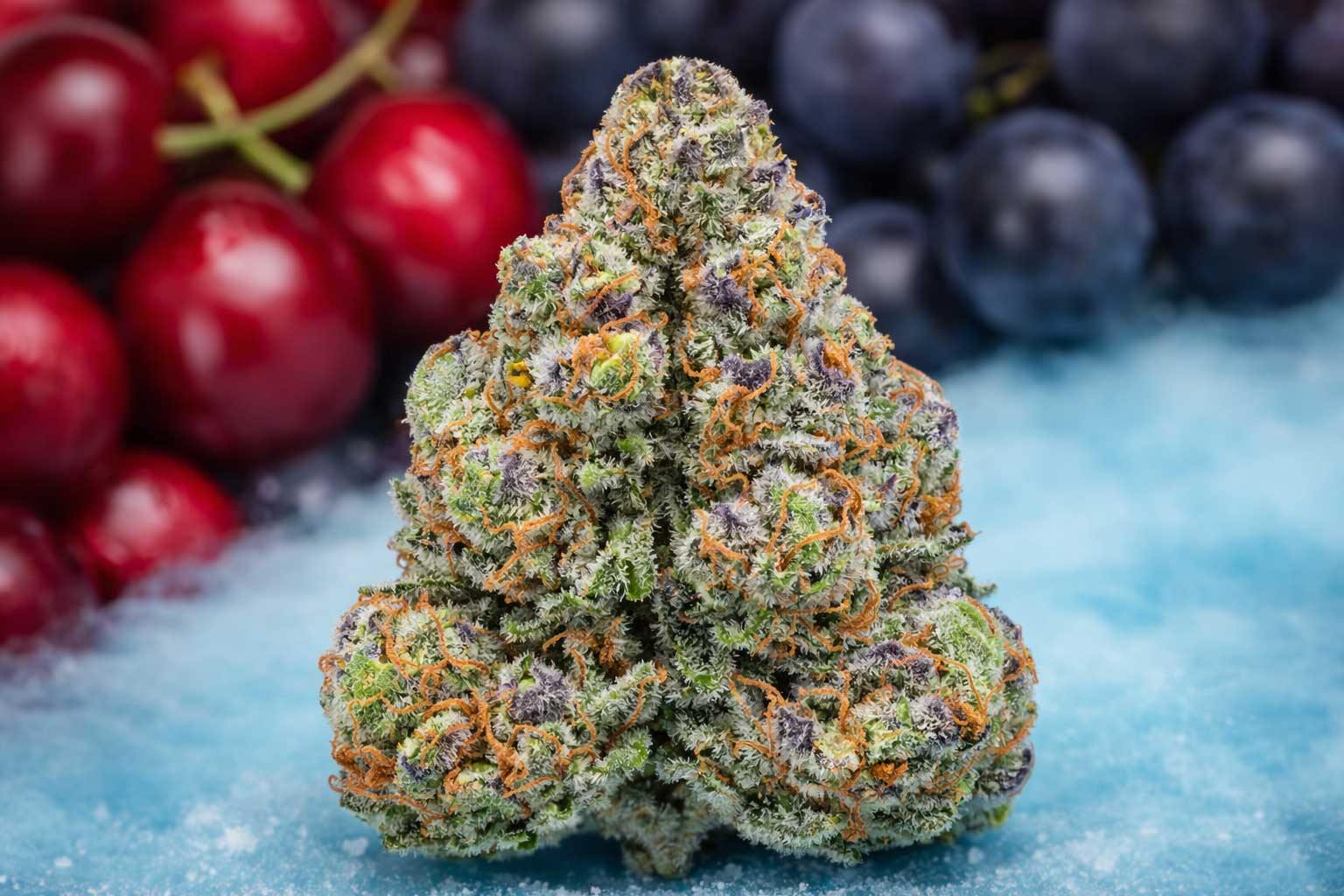
Hella Jelly (Cannabis Strain) — Strainpedia
Hella Jelly (originally known as Jelly Rancher) is a high-performance Sativa-Dominant Hybrid cultivar developed by the renowned Humboldt Seed Company (HSC). Widely regarded as one of the defining fruity cultivars of 2026, Hella Jelly is praised for its extreme potency (commonly reported at 26–30% THC), ultra-fast flowering cycle, and bright candy-fruit terpene profile that remains strong even for high-tolerance users. This cultivar is also notable for delivering energetic cerebral stimulation without the harsh jittery edge often associated with potent sativas. The information below is intended strictly for scientific and botanical reference.
Quick Facts
| Genetics | Very Cherry x Notorious T.H.C. (Humboldt OG x Caramel Cream lineage) |
|---|---|
| Breeder | Humboldt Seed Company (HSC) |
| Also Known As | Jelly Rancher |
| Variety | Sativa-Dominant Hybrid (approx. 70% Sativa / 30% Indica) |
| Flowering Time | ~45 days (extremely fast indoors) |
| Yield Potential | High (reported 3–5 oz per plant indoors) |
| Plant Height | Short to Medium; sturdy indica-like structure |
| Climate Preference | Indoor Controlled / Northern Outdoor (fast finish avoids early fall rains) |
| Difficulty | Moderate (vigorous; handles feeding well) |
Scientific & Botanical Overview
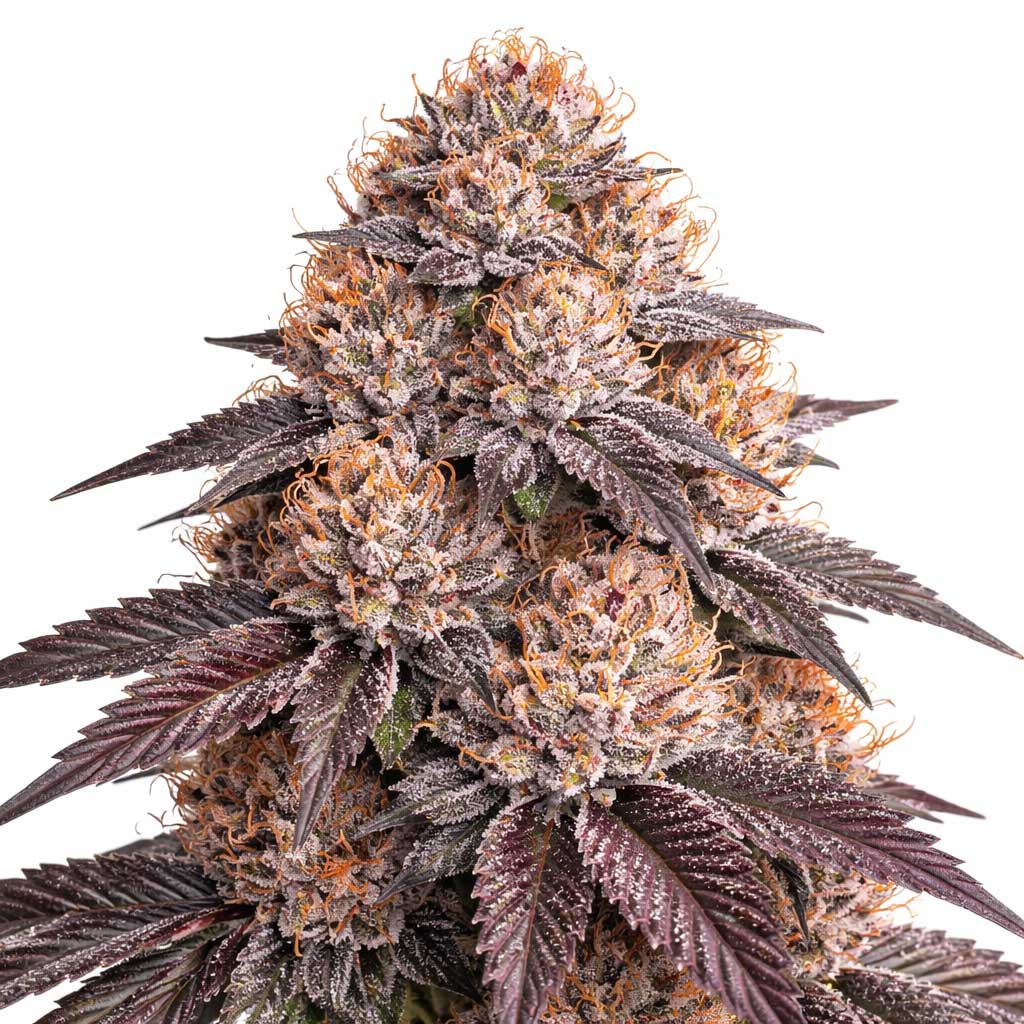
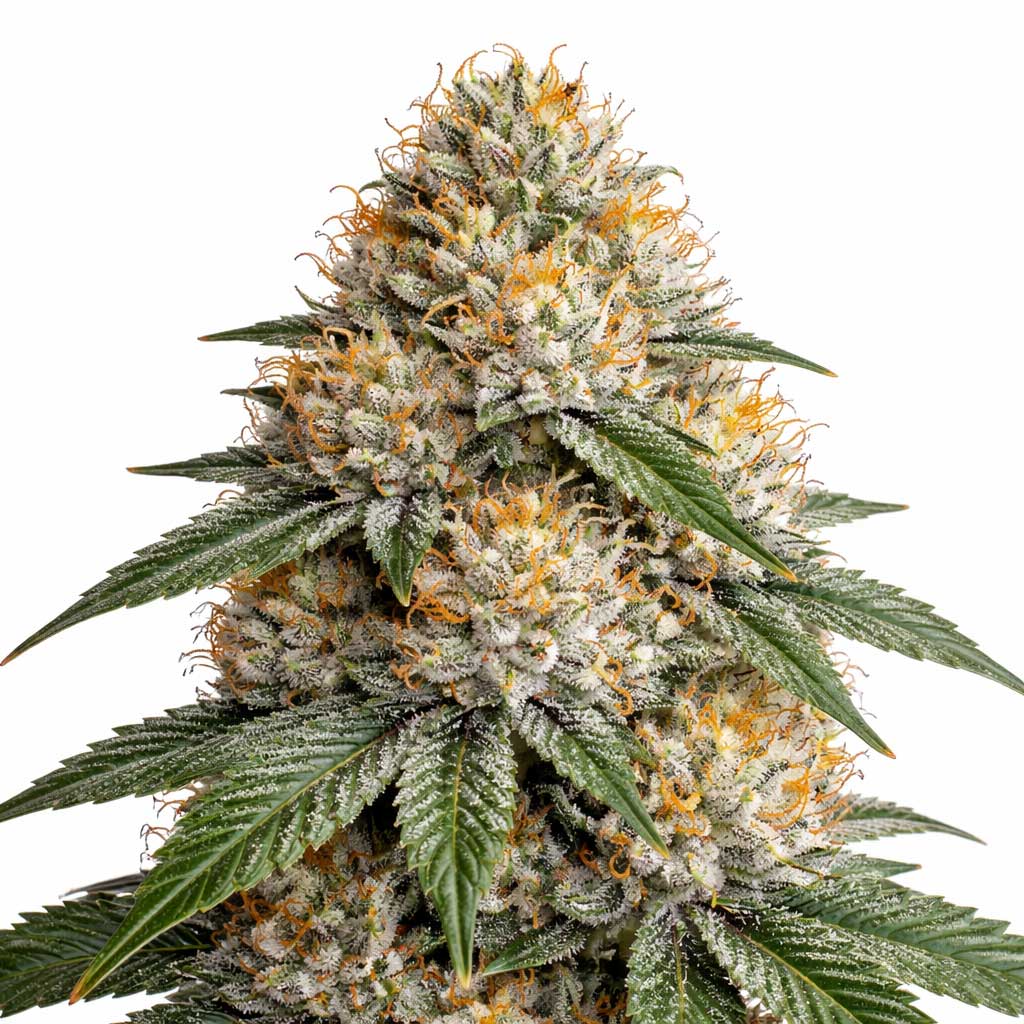
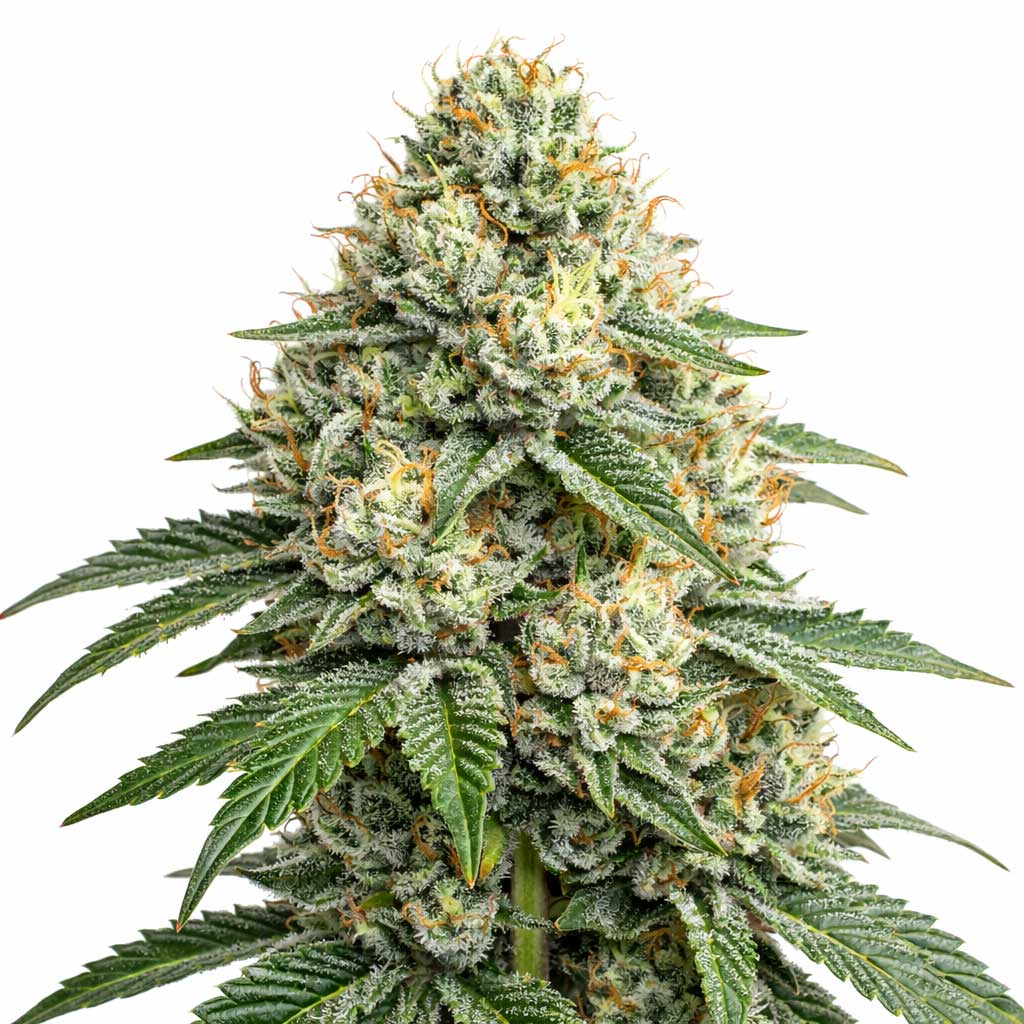
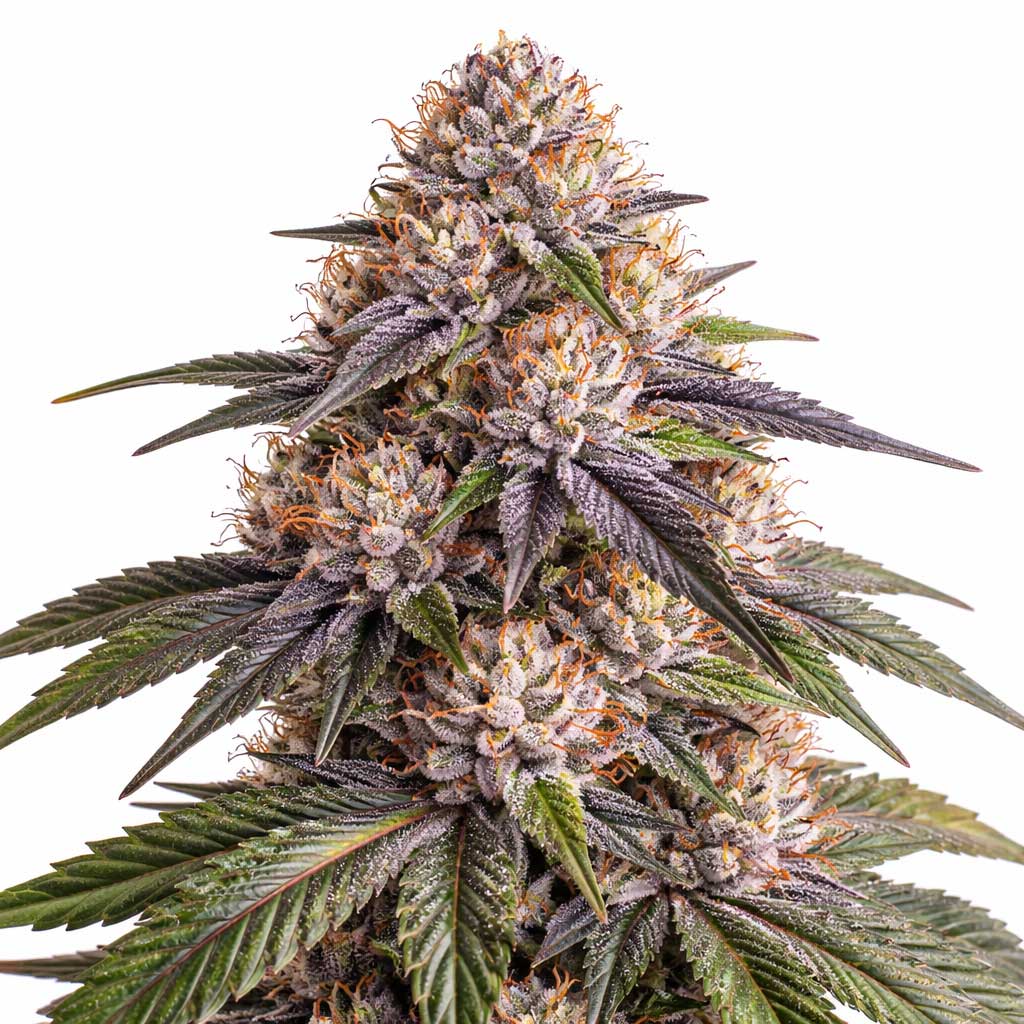
Hella Jelly is frequently described as a unique cultivar that grows like an indica but expresses effects like a high-potency sativa. Plants tend to remain compact and sturdy with strong branching and dense flower formation. Buds are typically thick, resin-coated, and aromatic, producing a loud candy-fruit scent even before full maturity. This strain is widely favored for commercial cultivation because of its exceptionally fast flowering window (often cited around 45 days) and its ability to maintain strong terpene intensity after harvest. In 2026, Hella Jelly remains a top recommendation for growers in shorter-season climates because it can finish before early autumn moisture conditions become a threat.

Effects & Use-Cases (Reported)
- Commonly reported effects: rapid cerebral uplift, energetic mood boost, creative stimulation, focus enhancement, and a smooth body calm during the comedown.
- Use-case context: commonly selected for daytime productivity, social sessions, creative work, and high-tolerance users seeking strong effects without heavy sedation.
- Landing profile: often described as having a “gentle landing,” providing muscle relaxation while keeping the mind active.
- Note: These are observational reports, not medical claims; outcomes are not guaranteed.
Aroma & Flavors
- Aroma: loud candy-fruit blend featuring blue cotton candy, strawberry syrup, grape candy, and tropical fruit notes.
- Flavor: sugary mango and grape jelly sweetness on the inhale, followed by tart sour citrus and cherry candy aftertaste on the exhale.
- Terpene associations: myrcene, caryophyllene, pinene.
Tested Cannabinoid & Terpene Ranges
| Compound | Typical Range* | Notes |
|---|---|---|
| Δ⁹-THC | ~26–30% (reported) | High potency; commonly recommended for high-tolerance consumers. |
| Total Cannabinoids | Reported high lots up to ~35% | Some 2026 living soil batches have tested exceptionally high. |
| CBD | Trace (~0–1%) | May contribute to smoother body relaxation in the comedown. |
| CBG | Trace (reported) | Minor cannabinoid sometimes present; may contribute to balanced clarity. |
| Myrcene | Not quantified | Associated with sweet fruit aroma depth and physical relaxation. |
| Caryophyllene | Not quantified | Associated with spice/fuel backbone and body comfort. |
| Pinene | Not quantified | Associated with focus, alertness, and clean terpene brightness. |
| Terpene Profile | Blue Cotton Candy / Strawberry | Grape candy, mango jelly sweetness, tart citrus-cherry finish. |
*Ranges are literature- and lab-report-informed references and can differ with environment, harvest timing, cultivation style, post-harvest handling, and analytical methods.
Cultivation Notes
- Light Cycle: 18/6 vegetative; 12/12 flowering
- Humidity Targets: 40–50% during flower; stable airflow recommended for dense buds
- Nutrition: moderate to heavy feeder; known for strong feed tolerance and rapid bud stacking
- Training: topping and LST recommended for maximizing canopy; responds well to trellis support
- Extraction Rating: often described as a “great washer,” with reported high ice water hash yields
- Harvest Window: late September outdoors (Northern Hemisphere), often finishing before early October rains
Grower Notes (Week-by-Week Snapshot)
- Weeks 1–2 (Transition/Stretch): short controlled stretch; shape canopy early; establish trellis for uniform bud sites.
- Weeks 3–4: rapid bud stacking begins; aroma becomes loud and fruity; light defoliation improves airflow.
- Weeks 5–6: peak bulking and resin expansion; flowers become dense and sticky; terpene expression intensifies.
- Day 45 Harvest Window: many phenotypes finish early; harvest based on trichome maturity (mostly cloudy for maximum energetic effects).
- Post-Harvest: Dry 18–20 °C, 55–60% RH to preserve volatile cotton candy terpenes and prevent flavor loss.
Timelines shift with genotype and environment; prioritize plant health markers and trichome maturity over calendar counts.
Genetic Lineage
Hella Jelly is a carefully engineered Humboldt Seed Company cultivar built from Very Cherry and Notorious T.H.C.. Very Cherry contributes the fruit-punch sativa energy and explosive candy aroma, while Notorious T.H.C. (often described as a high-potency indica line incorporating Humboldt OG and Caramel Cream) provides dense resin production, structural stability, and potency amplification. This pairing explains why Hella Jelly grows compact like an indica while delivering strong sativa-style mental stimulation and daytime clarity.
Research Insights
Hella Jelly’s popularity among high-tolerance consumers is often explained by its combination of extreme THC expression and unusually loud terpene clarity. Fruity “cotton candy” aromatic dominance is commonly associated with terpene blends involving myrcene and supporting compounds, while the strain’s energetic clarity may be reinforced by terpenes such as pinene. The presence of trace cannabinoids like CBG and CBD is frequently cited as a reason the cultivar avoids the harsh “sativa jitters” typical of high-THC sativas, producing a more stable entourage effect with a smoother landing phase.
Frequently Asked Questions
Is Hella Jelly an Indica or Sativa?
Hella Jelly is a Sativa-Dominant Hybrid (approximately 70% Sativa / 30% Indica), known for energetic effects and strong cerebral uplift.
What does Hella Jelly smell and taste like?
It features a candy-fruit aroma of blue cotton candy and strawberry, with grape and tropical mango sweetness followed by tart citrus and cherry finish.
What are the typical effects?
Reported effects include creativity, focus, upbeat energy, and an uplifting mental buzz with a smooth, relaxed comedown.
How long does Hella Jelly take to flower?
Hella Jelly is known for its extremely fast flowering time, often finishing in about 45 days indoors.
Is it suitable for beginners?
Hella Jelly is considered Moderate in difficulty. It is vigorous and forgiving, but its potency and fast growth may require basic training knowledge for best results.
Educational Disclaimer: This page is provided for scientific and horticultural reference only and does not constitute medical or promotional advice. Cannabis cultivation, possession, and use are regulated by local laws. Always comply with applicable legislation in your region.

Rate and review this strain
Ratings and reviews are accepted only from signed-in Google accounts.
Sign in with Google to leave a rating and written review.
Latest Reviews
0 reviewsNo reviews yet. Be the first Google user to rate and review this strain.