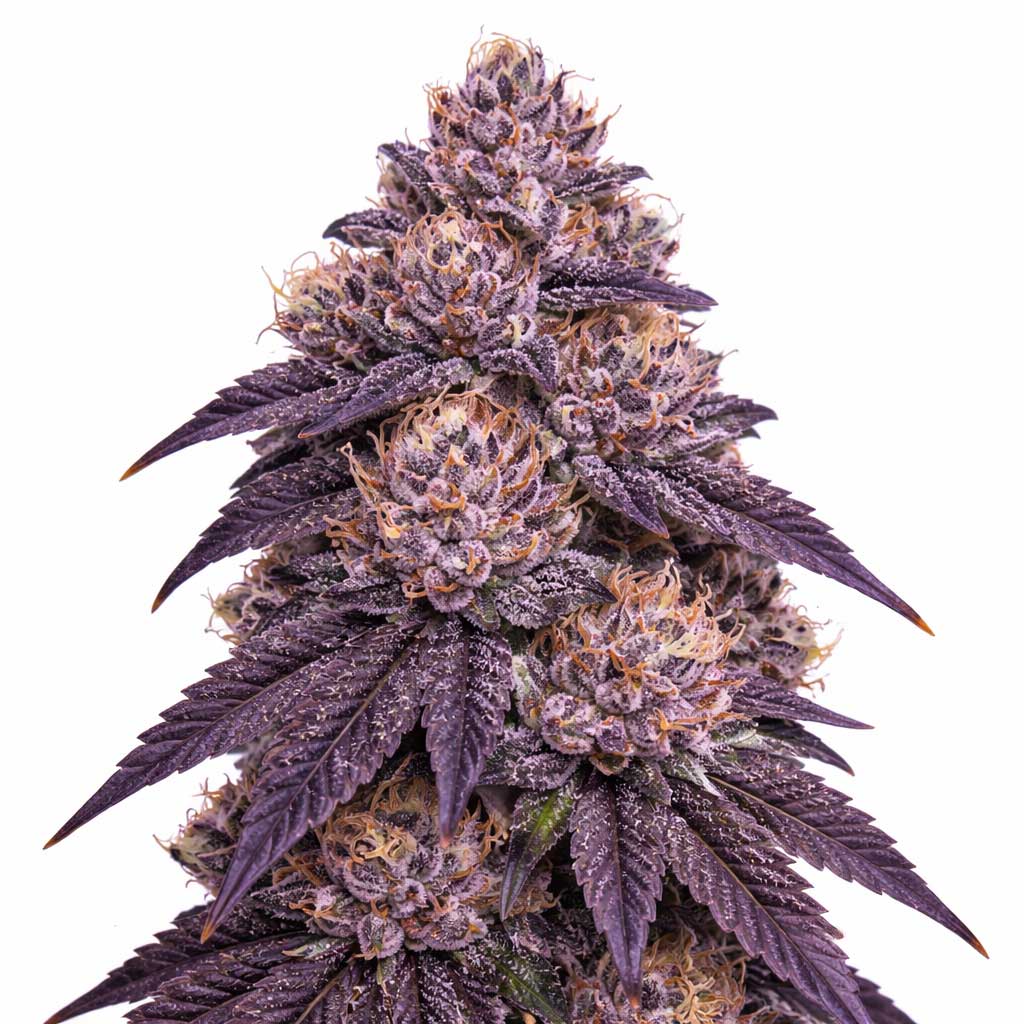
Grape Ape (Cannabis Strain)
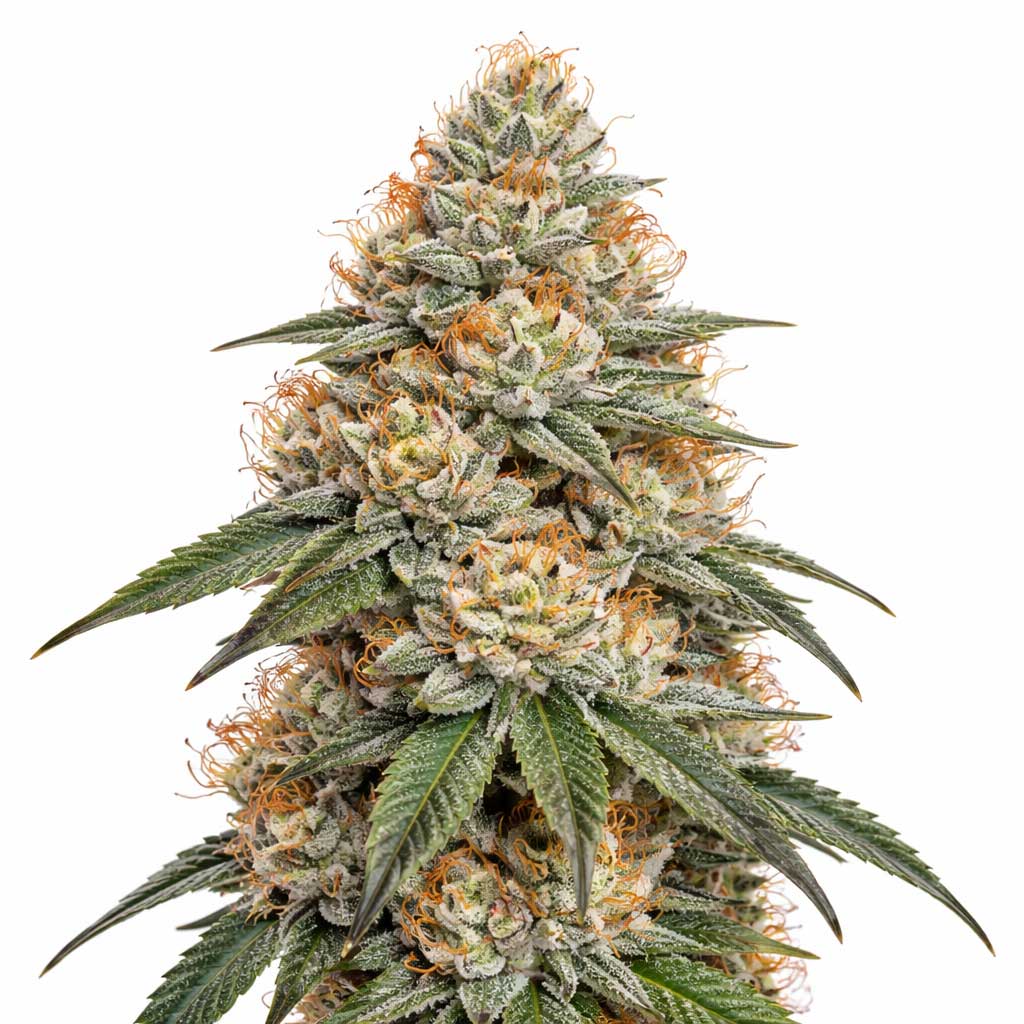
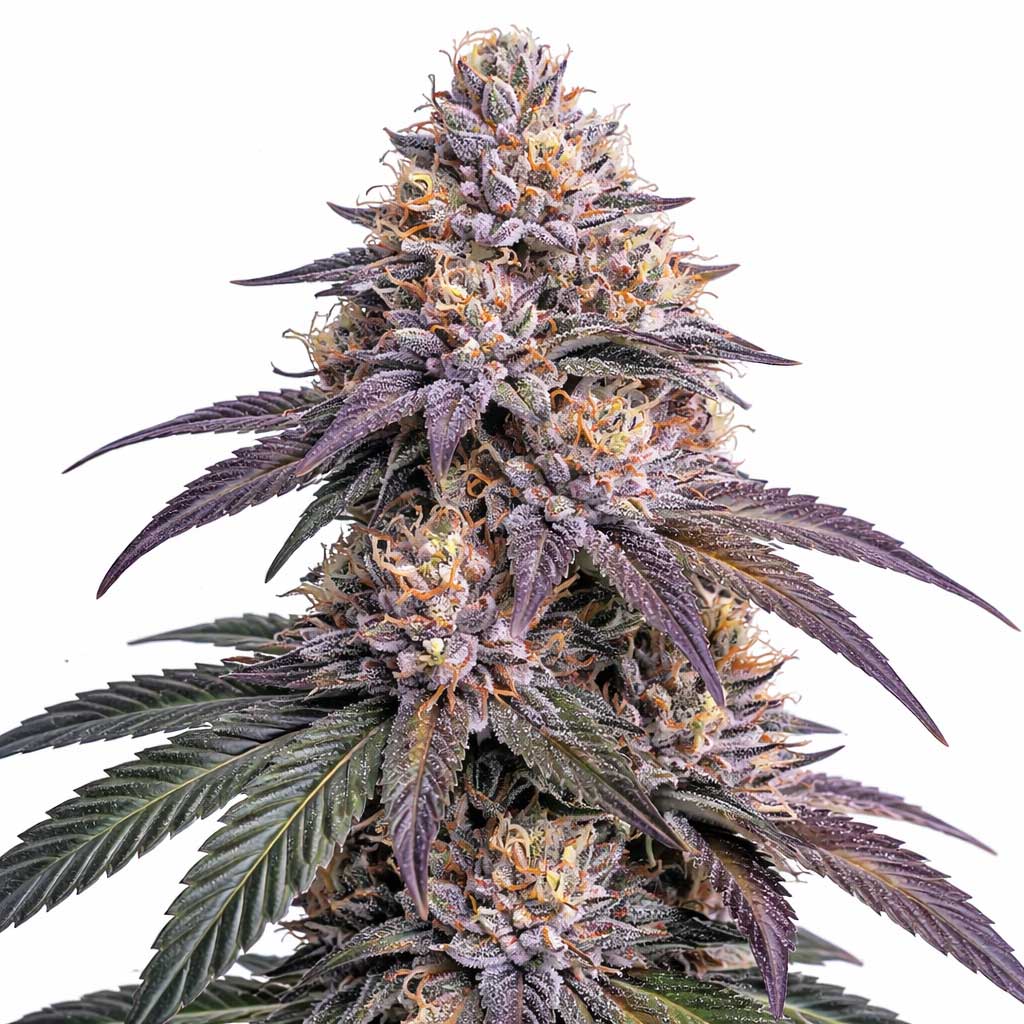
Grape Ape is a classic indica-dominant hybrid cannabis cultivar long recognized for its deep purple coloration, dense compact flowers, and signature grape-forward aroma. It is widely described as a cross of Mendocino Purps, Skunk, and Afghani, and is commonly associated with both Apothecary Genetics and Barney’s Farm as important propagators of the line.
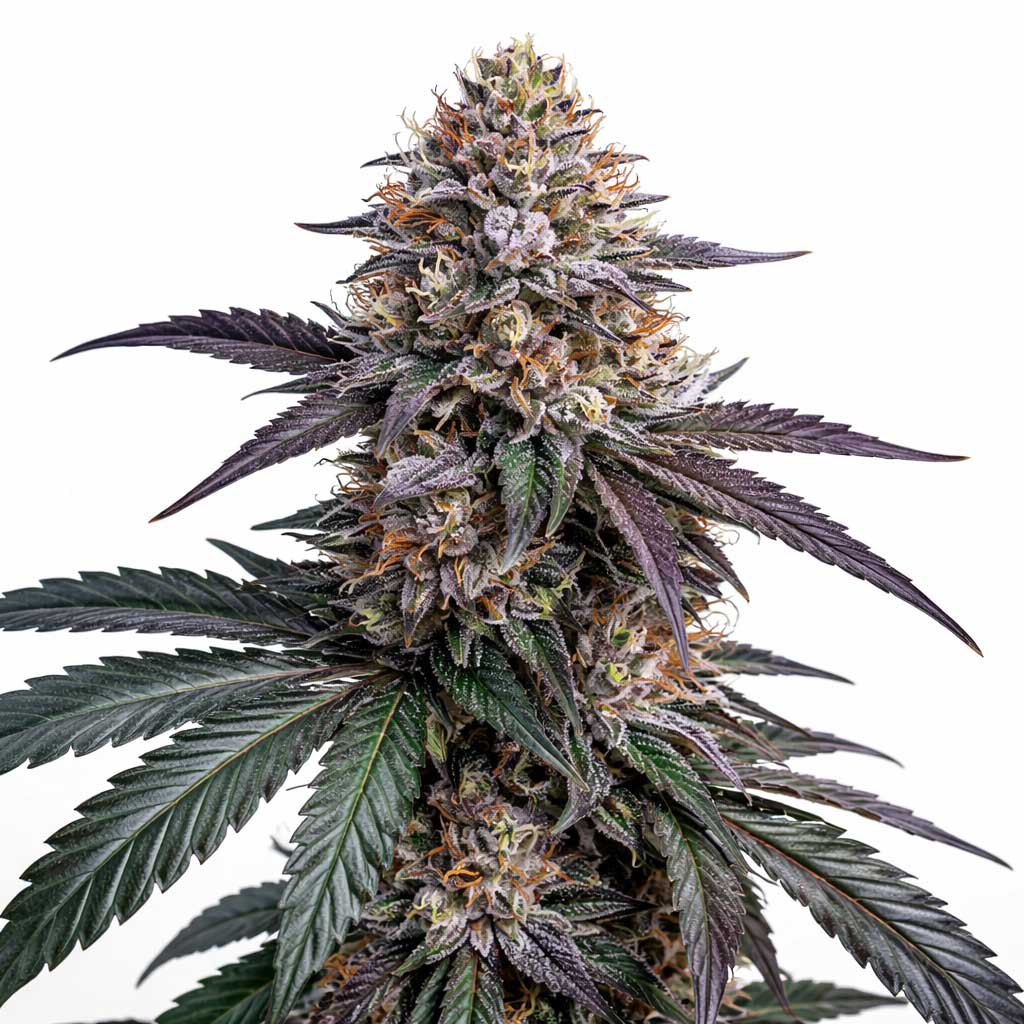
Best known for its sweet concord-grape scent, heavy body relaxation, and strong “purple” visual appeal, Grape Ape remains a go-to cultivar for consumers and growers who prefer flavor, color, and dependable nighttime sedation over sharper gas-forward Kush profiles. Leafly describes it as a mostly indica strain with dense compact buds and deep purple leaves that darken as it finishes its roughly 7 to 8 week flowering cycle.

Quick Facts
| Feature | Details |
|---|---|
| Original Breeder | Commonly attributed to Apothecary Genetics, with Barney’s Farm also widely associated with propagation of the line |
| Genetics | Mendocino Purps × Skunk × Afghani |
| Variety | Indica-dominant hybrid |
| THC Range | Commonly around 18%–22% |
| Flowering Time | 7–8 weeks (approximately 50–56 days indoors) |
| Yield Class | Moderate to high, with chunky dense flower sets |
| Plant Structure | Short, stocky, bushy indica frame with broad leaves and dense compact colas |
| Canopy Behavior | Minimal stretch; focuses more on lateral fill and bud density than vertical reach |
| Climate Preference | Moderate temperatures with good airflow; cooler late-flower nights can intensify purple expression |
| Grower Difficulty | Easy to intermediate; generally hardy, but dense flowers still require airflow discipline |
Scientific & Botanical Overview
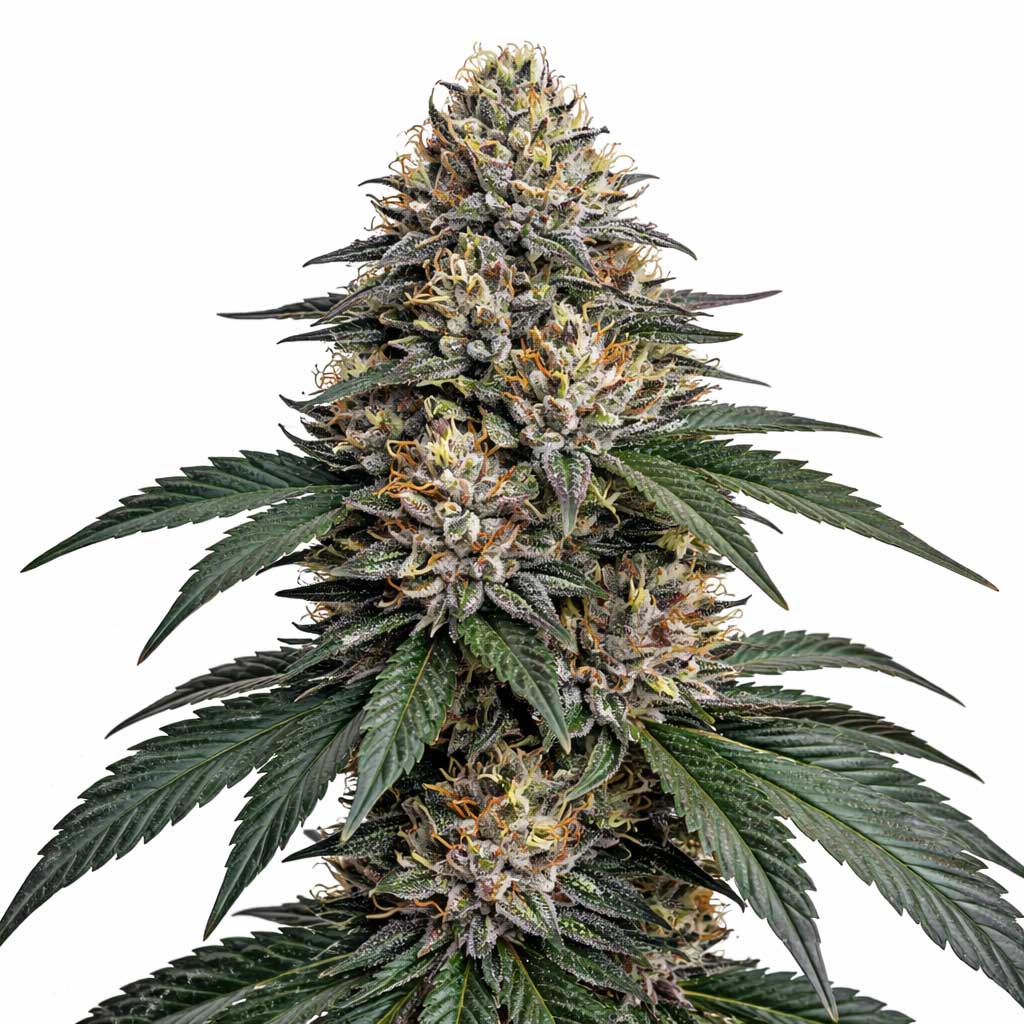
Grape Ape is especially notable for its strong anthocyanin expression, often producing flowers and leaves that darken into rich purple tones as the plant matures. Its buds are usually dense, compact, and resinous, with a look that strongly reflects its Afghani and Mendocino Purps heritage. Leafly and other strain references consistently describe the cultivar as producing dense compact buds wrapped in dark purple foliage by the end of flower.
From a structural standpoint, Grape Ape behaves like a classic stocky indica-leaning plant, generally staying manageable in height and working well in indoor rooms where vertical control matters. That compact structure is one reason it has remained popular for indoor cultivation over the years, especially in gardens where a dependable short-to-medium frame is preferred over lankier OG-style growth.
Botanically, Grape Ape is best understood as a terpene-led heritage purple strain. Its long-standing appeal comes less from extreme modern potency numbers and more from its consistent grape aroma, dense bud formation, and body-heavy finish that often feels stronger than the lab numbers alone might suggest.
Effects & Use-Cases (Reported)
Commonly reported effects: calming physical relaxation, mood easing, a heavier body sensation, and a sedative nighttime finish. Leafly specifically describes Grape Ape as providing carefree relaxation, while user-reported review data highlights pain, stress, and anxiety among the most commonly mentioned reasons people use it.
Use-case context: Grape Ape is most often associated with evening use, decompression, and low-activity settings where a slower, body-led purple-indica experience is preferred over a racy cerebral high. Many strain summaries position it as a dependable nighttime cultivar rather than an energetic daytime hybrid.
Note: These observations are anecdotal reports and should not be interpreted as medical claims.
Aroma & Flavors
Aroma: sweet concord grapes, berry syrup, damp earth, and a subtle skunky musk. Multiple strain references consistently describe Grape Ape’s defining characteristic as a sweet grape-like smell.
Flavor: The inhale is commonly described as grape candy or grape soda-like sweetness, while the exhale turns more earthy, musky, and softly spiced with a lingering fruit finish.
Terpene associations: Myrcene is frequently cited as the dominant terpene, with supporting floral and spicy notes often attributed to linalool- and caryophyllene-like structure.
Tested Cannabinoid & Terpene Ranges
| Compound | Typical Range* | Grower-Oriented Interpretation |
|---|---|---|
| Δ9-THC | 18%–22% | Balanced potency that prioritizes reliable body effects and terpene-led experience over extreme THC chasing |
| Myrcene | Often dominant | Anchors the earthy grape depth and supports the heavier sedative body feel |
| Linalool | Secondary, phenotype-dependent | Adds soft floral sweetness that helps round out the berry profile |
| Caryophyllene | Secondary, phenotype-dependent | Contributes subtle spice and structure beneath the sweeter purple-fruit top notes |
*Ranges vary by phenotype, cultivation environment, harvest timing, and cure protocol. Grape Ape is best understood as a flavor-first heritage purple cultivar rather than a modern maximum-THC exotic.

Cultivation Notes
- Vegetative Vigor: Moderate; plants usually stay compact and bushy rather than stretching aggressively.
- Light Cycle: 18/6 vegetative and 12/12 flowering.
- Humidity Targets: Around 55% in veg, tapering toward 40%–45% in flower because dense buds can trap moisture.
- Nutrition: Generally accepts a standard feeding schedule well and is often considered more forgiving than many newer boutique hybrids.
- EC / Feeding Sensitivity: Relatively robust, though overwatering can still become an issue because of its compact root and canopy behavior.
- Training: Defoliation and lower-canopy cleanup are useful because broad indica leaves can shade inner bud sites.
- Support Needs: Low to moderate; stems are usually sturdy, though dense colas can lean late in flower.
- Mold / Moisture Risk: Moderate to high because of very dense bud structure, making airflow and dehumidification worthwhile.
- Harvest Window: Commonly around day 50–56, with some growers taking select cuts slightly longer for heavier sedative depth.
Grower Notes (Week-by-Week Snapshot)
- Weeks 1–2 (Foundation): Plants usually establish a wide, bushy footprint with very limited vertical push.
- Weeks 3–4 (Canopy Set): Flower formation begins quickly, and this is the best time for final cleanup and light leaf thinning.
- Weeks 5–6 (Bulking): Buds gain noticeable density and weight while resin production becomes more obvious on the sugar leaves.
- Weeks 7–8 (Purple Finish): Cooler nighttime temperatures often intensify purple coloration, and the grape aroma becomes much more pronounced.
- Finish Window: By the end of its normal cycle, flowers are usually hard, compact, and heavily pigmented with a thick resin finish.
- Post-Harvest: A slow controlled dry helps preserve the grape esters and reduces the risk of flattening the aroma into generic earthiness.
Genetic Lineage
Grape Ape is most commonly described as a cross of Mendocino Purps, Skunk, and Afghani, a lineage consistently referenced by Leafly and other major strain summaries. That combination helps explain its deep purple color, sweet grape identity, dense indica structure, and steady body-heavy effect profile.
The Mendocino Purps side appears most strongly in the cultivar’s grape-like aroma and purple visuals, while the Skunk and Afghani components help reinforce vigor, density, and the heavier indica finish that made Grape Ape a purple-family classic.
Research Insights
Grape Ape remains especially interesting because it demonstrates how moderate THC paired with a myrcene-forward purple-fruit terpene profile can still create a distinctly heavy, sleep-leaning effect. This makes it a useful contrast to newer strains that chase higher THC numbers but do not always deliver the same body-weighted sedation. That conclusion is an inference based on the strain’s widely cited terpene/indica profile and consistent user-reported effects.
From a grower’s perspective, Grape Ape also shows the long-term commercial value of stable aroma, color, and compact structure. Its staying power comes from being recognizable, repeatable, and easy to place in the market as a true heritage purple cultivar.
Frequently Asked Questions
Who is the original breeder of Grape Ape?
Grape Ape is most commonly attributed to Apothecary Genetics, while Barney’s Farm is also widely associated with propagating the line.
Is Grape Ape an indica or sativa?
It is generally described as a mostly indica strain.
What does Grape Ape taste like?
It is most often described as sweet grape, berry, and earthy musk, often compared to grape candy or grape soda.
Does Grape Ape always turn purple?
Most references describe strong purple expression as a core trait, and cooler late-flower conditions can intensify the color further.
Educational Disclaimer
This page is provided for scientific and horticultural reference only. Cannabis laws vary by jurisdiction; always ensure compliance with local regulations.
Rate and review this strain
Ratings and reviews are accepted only from signed-in Google accounts.
Sign in with Google to leave a rating and written review.
Latest Reviews
0 reviewsNo reviews yet. Be the first Google user to rate and review this strain.