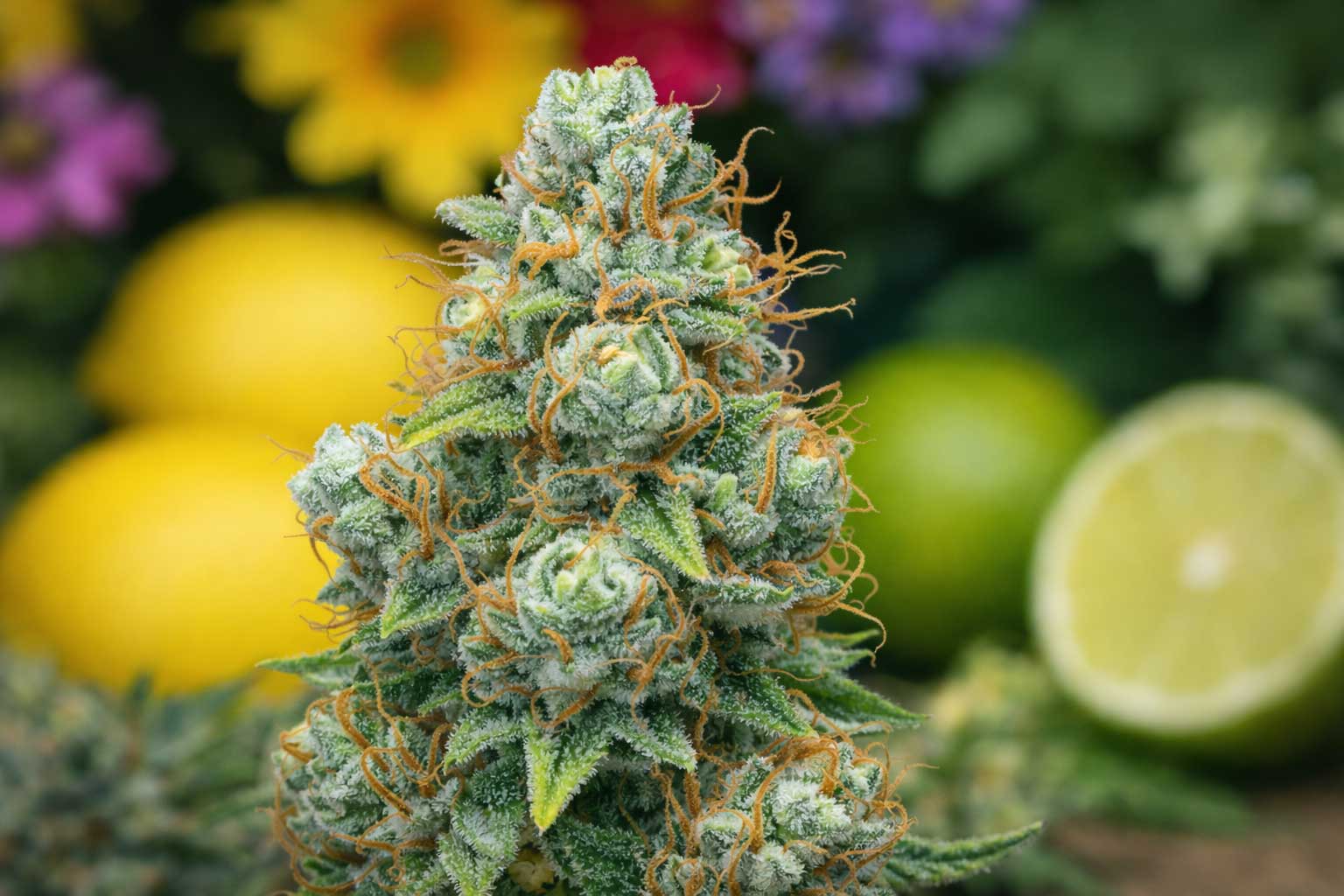
Durban Z (Cannabis Strain) — Strainpedia
Durban Z (also known as Durban Zkittlez) is a modern Sativa-Dominant Hybrid cultivar bred to deliver classic Durban-style energy with smoother, candy-forward terpene complexity. Developed from the cross of Durban Poison x Zkittlez, Durban Z gained major popularity in 2026 as a daytime “productivity spark” strain praised for its exceptional terpene clarity, preserving bright citrus and candy notes that many cultivars lose during curing. The information below is intended strictly for scientific and botanical reference.
Quick Facts
| Genetics | Durban Poison x Zkittlez |
|---|---|
| Variety | Sativa-Dominant Hybrid (approx. 70% Sativa / 30% Indica) |
| Flowering Time | 60–65 days (approx. 9 weeks indoors) |
| Yield Potential | Moderate to High (reported; phenotype dependent) |
| Plant Height | Medium to Tall; significant stretch during early flower |
| Climate Preference | Warm, Sunny, or Controlled Indoor (stable environment improves terpene retention) |
| Difficulty | Intermediate (requires canopy management and stretch control) |
Scientific & Botanical Overview
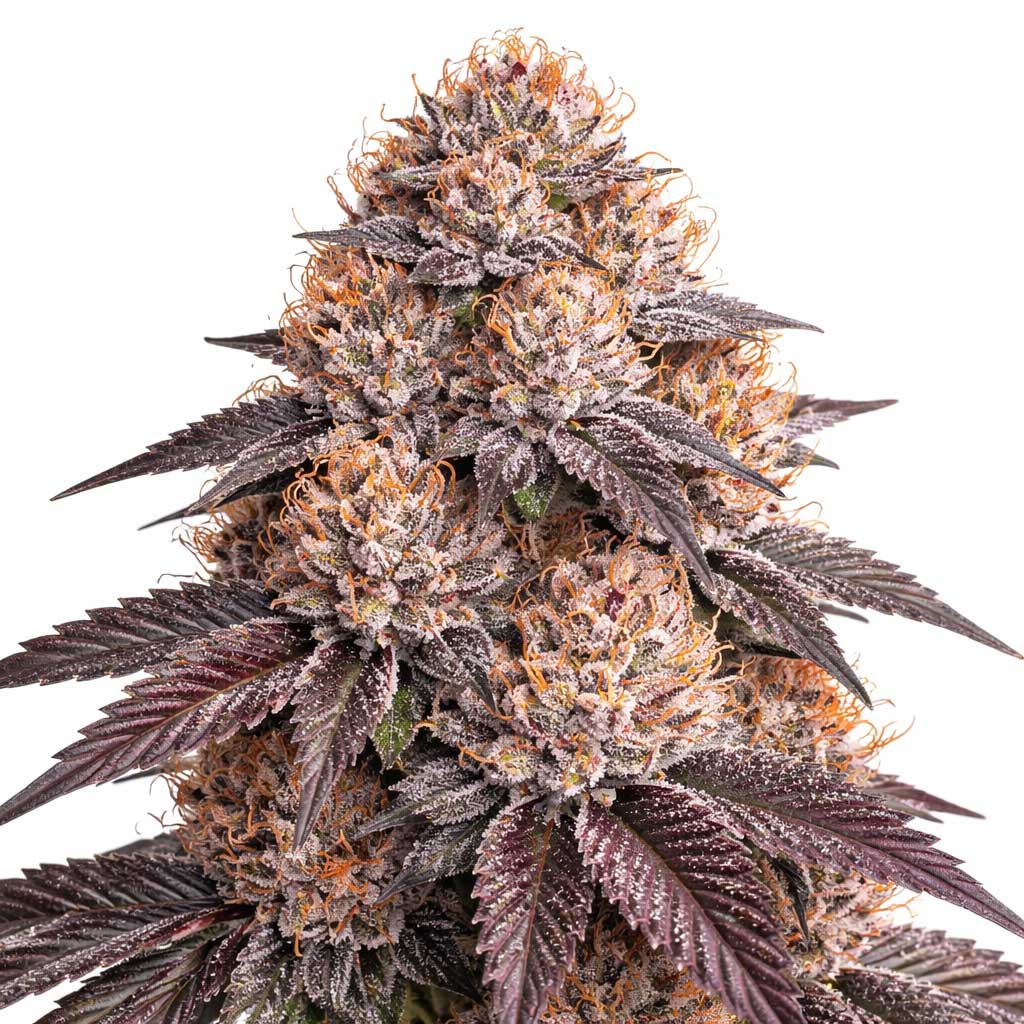
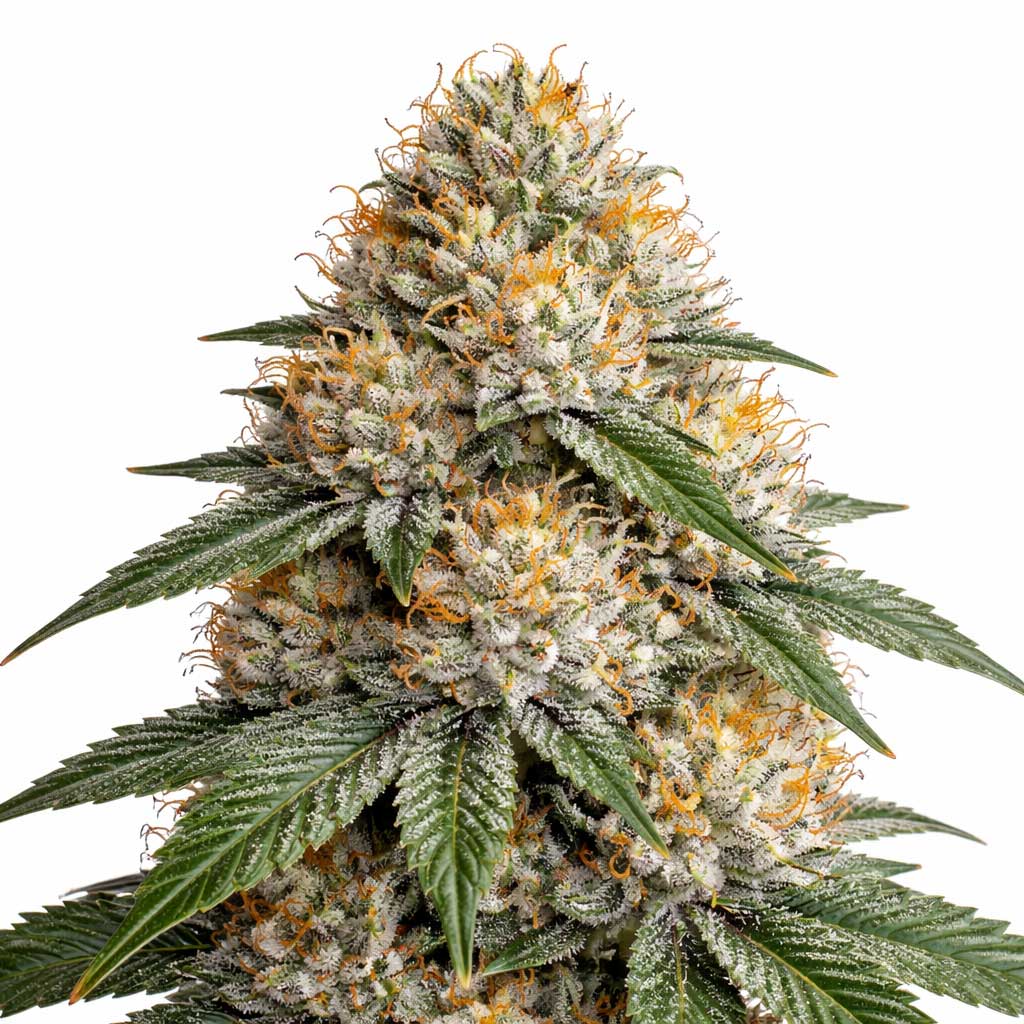
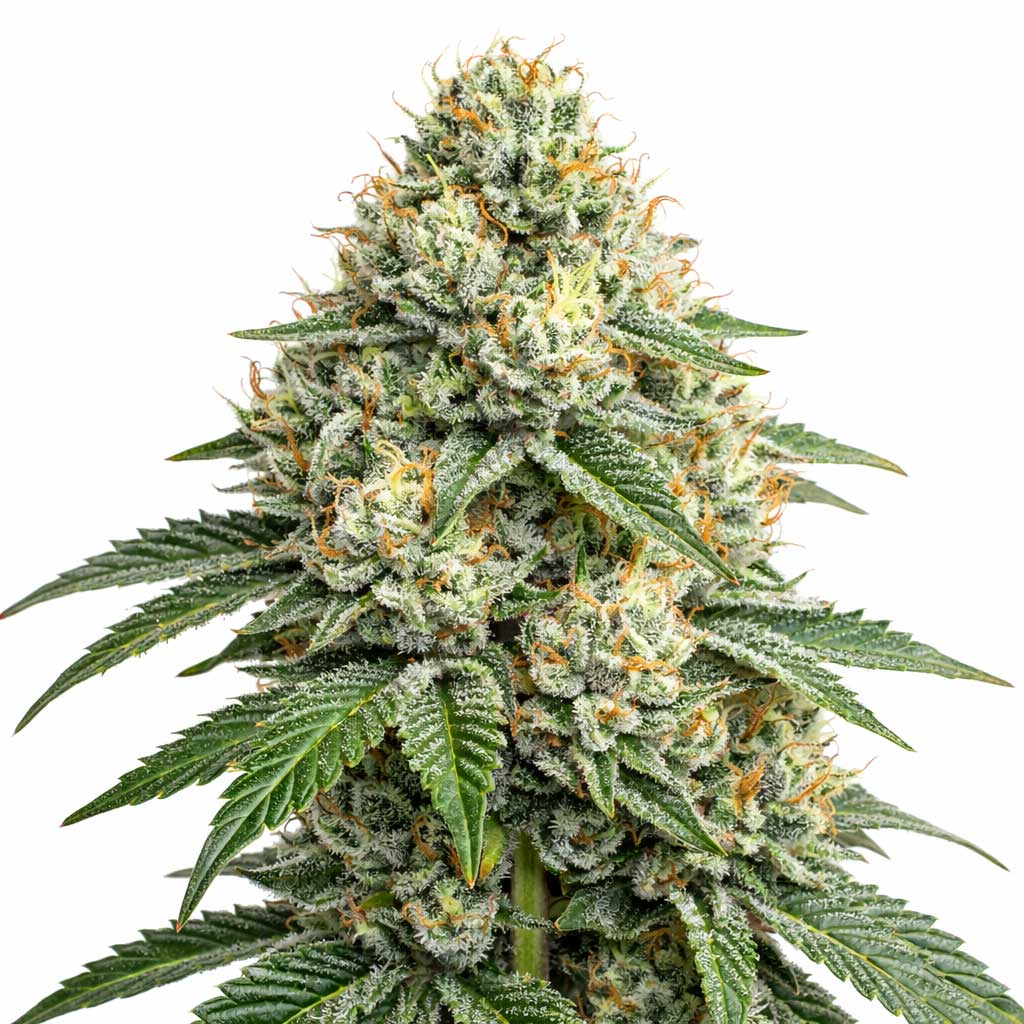
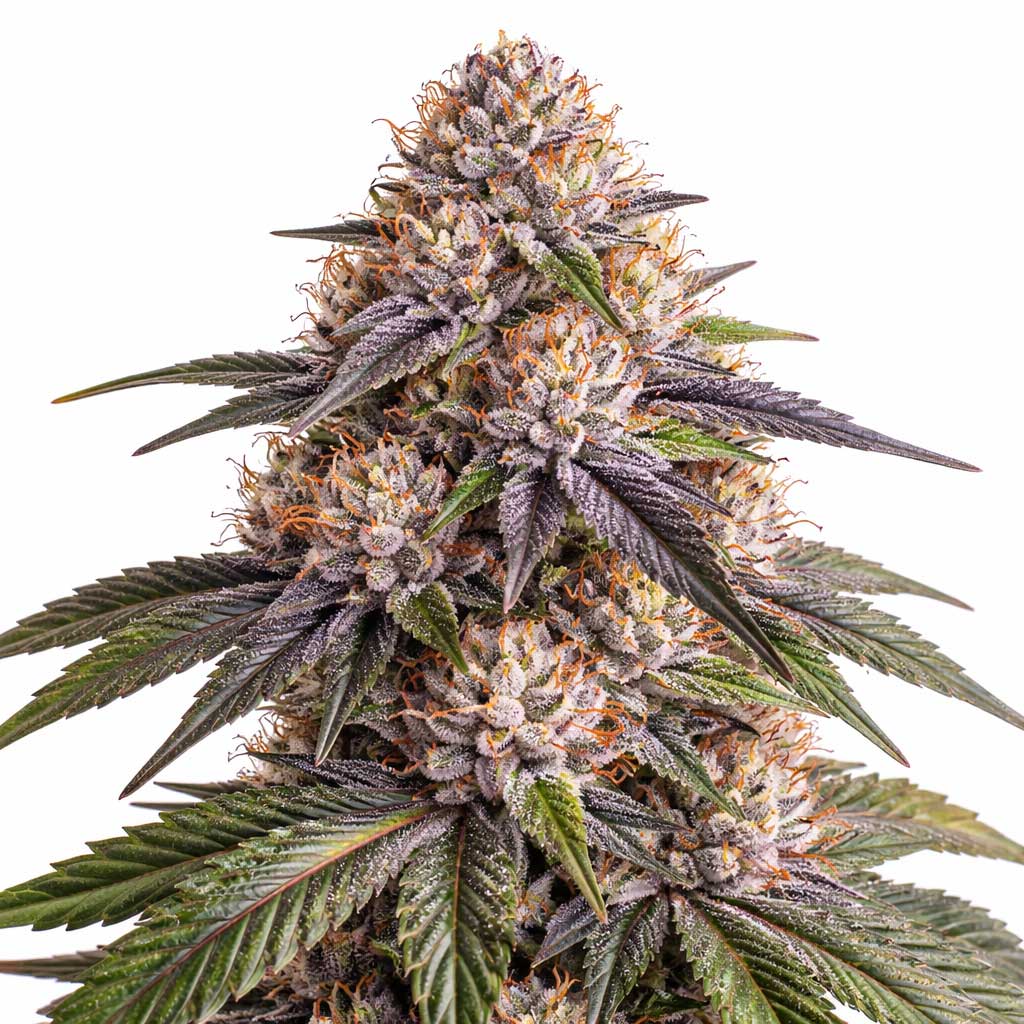
Durban Z expresses vigorous sativa-dominant growth with noticeable stretch during early flower and strong vertical development. Buds are often oversized and spade-shaped, typically displaying deep green coloration with a sticky resin coat. Cultivators frequently describe the flower texture as extremely tacky, with a dense, sand-like grind consistency. Durban Z is often grown for premium daytime flower production, with curing stability frequently highlighted as a standout trait—its citrus-candy terpene signature tends to remain bright and intact compared to many modern fruit hybrids that fade quickly after harvest.

Effects & Use-Cases (Reported)
- Commonly reported effects: mental stimulation, alertness, imagination boost, upbeat mood lift, and sustained clarity.
- Use-case context: commonly selected for daytime productivity, workouts, creative deep-work, gaming, social engagement, and completing tasks without heavy sedation.
- Note: These are observational reports, not medical claims; outcomes are not guaranteed.
Aroma & Flavors
- Aroma: bright lemon rind and sour citrus candy layered with sweet fruit notes and a subtle herbal spice backbone.
- Flavor: tutti-frutti candy and sharp citrus on the inhale, followed by a classic Durban-style anise (black licorice) and pine finish on the exhale.
- Terpene associations: terpinolene (suggested dominant), limonene, caryophyllene.
Tested Cannabinoid & Terpene Ranges
| Compound | Typical Range* | Notes |
|---|---|---|
| Δ⁹-THC | ~22–27% (reported) | Often described as strong but clean and functional for daytime use. |
| THCa | Reported high lots (up to ~35% THCa) | Some premium batches have tested unusually high in THCa content. |
| CBD | ~0–1% | Generally present at low, trace levels. |
| Terpinolene | Not quantified | Frequently associated with sharp citrus-herbal clarity and “productive” effects. |
| Limonene | Not quantified | Associated with bright citrus sweetness and mood elevation. |
| Caryophyllene | Not quantified | Associated with spice depth and grounding balance. |
| Terpene Profile | Citrus Candy / Licorice Pine | Lemon rind, sour candy fruit, anise spice, pine finish. |
*Ranges are literature- and lab-report-informed references and can differ with environment, harvest timing, post-harvest handling, and analytical methods.
Cultivation Notes
- Light Cycle: 18/6 vegetative; 12/12 flowering
- Humidity Targets: 40–50% during flower; airflow important due to long branching and dense bud sites
- Nutrition: Moderate feeder; benefits from stable nitrogen control during stretch and balanced bloom nutrition during stacking
- Training: Topping and LST strongly recommended; SCROG or trellis support can help manage stretch and increase uniform yield
- Harvest Window: Early to mid-October outdoors (Northern Hemisphere), depending on phenotype
Grower Notes (Week-by-Week Snapshot)
- Weeks 1–2 (Transition/Stretch): strong stretch begins; establish canopy structure early; apply LST/trellis to control vertical growth.
- Weeks 3–4: flower sites form rapidly; remove weak lower growth; light defoliation improves airflow and light penetration.
- Weeks 5–6: resin development increases; citrus candy aroma intensifies; stabilize environment to protect terpinolene retention.
- Weeks 7–8: peak bulking; buds become dense and sticky; maintain humidity control to avoid moisture issues.
- Weeks 9: ripening phase; harvest based on trichome maturity (mostly cloudy for maximum daytime clarity).
- Post-Harvest: Dry 18–20 °C, 55–60% RH to preserve citrus candy terpenes and prevent aromatic fade during curing.
Timelines shift with genotype and environment; prioritize plant health markers and trichome maturity over calendar counts.
Genetic Lineage
Durban Z combines two highly influential genetic lines: Durban Poison, a legendary South African sativa known for its sharp licorice-pine aroma and energetic clarity, and Zkittlez, an award-winning modern hybrid famous for sweet candy terpenes and balanced effects. This pairing was widely pursued to preserve Durban’s productivity-focused energy while smoothing its sometimes jittery edge, creating a cultivar that bridges classic landrace stimulation with modern candy flavor complexity.
Research Insights
The popularity of Durban Z in 2026 reflects increasing consumer demand for “clean daytime” cultivars that maintain focus without overwhelming anxiety. The strain’s strong aromatic clarity is frequently associated with terpinolene, a terpene often linked to sharp citrus-herbal profiles and mentally stimulating effects. When paired with limonene for mood lift and caryophyllene for grounding balance, Durban Z may produce a notable entourage effect that delivers sustained energy and cognitive uplift while reducing the harsh edge of pure sativa stimulation. This makes Durban Z a strong example of modern breeding focused on productivity and terpene retention.
Frequently Asked Questions
Is Durban Z an Indica or Sativa?
Durban Z is classified as a Sativa-Dominant Hybrid (approximately 70% Sativa / 30% Indica), known for daytime energy and clear mental stimulation.
What does Durban Z smell and taste like?
Durban Z carries bright lemon-candy aroma with fruity sweetness, followed by a signature Durban-style black licorice and pine finish.
What are the typical effects?
Reported effects include focus, motivation, mental clarity, creative stimulation, and a smooth uplifting mood without heavy sedation.
How long does Durban Z take to flower?
Durban Z typically flowers in 60–65 days (about 9 weeks) indoors.
Is it suitable for beginners?
Durban Z is considered Intermediate due to its strong stretch and need for canopy control, but it is manageable with topping and training.
Educational Disclaimer: This page is provided for scientific and horticultural reference only and does not constitute medical or promotional advice. Cannabis cultivation, possession, and use are regulated by local laws. Always comply with applicable legislation in your region.

Rate and review this strain
Ratings and reviews are accepted only from signed-in Google accounts.
Sign in with Google to leave a rating and written review.
Latest Reviews
0 reviewsNo reviews yet. Be the first Google user to rate and review this strain.