Blackberry (Cannabis Strain) — Strainpedia
Blackberry is an indica-leaning hybrid cannabis cultivar most commonly described as the cross of Black Domina and Raspberry Cough. It is widely recognized for its dark fruit-forward aroma layered with fuel-like sharpness, along with frosty flower development and balanced hybrid structure.
The cultivar is often positioned as a modern hybrid that blends indica-style density with a more active mental profile inherited from its sativa-influenced parent. As with many cannabis strains, expression may vary by phenotype, cultivation method, and curing process. The information below is provided strictly for scientific and horticultural reference.
Quick Facts
| Genetics | Black Domina x Raspberry Cough |
|---|---|
| Variety | Indica-Leaning Hybrid |
| Flowering Time | Approximately 9–11 weeks indoors |
| Yield Potential | Moderate, depending on environment and phenotype |
| Plant Height | Medium, with a relatively compact structure |
| Climate Preference | Warm, stable environments with consistent airflow and light |
| Difficulty | Intermediate |
Strain Classification
| Type | Indica-Leaning Hybrid |
|---|---|
| Genetic Family | Black Domina / Raspberry Cough Lineage |
| Primary Terpenes | Commonly associated with Myrcene, Caryophyllene, and Limonene* |
| Breeding Lineage | Black Domina x Raspberry Cough |
*Exact terpene dominance can vary depending on phenotype and cultivation conditions.
Scientific & Botanical Overview
Blackberry combines traits from two distinct genetic directions. Black Domina contributes compact structure, darker visual traits, and resin density, while Raspberry Cough introduces a lighter, more expressive aromatic profile and a slightly more active hybrid character.
Plants are typically manageable in size with dense flower development and noticeable trichome production. The flowering cycle is moderately long, placing it between fast commercial hybrids and extended bloom sativa lines.
Appearance
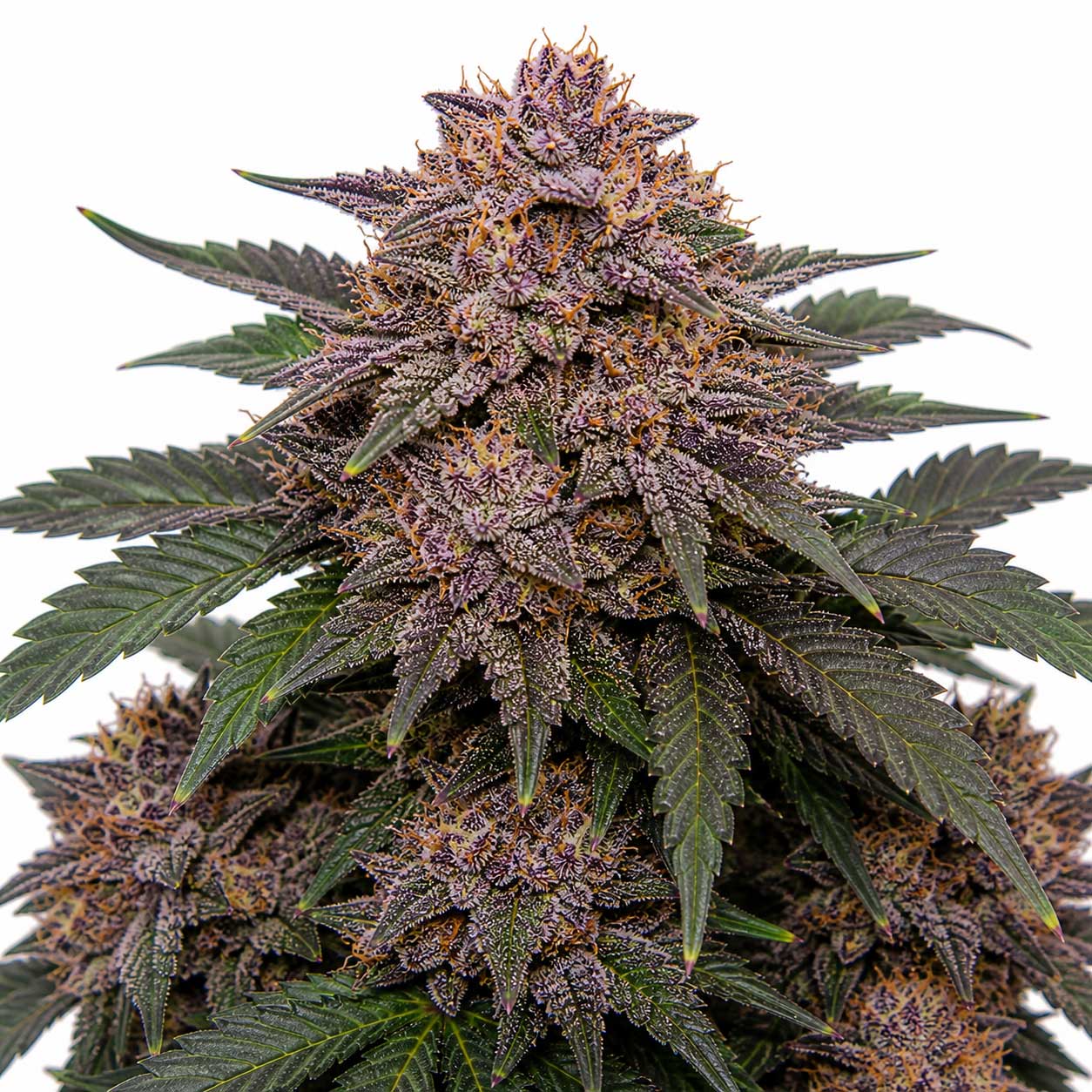
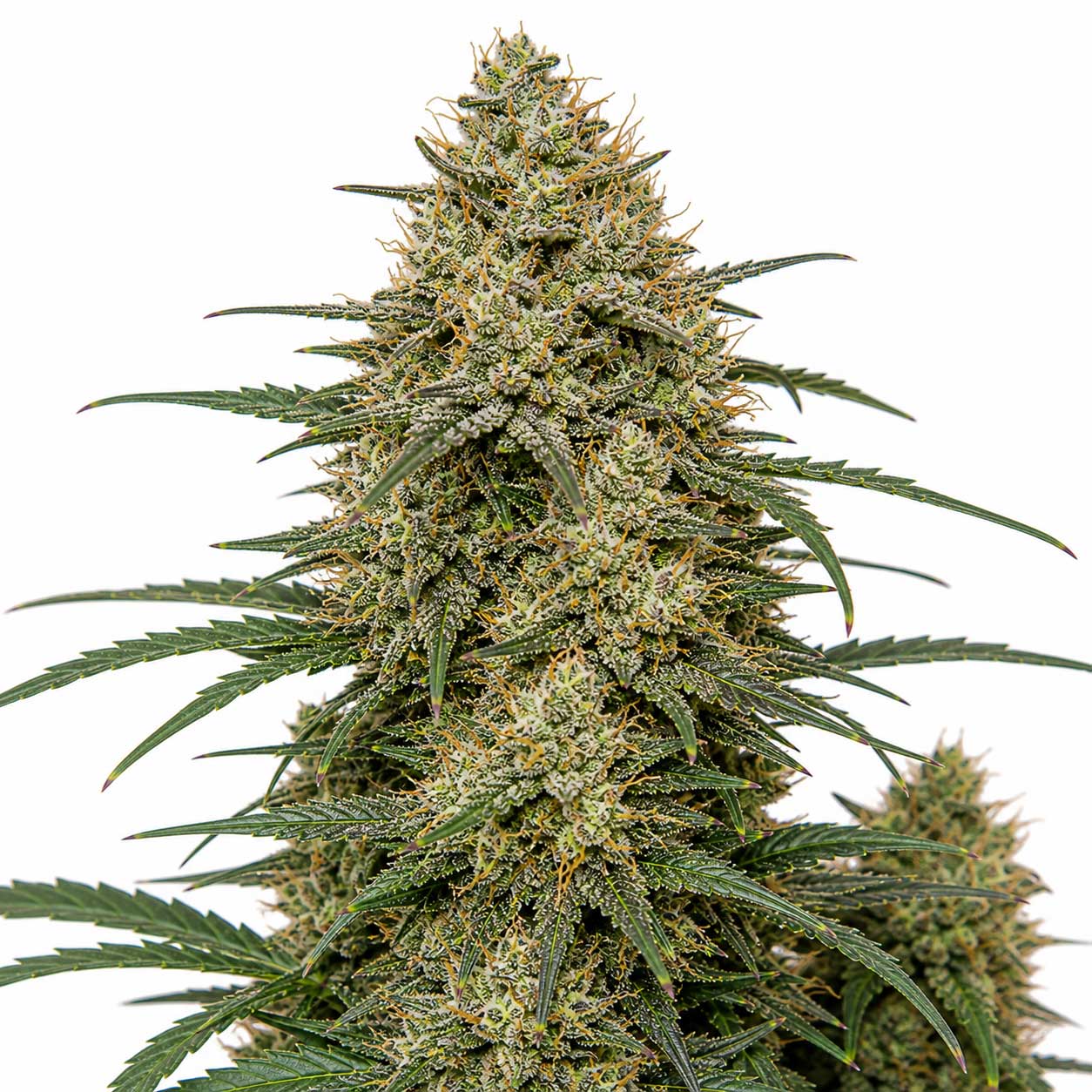
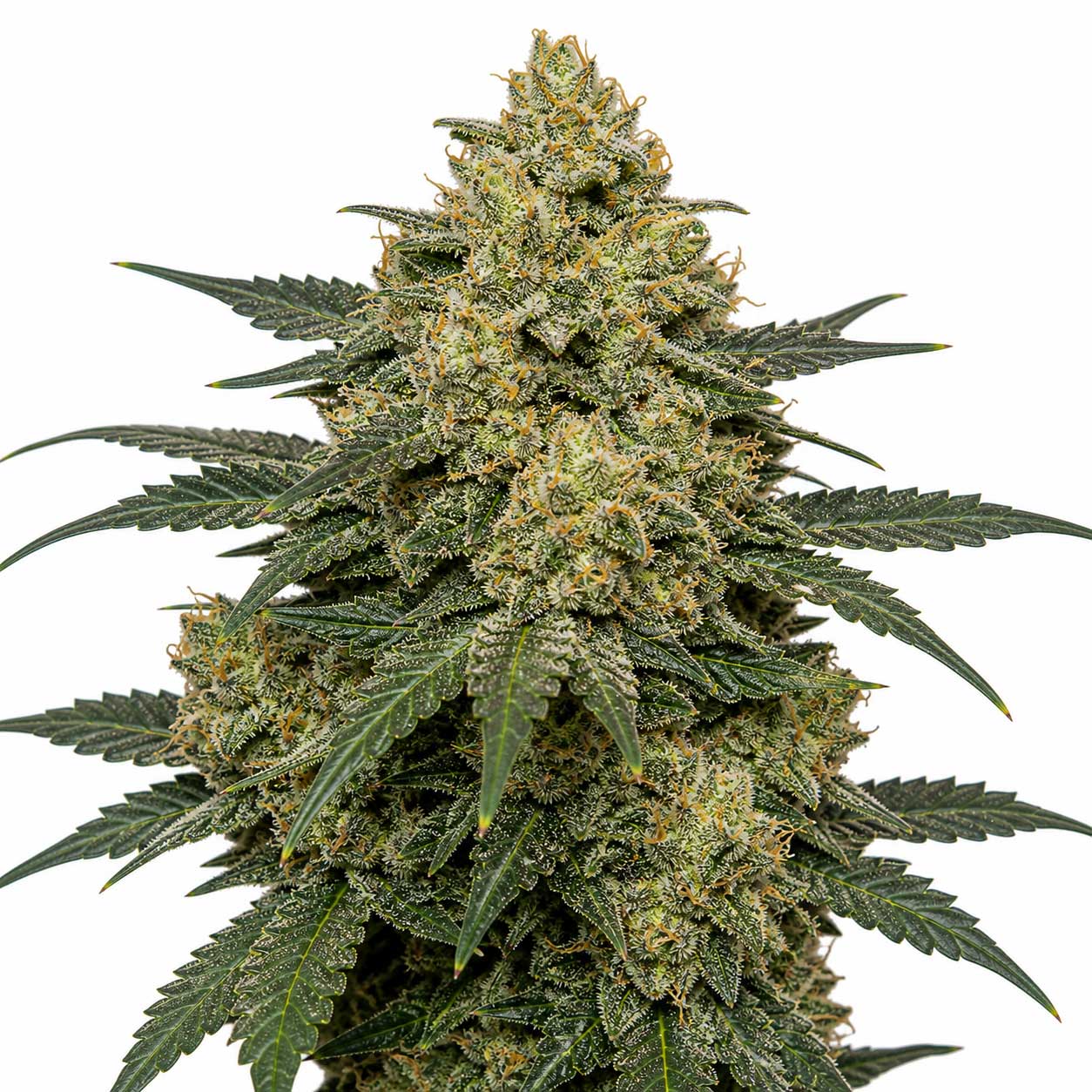
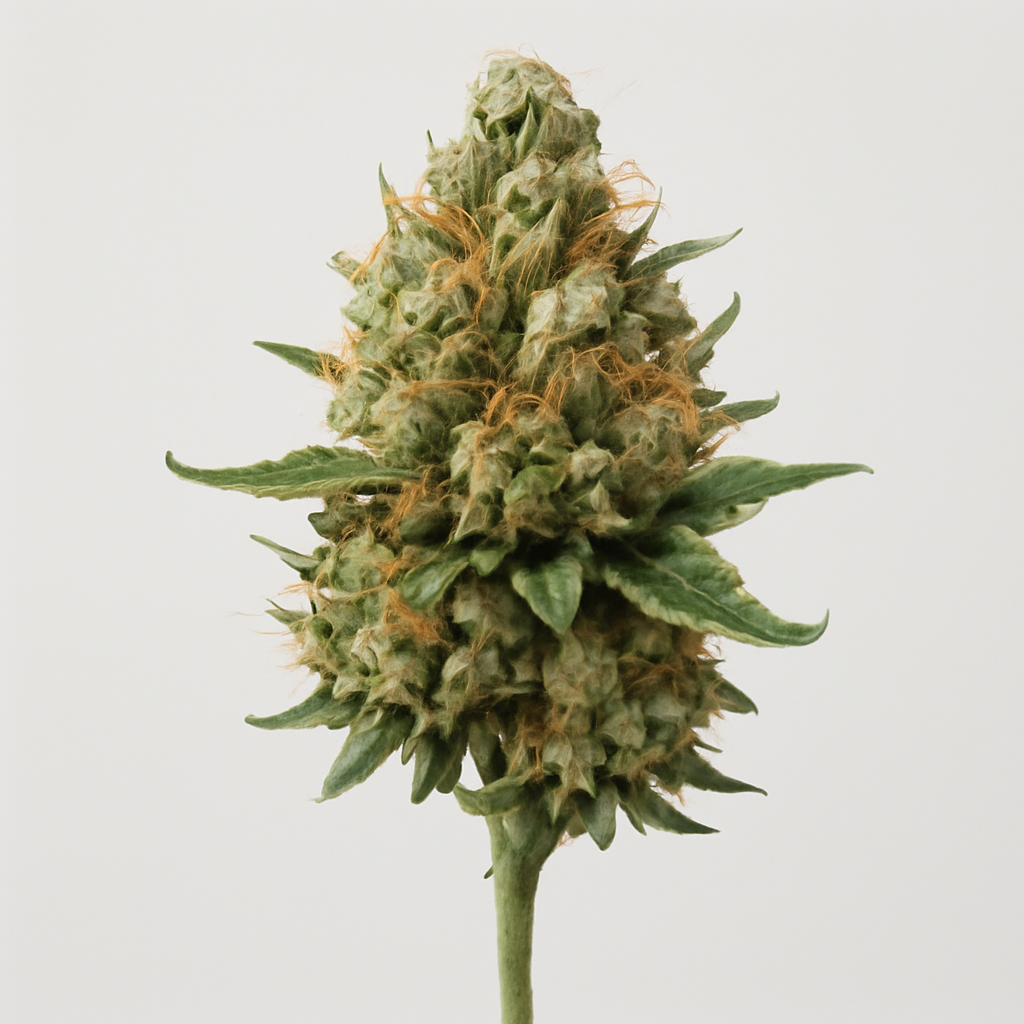
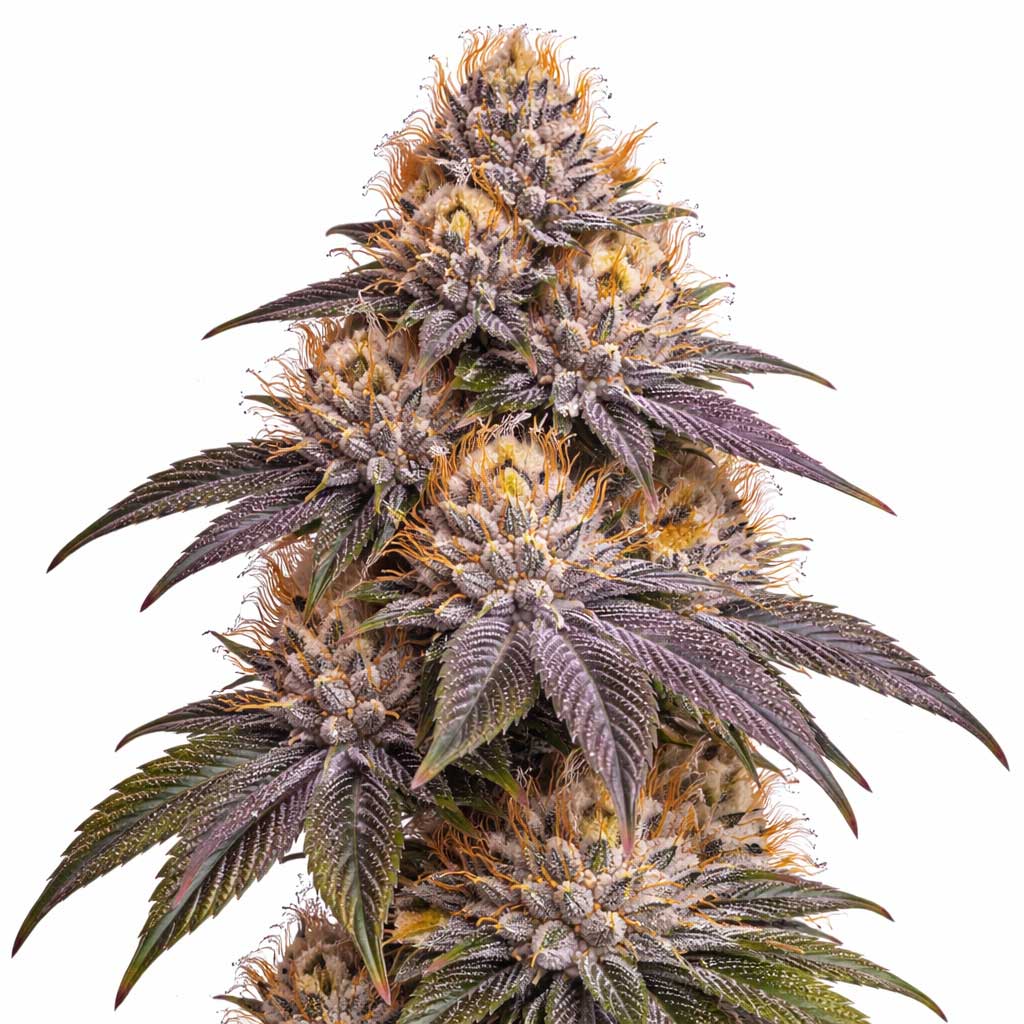
Blackberry flowers are usually dense, frosty, and compact, often showing medium to dark green coloration with heavy trichome coverage. Orange pistils are commonly present, and some phenotypes may display darker hues depending on environmental conditions and genetic expression.
Effects & Use-Cases (Reported)
- Commonly reported effects: a balanced mix of mental activity and physical relaxation.
- Use-case context: often selected for evening or relaxed social settings.
- Note: These observations are anecdotal and do not constitute medical claims.
Observational Note: Blackberry is often described as starting with a mild mental lift before transitioning into a more grounded body effect.
Potency Note: Potency varies depending on phenotype and cultivation quality. A measured approach is recommended for lower-tolerance users.
Aroma & Flavor Profile
- Aroma: dark berries, fruit, fuel, and earthy undertones.
- Flavor: sweet berry layered with sharp fuel and mild herbal depth.
- Terpene associations: commonly aligned with Myrcene, Caryophyllene, and Limonene.
Tested Cannabinoid & Terpene Ranges
| Compound | Typical Range* | Notes |
|---|---|---|
| Δ⁹-THC | ~18–24% | Varies by phenotype and cultivation method. |
| CBD | ~0.1–0.5% | Typically low. |
| Myrcene | ~0.2–0.8% | Contributes earthy and musky depth. |
| Caryophyllene | ~0.1–0.6% | Adds spice and structure. |
| Limonene | ~0.1–0.5% | Supports subtle citrus brightness. |
*Ranges are estimates and may vary significantly.
Cultivation Notes
- Light Cycle: 18/6 vegetative, 12/12 flowering.
- Humidity: ~50–60% veg, 40–45% flowering.
- Training: Topping and LST recommended.
- Odor Control: Strong aroma — filtration recommended.
- Harvest: Around 9–11 weeks indoors.
Grower Notes (Week-by-Week Snapshot)
- Weeks 1–3: Vegetative growth builds compact structure.
- Weeks 4–5: Transition stretch and early bud formation.
- Weeks 6–8: Resin production increases significantly.
- Weeks 9–11: Final ripening and terpene development.
Genetic Lineage
Blackberry is commonly identified as a cross between Black Domina and Raspberry Cough, combining indica structure with a more expressive aromatic profile and hybridized growth behavior.
Research Insights
Blackberry is often referenced as a distinct cultivar separate from similarly named strains like Blackberry Kush. It demonstrates how hybrid naming can create overlap in perception while still representing unique genetic backgrounds.
Frequently Asked Questions
What are the parent strains of Blackberry?
Blackberry is typically described as a cross of Black Domina and Raspberry Cough.
Is Blackberry indica or sativa?
It is generally classified as an indica-leaning hybrid.
What does Blackberry smell like?
It is commonly described as having a berry-forward aroma with fuel and earthy notes.
How long does Blackberry take to flower?
Approximately 9–11 weeks indoors.
Educational Disclaimer: This page is provided strictly for scientific and horticultural reference. Cannabis cultivation, possession, and use are regulated by local laws. This content does not promote illegal activity or constitute medical advice. Always comply with applicable regulations in your jurisdiction.
Rate and review this strain
Ratings and reviews are accepted only from signed-in Google accounts.
Sign in with Google to leave a rating and written review.
Latest Reviews
0 reviewsNo reviews yet. Be the first Google user to rate and review this strain.