Apple Fritter (Cannabis Strain) — Strainpedia
Apple Fritter stands out for its dessert-like aroma built around baked apple, sweet dough, and a faint gassy edge that keeps the profile from turning flat. The strain is commonly documented as a Sour Apple x Animal Cookies cross, and that pairing helps explain both its bright fruit top notes and its dense, resinous flower structure.
In the market, Apple Fritter is often sought out for its high THC potential, compact buds, and a flavor identity that feels more pastry-shop than citrus-candy. It is generally described as a balanced hybrid with a calm, easing effect style, though individual phenotypes can lean slightly more relaxing or more mentally bright depending on the cut and cultivation conditions.
Quick Facts
| Genetics | Sour Apple x Animal Cookies |
|---|---|
| Original Breeder | Lumpy’s Flowers |
| Variety | Balanced Hybrid |
| Flowering Time | Approximately 8–9 weeks indoors |
| Yield Potential | Moderate to high with careful canopy management |
| Plant Height | Medium height indoors; moderately vigorous outdoors |
| Climate Preference | Warm, dry, well-ventilated environments |
| Difficulty | Moderate |
Strain Classification
| Type | Balanced Hybrid |
|---|---|
| Genetic Family | Cookies-descended hybrid with fruit-forward influence |
| Primary Terpenes | caryophyllene, limonene, myrcene* |
| Original Breeder | Lumpy’s Flowers |
| Breeding Lineage | Sour Apple x Animal Cookies |
*Exact terpene dominance may vary by phenotype and cultivation method.
Scientific & Botanical Overview
From a breeding perspective, Apple Fritter reflects a deliberate union of fruit-driven aromatics and cookie-family structure. The cultivar is typically expressed as a compact hybrid with strong apical flower development, broad calyx stacking, and a pronounced trichome layer that suggests a resin-forward inheritance from the Animal Cookies side of the family tree.
Botanically, the strain tends to finish with tight internodal spacing and heavy flower mass that can stress branches near harvest if support is not provided. Its chemistry is usually associated with elevated THC and low CBD, which aligns with its reputation as a potency-focused hybrid rather than a CBD-leaning or especially terpenoid-dominant wellness cultivar.
Appearance
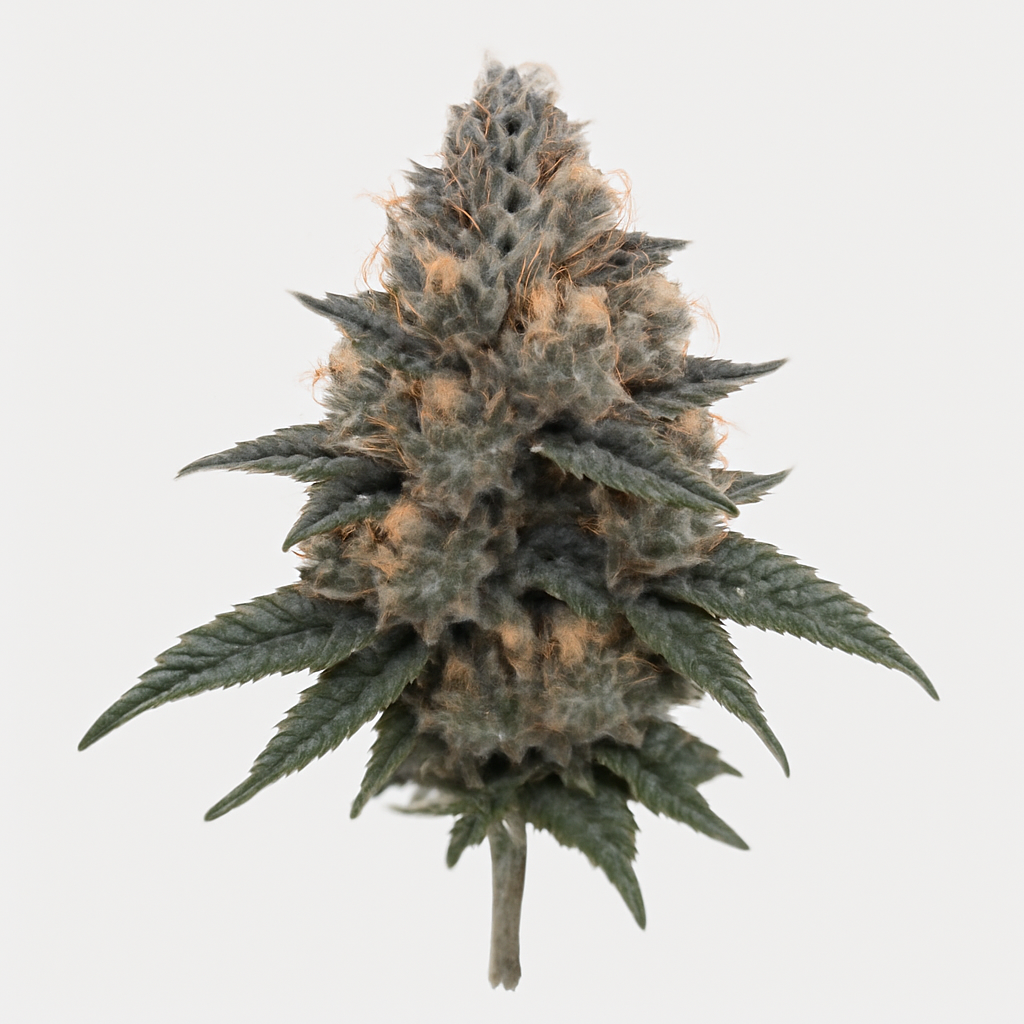
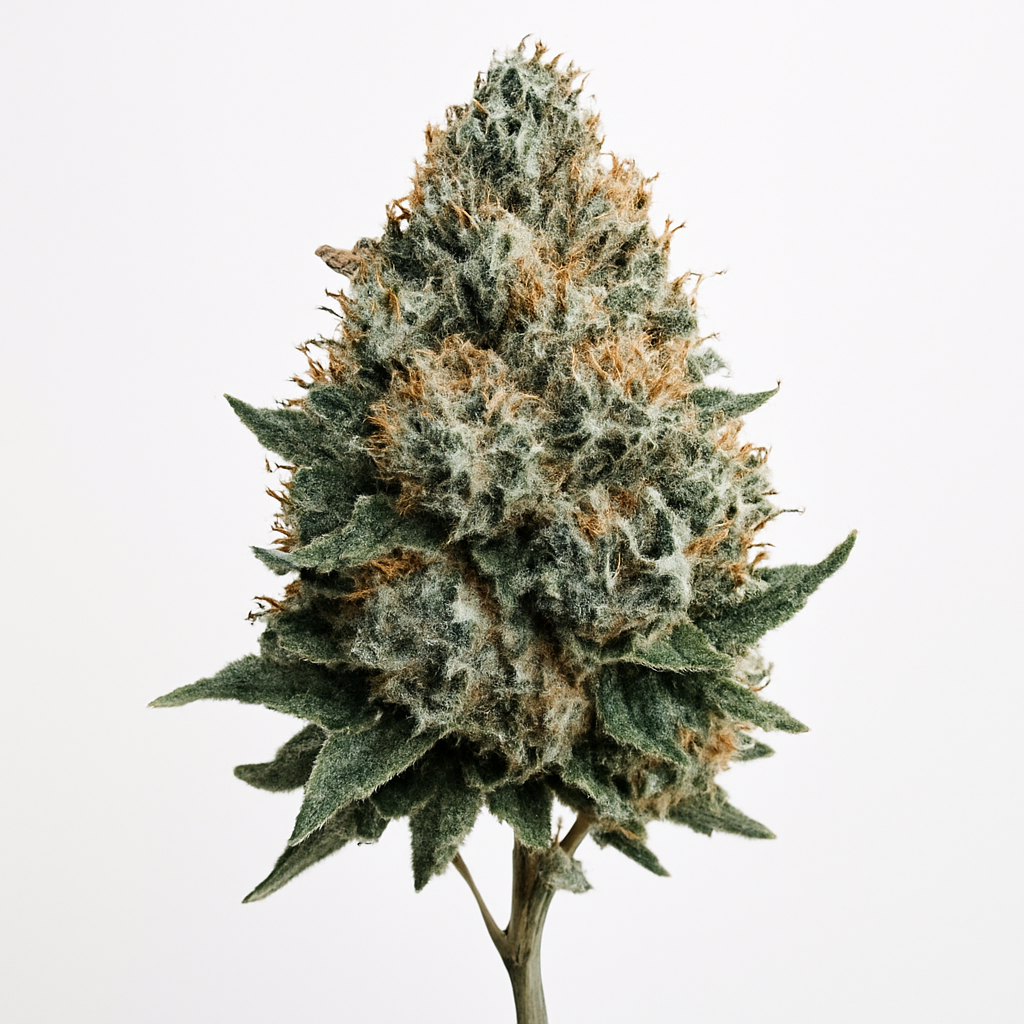
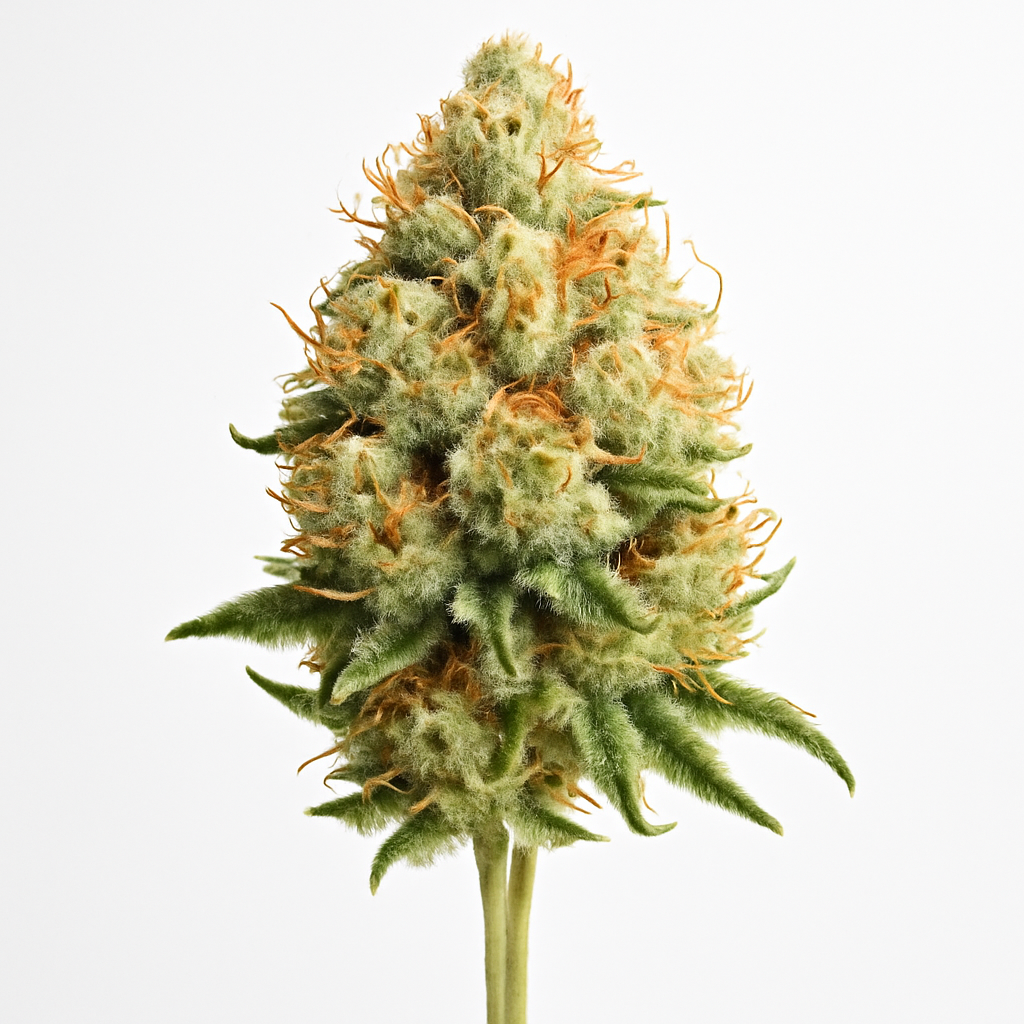
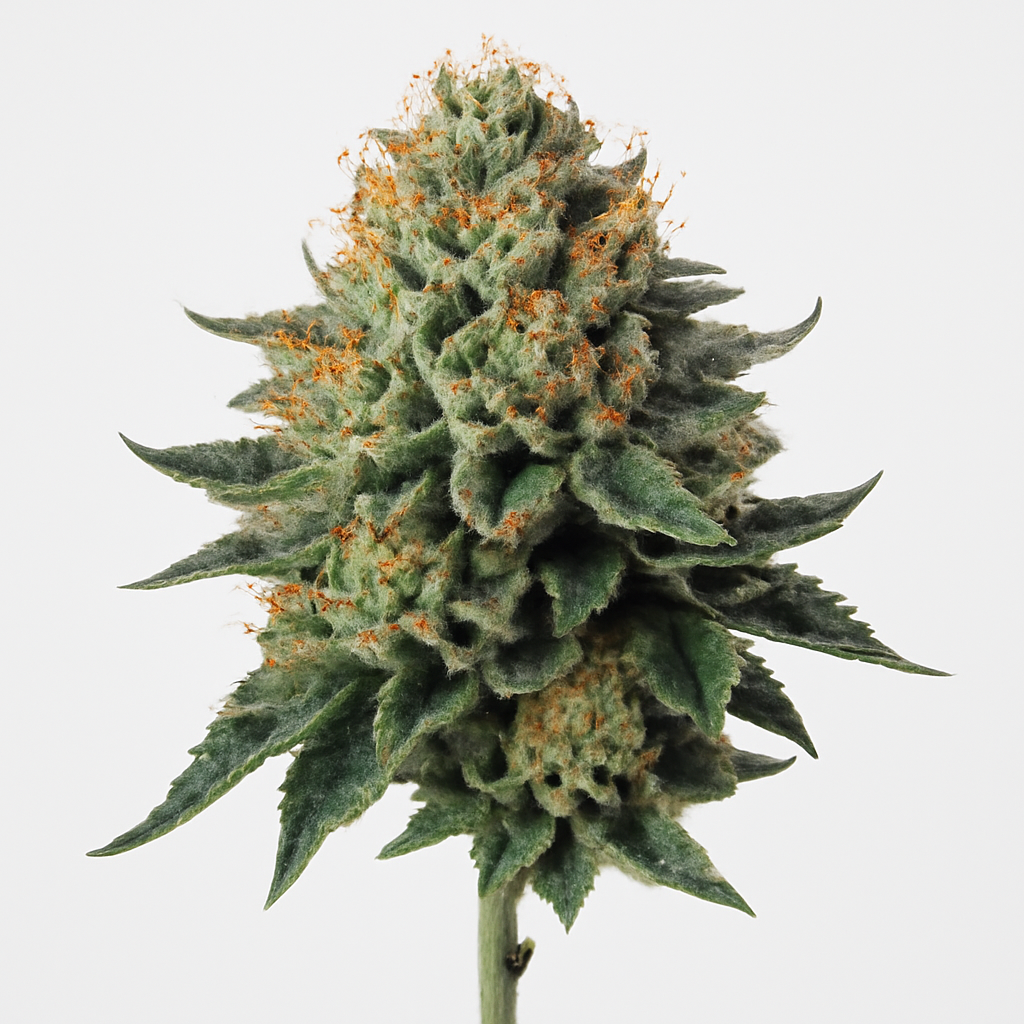
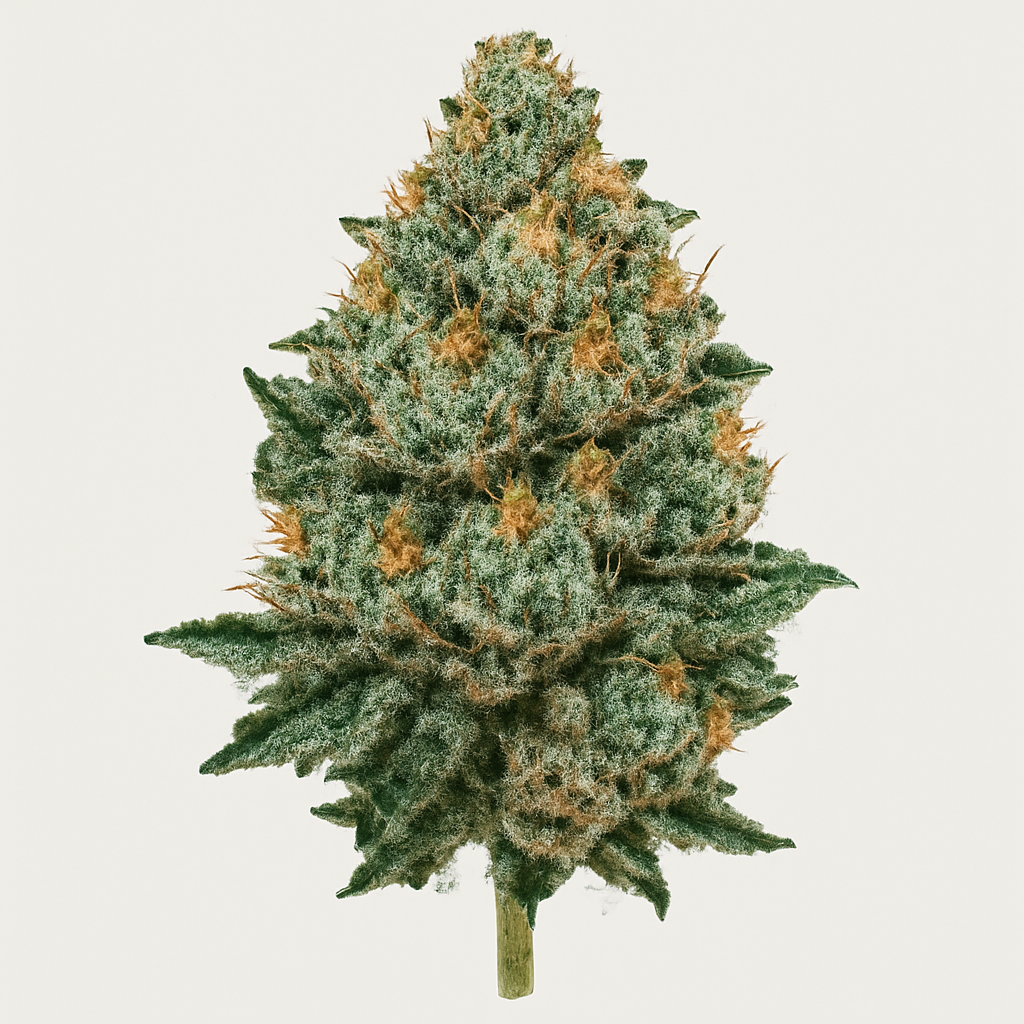
Apple Fritter flowers are usually compact, chunky, and highly frosted, with a dense surface that can look almost crystalline under bright light. Coloration often ranges from medium green to darker olive shades, sometimes showing muted purple highlights late in flower or after a cool finish.
Orange pistils are typically abundant and contrast sharply against the pale trichome dusting. While phenotype variation exists, the best examples tend to show tight bud geometry, layered calyxes, and a polished, boutique-grade finish that photographs well without needing exaggerated size.
Effects & Use-Cases (Reported)
- Commonly reported effects: calm focus, mood lift, gentle physical ease, relaxed sociability, and a gradually settling body feel
- Use-case context: often chosen for late afternoon or evening sessions when users want flavor-rich flower with a measured transition from mental brightness to physical unwind
- Body character: typically described as soothing without feeling overly heavy at first, though stronger batches may become more sedating as the experience develops
- Note: These observations are anecdotal and do not constitute medical claims.
Observational Note: Apple Fritter is frequently described as the kind of strain that starts with a crisp, flavorful head change before settling into a steady, low-friction comedown. It often suits users who prefer a hybrid that does not feel overly sharp or overly sleepy right away.
Potency Note: Because reported THC levels are commonly high, smaller doses are usually enough for many consumers. Its effect curve can feel deceptively smooth, so the strain may read as more approachable than its cannabinoid content suggests.
Aroma & Flavor Profile
- Aroma: fresh green apple, sweet pastry dough, vanilla cream, earthy gas, and light spice
- Flavor: apple turnover, sugary cream, baked dough, soft fuel, and a faint cinnamon finish
- Aftertaste: lingering orchard fruit with a dry, doughy, lightly gassy tail
- Terpene associations: commonly aligned with caryophyllene, limonene, and myrcene.
For users searching Apple Fritter flavor, the most accurate shorthand is apple pastry with a creamy, cookie-like finish and just enough fuel to keep the profile grounded. The aroma tends to read richer after grinding, when the sweet fruit note opens up and the baked undertone becomes more obvious.
Tested Cannabinoid & Terpene Ranges
| Compound | Typical Range* | Notes |
|---|---|---|
| Δ⁹-THC | ~22–28% | Often tested high; smaller doses may be sufficient for many consumers. |
| CBD | <0.5% | Typically present in trace amounts only. |
| caryophyllene | ~0.25–0.60% | Frequently contributes peppery depth and a warm, dry finish. |
| limonene | ~0.20–0.50% | Helps lift the apple and citrus-like top notes. |
| myrcene | ~0.15–0.45% | Often associated with the strain’s softer, more relaxed body feel. |
*Ranges are estimates and may vary by phenotype, harvest timing, and testing methods.
Cultivation Notes
- Light Cycle: 18/6 in vegetative growth; 12/12 for flowering
- Humidity: Moderate vegetative humidity, then lower humidity in late flower to protect dense colas
- Stretch: Usually moderate, with manageable vertical gain after the flip
- Training: Responds well to topping, tying, and canopy leveling
- Odor Control: Strong terpene output makes filtration highly advisable indoors
- Harvest Window: Approximately 8–9 weeks indoors
Apple Fritter rewards attentive structure management. Its flowers can become very dense, so airflow, branch support, and careful inspection late in bloom are useful for maintaining quality. A stable environment tends to preserve both resin production and the strain’s sweet, bakery-style aroma.
Grower Notes (Week-by-Week Snapshot)
- Weeks 1–3: Establish a strong root zone and begin shaping the canopy; the plant usually shows steady, medium-vigorous vegetative growth.
- Weeks 4–5: Stretch becomes visible after flowering begins, and early bud sites start stacking with noticeable resin development.
- Weeks 6–8: Buds thicken quickly, aroma intensifies, and support may be needed as colas gain weight.
- Weeks 9–10: Final ripening emphasizes trichome density, with pistils darkening and the finish moving toward peak maturity.
Genetic Lineage
Apple Fritter is most commonly traced to Sour Apple and Animal Cookies. Sour Apple is generally credited with the crisp fruit character and a brighter aromatic lift, while Animal Cookies contributes the dense, resinous flower form and the richer dessert-like base that defines the strain’s flavor. Together, they produce a hybrid that feels more layered than simple candy fruit and more aromatic than a standard cookie cross.
Research Insights
Apple Fritter remains relevant in the modern market because it sits at the intersection of flavor, potency, and recognizable pedigree. It is a useful reference point for breeders exploring fruit-and-cookie hybrids, and it continues to search well because consumers often want strains that combine a dessert profile with clearly documented lineage and strong visual appeal. In dispensary and collector circles, that combination keeps Apple Fritter in steady circulation rather than as a passing novelty.
Frequently Asked Questions
Is Apple Fritter indica or sativa?
Apple Fritter is generally classified as a balanced hybrid, though individual phenotypes may lean slightly more relaxing or slightly more uplifting depending on the cut.
What does Apple Fritter smell like?
It is often described as sweet apple pastry with creamy dough, subtle gas, and a faint spicy finish.
How strong is Apple Fritter usually considered?
Many lab-tested samples trend high in THC, commonly landing in the low-to-high 20% range, so it is usually treated as a potent cultivar.
How long does Apple Fritter take to flower?
Indoors, it typically finishes in approximately 8–9 weeks, though exact timing depends on phenotype and growing conditions.
What is Apple Fritter best known for?
It is best known for its baked-apple aroma, dessert-style flavor, dense frosty buds, and a smooth hybrid effect profile.
Educational Disclaimer: This page is provided strictly for scientific and horticultural reference. Cannabis cultivation, possession, and use are regulated by local laws. This content does not promote illegal activity or constitute medical advice. Always comply with applicable regulations in your jurisdiction.
Rate and review this strain
Ratings and reviews are accepted only from signed-in Google accounts.
Sign in with Google to leave a rating and written review.
Latest Reviews
0 reviewsNo reviews yet. Be the first Google user to rate and review this strain.