Afghani (Cannabis Strain) — Strainpedia
Afghani is one of the most important traditional indica landraces in modern cannabis breeding, valued for its compact structure, fast flowering, and unmistakably hash-forward profile. Rather than chasing novelty, this cultivar represents the old-world foundation many heavy, resin-rich hybrids still trace back to today.
Its aroma leans into earthy spice, woody depth, and a sticky resin character that often reads as classic hash. In the garden, Afghani usually stays short and stout, with tightly packed flowers and a growth pattern that reflects its mountain-origin adaptation to a relatively brief finish.
Quick Facts
| Genetics | Pure Afghan landrace |
|---|---|
| Original Breeder | Not clearly documented |
| Variety | Indica |
| Flowering Time | Approximately 7–8 weeks indoors |
| Yield Potential | Moderate to good, especially on well-managed indoor plants |
| Plant Height | Short to medium |
| Climate Preference | Warm, dry conditions with strong airflow |
| Difficulty | Moderate |
Strain Classification
| Type | Indica |
|---|---|
| Genetic Family | Traditional Afghan landrace from the Hindu Kush region |
| Primary Terpenes | Myrcene, caryophyllene, pinene* |
| Original Breeder | Not clearly documented |
| Breeding Lineage | Historic Afghan landrace population; modern seed lines may vary by source and selection |
*Exact terpene dominance may vary by phenotype and cultivation method.
Scientific & Botanical Overview
Botanically, Afghani is a squat, broad-leaf indica type adapted to finish quickly and produce substantial glandular resin under harsh native conditions. That resin output is one reason the cultivar became so central to hash production and to the development of later indica-heavy breeding projects.
Because Afghani is a landrace-style name rather than a single locked modern clone, the exact expression can shift from one seed line to another. Even so, the core structure tends to remain consistent: dense floral clusters, strong apical dominance early in flower, and a terpene profile that usually emphasizes earth, spice, and deep herbal notes rather than fruit or candy tones.
Appearance
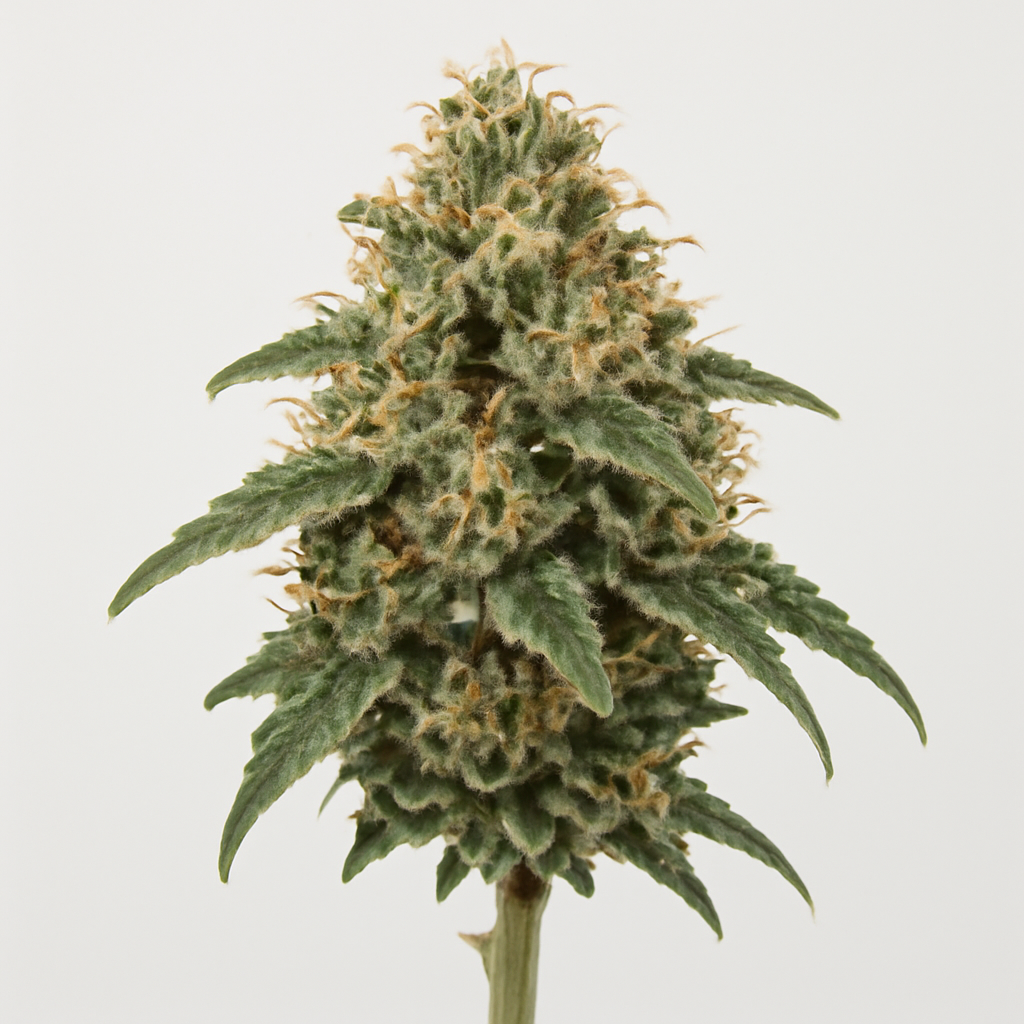
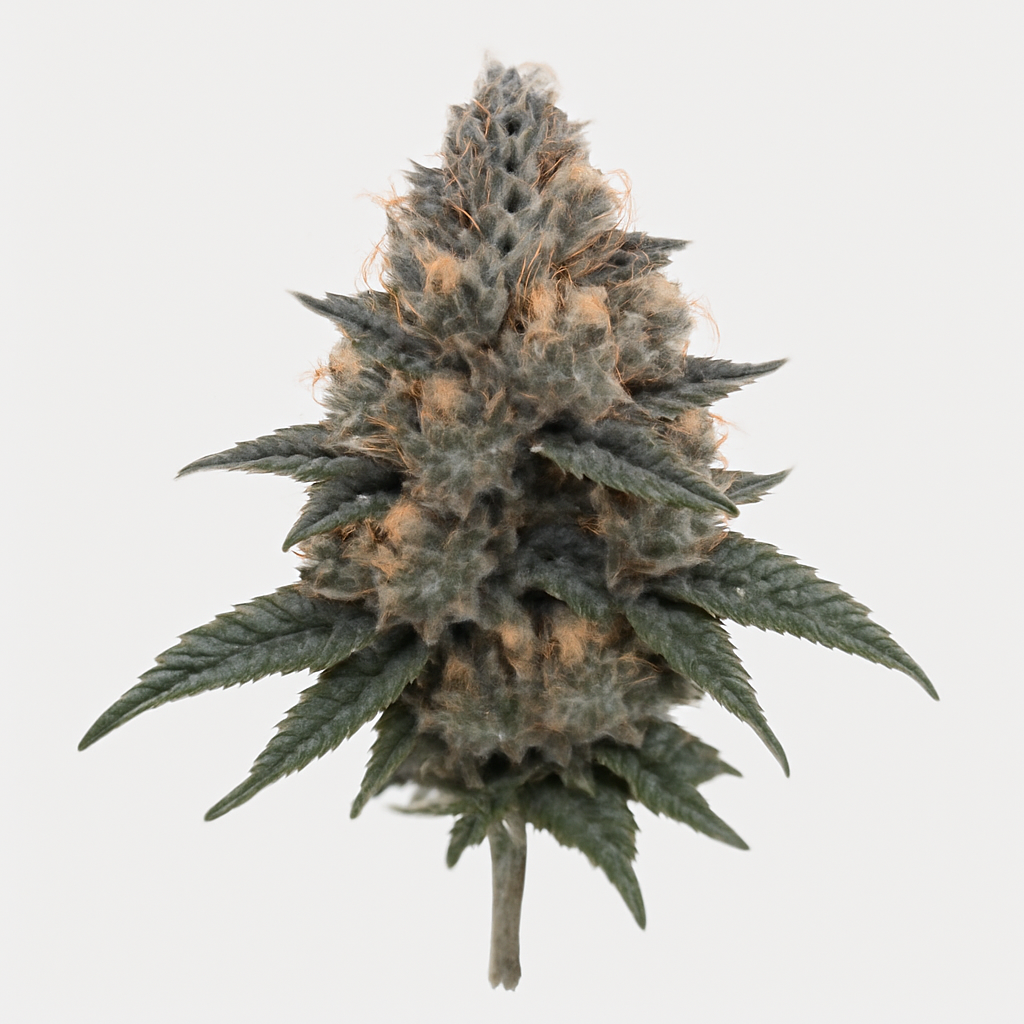
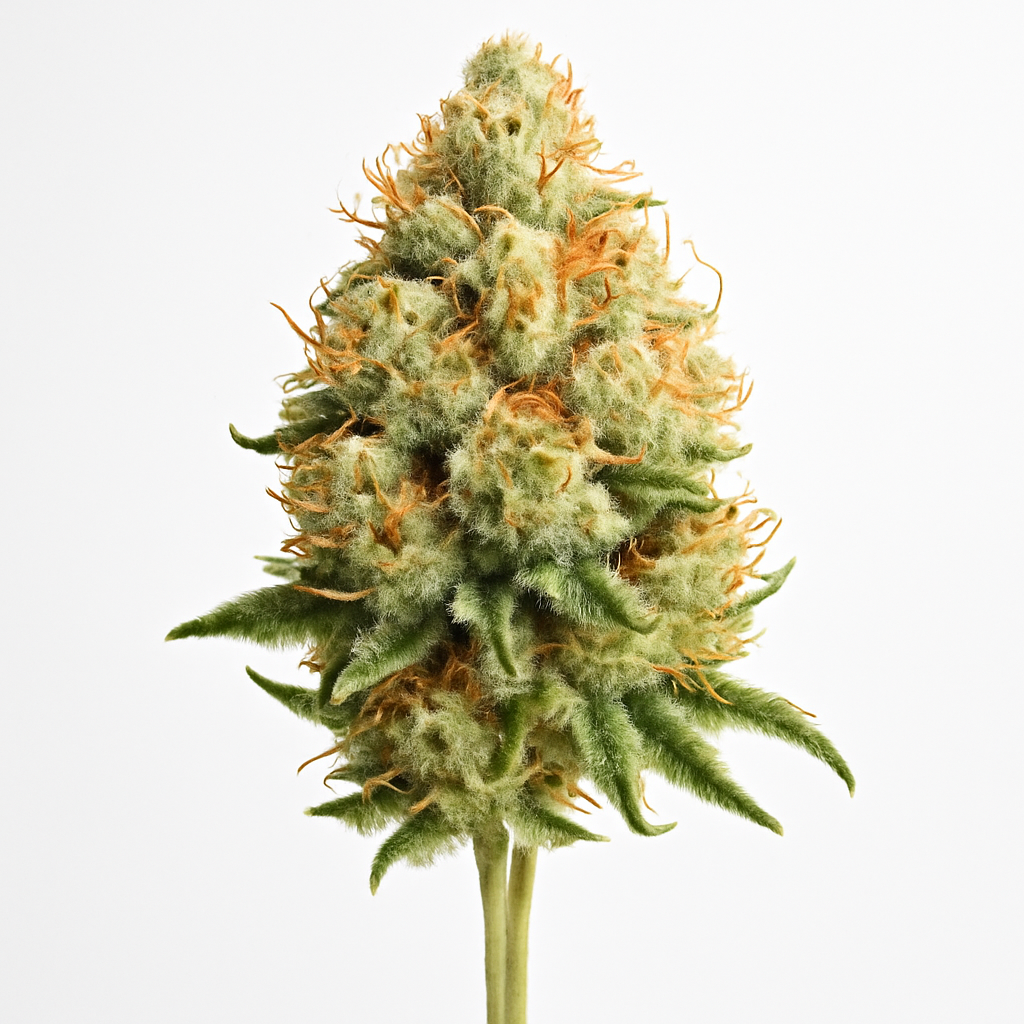
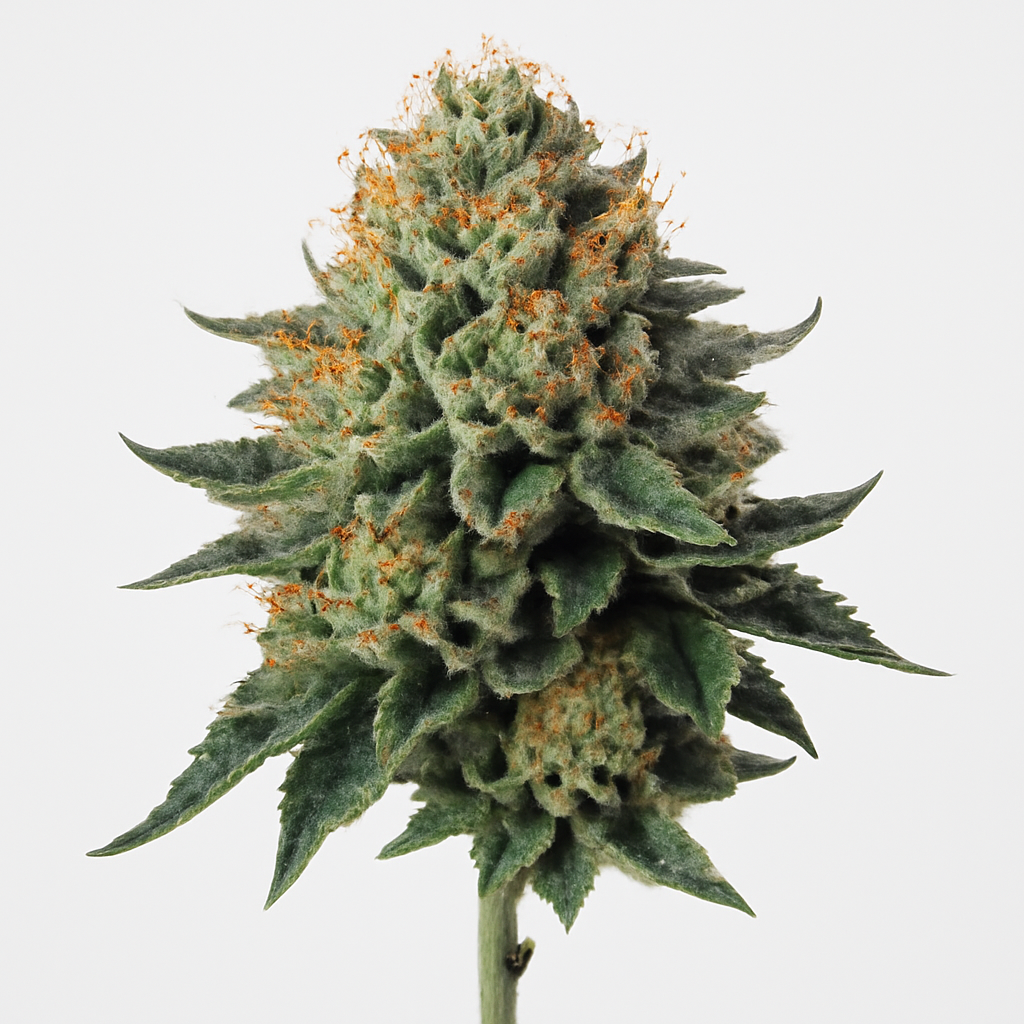
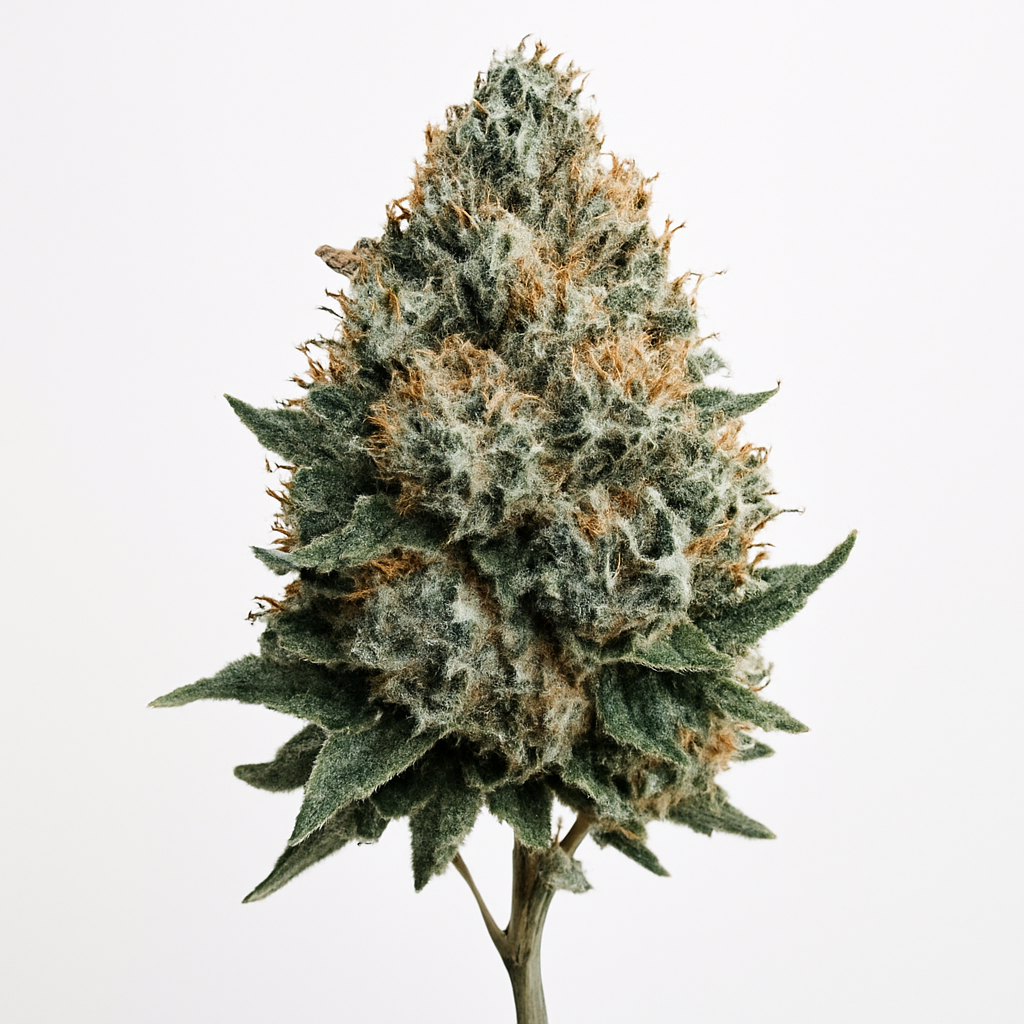
Afghani buds are usually tight, chunky, and highly compact, with a classic indica silhouette that packs weight into short internodes. The flowers commonly mature in dark green shades, sometimes with muted olive or forest tones, and are punctuated by rust-colored pistils that curl into the calyxes as bloom progresses.
A heavy trichome layer is one of the strain’s defining visual features. Well-grown examples can look almost dusted with sugar by harvest, and some phenotypes show particularly sticky resin that gives the flower a polished, almost varnished look. Variation is mostly seen in density and leaf-to-calyx ratio rather than in dramatic color shifts.
Effects & Use-Cases (Reported)
- Commonly reported effects: deep physical relaxation, calm mood, heaviness in the body, and a sedating finish at stronger doses
- Use-case context: often chosen for evening sessions, quiet downtime, or post-work wind-down routines
- Body character: tends to feel grounded and weighty rather than bright or racy
- Note: These observations are anecdotal and do not constitute medical claims.
Observational Note: Afghani is usually described as a slow-down strain rather than a social or cerebral one. Its classic landrace profile leans into a steady body feel that many experienced consumers associate with old-school indica genetics.
Potency Note: Even when THC tests land in the mid range by modern standards, the effect can feel pronounced because the cultivar’s terpene and cannabinoid profile tends to emphasize depth and physical intensity over brightness.
Aroma & Flavor Profile
- Aroma: earthy, hash-like, spicy, woody, and resinous
- Flavor: earthy, herbal, pine, spice, and hash
- Aftertaste: lingering spice with a dry herbal finish and a subtle smoky hash echo
- Terpene associations: commonly aligned with myrcene, caryophyllene, and pinene.
If you are searching for a true old-school hash strain with earthy flavor and classic indica aroma, Afghani is one of the clearest reference points. The profile is less about sweetness and more about dense resin, spice cabinet notes, and that recognizable, deeply traditional cannabis finish.
Tested Cannabinoid & Terpene Ranges
| Compound | Typical Range* | Notes |
|---|---|---|
| Δ⁹-THC | ~16–20% | Often tests in a moderate-to-strong range for a traditional indica landrace. |
| CBD | <1% | Typically low, though exact levels vary by seed line and selection. |
| Myrcene | 0.25–0.70% | Frequently linked to the strain’s earthy, musky depth and heavy finish. |
| Caryophyllene | 0.15–0.45% | Contributes pepper, spice, and dry herbal complexity. |
| Pinene | 0.05–0.20% | Can add a faint pine edge that brightens the otherwise dark aroma profile. |
*Ranges are estimates and may vary by phenotype, harvest timing, and testing methods.
Cultivation Notes
- Light Cycle: 12/12 for flowering indoors
- Humidity: Keep moderate to low in bloom; dense buds can trap moisture
- Stretch: Low to moderate stretch after flip
- Training: Responds well to topping and simple canopy shaping, but does not require heavy manipulation
- Odor Control: Strong resin and hash-forward aroma usually call for solid filtration
- Harvest Window: Approximately 7–8 weeks indoors
Afghani is often selected by growers who prefer a shorter finishing cultivar with a straightforward structure and a classic resin profile. Its compact architecture helps in tighter spaces, but the density of the flowers means airflow and moisture management matter throughout late bloom.
Grower Notes (Week-by-Week Snapshot)
- Weeks 1–3: Vigorous transition into flower, with modest stretch and early resin development on upper sites.
- Weeks 4–5: Bud sites thicken quickly, side branches begin to fill in, and the plant starts carrying its weight in tight clusters.
- Weeks 6–8: Resin becomes prominent, calyxes swell, and aroma deepens into earthy hash and spice.
- Weeks 9–10: Not always necessary for true Afghani lines, but later-finishing selections may benefit from extra ripening to deepen density and finish.
Genetic Lineage
Afghani is generally understood as a traditional cannabis landrace from Afghanistan rather than a modern breeder-locked hybrid with a single published pedigree. What it reliably contributes is clear enough in the breeding record: compact structure, strong resin production, rapid flowering, and the heavy, earthy terpene base that later indica lines often inherit.
Many famous hybrids use Afghani in the background to strengthen bud density, shorten flower time, or reinforce a more sedative body effect. Because naming and sourcing can differ between seed banks and legacy cuts, exact lineage statements should be treated carefully when evaluating any commercial Afghani-branded seed line.
Research Insights
Afghani remains relevant because it sits close to the genetic roots of modern indica breeding, making it a useful reference cultivar for understanding how resinous, compact flower forms developed in the market. It also continues to show up in search demand because consumers still associate the name with classic hash character, short flowering, and traditional mountain-region cannabis.
From a breeding and SEO perspective, Afghani is more than a heritage label: it is a benchmark for earthy terpene expression and dense floral architecture. For editors, retailers, and cultivators, that makes it a high-value reference point whenever old-school indica genetics are being described or compared.
Frequently Asked Questions
Is Afghani a pure indica?
Afghani is generally classified as an indica landrace or pure indica-style cultivar, though exact commercial seed lines can vary depending on sourcing and selection.
What does Afghani taste like?
The flavor is usually earthy and herbal with hash, spice, and subtle pine notes. It is not typically a sweet or fruity profile.
How long does Afghani take to flower?
Most indoor examples finish in about 7 to 8 weeks, though some selections may run slightly longer depending on phenotype.
Why is Afghani important in breeding?
Breeders have long used Afghani to add resin production, compact plant structure, and a heavier indica frame to hybrid lines.
Does Afghani grow tall?
No. It usually stays short to medium in height and tends to build a dense, bushy canopy rather than tall, stretched growth.
Educational Disclaimer: This page is provided strictly for scientific and horticultural reference. Cannabis cultivation, possession, and use are regulated by local laws. This content does not promote illegal activity or constitute medical advice. Always comply with applicable regulations in your jurisdiction.
Rate and review this strain
Ratings and reviews are accepted only from signed-in Google accounts.
Sign in with Google to leave a rating and written review.
Latest Reviews
0 reviewsNo reviews yet. Be the first Google user to rate and review this strain.