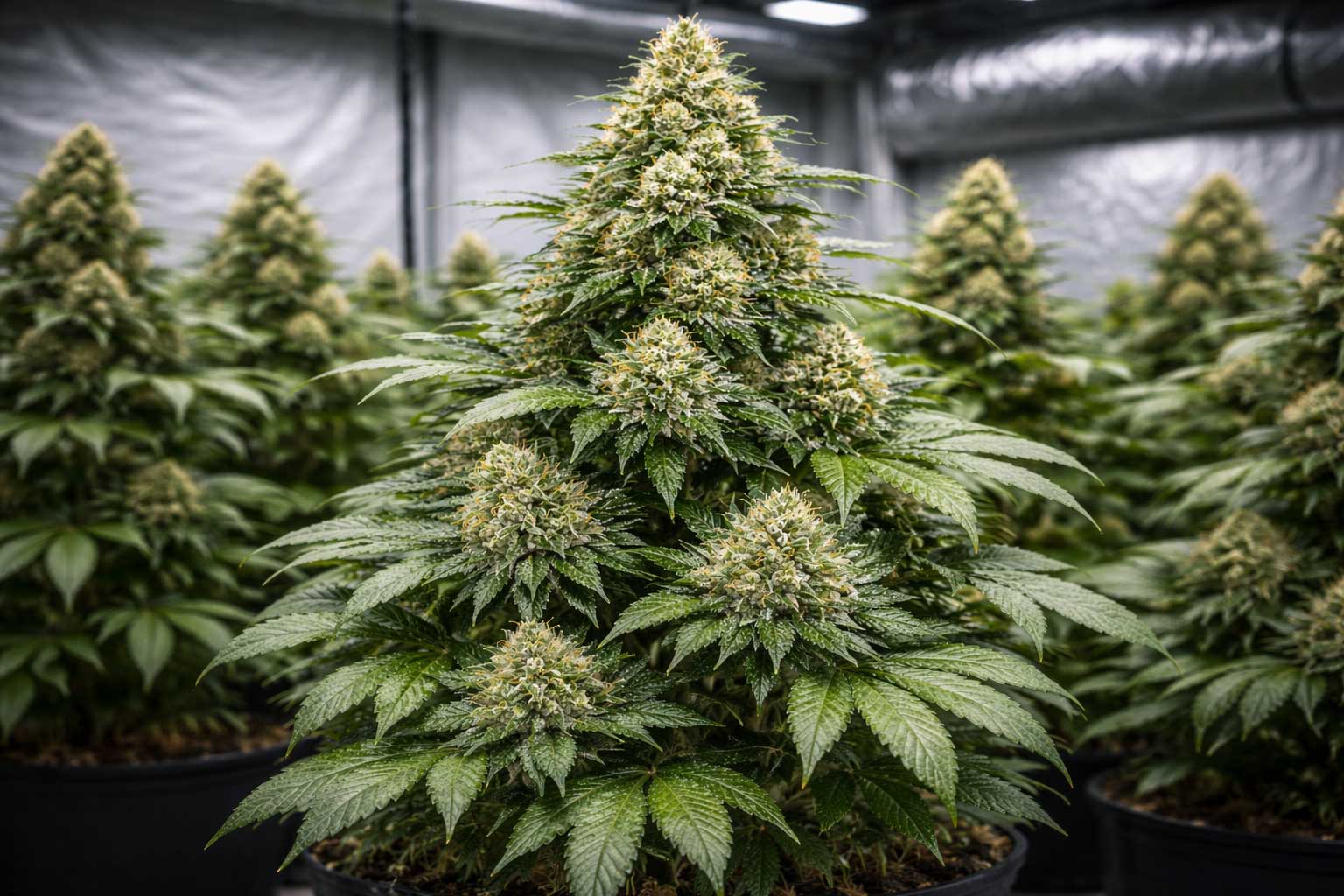
Northern Lights (Cannabis Strain)
Northern Lights is a legendary near-pure indica cultivar (typically 18%–22% THC) bred from an Indigenous Afghan Landrace crossed with a Thai Sativa. Renowned for its greasy resin production and dense, spear-shaped colas, this resilient plant delivers a classic earthy kush base with sharp pine undertones. It features a compact, sturdy growth structure ideal for indoor growers seeking high-yielding, unkillable genetics that produce glassy buds with a deep physical finish.
Originating in the Pacific Northwest before being refined in the Netherlands, this cultivar has served as a foundational building block for countless modern hybrids. Its enduring appeal lies in its reliable growth behavior, fast flowering turnover, and a clean, heavy-hitting effect profile that avoids the muddy sedation of lesser indica lines.
Quick Facts
| Feature | Details |
|---|---|
| Genetics | Indigenous Afghan Landrace × Thai Sativa |
| Variety | Near-Pure Indica (95% Indica / 5% Sativa) |
| THC Range | 18%–22% |
| Flowering Time | 7–8 weeks (45–55 days) |
| Yield Potential | 500–550 g/m² (High) |
| Plant Height | 80–110 cm (Compact, stout structure) |
| Climate Preference | Temperate, highly resilient to stress |
| Difficulty | Easy to Beginner |
Scientific & Botanical Overview
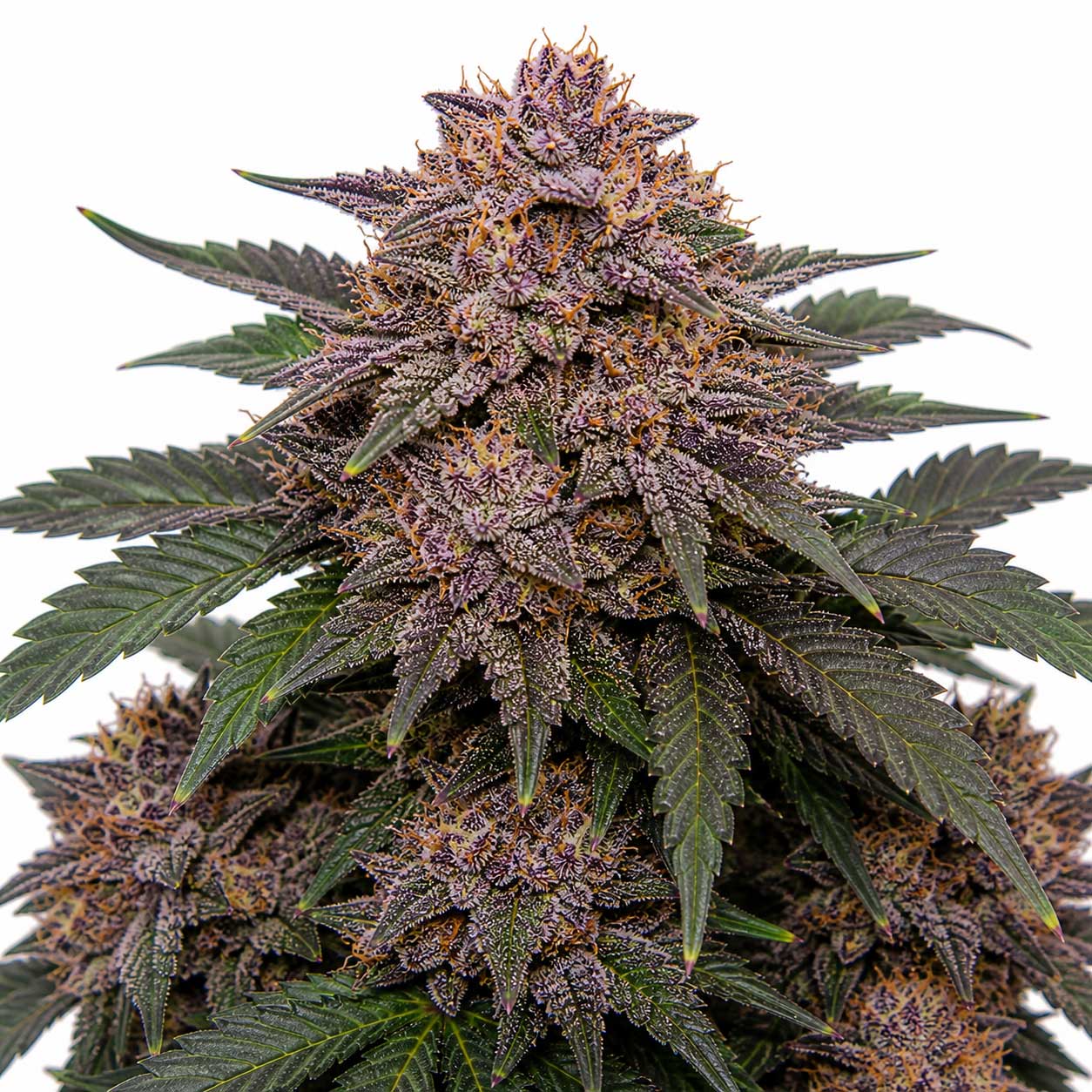
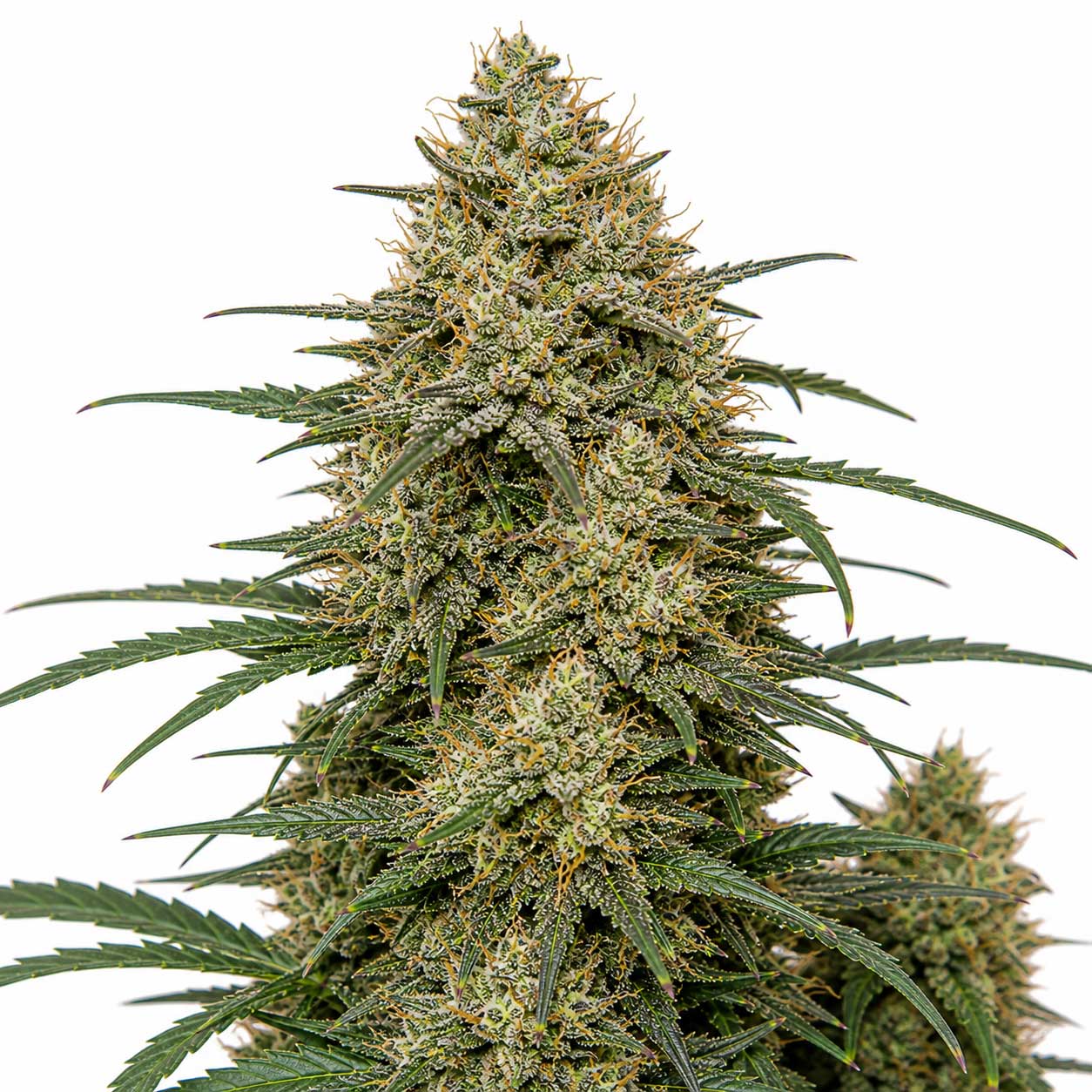
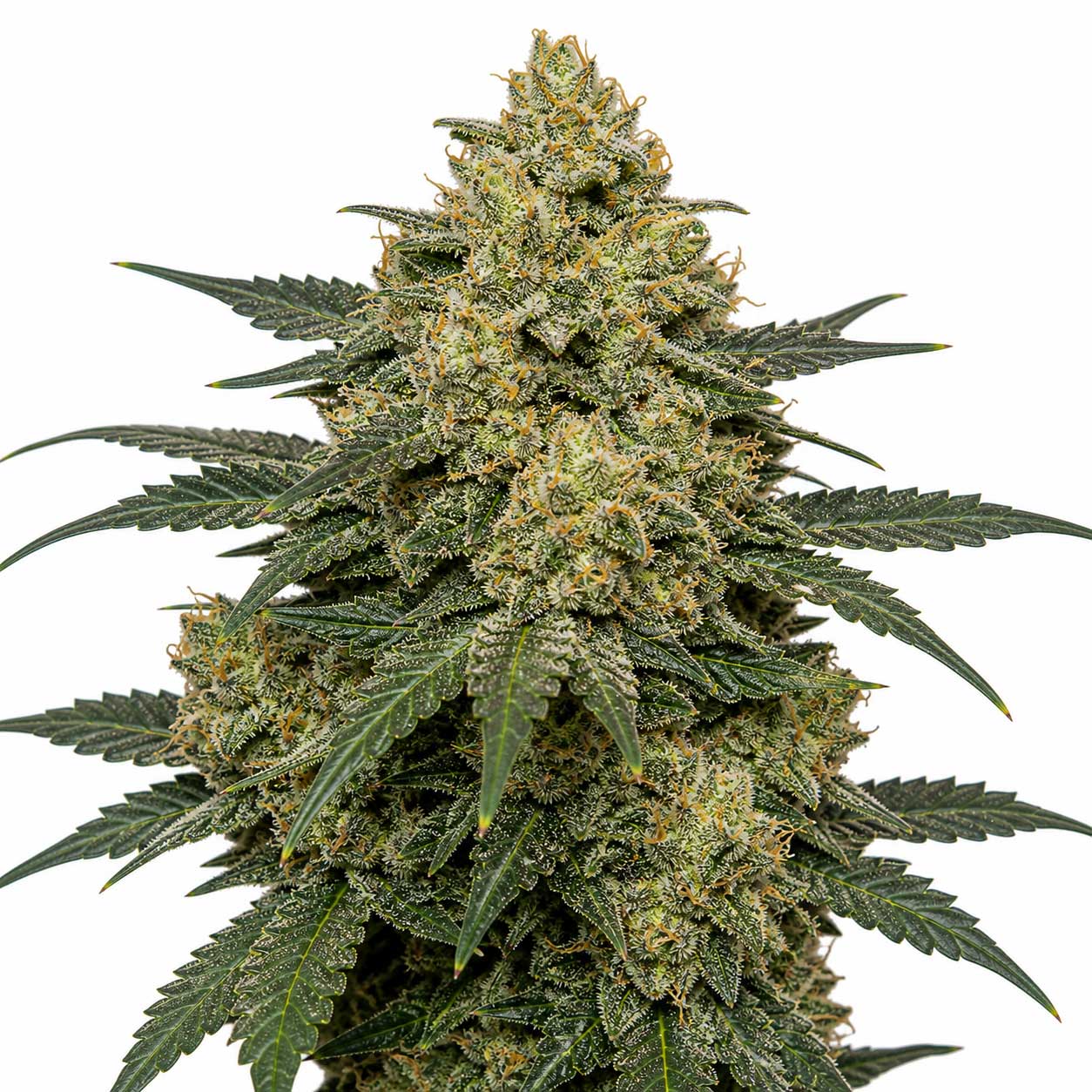
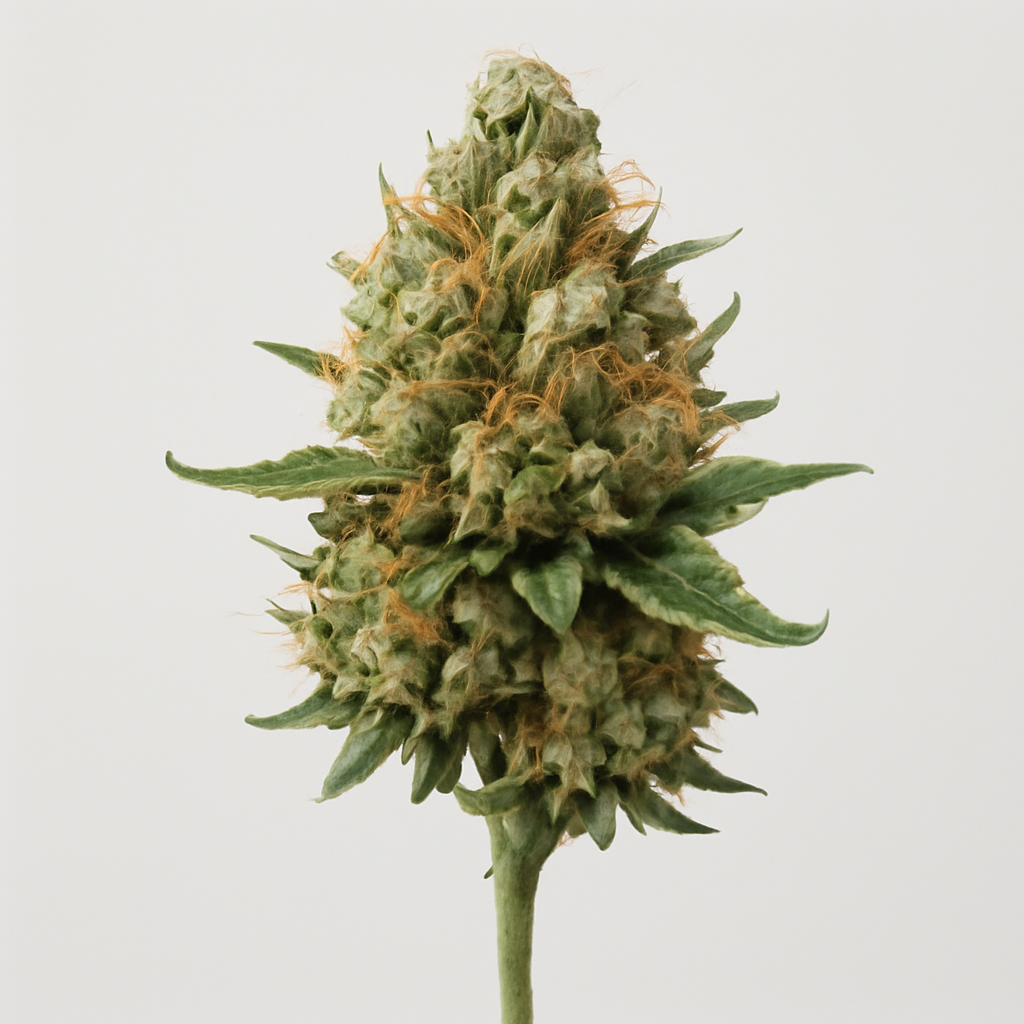
Northern Lights displays a classic indica morphology, characterized by broad fan leaves, tight internodes, and a dominant central cola. Under cooler night temperatures, the deep olive-green bracts often develop subtle purple hues beneath a dense blanket of glandular trichomes. The resulting flowers are exceptionally firm, showing swollen calyxes that pack tightly along the stems.
The terpene synthesis of this cultivar is heavily dominated by myrcene and pinene, creating a distinct forest-like profile. Unlike modern dessert hybrids that rely on high sugar or gas notes, this classic genetic profile maintains a clean, resin-rich herbal sharpness. This botanical makeup makes it highly sought after for traditional solventless extraction and hash-making.
The plant’s structural integrity allows it to support heavy flower clusters without bending. Its thick stems and robust branches handle environmental fluctuations well, showing natural resistance to common pests and powdery mildew.
Effects & Use-Cases (Reported)
Commonly reported effects: A warm, creeping physical relaxation that begins behind the eyes before settling into a deep, full-body cushion. Users frequently note a calm mental clarity that accompanies the physical heaviness, allowing for peaceful decompression without immediate mental fog.
Use-case context: Well-suited for late-evening wind-down, meditation, or post-activity recovery. The steady, comforting physical weight makes it a staple for those seeking to quiet a busy mind and ease physical tension before sleep.
Note: These observations are based on historical user reports and should not be treated as medical advice or scientific claims.
Aroma & Flavors
Aroma: A pungent, damp forest floor profile dominated by sweet pine, rich earth, and a spicy herbal undertone.
Flavor: The inhale brings a crisp, woody pine lift with subtle notes of black pepper, while the exhale leaves a smooth, slightly sweet hashish finish on the palate.
Terpene associations: Myrcene, pinene, caryophyllene, and limonene.
Tested Cannabinoid & Terpene Ranges
| Compound | Typical Range* | Notes |
|---|---|---|
| Δ9-THC | 18.0%–22.0% | Dependable and consistent range associated with a clean-feeling experience |
| CBD | 0.1%–0.5% | Low levels allow the heavy terpene profile to dominate |
| Myrcene | 0.9%–1.4% | Drives the earthy savoriness and the physical finish |
| Pinene | 0.5%–0.9% | Supports the fresh forest notes and provides mental alertness |
| Caryophyllene | 0.4%–0.7% | Adds spicy depth and helps support physical comfort |
*Ranges are literature-informed references for boutique harvests and may vary by phenotype, cultivation environment, harvest timing, and analytical method.
Cultivation Notes
- Maintain late-flower humidity between 40% and 50% to prevent moisture buildup within the exceptionally dense colas.
- Provide moderate nutrient levels, as the compact structure responds best to steady organic feeding rather than aggressive synthetic regimens.
- Utilize a Sea of Green (SOG) setup to maximize the yield of the prominent central spear colas.
- Keep vegetative times controlled, as the plant undergoes minimal stretch once flipped to a 12/12 light cycle.
- Monitor trichome maturity closely; the harvest window typically opens at 7 to 8 weeks of flowering indoors.
Grower Notes (Week-by-Week Snapshot)
- Weeks 1–3 (Vegetative & Transition): The plant focuses on vegetative mass, developing thick stems and broad, dark green fan leaves with minimal vertical stretch.
- Weeks 4–6 (Mid-Flower): Rapid resin production begins as small, tight flower clusters form; a distinct herbal, spicy-sweet aroma begins to fill the space.
- Weeks 7–8 (Late-Flower & Flush): Calyxes swell significantly, and a thick layer of wet frost coats the buds. Flush with clean water to preserve the clean pine and earth flavors.
Genetic Lineage
The genetic foundation of Northern Lights is widely accepted as a cross between an Indigenous Afghan Landrace and a Thai Sativa. The original domestic selections were made in the Pacific Northwest, where growers stabilized the heavy resin production and stout structure of the Afghan parent while retaining a touch of the Thai parent’s uplifting clarity.
These early selections were later brought to the Netherlands, where breeders refined the line into distinct, highly stable phenotypes. This Dutch refinement solidified the strain’s reputation for near-perfect genetic consistency, making it a reliable parent for iconic hybrids like Super Silver Haze and Shiva Skunk.
Research Insights
Research into Northern Lights often focuses on its high concentration of myrcene paired with significant levels of pinene. This specific terpene ratio is believed to modulate the uptake of cannabinoids, tempering the heavy physical sedation with a degree of mental alertness. The presence of caryophyllene further contributes to the overall physical comfort reported by consumers.
From a breeding perspective, the cultivar is highly valued for its homozygous stability. Its predictable growth traits and dominant resin production make it an exceptional tool for breeders looking to introduce physical density and environmental resilience into delicate modern lines.
Frequently Asked Questions
Is Northern Lights a pure indica?
While often marketed as a 100% pure indica, Northern Lights is technically a near-pure indica hybrid, typically containing around 90% to 95% indica genetics due to its distant Thai Sativa ancestry.
How long does Northern Lights take to flower?
Indoors, Northern Lights has a remarkably fast flowering cycle, usually reaching maturity in 7 to 8 weeks (45 to 55 days).
Is Northern Lights easy for beginners to grow?
Yes, it is widely considered one of the easiest strains to cultivate due to its compact structure, natural pest resistance, and tolerance for minor environmental fluctuations.
What does Northern Lights smell like?
It features a classic, old-school aroma of damp earth, spicy pine, and sweet herbal musk, avoiding the sweet candy or heavy fuel notes of modern hybrids.
Educational Disclaimer
The information provided here is for educational and botanical reference only. Local laws govern the cultivation and consumption of cannabis; always consult regional regulations before germinating seeds or consuming cannabis products.
Rate and review this strain
Ratings and reviews are accepted only from signed-in Google accounts.
Sign in with Google to leave a rating and written review.
Latest Reviews
0 reviewsNo reviews yet. Be the first Google user to rate and review this strain.