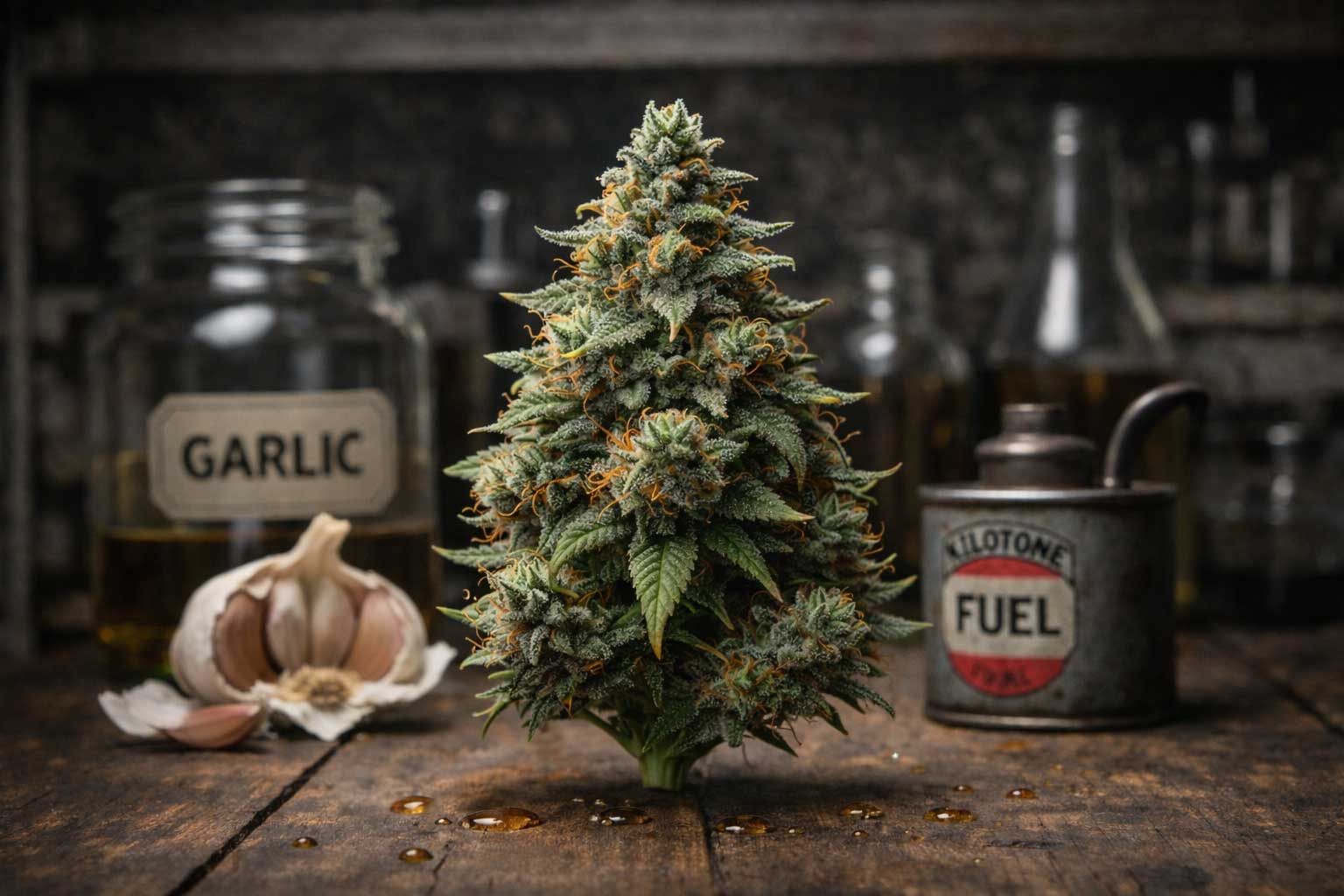
Garlic Gas (Cannabis Strain) — Strainpedia
Garlic Gas is a highly sought-after Indica-Dominant Hybrid cultivar associated with elite West Coast breeding collaborations and popularized through phenotypes from groups such as Archive Seed Bank and Cannabiotix (CBX). In the 2026 solventless era, Garlic Gas has become a true “washer’s dream,” widely recognized for its greasy trichome structure—large glandular heads that separate efficiently during ice-water extraction, producing exceptional returns of high-grade resin. Known for its aggressive savory funk (garlic, skunk, sulfur) and face-melting diesel finish, Garlic Gas is frequently referenced in horticultural education for resin quality and hash-making performance. The information below is intended strictly for scientific and botanical reference.
Quick Facts
| Genetics | GMO (Garlic Cookies) x Gas-Dominant Lineage (often cited as SFV OG or Chemdog-type) |
|---|---|
| Variety | Indica-Dominant Hybrid (approx. 80% Indica / 20% Sativa) |
| Flowering Time | 9–10 weeks (63–70 days indoors) |
| Yield Potential | Moderate to High (Flower); Elite for solventless resin production |
| Extraction Yield | ~6%–8%+ (Ice Water Hash, reported elite washer range) |
| Plant Height | Medium to Tall; forms long spear-shaped colas |
| Climate Preference | Controlled Indoor (Odor control and low humidity late flower recommended) |
| Difficulty | Intermediate–Advanced (Heavy feeder; resin-focused environment management) |
Scientific & Botanical Overview
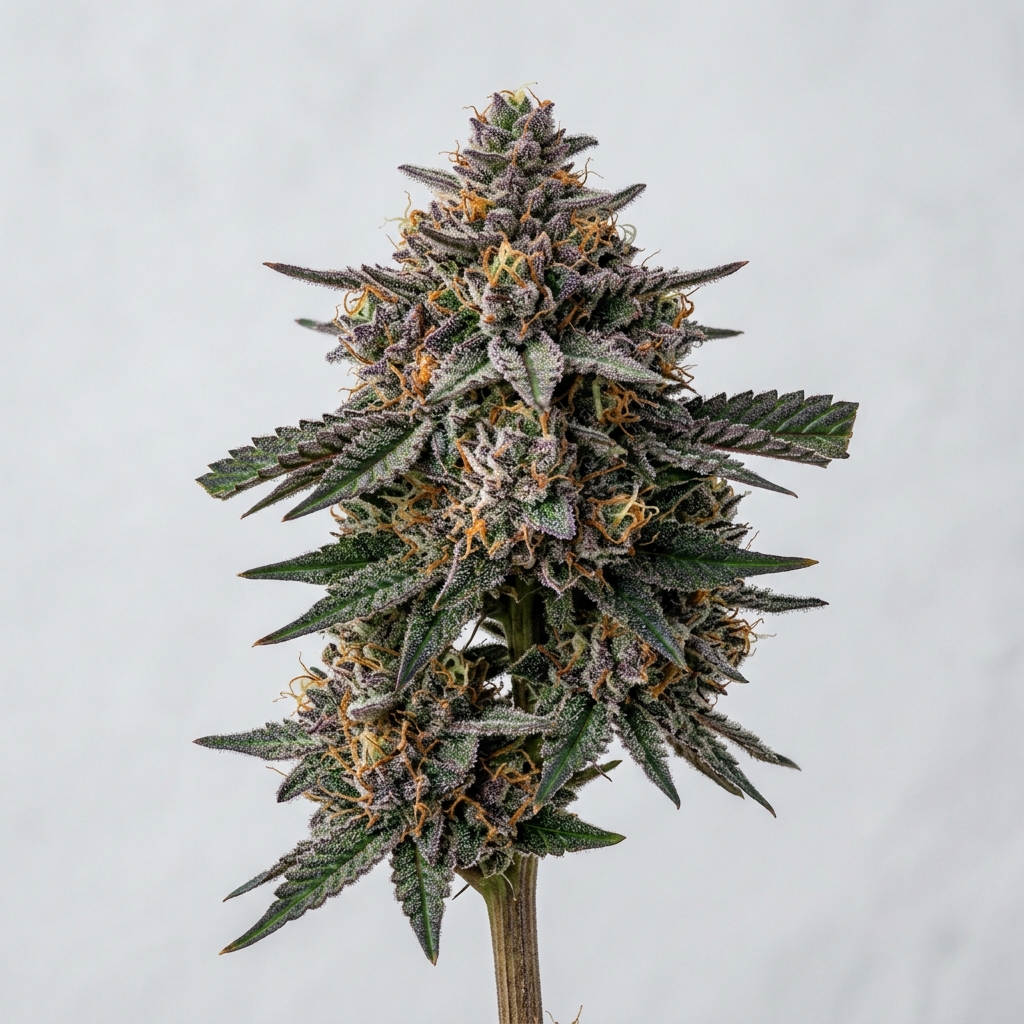
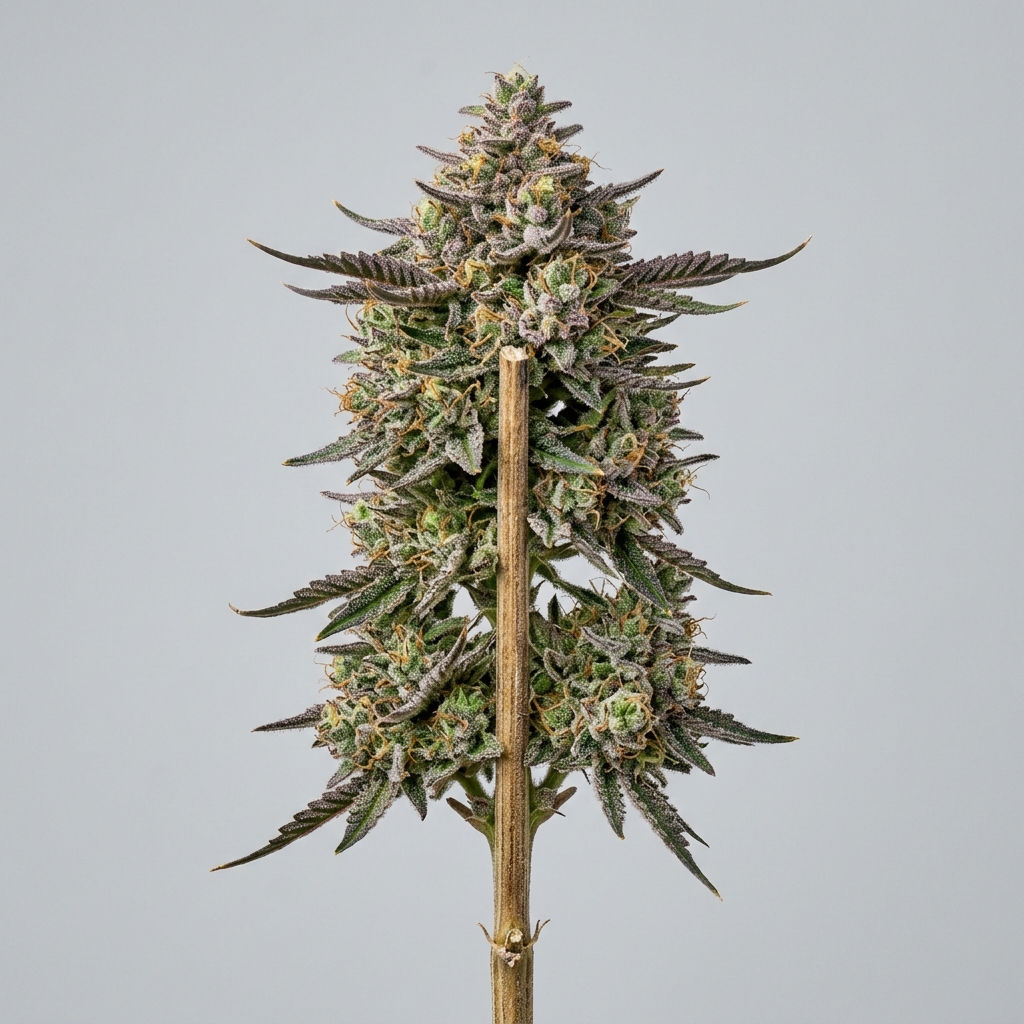
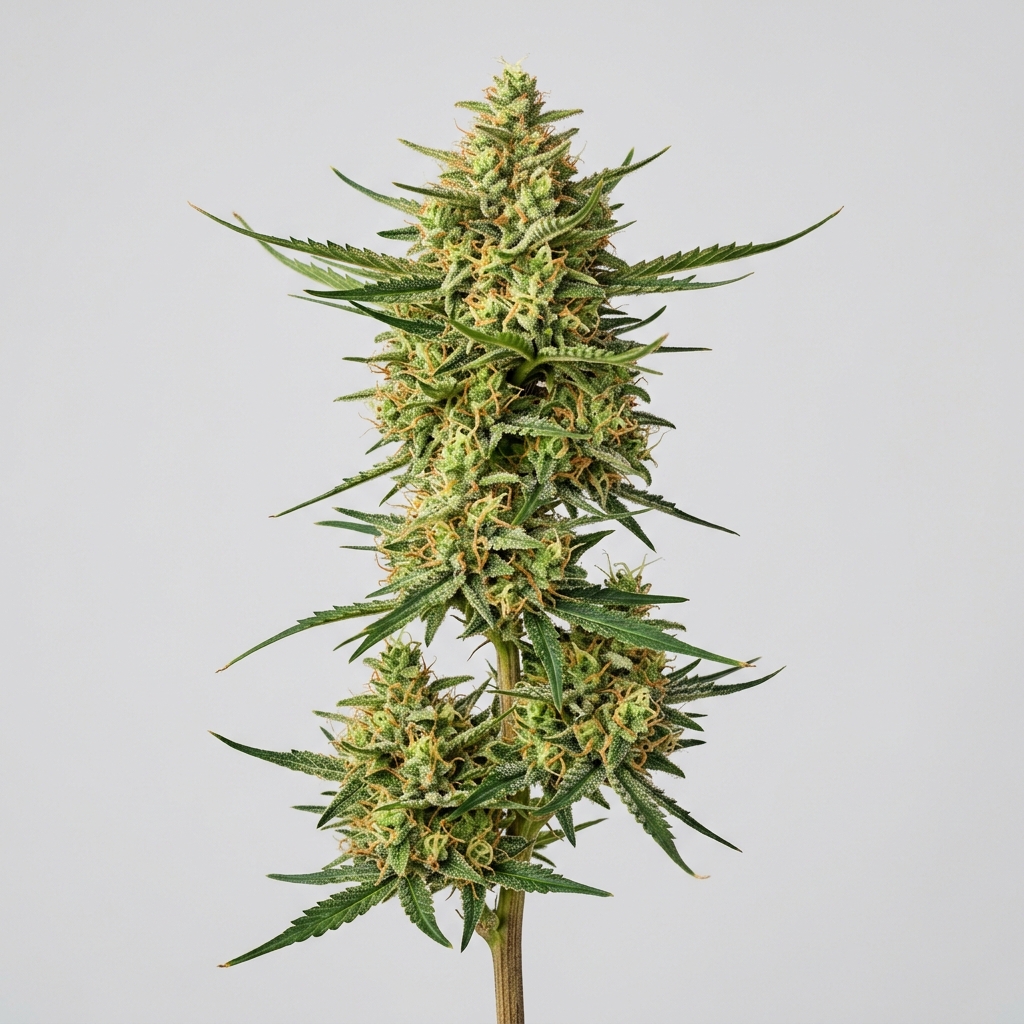
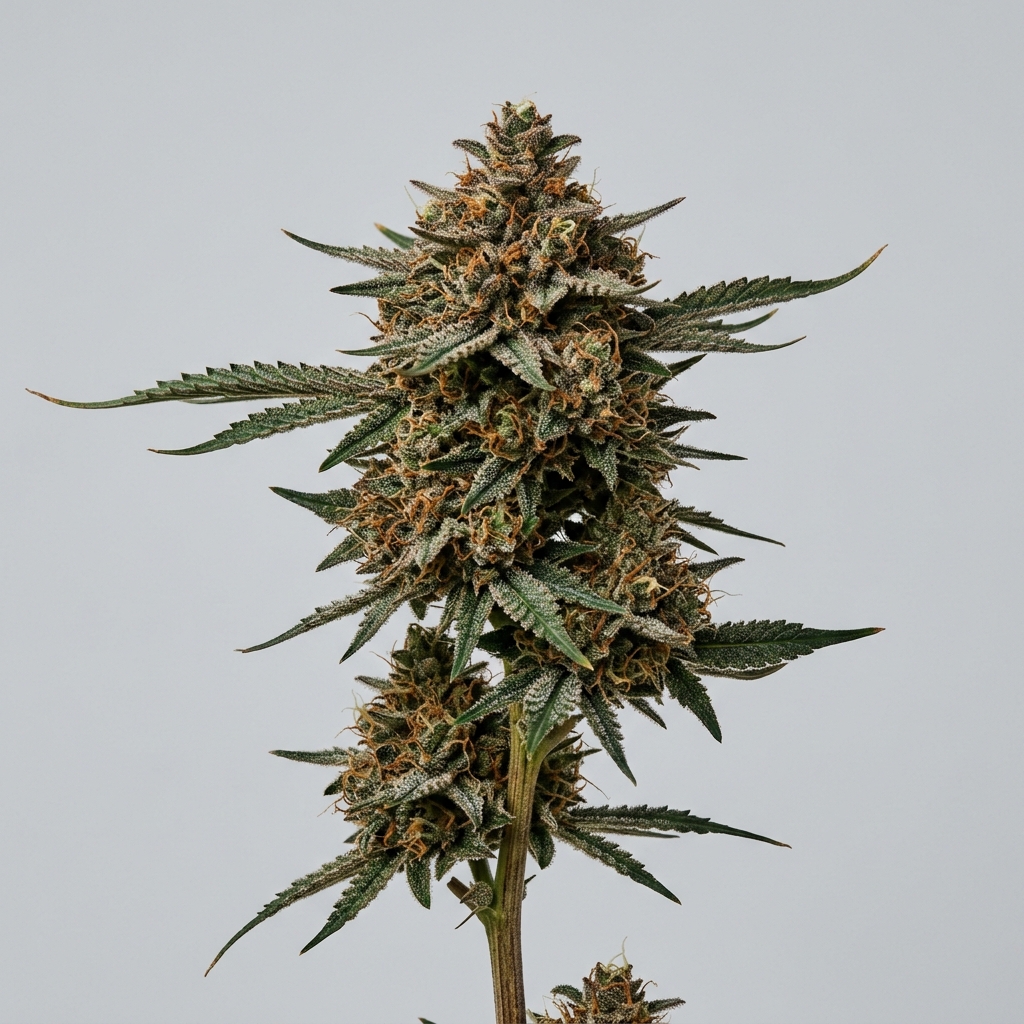
Garlic Gas is bred with a singular goal: maximum solventless resin efficiency. Plants commonly develop long, spear-shaped colas and a distinctive “wet” appearance caused by heavy greasy trichome output. Buds are typically olive green with dark amber pistils and a thick resin coat that can appear glossy under strong light.
The cultivar’s defining trait is the grease factor. Unlike brittle, “sandy” trichomes that can break irregularly, Garlic Gas often produces larger, oil-rich gland heads that remain stable at low temperatures—an advantage for cold-room handling and ice-water washing. This trait, paired with its loud terpene intensity, is a key reason it is widely regarded as an elite washer in 2026 live rosin markets.
Effects & Use-Cases (Reported)
- Commonly reported effects: heavy sedation, deep body melt, strong pressure behind the eyes, muscle release, and long-lasting relaxation.
- Use-case context: late evening and night use; commonly selected for physical recovery, tension release, and “lights out” relaxation.
- Intensity note: frequently described as physically overwhelming and narcotic at moderate to high doses.
- Note: These are observational reports, not medical claims; outcomes are not guaranteed.
Aroma & Flavors
- Aroma: aggressive and pungent—savory garlic funk, rotten skunk, and sulfuric notes that intensify dramatically when the bud is broken open.
- Flavor: thick savory inhale (garlic and skunk) transitioning into a sharp “face-melting” diesel exhale with a chemical bite and lingering funk.
- Terpene associations: caryophyllene, myrcene, limonene.
Tested Cannabinoid & Terpene Ranges
| Compound | Typical Range* | Notes |
|---|---|---|
| Δ⁹-THC | ~31–33% | High potency; commonly associated with heavy Indica-style effects. |
| CBD | ~0–1% | Generally present only in trace levels. |
| Caryophyllene | High | Supports peppery spice, savory depth, and strong body heaviness. |
| Myrcene | High | Likely contributes to sedation, couch-lock potential, and muscle relaxation. |
| Limonene | Moderate | Adds a sharp diesel brightness and helps shape the “gas” finish. |
| Terpene Profile | Garlic Funk / Skunk / Diesel Chemical | A loud savory-gas terpene lane built for maximum impact. |
*Ranges are literature- and lab-report-informed references and can differ with phenotype, cultivation conditions, harvest timing, curing practices, and analytical methods.
Cultivation Notes
- Light Cycle: 18/6 vegetative; 12/12 flowering
- Humidity Targets: 40–50% during flower; lower late bloom to protect dense resin-heavy flowers.
- Odor Control: Mandatory indoors. Garlic Gas is extremely pervasive and can overwhelm standard filtration without upgraded carbon systems.
- Nutrition: Heavy feeder; benefits from stable feeding and consistent Calcium/Magnesium support to sustain massive resin production.
- Training: responds well to topping and canopy management; long colas may require support in late flower.
- Harvest Window: Full 9–10 weeks recommended for complete resin and terpene maturation.
Grower Notes (Week-by-Week Snapshot)
- Weeks 1–2 (Transition/Stretch): steady stretch; establish final canopy shape and airflow pathways.
- Weeks 3–4: bud stacking begins; remove lower sites to focus energy into top colas; begin odor management ramp.
- Weeks 5–6: grease-resin production accelerates; aroma becomes aggressively loud; maintain low humidity.
- Weeks 7–8: peak resin density; trichome heads swell; ideal phase for washer-focused monitoring.
- Weeks 9–10: full maturity; savory GMO funk and diesel balance; harvest based on trichome maturity (cloudy with some amber for heavy Indica fade).
- Post-Harvest: Dry 18–20 °C, 55–60% RH to preserve volatile savory terpenes and prevent terpene loss.
Timelines shift with phenotype and environment; for extraction goals, prioritize gland head development and resin maturity over strict calendar timing.
Genetic Lineage
Garlic Gas is commonly described as a modern solventless powerhouse built from GMO (Garlic Cookies) crossed with a gas-dominant lineage often associated with OG or Chemdog-type genetics. GMO contributes the legendary savory garlic funk, heavy potency, and high resin production, while the gas-dominant parent reinforces diesel intensity, often shortens finish time relative to pure GMO expressions, and sharpens the “face-melting” fuel character that defines the cultivar’s finish.
Research Insights
Garlic Gas is frequently highlighted in 2026 solventless discussions because its resin architecture appears optimized for ice-water separation. “Greasy” trichomes—oil-rich gland heads that remain pliable at cold temperatures—may improve efficiency during washing and pressing, leading to higher full-melt and live rosin output. Its heavy Indica effect profile aligns with a terpene structure typically associated with myrcene (sedation and body relaxation) and caryophyllene (physical calming depth), while limonene may contribute sharpness and help shape the diesel top note that makes the strain feel especially loud.
Frequently Asked Questions
Is Garlic Gas an Indica or Sativa?
Garlic Gas is generally classified as an Indica-Dominant Hybrid (approximately 80% Indica / 20% Sativa), known for heavy, narcotic body effects.
What does Garlic Gas smell and taste like?
It smells aggressively savory—garlic funk, rotten skunk, and sulfur—followed by a strong diesel-chemical finish. The flavor is a thick savory inhale with a face-melting diesel exhale.
Why is Garlic Gas called a “washer’s dream”?
It is widely valued for solventless extraction because it produces greasy, gland-heavy trichomes that separate efficiently in ice-water hash, with reported yields often cited around 6%–8%+ in elite washer scenarios.
How long does Garlic Gas take to flower?
Garlic Gas typically requires 9–10 weeks (63–70 days) indoors to fully mature resin and develop its complete savory-gas terpene profile.
Is Garlic Gas good for live rosin?
Yes. In 2026, Garlic Gas is widely associated with premium “6-star” melt and live rosin production due to its greasy resin structure and loud terpene intensity.
Educational Disclaimer: This page is provided for scientific and horticultural reference only and does not constitute medical or promotional advice. Cannabis cultivation, possession, and use are regulated by local laws. Always comply with applicable legislation in your region.
Rate and review this strain
Ratings and reviews are accepted only from signed-in Google accounts.
Sign in with Google to leave a rating and written review.
Latest Reviews
0 reviewsNo reviews yet. Be the first Google user to rate and review this strain.