Core Damage (Cannabis Strain) — Strainpedia
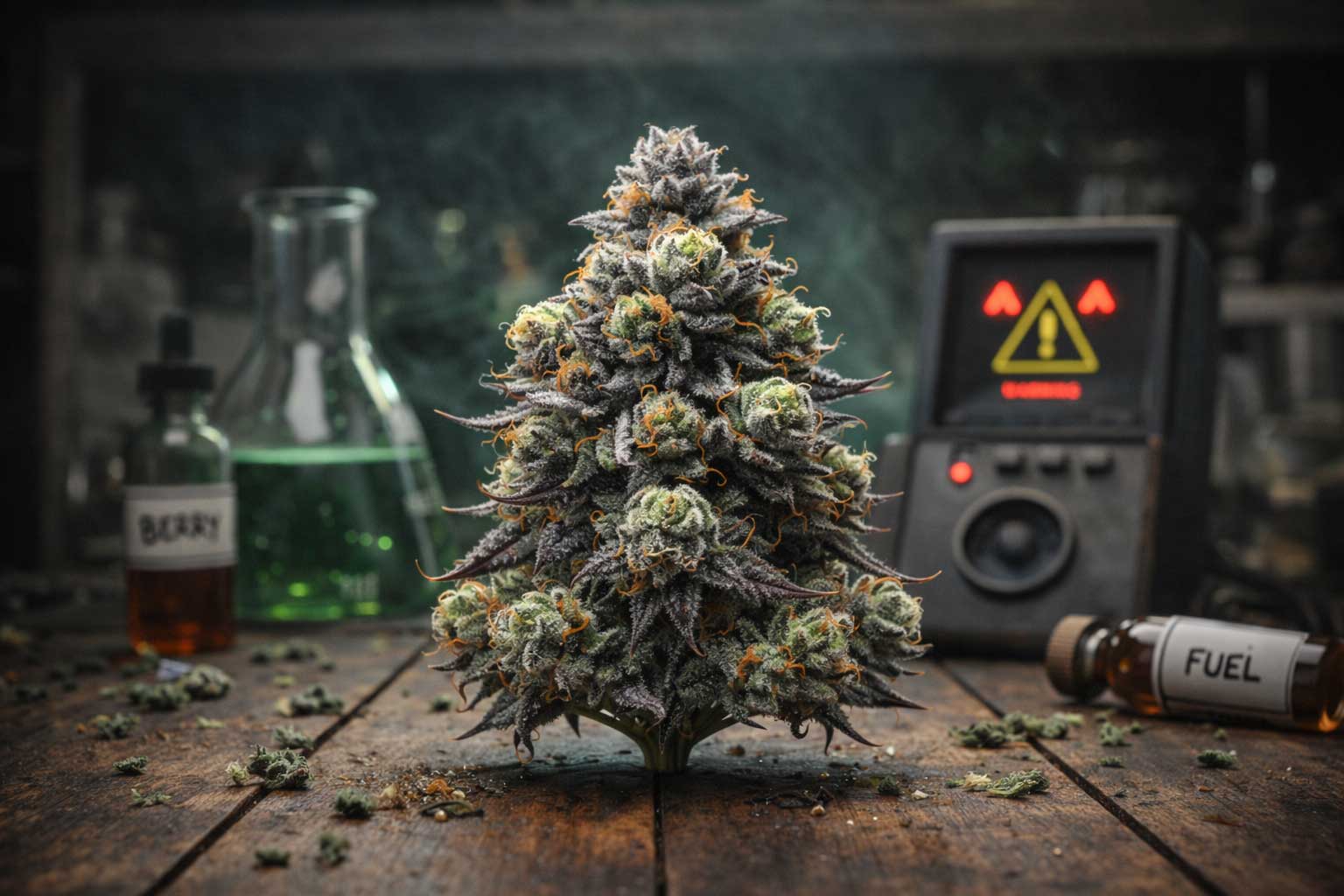
Core Damage is an ultra-potent Indica-Dominant Hybrid cultivar released in February 2026 by Anesia Seeds. Designed as the “nuclear” evolution of modern record-breaking genetics, this strain was engineered specifically for elite-level consumers who find even the most extreme 35% THC cultivars insufficient. Built from the powerful cross of Think Tank and Future #1®, Core Damage is widely cited for its biological-limit potency (often reported near 39%–41% THC), aggressive fuel-chemical terpene intensity, and massive resin output suited for premium extraction. The information below is intended strictly for scientific and botanical reference.
Quick Facts
| Genetics | Think Tank x Future #1® |
|---|---|
| Variety | Indica-Dominant Hybrid (approx. 70% Indica / 30% Sativa) |
| Flowering Time | 8–9 weeks (56–63 days indoors) |
| Yield Potential | 550–600 g/m² (High Indoors); 900–1200 g/plant (High Outdoors) |
| Plant Height | 140–180 cm indoors; 200–250 cm outdoors |
| Climate Preference | Controlled Indoor / Warm Outdoor (Low humidity recommended late flower) |
| Difficulty | Advanced-Intermediate (Fast flowering with heavy nutrient demand) |
Scientific & Botanical Overview
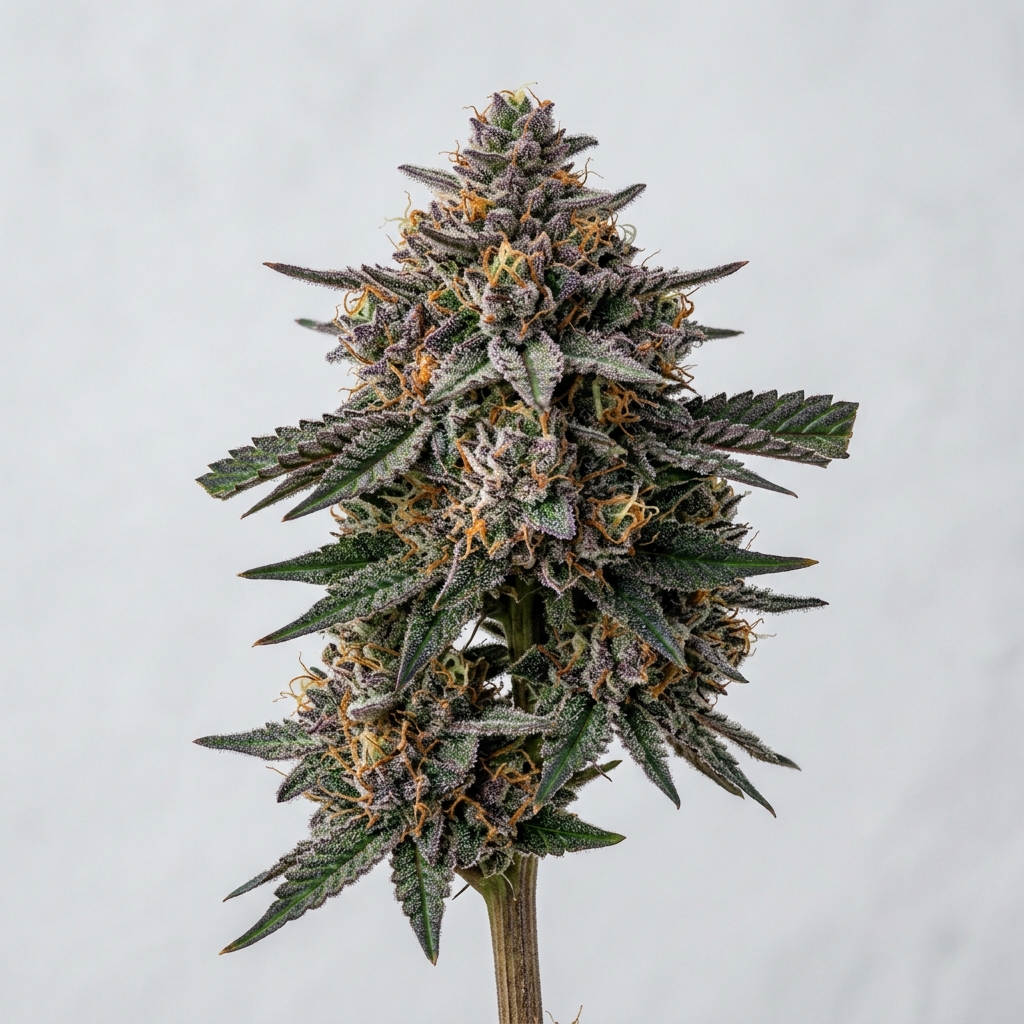
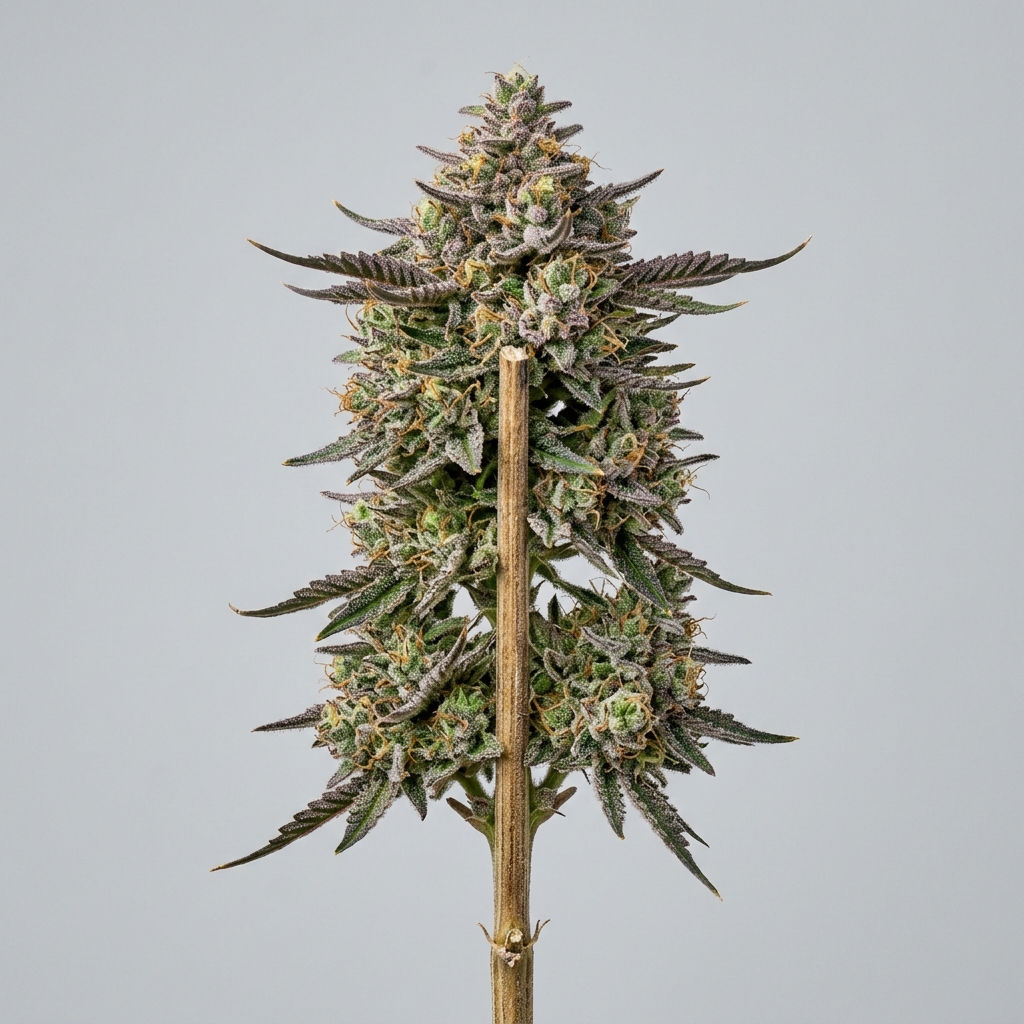
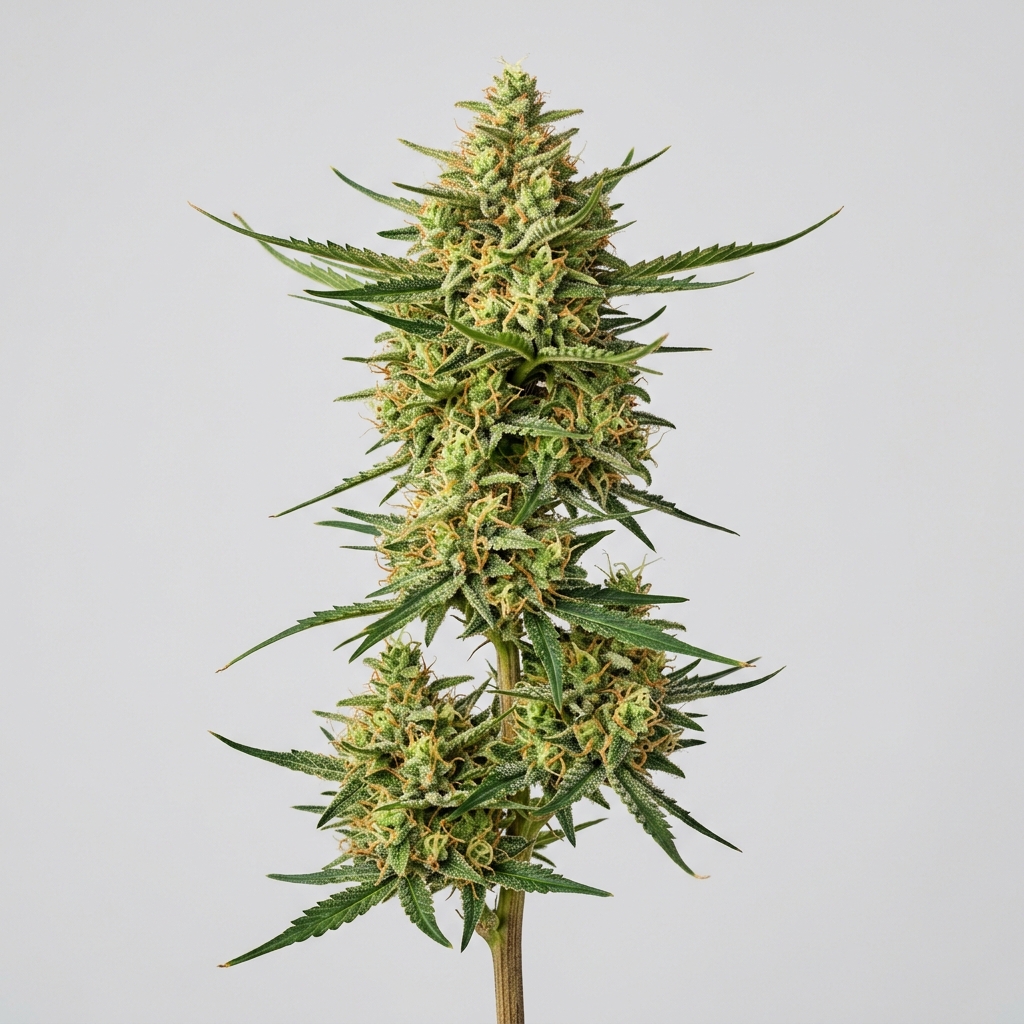
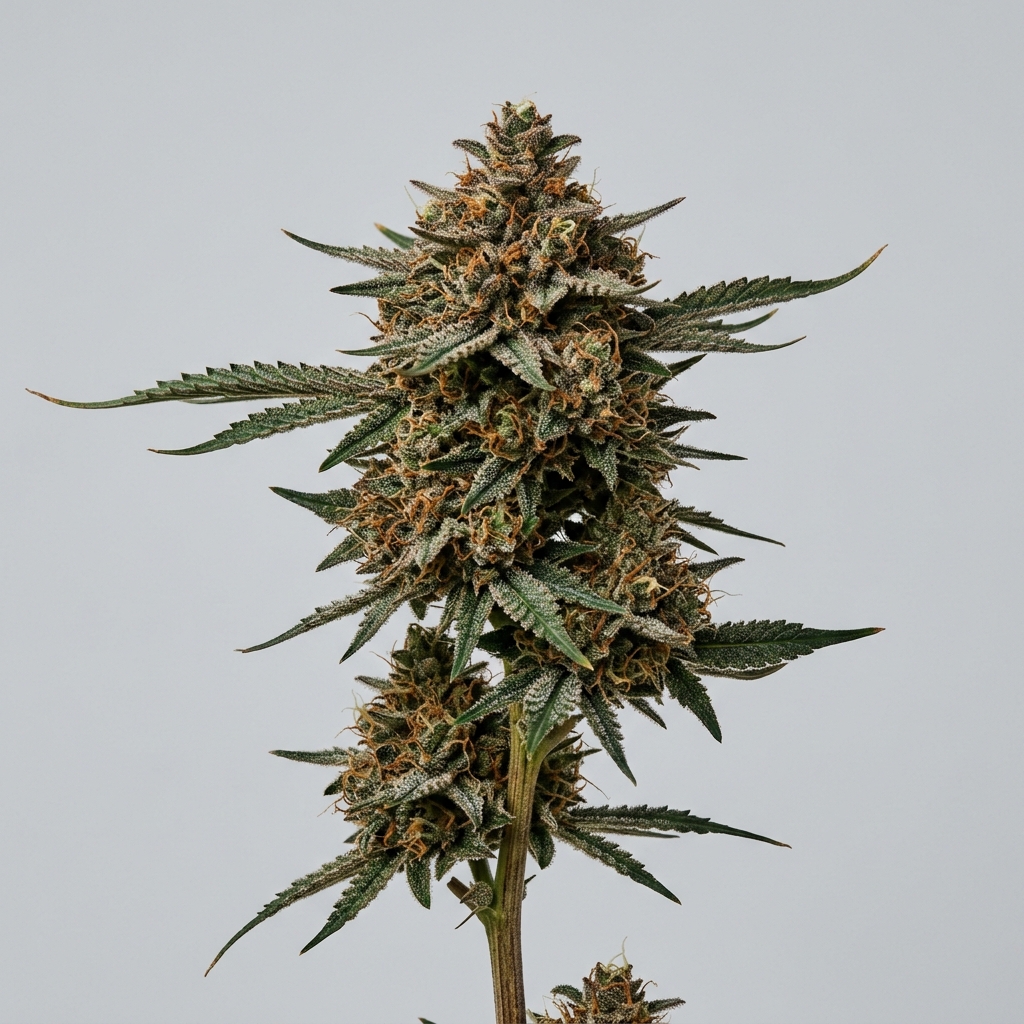
Core Damage is a high-performance photoperiod hybrid created for extreme potency and resin density. Plants develop an aggressive structure with thick lateral branches, strong canopy formation, and compact colas that harden significantly late in bloom. Buds are typically dense and frosted, with phenotypes often expressing purple hues, bright orange pistils, and heavy trichome coverage that gives the flowers a silver-white appearance under strong light.
The cultivar is particularly notable for its fast flowering speed relative to its potency ceiling. Despite reaching THC levels reported near 40%+, Core Damage typically finishes within an 8–9 week window, making it a rare combination of speed, yield, and extreme cannabinoid output. Due to the compact bud structure and heavy resin load, strict airflow and humidity control are essential for maintaining flower integrity.
Effects & Use-Cases (Reported)
- Commonly reported effects: intense cerebral surge, fast euphoric onset, heightened creativity, rapid mental stimulation, followed by heavy body sedation and deep relaxation.
- Use-case context: commonly selected for late evening sessions, high-tolerance consumers, deep unwinding, and “shutdown” relaxation after intense stress or activity.
- Potency warning: frequently described as elite-level and overwhelming, with strong couch-lock potential at moderate to high doses.
- Note: These are observational reports, not medical claims; outcomes are not guaranteed.
Aroma & Flavors
- Aroma: loud and aggressive, dominated by high-octane fuel and sharp chemical notes, softened by sweet forest berries, grape, and creamy vanilla undertones.
- Flavor: gassy and metallic on the inhale with berry-vanilla sweetness emerging mid-palate. The exhale is earthy and spicy with a lingering “bakery” sweetness and dense fuel finish.
- Terpene associations: caryophyllene, myrcene, limonene (implied fuel-berry terpene lane).
Tested Cannabinoid & Terpene Ranges
| Compound | Typical Range* | Notes |
|---|---|---|
| Δ⁹-THC | ~39–41% (reported) | Engineered to push biological potency limits; extreme-strength cultivar. |
| CBD | ~0–1% | Generally present only in trace levels. |
| Caryophyllene | High | Supports spicy fuel depth and strong body heaviness. |
| Myrcene | High | Likely contributes to sedation, couch-lock effects, and heavy relaxation. |
| Limonene | Moderate | Provides brief mood lift and supports berry sweetness balance. |
| Linalool | Low–Moderate | May contribute to the creamy vanilla softness and calming fade. |
| Terpene Profile | Fuel / Chemical / Berry Vanilla | Extremely loud “engine ignition” aroma with sweet forest fruit complexity. |
*Ranges are literature- and lab-report-informed references and can differ with phenotype, cultivation conditions, harvest timing, curing practices, and analytical methods.
Cultivation Notes
- Light Cycle: 18/6 vegetative; 12/12 flowering
- Humidity Targets: 40–50% during flower; lower late bloom to protect compact, resin-heavy buds.
- Nutrition: Heavy feeder; rewards growers who can manage nutrient spikes during its fast flowering cycle.
- Training: thrives under LST, topping, and SCROG to control aggressive branching and maximize canopy efficiency.
- Support: trellis support recommended due to heavy resin weight and dense cola formation.
- Harvest Window: Late September to early October outdoors (Northern Hemisphere), depending on phenotype and climate.
Grower Notes (Week-by-Week Snapshot)
- Weeks 1–2 (Transition/Stretch): vigorous stretch and branch expansion; establish SCROG net early.
- Weeks 3–4: bud stacking begins quickly; defoliate lightly for airflow; manage canopy density.
- Weeks 5–6: peak resin production begins; aroma becomes extremely loud; buds harden significantly.
- Weeks 7–8: heavy bulking and trichome explosion; reduce humidity; monitor closely for moisture retention.
- Weeks 8–9: ripening; fuel-berry complexity matures; harvest based on trichome ratio (cloudy with some amber for heavy Indica effect).
- Post-Harvest: Dry 18–20 °C, 55–60% RH to preserve volatile fuel-berry terpenes and prevent terpene loss.
Timelines shift with phenotype and environment; prioritize trichome maturity and aroma intensity over strict calendar timing.
Genetic Lineage
Core Damage is derived from a high-intensity cross between Think Tank and Future #1®. Think Tank is widely referenced as the 2026 potency world-record holder, with THC reports reaching the 40%+ category. Future #1® is Anesia Seeds’ legendary foundation cultivar known for its pineapple-mango terpene profile, astronomical resin output, and stable high-THC expression. This pairing was engineered to create a strain that combines extreme cannabinoid production with aggressive fuel-driven terpene intensity and fast flowering performance.
Research Insights
Core Damage represents the absolute edge of high-potency breeding in 2026. Its reported effects—beginning with a fast cerebral “switch-flip” surge followed by a heavy physical drop—suggest a strong terpene-modulated entourage effect. High levels of myrcene and caryophyllene may explain the strain’s deep body grounding and couch-lock intensity, while limonene likely supports the early mood lift and energetic spark. This cultivar highlights modern breeding priorities that combine extreme cannabinoid ceilings with aggressive terpene loudness to deliver a full sensory experience.
Frequently Asked Questions
Is Core Damage an Indica or Sativa?
Core Damage is classified as an Indica-Dominant Hybrid (approximately 70% Indica / 30% Sativa), known for a powerful mental surge followed by deep physical heaviness.
What does Core Damage smell and taste like?
It features an aggressive fuel-and-chemical aroma layered with forest berries, grape sweetness, and creamy vanilla undertones. The flavor is gassy and metallic with a spicy earthy finish.
How strong is Core Damage?
Core Damage is widely reported in the 39%–41% THC range, making it an elite-level potency strain designed for very experienced consumers.
How long does Core Damage take to flower?
This cultivar typically flowers in a fast 8–9 weeks (56–63 days) indoors, which is unusually quick for a strain of this potency level.
Is Core Damage good for extracts?
Yes. Core Damage is considered a top-tier extraction cultivar due to its extreme trichome density and complex fuel-berry terpene profile.
Educational Disclaimer: This page is provided for scientific and horticultural reference only and does not constitute medical or promotional advice. Cannabis cultivation, possession, and use are regulated by local laws. Always comply with applicable legislation in your region.
Rate and review this strain
Ratings and reviews are accepted only from signed-in Google accounts.
Sign in with Google to leave a rating and written review.
Latest Reviews
0 reviewsNo reviews yet. Be the first Google user to rate and review this strain.