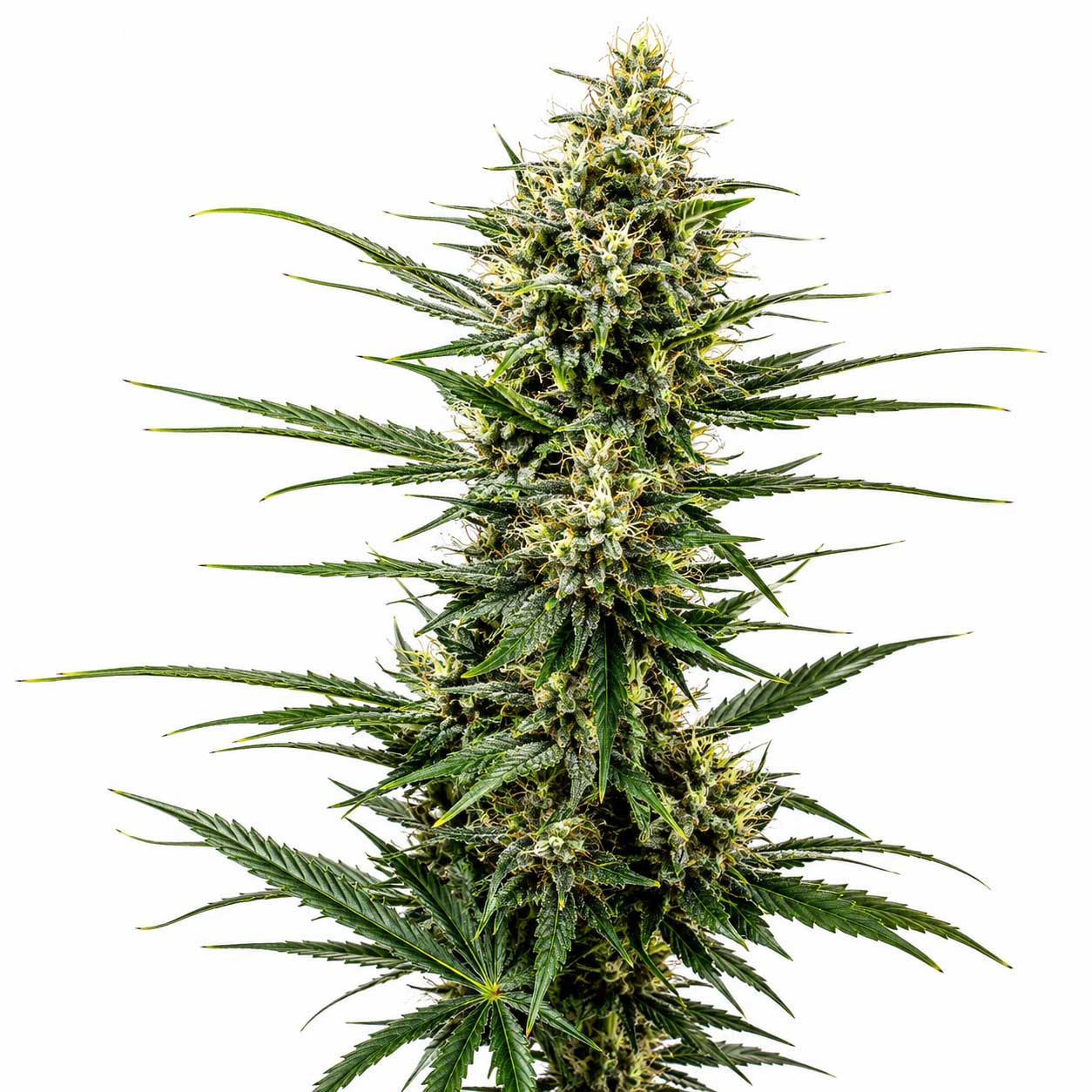
Alpine Delight (Cannabis Strain)
Alpine Delight is a sativa-leaning hybrid testing between 18% and 24% THC, created by crossing a tropical Hawaiian Sativa with a compact Swiss Indica. This cultivar is defined by its crisp, mountain-fresh aroma of pine needles and lemon peel, producing glassy, medium-density spear colas with moderate stretch and a bright, functional daytime high. It offers a cleaner, more elevated alternative to contemporary dessert strains.
Unlike many modern hybrids that lean heavily on sweet dough and heavy sedation, this strain offers an open, clear-headed experience. It appeals to growers and smokers seeking a clean, terpene-forward profile that preserves classic sativa energy without the long, uncontrollable flowering cycles of pure landrace lines.
Quick Facts
| Field | Details |
|---|---|
| Genetics | Hawaiian Sativa × Swiss Indica |
| Variety | Sativa-leaning Hybrid |
| THC Range | 18% – 24% |
| Flowering Time | 9 – 10 weeks |
| Yield Potential | Moderate to above average |
| Plant Height | Medium to tall |
| Climate Preference | Warm, temperate with low late-flower humidity |
| Difficulty | Moderate |
Scientific & Botanical Overview
Botanically, Alpine Delight balances the architectural traits of its distinct parental lines. The Hawaiian Sativa parent contributes elongated internodes and a highly volatile terpene profile, while the Swiss Indica side anchors the plant with improved stem thickness and tighter flower clusters.
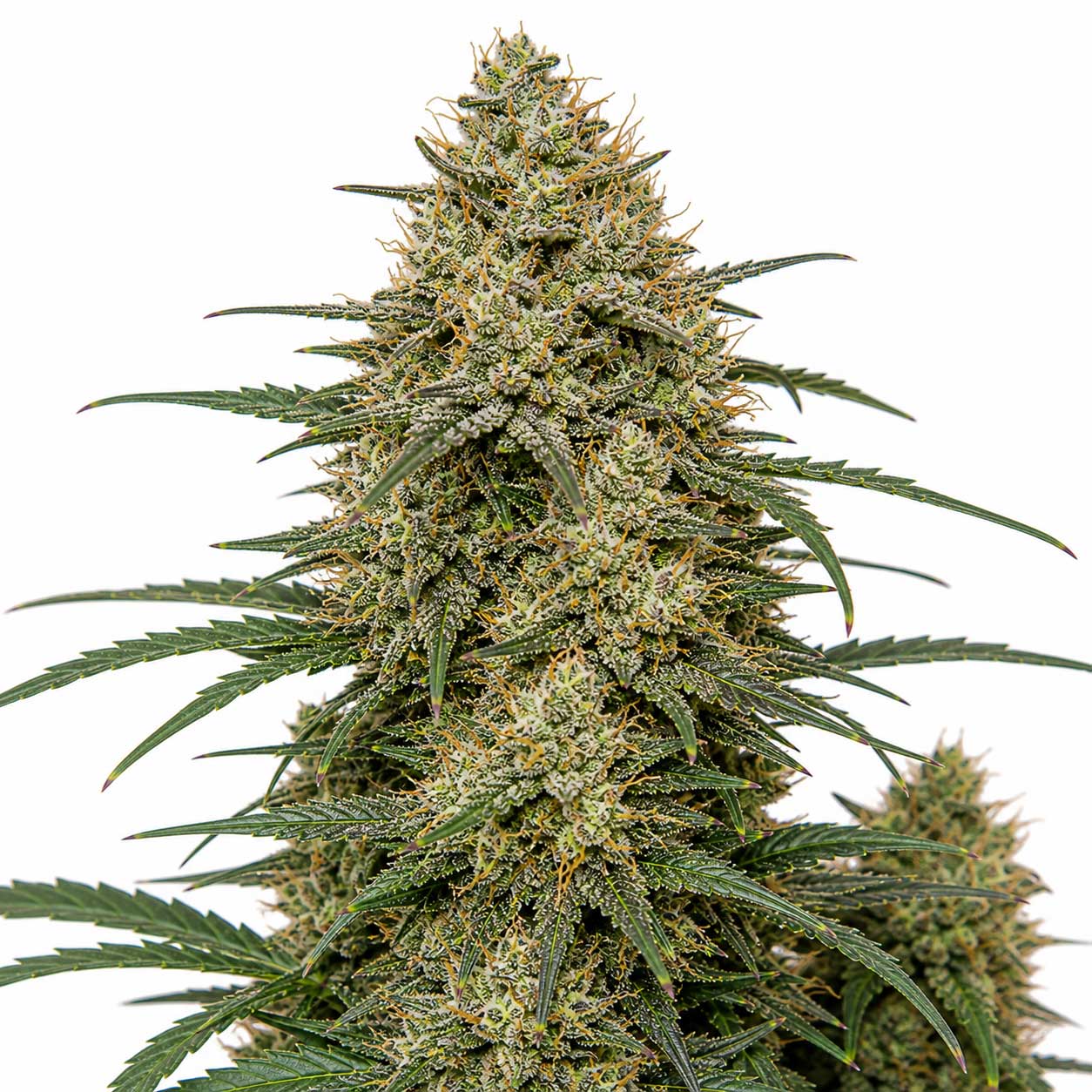
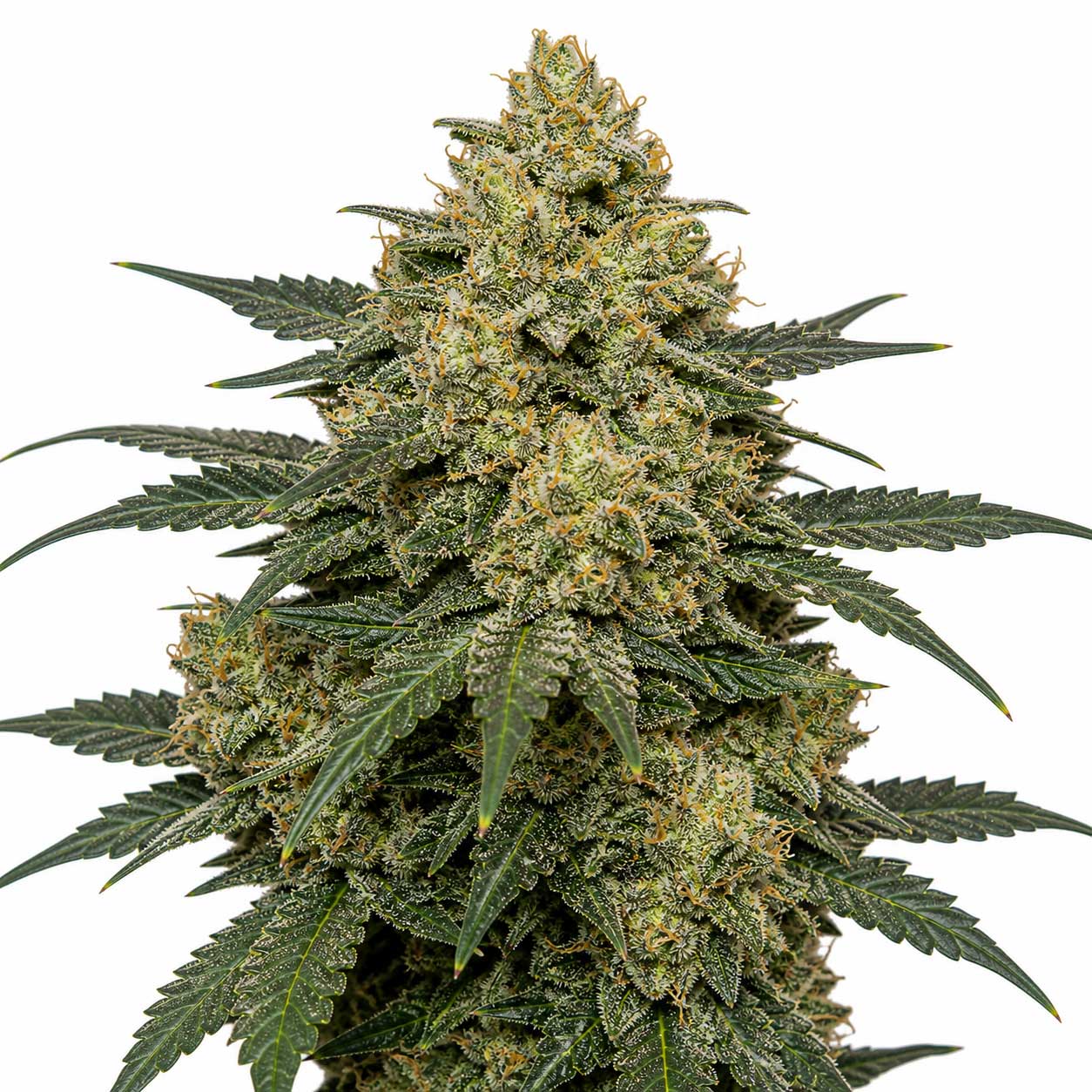
The resulting offspring typically grows with a manageable stretch pattern, producing tapered, spear-shaped colas rather than heavy, rounded bricks. This structure allows for excellent light penetration and airflow through the canopy, reducing the risk of microclimate issues in dense indoor gardens.
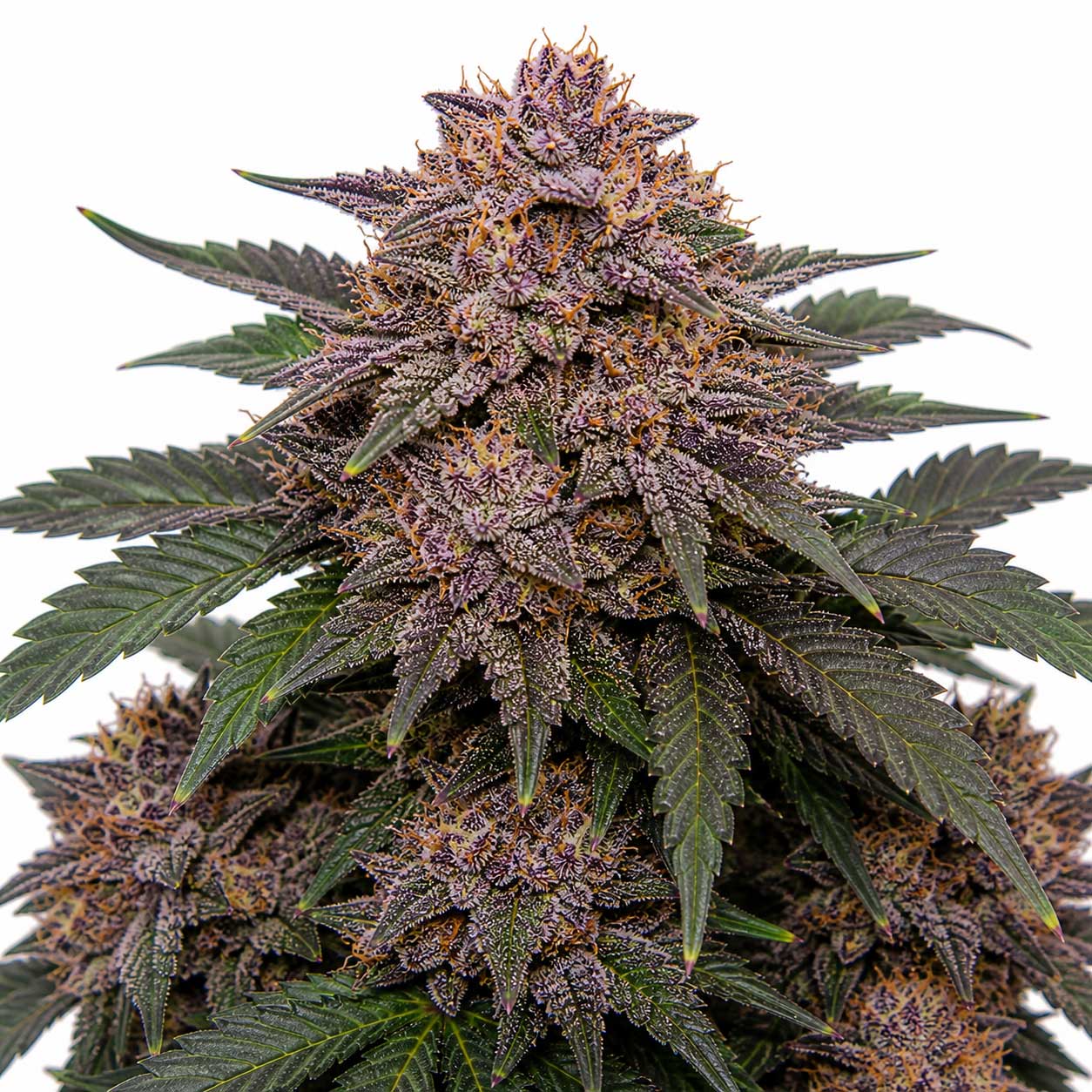
Phenotypic variation is common but manageable, with most expressions leaning toward lime-green foliage and bright orange pistils. Under cooler night temperatures, some phenotypes will show subtle lavender hues on the outer sugar leaves during the final weeks of bloom.
Effects & Use-Cases (Reported)
Commonly reported effects: A clear-headed mental uplift, mild physical relaxation, and an active, conversational focus without heavy physical drag.
Use-case context: Best suited for daytime use, creative projects, or social settings where a calm but alert mindset is preferred.
Note: These observations are entirely anecdotal and do not constitute medical advice or clinical claims.
Aroma & Flavors
Aroma: Fresh pine needles, crushed citrus peel, damp earth, and a faint background of mountain herbs.
Flavor: Sharp lemon zest and forest pine on the inhale, followed by a clean, peppery herbal finish.
Terpene associations: Commonly dominated by myrcene, limonene, and pinene.
Tested Cannabinoid & Terpene Ranges
| Compound | Typical Range | Notes |
|---|---|---|
| Δ9-THC | 18% – 24% | Provides a functional, cerebral buzz. |
| CBD | <1.0% | Typically low, not a CBD-dominant chemotype. |
| Myrcene | 0.15% – 0.45% | Adds herbal depth and smooths out the physical finish. |
| Limonene | 0.10% – 0.35% | Responsible for the bright lemon-zest top notes. |
| Pinene | 0.08% – 0.25% | Brings the crisp pine forest aroma and supports mental clarity. |
Range note: Cannabinoid and terpene levels are highly dependent on specific cultivation techniques, environmental conditions, and curing protocols.
Cultivation Notes
- Humidity: Maintain relative humidity around 55-60% during early veg, dropping to 40-45% by late flowering to protect the resin-rich spear colas.
- Nutrition: Responds well to moderate feeding; avoid heavy nitrogen in mid-to-late bloom to prevent leafy bud structures.
- Training: Utilize low-stress training (LST) or topping early in veg to manage the sativa-leaning stretch and encourage even canopy distribution.
- Harvest: Look for milky trichomes with roughly 10-15% amber heads to capture the peak balance of clear-headed sativa effects.
- Phenotype Management: Select phenotypes that show strong lateral branching and shorter internodal spacing during early vegetative growth.
Grower Notes (Week-by-Week Snapshot)
- Weeks 1–3 (Vegetative & Transition): Plants show steady vertical growth; apply light training to establish a flat canopy before initiating the flowering cycle.
- Weeks 4–6 (Early to Mid Bloom): The stretch begins to taper off as early flower sites form tapered, lime-green clusters with high resin production.
- Weeks 7–9+ (Late Bloom & Ripening): Buds fill out with a frosty layer of trichomes while the aroma of pine and citrus intensifies; flush with plain water during the final 10 days.
- Post-Harvest (Cure): A slow 10-to-14 day dry at 60°F and 60% humidity is essential to preserve the delicate, volatile monoterpenes like pinene and limonene.
Genetic Lineage
The lineage of Alpine Delight traces back to a classic pairing of a tropical Hawaiian Sativa and a rugged Swiss Indica. The Hawaiian parent brings a legacy of soaring, clear-headed effects and bright, tropical terpene profiles that are highly valued in sativa breeding lines.
To tame the long flowering time and lanky stature of the tropical sativa, breeders integrated a hardy Swiss Indica. This alpine-adapted indica donor provides structural stability, cold tolerance, and a faster flowering response, making the hybrid far more practical for indoor and temperate outdoor cultivation.
Research Insights
Analytical testing of Alpine Delight highlights an interesting synergy between its primary terpenes, particularly the combination of pinene and limonene. Pinene is frequently studied for its potential to support mental clarity and mitigate the short-term memory impairment sometimes associated with high-THC cultivars.
When paired with the uplifting properties of limonene and a moderate THC range, the cultivar avoids the heavy, sedating crash typical of myrcene-heavy dessert strains. This makes it a valuable subject for research into functional, daytime-focused chemotypes that prioritize mental clarity over sheer physical immobilization.
Frequently Asked Questions
Is Alpine Delight a sativa or an indica?
Alpine Delight is a sativa-leaning hybrid that combines the energetic, clear-headed qualities of a Hawaiian Sativa with the structural density and faster finish of a Swiss Indica.
How long does Alpine Delight take to flower?
Indoors, this cultivar typically completes its flowering cycle in 9 to 10 weeks, depending on the specific phenotype and environmental conditions.
What does Alpine Delight smell like?
The aroma is clean and mountain-fresh, dominated by sharp pine needles, fresh lemon zest, and subtle herbal undertones, rather than heavy sweet or doughy notes.
Is Alpine Delight easy to grow?
It is considered a moderate-difficulty strain. While it possesses excellent structural stability from its Swiss Indica heritage, growers must manage its moderate sativa stretch and maintain low humidity during late bloom.
Educational Disclaimer
This content is provided for educational and informational purposes only. It is not intended as medical advice or to encourage illegal cultivation or consumption. Always consult with a qualified professional regarding medical cannabis use and comply with local laws and regulations.
Rate and review this strain
Ratings and reviews are accepted only from signed-in Google accounts.
Sign in with Google to leave a rating and written review.
Latest Reviews
0 reviewsNo reviews yet. Be the first Google user to rate and review this strain.