Alpine OG (Cannabis Strain) — Strainpedia
Alpine OG stands apart as a crisp, resin-heavy OG hybrid with a colder, sharper aromatic profile than many old-school Kush cuts. Its lineage is commonly linked to OG Kush and SFV OG, and the finished flower usually leans into pine, fuel, and lemon peel rather than dessert-style sweetness.
In the garden, Alpine OG is usually described as a compact, medium-height plant with dense flowering sites and a strong response to steady environment control. The strain’s visual signature tends to be frosty and rugged, while the effect profile is often reported as an early lift that settles into a heavier, more grounded finish.
Quick Facts
| Genetics | OG Kush x SFV OG, with select line work commonly reported in Raskal Genetics releases |
|---|---|
| Original Breeder | Raskal Genetics |
| Variety | Indica-dominant Hybrid |
| Flowering Time | Approximately 8–9 weeks indoors |
| Yield Potential | Moderate to high under optimized conditions |
| Plant Height | Medium, with limited stretch and compact internodes |
| Climate Preference | Warm, dry, well-ventilated indoor or Mediterranean-style outdoor environments |
| Difficulty | Moderate; best suited to growers comfortable managing odor and canopy density |
Strain Classification
| Type | Indica-dominant Hybrid |
|---|---|
| Genetic Family | OG Kush line with SFV OG influence |
| Primary Terpenes | Myrcene, limonene, caryophyllene* |
| Original Breeder | Raskal Genetics |
| Breeding Lineage | Commonly described as OG Kush crossed with SFV OG, with some listings presenting breeder-specific selection details that are not always fully standardized |
*Exact terpene dominance may vary by phenotype and cultivation method.
Scientific & Botanical Overview
Botanically, Alpine OG is best understood as a resin-forward cannabis hybrid shaped by the classic OG family’s compact internodal spacing and high calyx-to-leaf ratio. The structure typically reflects a Kush-leaning selection: thick central colas, tightly grouped side branches, and a flowering pattern that concentrates weight into dense terminal buds.
From a breeding perspective, the strain matters because it preserves the familiar OG backbone while pushing the aromatic profile toward cleaner pine, sharper citrus, and a colder fuel tone. That makes Alpine OG useful as a reference point for comparing modern OG selections that emphasize brightness and resin production rather than sweetness or candy notes.
Appearance
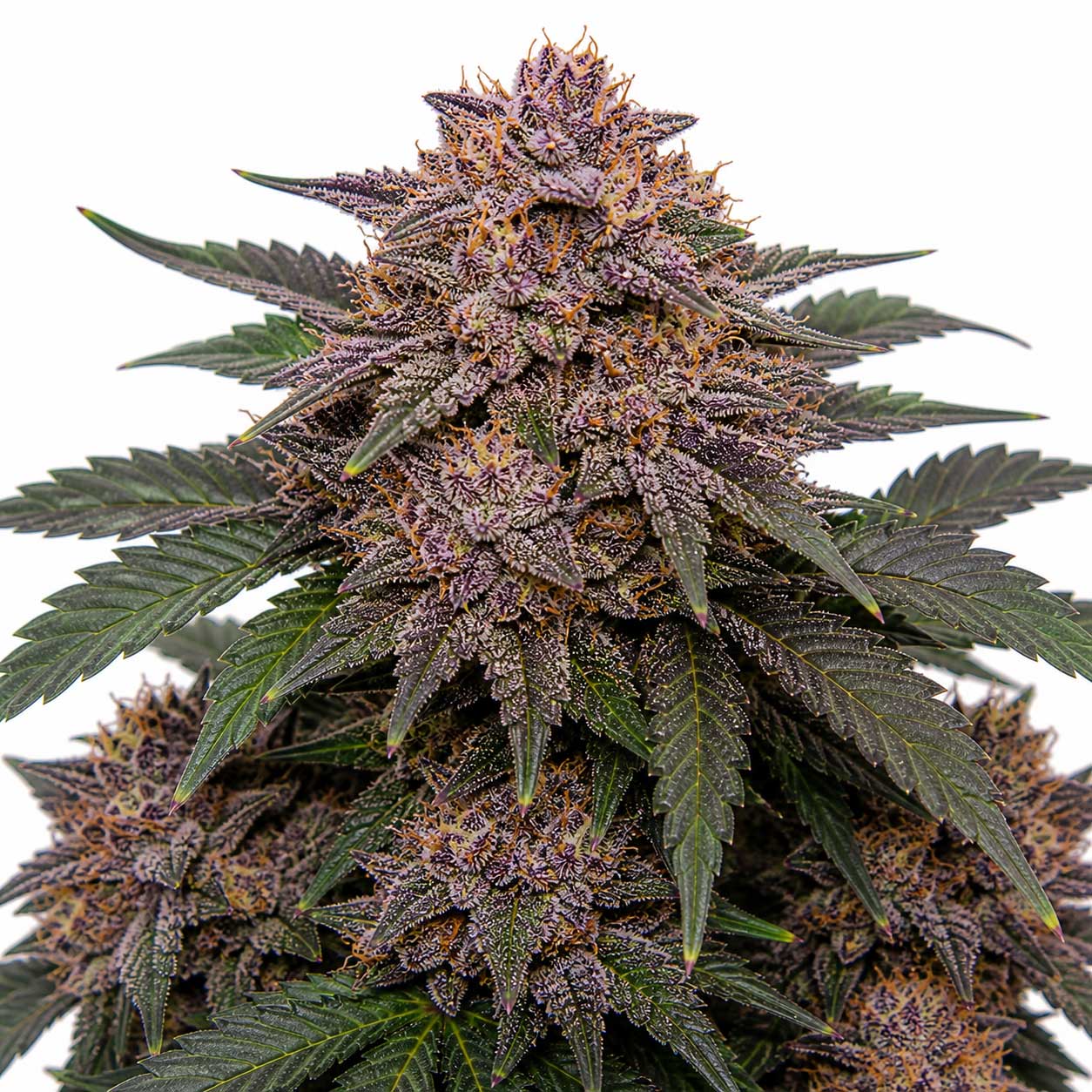
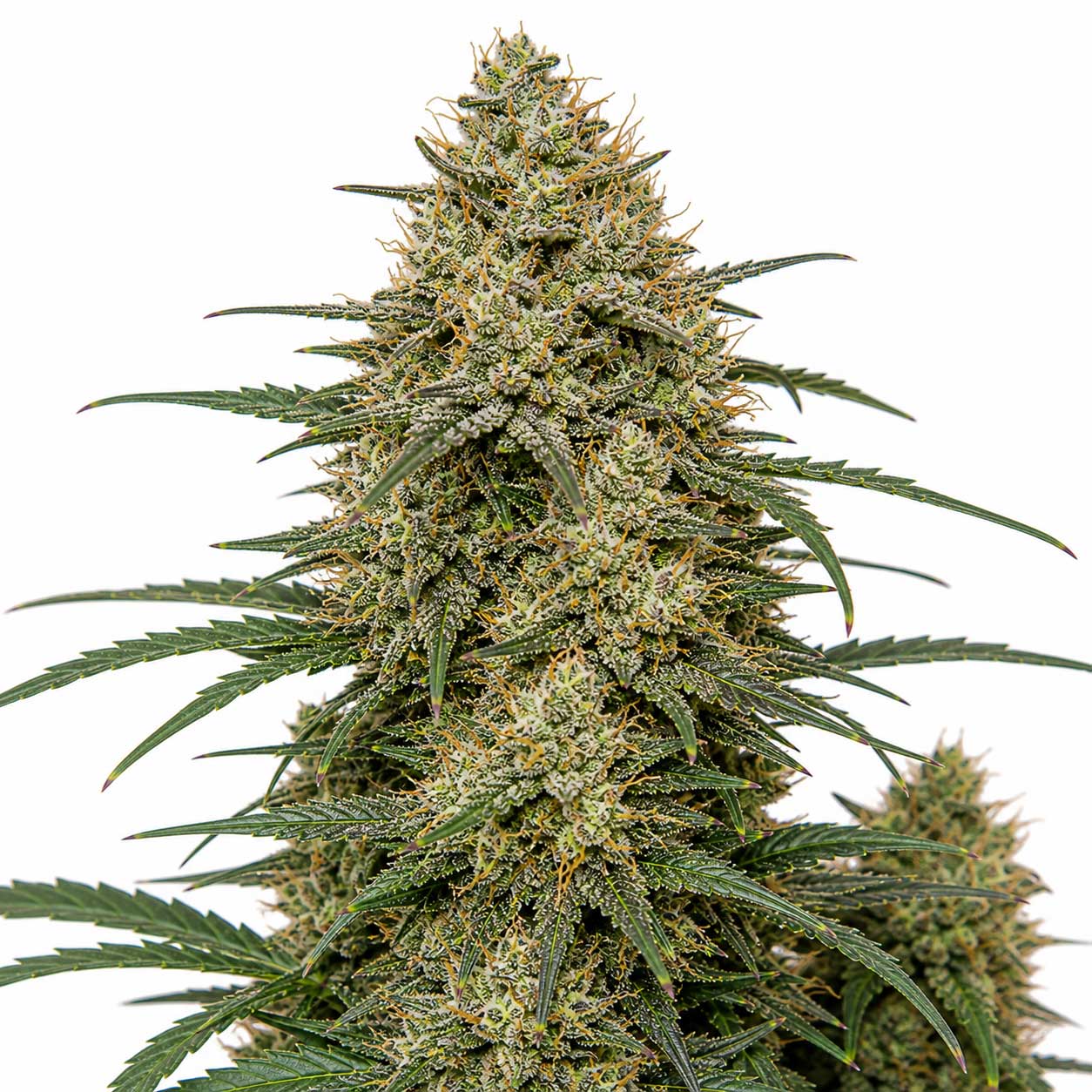
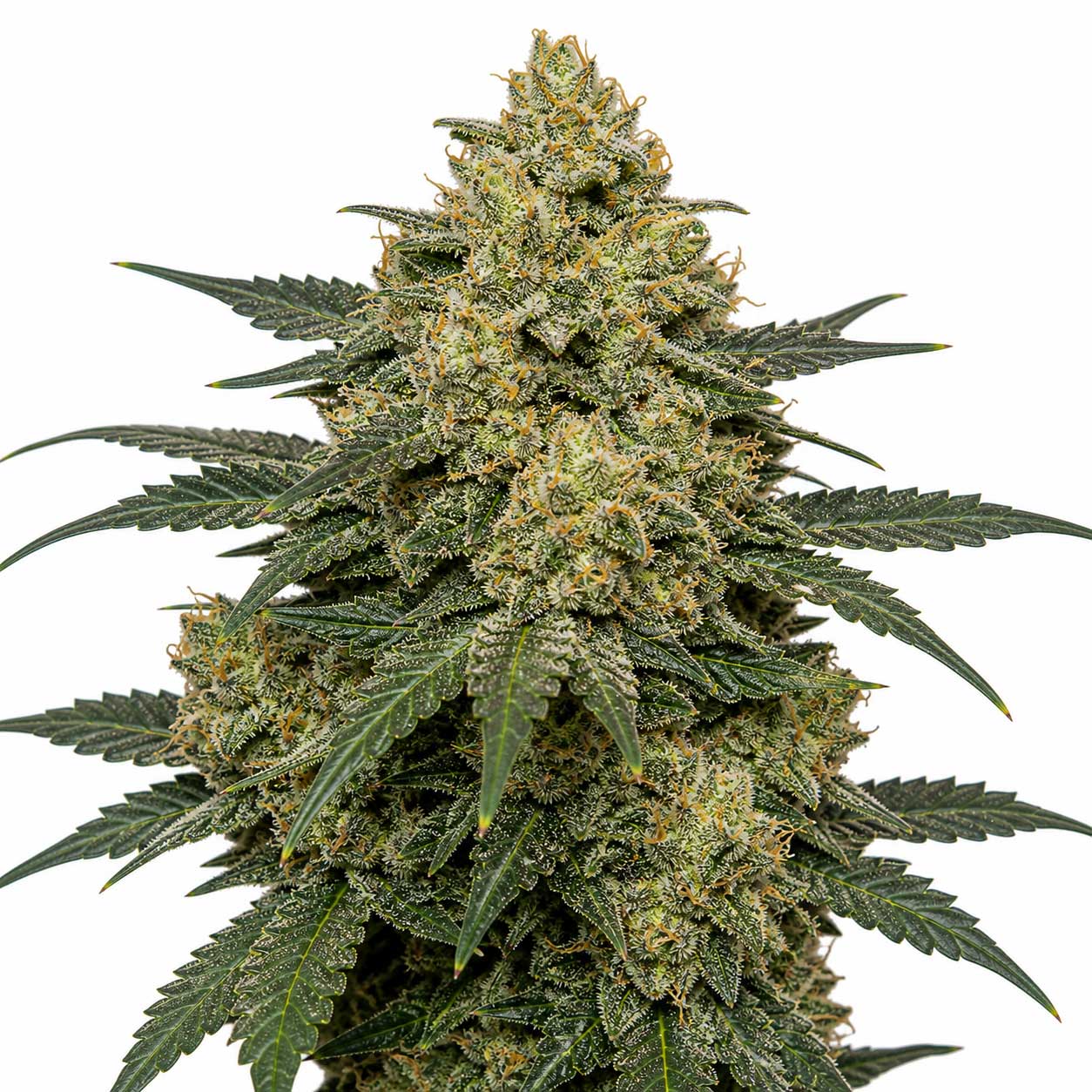
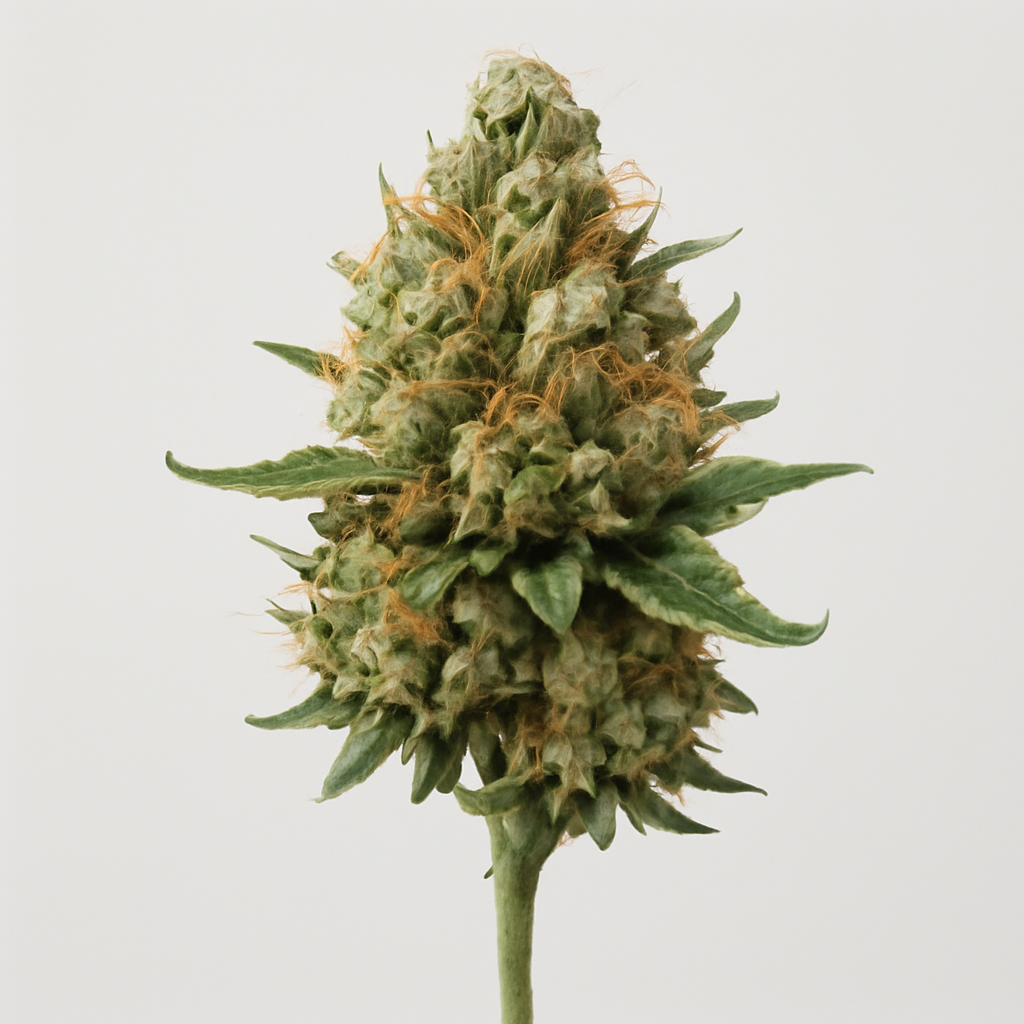
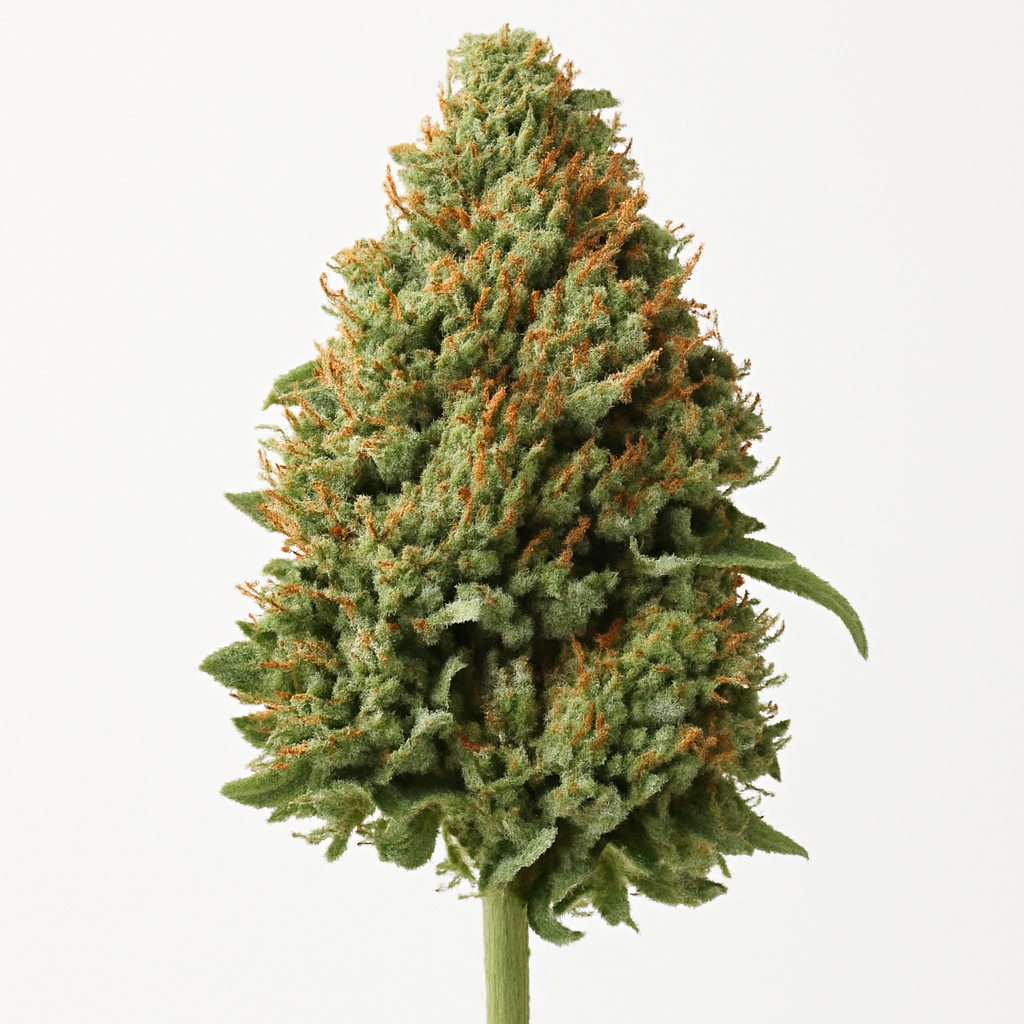
Alpine OG usually produces dense, somewhat rounded buds that look heavy even before cure. The calyxes stack tightly, creating chunky flower clusters with a firm feel and a surface that becomes increasingly frosted as trichomes mature.
Color expression is often deep green with occasional darker olive or muted forest tones, especially in cooler finishes. Orange pistils thread through the flower in short bursts, and the trichome layer can give the buds a pale, icy cast that suits the strain’s alpine name. Phenotype variation is most noticeable in resin density and leaf coloration, though the overall silhouette remains classic OG.
Effects & Use-Cases (Reported)
- Commonly reported effects: a quick mood lift, mental ease, body heaviness, calm focus early on, and a relaxing fade.
- Use-case context: often chosen for evening sessions, lower-key social settings, or times when a fuller-bodied OG experience is preferred.
- Body character: usually described as grounded and weighty, with a gradual transition from head clarity to physical relaxation.
- Note: These observations are anecdotal and do not constitute medical claims.
Observational Note: Alpine OG tends to show its personality in stages. The first impression can be bright and slightly uplifted, but the finish is more characteristic of old-school Kush influence, with a slower, heavier settling quality.
Potency Note: Because tested THC levels can run high, the strain is often approached with measured portion sizes, especially by consumers who prefer a more moderate session. Its stronger batches may feel notably dense and long-lasting.
Aroma & Flavor Profile
- Aroma: pine resin, diesel, earthy spice, citrus peel, and woody Kush funk.
- Flavor: sharp pine on the inhale, lemon zest in the mid-palate, peppery earth, and a resinous fuel finish.
- Aftertaste: lingering diesel-pine with a dry herbal edge.
- Terpene associations: commonly aligned with myrcene, limonene, and caryophyllene.
For readers searching for Alpine OG flavor, aroma, and terpene character, this is a classic sharp OG profile rather than a sugary modern hybrid. The scent opens with fuel and pine, then moves into citrus peel and earthy spice, making it especially appealing to fans of old-school Kush crosses with a cleaner top note.
Tested Cannabinoid & Terpene Ranges
| Compound | Typical Range* | Notes |
|---|---|---|
| Δ⁹-THC | ~20–27% | Often tested high in fully matured indoor flower; smaller phenotypes may come in lower. |
| CBD | <0.5% | Usually trace-only and not considered a CBD-forward cultivar. |
| Myrcene | 0.20–0.60% | Commonly associated with the strain’s earthy, herbal base and heavier finish. |
| Limonene | 0.15–0.45% | May support the bright citrus peel note that appears over the fuel aroma. |
| Caryophyllene | 0.12–0.40% | Often linked to pepper, spice, and the dry Kush aftertaste. |
*Ranges are estimates and may vary by phenotype, harvest timing, and testing methods.
Cultivation Notes
- Light Cycle: 12/12 for flowering indoors
- Humidity: Moderate early bloom, then lower humidity in late flower to protect dense colas
- Stretch: Moderate; usually manageable with early structure work
- Training: Responds well to topping, LST, and even canopy development
- Odor Control: Strong filtration is recommended from mid-flower onward
- Harvest Window: Approximately 8–9 weeks indoors
Alpine OG is typically grown with an emphasis on airflow and canopy discipline, since its compact flower structure can trap moisture if the environment runs too humid. Feed schedules that avoid excess nitrogen late in bloom tend to preserve cleaner terpene expression and tighter bud finish.
Grower Notes (Week-by-Week Snapshot)
- Weeks 1–3: Vegetative growth stays compact with sturdy branching and relatively short spacing between nodes.
- Weeks 4–5: Early flower sets tight clusters quickly, and the plant begins to show its characteristic OG structure.
- Weeks 6–8: Buds bulk up noticeably, trichome coverage increases, and the fuel-pine aroma becomes much stronger.
- Weeks 9–10: Final ripening focuses on resin completion and tightening of the floral structure before harvest.
Genetic Lineage
Alpine OG is commonly traced to OG Kush and SFV OG, two cornerstone selections in modern West Coast cannabis breeding. OG Kush is generally credited with the strain’s earthy depth, powerful resin production, and dense bud formation, while SFV OG often contributes a sharper lemon-fuel edge and a more pronounced lift in the aroma profile. Because breeder documentation can vary across cuts, some lineage details should be treated as documented-with-caution rather than absolute.
Research Insights
In today’s market, Alpine OG remains relevant because it represents a less glossy, more terpene-driven branch of the OG family. That matters in search behavior and retail menus alike: consumers looking for pine, fuel, and classic Kush structure often arrive at Alpine OG when dessert strains feel too soft or overly sweet. For breeders and collectors, it is also a useful reference strain for evaluating how OG selections preserve potency, resin, and structural tightness across different environments.
Frequently Asked Questions
What kind of strain is Alpine OG?
Alpine OG is generally described as an indica-dominant hybrid with strong OG Kush family influence and a compact, resin-rich flower structure.
What does Alpine OG smell like?
It is commonly reported to smell like pine resin, diesel, earthy spice, and citrus peel, with a dry Kush-funk undertone.
How long does Alpine OG take to flower?
Most indoor grows finish in approximately 8 to 9 weeks, depending on phenotype and environmental conditions.
Is Alpine OG difficult to grow?
It is usually considered moderately difficult because the dense flower structure benefits from good airflow, careful humidity control, and consistent canopy management.
What are the main effects people report?
Consumers often describe a bright initial lift followed by deeper physical relaxation, making it a strain more commonly associated with evening use.
Educational Disclaimer: This page is provided strictly for scientific and horticultural reference. Cannabis cultivation, possession, and use are regulated by local laws. This content does not promote illegal activity or constitute medical advice. Always comply with applicable regulations in your jurisdiction.
Rate and review this strain
Ratings and reviews are accepted only from signed-in Google accounts.
Sign in with Google to leave a rating and written review.
Latest Reviews
0 reviewsNo reviews yet. Be the first Google user to rate and review this strain.