White Widow (Cannabis Strain) — Strainpedia
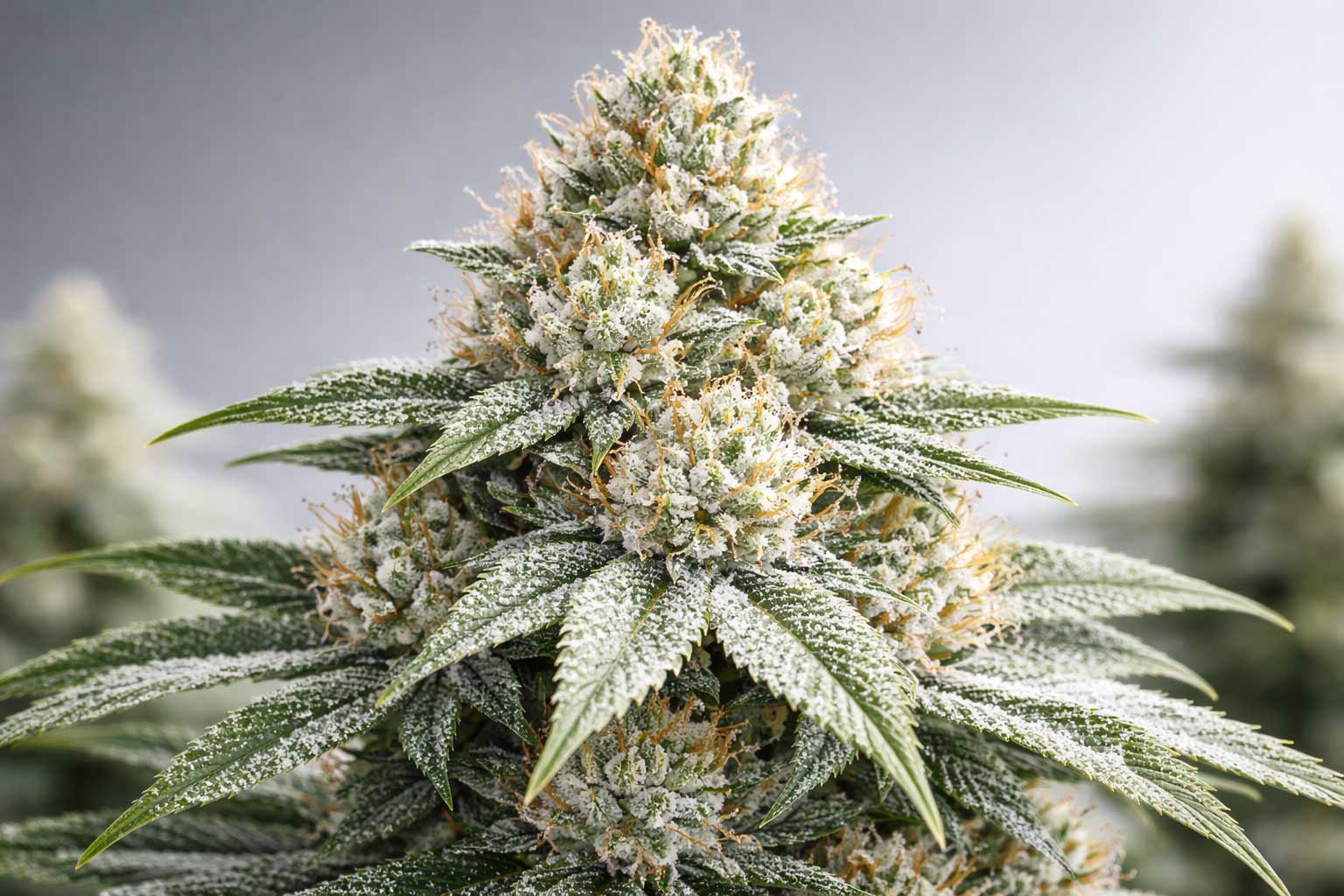
White Widow is a historic Balanced Hybrid cultivar globally recognized for its exceptional trichome density and signature “snow-covered” appearance. Rising to international prominence in the 1990s, it became one of the first cultivars to demonstrate how extreme resin production could define a strain’s identity. With stable growth characteristics, balanced effects, and unmistakable visual frost, White Widow remains a benchmark within the Foundational Genetics category of modern cannabis breeding.
Quick Facts
| Genetics | Brazilian Sativa × South Indian Indica |
|---|---|
| Breeder | 1990s European hybrid preservation (multiple verified lines exist) |
| Variety | Balanced Hybrid (~50% Sativa / 50% Indica) |
| Flowering Time | 8–9 weeks (56–63 days indoors) |
| Yield Potential | 450–550 g/m² (Medium–High) |
| Plant Height | 90–150 cm; compact central cola with supportive lateral branches |
| Climate Preference | Temperate outdoor climates or controlled indoor systems |
| Difficulty | Beginner–Intermediate (stable and adaptable) |
Scientific & Botanical Overview
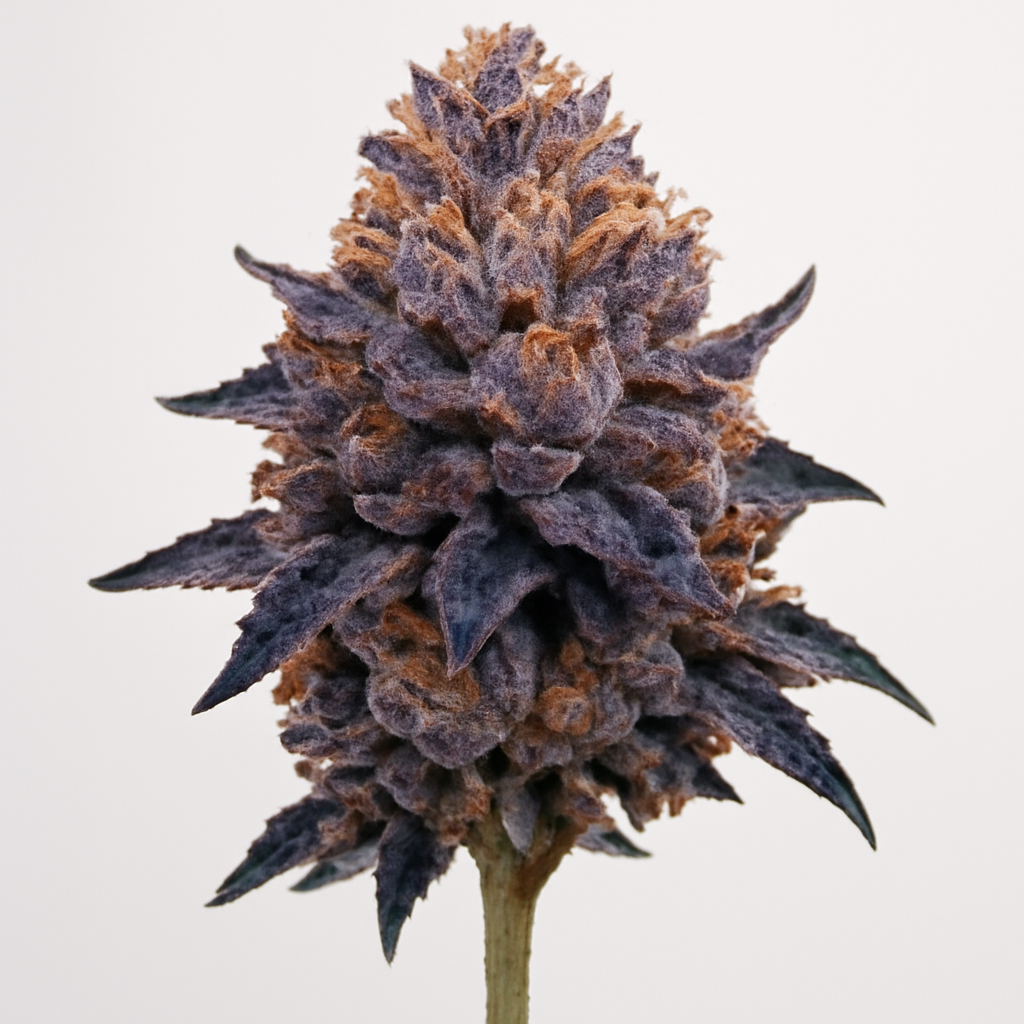
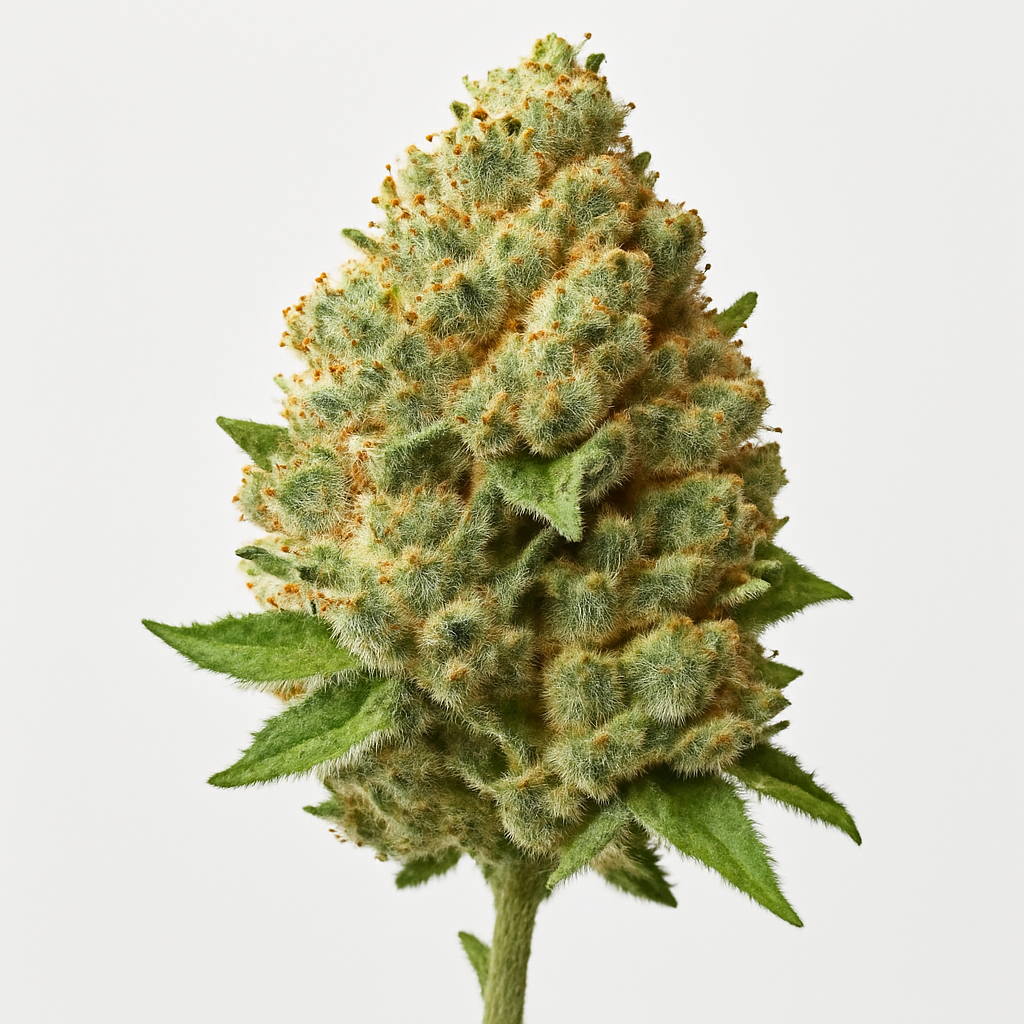
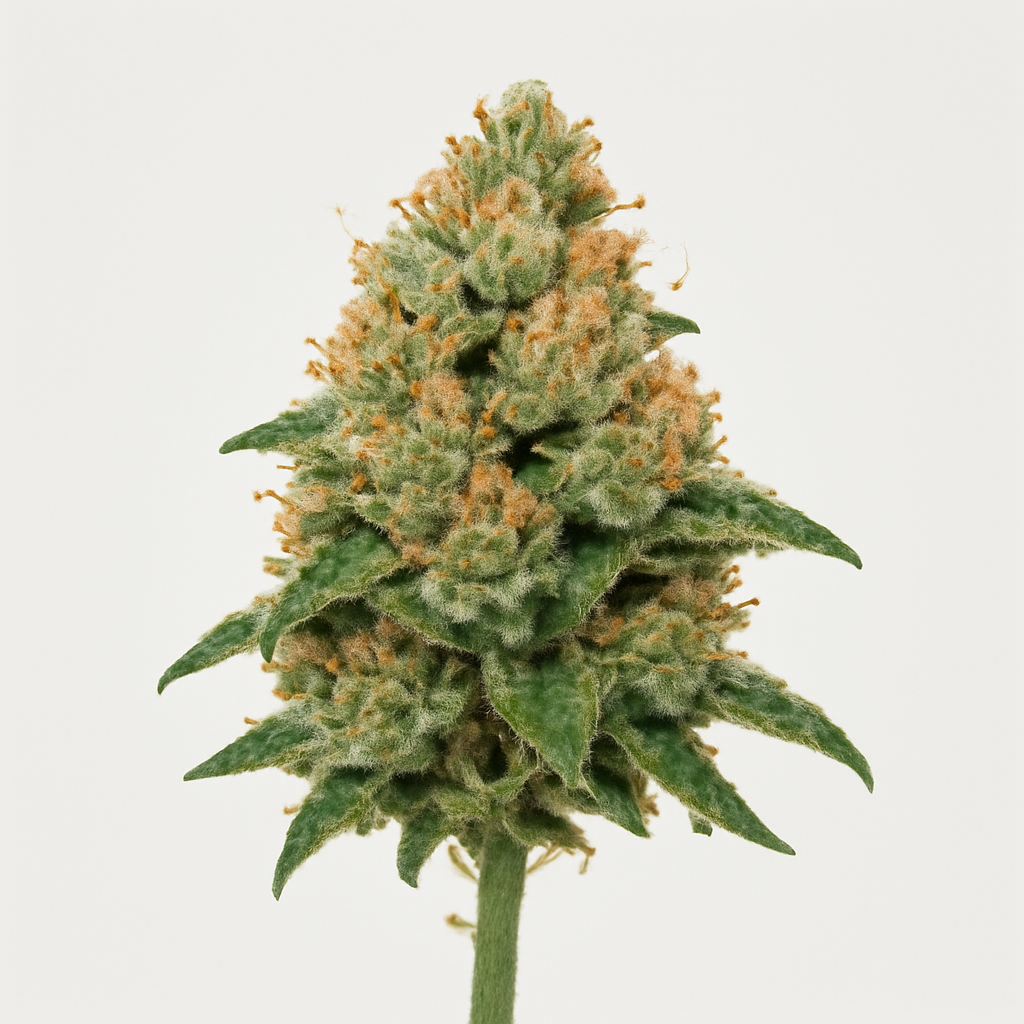
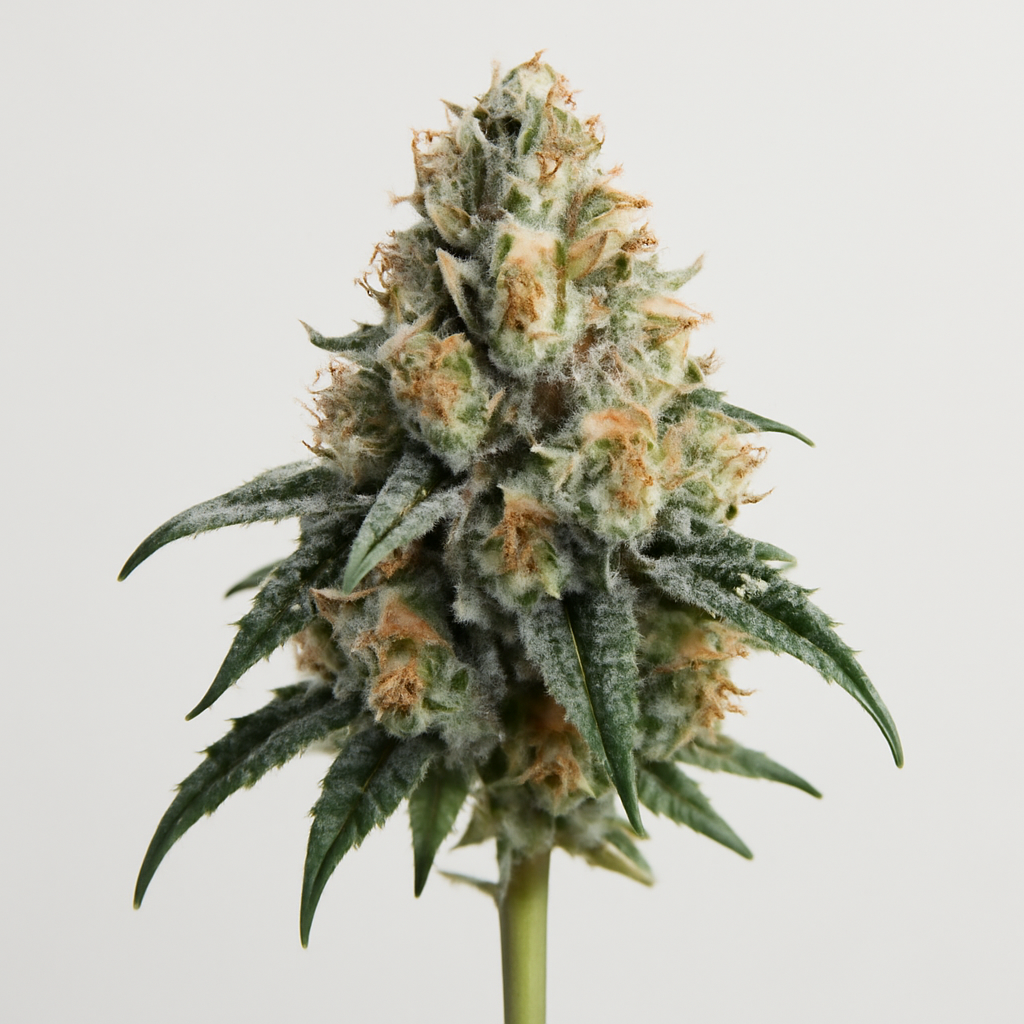
White Widow’s defining characteristic is its extraordinary glandular trichome density. The resin glands form a near-uniform crystalline layer across calyxes and sugar leaves, frequently creating a silver-white sheen that can partially obscure the underlying green tissue. This visual intensity contributed significantly to its early international recognition.
Botanically, White Widow expresses a balanced hybrid structure with moderate internodal spacing. The main cola is dense and resin-heavy, supported by well-formed lateral flower clusters. Its structural consistency and predictable flowering time made it a reliable selection during early hybrid stabilization efforts.
Effects & Use-Cases (Reported)
- Commonly reported effects: cerebral uplift followed by steady physical relaxation.
- Use-case context: social interaction, creative engagement, early evening sessions.
- Functional profile: begins with mental clarity and transitions into grounded calm.
- Note: Observational reports only; not medical claims.
Aroma & Flavors
- Aroma: earthy pine, subtle spice, light citrus brightness.
- Flavor: smooth herbal inhale with mild pepper and woody undertones.
- Signature finish: clean earthy-spice aftertaste with faint sweetness.
- Terpene associations: caryophyllene, myrcene, pinene (phenotype-dependent).
Tested Cannabinoid & Terpene Ranges
| Compound | Typical Range* | Notes |
|---|---|---|
| Δ⁹-THC | ~18–25% | High-potency tier depending on phenotype and cultivation. |
| CBD | <1% | Typically trace levels. |
| Caryophyllene | Moderate | Contributes peppery depth and structural warmth. |
| Myrcene | Moderate | Associated with balanced relaxation. |
| Pinene | Low–Moderate | Adds subtle pine freshness. |
| Terpene Profile | Earthy / Pine / Light Spice | Classic balanced hybrid aromatic lane. |
*Ranges vary based on phenotype, cultivation practices, harvest timing, curing conditions, and laboratory analysis.
Cultivation Notes
- Light Cycle: 18/6 vegetative; 12/12 flowering
- Humidity Targets: 40–50% during late flower to protect dense resin coverage
- Training: Responds well to topping and canopy control methods
- Airflow: Important due to dense flower stacking
- Harvest Window: Late September to early October outdoors (Northern Hemisphere)
Grower Notes (Week-by-Week Snapshot)
- Weeks 1–2: Moderate stretch; establish canopy structure.
- Weeks 3–4: Flower stacking intensifies; monitor airflow.
- Weeks 5–6: Resin production increases significantly; trichome coverage becomes pronounced.
- Weeks 7–9: Ripening phase; harvest based on trichome maturity preferences.
- Post-Harvest: Dry at 18–20°C, 55–60% RH to preserve resin integrity.
Genetic Lineage
White Widow combines Brazilian Sativa heritage with South Indian Indica influence. This cross balanced tropical vigor with dense resin production, resulting in a hybrid that expressed both structural stability and visual intensity. Its genetic stability allowed breeders to work with a reliable template during the rapid expansion of global hybrid development in the 1990s.
Research Insights
White Widow is frequently referenced in discussions regarding trichome density and resin gland coverage in hybrid cultivars. Its balanced terpene composition—often led by caryophyllene and myrcene—illustrates how resin-heavy cultivars can maintain both aromatic complexity and hybrid stability. The cultivar became an early example of how visual resin abundance could drive global recognition and breeding interest.
Why White Widow Is “Foundational Genetics”
White Widow helped elevate resin production as a primary breeding goal. Its unmistakable frost, stable hybrid structure, and international success influenced countless resin-forward cultivars. As one of the most recognized strains of its generation, it remains a benchmark reference in modern cannabis genetics.
Frequently Asked Questions
Is White Widow considered old-school?
Yes. It rose to prominence in the 1990s and remains a foundational hybrid reference.
Why does it look “white”?
The name reflects its dense silver-white trichome coverage, which can give the buds a snow-coated appearance.
Is White Widow strong?
It is typically considered high-potency, often testing in the upper teens to mid-20% THC range.
Is it beginner-friendly?
Many growers consider it stable and adaptable, making it suitable for various cultivation environments.
Educational Disclaimer: This page is provided for scientific and horticultural reference only and does not constitute medical or promotional advice. Cannabis cultivation, possession, and use are regulated by local laws. Always comply with applicable legislation in your region.
Rate and review this strain
Ratings and reviews are accepted only from signed-in Google accounts.
Sign in with Google to leave a rating and written review.
Latest Reviews
0 reviewsNo reviews yet. Be the first Google user to rate and review this strain.