White Russian (Cannabis Strain) — Strainpedia
White Russian stands out as a classic Serious Seeds hybrid that combines AK-47 and White Widow into a compact, resin-heavy cultivar with a distinctly bright yet pungent profile. Its flavor leans toward sharp citrus, earthy spice, and skunky pine, while the effect profile is often described as balanced, starting with mental lift before settling into a calmer physical finish.
In breeder and dispensary contexts, White Russian is valued for its short flowering window, dense hybrid flowers, and strong trichome coverage that can give mature buds a pale, dusted look. The line sits comfortably between old-school Dutch breeding and modern resin-forward preferences, making it relevant both as a cultivar reference and as a parent in discussions of classic terpene expression.
Quick Facts
| Genetics | AK-47 x White Widow |
|---|---|
| Original Breeder | Serious Seeds |
| Variety | Balanced Hybrid |
| Flowering Time | Approximately 8–9 weeks indoors |
| Yield Potential | Moderate to high indoors; strong resin-focused output when well managed |
| Plant Height | Medium height with moderate stretch |
| Climate Preference | Stable indoor environments or warm, dry outdoor conditions |
| Difficulty | Moderate |
Strain Classification
| Type | Balanced Hybrid |
|---|---|
| Genetic Family | Dutch hybrid line with strong resin production and compact indoor structure |
| Primary Terpenes | Myrcene, Caryophyllene, Limonene* |
| Original Breeder | Serious Seeds |
| Breeding Lineage | AK-47 x White Widow |
*Exact terpene dominance may vary by phenotype and cultivation method.
Scientific & Botanical Overview
Botanically, White Russian is a hybrid cannabis cultivar selected for resin density, balanced branching, and a bloom cycle that remains relatively efficient for an indoor setup. Its pedigree reflects a deliberate cross between two influential modern-classic lines, each contributing traits that breeders still reference: AK-47 for layered aroma and hybrid vigor, White Widow for trichome saturation and sturdy floral formation.
The plant usually expresses a medium-height frame with moderate internodal spacing and a flower structure that tightens considerably as it approaches maturity. Phenotype variation can shift slightly toward the more open, expressive AK-47 side or the tighter, frostier Widow side, but the strain generally retains a compact, manageable architecture that suits controlled cultivation environments.
Appearance
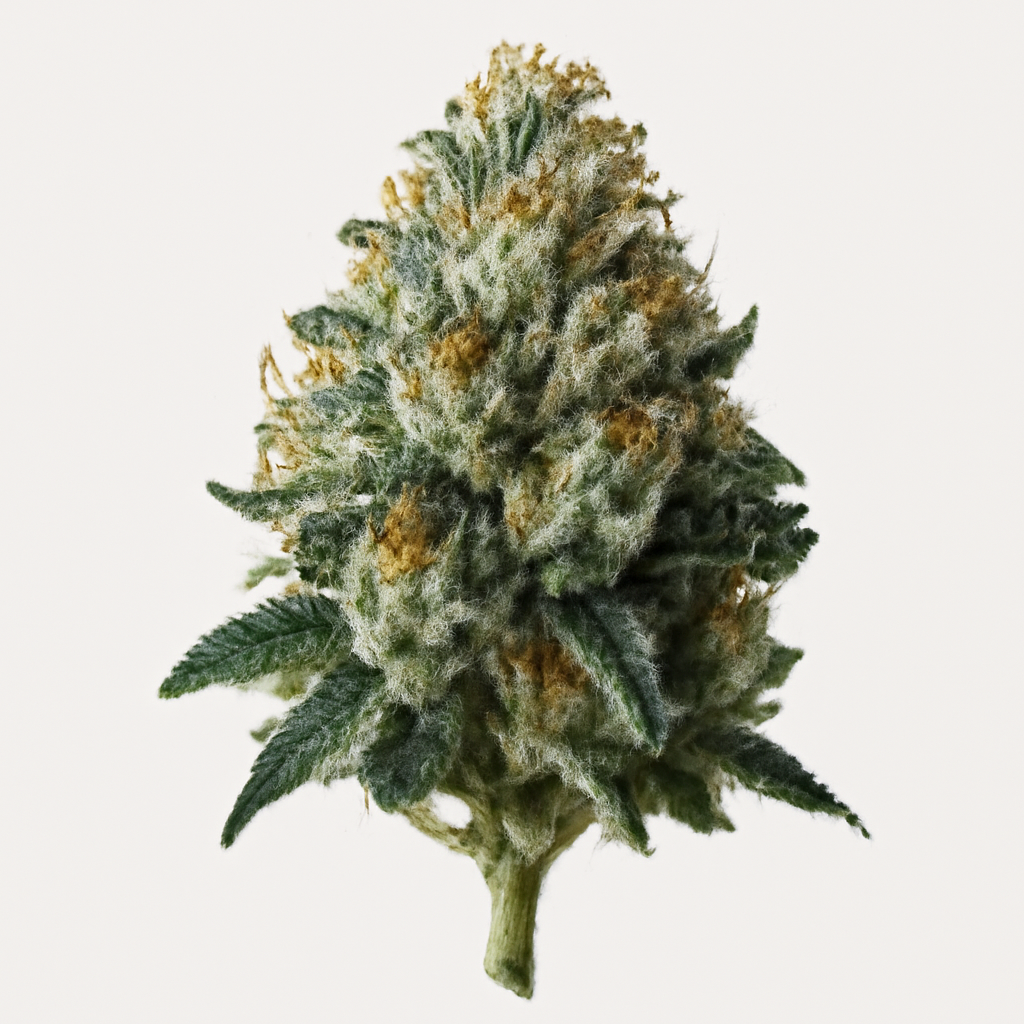
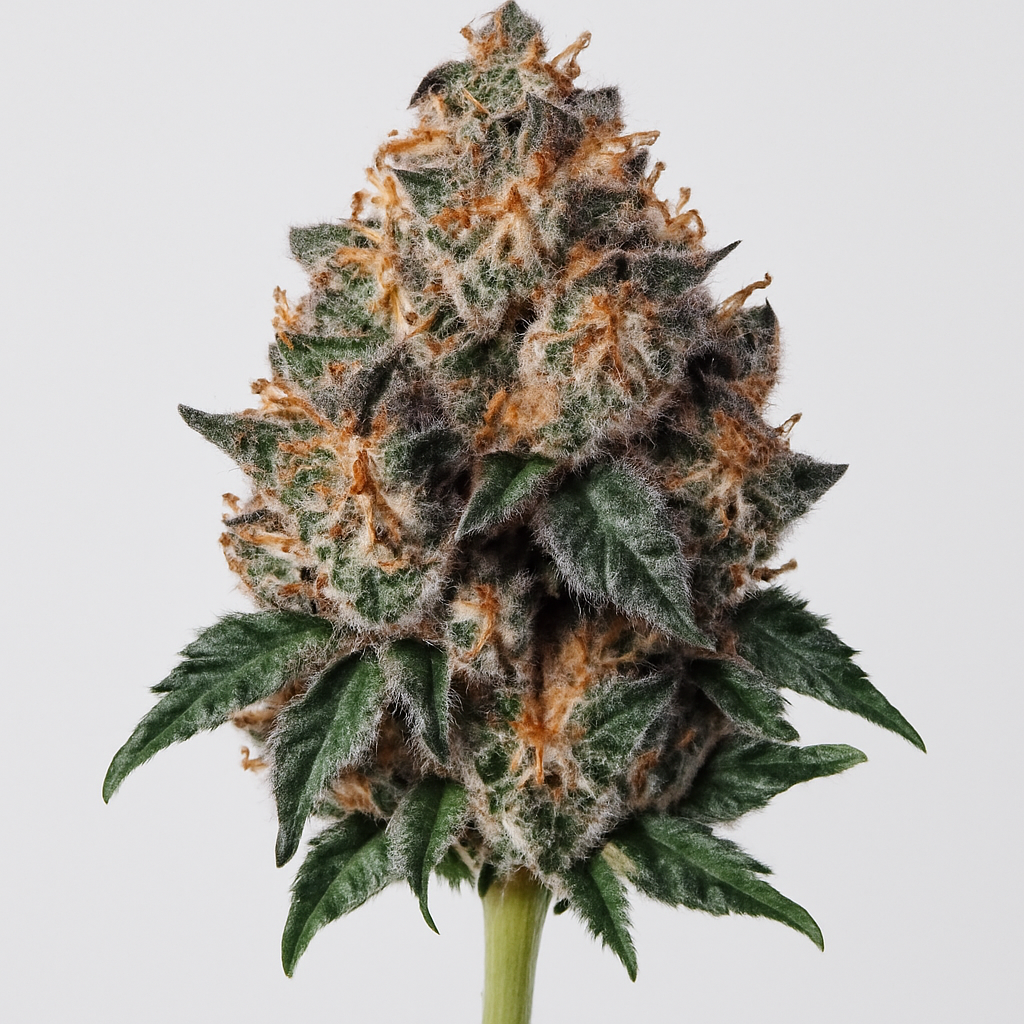
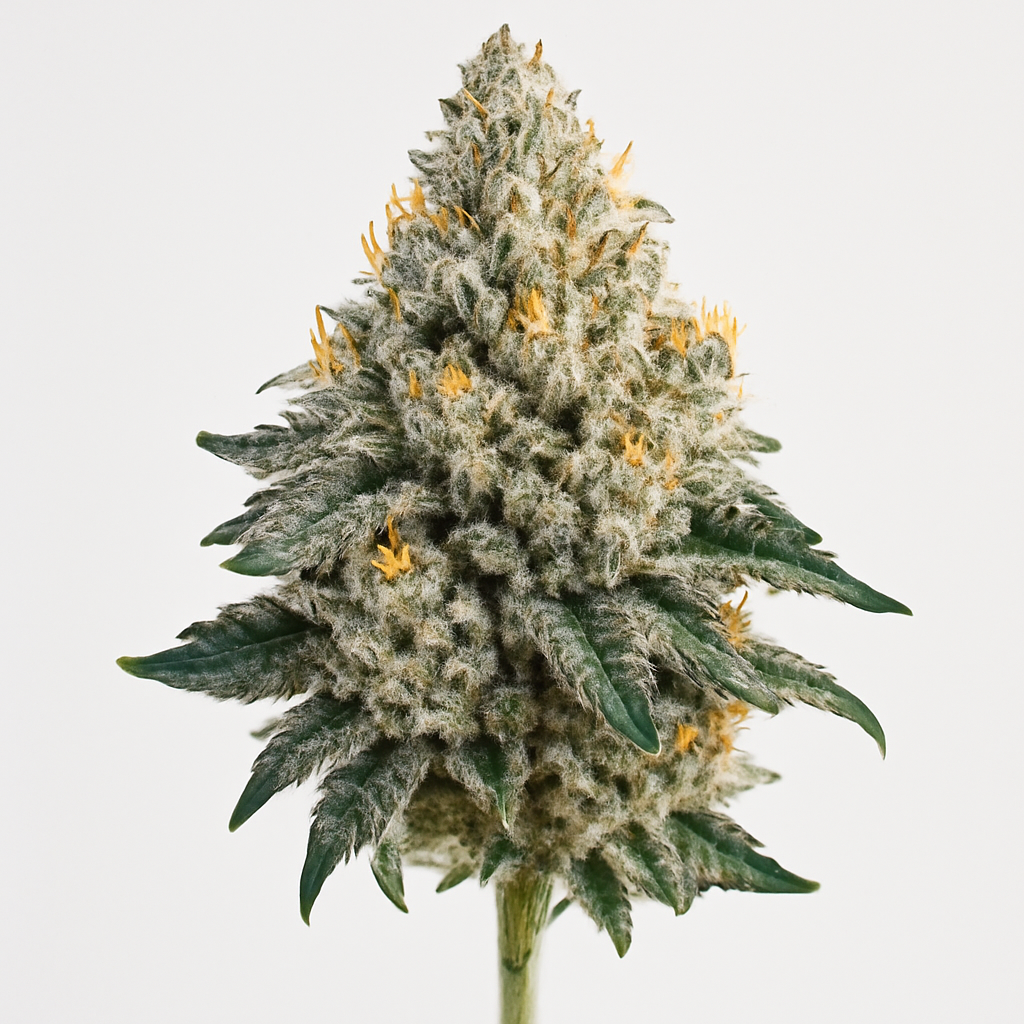
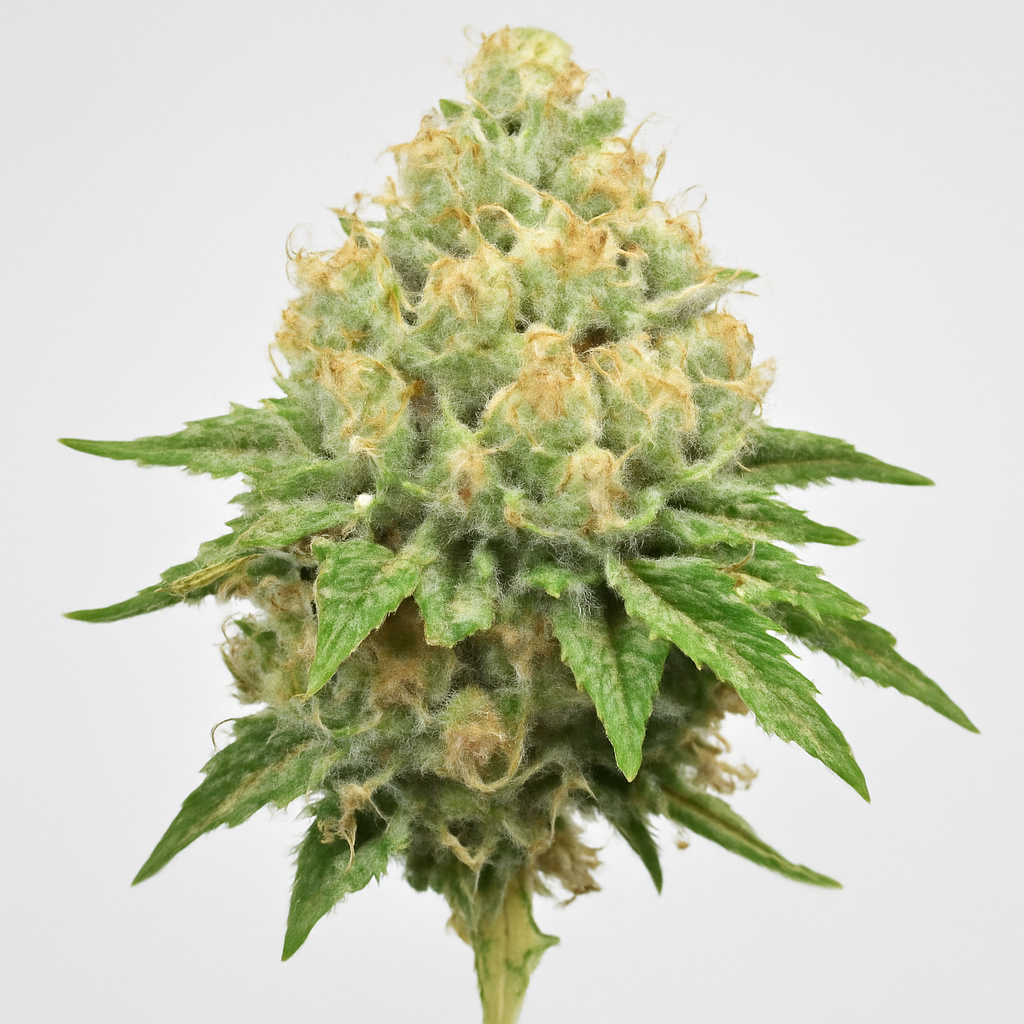
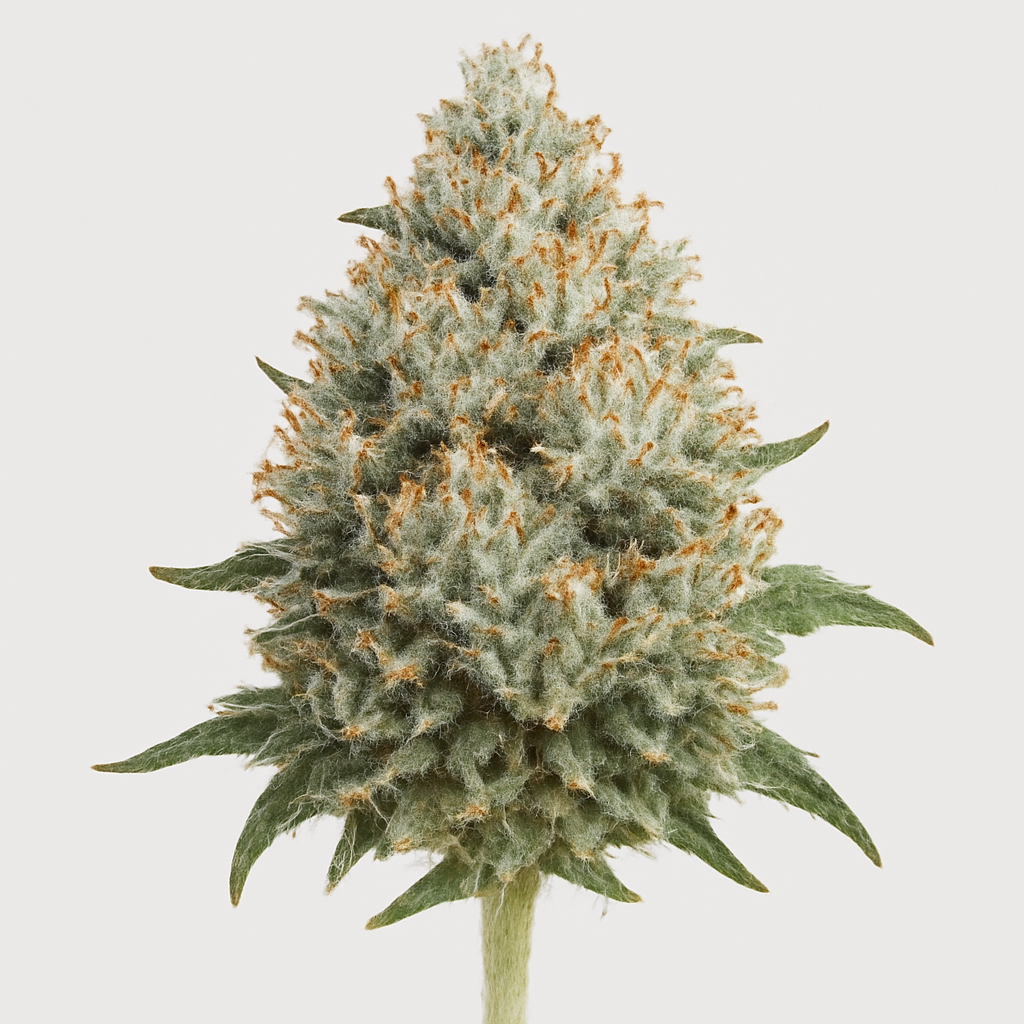
White Russian flowers are typically dense and well-packed, with a pronounced trichome blanket that can obscure the underlying green tissue. Mature buds often show olive to forest-green coloration, vivid orange pistils, and a shimmering surface that gives the strain its memorable visual contrast.
Some phenotypes finish with slightly elongated colas and a more angular structure, while others form heavier, rounder tops with a thicker resin coat. Under proper finish conditions, the buds can take on a pale, crystalline cast that reinforces the strain’s name and breeder reputation.
Effects & Use-Cases (Reported)
- Commonly reported effects: clear-headed uplift, relaxed body feel, gentle euphoria, social ease, lingering calm
- Use-case context: often chosen for late afternoon or evening sessions when users want a hybrid that feels active at first and more settled afterward
- Body character: generally described as present but not overpowering, with a softening physical tone that complements the brighter onset
- Note: These observations are anecdotal and do not constitute medical claims.
Observational Note: White Russian is usually discussed as a strain that opens with a clearer, more lifted headspace before easing into a steadier hybrid finish. That progression is part of its appeal in legacy cannabis circles, where layered effects often matter as much as raw potency.
Potency Note: Well-grown examples can test in a strong THC range, so the onset may feel quicker or more pronounced than the strain’s balanced classification suggests. The experience is often smoother than aggressively heavy indica lines, but it is not typically considered mild.
Aroma & Flavor Profile
- Aroma: sweet citrus, earthy spice, pungent skunk, pine resin
- Flavor: sharp citrus, peppery earth, herbal pine, creamy skunk
- Aftertaste: lingering pine-skunk with a faint citrus sheen
- Terpene associations: commonly aligned with Myrcene, Caryophyllene, and Limonene.
For readers searching White Russian strain flavor or White Russian strain smell, the profile is best understood as a bright citrus-skunk hybrid wrapped in earthy spice and resinous pine. It is not a dessert strain; the character is sharper, more classic, and closely tied to old-school Dutch hybrid breeding.
Tested Cannabinoid & Terpene Ranges
| Compound | Typical Range* | Notes |
|---|---|---|
| Δ⁹-THC | ~18–22% | Often reaches solid potency without leaning into extreme boutique-hype numbers. |
| CBD | <1% | Usually trace only. |
| Myrcene | ~0.20–0.55% | Contributes earthy depth and a rounded finish. |
| Caryophyllene | ~0.15–0.45% | Adds pepper, spice, and a drier herbal edge. |
| Limonene | ~0.10–0.35% | Supports the citrus lift in both aroma and flavor. |
*Ranges are estimates and may vary by phenotype, harvest timing, and testing methods.
Cultivation Notes
- Light Cycle: 18/6 in vegetative growth; 12/12 for flowering
- Humidity: Moderate during veg, then lower humidity in late flower to protect dense colas
- Stretch: Moderate after the flip, usually manageable with structure training
- Training: Responds well to topping, LST, and canopy leveling
- Odor Control: Recommended, especially from mid-flower onward
- Harvest Window: Approximately 8–9 weeks indoors
White Russian is a practical cultivar for growers who want a relatively quick finish without sacrificing resin or flower density. It generally performs best when airflow is prioritized and the canopy is kept even, since the heavier bud formation can become moisture-sensitive late in bloom. Balanced feeding and careful timing at harvest help preserve the strain’s sharp aroma and frosted appearance.
Grower Notes (Week-by-Week Snapshot)
- Weeks 1–3: Vegetative growth is usually compact and responsive, with healthy side branching and moderate node spacing.
- Weeks 4–5: Flower sites begin stacking quickly, and the plant may show a noticeable increase in vertical growth.
- Weeks 6–8: Resin production ramps up, buds firm noticeably, and aroma intensity becomes much more apparent.
- Weeks 9–10: Final ripening emphasizes trichome density, with the best examples finishing with dense, polished colas and a strong terpene edge.
Genetic Lineage
White Russian descends from AK-47 and White Widow, two cultivars with a lasting impact on modern hybrid breeding. AK-47 is often linked to a layered, incense-like funk and a lively hybrid effect, while White Widow is famous for its heavy resin load, compact structure, and the visual frost that influenced countless later crosses. In White Russian, those traits meet in a cultivar that remains recognizable for both potency and finish quality.
Research Insights
White Russian matters in the current market because it represents an early, highly influential meeting point between resin-first breeding and balanced hybrid structure. It continues to appear in strain searches because buyers and growers still value its clear identity: not a candy profile, not a modern pastry cultivar, but a classic skunky citrus hybrid with historical weight. For breeders, it also remains a useful reference when discussing frost expression, compact flowering, and old-school Dutch hybrid craftsmanship.
Frequently Asked Questions
Is White Russian an indica or sativa?
White Russian is generally classified as a balanced hybrid, though individual phenotypes may lean slightly more toward one side in structure or effect.
Who bred White Russian?
White Russian is credited to Serious Seeds, a breeder known for several influential Dutch-era cultivars.
What does White Russian taste like?
It is often described as citrus-forward with earthy spice, pine, and a skunky finish rather than a sweet dessert profile.
How long does White Russian take to flower?
Most indoor examples finish in about 8–9 weeks, depending on phenotype and growing conditions.
Why is White Russian still popular in strain references?
Its combination of resin-heavy buds, balanced hybrid structure, and classic AK-47 x White Widow heritage keeps it relevant in both breeding discussions and menu searches.
Educational Disclaimer: This page is provided strictly for scientific and horticultural reference. Cannabis cultivation, possession, and use are regulated by local laws. This content does not promote illegal activity or constitute medical advice. Always comply with applicable regulations in your jurisdiction.
Rate and review this strain
Ratings and reviews are accepted only from signed-in Google accounts.
Sign in with Google to leave a rating and written review.
Latest Reviews
0 reviewsNo reviews yet. Be the first Google user to rate and review this strain.