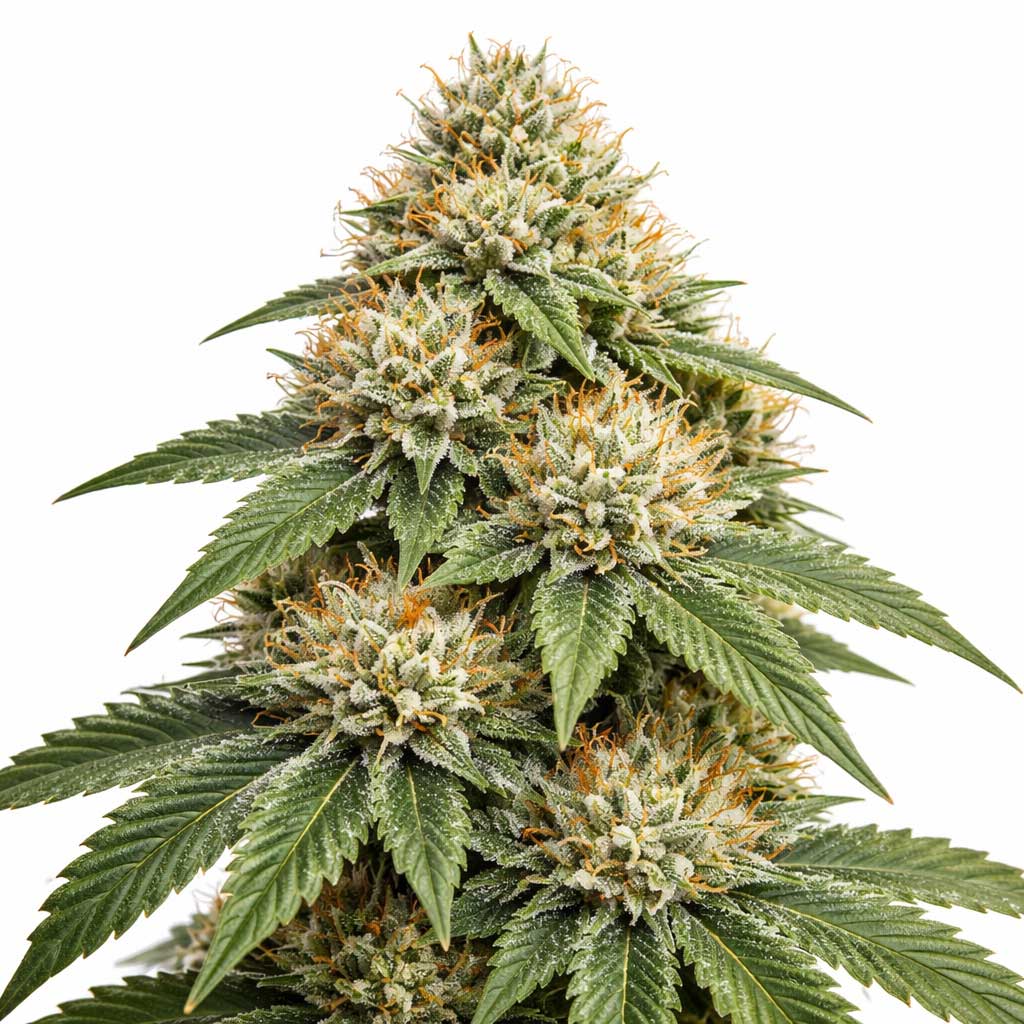
Trainwreck (Cannabis Strain)
Trainwreck is a legendary sativa-dominant hybrid cannabis cultivar that remains a North American classic. Originating from Northern California, it is a complex genetic blend of Mexican Sativa, Thai Sativa, and Afghani Indica, known for delivering a fast-acting and powerful cerebral experience.
Recognized for its rapid onset and high-energy profile, Trainwreck is widely appreciated for combining mental stimulation with light physical relaxation. Its appeal lies in its ability to deliver clarity, creativity, and a balanced functional high. The information below is provided strictly for scientific and botanical reference.
Quick Facts
| Feature | Details |
|---|---|
| Genetics | Mexican Sativa × Thai Sativa × Afghani Indica |
| Variety | Sativa-dominant hybrid (~65%–80% sativa) |
| THC Range | 18%–25% |
| Flowering Time | 8–10 weeks (56–70 days) |
| Yield Potential | 450–550 g/m² (Moderate to High) |
| Plant Height | 150–200 cm; tall and lanky structure |
| Climate Preference | Warm / Mediterranean climates |
| Difficulty | Intermediate (requires height management) |
Scientific & Botanical Overview
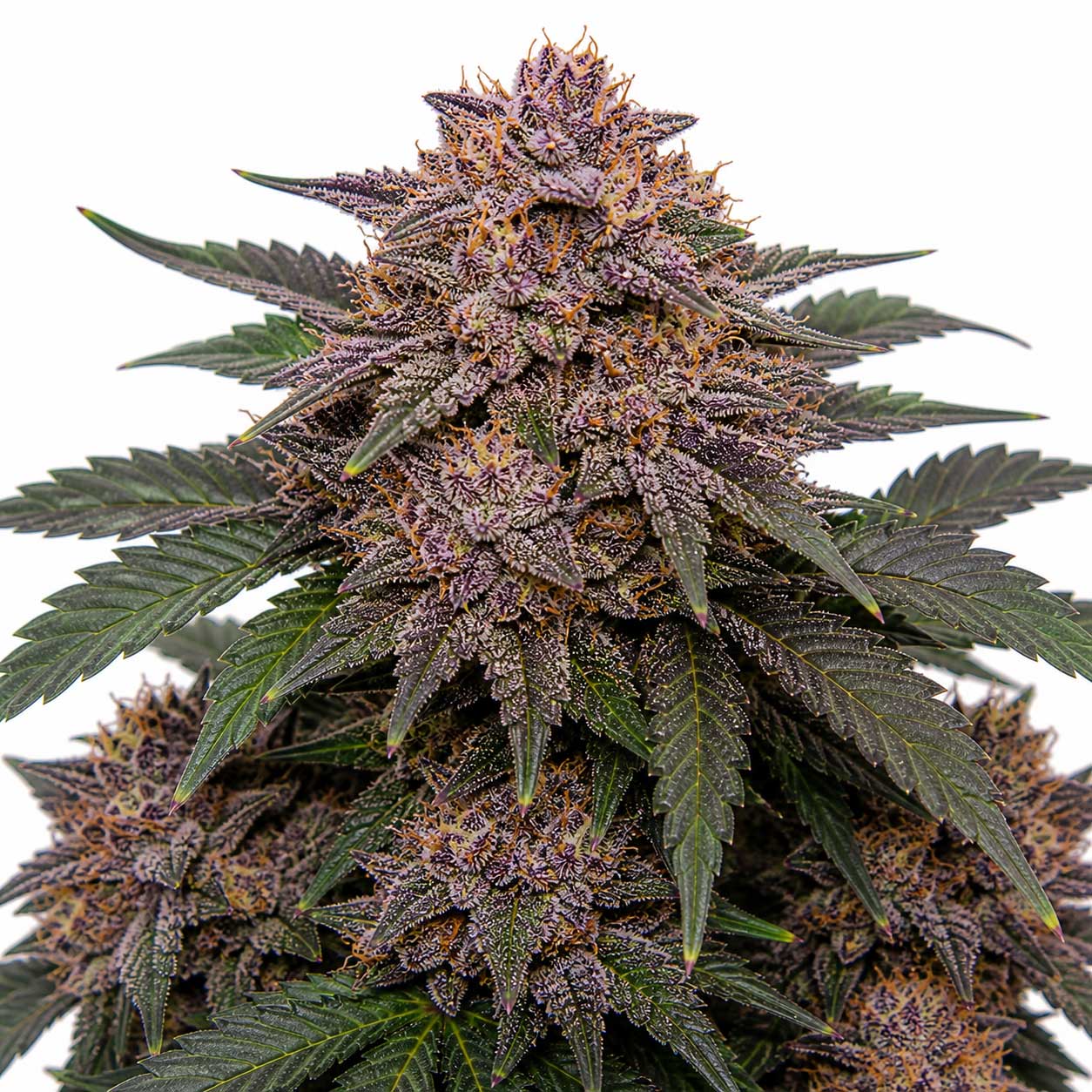
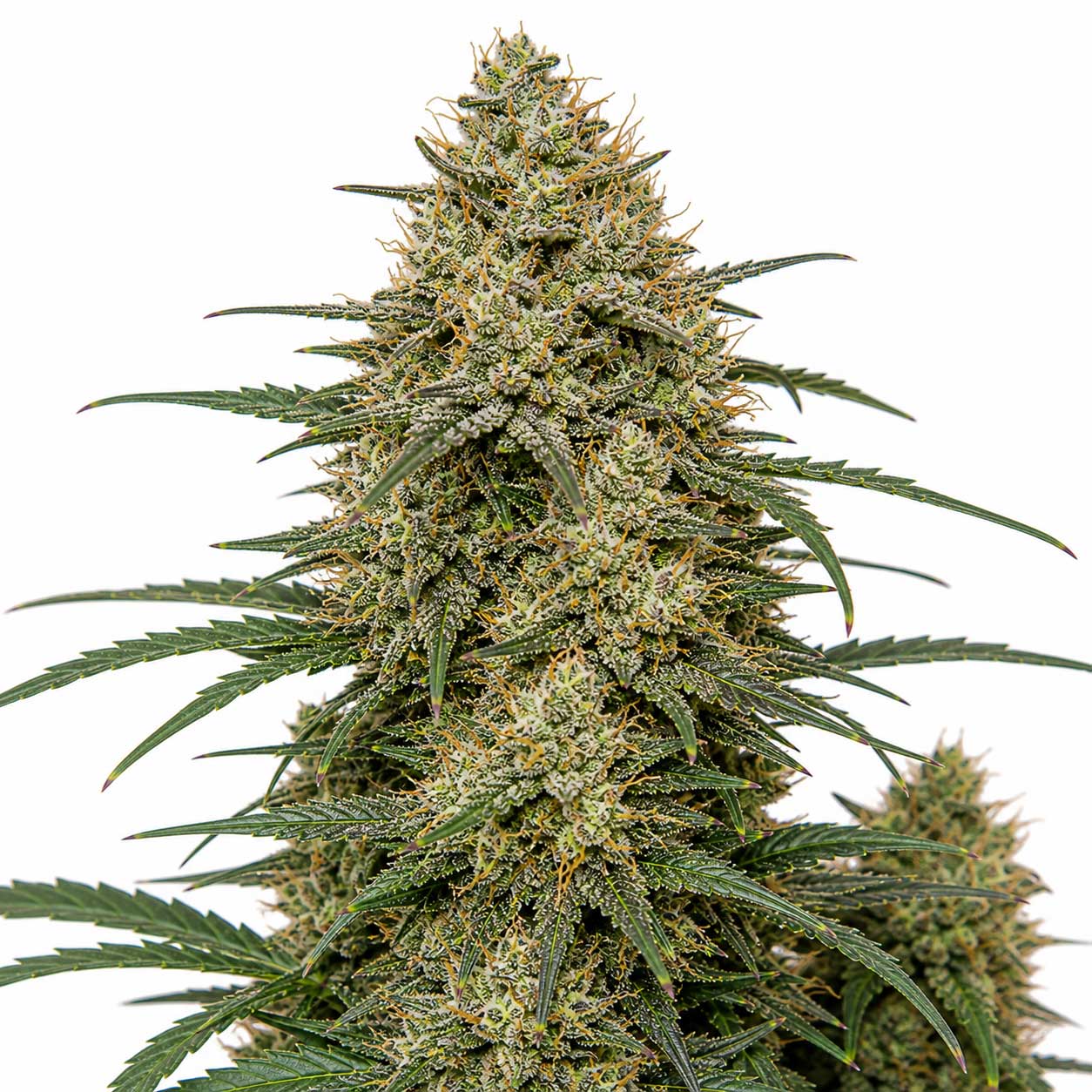
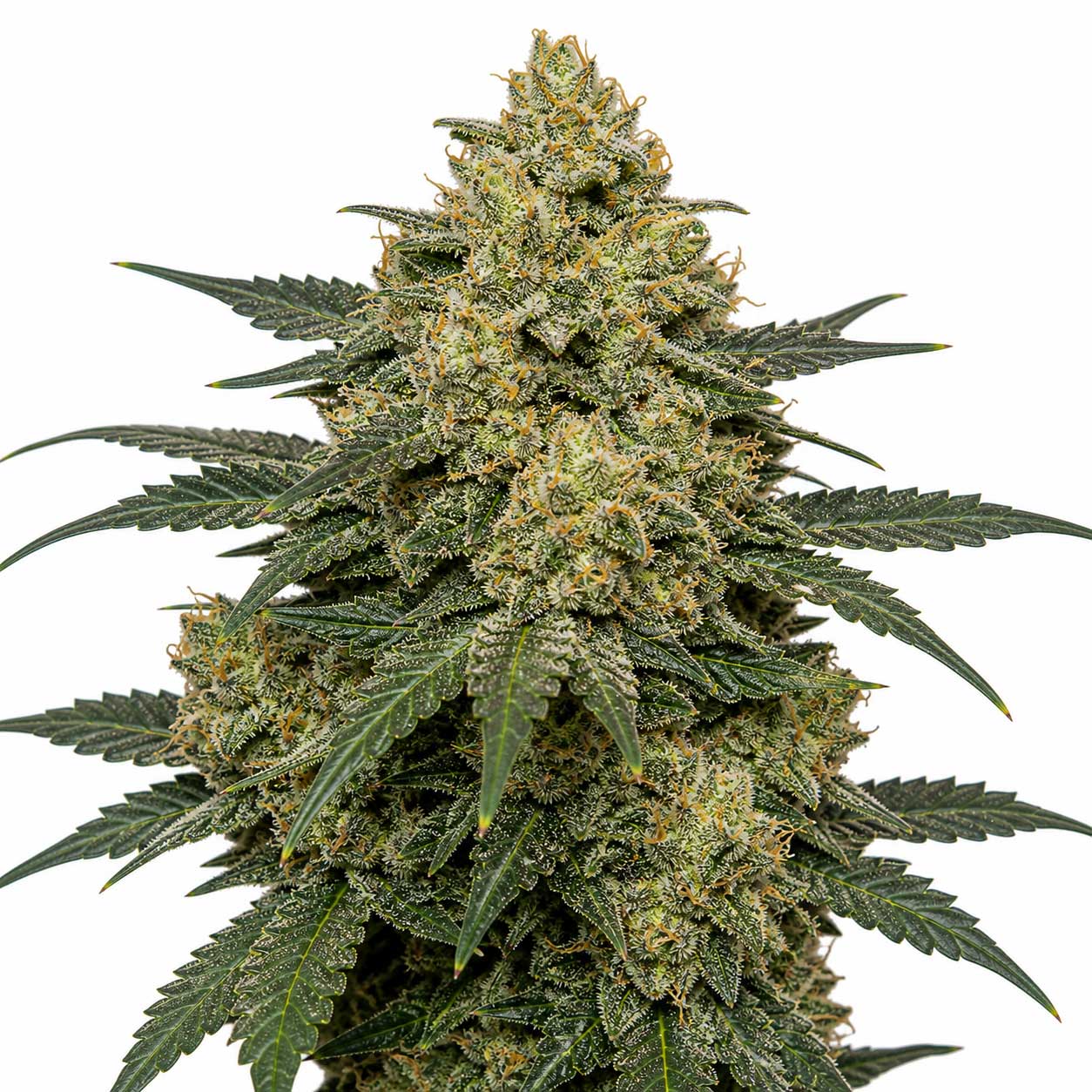
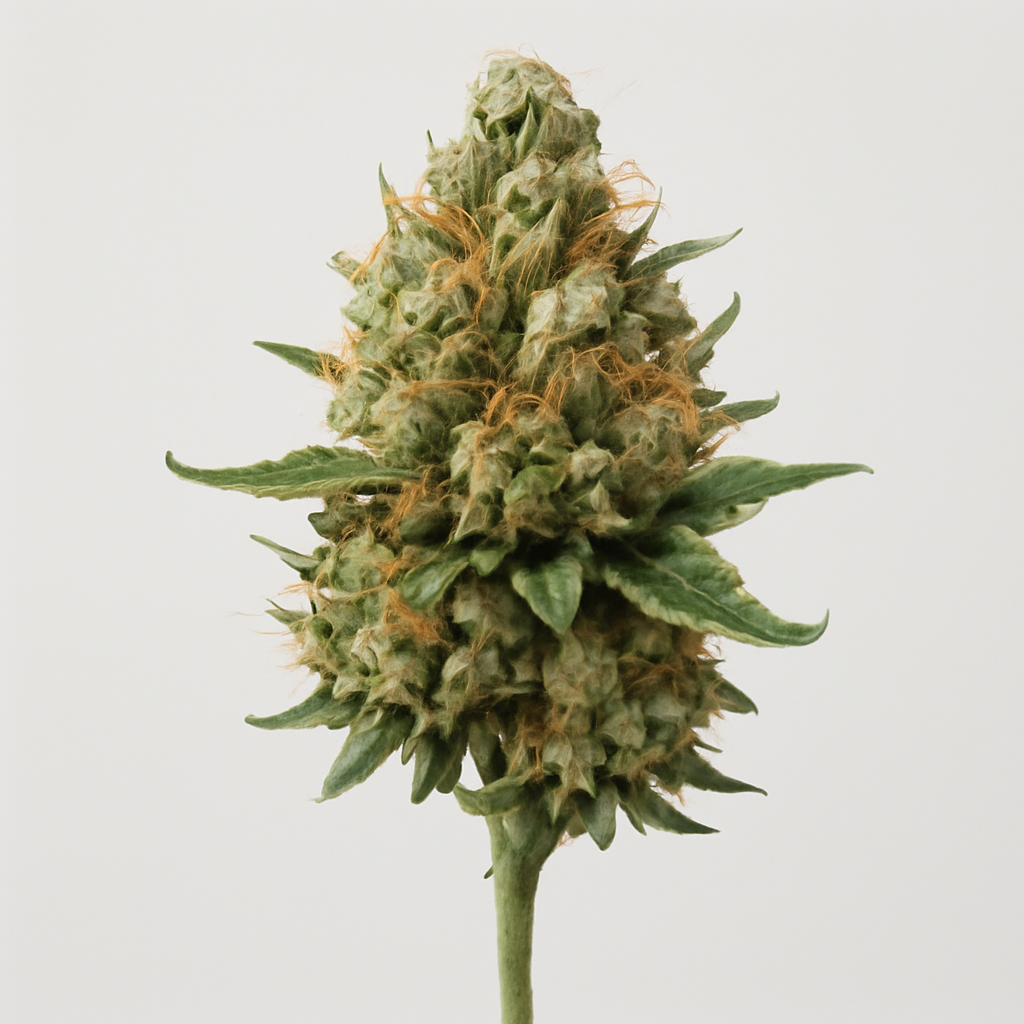
Trainwreck exhibits classic sativa morphology, producing long branches and narrow leaves with dense, resin-coated buds. The plant balances vigorous vertical growth with strong trichome production inherited from its Afghani lineage.
Botanically, the cultivar is associated with elevated levels of terpinolene, supported by pinene and myrcene. This terpene composition contributes to its sharp pine-citrus aroma and energizing sensory profile.
Effects & Use-Cases (Reported)
Commonly reported effects: A fast cerebral rush, enhanced focus, creative stimulation, and light physical relaxation without heavy sedation.
Use-case context: Frequently selected for daytime use, creative work, outdoor activities, and social environments requiring mental clarity.
Note: These observations are anecdotal reports and should not be interpreted as medical claims.
Aroma & Flavors
Aroma: Fresh pine, citrus zest, earthy herbs, and peppery spice.
Flavor: Bright lemon-pine inhale followed by herbal spice and a slightly peppery finish.
Terpene associations: Terpinolene, Pinene, Myrcene, and Limonene.
Tested Cannabinoid & Terpene Ranges
| Compound | Typical Range* | Notes |
|---|---|---|
| Δ9-THC | 18.0%–25.0% | Fast-acting potency with strong cerebral effects |
| CBG | 0.5%–1.0% | Supports cannabinoid balance |
| Terpinolene | 0.7%–1.2% | Primary driver of mental stimulation |
| Pinene | 0.3%–0.6% | Supports alertness and clarity |
| Myrcene | 0.2%–0.5% | Adds subtle grounding balance |
*Ranges may vary by phenotype, cultivation environment, harvest timing, and analytical method.
Cultivation Notes
- Training: Topping and LST recommended to manage vertical stretch
- Nutrition: Medium to heavy feeder during vegetative stage
- Climate: Prefers warm, sunny environments
- Airflow: Essential to maintain plant health due to dense bud sites
- Harvest Window: Full maturity enhances terpene sharpness and clarity
Grower Notes (Week-by-Week Snapshot)
- Weeks 1–3: Strong vertical stretch; canopy control required
- Weeks 4–7: Bud formation and resin production increase
- Weeks 8–10: Final swelling and terpene peak development
- Post-Harvest: Slow drying preserves volatile pine-citrus terpenes
Genetic Lineage
Trainwreck is a cross between Mexican Sativa, Thai Sativa, and Afghani Indica, combining uplifting cerebral energy with resin density and mild physical relaxation.
Research Insights
Trainwreck is often studied for its terpinolene-pinene terpene synergy, which is associated with enhanced focus, alertness, and a refreshing sensory experience.
Frequently Asked Questions
Is Trainwreck good for daytime use?
Yes, it is widely considered a strong daytime strain due to its energetic and clear-headed effects.
Why is it called Trainwreck?
The name reflects its powerful and fast-acting cerebral impact.
Is it good for sleep?
Generally no, as it is more stimulating than sedating.
Educational Disclaimer
This page is provided for scientific and horticultural reference only. Cannabis laws vary by jurisdiction; always ensure compliance with local regulations.
Rate and review this strain
Ratings and reviews are accepted only from signed-in Google accounts.
Sign in with Google to leave a rating and written review.
Latest Reviews
0 reviewsNo reviews yet. Be the first Google user to rate and review this strain.