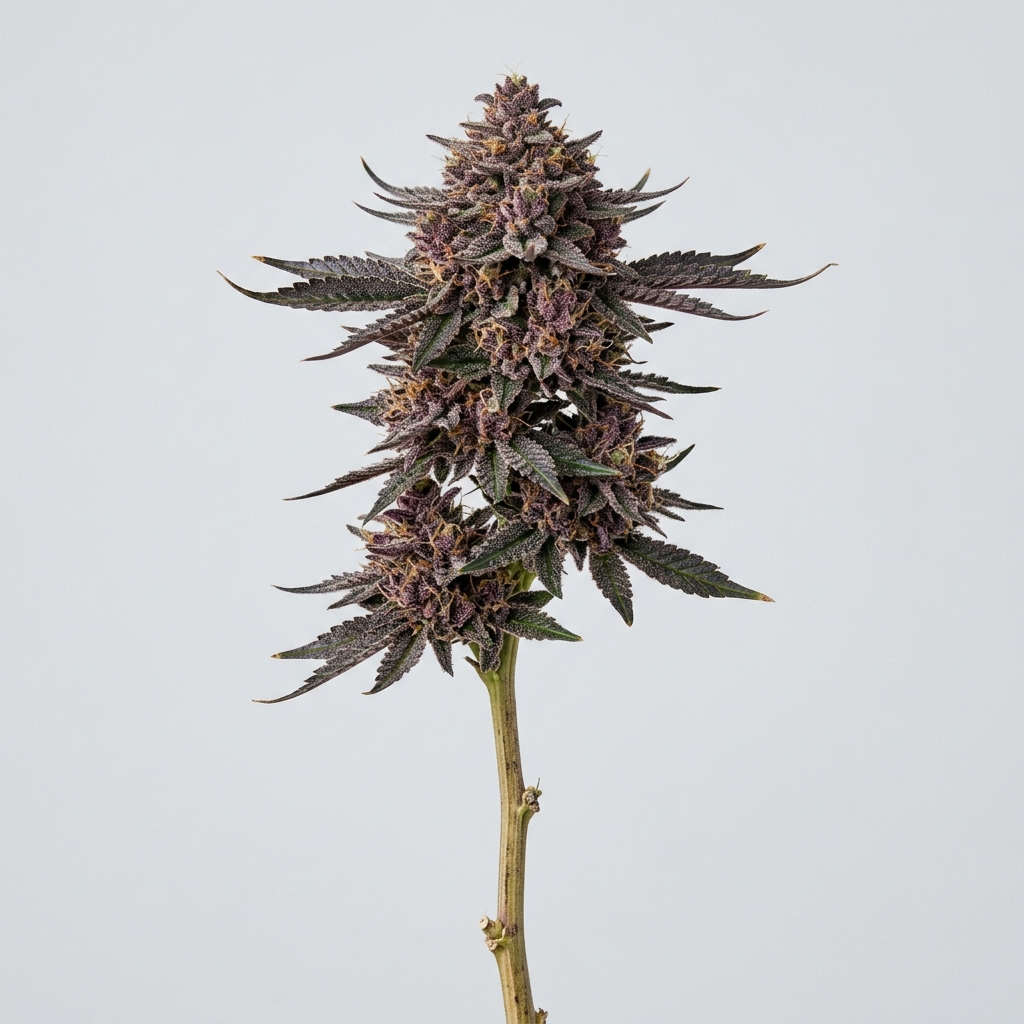
Purple Afghani (Cannabis Strain)
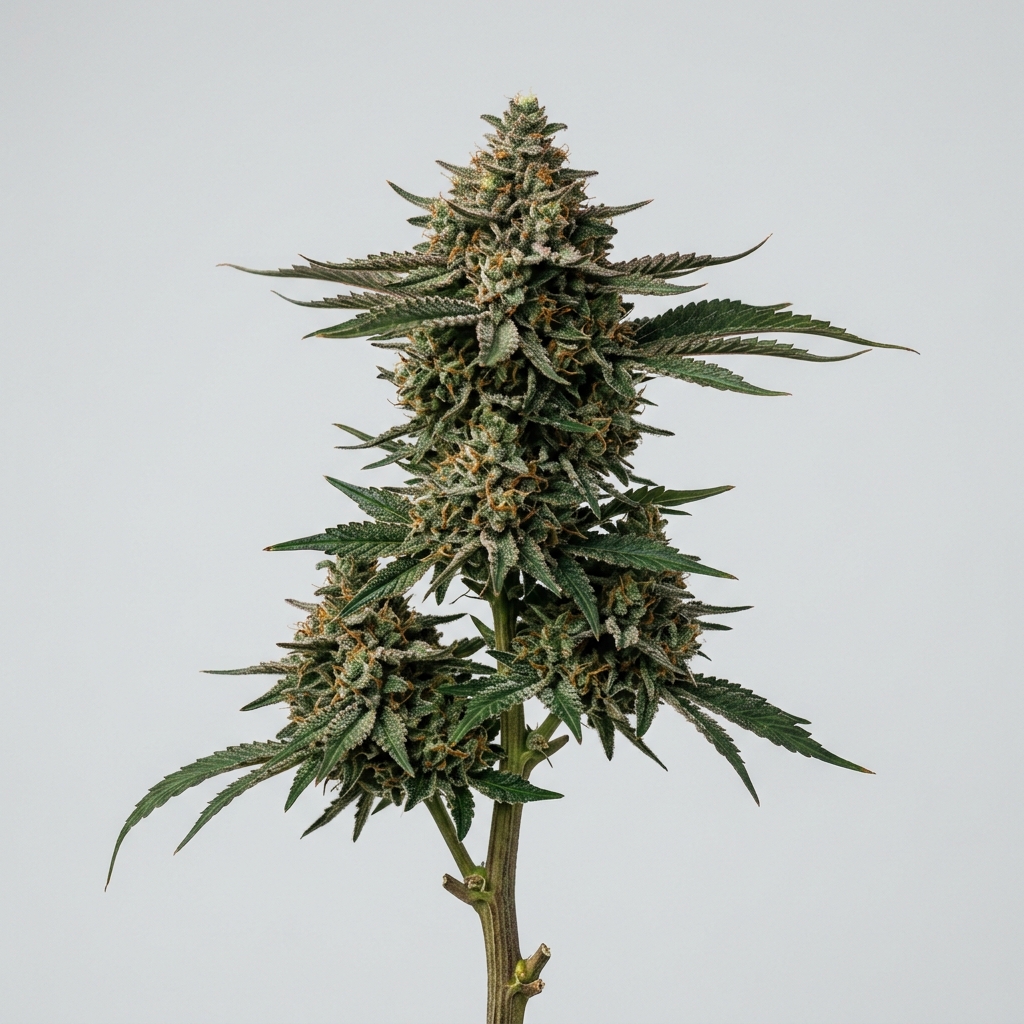
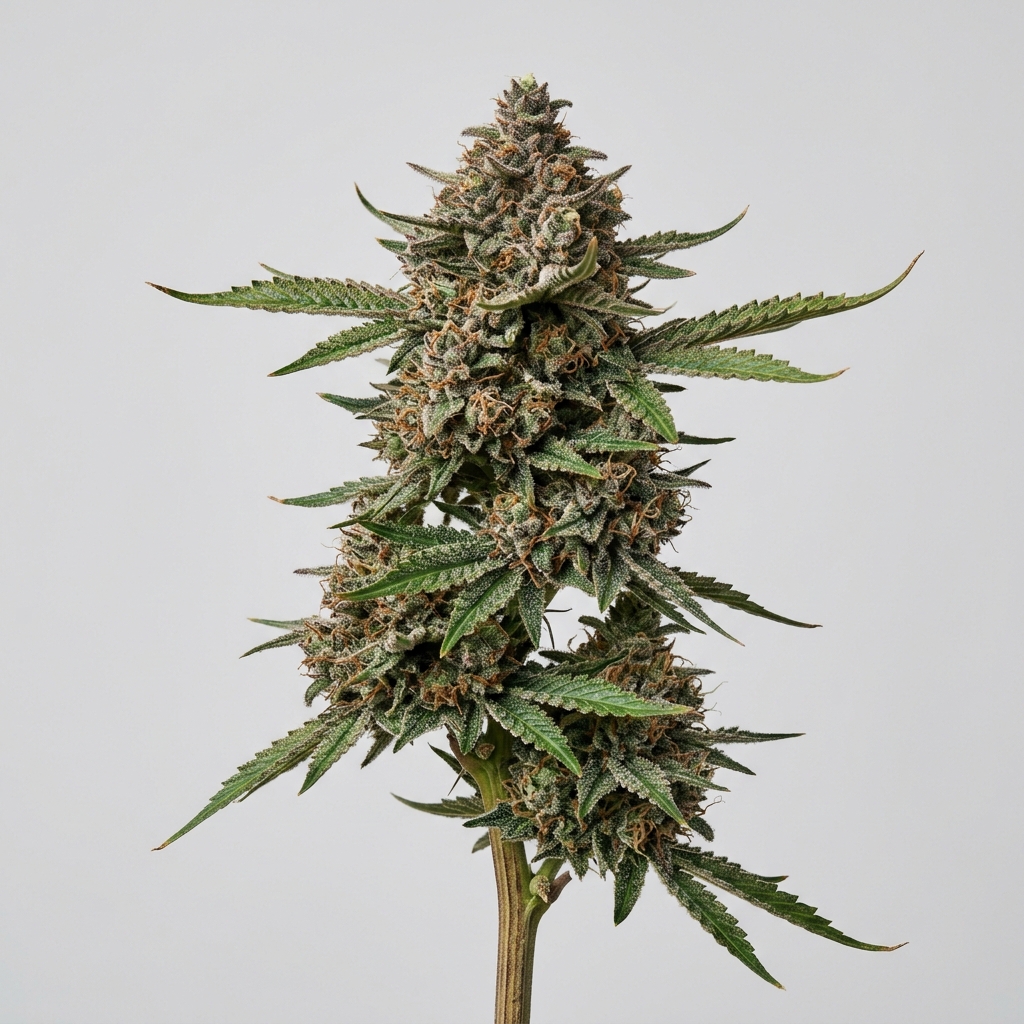
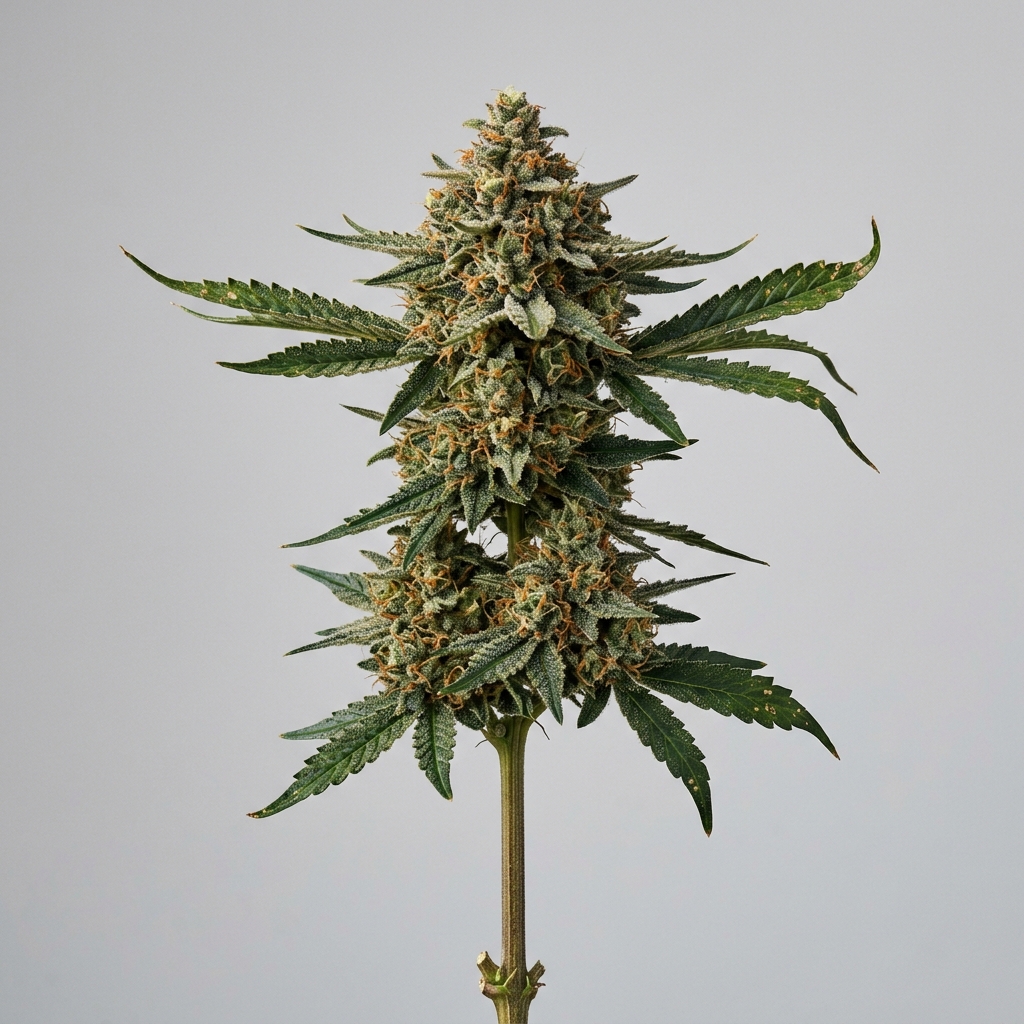
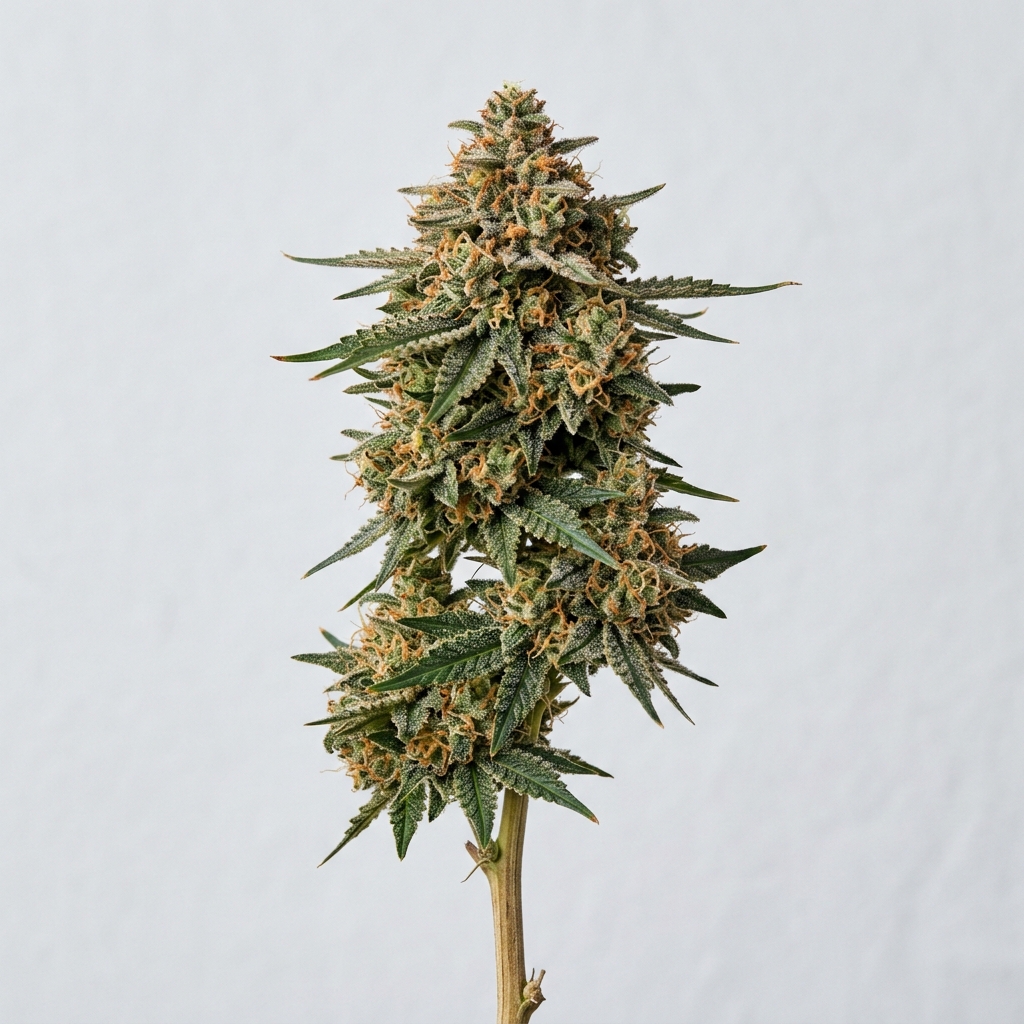
Purple Afghani is a classic indica-dominant hybrid, typically testing between 18% and 25% THC, celebrated for its robust resilience and striking aesthetic. Tracing its lineage back to pure Afghani landrace genetics, this strain is a favorite among cultivators for its ease of growth and among consumers for its profound body-melting sedation. With its dense, resinous buds often displaying deep purple coloration, it serves as a quintessential example of traditional indica characteristics.
The plant exhibits a classic structure, staying relatively compact with broad, dark green leaves that frequently transition to vibrant violet shades during the flowering cycle. From a scientific and botanical reference, this color expression is driven by high concentrations of anthocyanin pigments, which are triggered by the interaction between the plant’s genetics and cooler nighttime temperatures during the final stages of maturation.
Quick Facts
| Attribute | Details |
|---|---|
| Genetics | Afghani Landrace / Purple Kush lineages |
| Variety | Indica-dominant hybrid (~80% indica / 20% sativa) |
| THC Range | 18% – 25% |
| Flowering Time | 8–9 weeks |
| Yield Potential | Moderate to High |
| Plant Height | Short to Medium |
| Difficulty | Easy/Beginner-friendly |
Scientific & Botanical Overview
The botanical profile of Purple Afghani is defined by its adaptation to the arid, high-altitude climates of the Hindu Kush mountain range. Its compact, bushy growth habit and high resin production are evolutionary responses designed to protect the plant from harsh environmental stressors, resulting in a hardy cultivar that is highly resistant to common pests and mold.
Chemically, the strain is recognized for a terpene profile dominated by myrcene and caryophyllene, which contribute to its characteristic earthy, herbal, and spicy fragrance. These volatile organic compounds work in concert with the plant’s cannabinoid structure to produce the deeply soothing, sedative effects often associated with authentic indica landrace genetics.
Effects & Use-Cases (Reported)
Commonly reported effects of Purple Afghani include profound physical relaxation, a sense of heavy-limbed tranquility, and an uplifted, euphoric mood. Many users describe a gradual onset that settles into a cozy, couch-locking experience, making it highly suitable for evening or nighttime use when the goal is to unwind.
In a use-case context, this strain is frequently sought out by those looking to mitigate the stresses of the day or find relief from physical discomfort and muscle tension. Its sedative nature is often anecdotaly credited with assisting those who struggle with falling asleep, providing a calm, quiet mind that helps facilitate a restful transition into sleep.
Aroma & Flavors
Aroma: Rich earthiness, musky undertones, and subtle hints of sweet berry or floral spice.
Flavor: Smooth, woody, and floral with a distinct sweet-spicy finish on the exhale.
Terpene associations: Myrcene (earthy/sedative), Caryophyllene (spicy/woody), and Linalool (floral/calming).
Tested Cannabinoid & Terpene Ranges
| Compound | Typical Range* | Notes |
|---|---|---|
| Δ9-THC | 18% – 25% | Primary psychoactive |
| Myrcene | 0.3% – 0.6% | Sedative/Earthy |
| Caryophyllene | 0.2% – 0.4% | Anti-inflammatory/Spicy |
*Ranges may vary by phenotype, cultivation environment, harvest timing, and analytical method.
Cultivation Notes
- Training: Naturally compact; minimal training required, though light topping can improve light penetration.
- Nutrients: Moderate feeding; ensure consistent calcium and magnesium levels during the transition to flower.
- Harvest Timing: Watch for milky trichomes with 10-20% ambering for maximum sedative effect.
- Environment: Thrives in stable, controlled indoor environments; appreciates slightly cooler night temps to induce purple expression.
Grower Notes (Week-by-Week Snapshot)
- Weeks 1–3: Rapid vegetative growth; establish a strong root system.
- Weeks 4–6: Flowering onset; buds begin to form with heavy resin production.
- Weeks 7–9: Final maturation; watch for color changes and monitor humidity levels to prevent mold in dense buds.
- Post-Harvest: Slow, controlled dry (10-14 days) and curing (4+ weeks) are essential to preserve the complex terpene profile.
Genetic Lineage
The lineage of Purple Afghani is deeply rooted in ancient landrace genetics from the Afghanistan region. While specific breeder versions vary—some lines originate from direct selections of Afghani landraces, while others are modern hybrids created by crossing foundational Afghan genetics with strains like Purple Kush—the core identity remains consistent. The strain is prized for maintaining the integrity of its ancestral traits: hardiness, resin density, and calming effects.
Research Insights
Ongoing research into cannabinoids and terpenes continues to explore how compounds like myrcene and linalool, found in high concentrations in indica-dominant strains, contribute to the reported sedative and anti-anxiety effects. While these compounds are well-documented in botanical literature, individual responses to them can vary significantly based on the unique endo-cannabinoid system of the consumer.
Frequently Asked Questions
Is Purple Afghani good for beginners?
Yes, it is often considered beginner-friendly due to its resilient, hardy nature and simple cultivation requirements.
Does Purple Afghani always turn purple?
While genetically predisposed to purple hues, the extent of the color change depends on the cultivation environment, specifically exposure to cooler nighttime temperatures during the flowering phase.
What are the primary effects of Purple Afghani?
Users most commonly report deep physical relaxation, sedation, and a calm, happy mood, making it ideal for evening use.
Educational Disclaimer
This page is provided for scientific and horticultural reference only. Cannabis laws vary by jurisdiction; always ensure compliance with local regulations.
Rate and review this strain
Ratings and reviews are accepted only from signed-in Google accounts.
Sign in with Google to leave a rating and written review.
Latest Reviews
0 reviewsNo reviews yet. Be the first Google user to rate and review this strain.