Mango Sherbert (Cannabis Strain)
Mango Sherbert is a highly regarded indica-dominant hybrid developed by Humboldt Seed Company. This cultivar is a sophisticated cross between Mango Trees and Sherbert, blending the robust, syrupy fruitiness of classic tropical genetics with the modern, confectionery-inspired profile of the Cookies lineage. With an average THC range of 18%–26%, it is celebrated for delivering a balanced, euphoric experience that leans into soothing physical relaxation while maintaining a creative, uplifted mental state.
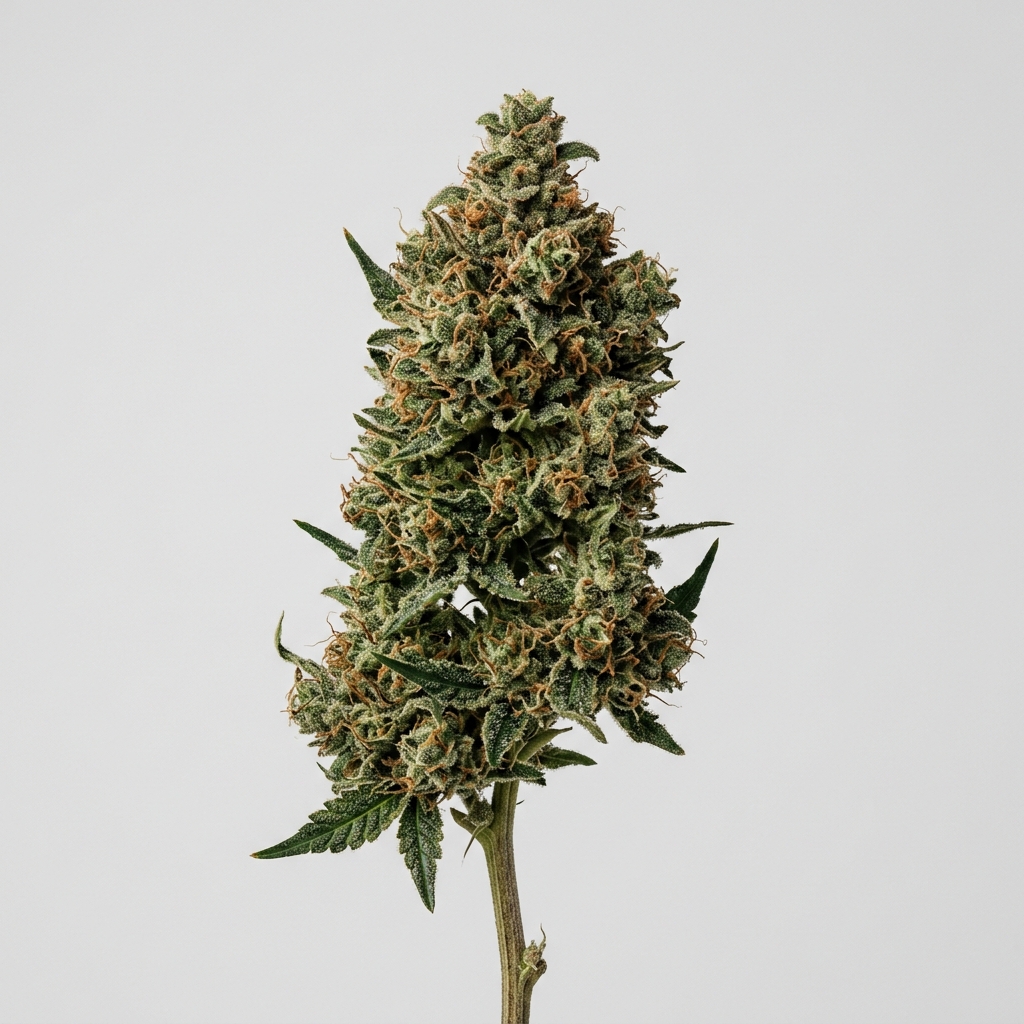
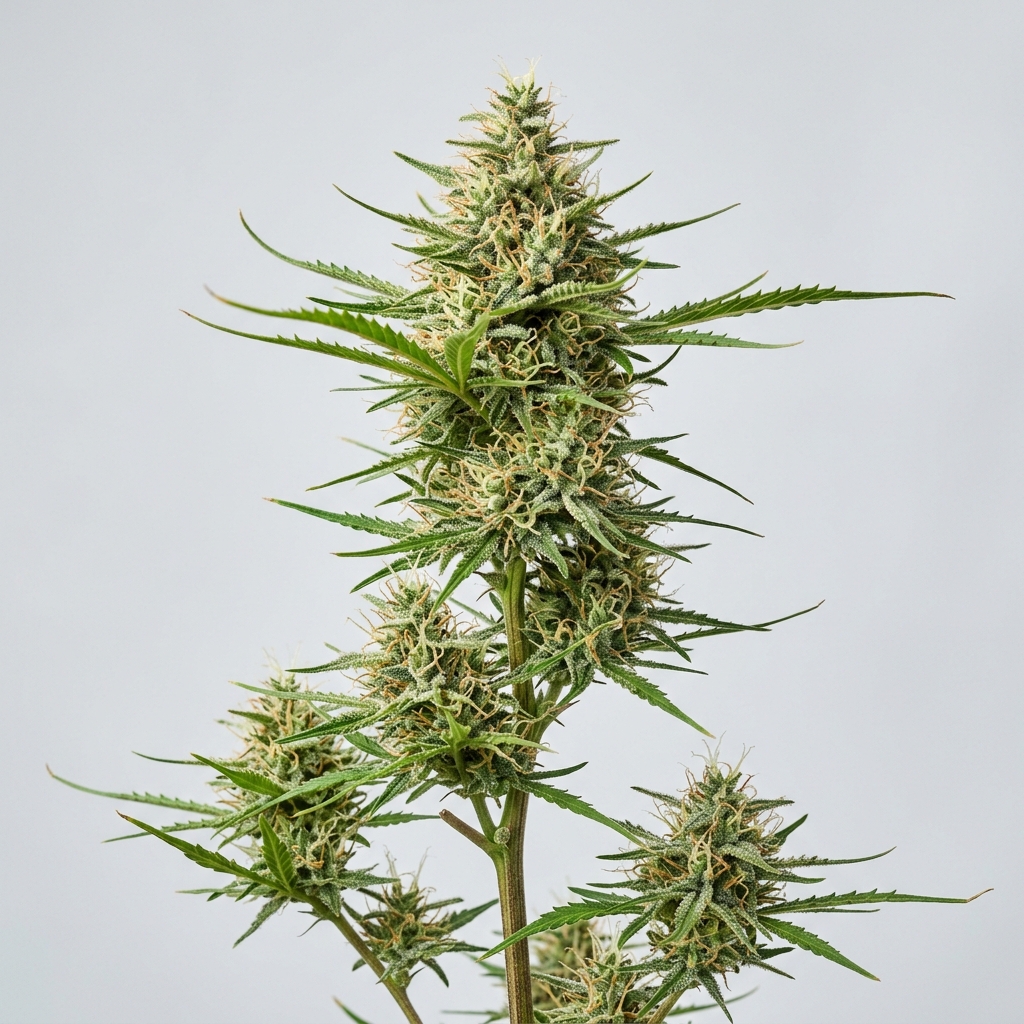
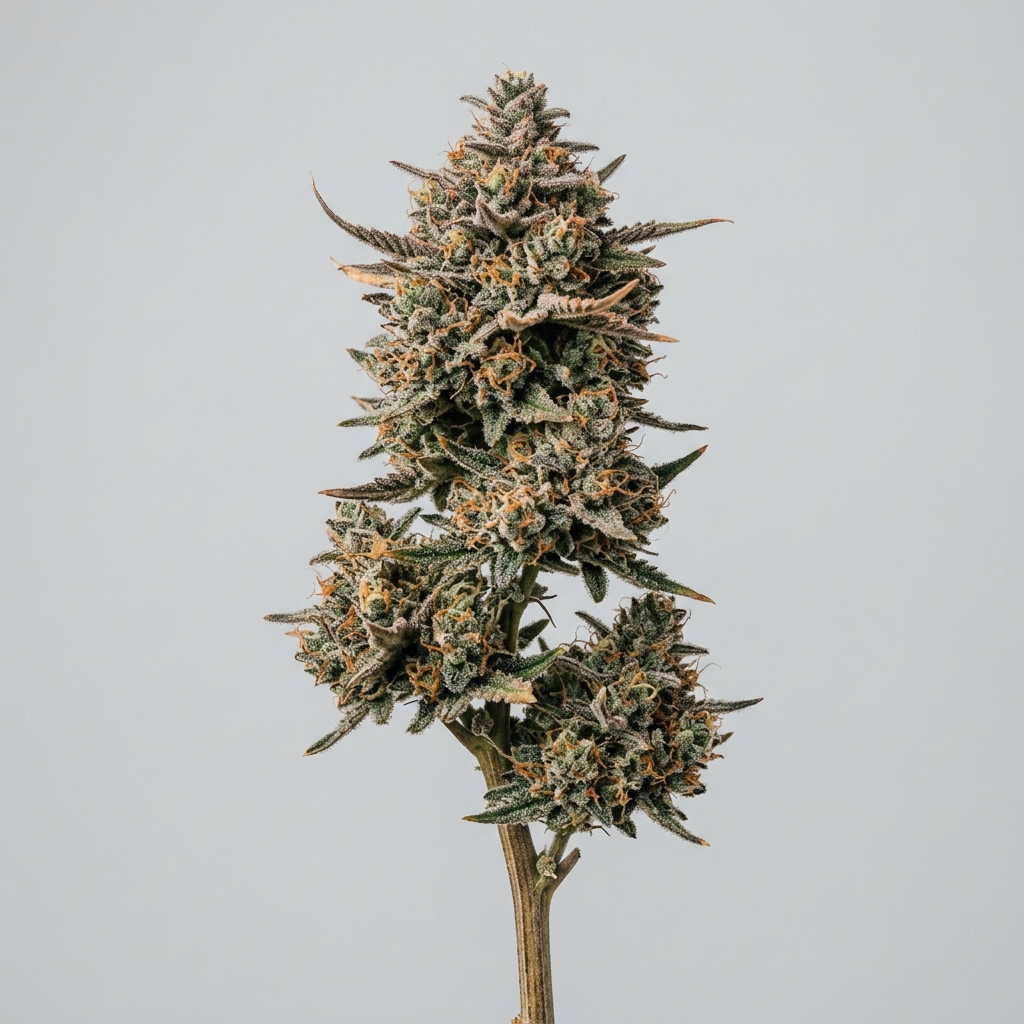
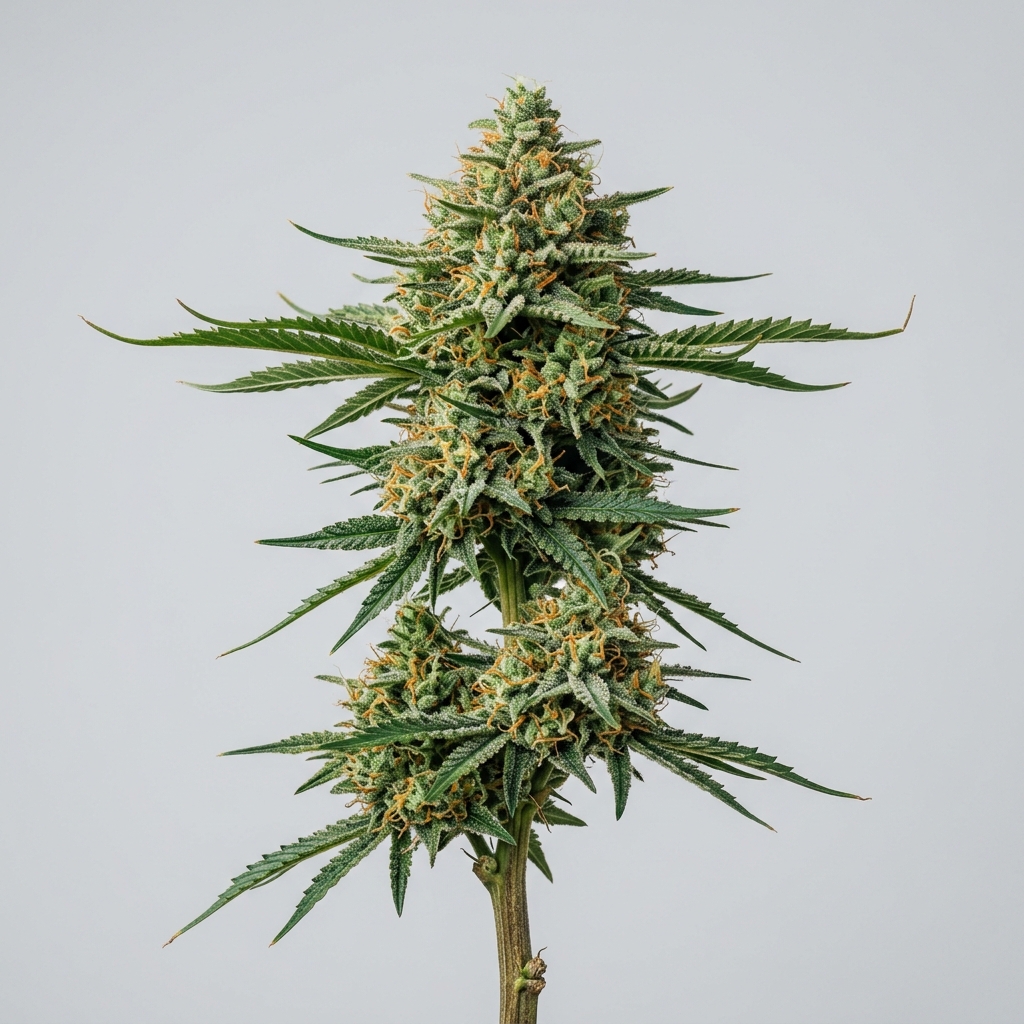
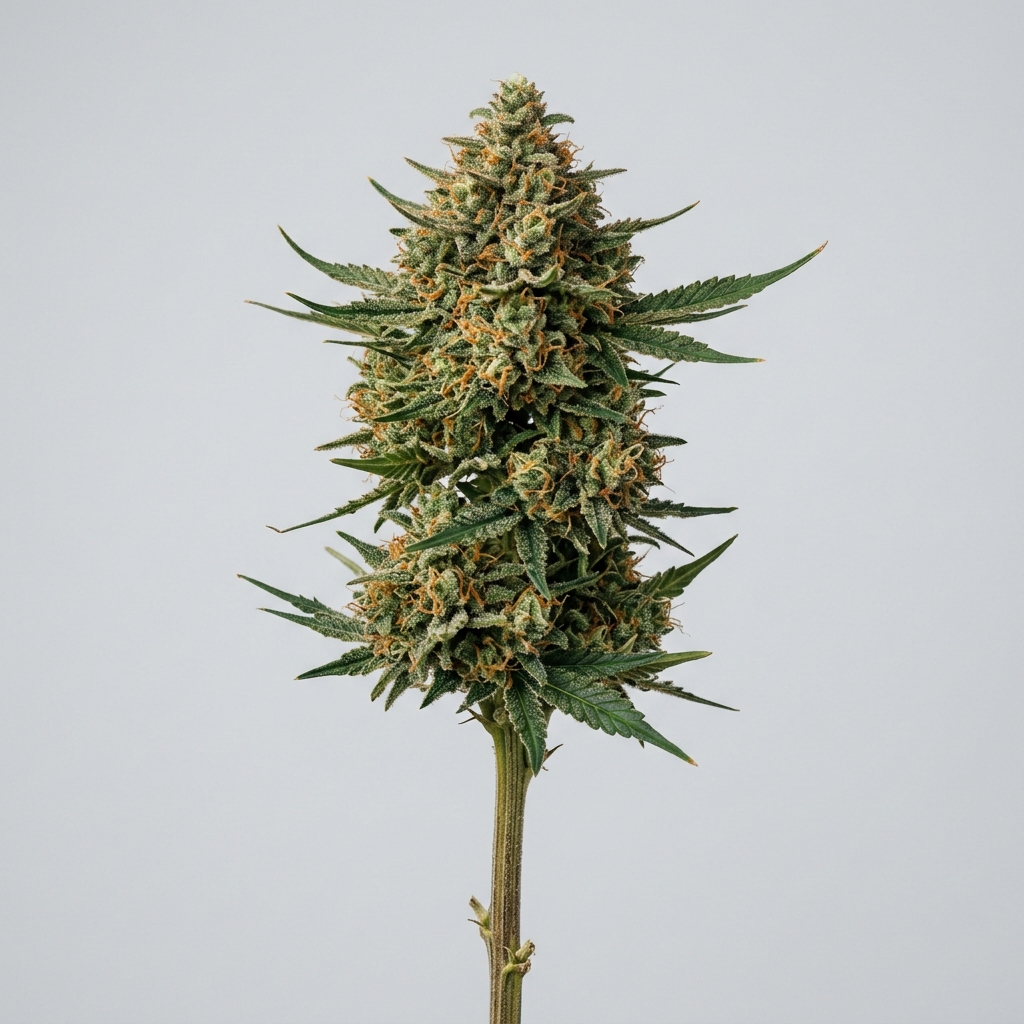
Visually, the strain is distinguished by its dense, conical flowers that often display vibrant lime-to-forest green hues, frequently punctuated by flashes of lavender or deep purple. The buds are heavily coated in a resinous, crystalline frosting that provides a sticky texture and an alluring, dessert-like scent. For a scientific and botanical reference, the plant’s structure typically exhibits a high calyx-to-leaf ratio, making it a favorite among cultivators seeking efficient harvest processing alongside high-quality terpene retention.
Quick Facts
| Attribute | Details |
|---|---|
| Genetics | Mango Trees x Sherbert |
| Variety | Indica-dominant hybrid (~70% indica / 30% sativa) |
| THC Range | 18%–26% |
| Flowering Time | 50–65 days |
| Yield Potential | Moderate to High |
| Plant Height | Medium |
| Difficulty | Moderate |
Scientific & Botanical Overview
The botanical identity of Mango Sherbert is rooted in the strategic combination of landrace-descended Mango genetics and the contemporary, terpene-rich Sherbert. This cross creates a unique phenotypic expression that prioritizes both essential oil production and structural vigor. The plant typically develops sturdy lateral branching, supporting the weight of dense, resin-heavy colas that require adequate airflow to mitigate potential moisture-related issues during the final stages of maturation.
As a scientific and botanical reference, Mango Sherbert demonstrates significant adaptive capabilities in various environments, including indoor, greenhouse, and outdoor gardens. The cultivar’s metabolic focus leans heavily toward the synthesis of complex esters and monoterpenes, resulting in its signature aromatic intensity. Its resin glands, or trichomes, are known for their large heads and high density, which contribute to the strain’s exceptional bag appeal and potency.
Effects & Use-Cases (Reported)
Commonly reported effects of Mango Sherbert include an initial surge of cerebral clarity and creative motivation, which often transitions into a smooth, long-lasting body relaxation. Consumers frequently describe a “happy” and “giggly” state that pairs well with social engagement or low-pressure recreational activities. The high is generally considered well-rounded, providing enough physical relief to ease tension without inducing immediate, heavy sedation.
In terms of use-case context, many enthusiasts gravitate toward this strain for afternoon or early evening sessions. Its balanced profile makes it a popular choice for those seeking to alleviate daily stress or manage mild discomfort, as the motivating mental uplift can help maintain focus while the body feels deeply at ease. Anecdotally, it is often utilized by those looking to break through creative blocks or enhance sensory experiences.
Aroma & Flavors
Aroma: Ripe mango nectar, orange zest, and soft vanilla cream with undertones of earthy spice.
Flavor: Sugared mango strips, creamy citrus sherbet, and a subtle, smooth finish reminiscent of whipped cream and berries.
Terpene associations: Myrcene (mango/herbal), Limonene (citrus/uplifting), and Beta-Caryophyllene (peppery/anti-inflammatory).
Tested Cannabinoid & Terpene Ranges
| Compound | Typical Range* | Notes |
|---|---|---|
| Δ9-THC | 18–26% | Primary psychoactive |
| Myrcene | 0.4–0.9% | Dominant terpene |
| Limonene | 0.2–0.5% | Citrus notes |
| β-Caryophyllene | 0.2–0.4% | Peppery spice |
*Ranges may vary by phenotype, cultivation environment, harvest timing, and analytical method.
Cultivation Notes
- Training: Responds well to topping and LST (Low Stress Training) to maximize light penetration into dense colas.
- Nutrients: Prefers a balanced feeding schedule, with careful monitoring during the mid-to-late flowering phase.
- Harvest Timing: Typically finishes in 56–70 days; monitor trichomes for desired milky-to-amber transition.
- Environment: Requires stable temperature and humidity levels, particularly in late bloom to prevent mold in dense buds.
Grower Notes (Week-by-Week Snapshot)
- Weeks 1–3: Early vegetative growth focuses on sturdy stem development; monitor for adequate nitrogen.
- Weeks 4–6: Rapid vertical growth and early flowering sites appear; ensure good ventilation.
- Weeks 7–9: Significant resin production and bud swelling; colas require support as they gain density.
- Post-Harvest: Slow, controlled drying is essential to preserve the delicate mango and cream terpene profile.
Genetic Lineage
The lineage of Mango Sherbert is primarily attributed to Humboldt Seed Company. It is a cross involving the robust Mango Trees (itself a complex descendant of Mango Kush and other classic genetics) and the popular Sherbert (a descendant of Girl Scout Cookies and Pink Panties). This lineage combines old-school tropical vigor with the modern, high-resin, dessert-flavored genetics that have defined the California cannabis market in recent years.
Research Insights
The terpene profile of Mango Sherbert, characterized by high concentrations of myrcene and limonene, is often studied in the context of the “entourage effect.” Myrcene is frequently associated with relaxation and potential anti-inflammatory properties, while limonene is often researched for its potential mood-elevating and anxiety-reducing effects. These compounds work in concert with cannabinoids like THC to potentially modulate the overall sensory and therapeutic experience of the strain.
Frequently Asked Questions
Is Mango Sherbert an indica or sativa?
Mango Sherbert is an indica-dominant hybrid, typically leaning around 70% indica, which provides a blend of mental uplift and physical relaxation.
What does Mango Sherbert taste like?
It is famous for a sweet, tropical flavor profile featuring dominant notes of ripe mango, orange sherbet, and a smooth, creamy vanilla finish.
Is Mango Sherbert difficult to grow?
It is considered of moderate difficulty; while it is vigorous, its dense colas require careful humidity and airflow management to prevent issues like powdery mildew.
Educational Disclaimer
This page is provided for scientific and horticultural reference only. Cannabis laws vary by jurisdiction; always ensure compliance with local regulations.
Rate and review this strain
Ratings and reviews are accepted only from signed-in Google accounts.
Sign in with Google to leave a rating and written review.
Latest Reviews
0 reviewsNo reviews yet. Be the first Google user to rate and review this strain.