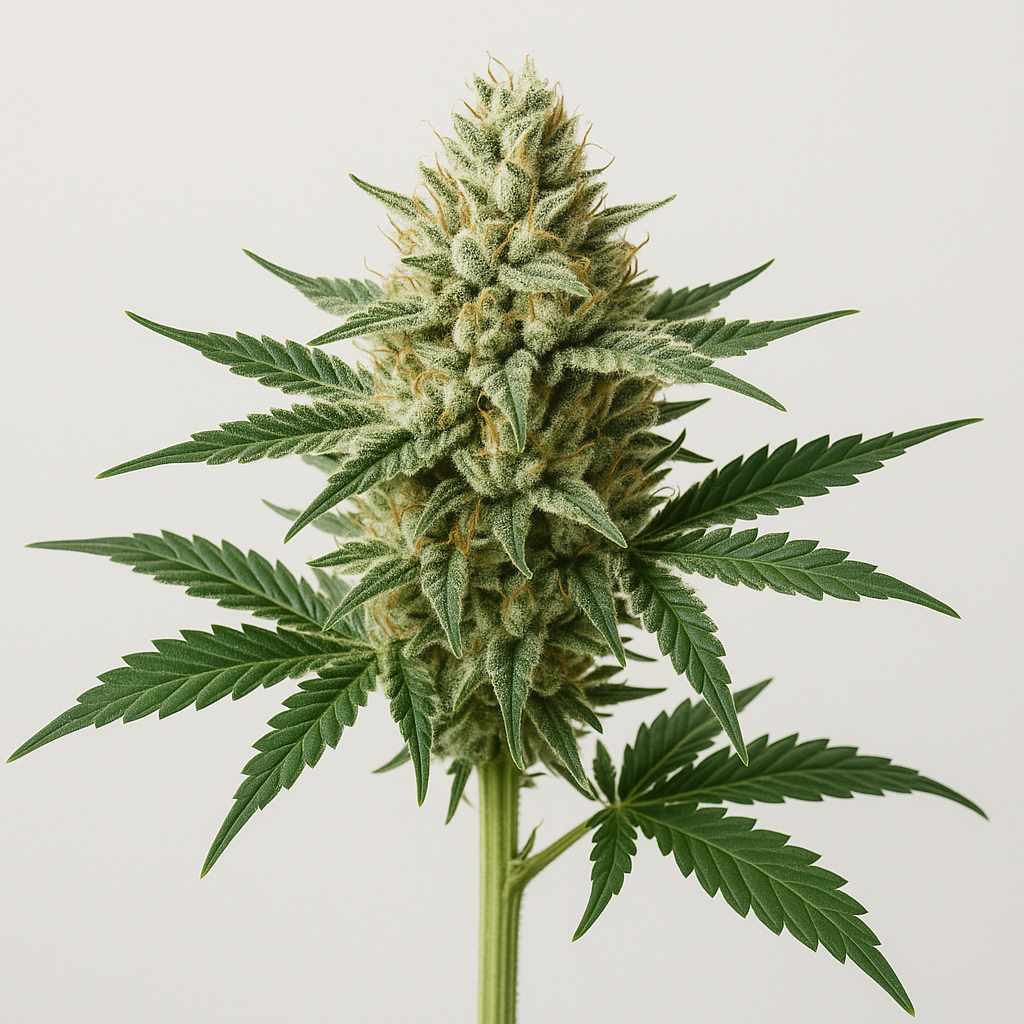
Train Wreck (Cannabis Strain)
Train Wreck is a classic sativa-dominant hybrid with a long-standing reputation for fast onset, bright cerebral character, and a pungent pine-lemon profile. Public strain catalog references consistently place it among the better-known legacy cultivars from Northern California’s cannabis scene, with multiple seed and strain databases listing it as a widely recognized named variety.
For adult consumers in legal markets, Train Wreck is often discussed as a high-energy flower with a sharp aromatic footprint and a dense, trichome-rich bud structure. Reported effects are anecdotal and can vary by batch, but the strain is commonly associated with uplift, mental stimulation, and a later-evolving sense of body ease.
Quick Facts
| Feature | Details |
|---|---|
| Genetics | Mexican Sativa x Thai Sativa x Afghani Indica (commonly reported lineage) |
| Variety | Sativa-dominant hybrid |
| THC Range | 18% to 25% is a conservative consumer-reference range; some branded examples test higher. |
| Flowering Time | 8 to 10 weeks indoors; outdoor finish is typically mid-October to late October in warm climates. |
| Yield Potential | High under capable cultivation; public breeder references commonly describe strong production and large outdoor potential. |
| Vibe | Fast, bright, energetic, and mentally stimulating, with a later mellowing body finish reported by consumers. |
Scientific & Botanical Overview
Train Wreck is typically cataloged as a sativa-dominant hybrid with a lineage that links Mexican and Thai sativas to Afghani indica influence. That broad genetic background helps explain its upright, vigorous growth habit and its reputation for a lively, head-forward profile rather than heavy couchlock at lower doses.
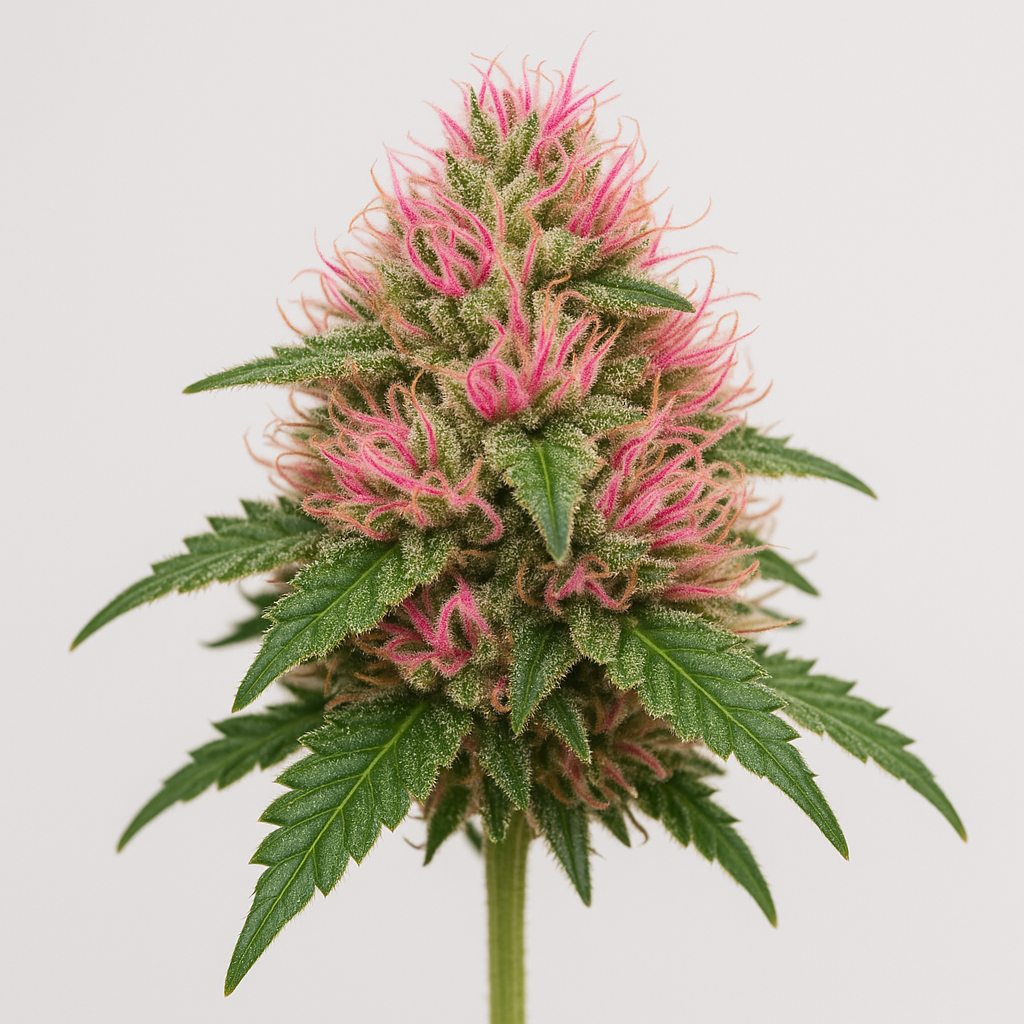
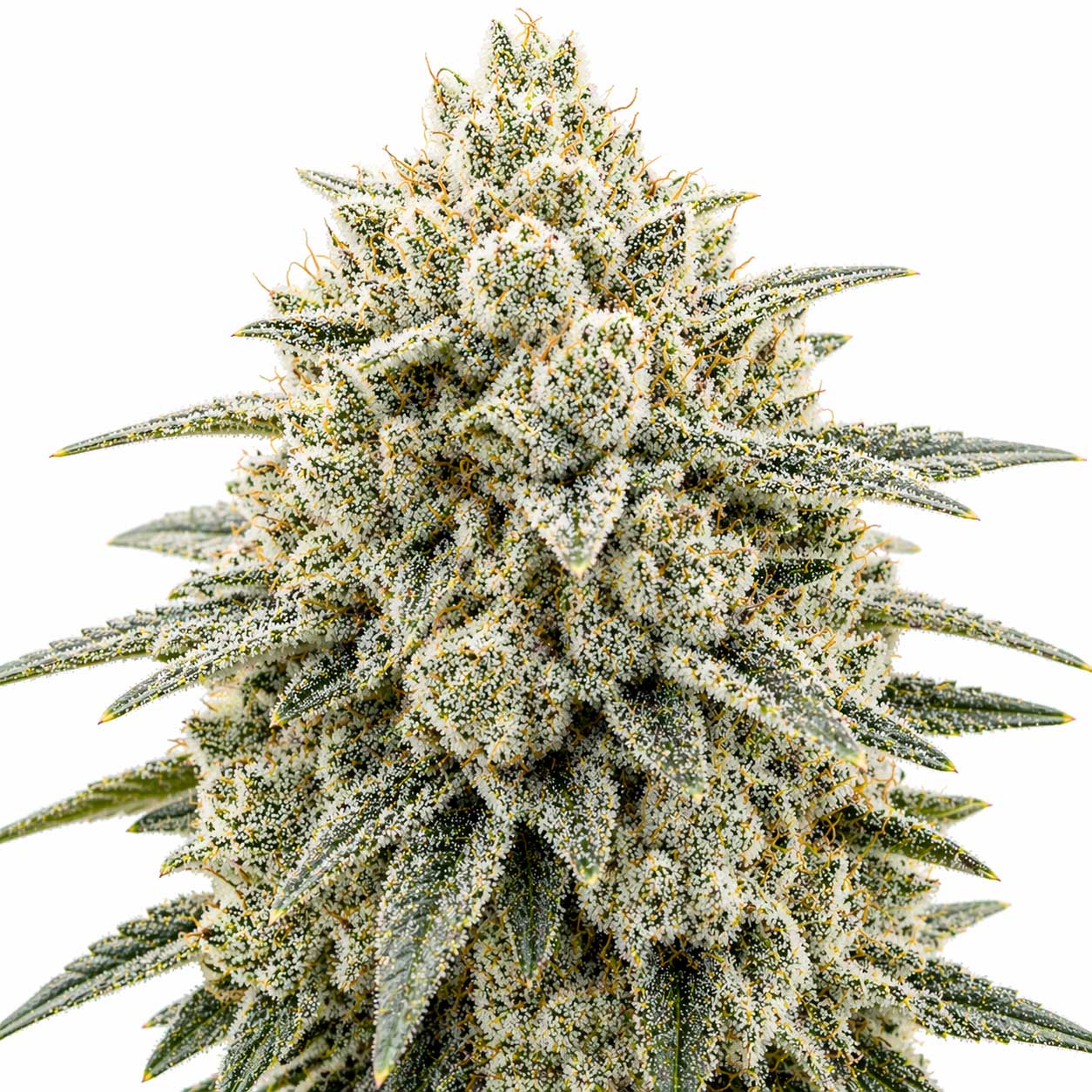
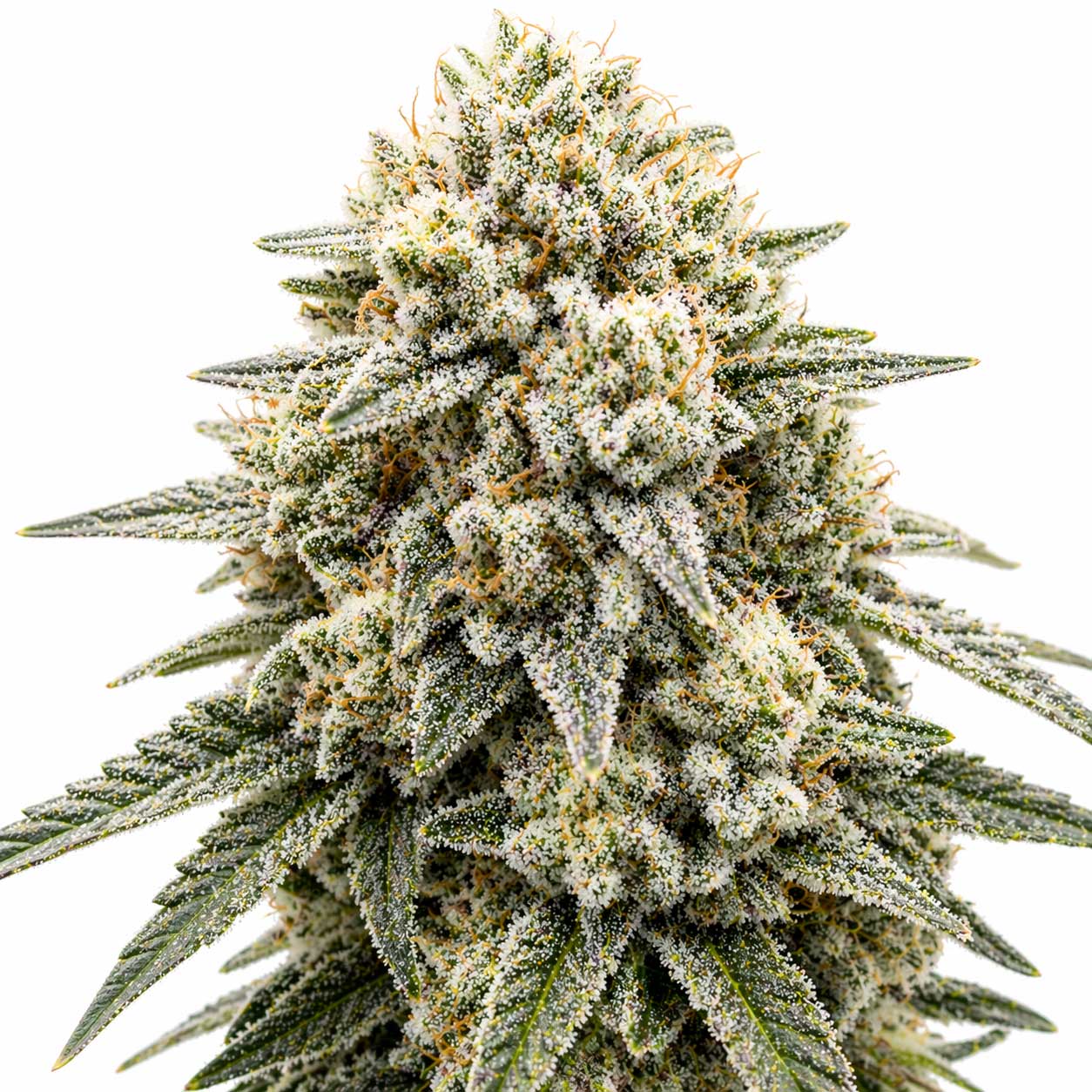
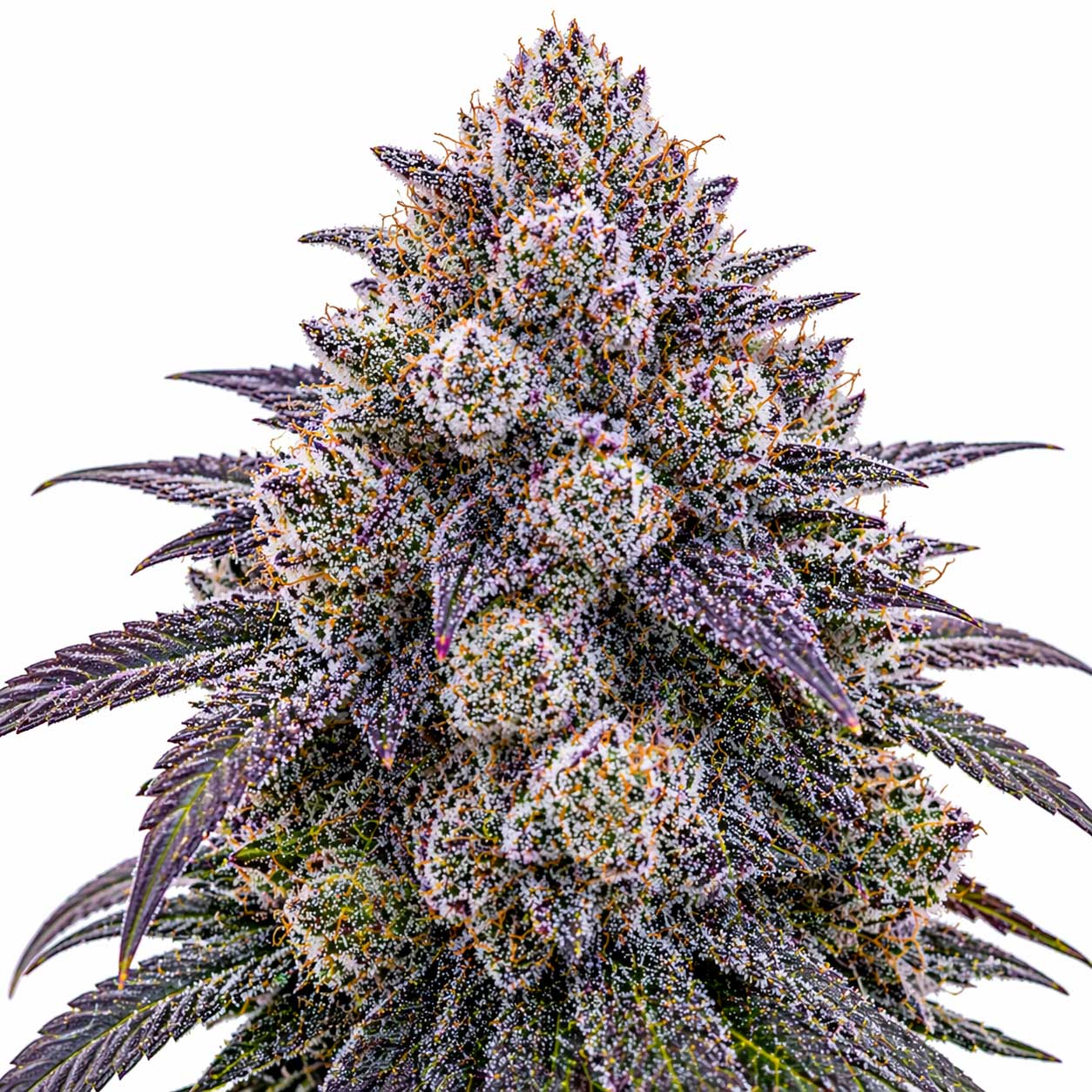
Botanically, the strain is known for producing resinous flowers with a frosted appearance. Across public strain references, the buds are described as dense, sticky, and heavily coated in trichomes, which is consistent with the cultivar’s strong aromatic output and high-THC reputation.
Although many commercial releases use the Train Wreck name, the core identity remains the same: a legacy cultivar with a recognizable pine-citrus nose, fast onset, and robust garden performance when given room to stretch.
Effects & Use-Cases (Reported)
Consumer reports most often describe Train Wreck as uplifting, creative, energizing, and euphoric. Many users also mention a more relaxed body state as the experience develops, which can make the strain feel initially stimulating and later smoother or more settled.
Common anecdotal use-cases include daytime sessions, social settings, and activities that benefit from a bright, alert mental tone. Because the effect profile may become intense at higher doses, some consumers report occasional overstimulation, dry mouth, dry eyes, or mild anxiety.
Anecdotal-report note: these effects are based on consumer reviews and catalog descriptions, not guaranteed outcomes. Individual response depends on tolerance, batch chemistry, and setting.
Aroma & Flavors
Aroma: Train Wreck is commonly described as pungent and sharp, with a prominent pine note layered over sweet lemon, earthy spice, and a faint diesel edge.
Flavor: The inhale often tracks the aroma closely, presenting a zesty lemon-pine front end followed by an earthy, spicy finish. Some samples lean more woody or herbal, especially as the flower cures.
Terpene associations: Public strain references most often point to terpinolene, myrcene, pinene, and caryophyllene as the key terpene markers associated with Train Wreck’s scent profile.
Tested Cannabinoid & Terpene Ranges
| Compound | Typical Range* | Notes |
|---|---|---|
| Δ9-THC | 18% to 25% | Commonly cited for retail flower; some branded batches may test higher. |
| CBD | Under 1% | Typically low in standard Train Wreck flower. |
| Terpinolene | Often dominant | Frequently linked to the strain’s bright, sharp, pine-citrus top note. |
| Myrcene | Common supporting terpene | Contributes to the earthy, herbal, and softening aromatic layer. |
| Pinene | Common supporting terpene | Aligns with the pine-forward character often reported in flower samples. |
| Caryophyllene | Common supporting terpene | Adds spice and a woody finish to the flavor profile. |
*Ranges are conservative consumer-reference estimates assembled from public catalog descriptions and may vary significantly by breeder, phenotype, cultivation method, and laboratory method.
Cultivation Notes
- Structure: Expect a vigorous, tall plant that may need pruning, topping, or training to manage stretch.
- Flowering: Indoor finish is commonly reported at 8 to 10 weeks, with outdoor harvest favored in early-to-mid autumn.
- Environment: Warm, sunny conditions are generally preferred, and the cultivar is often described as well-suited to Mediterranean-style climates.
- Resin: Flowers are typically trichome-rich, which is useful for visual appeal and extraction-oriented selection.
Genetic Lineage
Public references most often describe Train Wreck as a cross rooted in Mexican Sativa, Thai Sativa, and Afghani Indica ancestry. The exact breeder origin is historically murky, but the cultivar is widely treated as a Northern California legacy strain with multiple modern seed-banking interpretations.
Frequently Asked Questions
What are Train Wreck weed strain effects usually like?
Train Wreck is commonly reported as fast-hitting, euphoric, uplifting, and mentally stimulating. Many consumers describe a noticeable surge in creativity or focus, followed by a gentler body relaxation.
Is Train Wreck more of a daytime or nighttime strain?
Most consumer reports place Train Wreck closer to daytime or early-evening use because of its energetic onset. Higher doses can feel more intense, so timing depends on personal tolerance and the specific batch.
What does Train Wreck smell and taste like?
It is usually described as pine-forward with lemon, earth, spice, and light diesel notes. The flavor often mirrors the aroma, with a zesty opening and a woody or herbal finish.
Educational Disclaimer
This profile is for educational and botanical reference purposes only and is intended for adults in jurisdictions where cannabis is legal. Cannabis effects, potency, aroma, and cultivation traits can vary widely by phenotype, environment, harvest timing, curing, and laboratory methodology. Nothing here should be read as medical advice, legal advice, or a guarantee of product performance.
Rate and review this strain
Ratings and reviews are accepted only from signed-in Google accounts.
Sign in with Google to leave a rating and written review.
Latest Reviews
0 reviewsNo reviews yet. Be the first Google user to rate and review this strain.