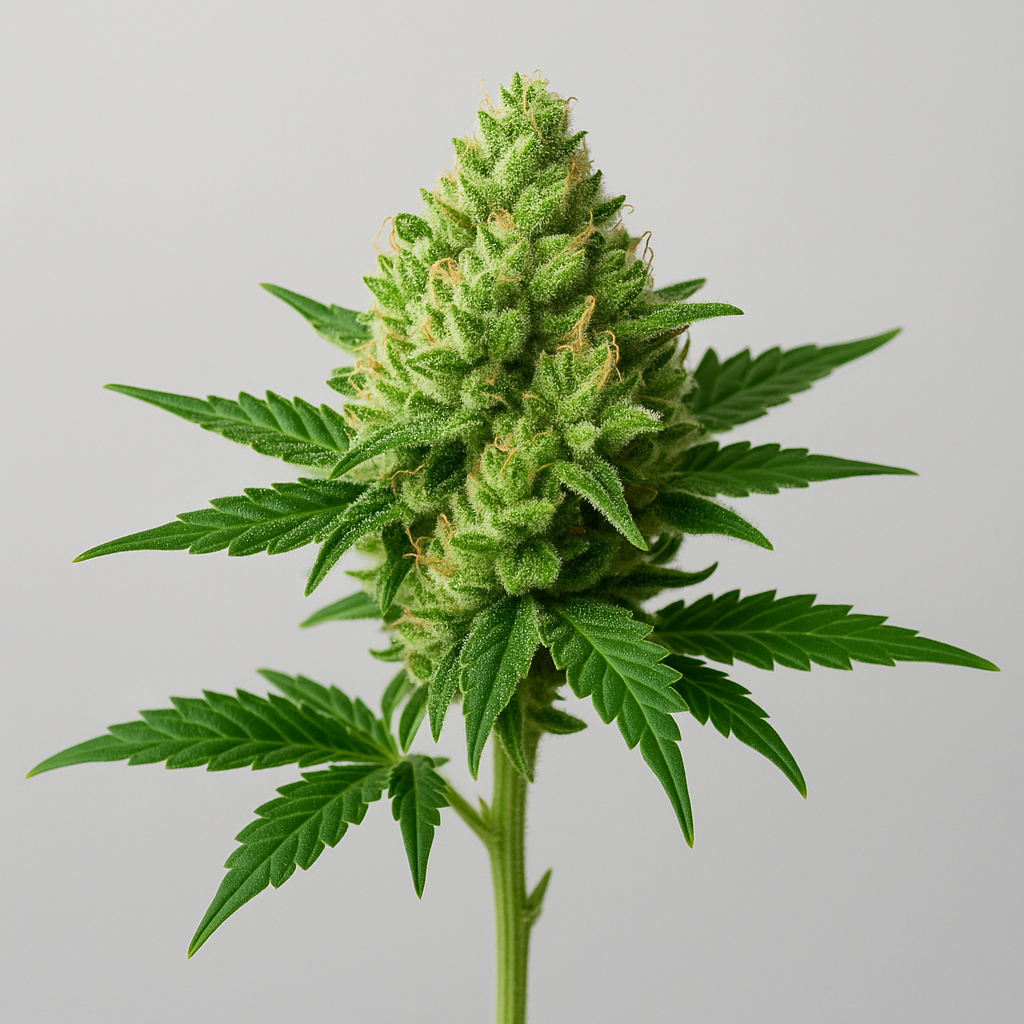
Limelight (Cannabis Strain)
Limelight is a high-vibrancy sativa-dominant hybrid cannabis cultivar commonly recognized as a selection of Ultra Sour, a cross between MK Ultra and East Coast Sour Diesel. It is widely associated with sharp citrus terpene expression, strong resin clarity, and an energetic, fast-acting cerebral profile.
Known for its intense lime-forward aroma and clean, stimulating effects, Limelight has become a favorite among modern consumers seeking clarity and daytime performance. Its appeal centers on mental sharpness, creative energy, and a bright, uplifting experience. The information below is provided strictly for scientific and botanical reference.
Quick Facts
| Feature | Details |
|---|---|
| Genetics | MK Ultra × East Coast Sour Diesel (Ultra Sour phenotype) |
| Variety | Sativa-dominant hybrid (~70% sativa / 30% indica) |
| THC Range | 20%–26% |
| Flowering Time | 9–10 weeks (63–70 days) |
| Yield Potential | 500–600 g/m² (High) |
| Plant Height | 130–160 cm; vigorous vertical growth |
| Climate Preference | Warm / controlled indoor environments |
| Difficulty | Intermediate (requires stretch management) |
Scientific & Botanical Overview
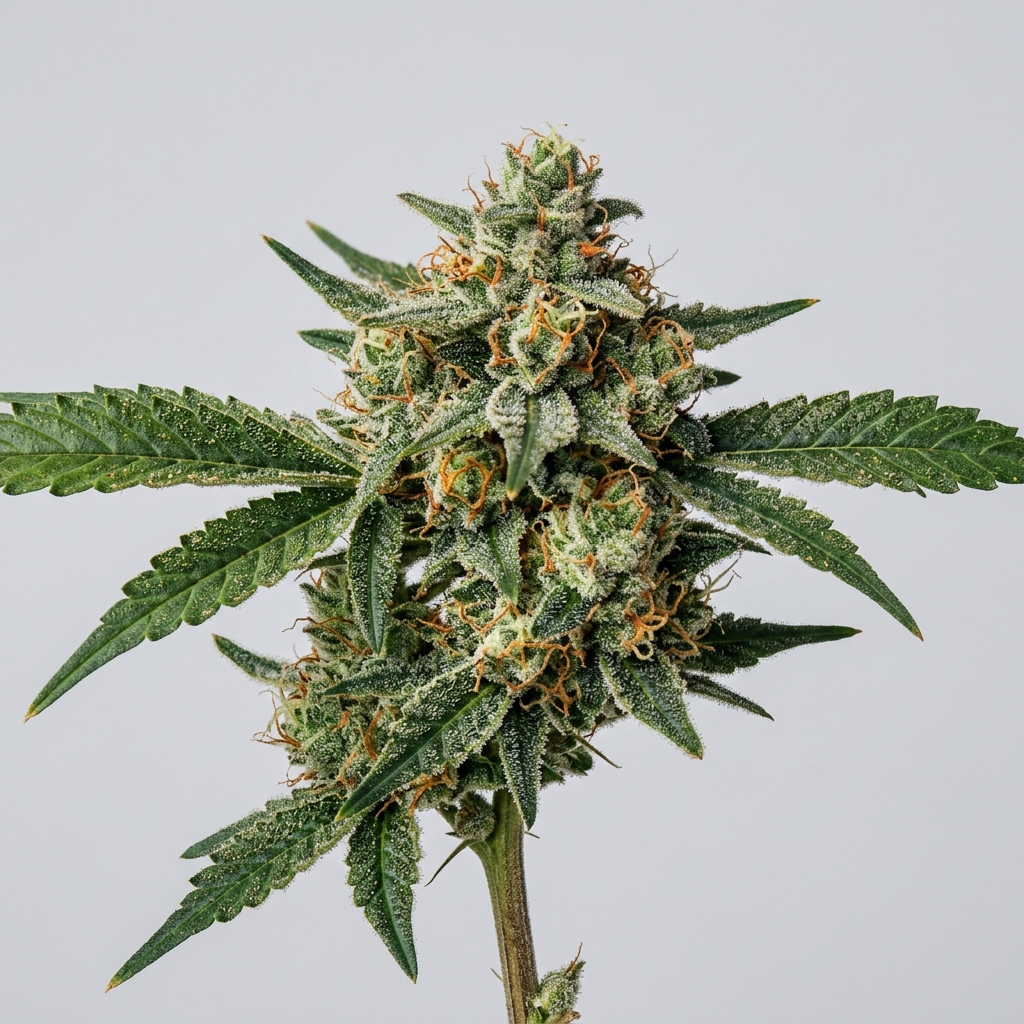
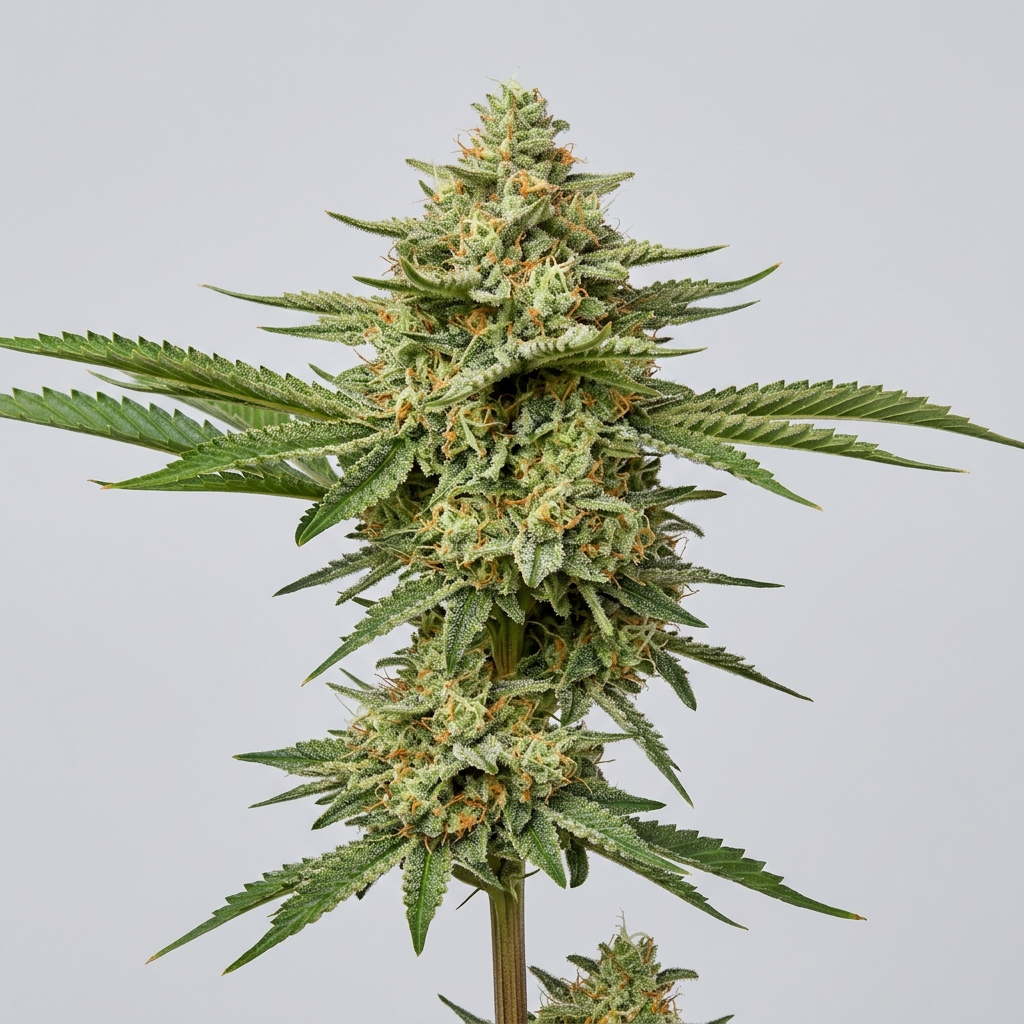
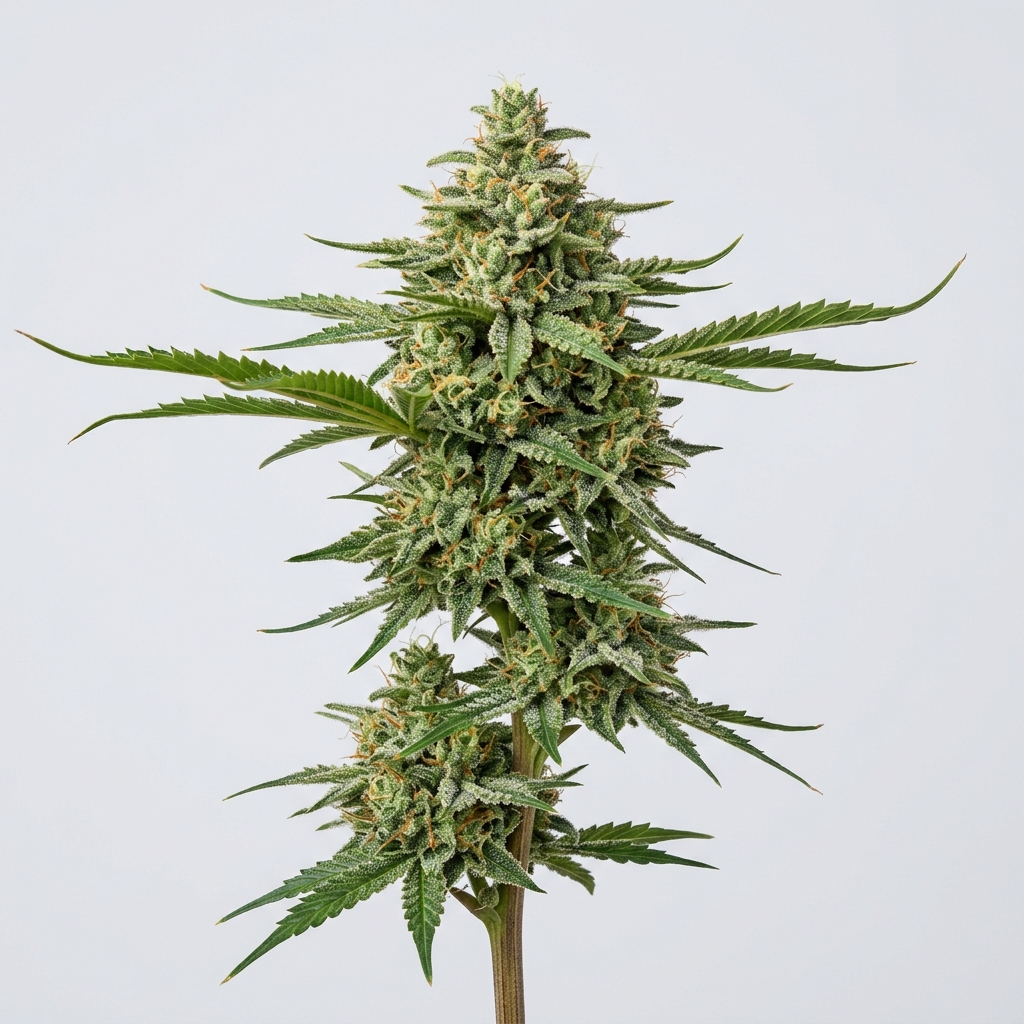
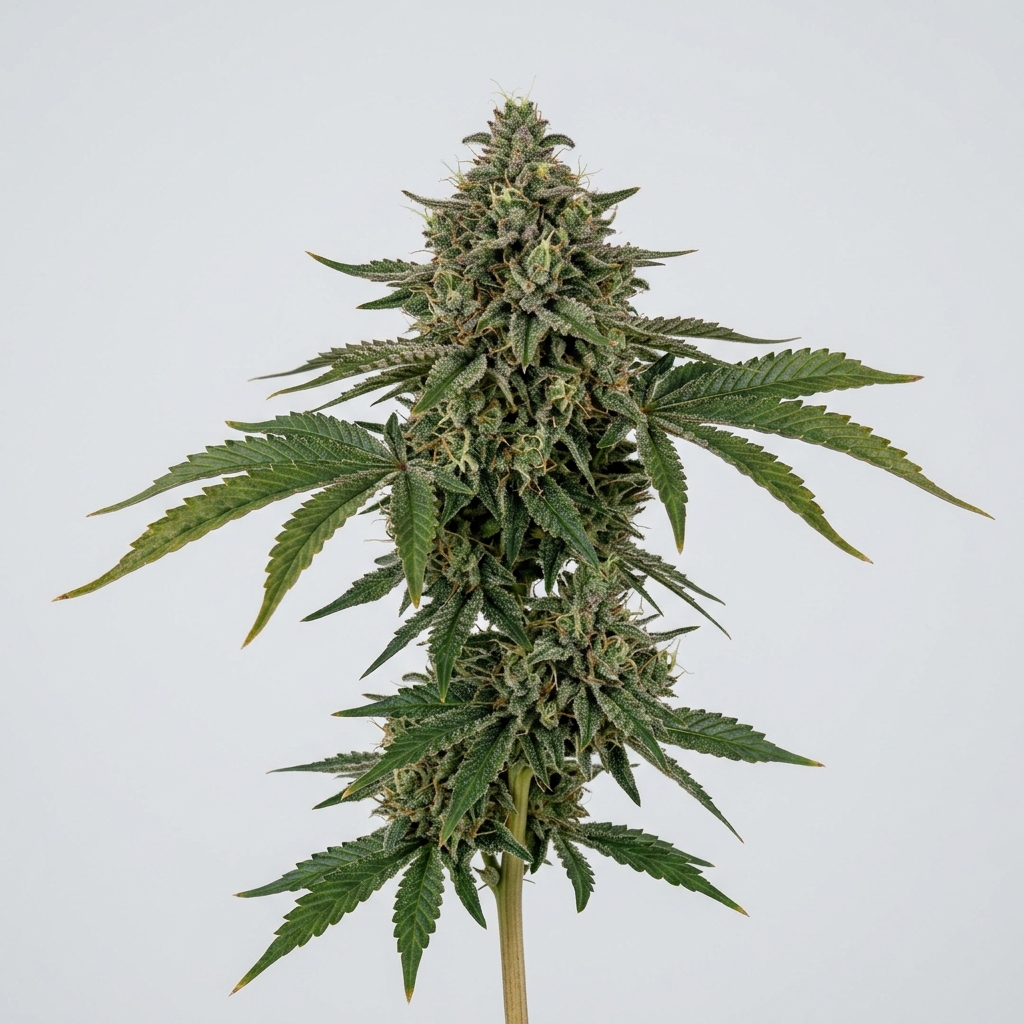
Limelight exhibits classic sativa-leaning morphology, producing elongated colas with dense resin coverage and a bright lime-green coloration. The plant combines the vigorous growth of Sour Diesel with the tighter structure and resin density of MK Ultra.
Botanically, the cultivar is associated with elevated concentrations of terpinolene and limonene, supported by caryophyllene and myrcene. This terpene profile is responsible for its sharp citrus aroma and energetic sensory experience.
Effects & Use-Cases (Reported)
Commonly reported effects: Rapid cerebral stimulation, enhanced focus, elevated mood, and sustained mental clarity.
Use-case context: Frequently selected for daytime use, creative projects, social environments, and active outdoor activities.
Note: These observations are anecdotal reports and should not be interpreted as medical claims.
Aroma & Flavors
Aroma: Fresh lime zest, sour diesel fuel, pine, and sharp citrus notes.
Flavor: Tart lime inhale followed by pungent diesel and earthy spice on the exhale.
Terpene associations: Terpinolene, Limonene, Caryophyllene, and Myrcene.
Tested Cannabinoid & Terpene Ranges
| Compound | Typical Range* | Notes |
|---|---|---|
| Δ9-THC | 20.0%–26.0% | Potent but functional for daytime use |
| CBG | 0.5%–1.0% | Supports cannabinoid balance |
| Terpinolene | 0.9%–1.4% | Primary driver of energetic focus |
| Limonene | 0.7%–1.1% | Enhances citrus aroma and mood uplift |
| Caryophyllene | 0.4%–0.7% | Adds spice and balance |
*Ranges may vary by phenotype, cultivation environment, harvest timing, and analytical method.
Cultivation Notes
- Stretch Control: Requires early training to manage vertical growth
- Nutrition: Responds well to balanced feeding with slight nitrogen boost early
- Odor Control: Highly pungent; carbon filters recommended
- Airflow: Essential for dense resin-coated buds
- Harvest Window: Full maturity enhances citrus terpene clarity
Grower Notes (Week-by-Week Snapshot)
- Weeks 1–3: Rapid vertical growth; canopy shaping needed
- Weeks 4–6: Bud stacking begins; citrus aroma intensifies
- Weeks 7–10: Resin peaks; buds harden and brighten in color
- Post-Harvest: Slow drying preserves volatile citrus terpenes
Genetic Lineage
Limelight is a selection of Ultra Sour, combining MK Ultra and East Coast Sour Diesel. This lineage merges fuel-driven potency with citrus-forward energy and improved structural stability.
Research Insights
Limelight is often associated with terpinolene-limonene terpene synergy, which is linked to alertness, focus, and enhanced sensory clarity.
Frequently Asked Questions
Is Limelight good for daytime use?
Yes, it is widely considered an excellent daytime strain due to its energetic effects.
Does it taste like lime?
Many users report a strong lime-zest flavor backed by diesel notes.
Is it strong?
It typically ranges between 20% and 26% THC, offering potent yet functional effects.
Educational Disclaimer
This page is provided for scientific and horticultural reference only. Cannabis laws vary by jurisdiction; always ensure compliance with local regulations.
Rate and review this strain
Ratings and reviews are accepted only from signed-in Google accounts.
Sign in with Google to leave a rating and written review.
Latest Reviews
0 reviewsNo reviews yet. Be the first Google user to rate and review this strain.