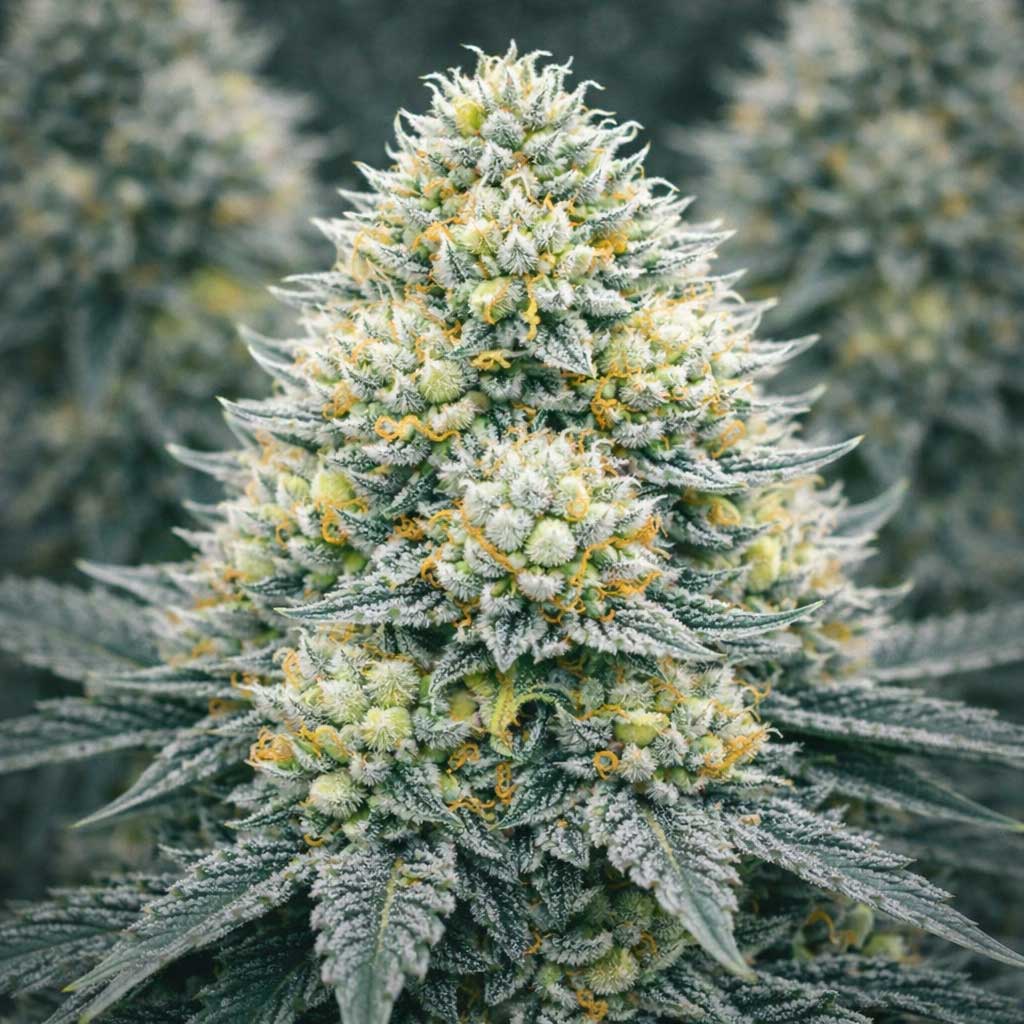
Rotten Apple 3N (Cannabis Strain) — Strainpedia
Rotten Apple 3N is one of the most important photoperiod releases of 2026, representing the emerging Triploid Revolution in modern cannabis agriculture. Developed as a flagship cultivar by Humboldt Seed Company (HSC), Rotten Apple 3N is not simply a high-THC hybrid—it is a genetically engineered triploid (3n) designed for extreme vigor, seedless sterility, and a level of biomass production that exceeds traditional diploid cultivars. Similar to seedless bananas and seedless watermelons, triploid cannabis plants are bred for performance efficiency and agricultural reliability. Rotten Apple 3N has become the benchmark strain for 2026 facilities and growers seeking maximum production, resistance, and extraction-grade resin output. The information below is intended strictly for scientific and horticultural reference.
Quick Facts
| Genetics | Rotten Apple (Original) x 4n Elite Parent |
|---|---|
| Breeder | Humboldt Seed Company (HSC) |
| Technology | Polyploid / Triploid Breeding (3n) |
| Variety | Photoperiod Hybrid (Triploid 3n) |
| THC Range | ~32%–35% |
| Flowering Time | Fast 55 Days (approx. 8 weeks) |
| Biomass Yield | 30%–50% higher than traditional Rotten Apple |
| Resistance | High resistance to Botrytis (Bud Rot) and Powdery Mildew |
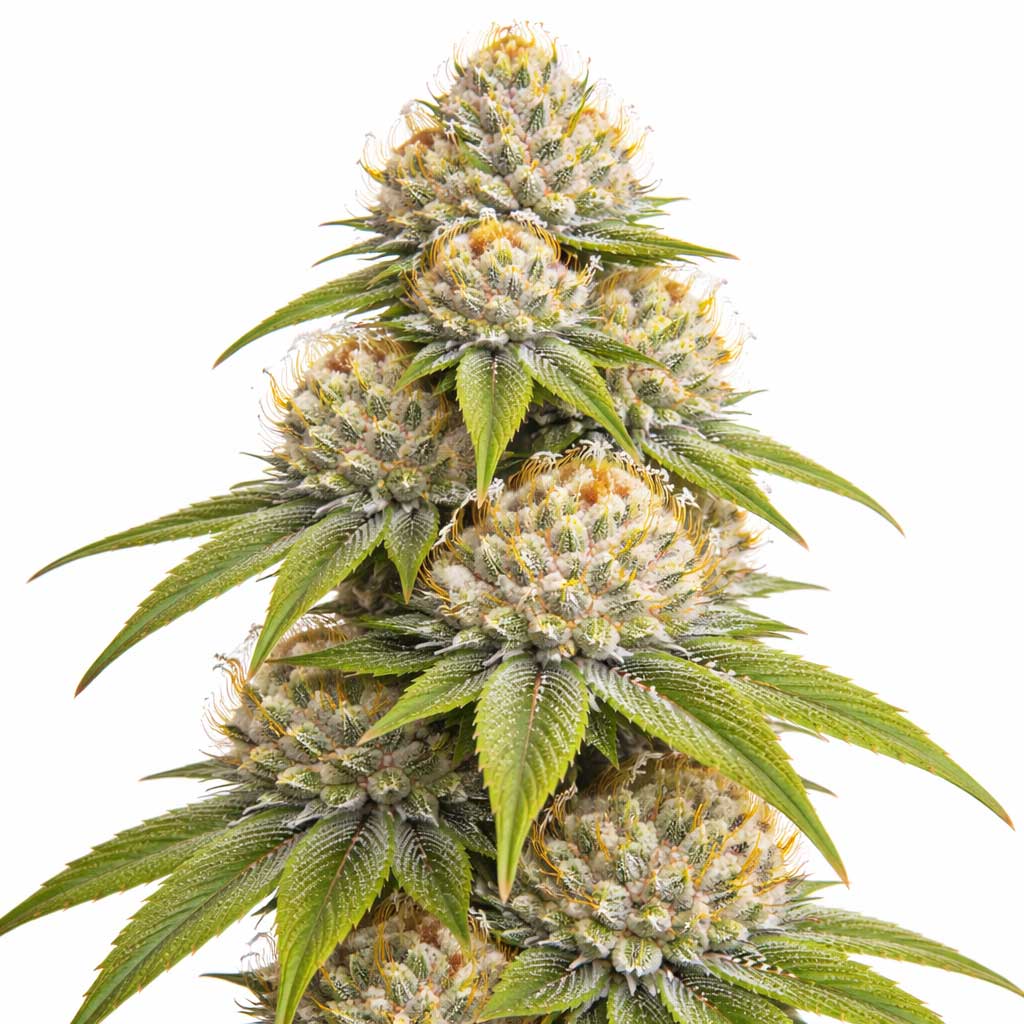
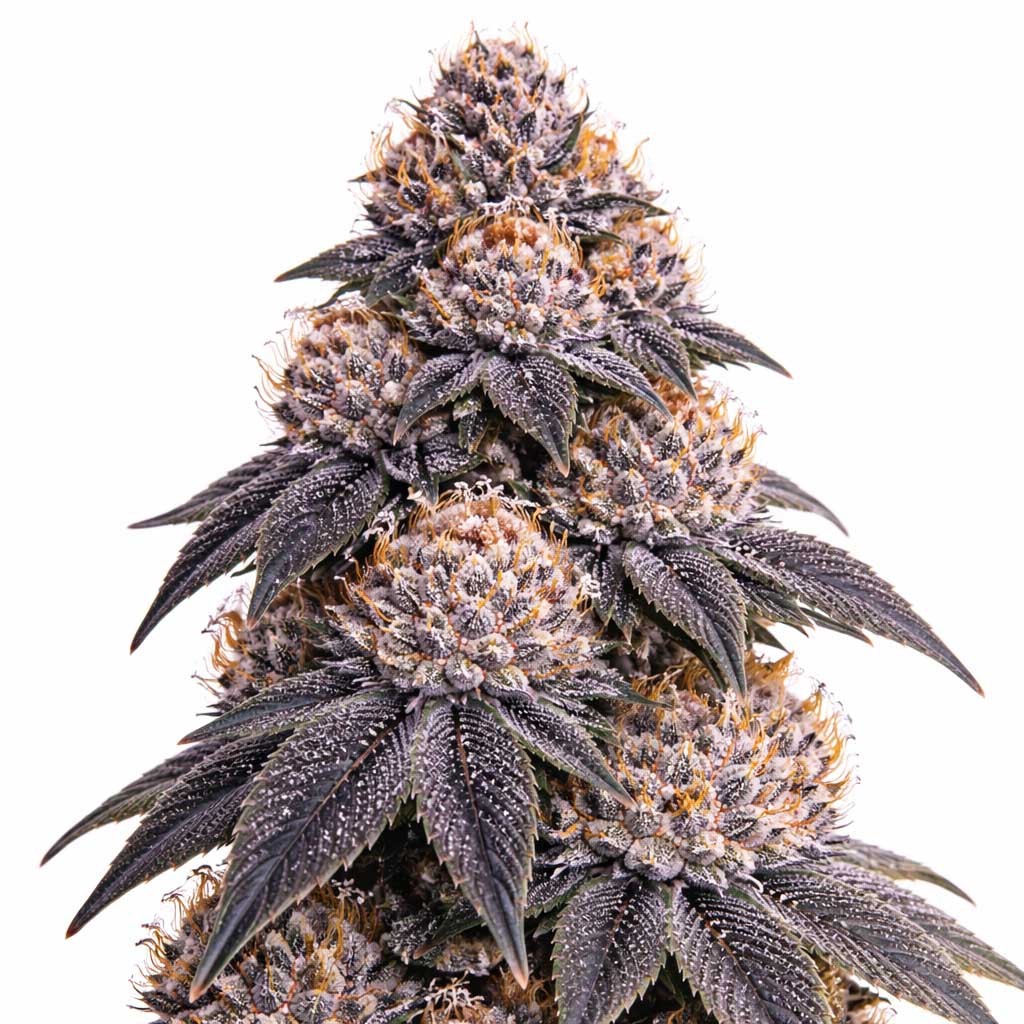
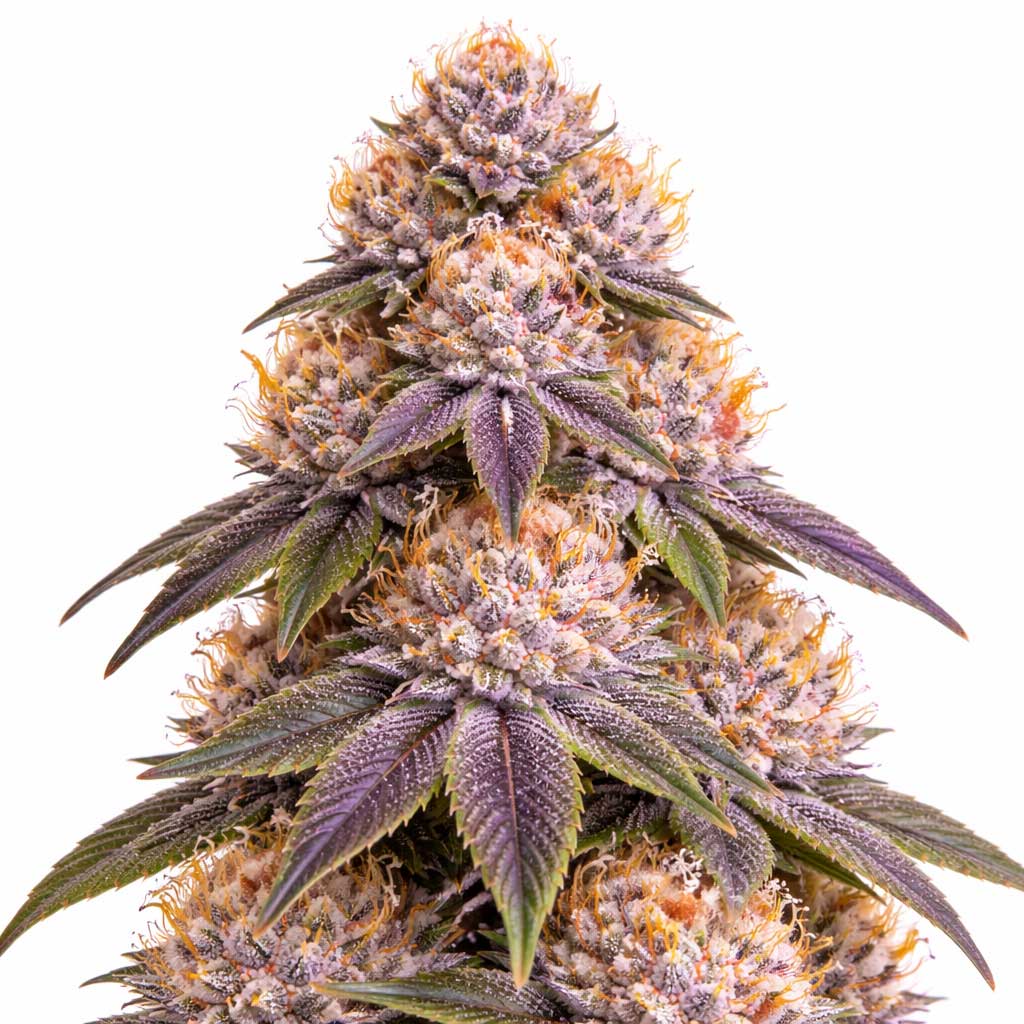
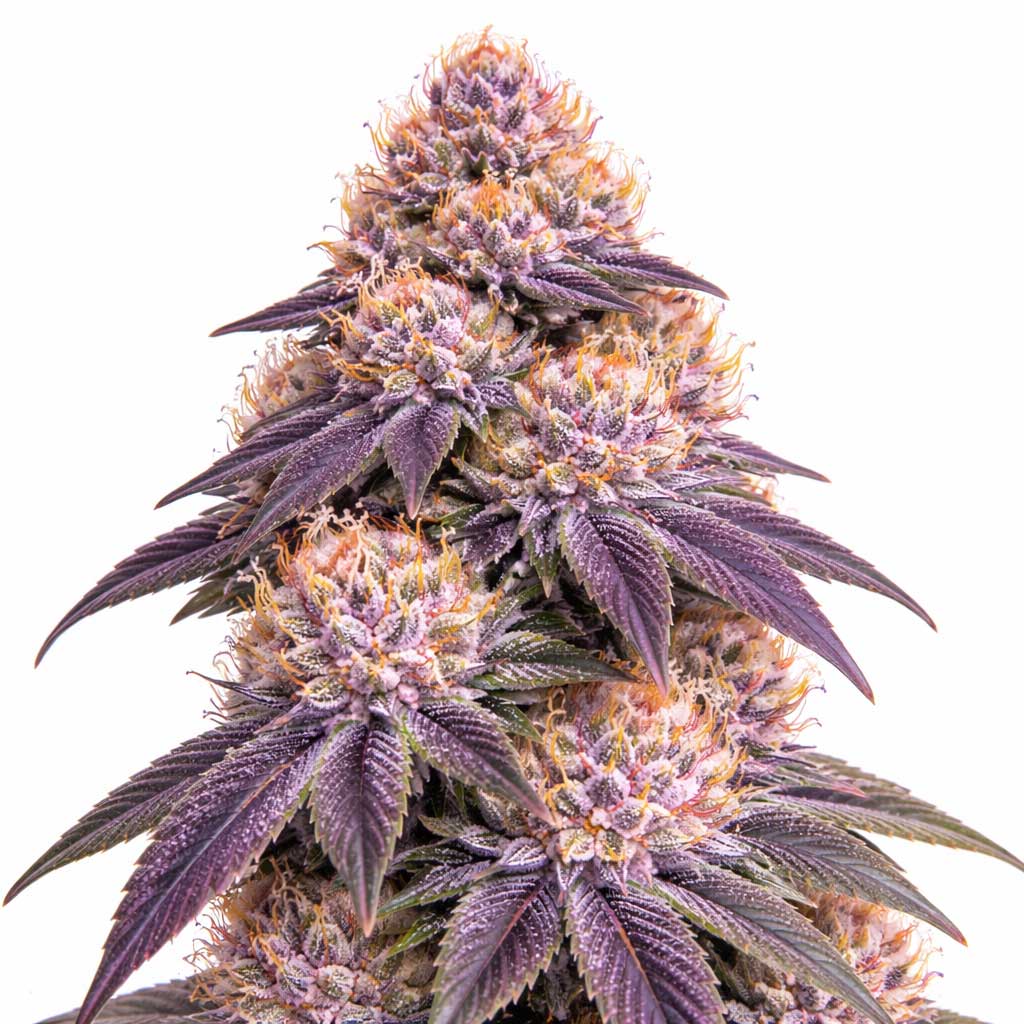
| Visual Traits | Neon-green football colas, massive bracts, fermented resin sheen |
| Difficulty | Easy–Intermediate (vigorous growth requires canopy management) |
Scientific & Botanical Overview
Rotten Apple 3N is a genetically stabilized triploid photoperiod cultivar bred through advanced polyploid techniques. Standard cannabis plants are typically diploid (2n), meaning they carry two sets of chromosomes. Triploid cannabis (3n) contains three sets of chromosomes, a configuration that increases metabolic output and often results in significantly higher vigor, larger flowers, and improved uniformity.

The plant is known for producing massive neon-green colas that resemble “football” structures, with noticeably larger bracts compared to traditional 2n genetics. Resin development is exceptionally heavy, and the flowers often appear wet or dripping due to the extreme trichome production. The cultivar’s enhanced vigor allows growers to reduce vegetative time while still achieving full canopy development, making Rotten Apple 3N highly attractive for both commercial production and high-efficiency indoor cycles.
Triploid Genetics Explained (3n vs 2n)
Triploid cannabis is one of the most disruptive agricultural innovations of 2026. A triploid plant contains three chromosome sets, which prevents normal reproductive pairing. This biological mechanism results in a key commercial advantage: sterility.
- Seedless Flower Production: Triploid plants are functionally sterile, meaning they do not produce viable seeds.
- Hermaphroditism Reduction: Because the plant cannot properly reproduce, accidental pollination and herm-related seeding is dramatically reduced.
- Higher Biomass Output: With energy diverted away from reproduction, the plant reallocates metabolic resources into resin and flower mass.
- Commercial Consistency: Triploid cultivation reduces crop variability, a major issue in clone-heavy markets.
This is why Rotten Apple 3N is being treated not as a novelty strain, but as a genuine evolution in cannabis production biology.
Effects & Use-Cases (Reported)
- Commonly reported effects: aggressive euphoria, fast cerebral lift, enhanced mood, physical comfort, and energized social confidence.
- Use-case context: high-performance tasks, social engagement, late afternoon use, and creative stimulation.
- Efficiency profile: described as a “cleaner” high compared to traditional Rotten Apple, with a sharper onset and more functional clarity.
- Potency note: with THC frequently cited above 32%, this strain is considered high tolerance territory.
- Note: These are observational reports, not medical claims; outcomes are not guaranteed.
Aroma & Flavors
- Aroma: fermented apple cider funk with bruised apple sweetness layered over sharp chemical gas.
- Flavor: sweet-and-sour fizzy apple candy on the inhale, transitioning into earthy rotten funk and savory fuel on the exhale.
- Signature finish: a lingering fermented resin aftertaste that feels “room-staining” and long-lasting.
Tested Cannabinoid & Terpene Ranges
| Compound | Typical Range* | Notes |
|---|---|---|
| Δ⁹-THC | ~32–35% | Elite potency tier; triploid efficiency is reported to boost cannabinoid output. |
| CBD | ~0–1% | Typically present only in trace levels. |
| Myrcene | Moderate–High | Supports heavy body comfort and fermented fruit depth. |
| Caryophyllene | Moderate | Adds spicy fuel bite and grounding physical calm. |
| Limonene | Moderate | Contributes fizzy fruit brightness and euphoric uplift. |
| Humulene | Low–Moderate | May enhance earthy bitterness and savory funk complexity. |
| Terpene Profile | Fermented Apple / Fizzy Candy / Chemical Gas | Triploid structure appears to “turn up” aromatic intensity. |
*Ranges are literature- and lab-report-informed references and can differ with phenotype, cultivation conditions, harvest timing, curing practices, and analytical methods.
Cultivation Notes
- Flowering Time: approximately 55 days (fast-finishing photoperiod)
- Veg Speed: grows significantly faster than traditional diploid genetics
- Recommended Strategy: reduce veg time by 15%–20% to maximize cycle efficiency
- Canopy Control: vigorous growth requires topping, LST, or SCROG to prevent uneven canopy dominance
- Humidity Targets: 45–55% early flower; 40–50% late flower for maximum bud protection
- Disease Resistance: naturally higher resistance to bud rot and powdery mildew, ideal for high-density facilities
Grower Notes (Week-by-Week Snapshot)
- Weeks 1–2 (Veg Acceleration): rapid growth begins immediately; establish strong root development and prepare canopy training early.
- Weeks 3–4 (Canopy Build): plant expands aggressively; topping and LST recommended to distribute vigor evenly.
- Weeks 5–6 (Flower Initiation): bud stacking begins quickly; resin production becomes noticeable earlier than most 2n plants.
- Weeks 7–8 (Bulk & Resin Explosion): football colas swell dramatically; trichome heads enlarge; aroma becomes intensely fermented.
- Week 9 (Ripening Window): final terpene maturation; fizzy apple candy notes peak; harvest based on trichome maturity.
- Post-Harvest: slow drying is recommended to preserve cider-funk aromatics; cold cure enhances fermented depth.
Extraction Potential
Rotten Apple 3N is widely regarded as a “wash star” in the 2026 solventless world. The triploid genetic structure is reported to increase trichome head size, producing larger glandular resin that separates efficiently during ice water agitation. This makes Rotten Apple 3N highly desirable for live rosin production, where yield, clarity, and terpene intensity are prioritized.
Extractors frequently cite its ability to produce strong returns while maintaining a highly aromatic resin profile, combining sour apple candy brightness with a fermented fuel finish. The resulting rosin is often described as loud, complex, and extremely shelf-stable.
Genetic Lineage
Rotten Apple 3N is derived from the original Rotten Apple cultivar crossed with an elite tetraploid (4n) parent. The Rotten Apple side contributes fermented funk, resin density, and the cider-driven terpene signature. The 4n parent acts as a biological bridge that allows stable triploid offspring, ensuring sterility and increased vigor. This breeding strategy is comparable to triploid fruit cultivation systems used in mainstream agriculture, now adapted for high-performance cannabis photoperiod production.
Research Insights
Rotten Apple 3N is a major symbol of the 2026 shift away from unstable clone-based cultivation and toward genetically stabilized, sterile photoperiod seed systems. Triploid breeding introduces agricultural advantages that can redefine commercial cannabis farming, including faster production cycles, higher resistance, reduced herm risk, and dramatically improved yield-to-space efficiency. In many ways, Rotten Apple 3N is not simply a strain—it is an early example of how cannabis is becoming a modern crop science industry.
Frequently Asked Questions
What does “3N” mean in Rotten Apple 3N?
“3N” refers to its triploid (3n) chromosome structure, meaning the plant carries three sets of chromosomes instead of the normal two (2n).
Is Rotten Apple 3N seedless?
Yes. Triploid cannabis plants are functionally sterile, which means Rotten Apple 3N produces seedless flower and cannot be easily pollinated by stray pollen.

How long does Rotten Apple 3N take to flower?
Rotten Apple 3N is fast-finishing, typically flowering in about 55 days (around 8 weeks).
How strong is Rotten Apple 3N?
Rotten Apple 3N is reported to test between 32% and 35% THC, placing it firmly in the elite high-potency category.
Is Rotten Apple 3N good for extraction?
Yes. It is considered a top-tier washer cultivar because triploid genetics often produce larger trichome heads, leading to excellent live rosin yield and terpene intensity.
Educational Disclaimer: This page is provided for scientific and horticultural reference only and does not constitute medical or promotional advice. Cannabis cultivation, possession, and use are regulated by local laws. Always comply with applicable legislation in your region.
Rate and review this strain
Ratings and reviews are accepted only from signed-in Google accounts.
Sign in with Google to leave a rating and written review.
Latest Reviews
0 reviewsNo reviews yet. Be the first Google user to rate and review this strain.