Purple Haze (Cannabis Strain) — Strainpedia
Purple Haze is a sativa-dominant cannabis cultivar widely associated with the classic cross of Purple Thai and Haze. Over time, it became one of the most recognizable purple-leaning strains in cannabis culture, known for vivid coloration, bright cerebral effects, and a sweet-spicy aromatic profile that helped define old-school sativa appeal.
Although Purple Haze has been reproduced by multiple breeders and may vary somewhat by seed line, the cultivar is most commonly described as a high-sativa expression with colorful flowers, berry-citrus complexity, and a more uplifting overall character than body-heavy hybrids. The information below is provided strictly for scientific and horticultural reference.

Quick Facts
| Genetics | Purple Thai x Haze |
|---|---|
| Variety | Sativa-Dominant Hybrid |
| Flowering Time | Approximately 9–10 weeks indoors, depending on phenotype |
| Yield Potential | Moderate to large, depending on environment, phenotype, and training style |
| Plant Height | Medium to tall with classic sativa-style stretch |
| Climate Preference | Warm, sunny, well-ventilated environments with stable flowering conditions |
| Difficulty | Intermediate |
Strain Classification
| Type | Sativa-Dominant Hybrid |
|---|---|
| Genetic Family | Haze / Purple Sativa Lineage |
| Primary Terpenes | Commonly associated with Myrcene, Caryophyllene, and Limonene* |
| Breeding Lineage | Purple Thai x Haze |
*Exact terpene dominance can vary by phenotype, growing conditions, harvest timing, and laboratory analysis.
Scientific & Botanical Overview
Purple Haze is part of the broader family of legacy Haze-derived cultivars that became foundational to modern sativa breeding. The Haze side contributes the cultivar’s elongated structure, cerebral effect profile, and spice-forward aromatic depth, while Purple Thai is commonly credited with adding color expression, fruitier sweetness, and a more exotic floral signature.
Plants typically show narrower leaf morphology, moderate internodal spacing, and a tendency to stretch during transition. As flowering advances, resin production increases while purple pigmentation may emerge in select phenotypes, especially when genetic potential aligns with cooler finishing conditions.
Appearance
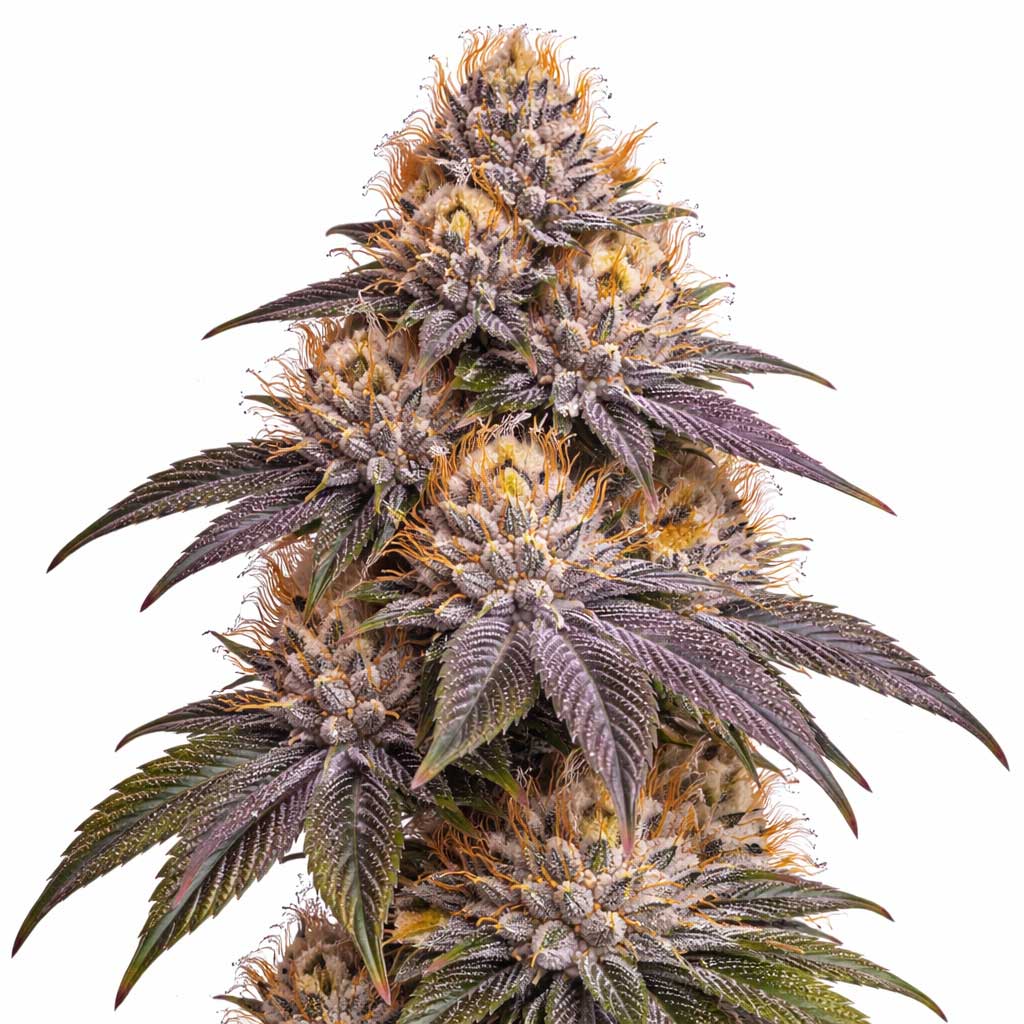
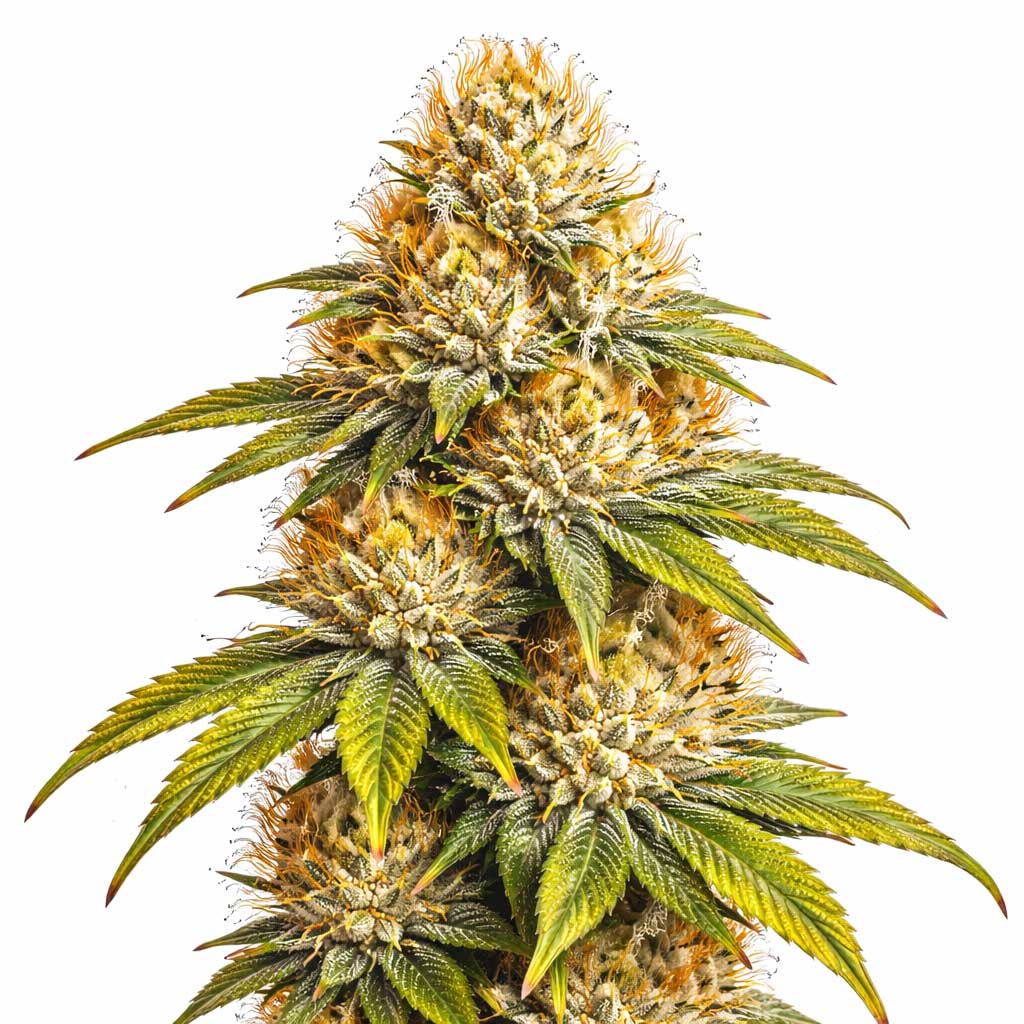
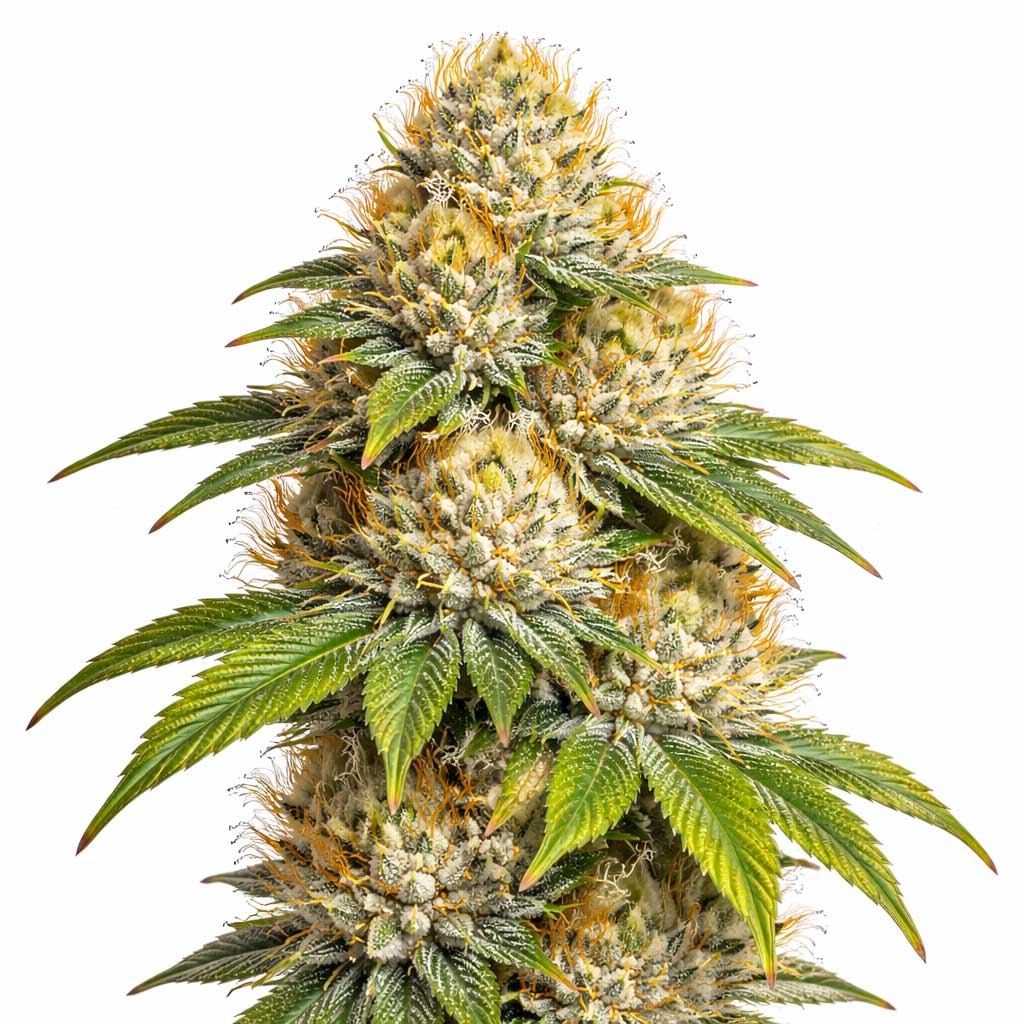
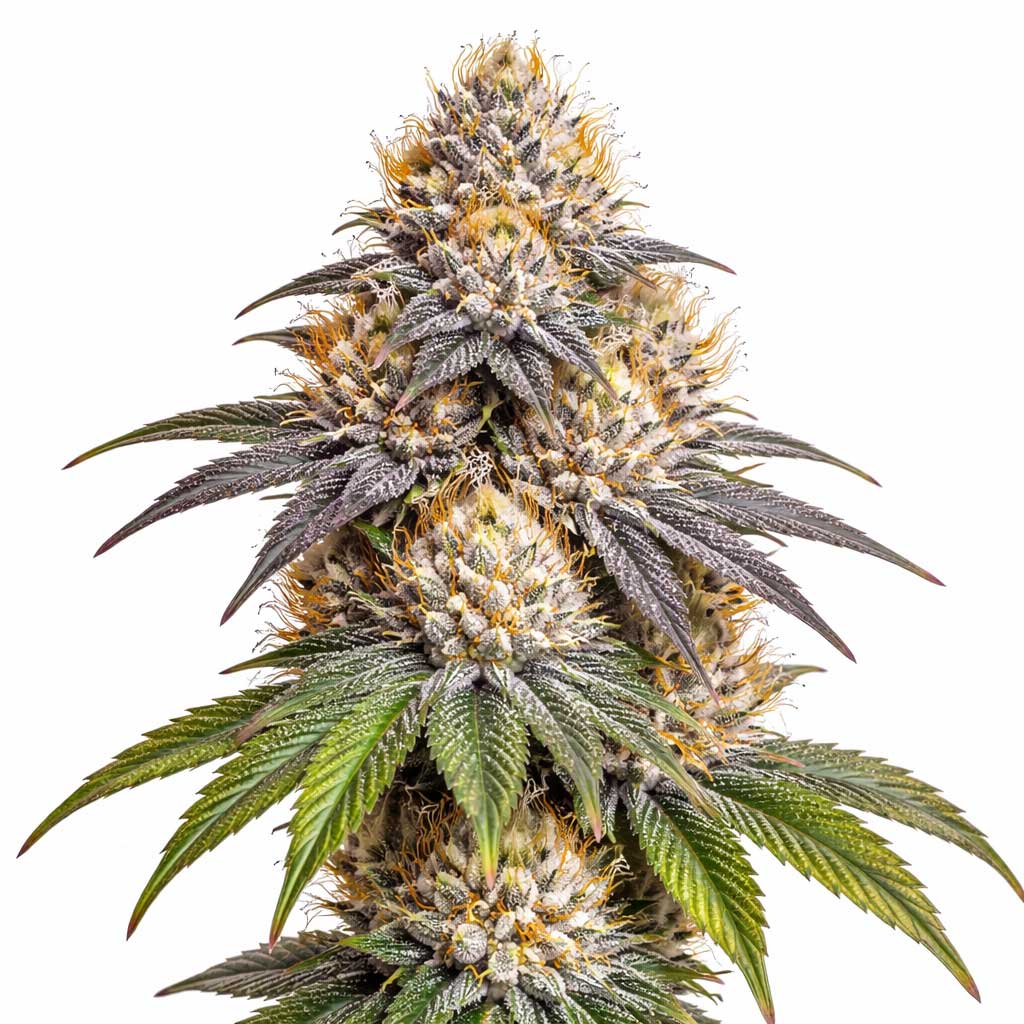
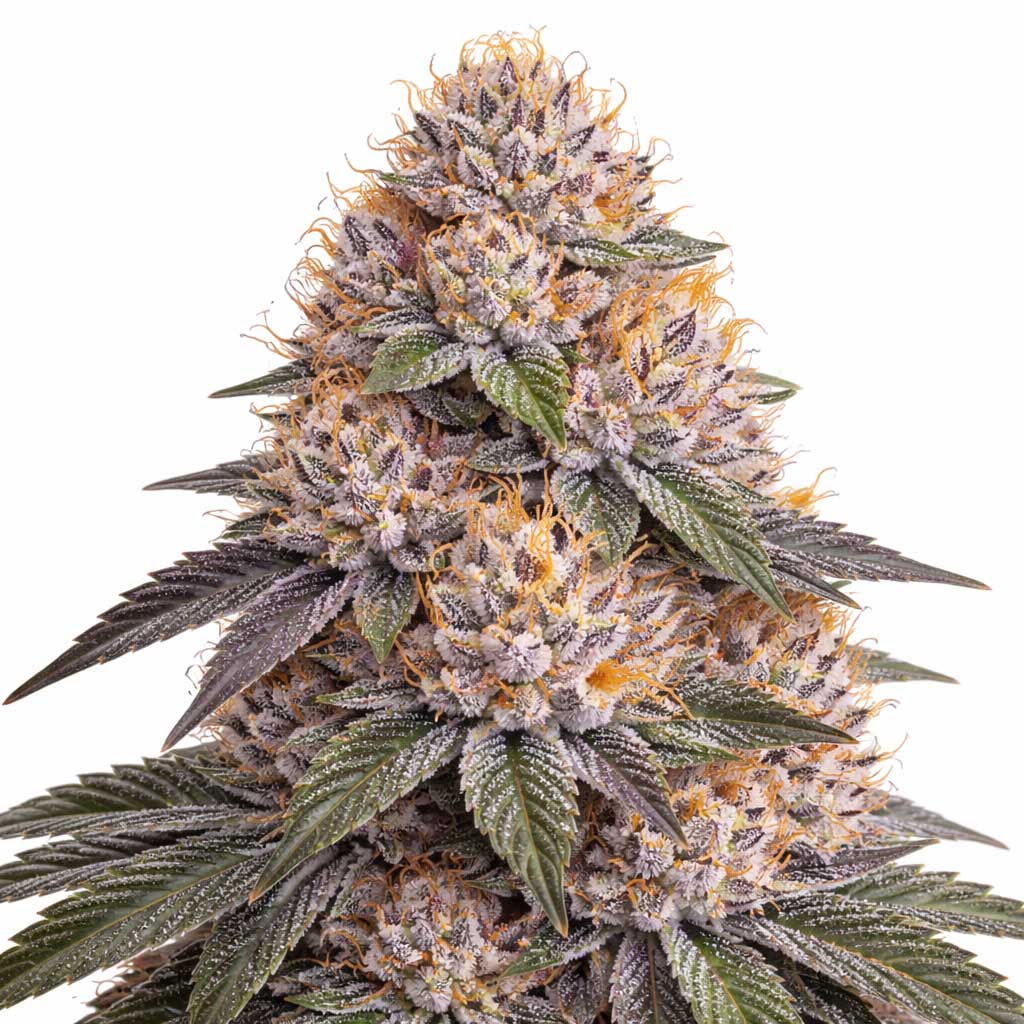
Purple Haze flowers are usually medium-density to somewhat airy in traditional sativa fashion, with visible trichome coverage and vibrant coloration in purple-accented phenotypes. Buds often display green and lavender tones with orange pistils running through the flower surface, creating the distinctive visual contrast that helped make the cultivar famous.
Effects & Use-Cases (Reported)
- Commonly reported effects: an energetic cerebral lift, creative momentum, and an alert, upbeat head-focused experience.
- Use-case context: often selected for daytime use, music, creative sessions, social conversation, or active settings where mental brightness is preferred.
- Note: These observations are anecdotal and do not constitute medical or therapeutic claims.
Observational Note: Purple Haze is frequently described as more mentally stimulating than physically heavy, making it more aligned with classic sativa expectations than sedative evening cultivars.
Potency Note: Effect intensity can vary by phenotype and batch quality. Consumers with lower tolerance may prefer a measured approach due to the cultivar’s potentially fast cerebral onset.
Aroma & Flavor Profile
- Aroma: sweet berry, earth, sharp spice, light citrus, and floral haze notes.
- Flavor: fruity sweetness with peppery spice, subtle herbal depth, and a bright haze-like finish.
- Terpene associations: frequently aligned with Myrcene, Caryophyllene, and Limonene, though outcomes vary between phenotypes and commercial samples.
Tested Cannabinoid & Terpene Ranges
| Compound | Typical Range* | Notes |
|---|---|---|
| Δ⁹-THC | ~16–24% | Potency can vary by breeder selection, phenotype, harvest maturity, and laboratory methodology. |
| CBD | ~0.1–0.5% | Typically present in comparatively low concentrations. |
| Myrcene | ~0.2–0.7% | Often associated with herbal-earth depth and part of the strain’s aromatic foundation. |
| Caryophyllene | ~0.1–0.5% | May contribute peppery spice and structural sharpness to the profile. |
| Limonene | ~0.1–0.5% | Can support the brighter citrus edge found in some phenotypes. |
*Ranges are literature-informed estimates and may differ depending on phenotype selection, cultivation inputs, curing quality, storage, and laboratory methodology.
Cultivation Notes
- Light Cycle: 18/6 during vegetative growth and 12/12 during flowering.
- Humidity Targets: ~55–60% in vegetative growth and 40–45% during flowering.
- Nutrition: Balanced feeding is often preferred, with careful bloom support as floral mass and resin production increase.
- Training Techniques: Topping, low-stress training, and canopy management may help control vertical stretch and improve light penetration.
- Odor Consideration: Distinct aromatic output may require carbon filtration in indoor environments.
- Harvest Window: Usually after a full sativa-style flowering cycle, often around 9–10 weeks indoors depending on phenotype.
Grower Notes (Week-by-Week Snapshot)
- Weeks 1–3: Active vegetative growth with upward momentum and early branch development.
- Weeks 4–5: Transition stretch becomes more pronounced as pre-flower sites begin forming.
- Weeks 6–7: Resin output rises, aroma sharpens, and color may begin showing in purple-leaning phenotypes.
- Weeks 8–10: Final floral swelling, trichome maturity, and terpene refinement before harvest timing decisions.
Genetic Lineage
Purple Haze is most commonly traced to Purple Thai and Haze. That lineage helps explain the cultivar’s strong sativa presentation, colorful phenotype potential, and layered aromatic structure combining sweet fruit, floral spice, and classic Haze sharpness. Because the strain has circulated for decades and has been reproduced across multiple breeding programs, exact expressions can differ somewhat from one version to another.
Research Insights
Purple Haze is often discussed in connection with classic sativa terpene interaction patterns, especially where sweet-fruity volatiles overlap with spicy and earthy compounds. In broader cannabis literature, such combinations are commonly studied for their contribution to sensory perception and cultivar differentiation, although research on terpene interaction remains an evolving scientific field.
Frequently Asked Questions
What are the parent strains of Purple Haze?
Purple Haze is most commonly identified as a cross of Purple Thai and Haze.

Is Purple Haze indica or sativa?
Purple Haze is generally classified as a sativa-dominant hybrid.
What does Purple Haze smell like?
The strain is commonly described as having a sweet, berry-spice aroma with earthy and lightly citrusy haze notes.
Why is Purple Haze famous?
Purple Haze became famous for its colorful appearance, uplifting classic-sativa character, and long-standing place in cannabis culture.
Educational Disclaimer: This page is provided strictly for scientific and horticultural reference. Cannabis cultivation, possession, and use are regulated by local laws. This content does not promote illegal activity or constitute medical advice. Always comply with applicable regulations in your jurisdiction.
Rate and review this strain
Ratings and reviews are accepted only from signed-in Google accounts.
Sign in with Google to leave a rating and written review.
Latest Reviews
0 reviewsNo reviews yet. Be the first Google user to rate and review this strain.