Platinum Kush (Cannabis Strain) — Strainpedia
Platinum Kush is a Kush-family cultivar that earns its name from the heavy trichome coverage rather than from any flashy novelty. The strain is usually associated with OG Kush and Afghani heritage, giving it a dense bud structure, a resin-rich finish, and an aroma that moves between pine, fuel, and earthy hash.
What sets this cultivar apart is the way those old-school Kush traits show up in a polished, modern-looking flower. Growers and consumers often describe a deep body-led effect style, while the flavor profile tends to stay grounded in woody spice and savory earth rather than sweeter dessert notes. Its reputation is built on texture, potency, and a clearly indica-leaning growth pattern.
Quick Facts
| Genetics | OG Kush x Afghani; exact sourcing varies by cut and regional selection |
|---|---|
| Original Breeder | Not clearly documented |
| Variety | Indica-dominant Hybrid |
| Flowering Time | Approximately 8–9 weeks indoors |
| Yield Potential | Moderate to high, depending on phenotype and training |
| Plant Height | Short to medium |
| Climate Preference | Warm, stable indoor or Mediterranean-style outdoor conditions |
| Difficulty | Moderate |
Strain Classification
| Type | Indica-dominant Hybrid |
|---|---|
| Genetic Family | Kush lineage with OG and Afghani influence |
| Primary Terpenes | Myrcene, Caryophyllene, Pinene* |
| Original Breeder | Not clearly documented |
| Breeding Lineage | OG Kush x Afghani, with several regional cuts and naming variations reported |
*Exact terpene dominance may vary by phenotype and cultivation method.
Scientific & Botanical Overview
Botanically, Platinum Kush fits squarely within the compact, resin-heavy profile associated with classic indica-leaning Kush lines. The plant typically expresses broad leaflets, shortened internodes, and a flower architecture that prioritizes calyx density over long spear-shaped colas. That makes it a useful reference point for growers studying how OG-derived material behaves when paired with older Afghani stock.
From a breeding perspective, the cultivar is interesting because it preserves the familiar Kush template while emphasizing exceptional frost and a strong finishing presence. The exact clone and breeder history can be inconsistent, which is common with legacy West Coast-era strains, so Platinum Kush is best viewed as a family name attached to a resin-forward expression rather than a single universally fixed seed line.
Appearance
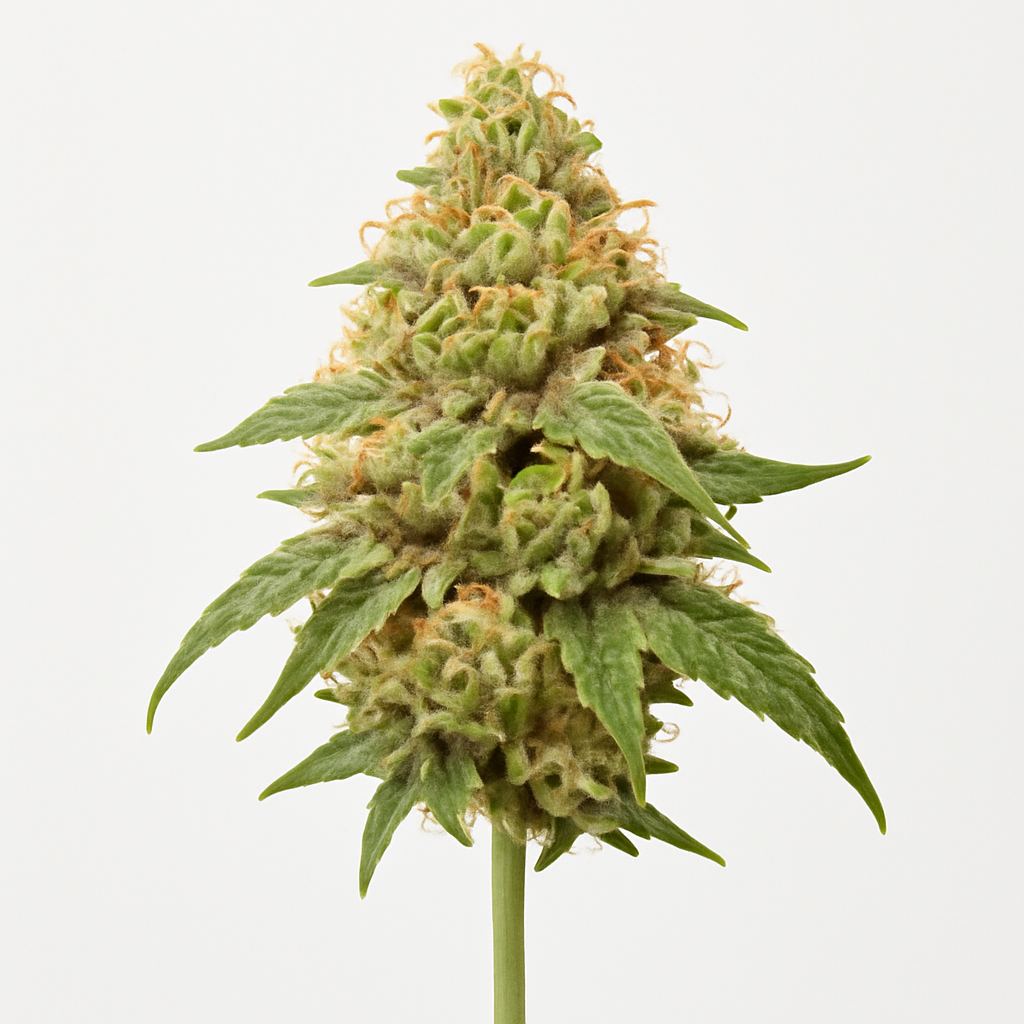
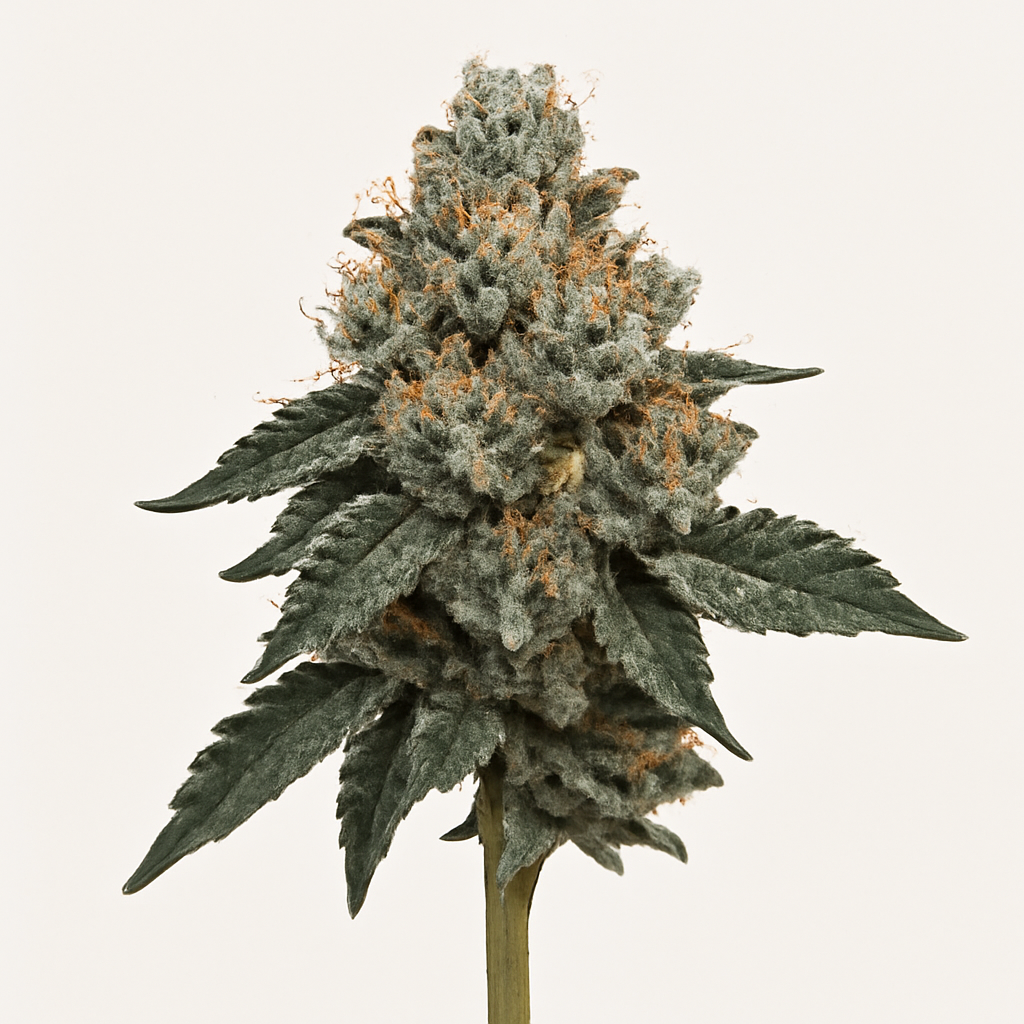
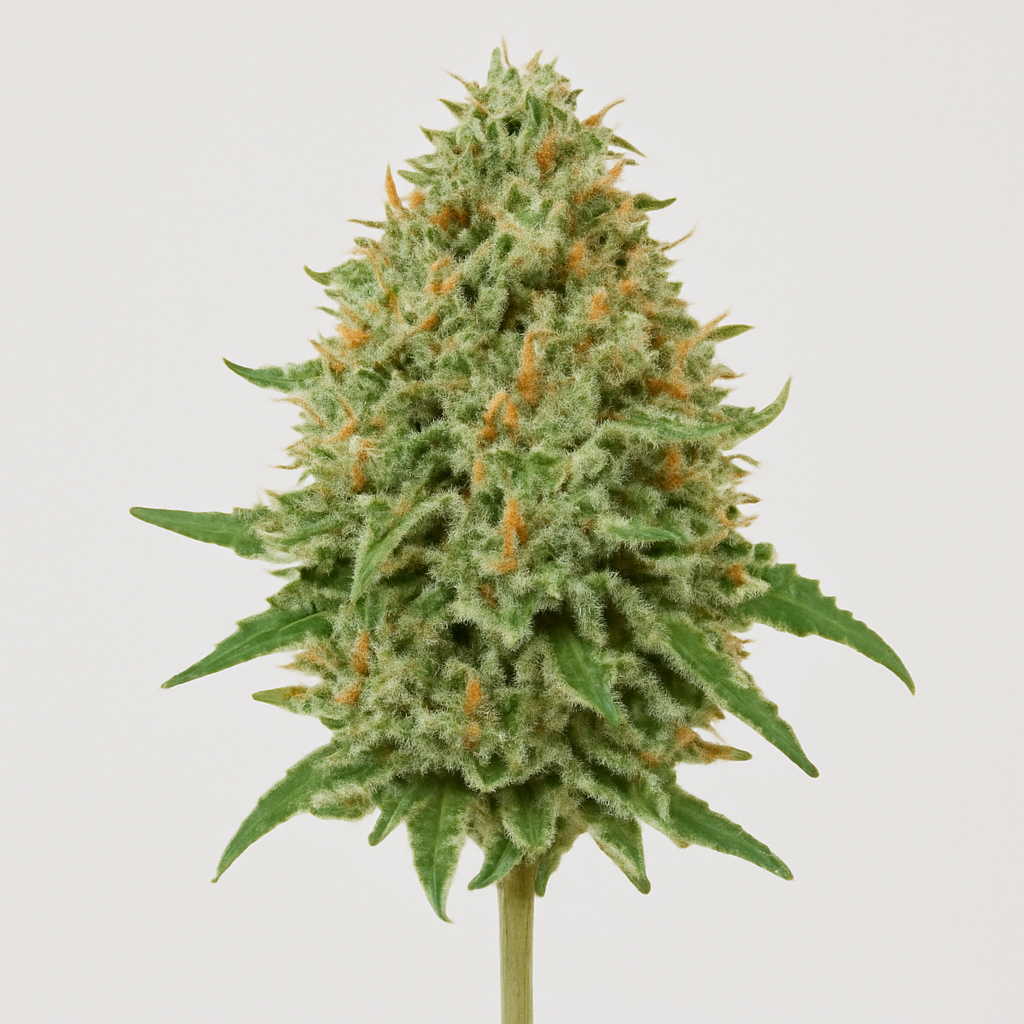
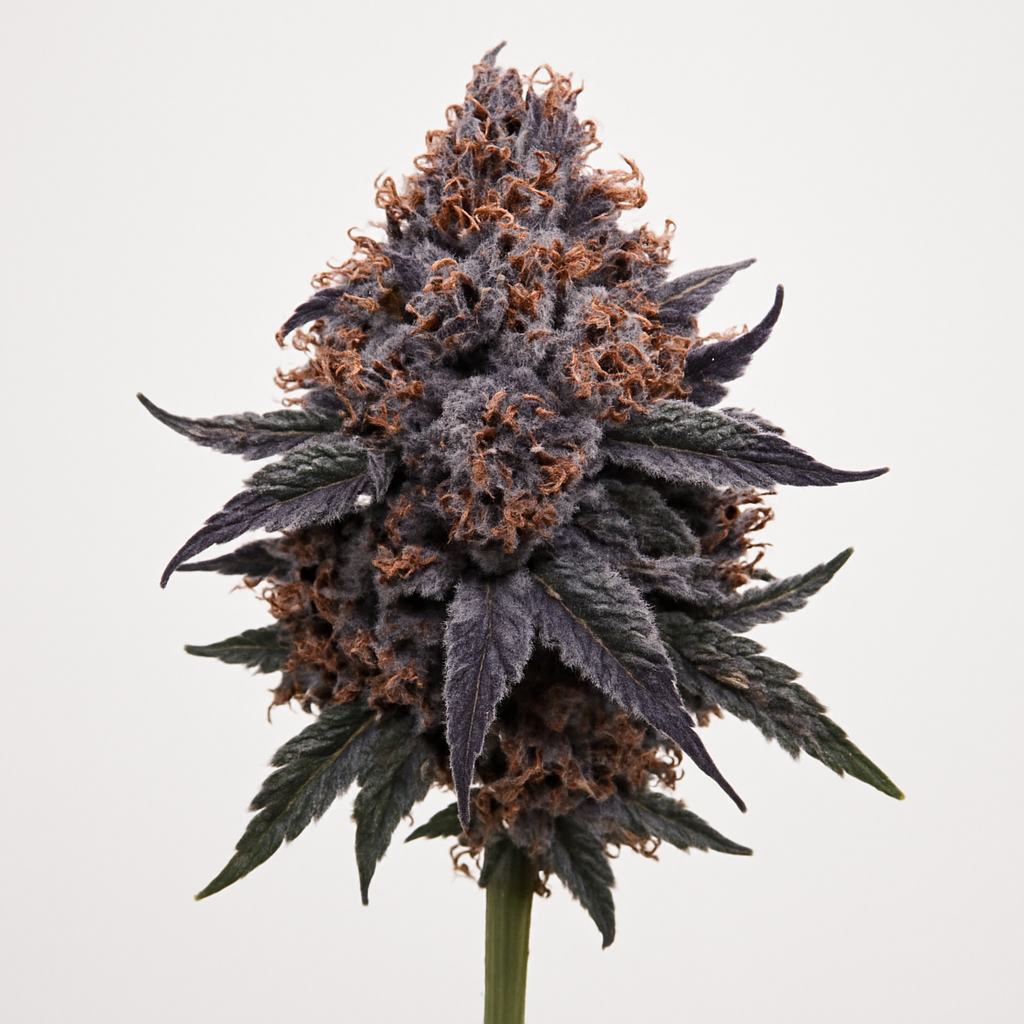
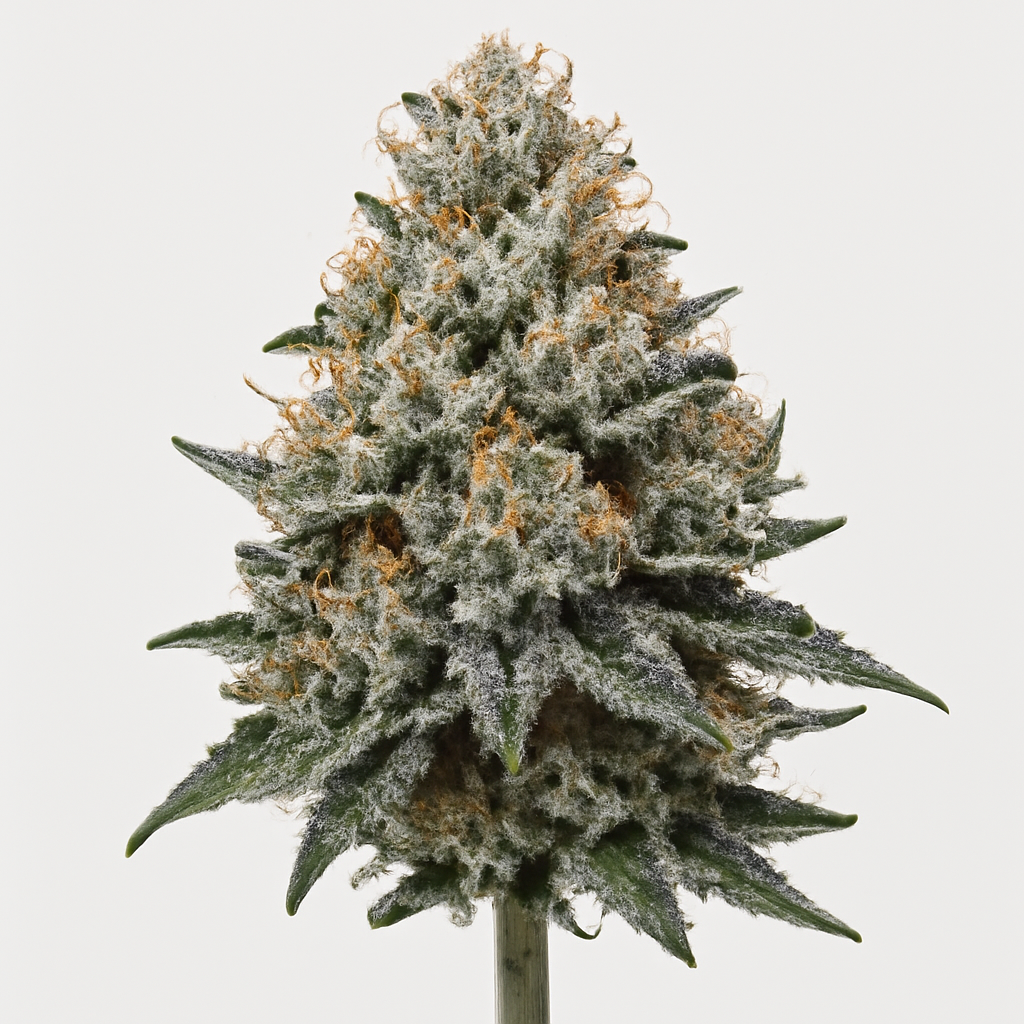
Platinum Kush flowers are typically compact, chunky, and heavily dusted with trichomes. A mature harvest often shows dark green buds with occasional purple or near-black shading, especially when nighttime temperatures dip late in flower. Orange pistils stand out sharply against the pale resin layer, creating a high-contrast look.
Phenotype variation is usually seen in bud density and color depth more than in overall shape. Some cuts finish with especially swollen calyxes and a nearly white resin sheen, while others lean greener and slightly airier, but nearly all well-grown examples carry the thick, reflective finish that defines the strain.
Effects & Use-Cases (Reported)
- Commonly reported effects: deep relaxation, quiet euphoria, physical heaviness, winding-down mental clarity, and a sedating finish
- Use-case context: often chosen for late-evening sessions, low-key social settings, or periods when a slower pace is preferred
- Body character: usually described as warm, grounding, and progressively relaxing rather than sharply cerebral
- Note: These observations are anecdotal and do not constitute medical claims.
Observational Note: Platinum Kush tends to move from an initial uplift into a heavier, more settled body state. The transition is part of its appeal, especially for users who prefer a strain that becomes more physically weighted as the session develops.
Potency Note: When cultivated and cured well, the strain can feel quite strong without relying on an especially loud terpene profile. Its effect is often remembered more for depth and duration than for a fast, bright onset.
Aroma & Flavor Profile
- Aroma: earthy pine, sweet musk, diesel, spice, and hash
- Flavor: woody pine, savory earth, peppery spice, fuel, and nutty hash
- Aftertaste: lingering pine-resin with a dry, peppered finish
- Terpene associations: commonly aligned with Myrcene, Caryophyllene, and Pinene.
For readers searching for Platinum Kush flavor, aroma, or smoke profile details, this is a strain that usually lands in the classic Kush lane rather than the candy or bakery category. Expect earthy, fuel-tinged notes with enough pine and spice to keep the profile sharp through the exhale.
Tested Cannabinoid & Terpene Ranges
| Compound | Typical Range* | Notes |
|---|---|---|
| Δ⁹-THC | ~18–24% | Commonly tested in the mid-to-high potency range. |
| CBD | <0.5% | Usually present only in trace amounts. |
| Myrcene | ~0.20–0.55% | Often contributes to the earthy, musky base note. |
| Caryophyllene | ~0.15–0.40% | Frequently linked to the peppery, resinous edge. |
| Pinene | ~0.05–0.20% | Can sharpen the pine and fresh-wood impression. |
*Ranges are estimates and may vary by phenotype, harvest timing, and testing methods.
Cultivation Notes
- Light Cycle: 12/12 for flowering indoors
- Humidity: Keep moderate to low in late bloom to protect dense flowers
- Stretch: Usually limited, with a compact and manageable vertical profile
- Training: Responds well to topping, light defoliation, and canopy leveling
- Odor Control: Strong resin aroma can become noticeable quickly in flower
- Harvest Window: Approximately 8–9 weeks indoors
Platinum Kush is straightforward for experienced growers who already manage humidity and airflow well. The tight bud structure makes environmental stability especially important near harvest, because the strain can stack resin heavily without much room between floral sites. Cooler finishing temperatures may help bring out darker coloration, but they should be used carefully to avoid slowing development.
Grower Notes (Week-by-Week Snapshot)
- Weeks 1–3: Establishes structure quickly with compact vegetative habits and modest stretch after the flip.
- Weeks 4–5: Flower sites thicken, resin begins to show early, and the canopy benefits from airflow refinement.
- Weeks 6–8: Buds gain density and frost, while aroma shifts toward fuel, pine, and earthy spice.
- Weeks 9–10: Final swell and ripening bring out peak trichome coverage; some phenotypes finish sooner within the range.
Genetic Lineage
Platinum Kush is generally traced to OG Kush crossed with Afghani, though documentation is not uniform across every source and cut. The OG Kush side is usually credited with the fuel, pine, and slightly lifted character, while Afghani contributes the compact flower form, darker finish potential, and classic hash-like depth. That combination explains why the strain reads as both familiar and distinctly resin-forward.
Because Platinum Kush circulated in multiple forms, it should be treated as a legacy cultivar name that may represent more than one closely related expression. In practical terms, the lineage places it firmly in the Kush family tree, with enough Afghani weight to keep the effect grounded and enough OG influence to preserve aromatic complexity.
Research Insights
Platinum Kush remains relevant because it sits at the intersection of old-school Kush genetics and modern market expectations for frosty, visually premium flower. It is also useful in search and retail contexts because buyers often compare it against other Kush and OG varieties when looking for dense buds, diesel-pine aroma, and a heavier evening profile. For breeders, the strain illustrates how a familiar backbone can be selected for stronger resin expression without losing its classic identity.
Frequently Asked Questions
Is Platinum Kush the same as OG Kush?
No. Platinum Kush is generally considered a separate Kush-family cultivar, usually linked to OG Kush and Afghani ancestry, but it is not interchangeable with OG Kush itself.
What does Platinum Kush taste like?
It is often described as earthy, piney, and fuel-forward, with peppery spice and a hash-like finish on the exhale.
How strong is Platinum Kush?
Potency is commonly reported in the mid-to-high THC range, often around 18–24%, though actual results depend on the grow and the tested batch.
Is Platinum Kush hard to grow?
It is usually considered moderate in difficulty. The plant is manageable in height, but dense flowers make airflow, humidity, and harvest timing important.
Why is it called Platinum Kush?
The name is generally tied to the heavy trichome coverage that gives mature flowers a pale, icy, almost platinum appearance.
Educational Disclaimer: This page is provided strictly for scientific and horticultural reference. Cannabis cultivation, possession, and use are regulated by local laws. This content does not promote illegal activity or constitute medical advice. Always comply with applicable regulations in your jurisdiction.
Rate and review this strain
Ratings and reviews are accepted only from signed-in Google accounts.
Sign in with Google to leave a rating and written review.
Latest Reviews
0 reviewsNo reviews yet. Be the first Google user to rate and review this strain.