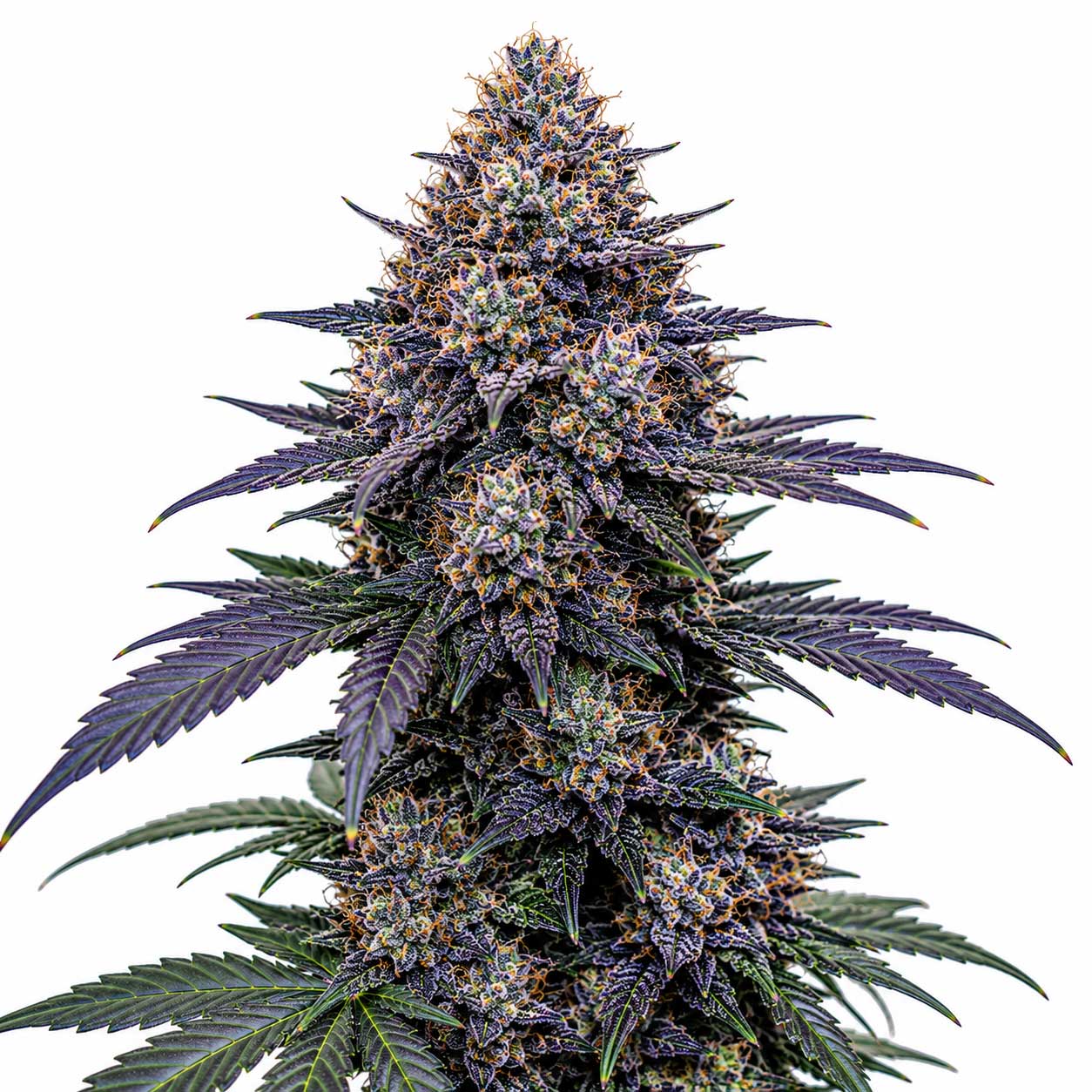
Blueberry (Cannabis Strain)
Blueberry is a premier, high-velocity hybrid cannabis cultivar commonly described as an indica-dominant hybrid with an approximate 80% indica / 20% sativa profile. Originally developed by DJ Short, it emerged as a nationwide standout in the 2026 connoisseur market for its timeless genetic stability, sweet berry terpene intensity, and a polished modern flavor profile.
Recognized for its high-terpene identity, Blueberry combines the exotic floral notes of Purple Thai with the robust, resinous power of Afghan. It is widely associated with dense, trichome-laden buds that exhibit deep blue and purple anthocyanins, offering a bright euphoric effect profile that feels mentally soothing and physically smooth. The information below is provided strictly for scientific and botanical reference.
Quick Facts
| Feature | Details |
|---|---|
| Genetics | Purple Thai × Afghan |
| Variety | Indica-dominant hybrid |
| THC Range | 16%–23% |
| Flowering Time | 8–9 weeks (56–63 days indoors) |
| Yield Potential | 400–500 g/m² (Moderate) |
| Plant Height | 90–110 cm; stout, bushy structure with heavy lateral branching |
| Climate Preference | Mild / Controlled Indoor (optimal for terpene preservation) |
| Difficulty | Intermediate (sensitive to over-feeding and high stress) |
Scientific & Botanical Overview
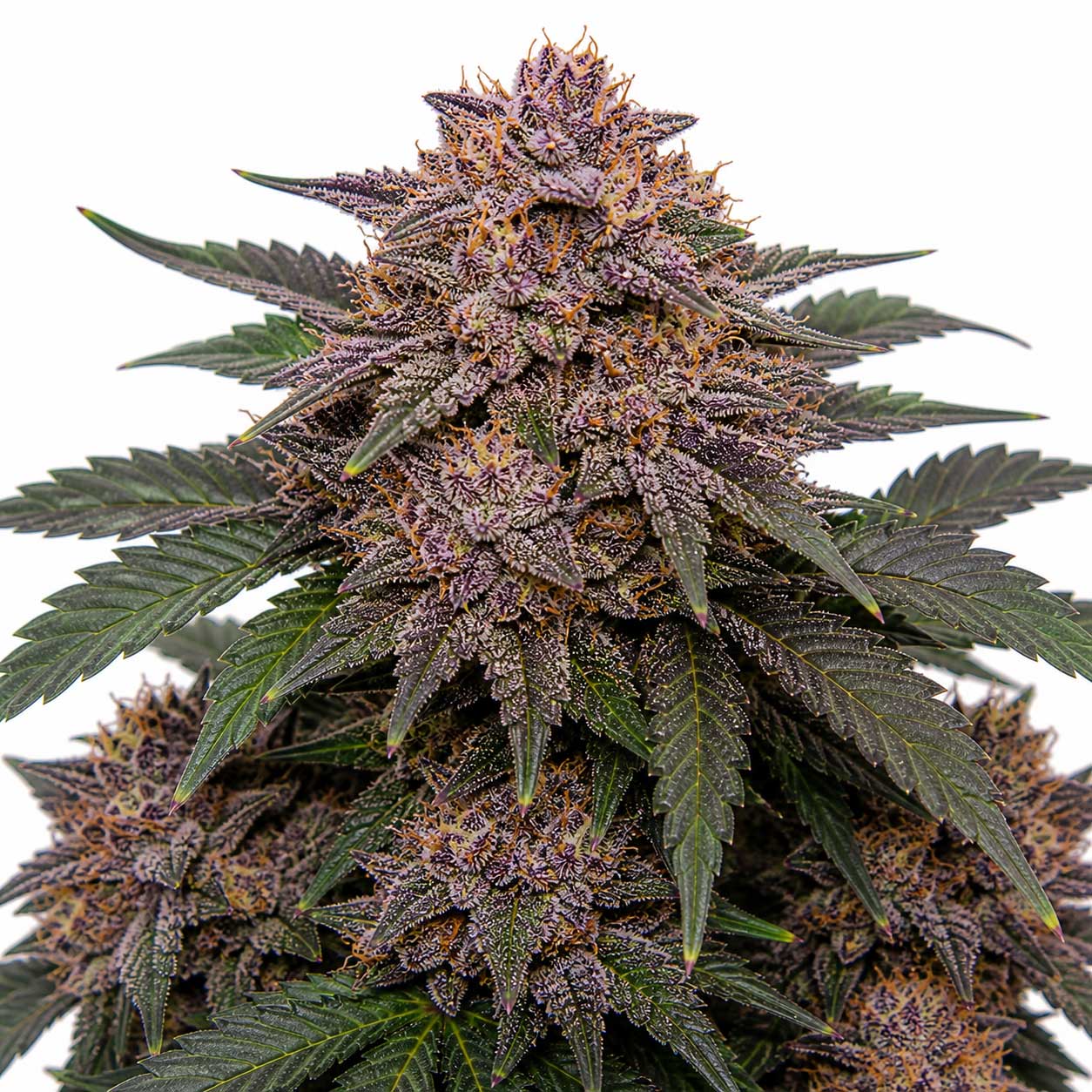
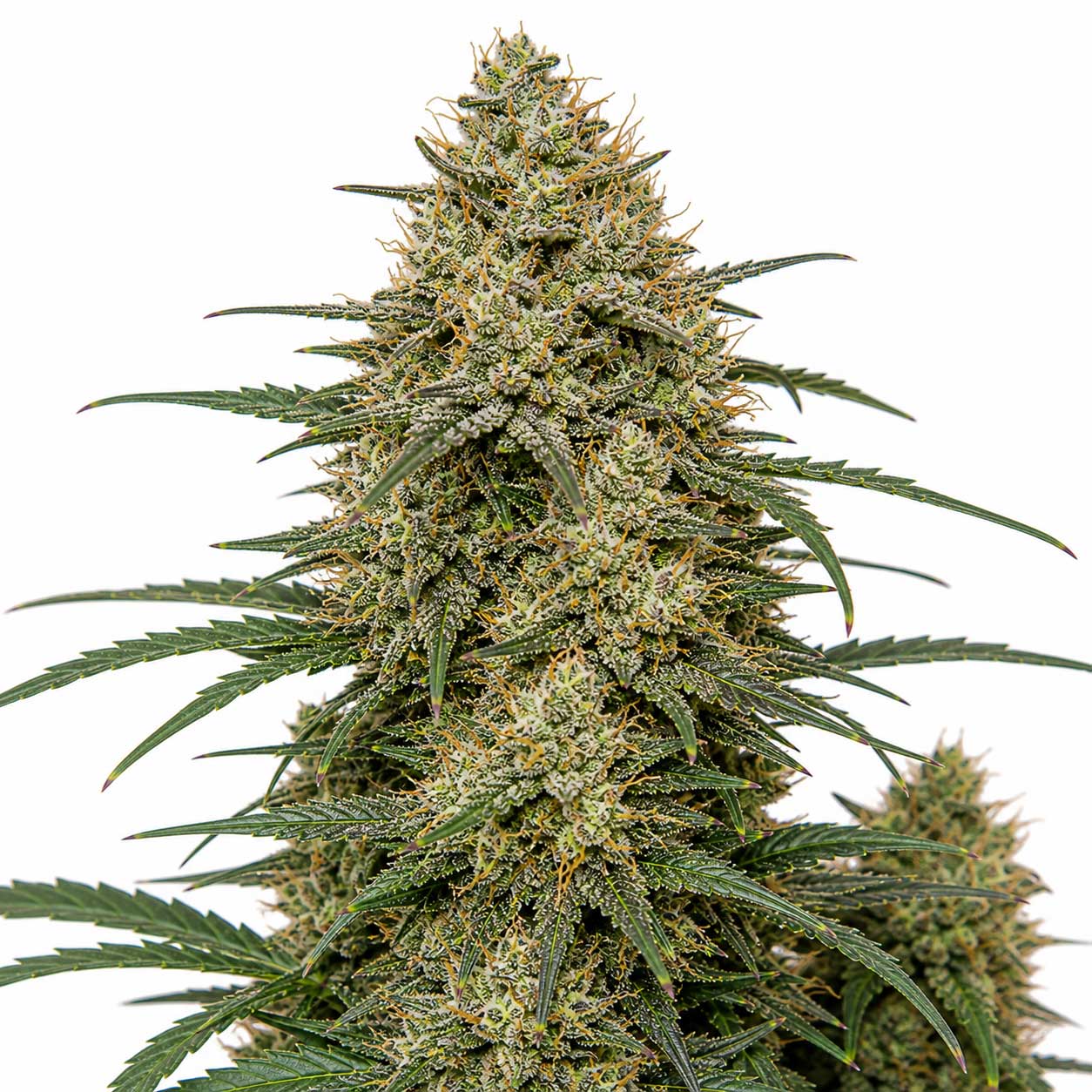
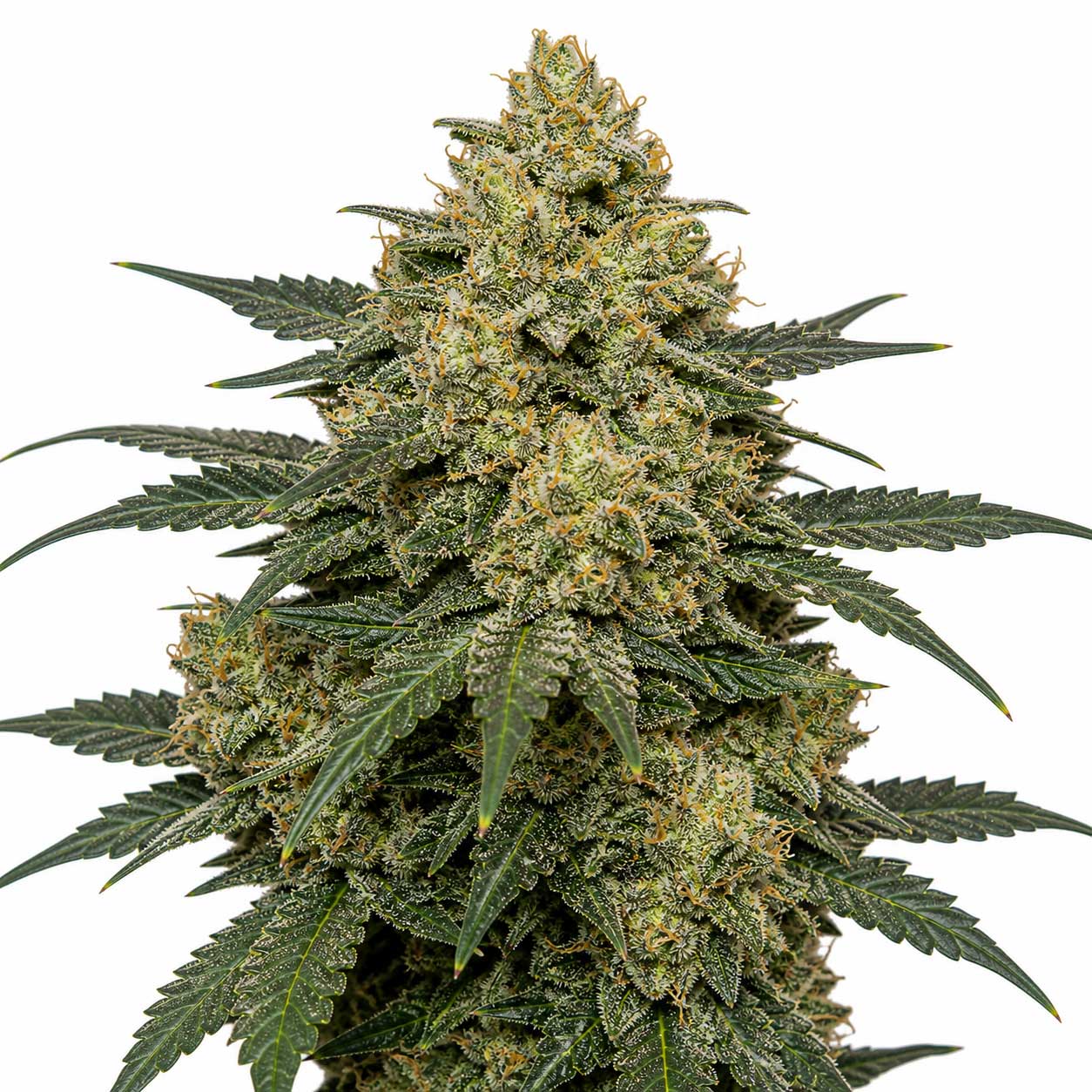
Blueberry exhibits a striking morphology, producing compact, heavy colas that shift from deep forest green to vibrant shades of indigo and violet in the final stages of flowering. The flowers are typically coated in a glassy layer of medium-sized trichomes that gives the buds a dusty, “frosted berry” appearance. This premium visual finish remains a benchmark in boutique circles focused on genetic lineage and resin quality.
Botanically, the cultivar stands out for its high concentration of myrcene and caryophyllene, a pairing often associated with a smoother, more “jam-like” aromatic definition than sharper citrus hybrids. This combination helps create the sweet-fruit and earthy-floral profile that distinguishes Blueberry from more conventional gas or pine-heavy crosses.
Blueberry is especially notable because it combines classic breeding precision with a reliable, long-lasting euphoric effect rather than leaning into modern industrial fuel notes alone.
Effects & Use-Cases (Reported)
Commonly reported effects: a gentle electric cerebral onset, enhanced sensory appreciation, elevated mood, and a smoothing full-body relaxation often described as “high-definition” serenity.
Use-case context: Blueberry is highly versatile and is often associated with evening social sessions, creative decompression, and outdoor exploration. Many users describe it as mentally sparking and physically cushioned, making it a strong option for those who want tranquility and presence without an overly heavy or “couch-locked” finish.
Note: These observations are anecdotal reports and should not be interpreted as medical claims.
Aroma & Flavors
Aroma: A loud bouquet of fresh blueberries, sweet muffin dough, earthy spice, and subtle floral sharpness.
Flavor: The inhale is commonly described as sweet and jam-like with berry notes, while the exhale becomes smoother, doughy, peppery, and lightly herbal.
Terpene associations: Myrcene, Caryophyllene, Pinene, and Linalool.
Tested Cannabinoid & Terpene Ranges
| Compound | Typical Range* | Notes |
|---|---|---|
| Δ9-THC | 16.0%–23.0% | Moderate to potent range often associated with a functional, balanced experience |
| CBG | 0.5%–1.5% | Notable minor-cannabinoid presence sometimes associated with mental clarity |
| Myrcene | 0.8%–1.5% | Drives the earthy berry sweetness and deep physical relaxation |
| Caryophyllene | 0.4%–0.8% | Adds spicy depth and helps support body comfort |
| Pinene | 0.2%–0.5% | Supports the fresh evergreen notes and mental alertness |
*Ranges are literature-informed references for 2026 boutique harvests and may vary by phenotype, cultivation environment, harvest timing, and analytical method.
Cultivation Notes
- Light Cycle: 18/6 vegetative and 12/12 flowering.
- Humidity Targets: Keep strictly between 45% and 55% during the final 3 weeks. The dense structure requires consistent airflow to protect resin quality.
- Nutrition: Moderate feeder; responds best to organic nutrient schedules with specific attention to calcium and magnesium.
- Training: Low-Stress Training (LST) and topping are recommended to manage its bushy canopy and support large colas.
- Harvest Window: Mid-October outdoors in the Northern Hemisphere.
Grower Notes (Week-by-Week Snapshot)
- Weeks 1–3 (The Transition): Low to moderate stretch; the plant focuses on establishing strong lateral branches and a wide canopy.
- Weeks 4–6: Resin production begins aggressively; the room fills with a distinct sweet fruit and earthy floral aroma.
- Weeks 7–9: Final finishing phase, where buds harden significantly and cooler night temperatures trigger the expression of deep blue and purple hues.
- Post-Harvest: A slow 14-day dry around 16 °C and 60% RH followed by at least a 6-week cure is essential to preserve the volatile berry-forward terpene profile.
Genetic Lineage
Blueberry is commonly described as a masterpiece cross between Purple Thai and an elite Afghan landrace. Purple Thai contributes the uplifting mental clarity, elongated sativa colas, and vibrant colors. The Afghan parent provides the robust structure, dense resin production, and deep physical comfort.
This pairing helps explain why Blueberry feels more refined, flavorful, and mentally sparking than many modern indica-dominant crosses while still preserving heavy resin density and aesthetic beauty.
Research Insights
Blueberry is notable in discussions around Myrcene-Caryophyllene-Pinene interplay. This combination is often associated with stress reduction, sensory enhancement, and a smoother mental tone, which may help explain why many users describe the cultivar as euphoric and vividly tranquil without becoming overly sedated.
From a breeding and market perspective, Blueberry remains a pillar for “Flavor-First” genetics, serving as the genetic foundation for dozens of modern high-performance hybrids like Blue Dream and Berry White.
Frequently Asked Questions
Is Blueberry a daytime or nighttime strain?
Blueberry is generally considered more suitable for evening or afternoon use because of its relaxing physical profile and calming mental effect.
Does Blueberry really taste like berries?
Many users describe the flavor as distinctly sweet and fruity, often comparing it to fresh blueberries or sugary berry preserves.
Why is it called Blueberry?
The name is derived from its signature aroma of fresh berries and the striking blue and purple colors the plant develops during late flower.
What makes Blueberry stand out?
Its standout traits include sweet berry aroma, vibrant blue/purple buds, strong sensory uplift, and a polished euphoric effect profile that remains physically smooth.
Educational Disclaimer
This page is provided for scientific and horticultural reference only. Cannabis laws vary by jurisdiction; always ensure compliance with local regulations.
Rate and review this strain
Ratings and reviews are accepted only from signed-in Google accounts.
Sign in with Google to leave a rating and written review.
Latest Reviews
0 reviewsNo reviews yet. Be the first Google user to rate and review this strain.