Papaya (Cannabis Strain) — Strainpedia
Papaya stands apart for its tropical fruit character and dense, resin-forward flowers, a profile that traces back to the classic Mango x Citral #13 pairing. The strain is often described as leaning indica in structure and finish, with sweet papaya, mango, and citrus notes that show up early in flower and deepen at cure.
In modern menus and legacy grow circles, Papaya is valued for its compact bud architecture, fast indoor flowering window, and aromatic intensity rather than novelty branding. Its lineage is not always documented with perfect consistency across seed lines, but the core expression remains recognizable: lush fruit terpenes, earthy spice, and a typically calming effect style that many consumers associate with evening use.
Quick Facts
| Genetics | Mango x Citral #13 |
|---|---|
| Original Breeder | Mendocino Seeds (widely circulated selection; exact origin details are not always consistent) |
| Variety | Indica-dominant Hybrid |
| Flowering Time | Approximately 8–9 weeks indoors |
| Yield Potential | Moderate to high under stable conditions |
| Plant Height | Medium height, with moderate stretch |
| Climate Preference | Warm, dry, well-ventilated environments |
| Difficulty | Moderate |
Strain Classification
| Type | Indica-dominant Hybrid |
|---|---|
| Genetic Family | Tropical fruit line with citrus-spice and resinous indica influence |
| Primary Terpenes | Myrcene, limonene, caryophyllene* |
| Original Breeder | Mendocino Seeds (widely circulated selection; exact origin details are not always consistent) |
| Breeding Lineage | Mango x Citral #13 |
*Exact terpene dominance may vary by phenotype and cultivation method.
Scientific & Botanical Overview
Botanically, Papaya presents as a compact hybrid with indica-leaning morphology, shortened internodal spacing, and a tendency to produce dense inflorescences. The cultivar’s resin output is often notable, which makes it appealing to growers and extract-focused processors who want fruit-driven material with a strong aromatic footprint.
From a breeding perspective, Papaya is a useful example of how tropical-fruit selections can be paired with sharper citrus and spice genetics to create a more layered terpene expression. While exact selection history can differ between archives and seed lines, the strain’s core identity has remained stable enough that experienced users usually recognize it quickly by smell, bud texture, and finish.
Appearance
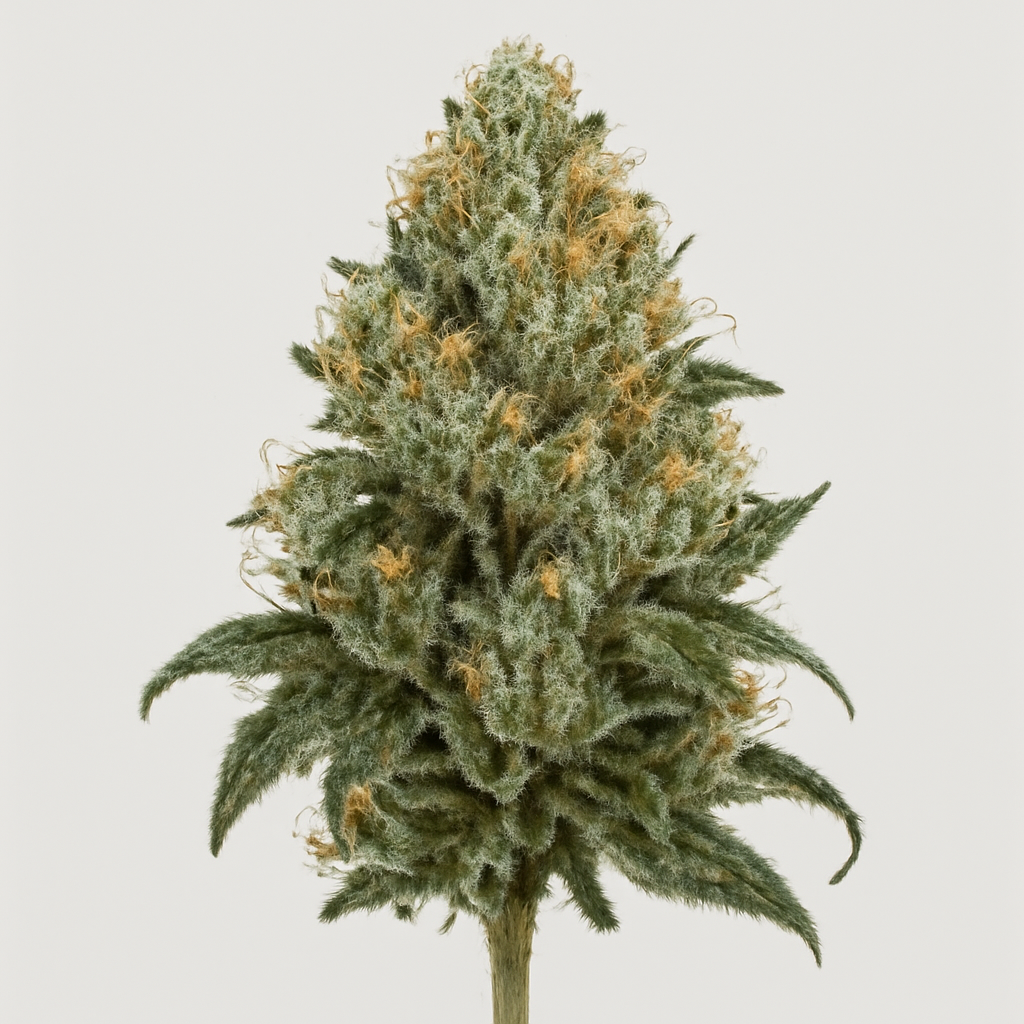
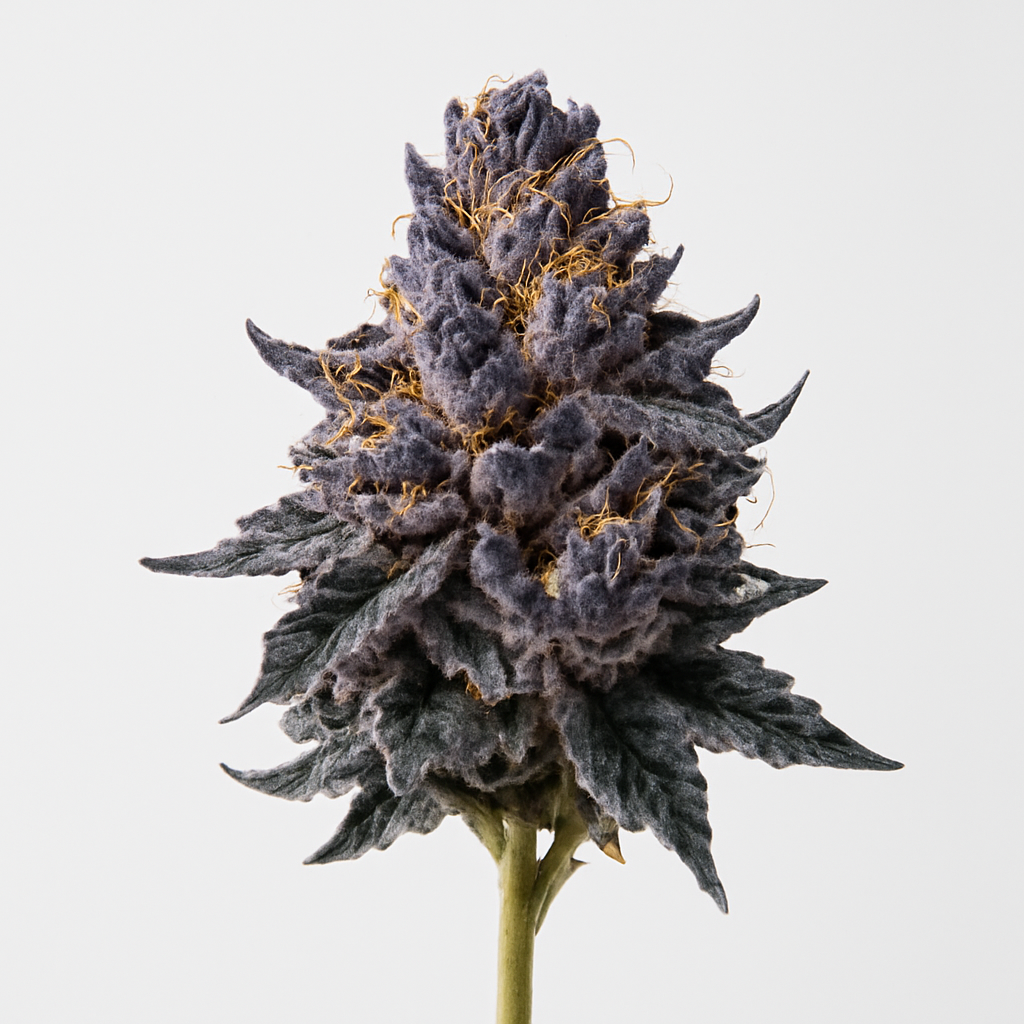
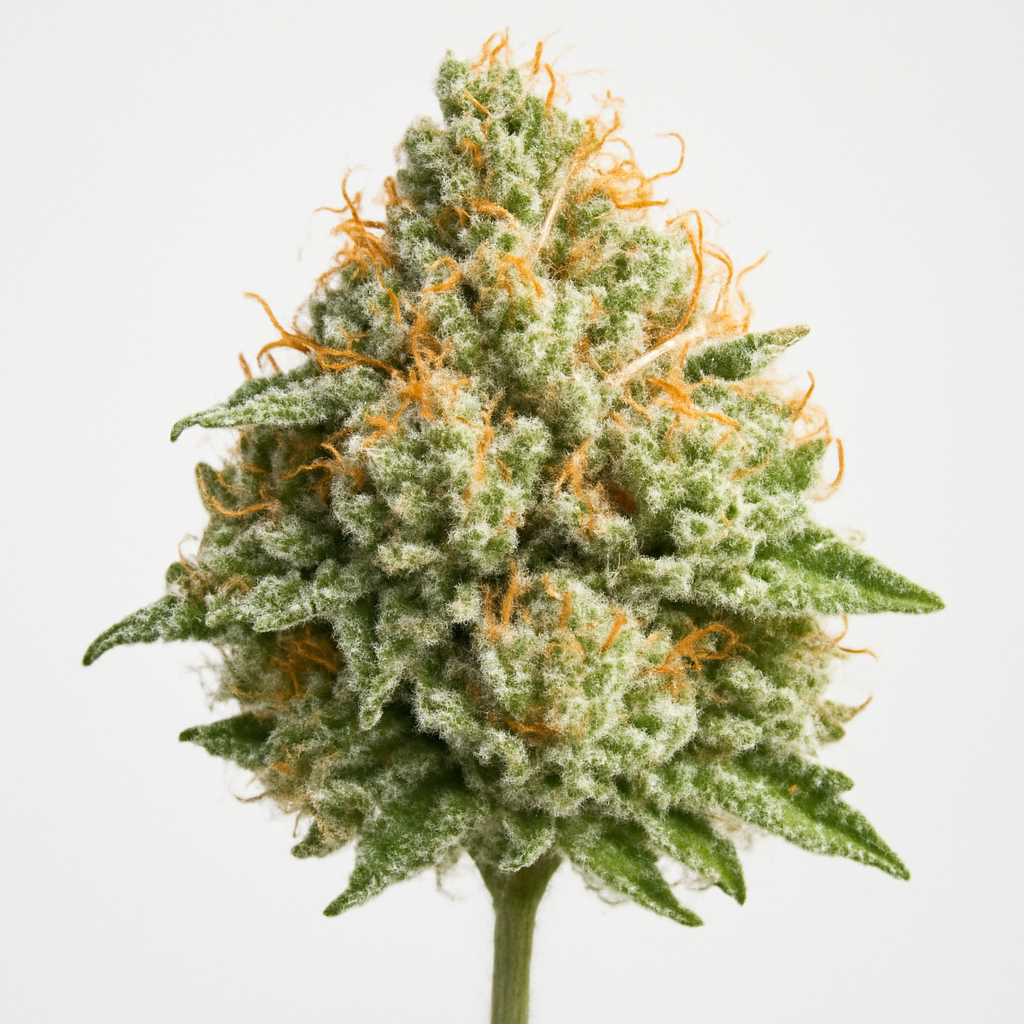
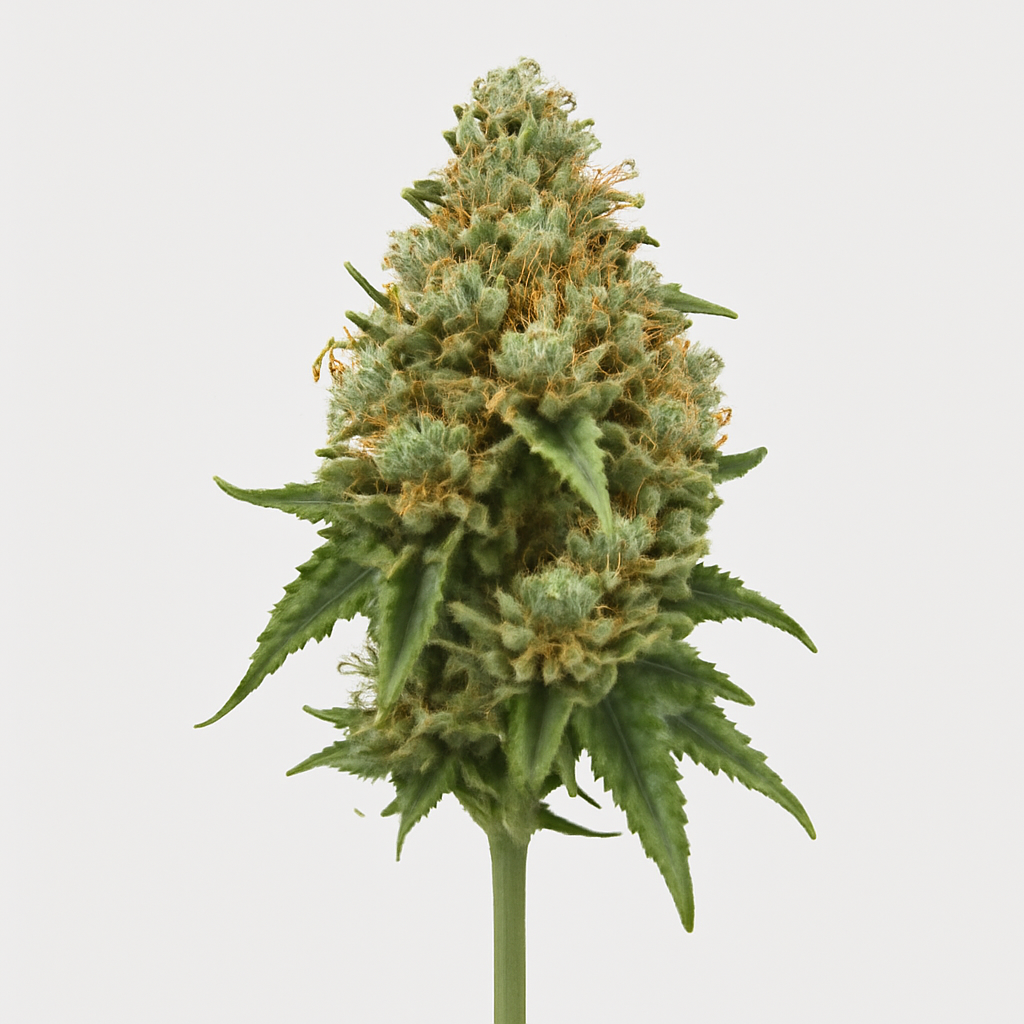
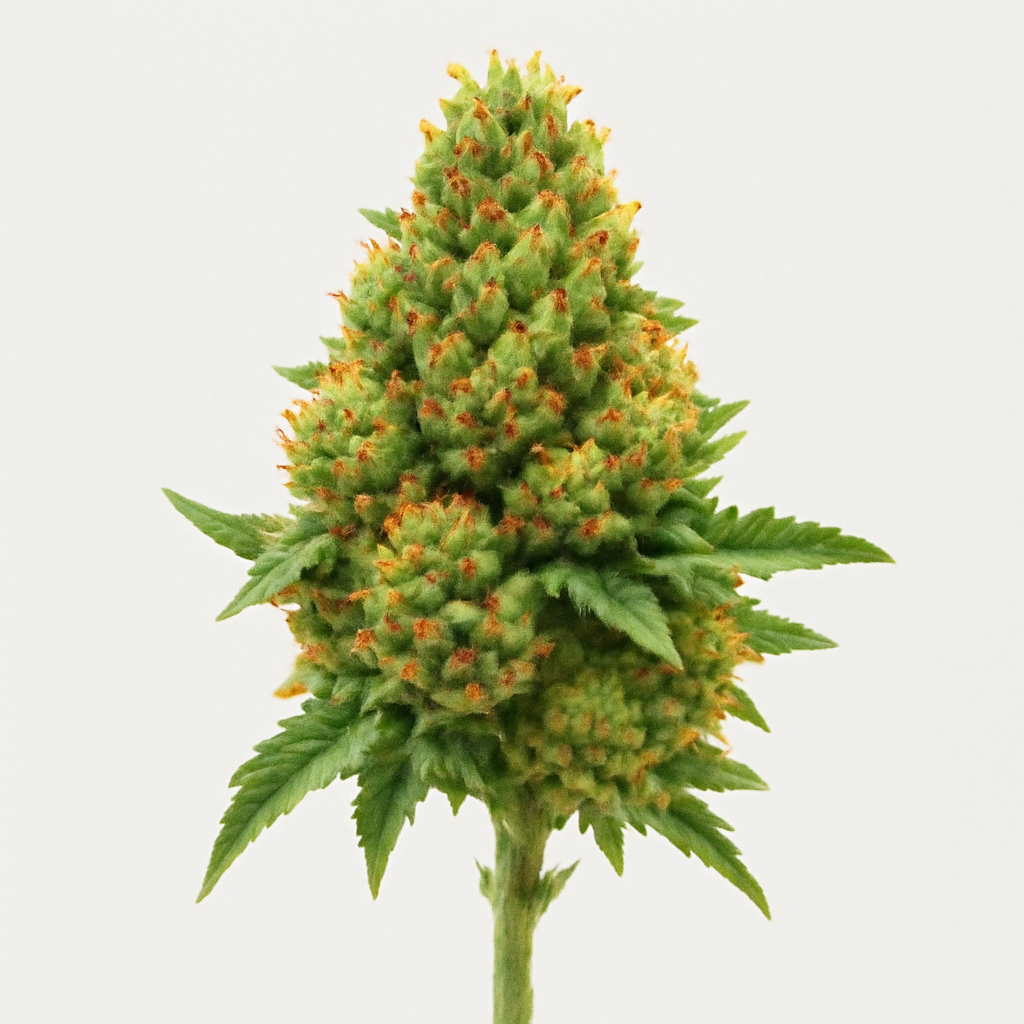
Papaya buds are typically dense and rounded, with a compact shape that reflects its indica-leaning growth habit. The flowers often show bright green to deeper forest-green tones, offset by rust-orange pistils and a thick coating of glandular trichomes that can make the buds appear heavily dusted.
Phenotype variation is usually seen in bud density and color intensity rather than in dramatic structural changes. Some cuts bring out lighter lime tones and a slightly airier stack, while others finish darker and more compressed, especially when grown under cooler late-flower conditions.
Effects & Use-Cases (Reported)
- Commonly reported effects: relaxed, uplifted, calm, euphoric, physically easing
- Use-case context: often chosen for late-day sessions, slow-paced social settings, or downtime when users prefer a softer mental tone
- Body character: frequently described as warm and grounding, with a gradual settling effect rather than a sharp onset
- Note: These observations are anecdotal and do not constitute medical claims.
Observational Note: Papaya is usually discussed as a strain that starts with a pleasant lift and then eases into a quieter, more settled finish. That progression is part of its appeal for consumers who prefer flavor-driven flower without an aggressively racy profile.
Potency Note: Well-grown examples can test high in THC, so the experience may feel more pronounced than the strain’s soft fruit aroma suggests. Novice consumers often approach it carefully because the sweetness can mask a surprisingly stout cannabinoid load.
Aroma & Flavor Profile
- Aroma: ripe tropical fruit, mango nectar, citrus peel, earthy spice, musky sweetness
- Flavor: papaya, mango, orange zest, sweet herb, light spice
- Aftertaste: lingering tropical sweetness with a faint herbal-citrus edge
- Terpene associations: commonly aligned with myrcene, limonene, and caryophyllene.
For readers searching for a Papaya strain aroma and flavor profile, the clearest expectation is tropical fruit first, with a sweet mango-papaya core and a subtle musky spice underneath. The terpene mix often reads as lush and dessert-like on the inhale, then slightly citrusy and herbal on the exhale.
Tested Cannabinoid & Terpene Ranges
| Compound | Typical Range* | Notes |
|---|---|---|
| Δ⁹-THC | ~20–26% | Often tests firmly potent in top-shelf indoor flower. |
| CBD | <0.5% | Typically minimal in most commercial cuts. |
| Myrcene | ~0.20–0.60% | Supports the ripe, musky fruit character. |
| Limonene | ~0.15–0.45% | Contributes citrus lift and a brighter top note. |
| Caryophyllene | ~0.10–0.35% | Adds spice, depth, and a dry finish. |
*Ranges are estimates and may vary by phenotype, harvest timing, and testing methods.
Cultivation Notes
- Light Cycle: 18/6 during vegetative growth; 12/12 for flowering
- Humidity: Moderate early, then lower humidity in late flower to protect dense buds
- Stretch: Moderate; usually manageable with an even canopy
- Training: Responds well to topping, LST, and light defoliation
- Odor Control: Strong late-flower fragrance makes filtration highly advisable indoors
- Harvest Window: Approximately 8–9 weeks indoors
Papaya is generally straightforward for growers who can maintain airflow and keep the canopy open enough to prevent moisture buildup in the tightest colas. Its shorter flower time and dense resin production make it especially attractive for small indoor rooms, though careful environmental control helps preserve the fruit-forward terpene profile through harvest.
Grower Notes (Week-by-Week Snapshot)
- Weeks 1–3: Rapid vegetative establishment, fast root development, and early branching that benefits from low-stress shaping.
- Weeks 4–5: Flower sites begin stacking quickly, with aroma starting to shift toward sweet tropical fruit and citrus.
- Weeks 6–8: Buds thicken noticeably, trichome coverage intensifies, and odor control becomes more important as the canopy tightens.
- Weeks 9–10: Final ripening focuses on resin maturity, pistil recession, and preserving terpene quality before harvest.
Genetic Lineage
Papaya is generally traced to Mango crossed with Citral #13. Mango is often credited with the strain’s lush fruit sweetness and rounded finish, while Citral #13 is associated with sharper citrus notes, spice, and a more expressive resin profile. The combination produces a cultivar that feels tropical at the front end but lands with a drier, more herbal base.
Research Insights
Papaya remains relevant in the modern market because it sits at the intersection of old-school fruit breeding and contemporary demand for terpene-rich flower. It also performs well in search landscapes where users look for tropical cannabis flavors, fast-flowering indica-dominant hybrids, and strains that deliver a clear aromatic identity without depending on hype-driven branding. For breeders, it is a useful reference point for fruit-forward selection work and resin expression.
Frequently Asked Questions
Is Papaya more sweet or earthy?
Papaya is usually read as sweet and tropical first, with earthy spice appearing underneath the fruit notes. The earthy side becomes more noticeable in well-cured flower.
How strong is Papaya typically?
Many examples test in the low- to mid-20% THC range, so it is often considered a potent flower. The exact experience depends on phenotype, harvest timing, and post-harvest handling.
What does Papaya smell like when broken apart?
When disturbed, the buds often release a richer mango-papaya aroma with citrus peel and a faint musky spice. Grinding the flower usually makes the fruit notes more pronounced.
Is Papaya difficult to grow?
It is usually considered moderate rather than difficult. The main challenge is controlling humidity and airflow around its dense flowers as bloom progresses.
What kind of effects do people report from Papaya?
People commonly describe a calm, relaxed, slightly euphoric experience with a body-heavy finish. It is often selected for quiet evenings or low-key downtime.
Educational Disclaimer: This page is provided strictly for scientific and horticultural reference. Cannabis cultivation, possession, and use are regulated by local laws. This content does not promote illegal activity or constitute medical advice. Always comply with applicable regulations in your jurisdiction.
Rate and review this strain
Ratings and reviews are accepted only from signed-in Google accounts.
Sign in with Google to leave a rating and written review.
Latest Reviews
0 reviewsNo reviews yet. Be the first Google user to rate and review this strain.