Mango Kush (Cannabis Strain) — Strainpedia
Mango Kush is an old-school indica-leaning hybrid that stands out for its ripe tropical aroma and kush-heavy finish. The strain is generally described as a Mango x Hindu Kush cross, giving it a sweet fruit identity over a denser, earthier backbone that separates it from flatter dessert cultivars.
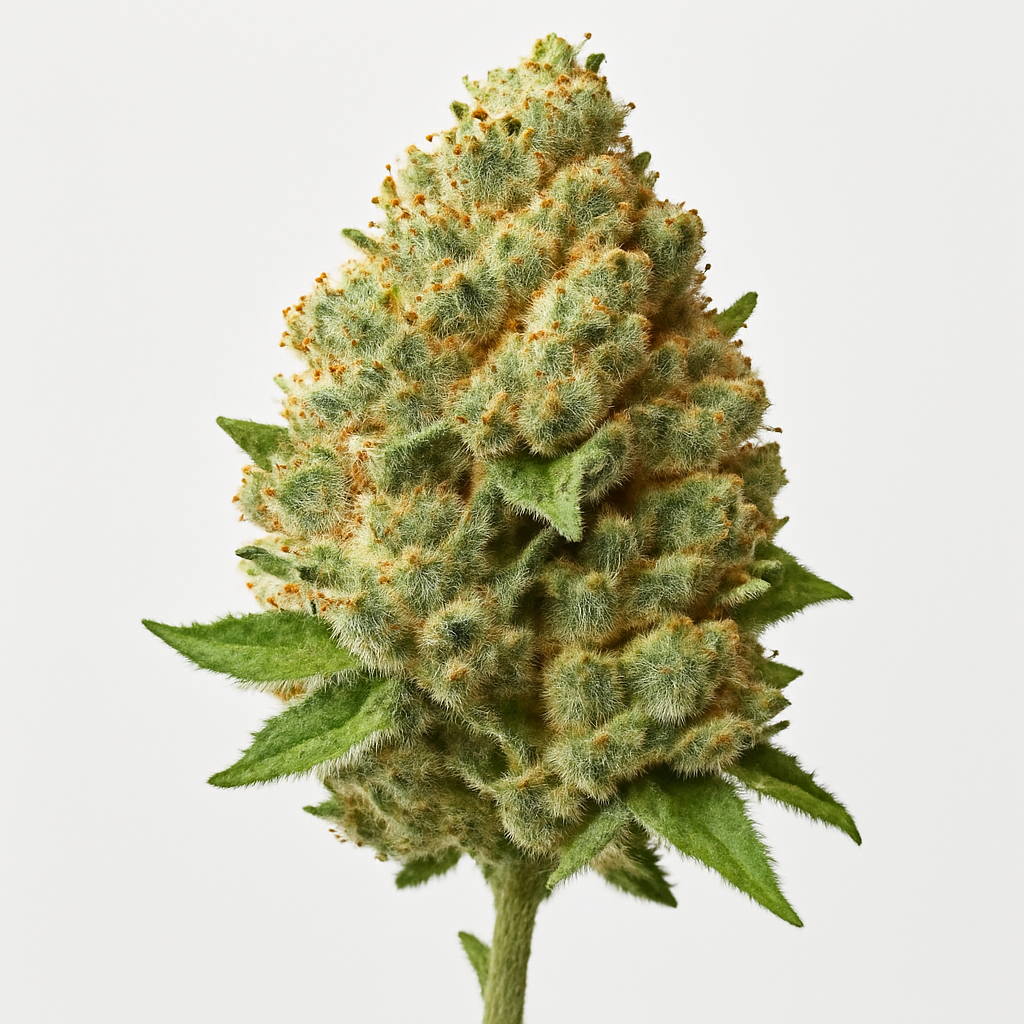
In flower, Mango Kush often shows compact buds, orange pistils, and a resin layer that can become especially pronounced toward harvest. Its genetics, flavor profile, and growth habit have made it a familiar reference point in dispensary menus and legacy cannabis circles, particularly for readers looking for a fruit-forward cultivar with a classic hashy undertone.
Quick Facts
| Genetics | Mango x Hindu Kush |
|---|---|
| Original Breeder | Not clearly documented |
| Variety | Indica-dominant Hybrid |
| Flowering Time | Approximately 8–9 weeks indoors |
| Yield Potential | Moderate to good, depending on environment and canopy management |
| Plant Height | Medium, with a compact frame indoors |
| Climate Preference | Warm, dry, controlled indoor environments or stable Mediterranean-style conditions |
| Difficulty | Moderate |
Strain Classification
| Type | Indica-dominant Hybrid |
|---|---|
| Genetic Family | Tropical fruit x Kush lineage with dessert and hash influences |
| Primary Terpenes | Myrcene, limonene, caryophyllene* |
| Original Breeder | Not clearly documented |
| Breeding Lineage | Mango is commonly paired with Hindu Kush, though some market references vary slightly in naming and origin details. |
*Exact terpene dominance may vary by phenotype and cultivation method.
Scientific & Botanical Overview
From a botanical standpoint, Mango Kush fits the profile of a resinous, broad-structured hybrid that expresses indica-leaning morphology while preserving enough hybrid vigor to remain adaptable in cultivation. The plant generally finishes with dense floral clusters, shorter internodal spacing, and strong glandular trichome coverage, all of which align with its kush ancestry.
The cultivar’s aromatic identity is shaped by a tropical fruit top note that tends to sit above a deeper earthy base. In breeding terms, that combination is often interpreted as the meeting point of Mango’s sweeter terpene expression and Hindu Kush’s more grounded, resin-rich structure, producing a flower that feels familiar without tasting generic.
Appearance
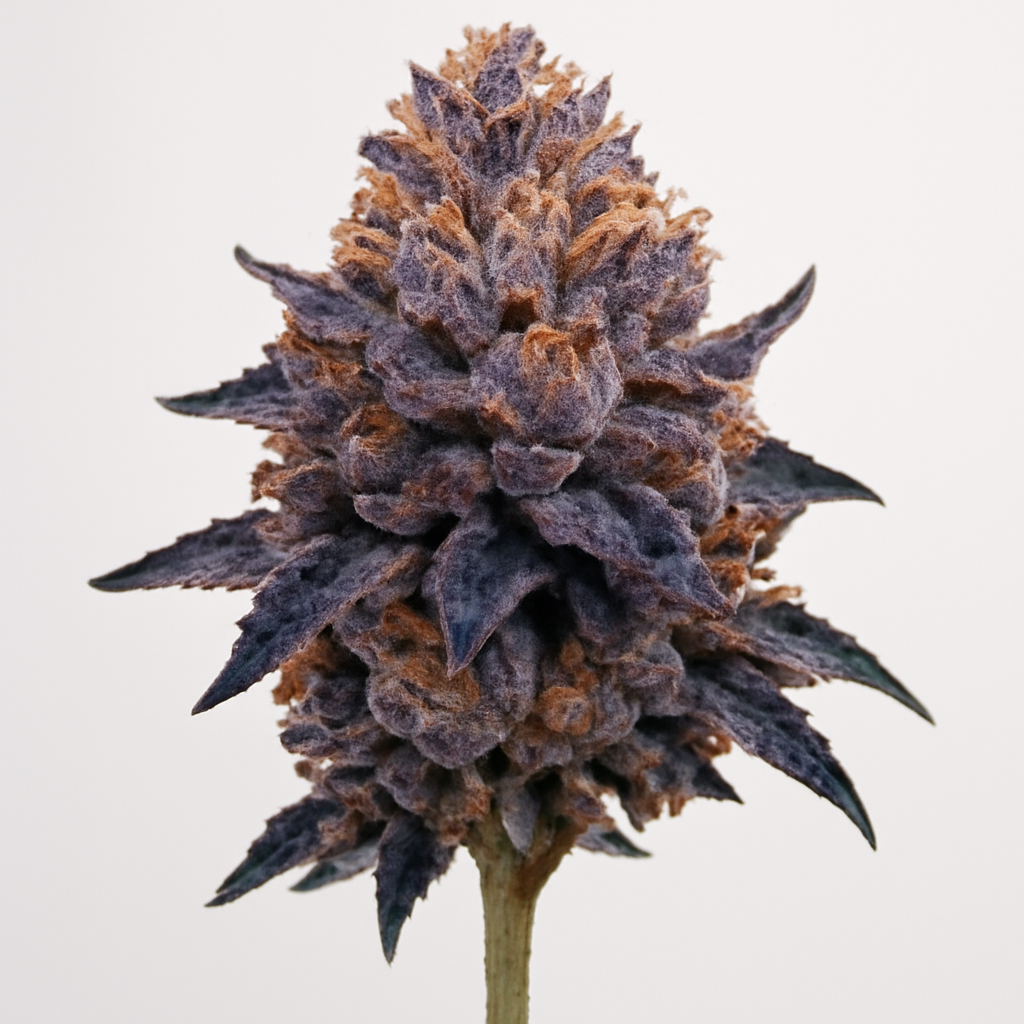
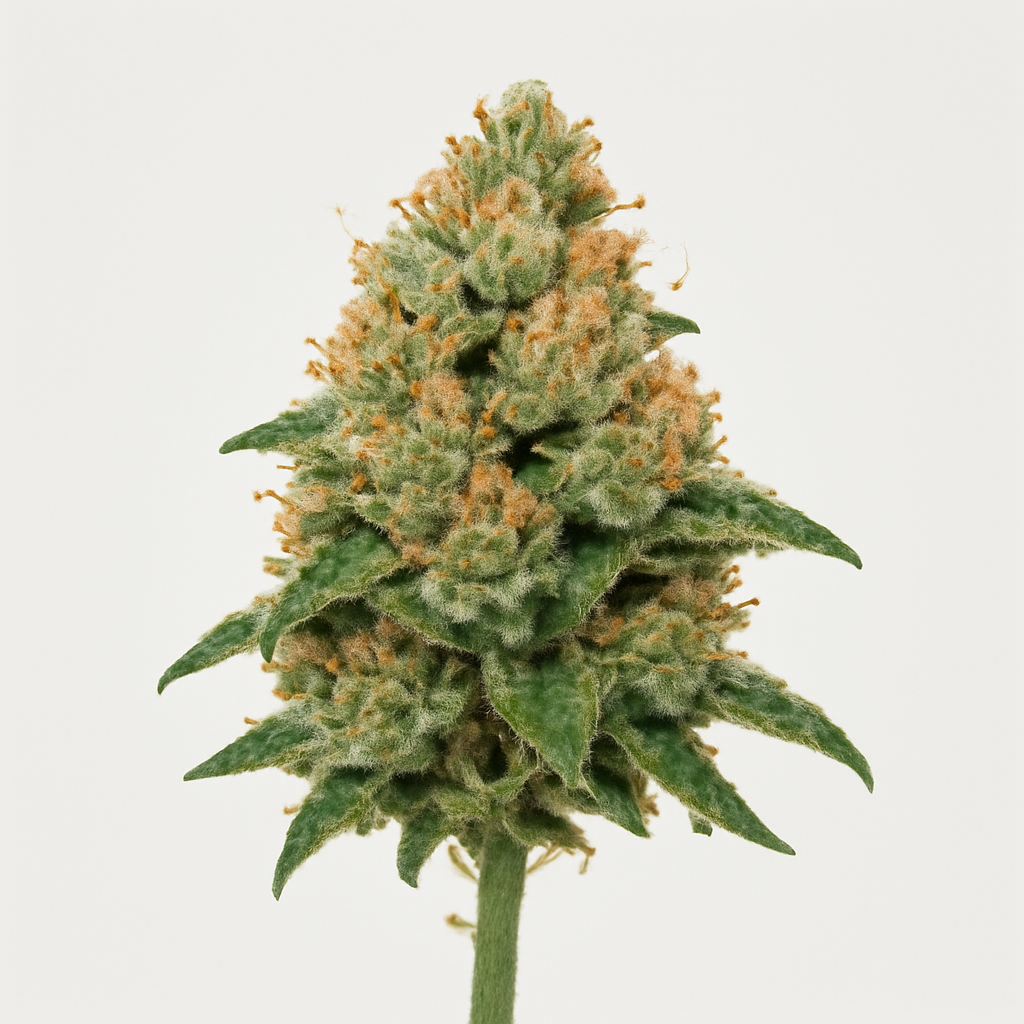
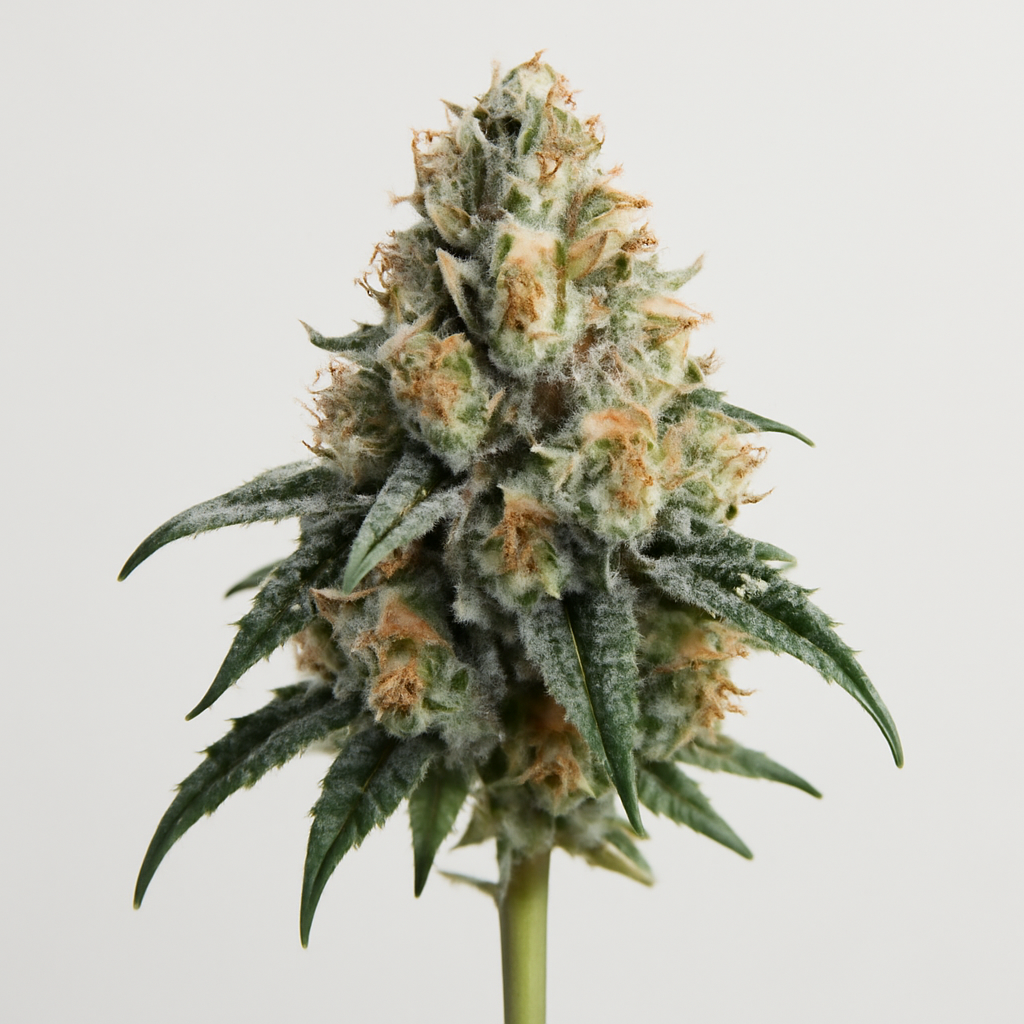
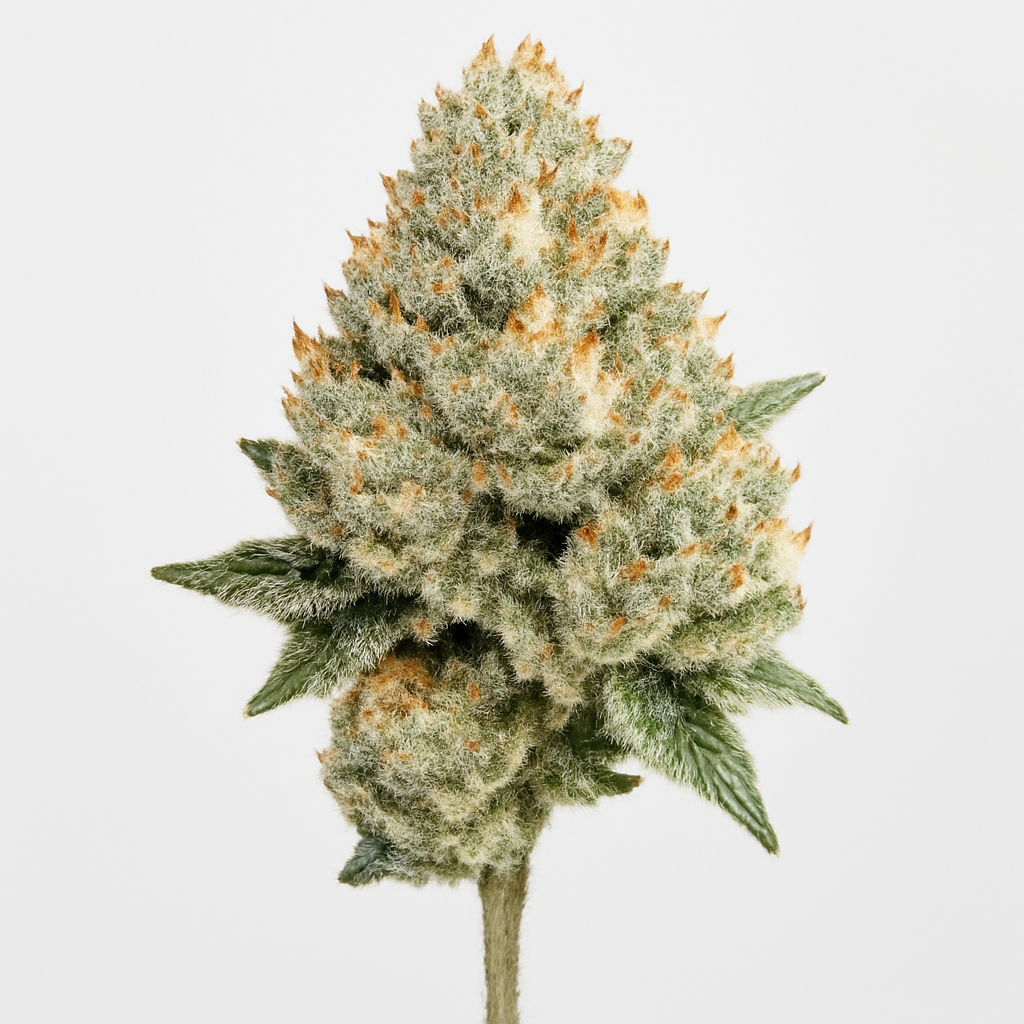
Mango Kush buds usually form as tight, rounded colas with a compact indica finish. The flowers often display medium-green coloration, though some cuts can show lighter lime tones or deeper forest-green shading depending on phenotype and finishing conditions.
Orange to rust-colored pistils thread through the calyxes, and the trichome layer is commonly heavy enough to give the flower a pale, frosted cast under bright light. Variation between phenotypes can show up in bud density and resin output, but the overall look tends to remain dense, sticky, and visually ripe at harvest.
Effects & Use-Cases (Reported)
- Commonly reported effects: relaxed, mildly euphoric, mentally softened, and increasingly sedating at higher amounts
- Use-case context: often chosen for unwinding in the evening, low-key social settings, or a calmer end to the day
- Body character: typically described as warming and easing through the limbs without feeling overly racy
- Note: These observations are anecdotal and do not constitute medical claims.
Observational Note: Mango Kush is usually discussed as a strain that starts with a light lift before settling into a heavier, more grounded finish. The experience is often described as smoother than sharp, with the kush influence becoming more apparent as the session continues.
Potency Note: Potency can range from moderate to fairly strong depending on the batch, but the strain’s identity is less about intensity spikes and more about a steady transition from flavor-driven brightness into physical calm.
Aroma & Flavor Profile
- Aroma: ripe mango, sweet tropical fruit, earthy spice, light skunk
- Flavor: mango nectar, citrus peel, herbal kush, soft earth
- Aftertaste: lingering fruit sweetness with a dry, kushy finish
- Terpene associations: commonly aligned with myrcene, limonene, and caryophyllene.
For searchers comparing mango weed strains, Mango Kush is a straightforward example of fruit-forward cannabis with a grounded finish. The flavor tends to read as tropical at first inhale, then shifts toward herbal kush and earth on the exhale, which helps explain its long-running appeal in classic strain menus.
Tested Cannabinoid & Terpene Ranges
| Compound | Typical Range* | Notes |
|---|---|---|
| Δ⁹-THC | ~16–22% | Often lands in the moderate-to-strong range for commercial flower. |
| CBD | <1% | Usually present at trace levels rather than as a defining cannabinoid. |
| Myrcene | ~0.20–0.60% | Commonly associated with the strain’s fruit-forward depth and softer finish. |
| Limonene | ~0.10–0.35% | Supports the bright mango-citrus top end often noticed in fresh flower. |
| Caryophyllene | ~0.08–0.25% | Contributes to the peppery, woody kush layer beneath the fruit notes. |
*Ranges are estimates and may vary by phenotype, harvest timing, and testing methods.
Cultivation Notes
- Light Cycle: 12/12 for flowering indoors
- Humidity: Moderate during vegetative growth, then reduced late in flower to protect dense buds
- Stretch: Usually modest, with a more compact stretch than tall sativa-leaning hybrids
- Training: Responds well to topping, low-stress training, and even canopy shaping
- Odor Control: Recommended, especially in the last 3 weeks when fruit and kush notes intensify
- Harvest Window: Approximately 8–9 weeks indoors
Mango Kush is generally straightforward in a controlled environment, but its dense flowers reward growers who manage airflow carefully. Keeping humidity in check late in bloom helps preserve trichome quality and reduces the risk of moisture trapped inside the tighter buds.
Grower Notes (Week-by-Week Snapshot)
- Weeks 1–3: Plants establish root mass and adapt quickly to training, with steady leaf expansion and a compact frame.
- Weeks 4–5: Flower sites begin stacking, and the canopy typically responds well to selective defoliation and branch spacing.
- Weeks 6–8: Buds thicken noticeably, aroma rises fast, and resin production becomes more apparent across sugar leaves and calyxes.
- Weeks 9–10: Late-ripening phenotypes may deepen in color and finish with a stronger sweet-kush aroma before harvest.
Genetic Lineage
Mango Kush is generally traced to Mango and Hindu Kush, a pairing that helps explain both its sweet front-end aroma and its grounded indica structure. Mango is commonly associated with lush tropical fruit notes and a softer, more expressive terpene profile, while Hindu Kush contributes compact growth, resin density, and the earthy backbone that keeps the strain from reading as purely fruity.
Because early breeding records are not always consistent across seed banks and menu references, some lineage details may vary in older references. Even so, the strain’s core identity remains clear: a fruit-scented hybrid with a classic kush frame and a cultivation profile that favors controlled, well-managed environments.
Research Insights
Mango Kush matters in today’s market because it sits at the intersection of two enduring consumer preferences: tropical flavor and old-school kush structure. That combination keeps it relevant in SEO searches, dispensary cataloging, and breeder conversations around fruit-forward hybrids that still feel rooted in classic cannabis genetics. Its name recognition is also helped by a straightforward sensory profile, which makes it easy for consumers to identify and compare against other mango-, citrus-, and kush-based cultivars.
Frequently Asked Questions
Is Mango Kush more fruity or earthy?
It usually presents as fruity first, then finishes with a noticeably earthy, kush-like base. The balance can shift by phenotype, but the mango character is typically the headline note.
What type of strain is Mango Kush?
Mango Kush is generally classified as an indica-dominant hybrid. Its structure and finish lean indica, while the aroma keeps a sweeter hybrid feel.
How long does Mango Kush take to flower?
Most indoor examples finish in about 8 to 9 weeks. Some phenotypes may run slightly longer depending on environment and desired ripeness.
What does Mango Kush taste like?
Common descriptions include mango nectar, citrus peel, herbal kush, and soft earth. The exhale often leaves a sweet-but-dry aftertaste.
Is the breeder of Mango Kush clearly documented?
Not always. The strain is widely referenced in cannabis culture, but older catalog and market information does not consistently identify a single original breeder.
Educational Disclaimer: This page is provided strictly for scientific and horticultural reference. Cannabis cultivation, possession, and use are regulated by local laws. This content does not promote illegal activity or constitute medical advice. Always comply with applicable regulations in your jurisdiction.
Rate and review this strain
Ratings and reviews are accepted only from signed-in Google accounts.
Sign in with Google to leave a rating and written review.
Latest Reviews
0 reviewsNo reviews yet. Be the first Google user to rate and review this strain.