Lemon Tree (Cannabis Strain) — Strainpedia
Lemon Tree stands out for its vivid citrus-on-gas profile, pairing lemon peel brightness with a pungent diesel edge that lingers on the finish. The cultivar is commonly associated with Lemon Skunk and Sour Diesel, and that pairing shows up clearly in both the aroma and the strain’s lively, sativa-leaning character.
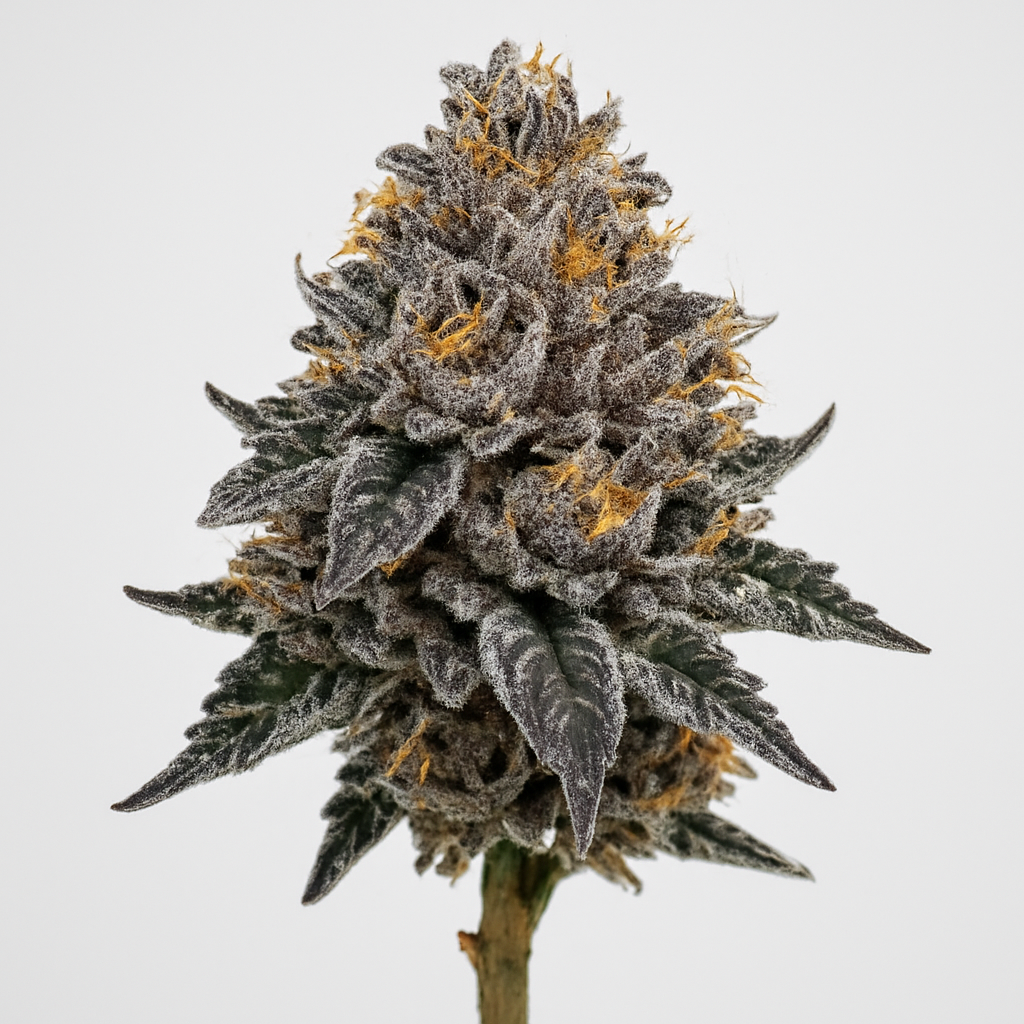
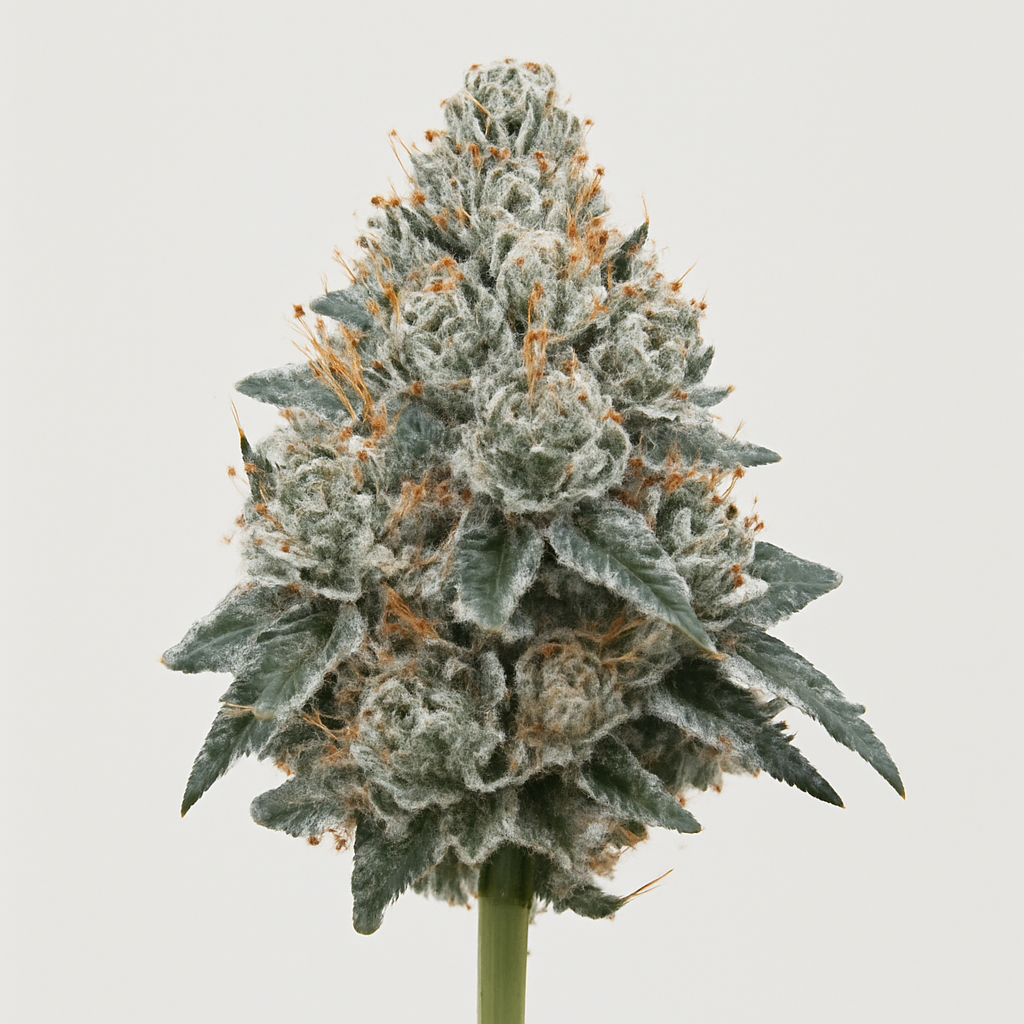
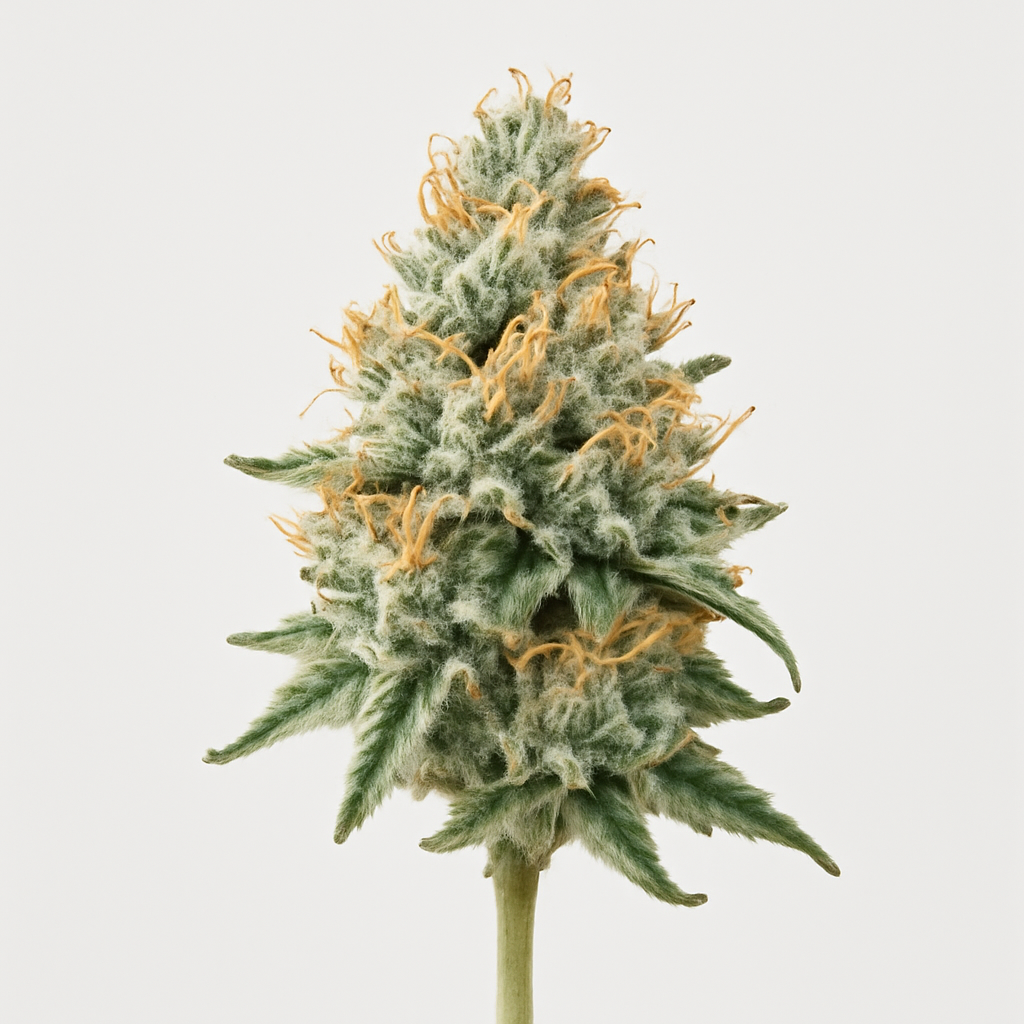
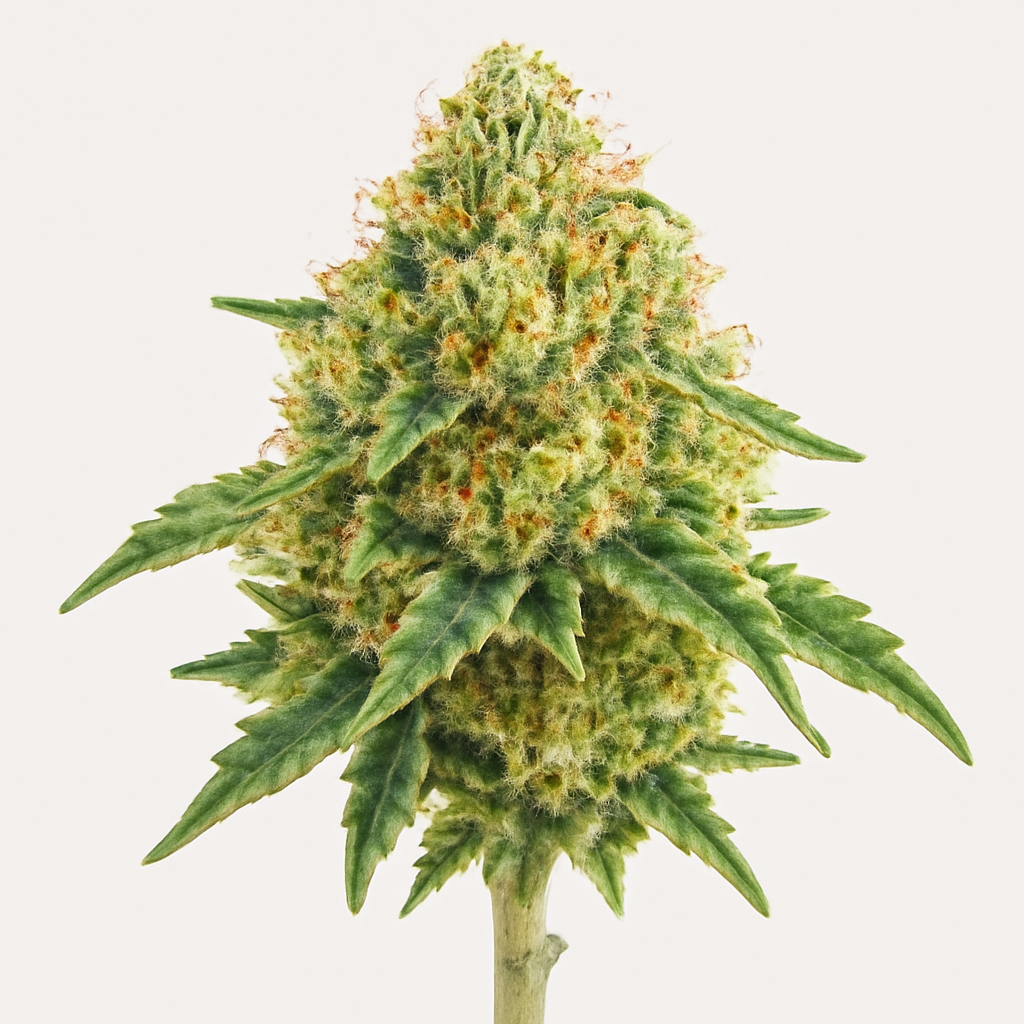
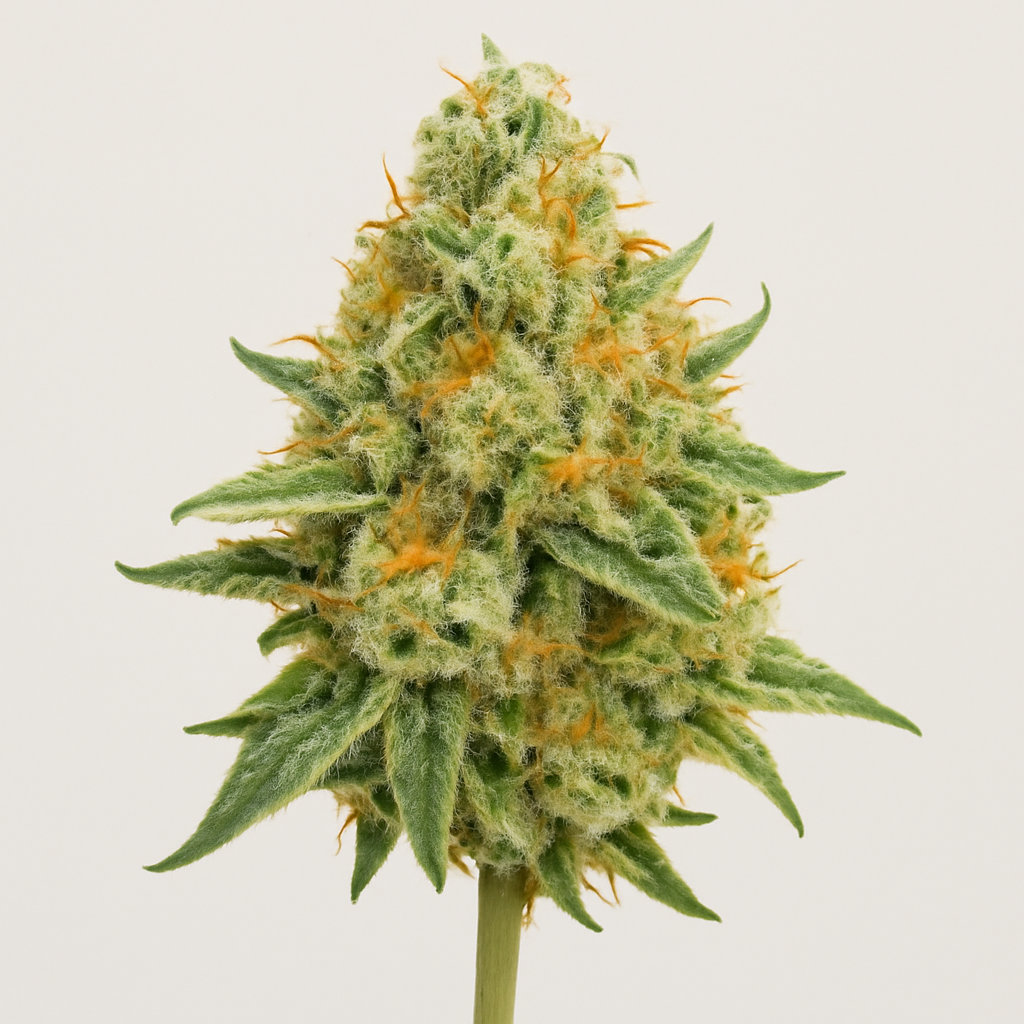
In flower, Lemon Tree tends to produce frosty, lime-toned buds with orange pistils and a resin layer that can look almost glazed under proper finishing. The strain is often discussed in connection with Exotic Genetix’s commercial line, though cut quality and naming can vary across markets, which makes source verification especially useful.
Quick Facts
| Genetics | Lemon Skunk x Sour Diesel |
|---|---|
| Original Breeder | Various cuts; original commercial seed line is commonly associated with Exotic Genetix |
| Variety | Sativa-leaning Hybrid |
| Flowering Time | Approximately 9–10 weeks indoors |
| Yield Potential | Moderate to high, depending on phenotype and training |
| Plant Height | Medium to tall with noticeable stretch in early bloom |
| Climate Preference | Warm, dry-to-moderate indoor or Mediterranean-style conditions |
| Difficulty | Moderate |
Strain Classification
| Type | Sativa-leaning Hybrid |
|---|---|
| Genetic Family | Citrus-diesel hybrid with Skunk and Chem-inspired influence |
| Primary Terpenes | Limonene, myrcene, caryophyllene* |
| Original Breeder | Various cuts; original commercial seed line is commonly associated with Exotic Genetix |
| Breeding Lineage | Lemon Skunk x Sour Diesel |
*Exact terpene dominance may vary by phenotype and cultivation method.
Scientific & Botanical Overview
Botanically, Lemon Tree reflects a hybrid expression shaped by two aromatically dominant parents. Lemon Skunk contributes zesty citrus terpenes and a more open, vigorous growth pattern, while Sour Diesel typically adds a sharper structure, stronger lateral scent intensity, and a more mentally active effect profile. The result is a cultivar that can show clear hybrid vigor without losing the sharp, recognizable fuel-citrus identity that made it commercially memorable.
From a breeding perspective, Lemon Tree is a useful example of how terpene-forward selections can become market staples when the flavor and effect profile remain consistent enough for repeat demand. It is not usually discussed as an especially novel morphology project; instead, its value comes from the way its parentage translates into a reliable sensory profile. That makes it relevant both to legacy cannabis consumers and to growers looking for modern citrus-diesel material with a premium finish.
Appearance
Lemon Tree buds are usually medium in size with a slightly elongated, spear-like structure rather than a dense, chunky indica form. The color palette often sits in the green range, from bright lime to deeper forest tones, with contrasting orange pistils threading through the flower.
Trichome coverage is a defining visual feature, especially on properly finished tops where the resin can appear thick and bright under light. Phenotype variation can show up in bud density and leaf shape, but the overall impression is typically clean, resinous, and sharply outlined rather than overly bulky.
Effects & Use-Cases (Reported)
- Commonly reported effects: clear-headed uplift, energetic onset, social ease, mental brightness, and a gentle settling body finish.
- Use-case context: often chosen for daytime or early-evening sessions when users want flavor-forward flower with a more active, talkative headspace.
- Body character: usually described as lighter in the body than heavier dessert hybrids, with relaxation that stays present without becoming overly sedating.
- Note: These observations are anecdotal and do not constitute medical claims.
Observational Note: Lemon Tree tends to feel more expressive than heavy, which is part of why it has remained appealing in citrus-diesel circles. Its reported effects often track closely with its aroma: bright at the start, then gradually smoother as the session continues.
Potency Note: Well-grown batches can test strongly, so the experience may come on faster than the flavor suggests. Newer consumers often notice the terpene impact first, followed by a more pronounced mental lift.
Aroma & Flavor Profile
- Aroma: fresh lemon peel, sharp diesel fumes, skunky herb, and faint pine resin.
- Flavor: lemon candy, citrus rind, fuel, and a clean piney finish.
- Aftertaste: tart and gassy, with a lingering zest that can stay on the palate.
- Terpene associations: commonly aligned with limonene, myrcene, and caryophyllene.
If you are searching for a lemon diesel strain with real bite, Lemon Tree is one of the clearer examples of that profile. The flavor usually opens bright and sour before the gas note settles in, making it especially relevant for users looking for citrus-forward flower that does not feel candy-sweet or muted.
Tested Cannabinoid & Terpene Ranges
| Compound | Typical Range* | Notes |
|---|---|---|
| Δ⁹-THC | ~18–24% | Often tests medium-high to high in well-finished flower. |
| CBD | <0.5% | Usually present only in trace amounts. |
| Limonene | ~0.4–0.9% | Frequently linked to the strain’s lemon peel top note. |
| Myrcene | ~0.2–0.6% | Can soften the fuel edge and add a rounder finish. |
| Caryophyllene | ~0.15–0.4% | Often contributes peppery structure and depth. |
*Ranges are estimates and may vary by phenotype, harvest timing, and testing methods.
Cultivation Notes
- Light Cycle: 18/6 for veg, then 12/12 for flowering.
- Humidity: Moderate in veg; reduce to roughly 40–50% in late bloom.
- Stretch: Moderate to pronounced, especially in the first 2–3 weeks of flower.
- Training: Responds well to topping, LST, and canopy management.
- Odor Control: Strongly recommended; aroma becomes pungent early in bloom.
- Harvest Window: Approximately 9–10 weeks indoors
Lemon Tree is best managed as a moderately vigorous hybrid rather than a compact indica. The plant rewards even canopies, steady nutrition, and careful humidity control, particularly if the goal is to preserve the bright citrus top note without letting the flower become overly airy or overloaded with leaf.
Grower Notes (Week-by-Week Snapshot)
- Weeks 1–3: Expect strong vertical movement, fast root establishment, and early leaf expansion; training is easiest here.
- Weeks 4–5: Floral sites stack and the citrus-diesel scent begins to sharpen; maintain airflow and keep the canopy even.
- Weeks 6–8: Resin production rises noticeably, buds thicken, and odor control becomes essential as terpene intensity peaks.
- Weeks 9–10: Final ripening focuses on trichome maturity and aroma refinement; watch for the best balance between brightness and fuel depth.
Genetic Lineage
Lemon Tree is generally documented as Lemon Skunk crossed with Sour Diesel, a pairing that explains much of its sensory profile. Lemon Skunk is associated with zesty citrus brightness, skunky undertones, and vigorous growth, while Sour Diesel is known for its sharp fuel aroma, more assertive sativa-like energy, and a pungent finish that tends to dominate the room. Together, they produce a hybrid that feels genetically familiar yet still distinctive in market presentation.
Research Insights
Lemon Tree matters in the modern market because it sits at the intersection of legacy diesel genetics and the continued demand for citrus-heavy flower. In search behavior, it often appears alongside terms such as lemon diesel, citrus skunk, and fuel-forward sativa hybrids, which reflects how consumers categorize aroma before pedigree. For breeders and retailers, it remains a useful benchmark for terpene-driven selection: a strain does not need dessert notes or novelty branding to stay relevant if it delivers a clear flavor identity and a memorable post-harvest profile.
Frequently Asked Questions
Is Lemon Tree the same as Sour Diesel?
No. Lemon Tree is a separate hybrid, though Sour Diesel is one of its commonly documented parents and contributes heavily to the fuel side of its profile.
What does Lemon Tree smell like?
Most batches lean toward bright lemon peel, skunky citrus, and a noticeable diesel edge. Some phenotypes carry a sharper pine note in the background.
Is Lemon Tree more uplifting or relaxing?
It is generally described as more uplifting at the start, with a lighter body finish that becomes smoother over time rather than deeply sedating.
How long does Lemon Tree take to flower?
Most indoor runs finish in about 9 to 10 weeks, though individual phenotype and growing conditions can shift that window slightly.
What kind of grower suits Lemon Tree best?
Growers who are comfortable managing stretch, odor, and canopy structure tend to get the best results. It is not especially difficult, but it does reward attention to detail.
Educational Disclaimer: This page is provided strictly for scientific and horticultural reference. Cannabis cultivation, possession, and use are regulated by local laws. This content does not promote illegal activity or constitute medical advice. Always comply with applicable regulations in your jurisdiction.
Rate and review this strain
Ratings and reviews are accepted only from signed-in Google accounts.
Sign in with Google to leave a rating and written review.
Latest Reviews
0 reviewsNo reviews yet. Be the first Google user to rate and review this strain.