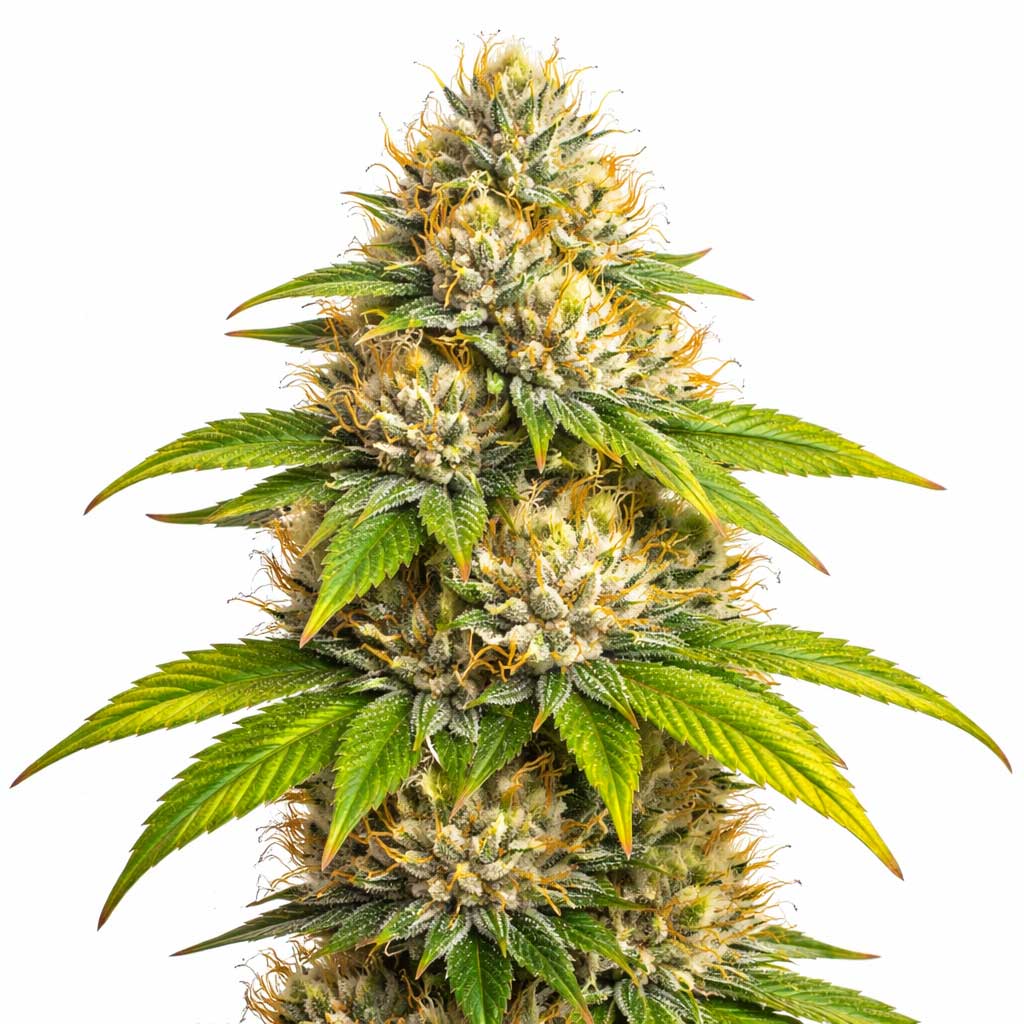
Lemon Skunk (Cannabis Strain) — Strainpedia
Lemon Skunk is a sativa-leaning hybrid cannabis cultivar most closely associated with DNA Genetics, which describes it as a cross between two selected Skunk phenotypes chosen for pronounced lemon characteristics. The cultivar became especially well known for its bright citrus-skunk aroma, sweet-acidic flavor profile, and approachable flowering speed within the broader Skunk family.
DNA Genetics lists Lemon Skunk at 60% sativa / 40% indica, with a relatively quick indoor flowering window of 7–8 weeks and yields around 400–500 g/m². The breeder also notes a long-held lemon mother kept in Las Vegas and a Dutch-selected male used in multiple breeding projects, helping explain the strain’s enduring identity as a citrus-forward Skunk line. The information below is provided strictly for scientific and horticultural reference.

Quick Facts
| Genetics | Selected Skunk x Selected Skunk |
|---|---|
| Variety | Sativa-Leaning Hybrid |
| Flowering Time | 7–8 weeks indoors |
| Yield Potential | Approximately 400–500 g/m² indoors |
| Plant Height | Small to medium, depending on phenotype and training style |
| Climate Preference | Warm, stable environments with good airflow and consistent light |
| Difficulty | Beginner to Intermediate |
Strain Classification
| Type | Sativa-Leaning Hybrid |
|---|---|
| Genetic Family | Skunk / Citrus-Forward Hybrid Lineage |
| Primary Terpenes | Commonly associated with Caryophyllene, Myrcene, and Limonene* |
| Breeding Lineage | Two selected lemon-forward Skunk phenotypes |
*Exact terpene dominance can vary by phenotype, cultivation method, harvest timing, and laboratory analysis.
Scientific & Botanical Overview
Lemon Skunk represents a more citrus-emphasized branch of the classic Skunk family, with breeding focused on preserving sharper lemon expression rather than the heavier musky profile found in some older Skunk lines. DNA Genetics describes the cultivar as the result of combining two Skunk selections, with the maternal line preserved for decades and the paternal line chosen in Holland.
Botanically, the cultivar is often described as staying relatively manageable in size while producing aromatic flowers with a favorable calyx-to-leaf ratio. That balance of compact growth, quick bloom time, and distinctive citrus-skunk identity helped Lemon Skunk become influential enough to appear later in strains such as Super Lemon Haze, which Leafly identifies as a cross of Lemon Skunk and Super Silver Haze.
Appearance
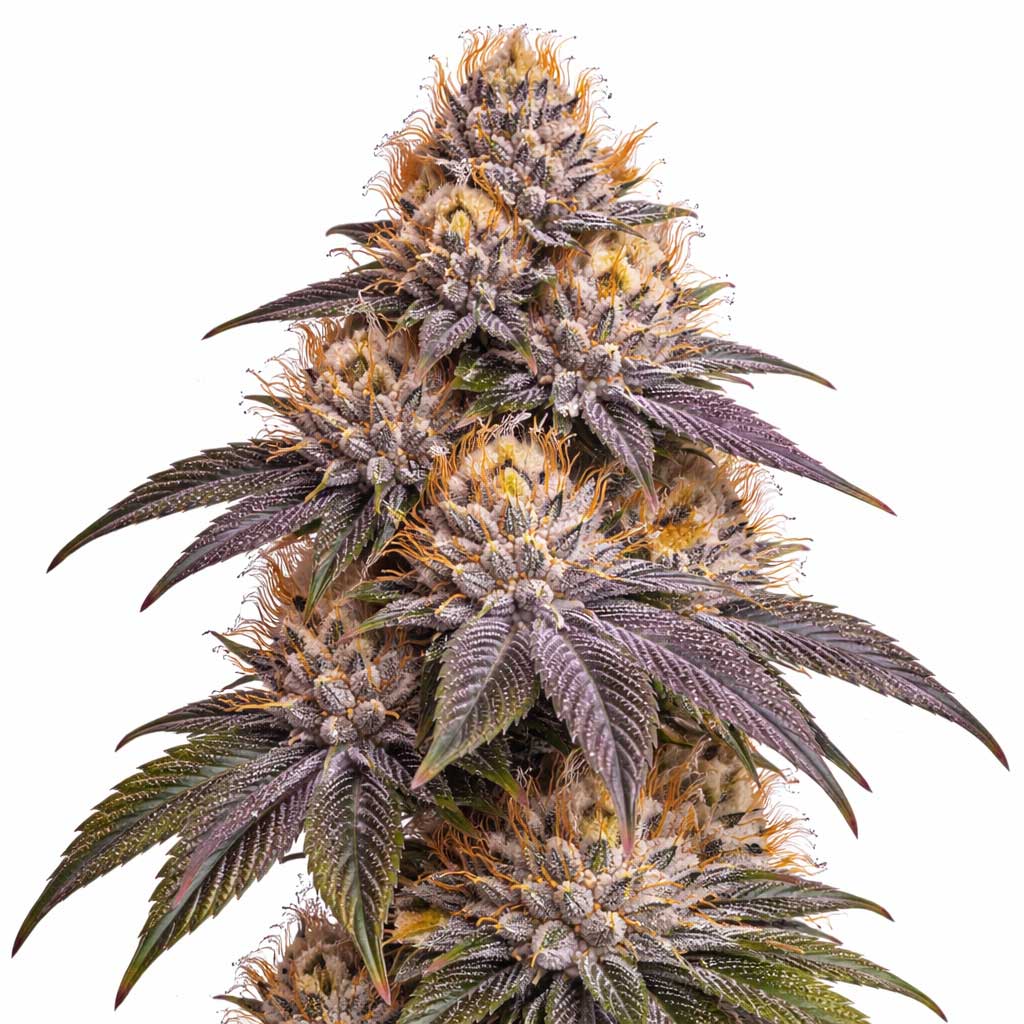
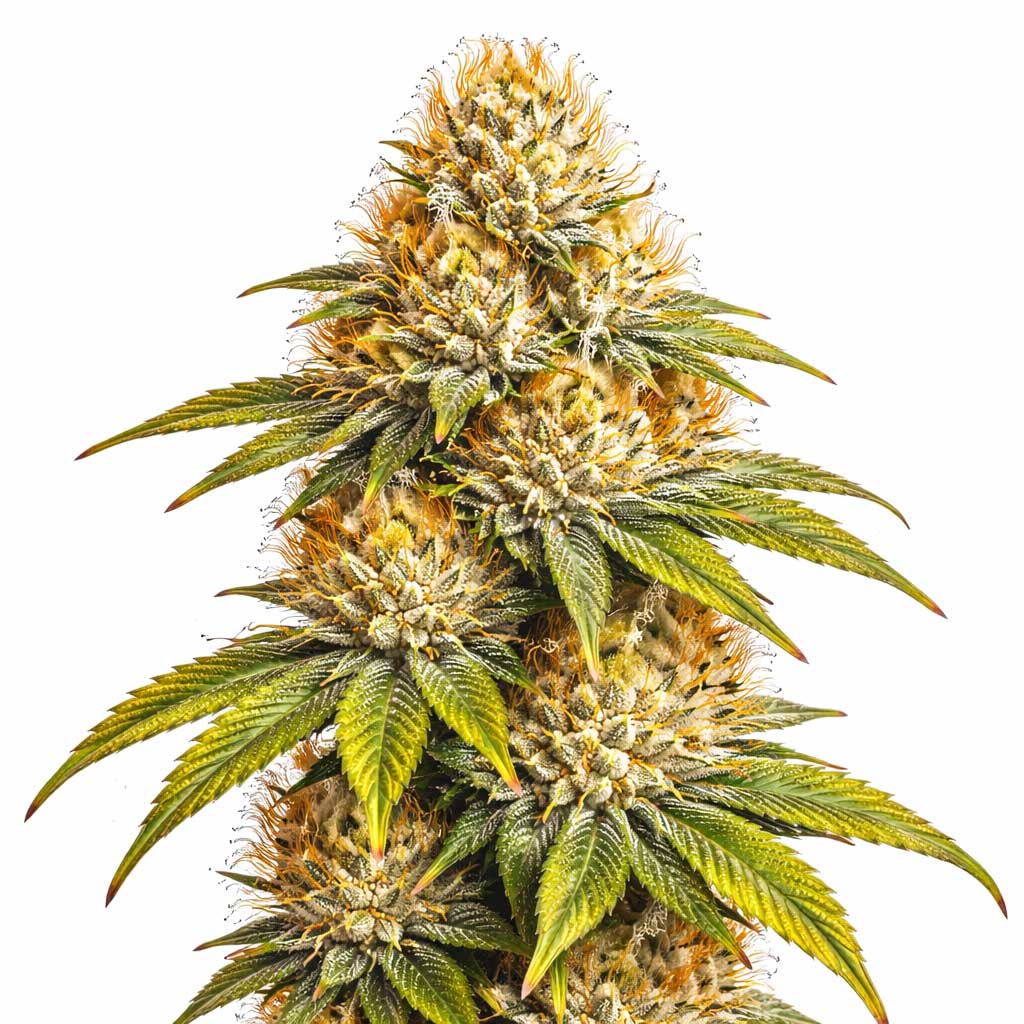
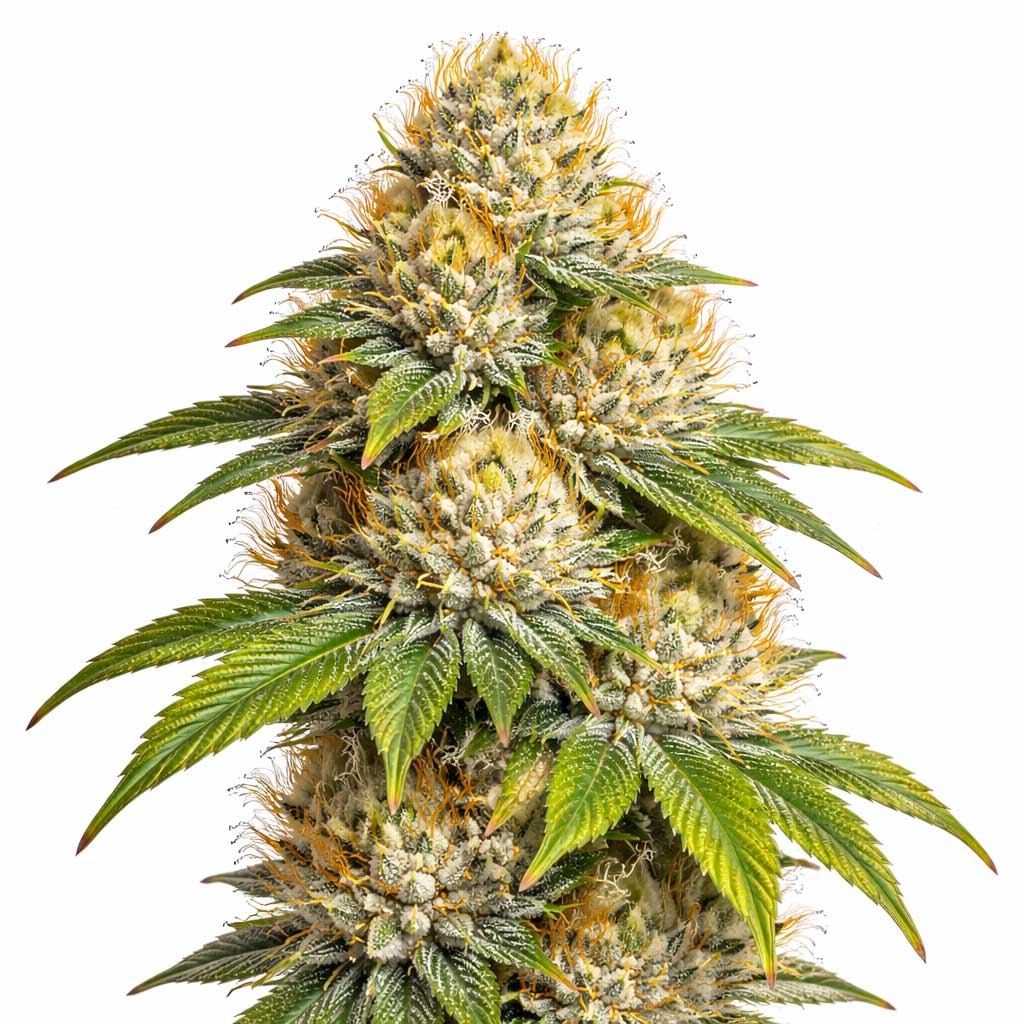
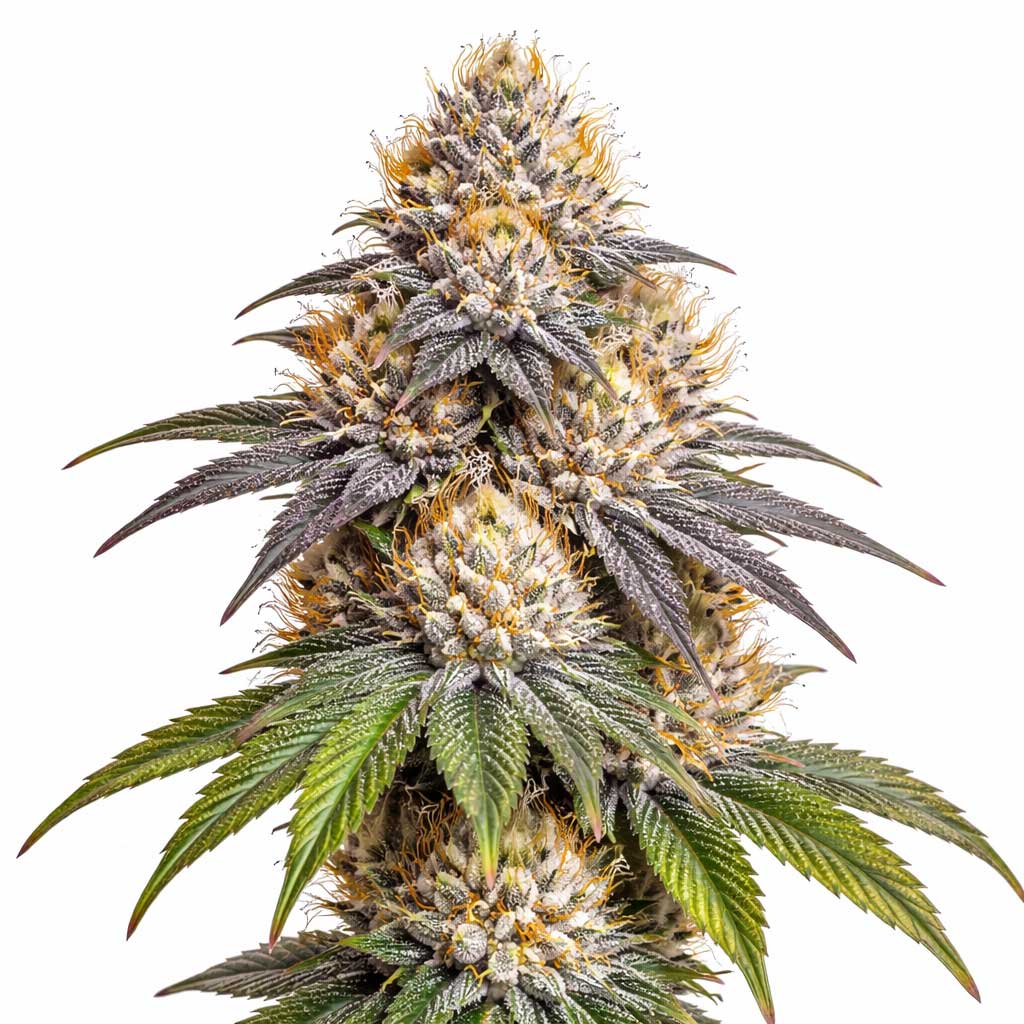
Lemon Skunk flowers are typically light green and resinous, often showing thick orange hairs and a frosted finish when properly matured. DNA Genetics specifically notes that the plant grows small and produces great-smelling light green flowers with a high calyx-to-leaf ratio, which aligns with the cultivar’s reputation for visually clean, attractive buds.
Effects & Use-Cases (Reported)
- Commonly reported effects: happy, uplifted, euphoric, and relaxed, with some references also describing a motivated and focused mental tone.
- Use-case context: often associated with daytime or early-evening use where bright mood and citrus-forward sensory appeal are preferred.
- Note: These observations are anecdotal and do not constitute medical or therapeutic claims.
Observational Note: Lemon Skunk is often framed as more upbeat and lively than heavy sedative cultivars, with its citrus-skunk profile contributing to its energetic reputation in commercial strain descriptions.
Potency Note: Potency can vary by phenotype and seller, but commercial references generally place Lemon Skunk in the higher-THC-than-average range rather than the low-potency category. Consumers with lower tolerance may still prefer a measured approach.
Aroma & Flavor Profile
- Aroma: lemon peel, citrus zest, skunk, sweetness, and light acidic sharpness.
- Flavor: sweet lemon candy, citrus, skunky tang, and a mildly sour finish.
- Terpene associations: commonly linked with Caryophyllene, Myrcene, and Limonene, though exact lab outcomes vary across phenotypes and commercial samples.
Tested Cannabinoid & Terpene Ranges
| Compound | Typical Range* | Notes |
|---|---|---|
| Δ⁹-THC | ~18–22% | Commercial references place Lemon Skunk in the higher-THC-than-average range, though exact values vary by phenotype and lab method. |
| CBD | ~0.1–0.5% | Typically present in comparatively low concentrations. |
| Caryophyllene | ~0.2–0.7% | Often contributes spice and structural sharpness beneath the citrus profile. |
| Myrcene | ~0.2–0.7% | May add earthy depth and support the broader Skunk character. |
| Limonene | ~0.2–0.8% | Frequently associated with the cultivar’s bright lemon-forward aromatic lift. |
*Ranges are literature-informed estimates and may differ depending on phenotype selection, cultivation practices, curing quality, storage, and laboratory methodology.
Cultivation Notes
- Light Cycle: 18/6 during vegetative growth and 12/12 during flowering.
- Humidity Targets: ~50–60% in vegetative growth and 40–45% in flowering.
- Nutrition: Balanced feeding with bloom-stage support is commonly preferred.
- Training Techniques: Topping, low-stress training, and canopy management may help optimize light distribution and maintain even flower development.
- Odor Consideration: Strong citrus-skunk aroma may require carbon filtration in indoor environments.
- Harvest Window: DNA Genetics notes the strain is often at its tastiest and sweetest when harvested around day 50 to 56.
Grower Notes (Week-by-Week Snapshot)
- Weeks 1–3: Early vegetative growth establishes a manageable frame and branch structure.
- Weeks 4–5: Transition into bloom begins, with aroma becoming more noticeable and floral sites setting quickly.
- Weeks 6–7: Resin coverage increases, orange hairs become more visible, and the lemon-skunk identity intensifies.
- Weeks 7–8: Final ripening and harvest timing decisions become important, especially for growers aiming to preserve the sweeter end of the profile.
Genetic Lineage
Lemon Skunk is not usually presented as a named two-strain cross in the way many modern hybrids are. Instead, DNA Genetics describes it more specifically as a cross between two Skunks selected for lemon characteristics, with one prized lemon mother preserved in Las Vegas and a historically important male selected in Holland. That selective-breeding origin helps explain why Lemon Skunk is treated as a refined Skunk expression rather than a simple mashup of unrelated lines.
Research Insights
Lemon Skunk is often discussed as an example of how selective phenotype preservation can reshape a familiar genetic family into a more distinctive aromatic direction. In broader cannabis discussions, its citrus-skunk profile is also relevant because later cultivars such as Super Lemon Haze trace part of their lineage to Lemon Skunk, showing the strain’s longer-term impact on lemon-forward modern breeding.
Frequently Asked Questions
Who bred Lemon Skunk?
Lemon Skunk is most closely associated with DNA Genetics.

What are the parent strains of Lemon Skunk?
DNA Genetics describes Lemon Skunk as a cross between two selected Skunk phenotypes chosen for lemon characteristics.
Is Lemon Skunk indica or sativa?
Lemon Skunk is generally described as a sativa-leaning hybrid, with DNA Genetics listing it at 60% sativa / 40% indica.
How long does Lemon Skunk take to flower?
DNA Genetics lists an indoor flowering time of approximately 7–8 weeks.
Educational Disclaimer: This page is provided strictly for scientific and horticultural reference. Cannabis cultivation, possession, and use are regulated by local laws. This content does not promote illegal activity or constitute medical advice. Always comply with applicable regulations in your jurisdiction.
Rate and review this strain
Ratings and reviews are accepted only from signed-in Google accounts.
Sign in with Google to leave a rating and written review.
Latest Reviews
0 reviewsNo reviews yet. Be the first Google user to rate and review this strain.