Lavender Milk (Cannabis Strain) — Strainpedia
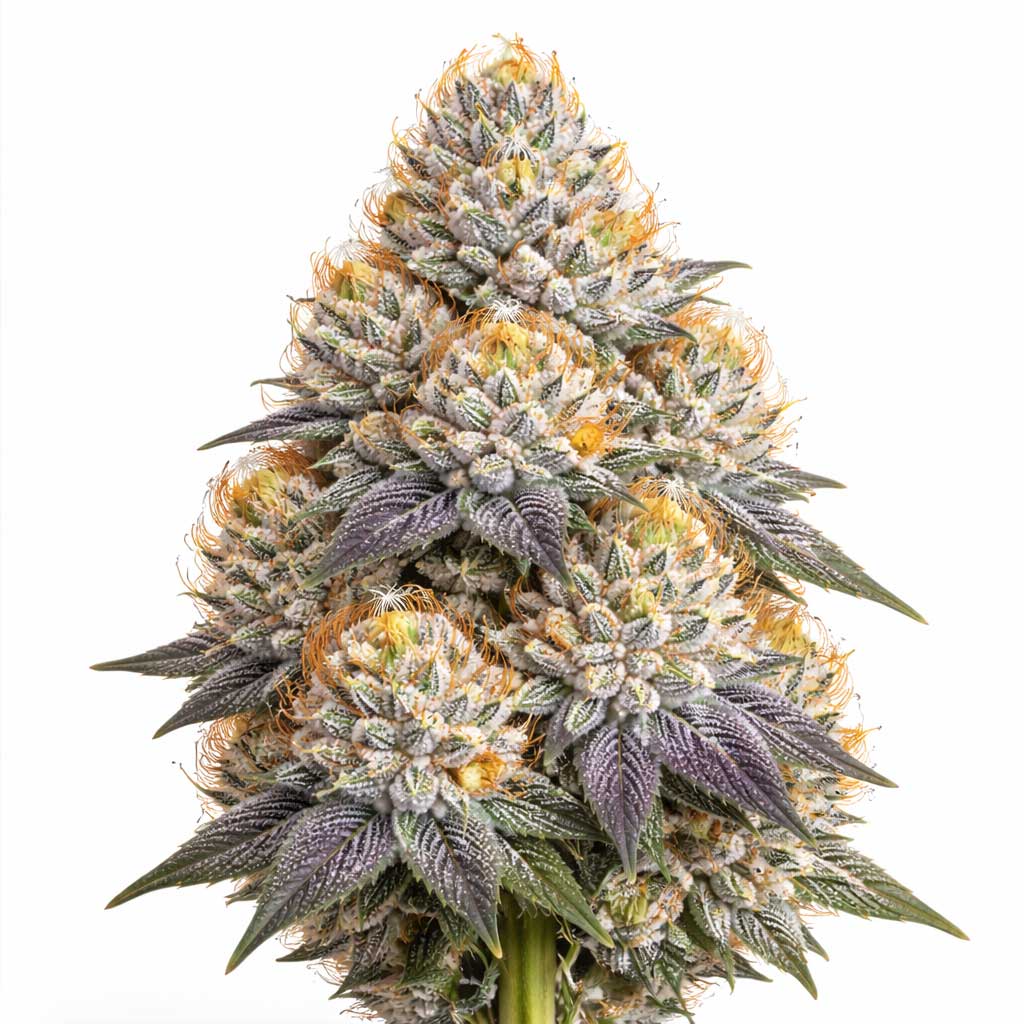
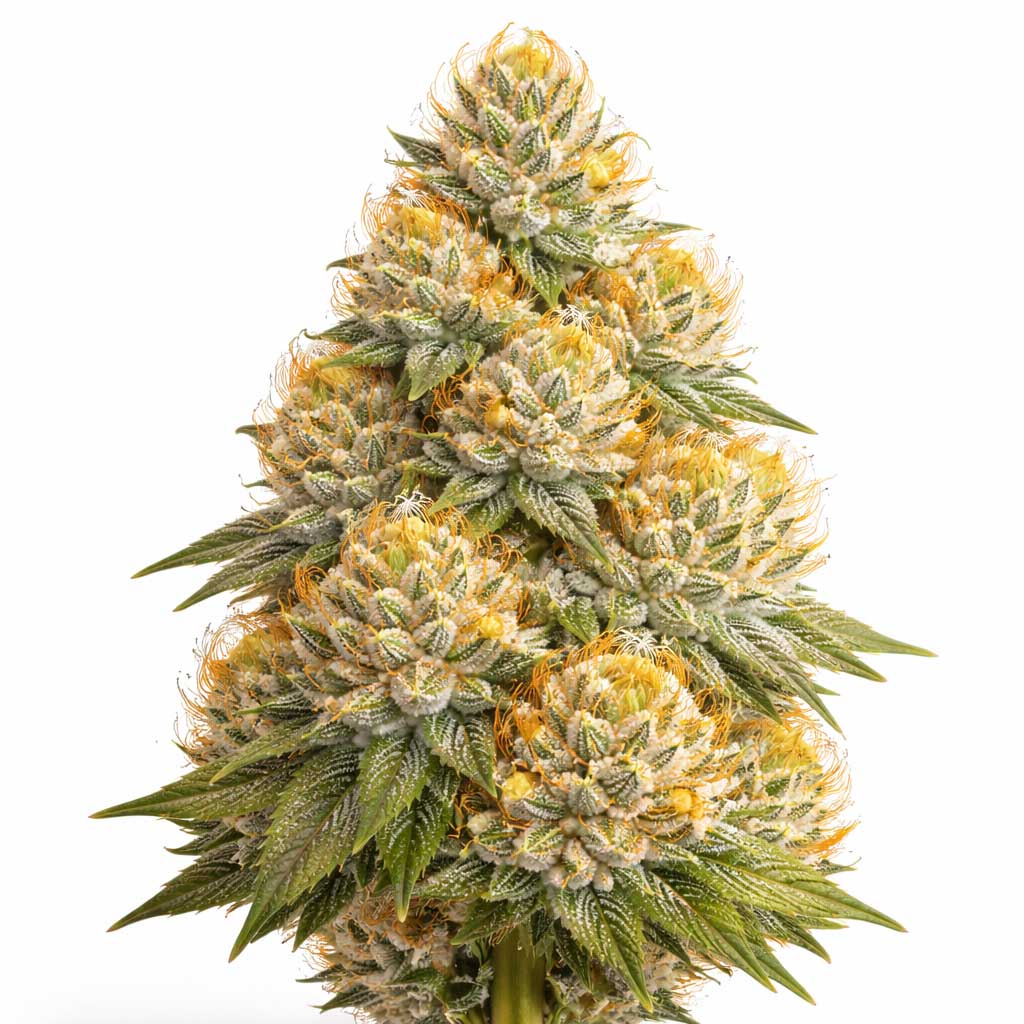
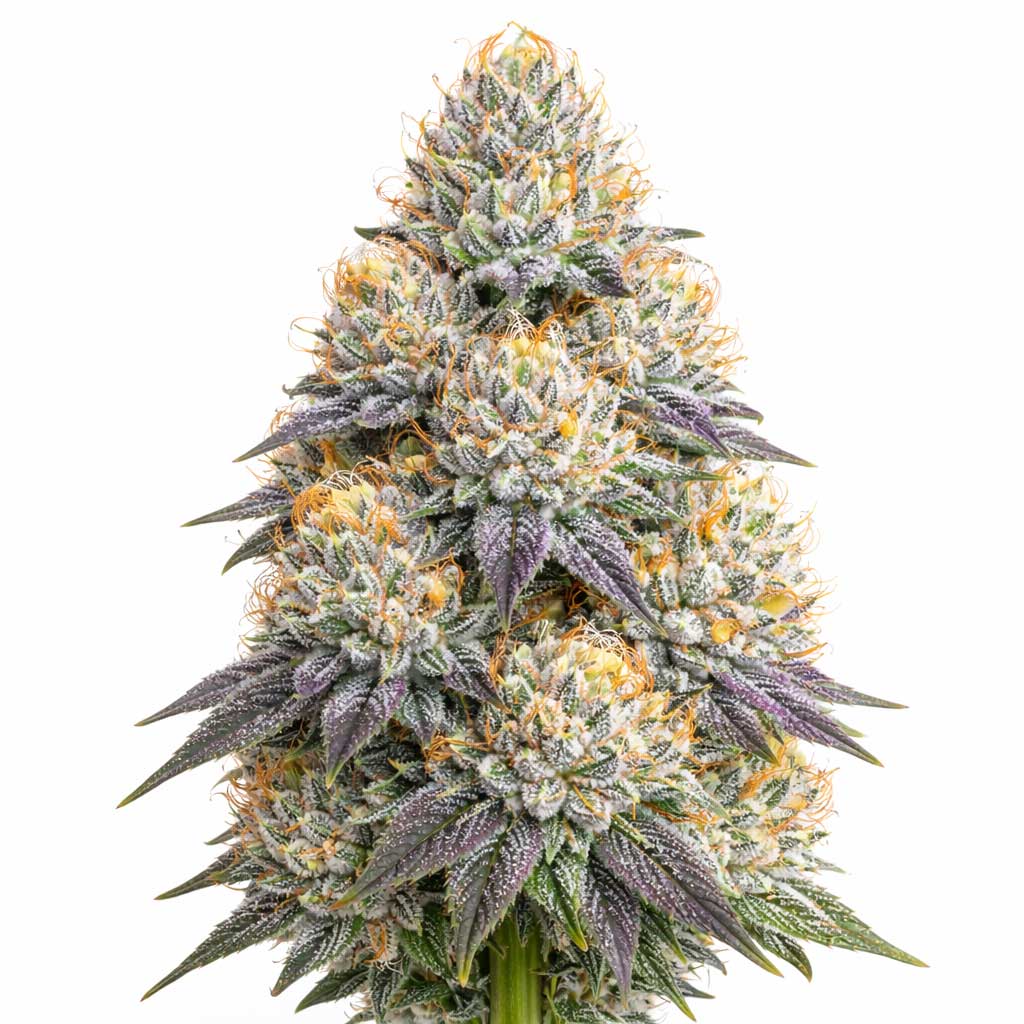
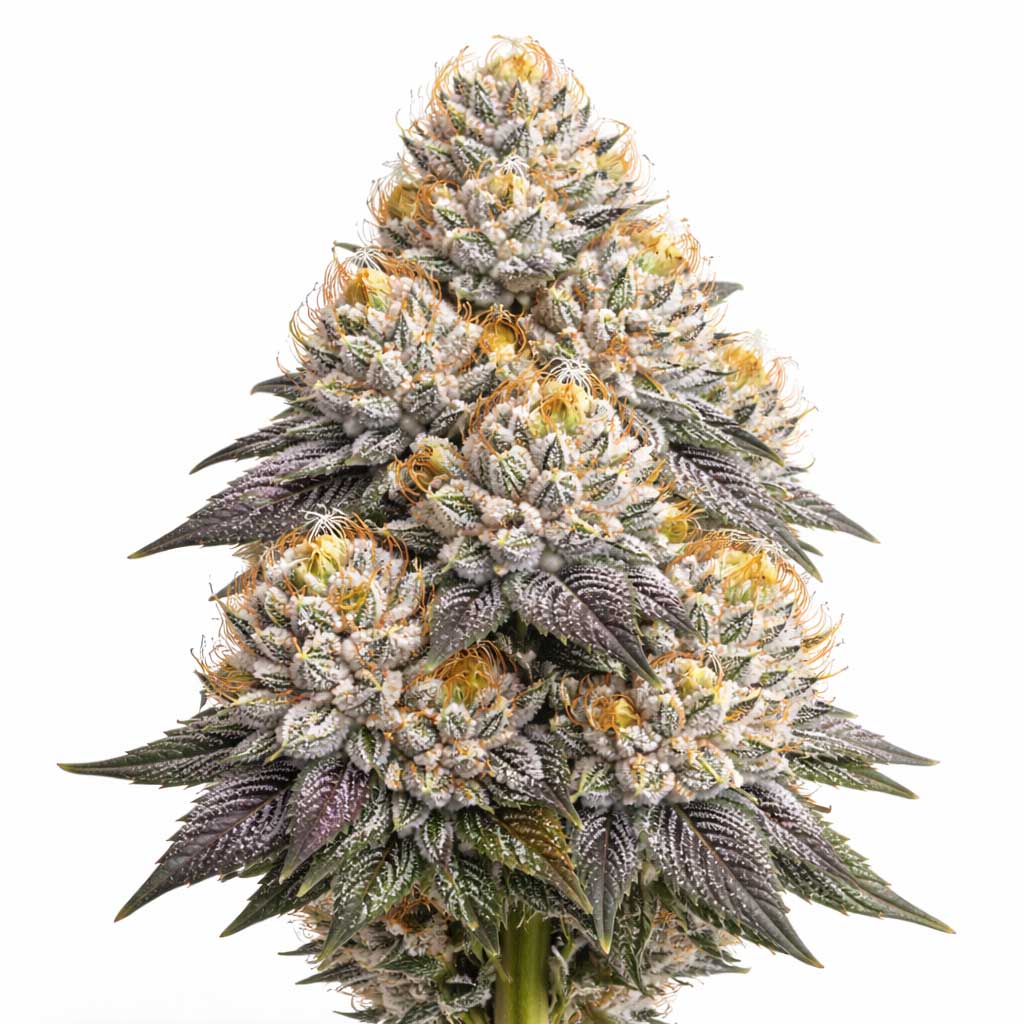
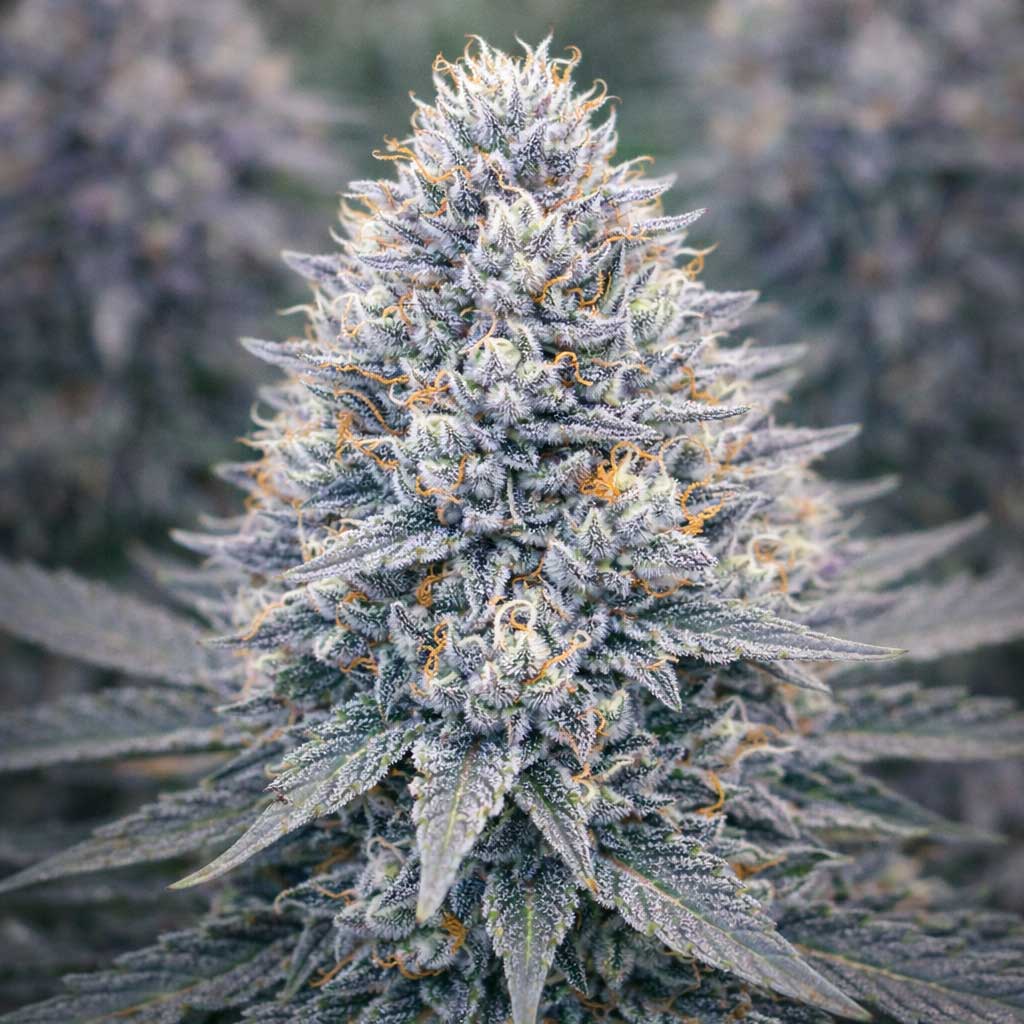
Lavender Milk is an elegant Indica-dominant Hybrid (65% Indica / 35% Sativa) released by Barney's Farm in 2026. It is the flagship cultivar of the Botanical Cream movement—a 2026 trend that prioritizes soothing, floral aromatics and “silk-textured” vapor over traditional fuel or fruit profiles. Created by crossing the legendary Lavender OG with a proprietary 2026 Cereal Milk selection, Lavender Milk is designed for the high-end boutique market where “bag appeal” is defined by soft pastel colors and an intoxicating, lactonic (milky) scent. It is widely considered one of the most visually stunning releases of the year.
Quick Facts
| Genetics | Lavender OG x Cereal Milk (2026 Proprietary Cut) |
|---|---|
| Breeder | Barney's Farm |
| Variety | Indica-dominant Hybrid (65/35) |
| Flowering Time | 8.5 weeks (60 days) |
| THC Range | ~24%–27% |
| Yield Potential | 550–600 g/m² (Indoors) |
| Plant Structure | Medium-tall, flexible branches, large bracts |
| Visual Traits | Soft lavender and silver-grey buds with milky-white trichome frosting |
| Resin Type | Glandular, sticky, high in linalool-rich oils |
| Difficulty | Intermediate (requires precise humidity control) |
Scientific & Botanical Overview
Lavender Milk is a study in 2026 aromatic stabilization. The breeding goal was to preserve the high linalool content of Lavender OG while introducing the modern terpineol-rich creamy characteristics of the Cereal Milk lineage. This results in a plant that produces a “soothing” chemical profile that is rare in high-THC hybrids.
Botanically, the plant is known for its “Pastel Phenotype.” Unlike the dark purples of many modern exotics, Lavender Milk expresses soft, muted violet and silver-grey hues. The flowers are chunky and well-spaced, which allows for excellent airflow through the canopy. One unique 2026 trait of this strain is its “Milky Trichome” maturation—where the resin heads turn a bright, opaque white very early in the flowering cycle, giving the plant a ghostly, high-end appearance weeks before harvest.
Effects & Use-Cases (Reported)
- Commonly reported effects: ethereal mental relaxation, “weightless” body sensation, social ease, and a soft-landing transition to sleep.
- Use-case context: evening socializing, spa/wellness routines, reading, and low-stimulation decompression.
- Functional profile: gentle potency—while THC is high, the terpene profile may buffer the “heavy-headed” feeling often associated with gassy indicas.
- Note: These are observational reports, not medical claims; outcomes are not guaranteed.
Aroma & Flavors
- Aroma: fresh-cut lavender, dried herbs, and a thick, sweet condensed-milk base.
- Flavor: a smooth, velvety inhale with vanilla cream and floral honey character.
- Signature finish: clean, slightly minty floral notes that linger without harshness.
- Terpene associations: linalool (dominant), myrcene, and farnesene (often linked to creamy/rounded aromatic texture).
Tested Cannabinoid & Terpene Ranges
| Compound | Typical Range* | Notes |
|---|---|---|
| Δ⁹-THC | ~24–27% | Premium potency tier; commonly described as “clean” and calming rather than aggressive. |
| CBD | ~0.2% | Typically present in negligible amounts. |
| Linalool | High | Primary terpene; strongly associated with lavender-like aromatics and soothing character. |
| Myrcene | Moderate | Supports physical relaxation and body ease. |
| Farnesene | Moderate | Often contributes to creamy, rounded, “soft” aromatic perception. |
| Terpene Profile | Floral Lavender / Sweet Cream / Vanilla Bean | Flagship expression of the 2026 “Botanical Cream” profile. |
*Ranges are reference-informed and can vary with phenotype, cultivation conditions, harvest timing, curing practices, and analytical methods.
Cultivation Notes
- Flowering Time: ~60 days
- Humidity Targets: ~45% during peak flower; keep strong internal airflow because large bracts can trap moisture.
- Nutrient Sensitivity: often preferred with organic-leaning feeding to preserve delicate floral esters; overfeeding can dull the profile.
- Temperature Control: best color expression commonly reported around ~22°C with stable day/night swings.
- Curing: a minimum 4-week cure is recommended to fully develop the creamy, lactonic notes.
The “Botanical Cream” Movement
Lavender Milk is positioned as the 2026 answer to “flavor fatigue.” After years of sour fuel and hyper-sweet candy dominance, connoisseur demand began shifting toward natural, garden-inspired aromatics. The “Botanical Cream” movement blends the therapeutic impression of herbs and flowers with the creamy mouthfeel associated with modern dessert genetics. In 2026, Lavender Milk is frequently described as one of the most sophisticated floral-cream profiles in circulation.
Frequently Asked Questions
Is Lavender Milk a “couch-lock” strain?
No. It is often described as relaxing and “weightless” rather than heavy and immobilizing.
What makes the aroma smell like “milk”?
The creamy character is commonly attributed to aromatic synergy involving compounds such as farnesene and vanilla-leaning esters that can read as lactonic/cream-like when layered with floral terpenes.
Can it be grown outdoors?
Yes, but it is generally expected to perform best in Mediterranean-style climates where humidity remains low during its ~8.5-week flowering window.
Educational Disclaimer: This page is provided for scientific and horticultural reference only and does not constitute medical or promotional advice. Cannabis cultivation, possession, and use are regulated by local laws. Always comply with applicable legislation in your region.
Rate and review this strain
Ratings and reviews are accepted only from signed-in Google accounts.
Sign in with Google to leave a rating and written review.
Latest Reviews
0 reviewsNo reviews yet. Be the first Google user to rate and review this strain.